Francisco Goya Paintings in London — Where to See Them
London matters for experiencing Francisco Goya because it offers the rare opportunity to see multiple original works in close proximity—about five paintings on permanent display across two institutions—so you can compare different facets of his art without long travel between cities. Four of those paintings hang at the National Gallery and one at The Courtauld, giving a concise, museum-ready snapshot of Goya’s practice that’s easy to fit into a single visit.
At a Glance
- Museums
- National Gallery, The Courtauld Gallery
- Highlight
- See Goya's dramatic portraits and etchings at the National Gallery
- Best For
- Art lovers of European masters and concise, walkable gallery visits
National Gallery
The National Gallery’s group of four Goya paintings lets you trace contrasts in his practice — from formal court portraiture to sharper social observation — within a single visit, making stylistic shifts easier to compare. Seeing several works together in the Gallery’s historical, chronological hang emphasizes how Goya’s handling of paint and use of psychological depth influenced the later European canon and British collectors’ appreciation of him. The selection also shows how Goya’s portraiture and moral subject-matter were received outside Spain in the 19th century.
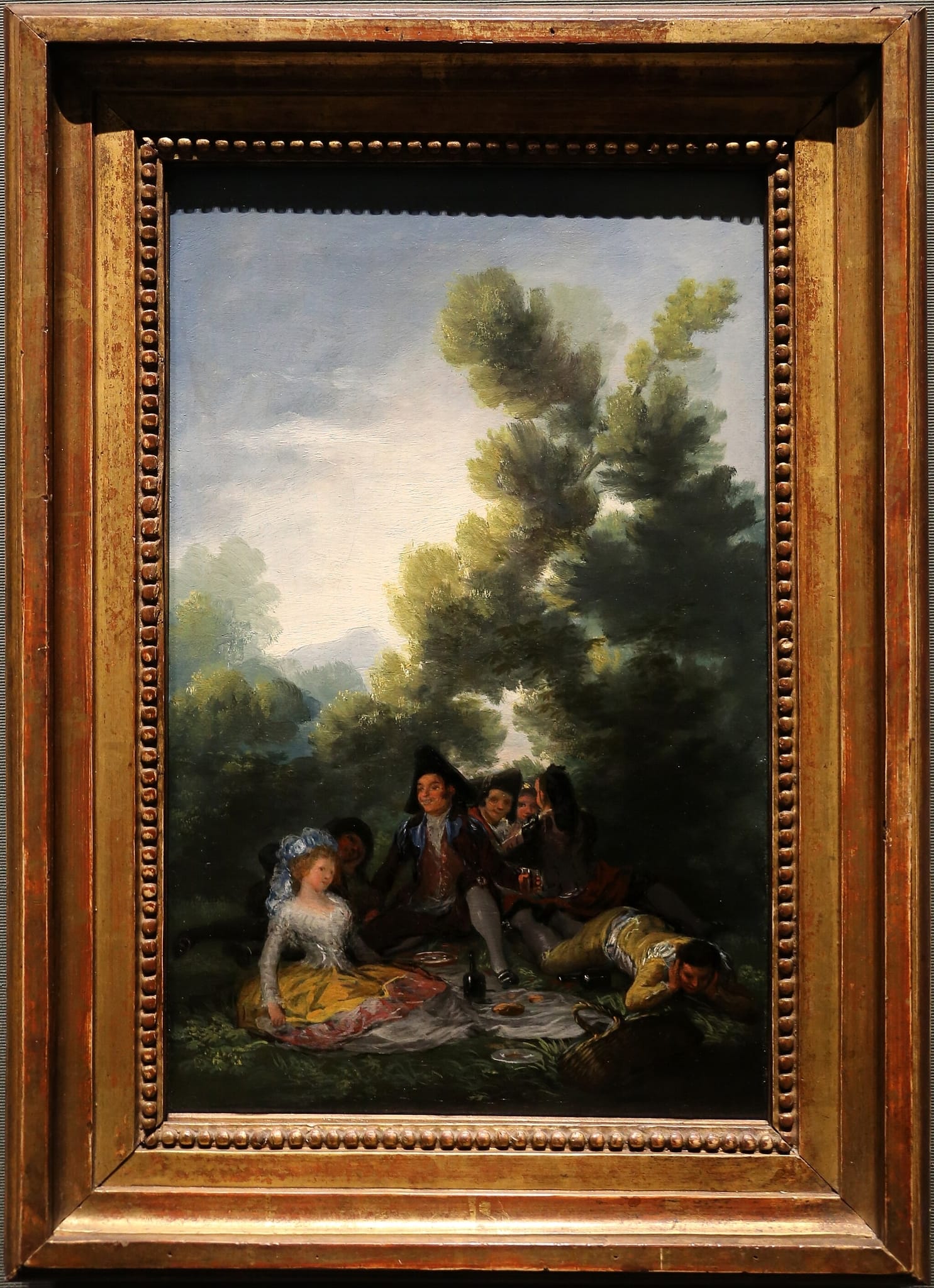
A Picnic
1785-90
Depicts an elegant informal outdoor gathering of fashionable figures conversing and relaxing beneath trees, rendered in the style Goya used for his early tapestry cartoons. It’s significant as an example of Goya’s work for the royal tapestry factory and his ability to observe contemporary social customs while experimenting with color and composition. Look for the natural, fluid brushwork, the way light groups the figures, and small gestures or glances that reveal social relationships within the scene.
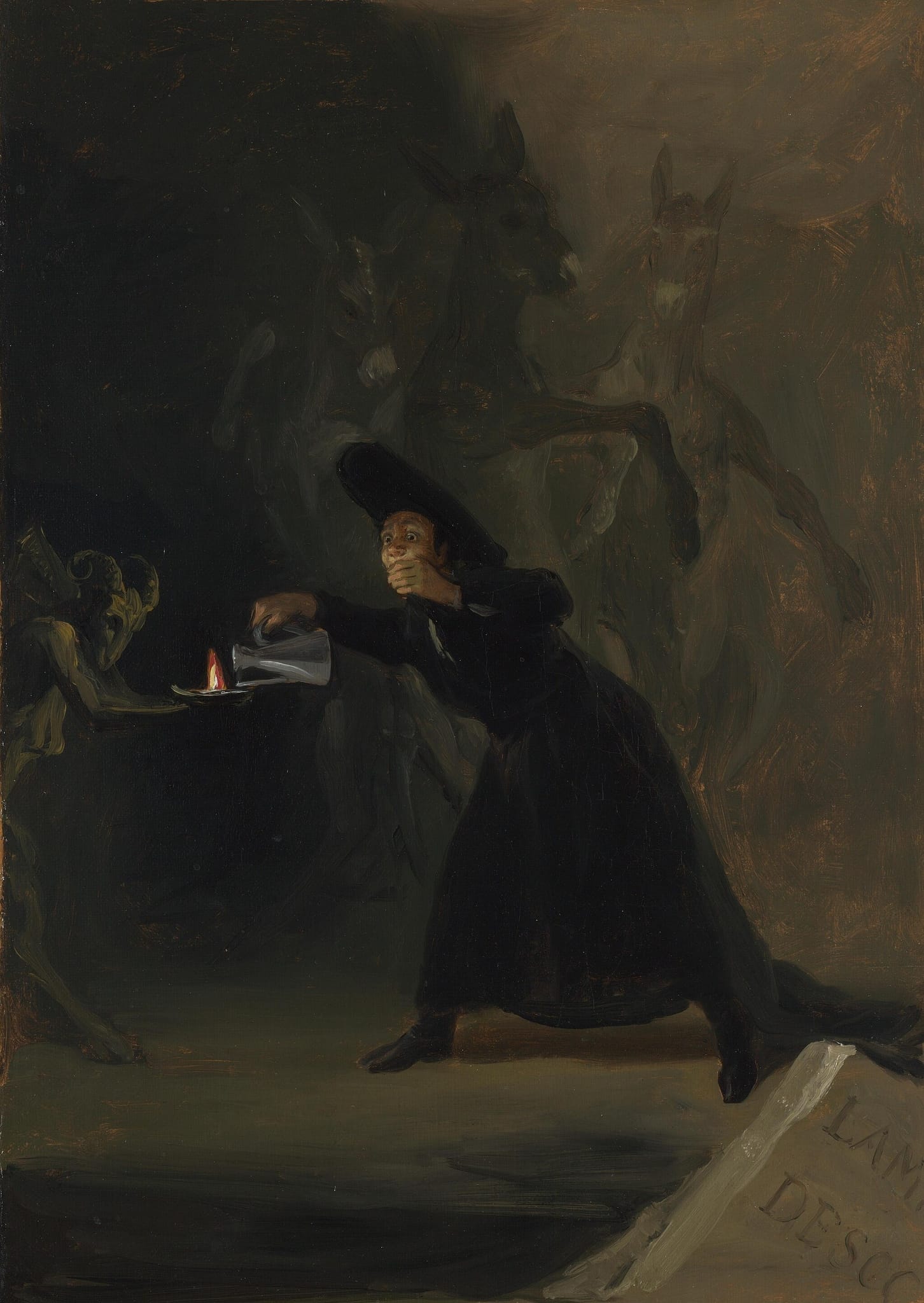
A Scene from 'The Forcibly Bewitched'
1798
Shows a dramatic moment from the theatrical piece, focusing on characters caught up in an episode of deception and supposed enchantment. The painting is important because it demonstrates Goya’s engagement with popular drama and popular superstition, bridging his public commissions and the darker, psychological preoccupations that surface later in his work. Notice the expressive faces and body language, the concentrated staging, and how Goya uses lighting and composition to heighten theatrical tension.
Must-see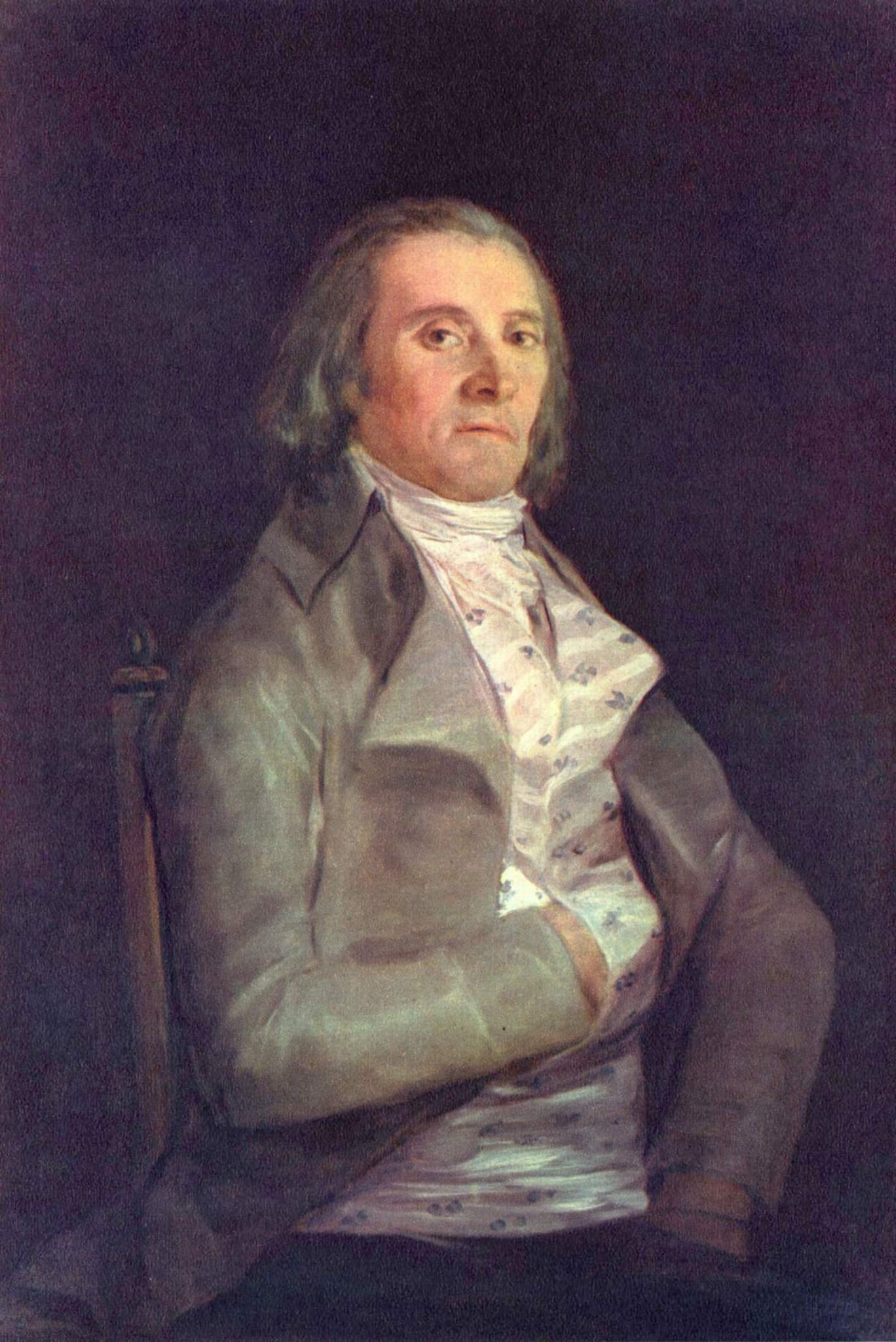
Don Andrés del Peral
A characterful portrait of Don Andrés del Peral that captures the sitter’s presence through attentive rendering of posture, costume, and facial expression. The work is significant as a vivid study of individual personality—typical of Goya’s skill as a portraitist who balanced likeness with psychological insight. Look closely at the sitter’s hands and face, and at the subtle details of dress and setting that suggest social status and character.
Must-see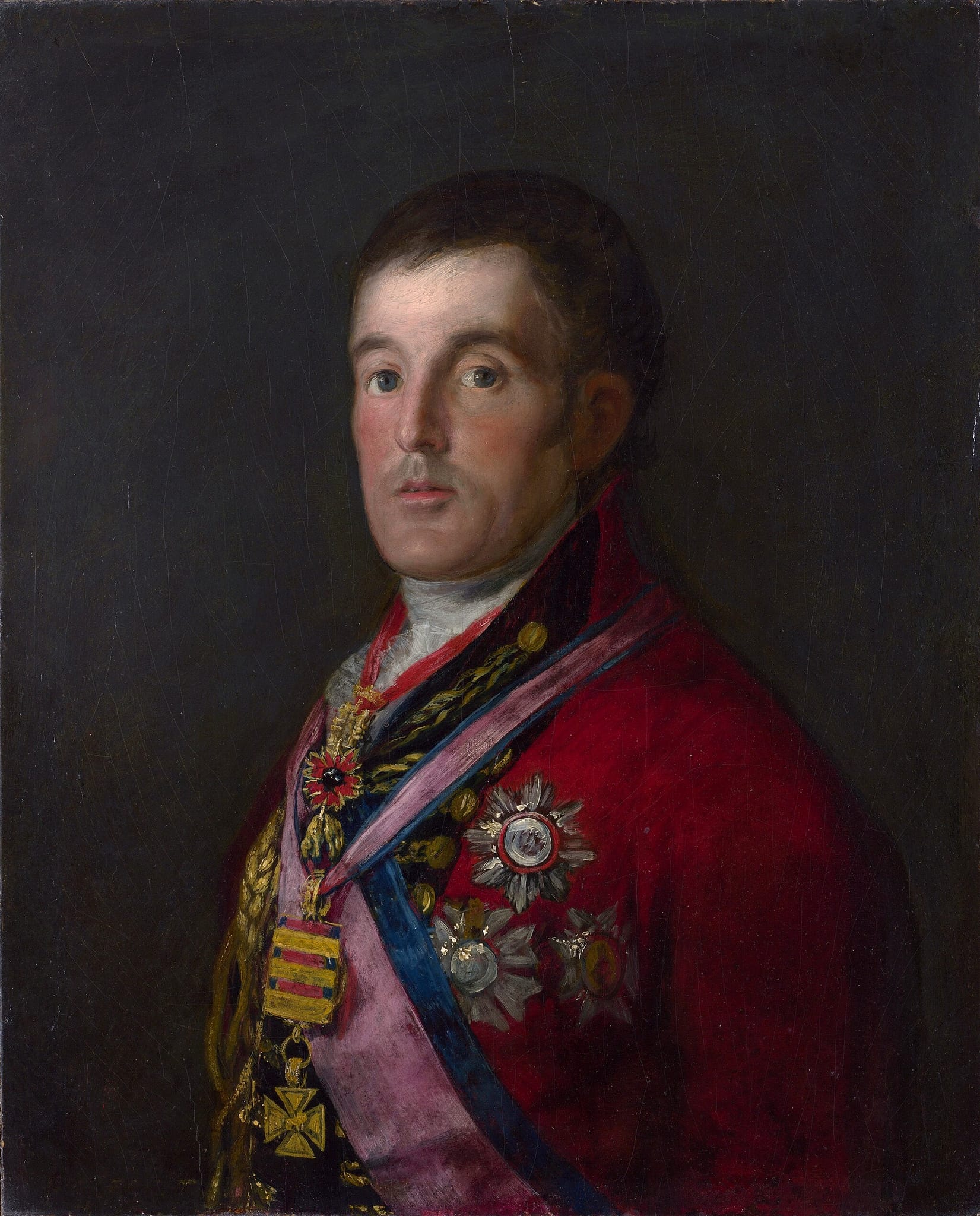
The Duke of Wellington
1812-14
A portrait of Arthur Wellesley, the Duke of Wellington, presented in military dress that emphasizes his authority and role in the Peninsular War. It’s significant both as a contemporary likeness of a key historical figure and as an example of Goya’s late-career portraiture combining realism with a brisk, economical handling of paint. Observe the direct, purposeful gaze, the detailing of the uniform and accoutrements, and the economical but decisive brushstrokes that convey rank and character.
The Courtauld Gallery (The Courtauld)
The Courtauld’s single Goya offers an unusually intimate encounter: as a small collection with concentrated hangings, the painting is shown in close proximity to works by Goya’s contemporaries and later admirers, which highlights his influence on chiaroscuro and expressive portraiture. Because the Courtauld focuses on connoisseurship and visual relationships, that lone Goya often reads differently here than it would in a larger national collection — you can better appreciate its technique, scale and conversational placement among prints and paintings that trace Goya’s legacy.
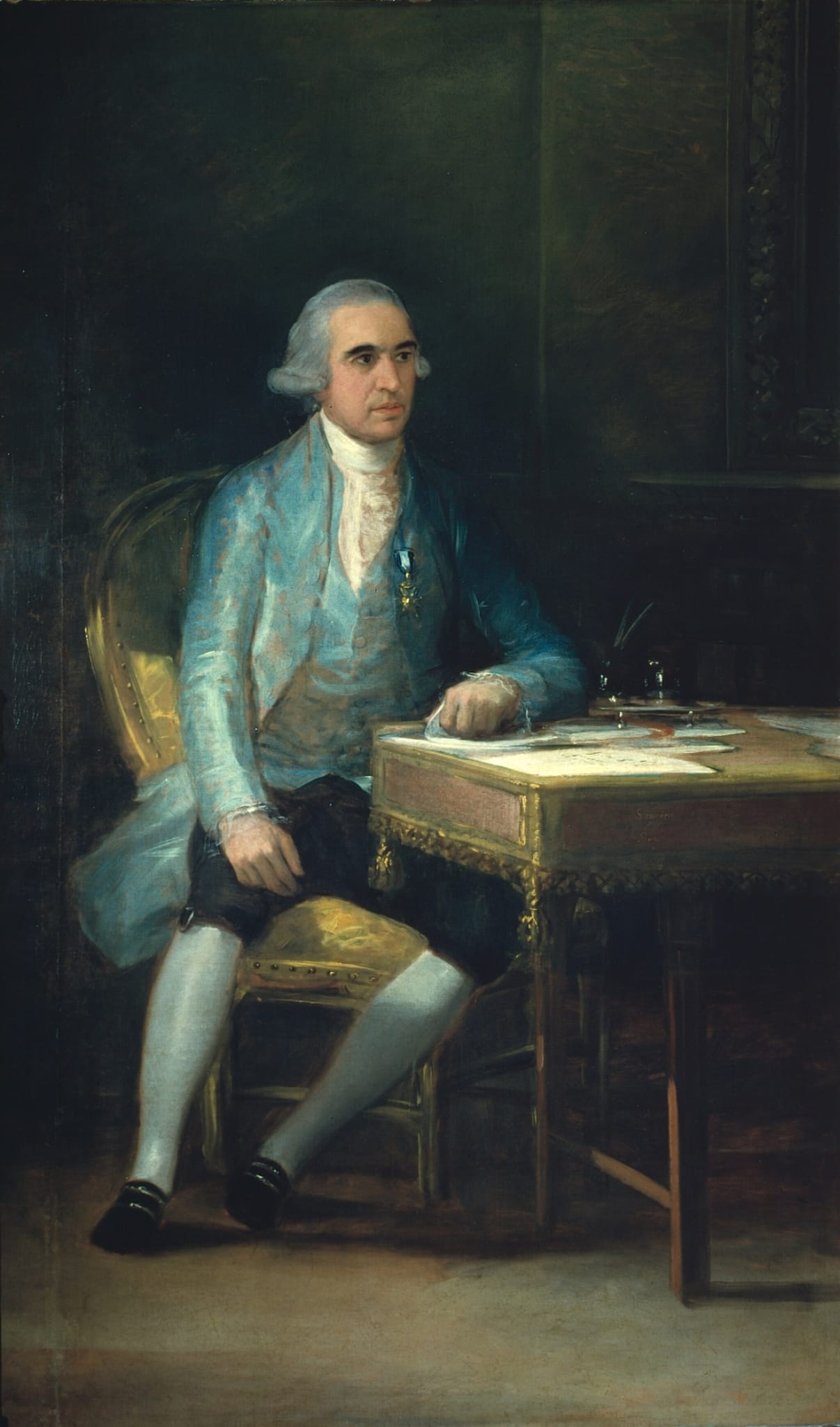
Portrait of Don Francisco de Saavedra
1798
Goya presents Don Francisco de Saavedra — the Spanish statesman and minister — in a restrained, three-quarter-length portrait that emphasises his calm authority through spare, economical setting and controlled, naturalistic lighting. The painting is significant as a late-18th-century depiction of an Enlightenment reformer and as part of Goya’s mature portrait practice, linked historically and compositionally to a pendant portrait of his colleague Jovellanos; look closely for Goya’s sensitive handling of skin tones, the economical but expressive brushwork in the costume, and the subtle modelling of the face that conveys character more than ceremony. ([gallerycollections.courtauld.ac.uk](https://gallerycollections.courtauld.ac.uk/object-p-1947-lf-180?utm_source=openai))
Must-see