Original Essays
Dive into ambitious yet inviting criticism that connects artists, movements, and symbols through richly illustrated storytelling.
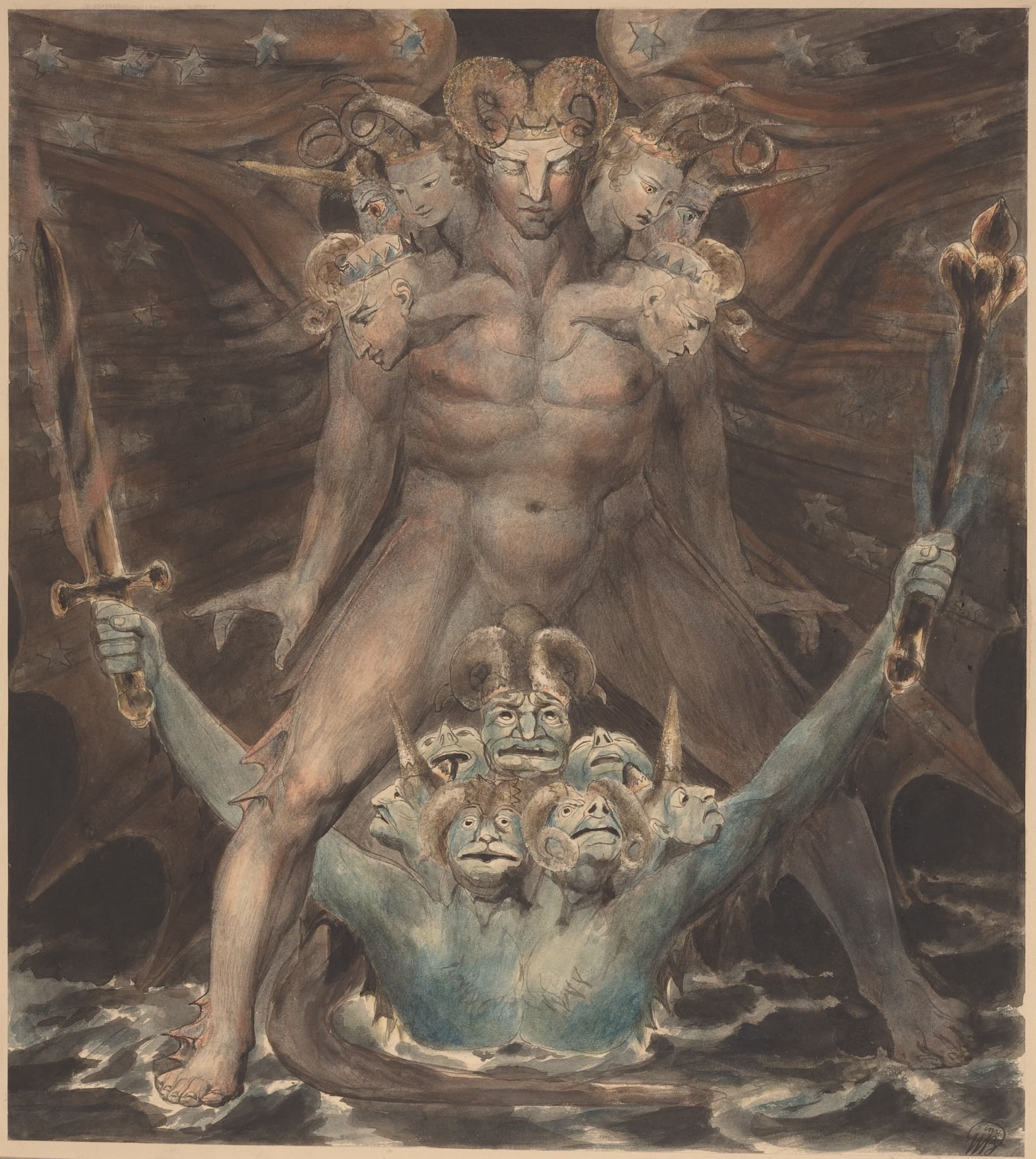
The Bureaucrat Who Bought the Apocalypse
Start at the worst moment. In 1803, William Blake was hauled into court, accused of shouting treason after throwing a soldier out of his garden. Witnesses swore he’d cried, “Damn t…
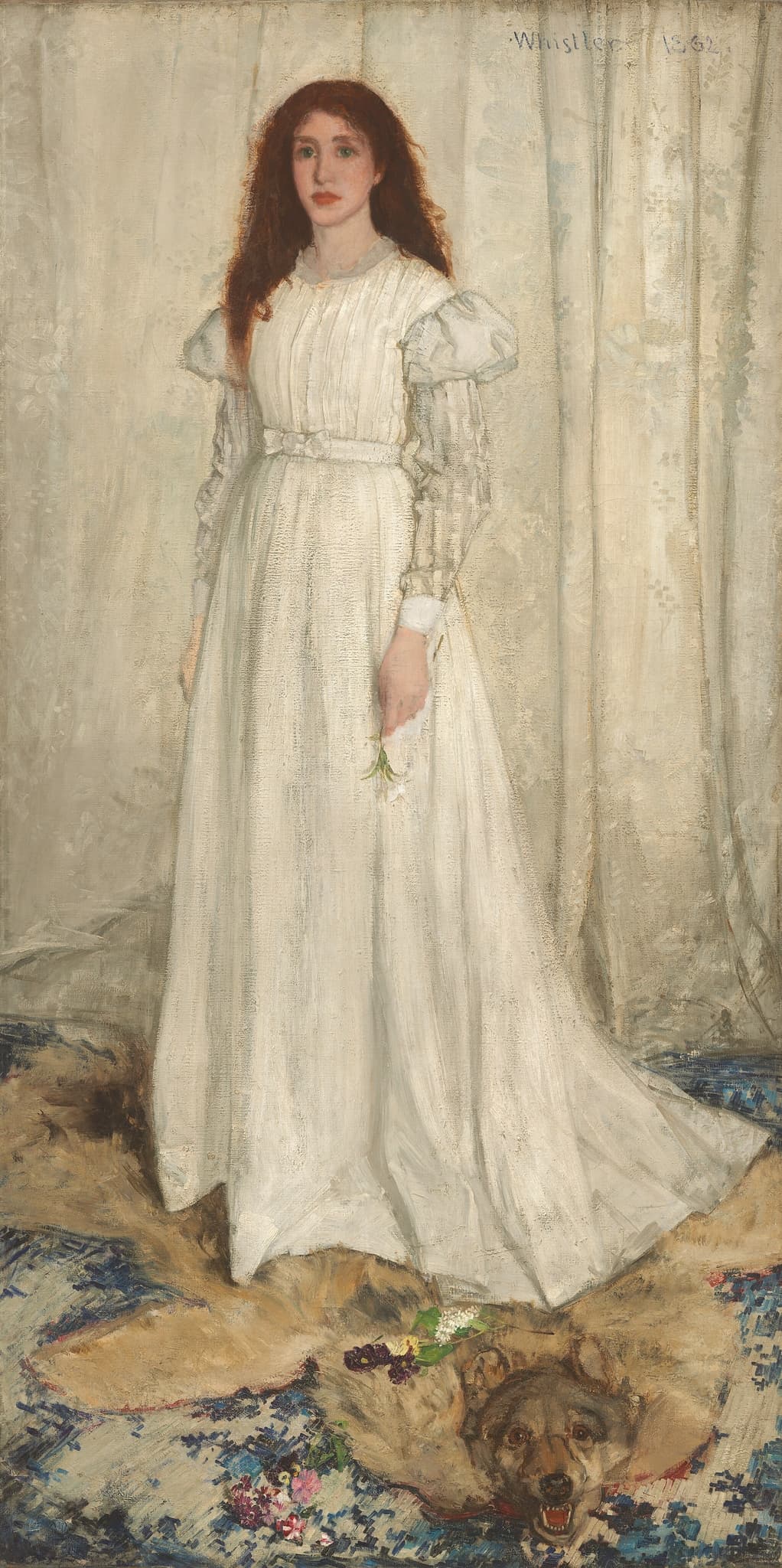
Not a Bride: The Misreading That Made Whistler Famous
Picture the stakes: a young American in Europe betting his career on a canvas the juries didn’t want. First the Royal Academy in London said no. Then Paris said no. Whistler shippe…
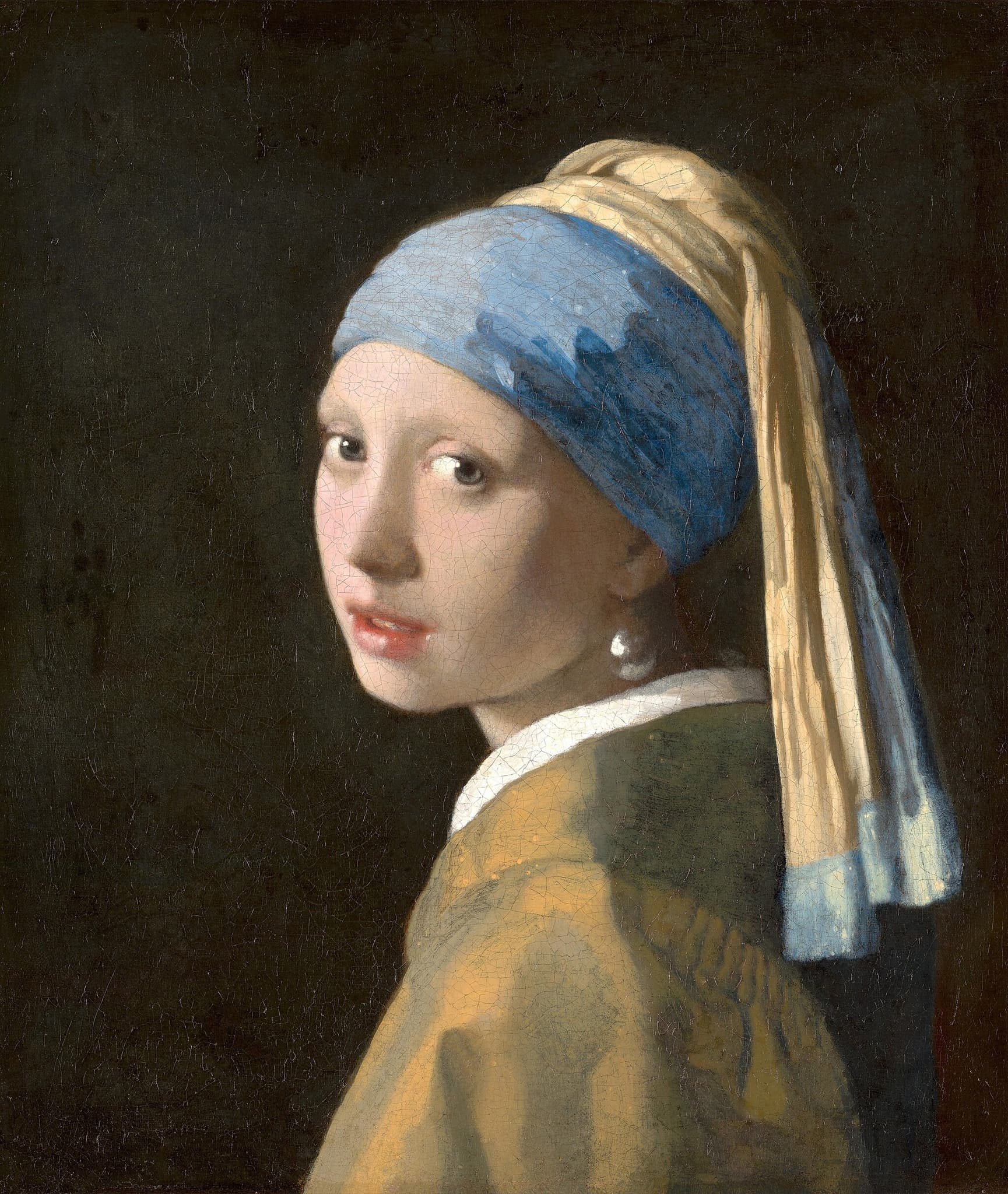
Two Guilders and a Global Brand: How “Girl with a Pearl Earring” Won the Market Without Ever Being for Sale
The room smelled of dust and old frames. A minor Hague auction. Little competition. A civil servant named A.A. des Tombe raised a hand, nudged by art crusader Victor de Stuers. The…
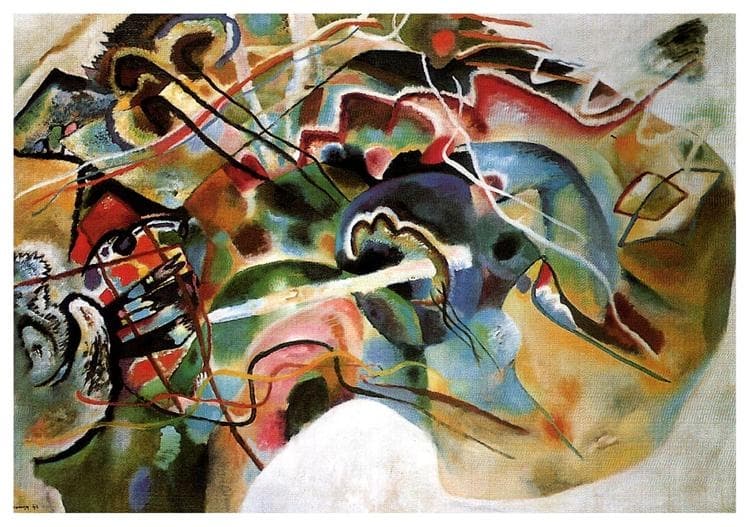
The Homesick Secret Inside Kandinsky’s ‘Painting with White Border’
1913. Munich. A Russian outsider is betting his reputation that color alone can carry emotion. If it fails, he’s the crank who left reality. If it works, he’s about to rename it. “…
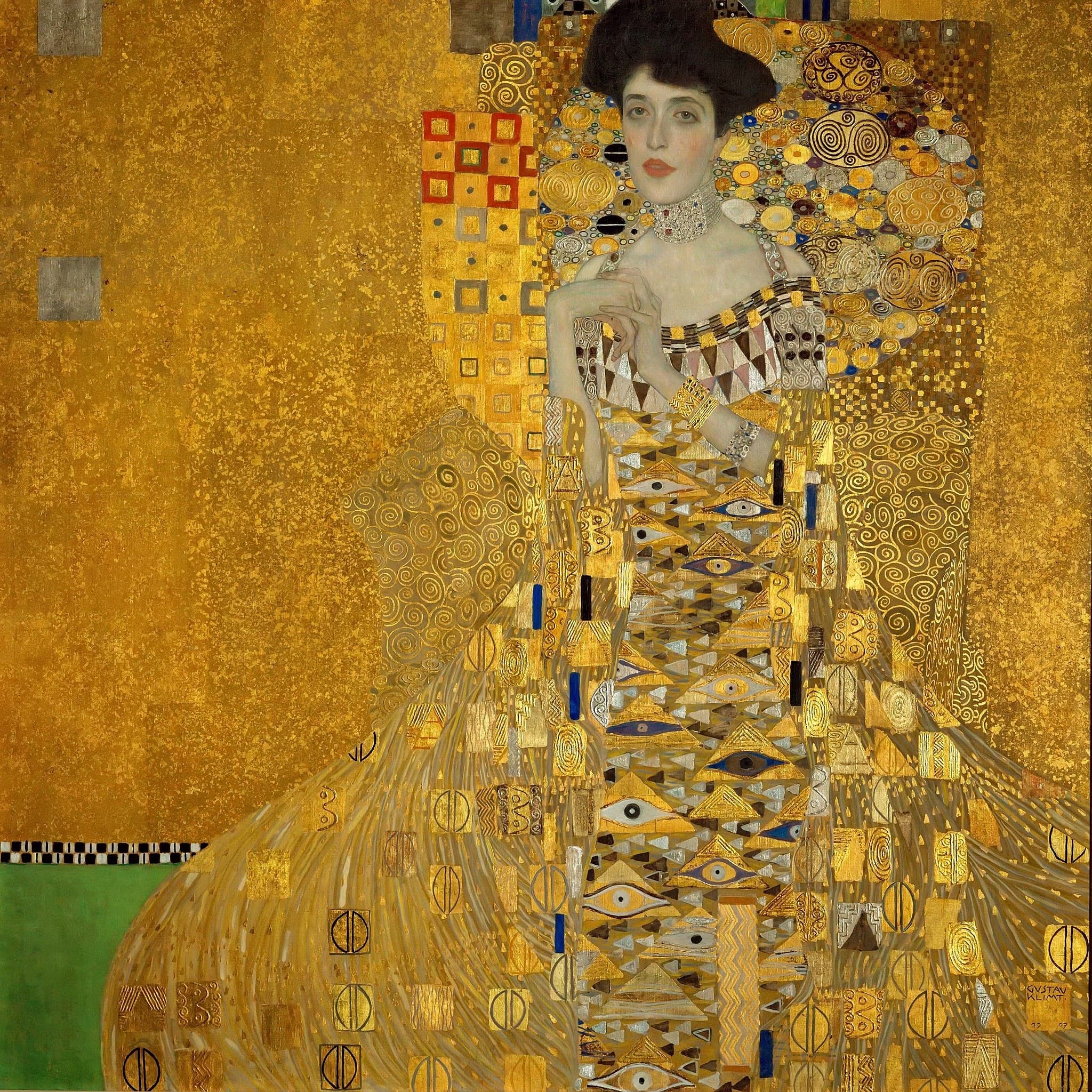
How a Portrait Beat a Country
Start with the face everyone in Vienna knew. Adele Bloch-Bauer—wealthy, sharp, and restless—sat for Klimt as he built a shrine of gold around her in 1907. It’s the image that made …
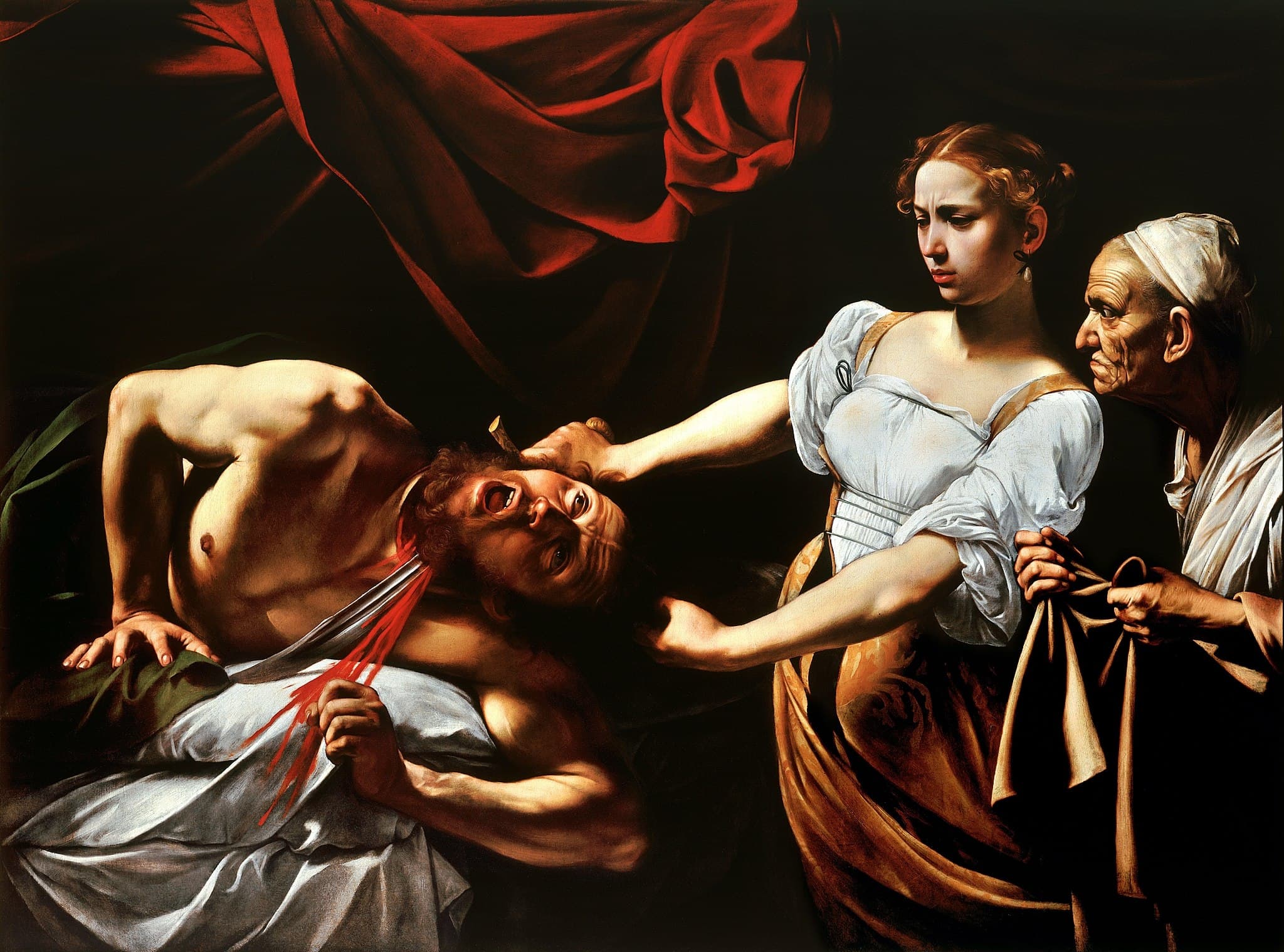
The Courtesan Behind the Sword
Start in a rented room with a curtain pulled high. A banker is waiting for a deliverable; a patronage network is watching a comet of a painter. Caravaggio steps to the canvas and c…
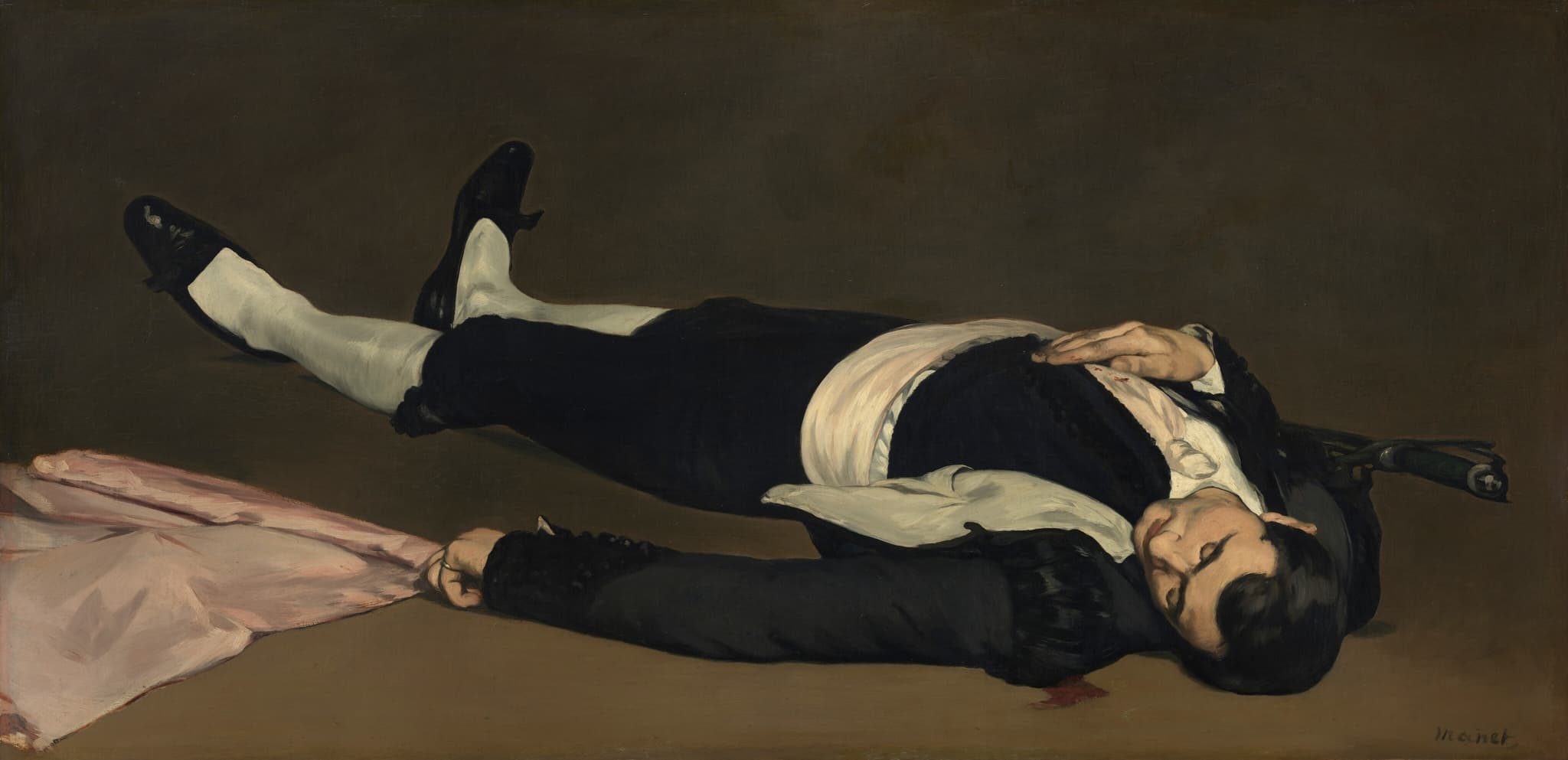
The Day Manet Took a Knife to His Own Painting
Paris, 1864. The Salon is the arena. A painting can knight you or end you. Manet, already bruised by scandal the year before, bets big on spectacle: a sweeping bullfight scene, Spa…
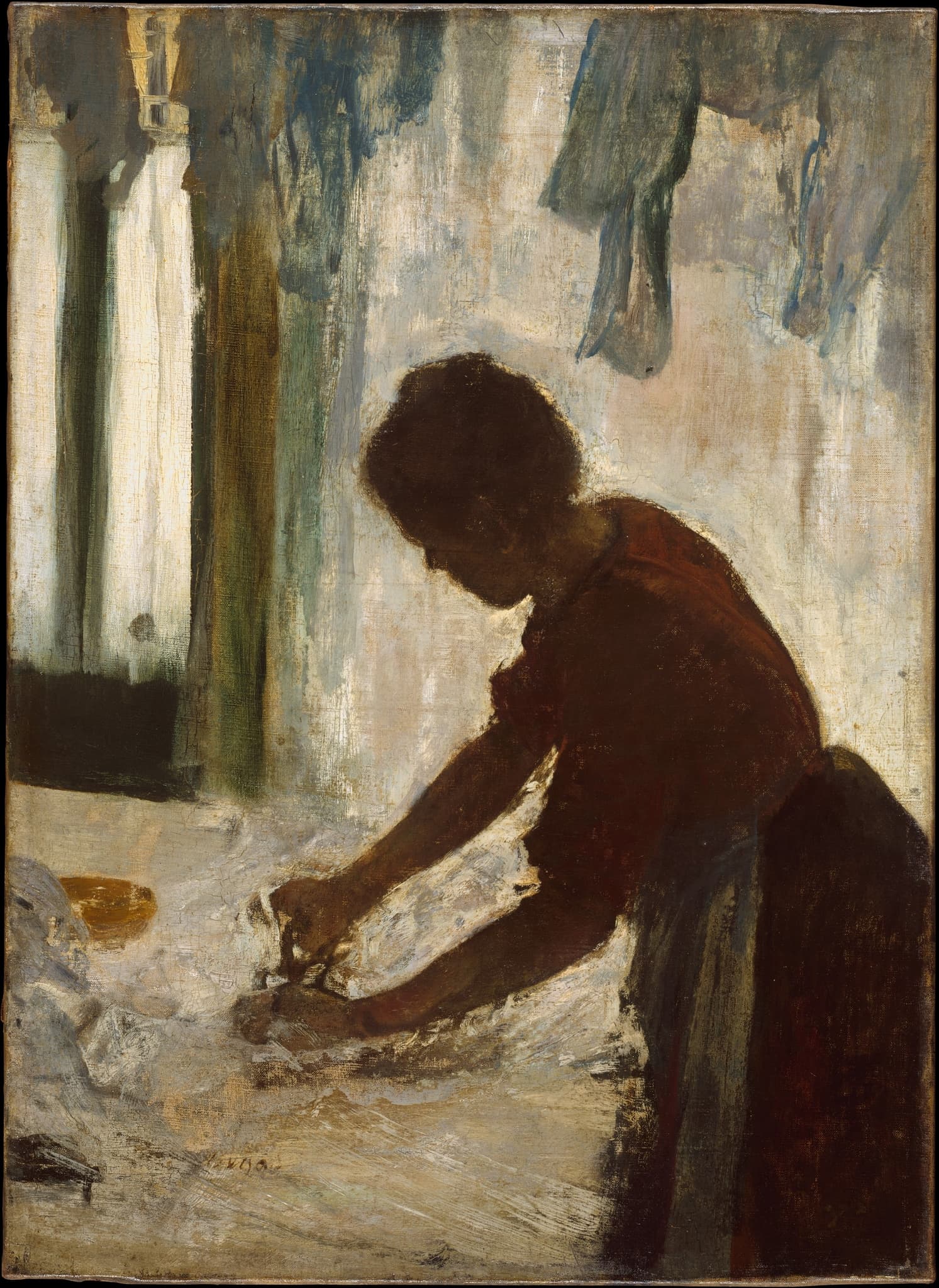
The Iron and the Eye: Degas Against the Glare
By the mid‑1870s, collectors wanted Degas for ballet: satin shoes, mirrored studios, the sellable dream. Instead, he kept showing up in steam and starch. Over and over, he painted …
The Blue Armchair Rebellion
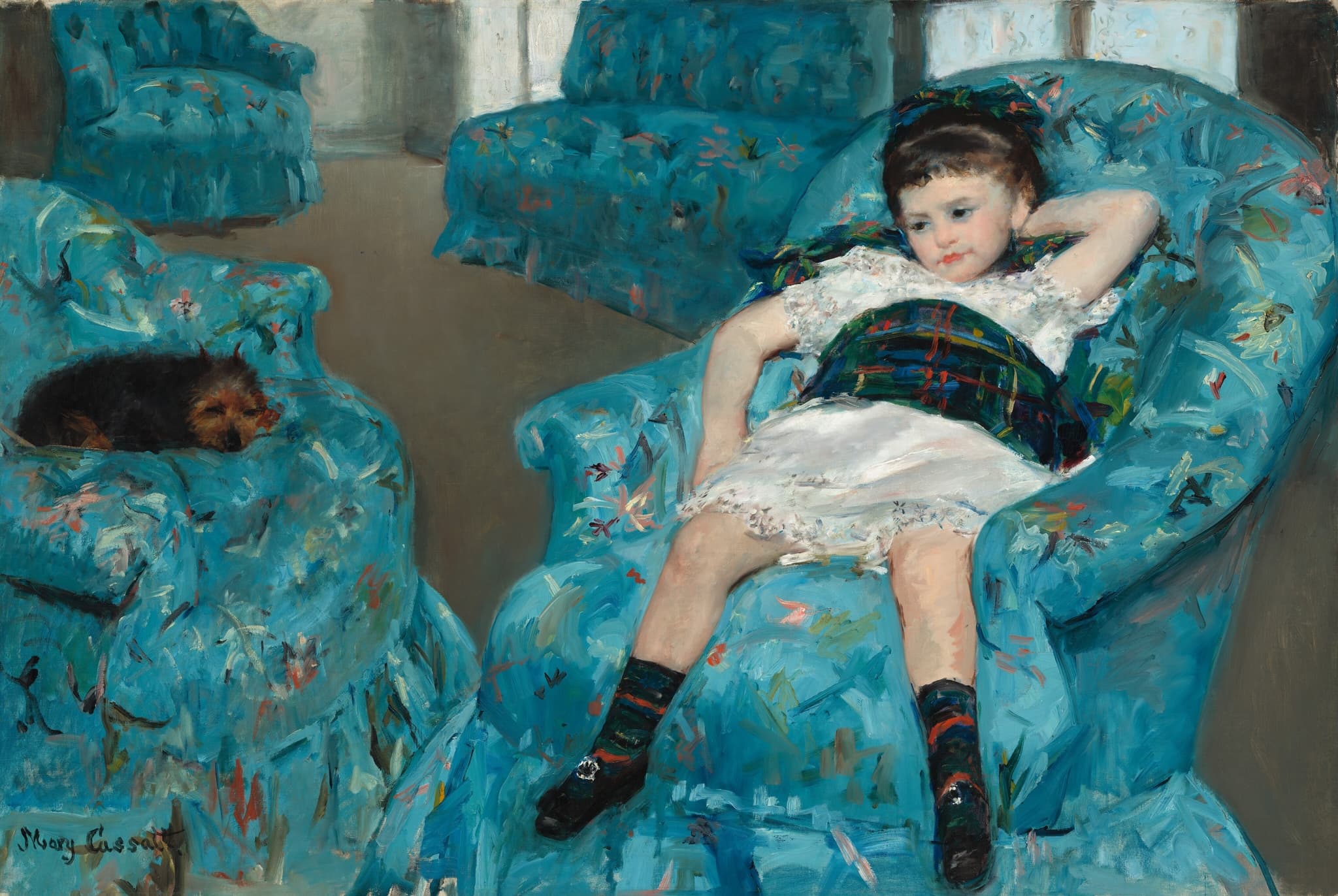
Paris, 1878. An American woman is fighting for entry into the most controversial circle in art. Reputation on the line, money scarce, critics circling. Her next move must land. She…
The Balcony That Started a Riot
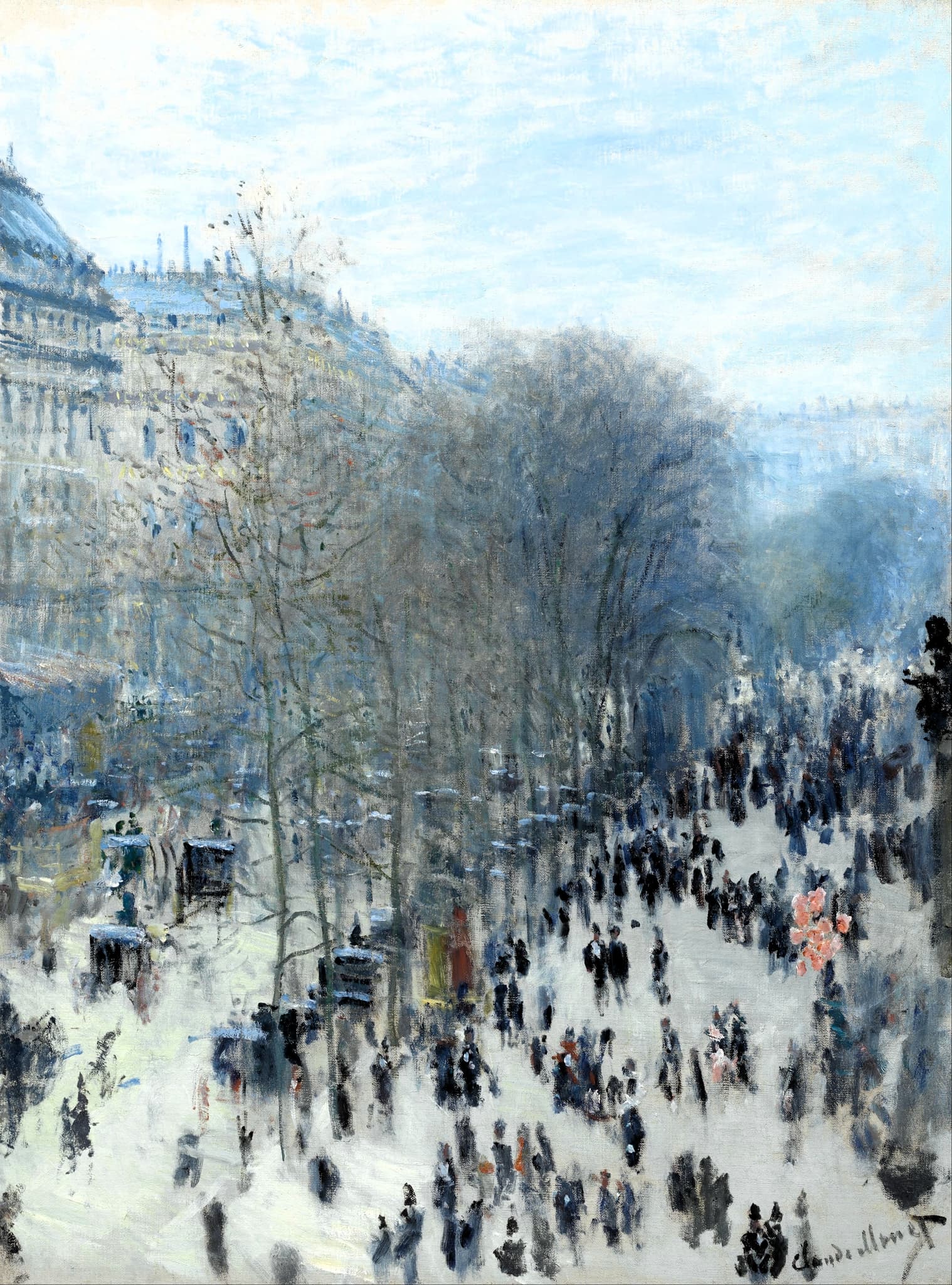
Picture the stakes. Paris still bowed to the Salon, a jury that could mint careers or erase them. Monet had a young family, debts, and a dwindling market. So he and a handful of fr…
Degas’s Vanished Paris: The Painting That Went to War and Came Back With a Secret
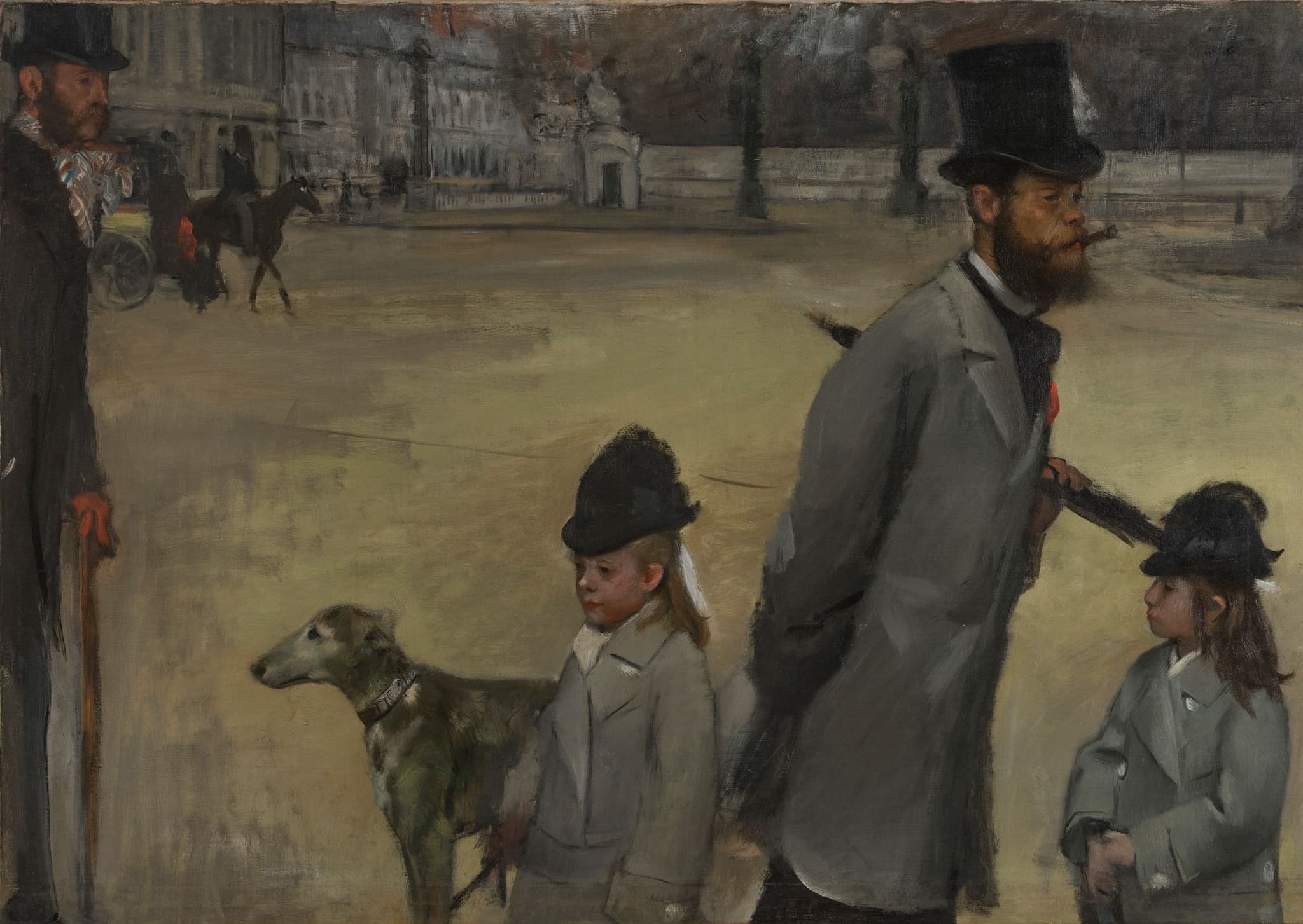
Start in 1875: a man strides, girls in gray keep pace, a dog scouts the pavement. No one looks at each other. A city square yawns like a stage. Edgar Degas freezes it all with brut…
The Audition in Blue: Renoir’s Gamble Behind Girl with a Watering Can
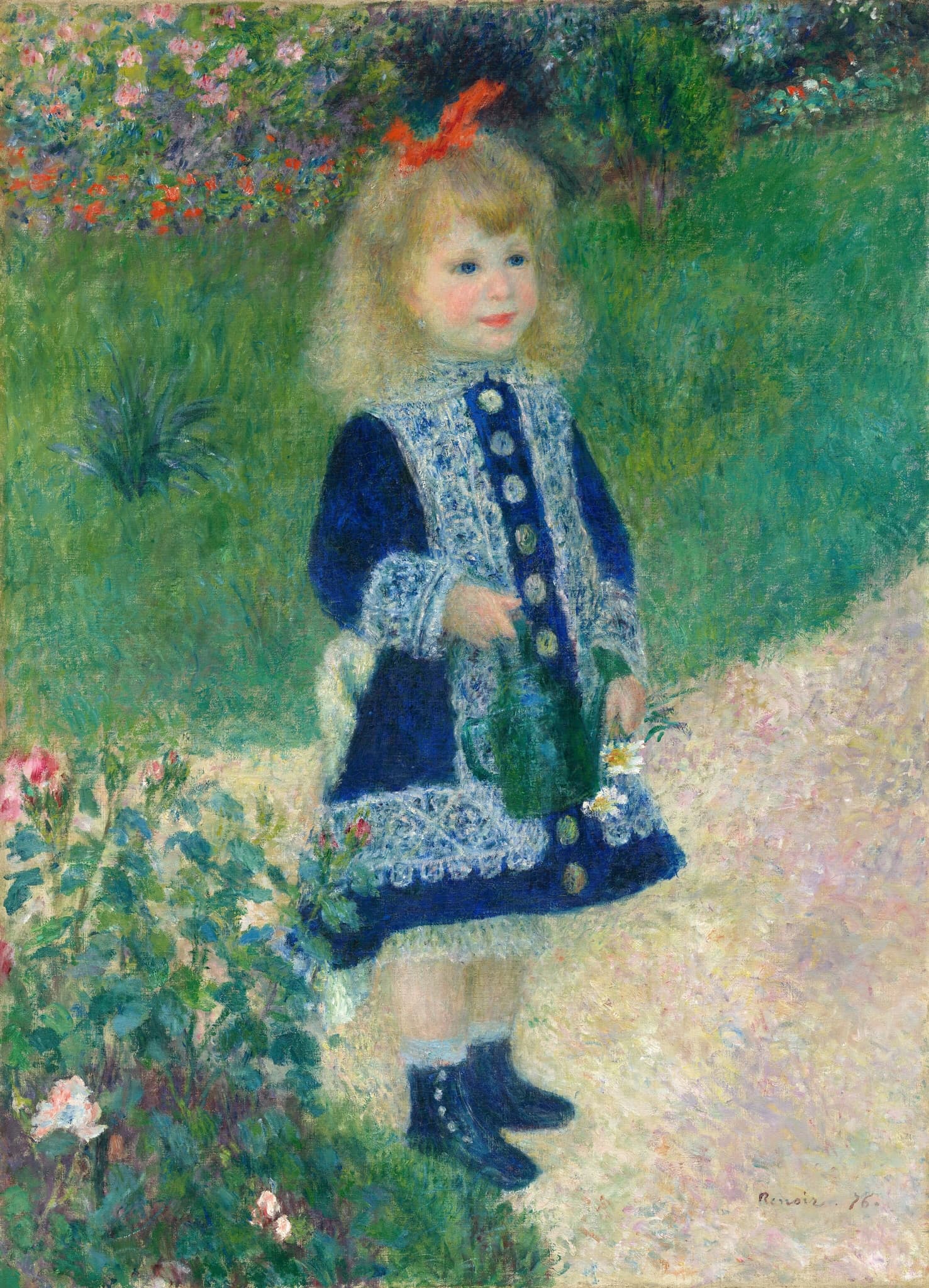
Picture Renoir at 35, debts circling, reputation wobbling after the second Impressionist show. The critics mocked his circle; the market yawned. Portrait commissions — the cash eng…
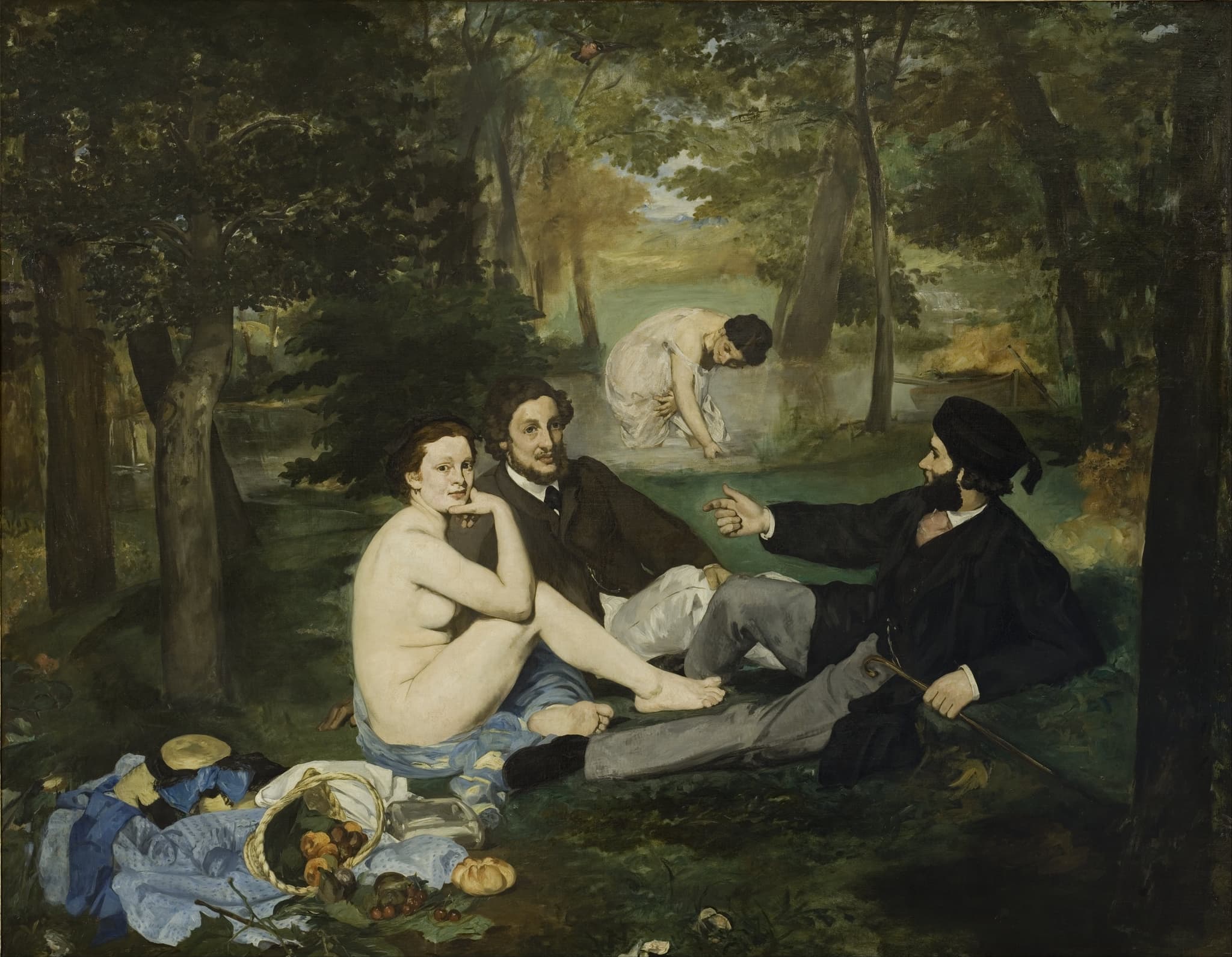
The Picnic That Made an Emperor Blink
Start with the stakes: the Paris Salon decided an artist’s fate. Win the jury, you get buyers, critics, immortality. Lose, you vanish. That year, the jury rejected an unusually hig…
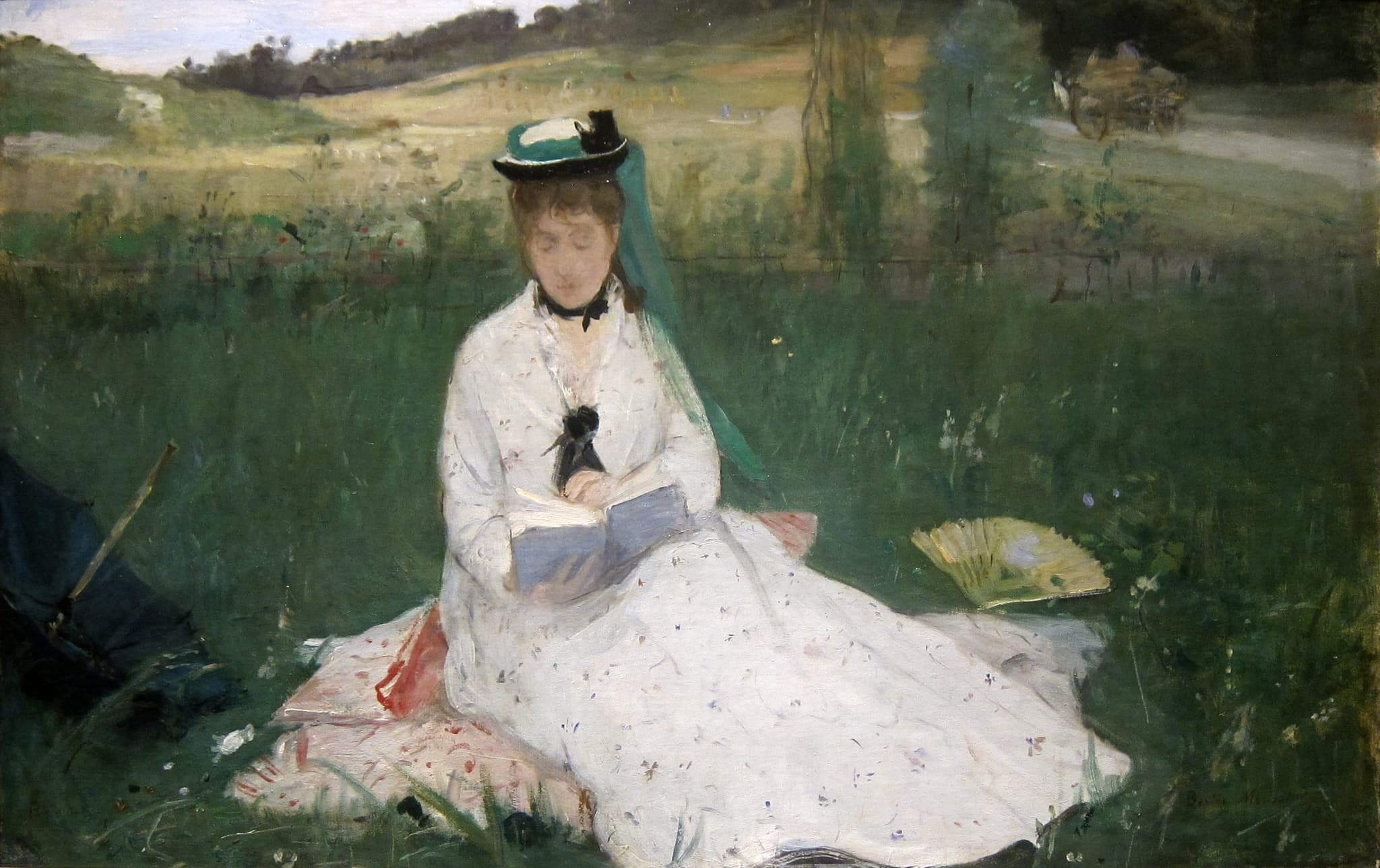
She Put Down the Fan
Look closely: the props of flirtation lie useless in the grass. The fan is shut. The green parasol is abandoned. A carriage blurs by in the distance, but the figure never looks up.…
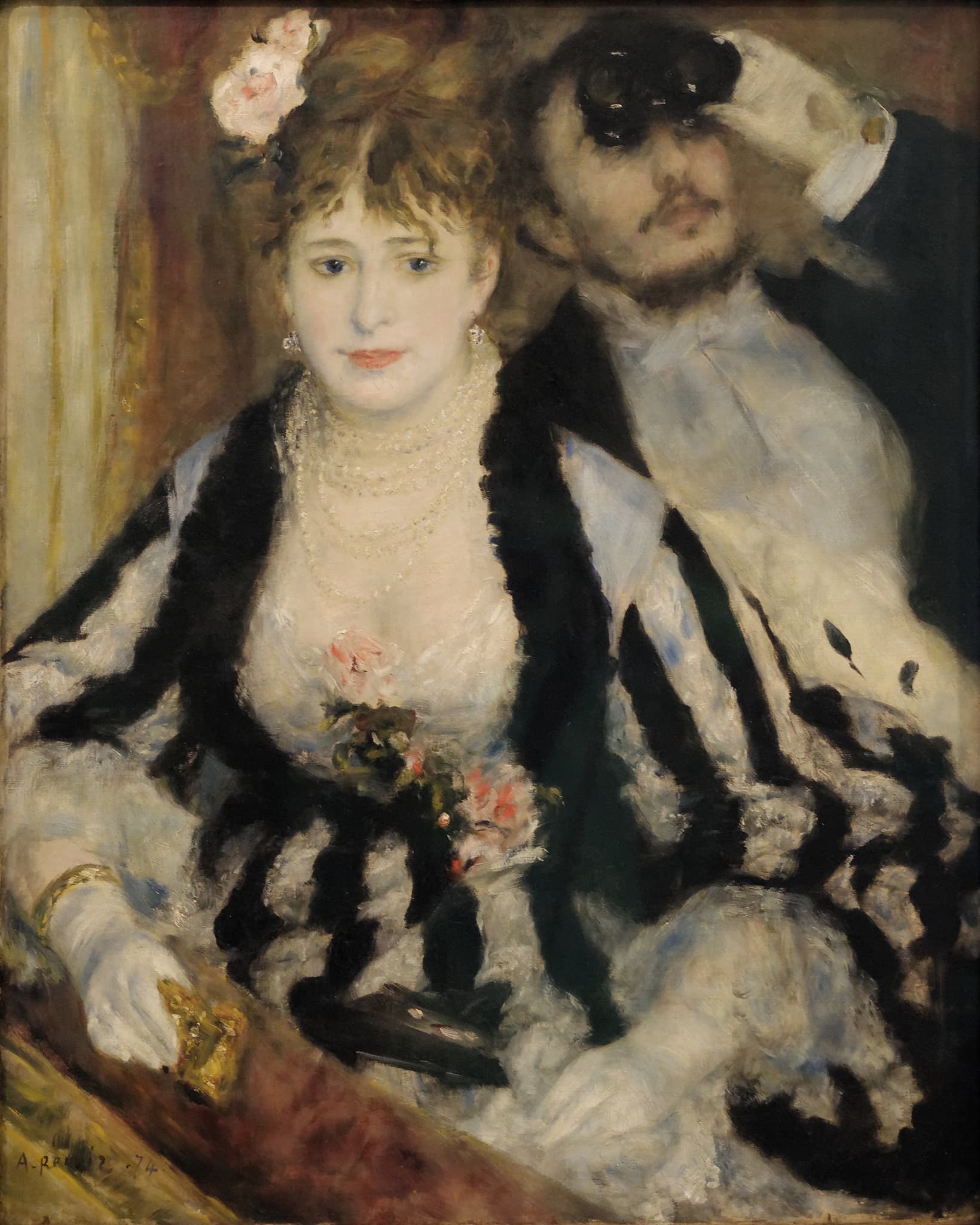
Renoir’s Fake Date Night
Picture the stakes: Renoir is thirty-three, broke, and rolling the dice on a renegade show the Salon has snubbed—the first Impressionist exhibition. If this painting doesn’t spark …
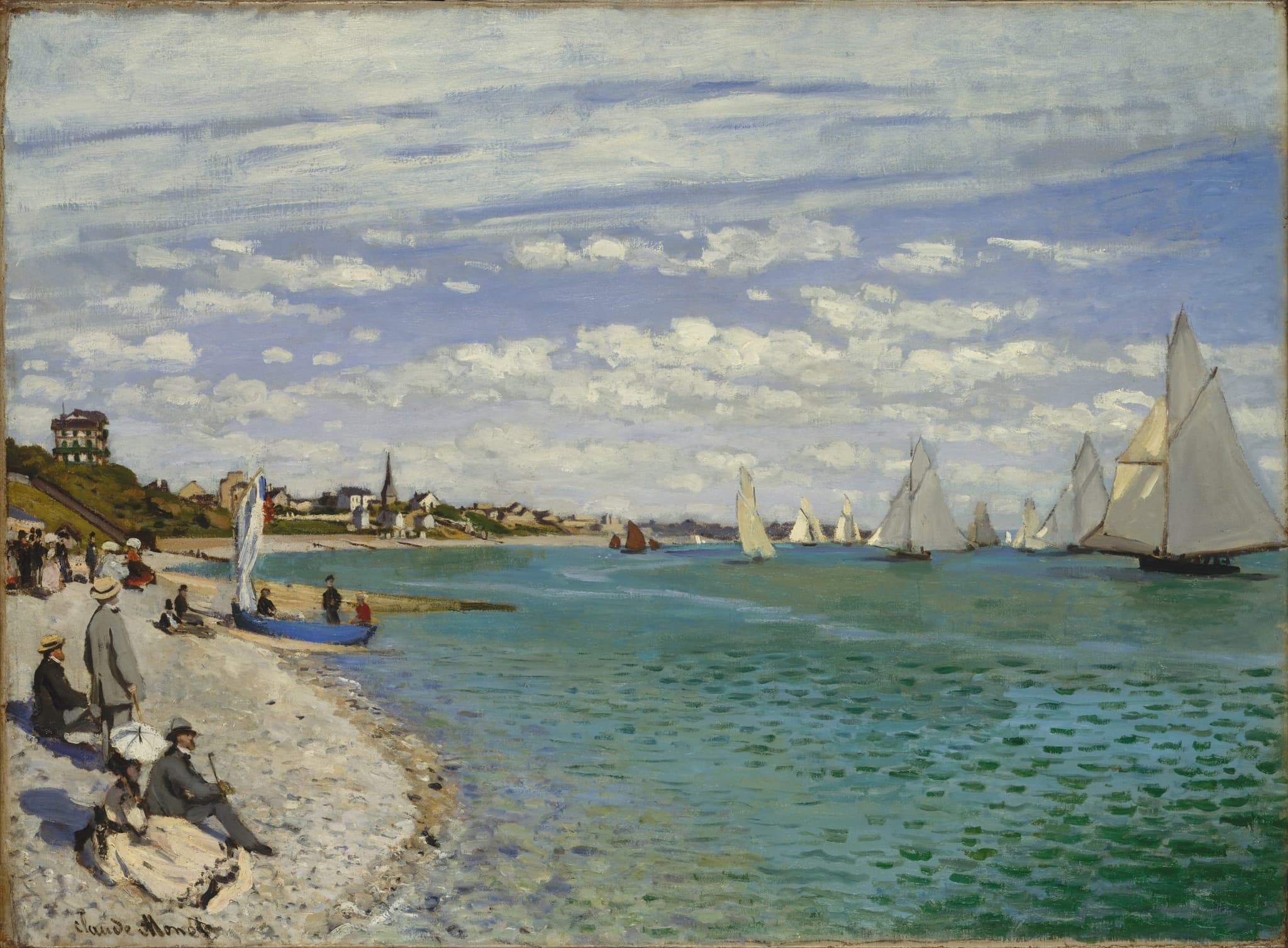
The Sunniest Monet Was Painted in a Storm
First glance: a perfect day. Parasols tilt. White sails cut the Channel. Sun freckles the water like confetti. It looks like a rich man’s postcard. That’s the trap.
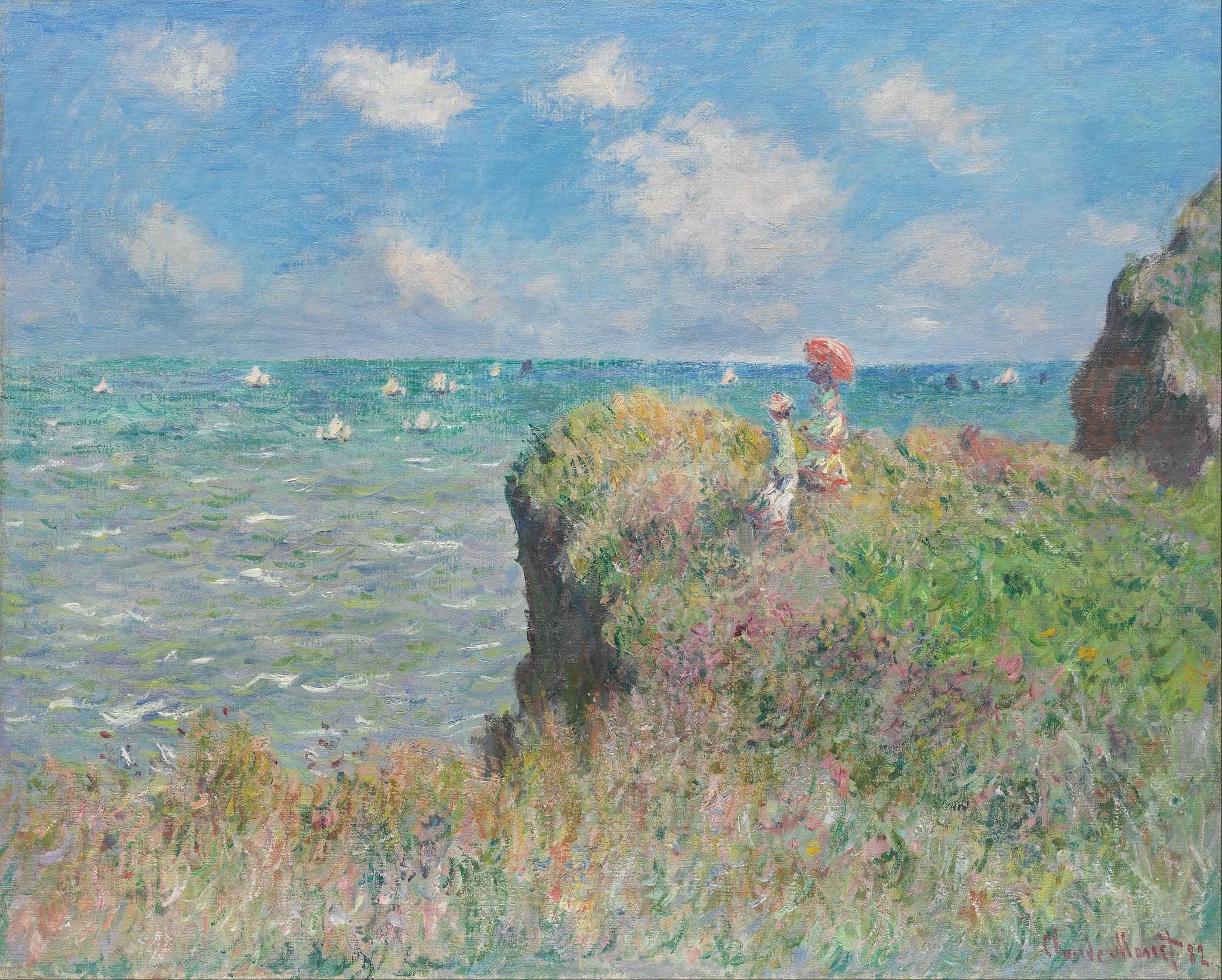
Monet’s Pink Parasol, and the Secret It Was Hiding
Start at the edge. In 1882 Monet escaped to a fishing village on the Normandy coast and worked like a man trying to outrun gossip. He had fallen in love with Alice Hoschedé, the wi…
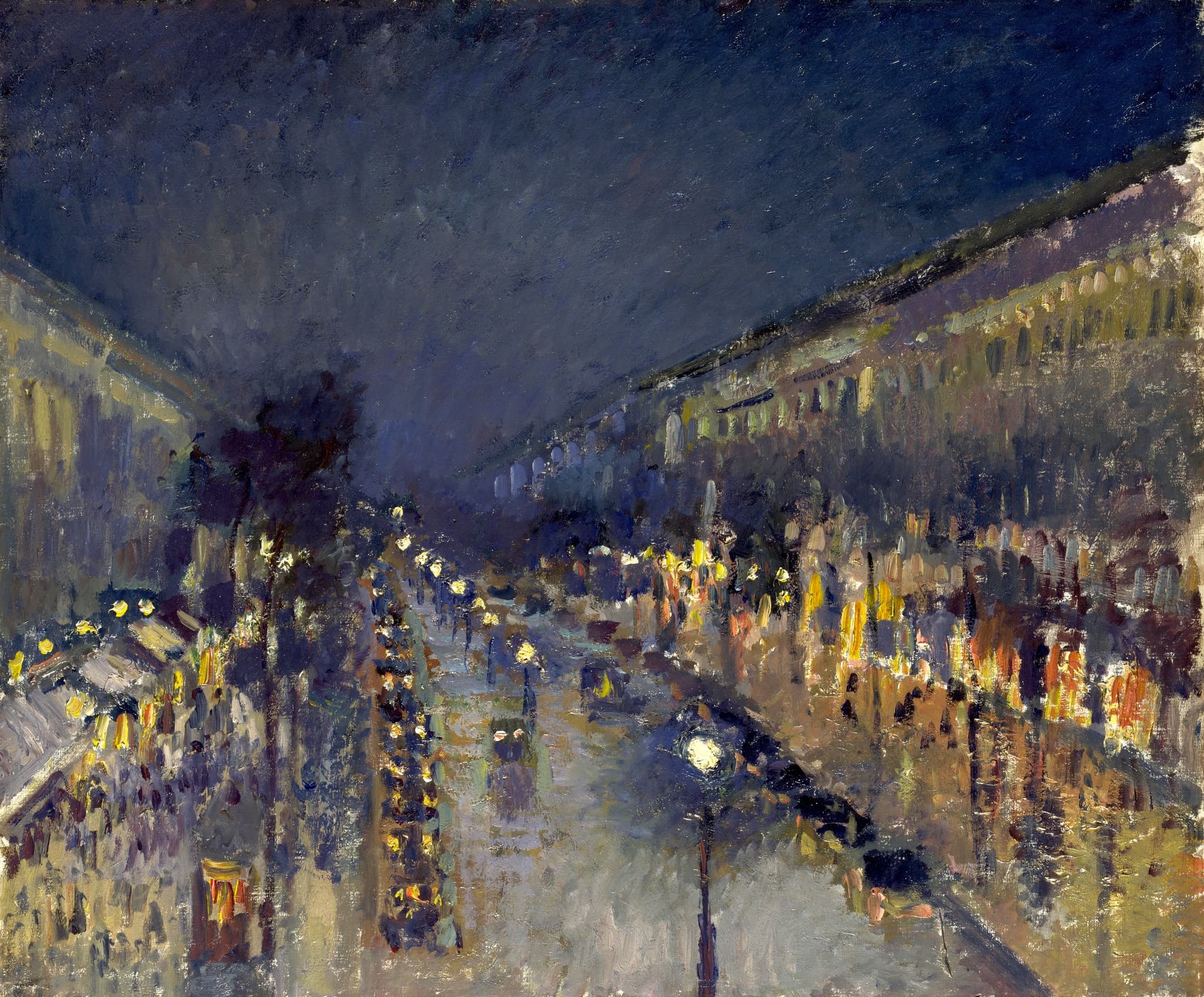
The Night Pissarro Learned to See Again
He was in his mid‑sixties, the elder statesman of Impressionism with bills to pay and younger stars sprinting past. Critics loved the myth of Pissarro the tireless outdoor painter.…
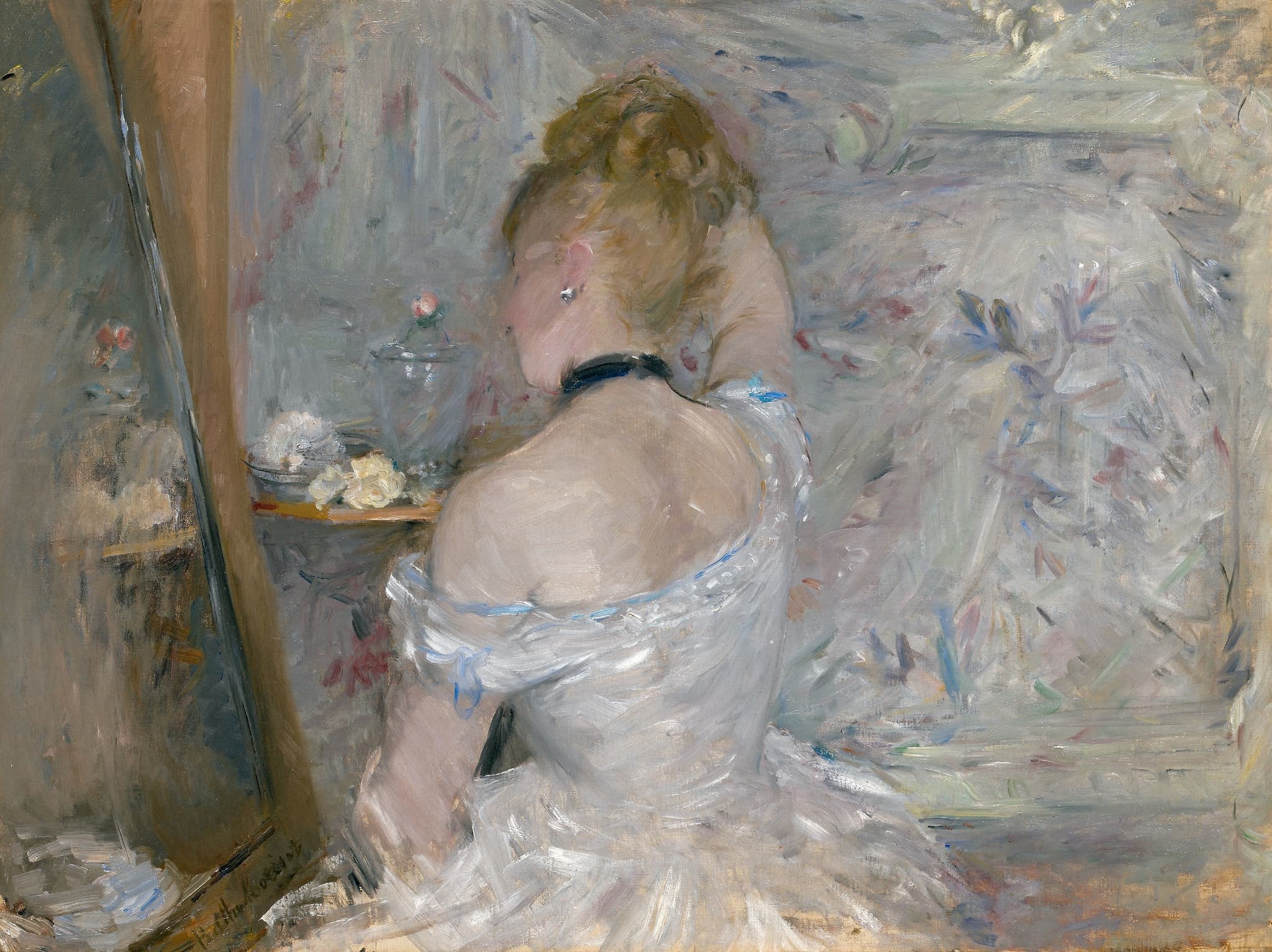
The Mirror That Said No: Berthe Morisot’s Quiet Rebellion
Look at the setup: a woman in satin, arm lifted, powders and jars within reach. Paris, late 1870s. It reads like flirtation. But the reflection is a smear, the face withheld. Moris…
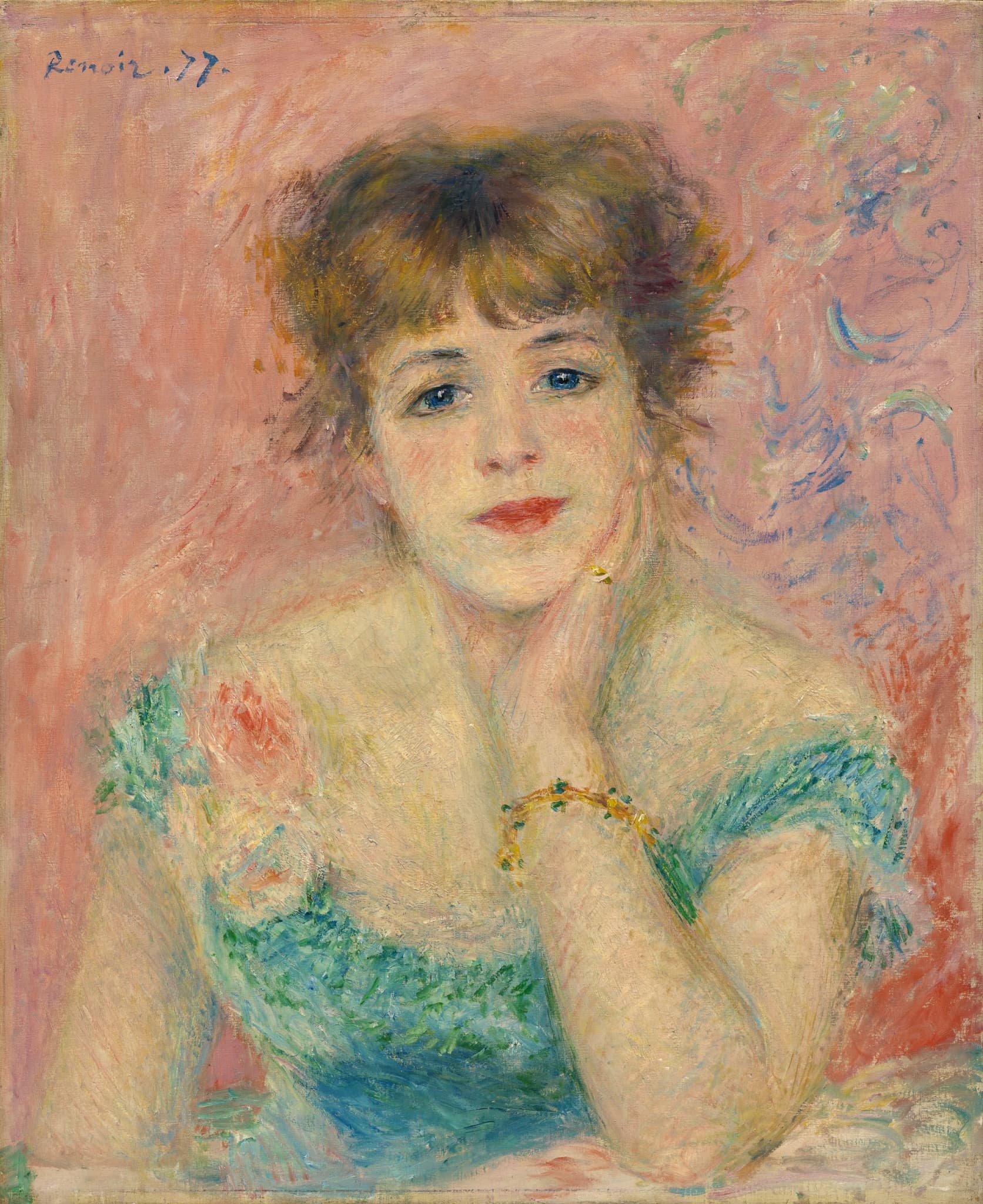
The Pink Portrait the Revolution Seized
Start in 1877. Renoir is broke, ambitious, and tired of being called a lightweight. He paints a young actress from the Comédie‑Française—Jeanne Samary—with a coral-pink atmosphere …
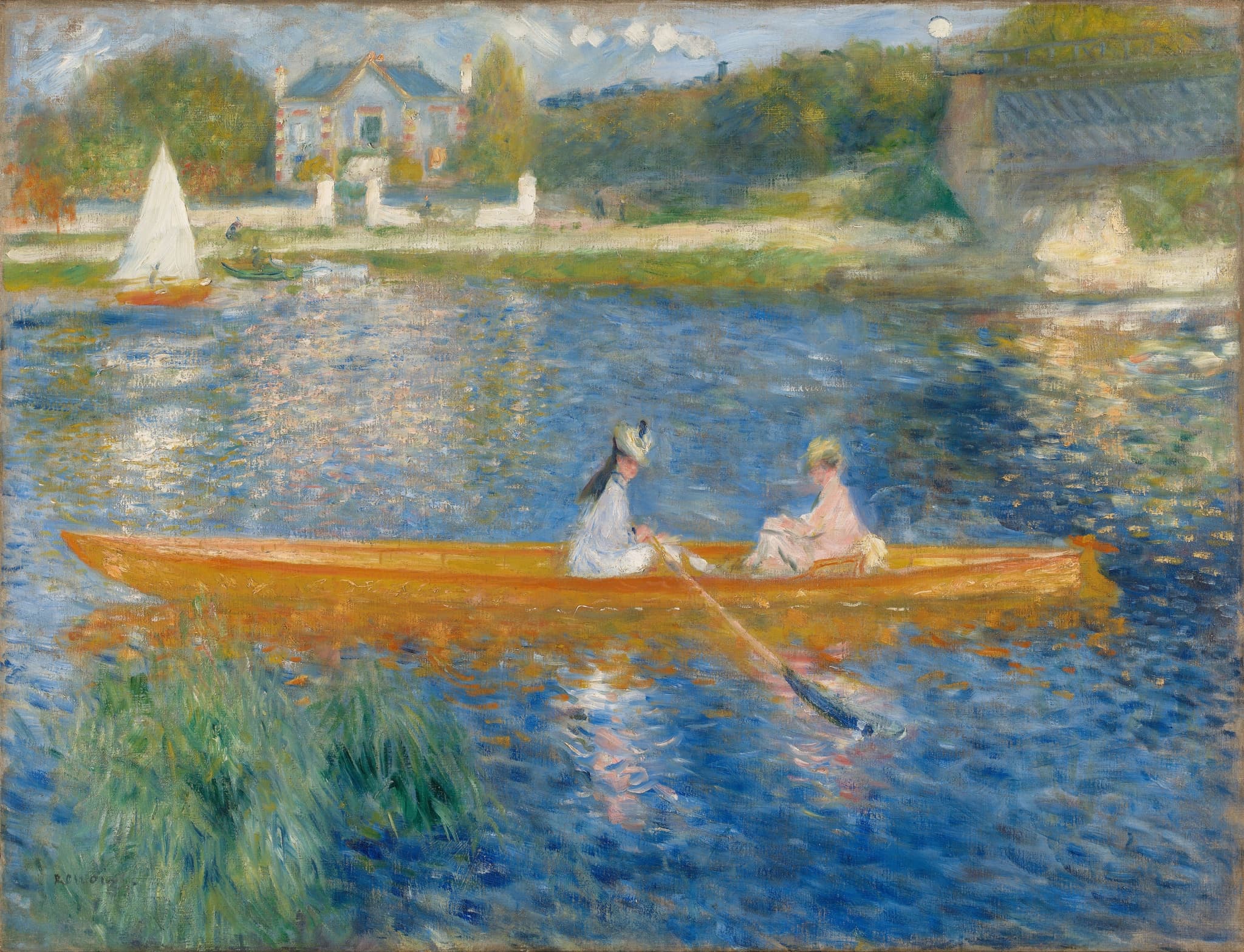
The Prettiest SOS on the Seine
Picture Renoir at thirty-four, rent due, reputation wobbling. He’s fresh from the first Impressionist shockwaves and a Paris press that mocked his friends as incompetents. One revi…
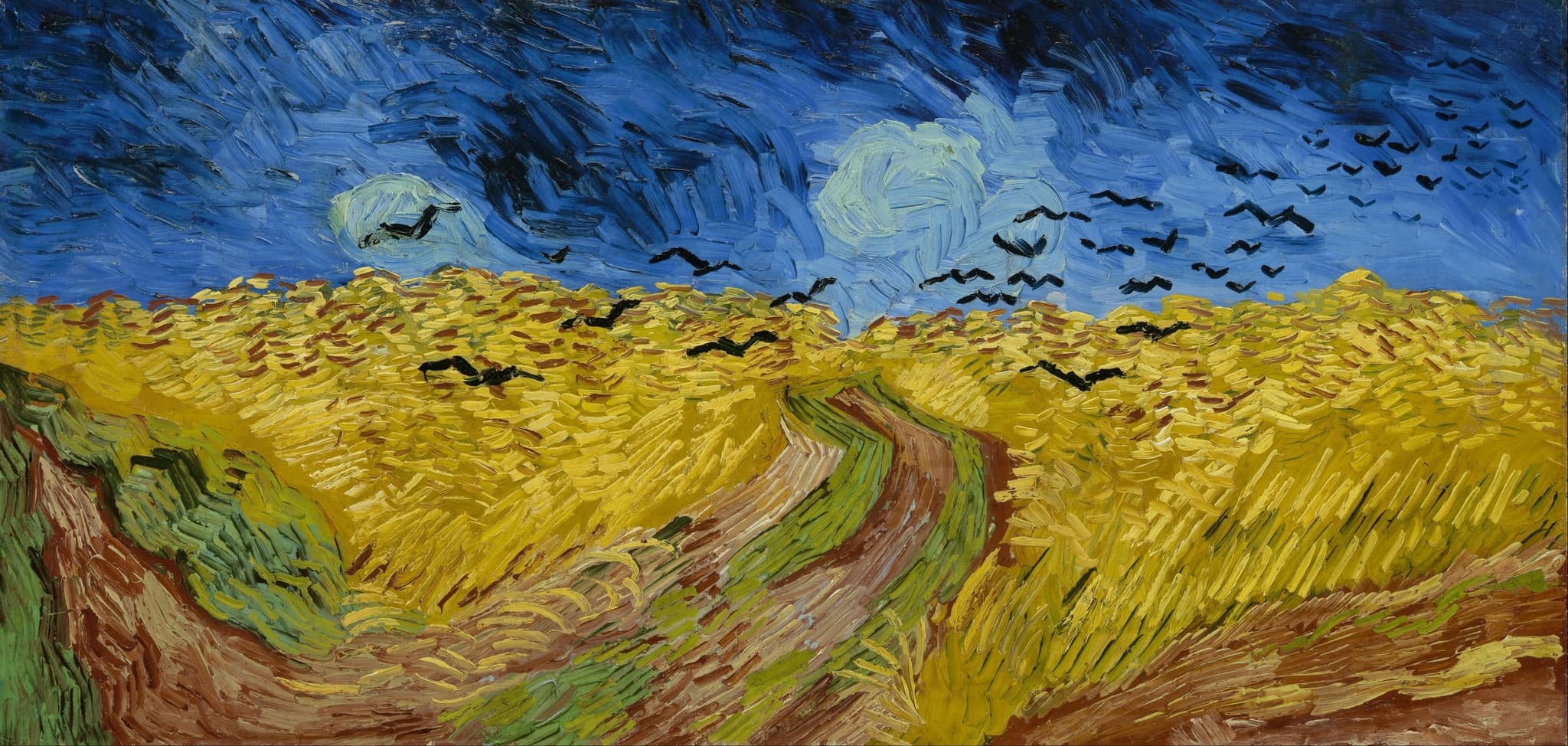
The Wheatfield Myth: Van Gogh’s Stormiest Painting Isn’t a Suicide Note
Scroll any feed and you’ll meet this image: a blasted-blue sky, a road that forks and dies, black birds like shrapnel. The caption is almost always the same: his last canvas, his f…
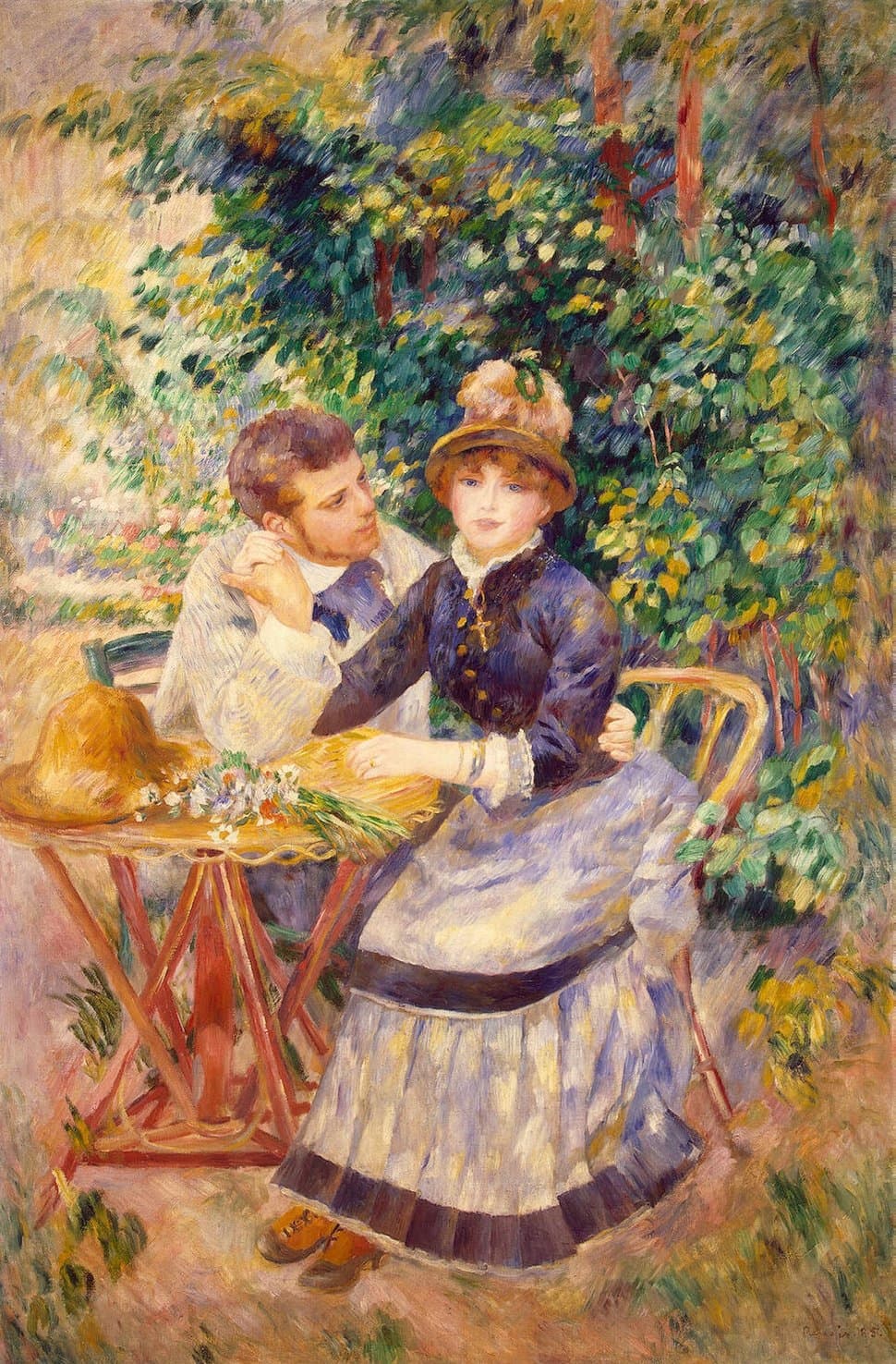
Renoir’s Sweetest Breakup
You know this image: a couple under a living arbor, hands grazing over a café table. Soft light. Soft edges. Soft story. Except the year is 1885, and Pierre‑Auguste Renoir is in cr…
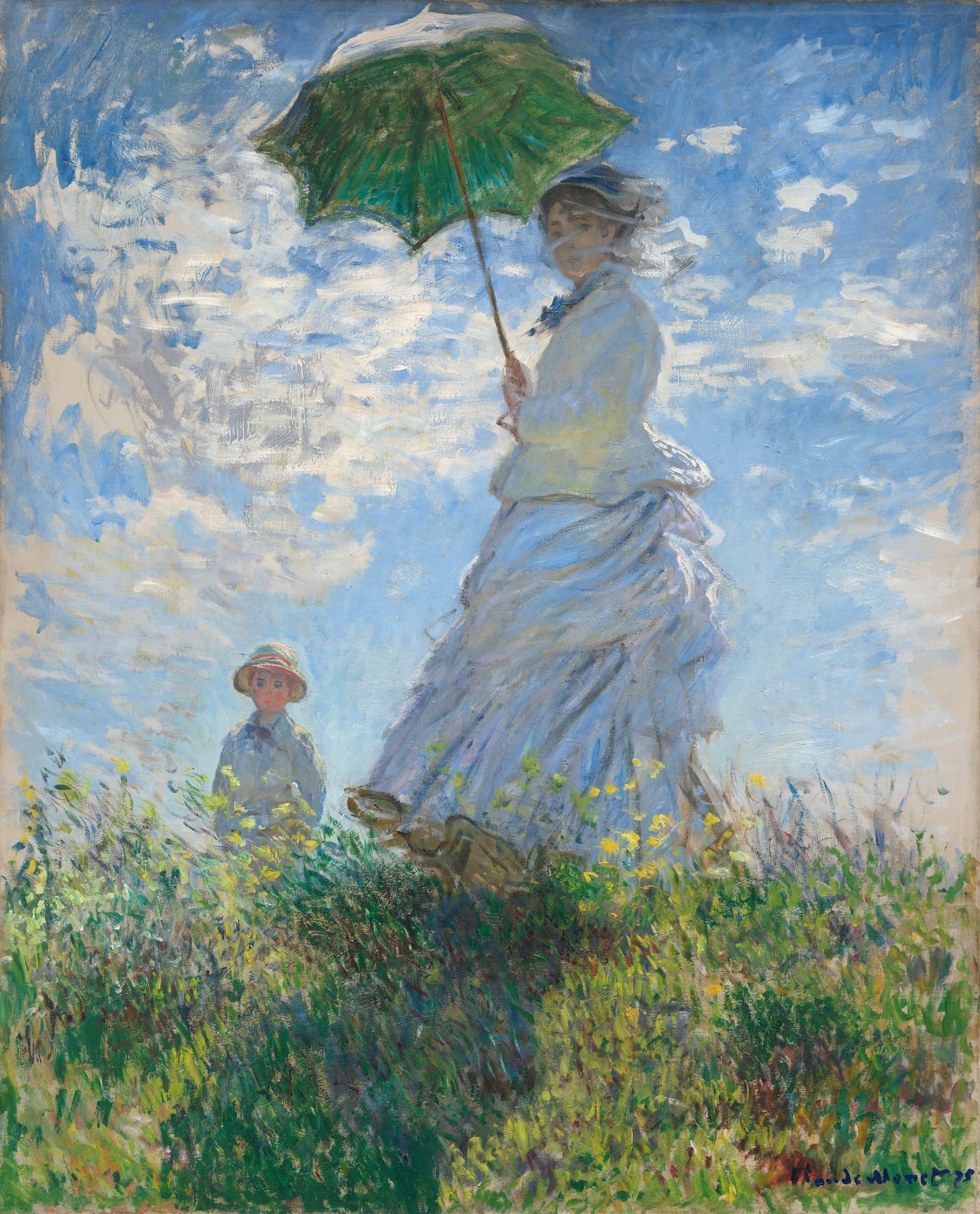
The Day Monet Turned a Picnic into a Comeback
Start here: a hill at Argenteuil, a flash of white dress, a boy blinking in the wind. The painting feels tossed-off and weightless. That’s the trick. Because months earlier, the m…
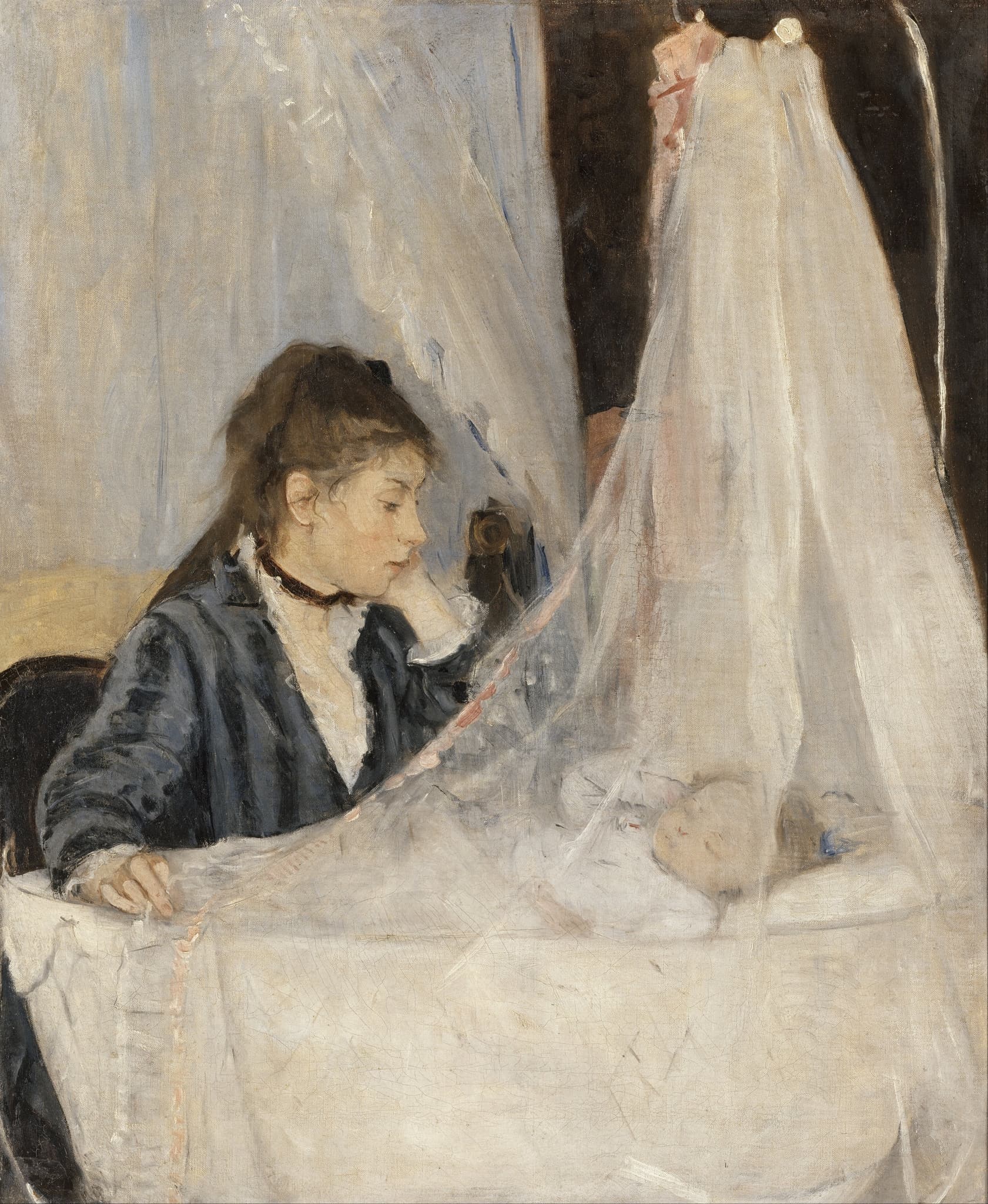
The Cradle Was a Warning, Not a Lullaby
Paris, 1874. A young painter stakes her reputation on a domestic scene while her comrades hang boats, boulevards, and fog. Berthe Morisot chooses a nursery. Money, credibility, and…
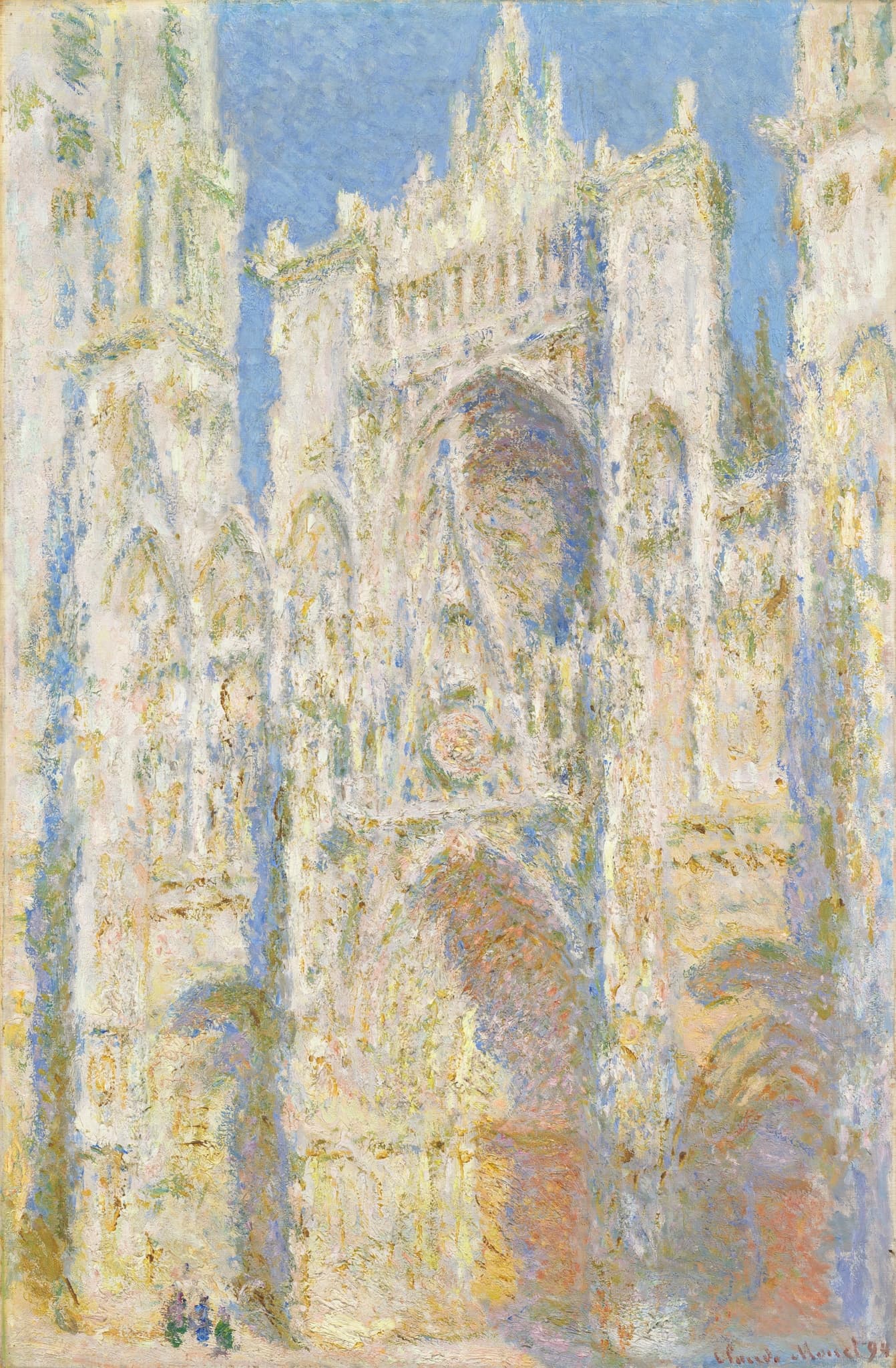
The Cathedral That Took Monet Hostage
The postcard version is easy: stone lace, soft color, Impressionism behaving. But Monet’s cathedral wasn’t decor. It was a duel with the sun, run on minutes and panic, with a deale…
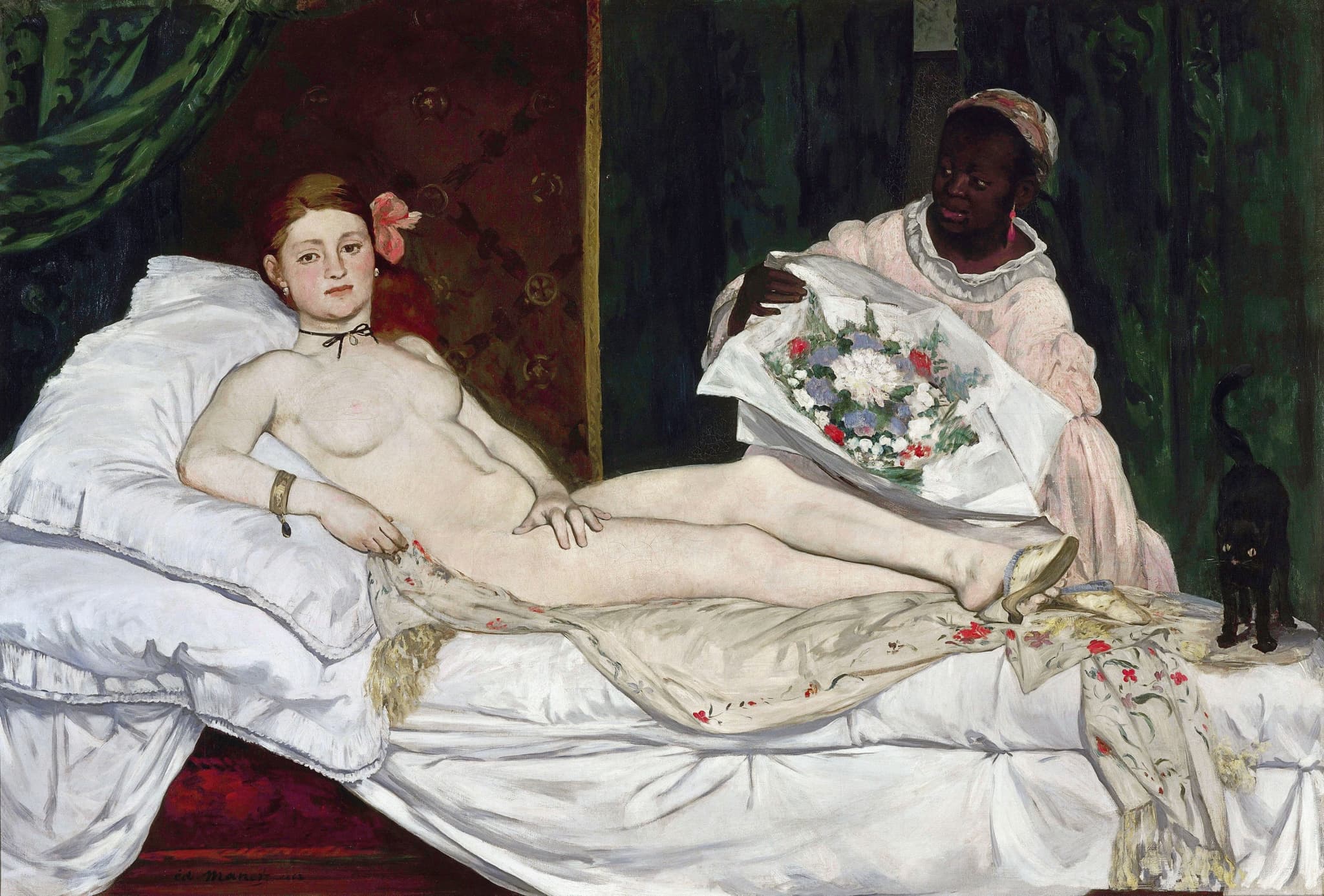
The Woman Paris Refused to See
The Salon was the only career ladder that mattered. Manet needed it. Respectability, buyers, a future—hung on a wall in 1865. Then the crowd arrived, and the painting that wouldn’t…
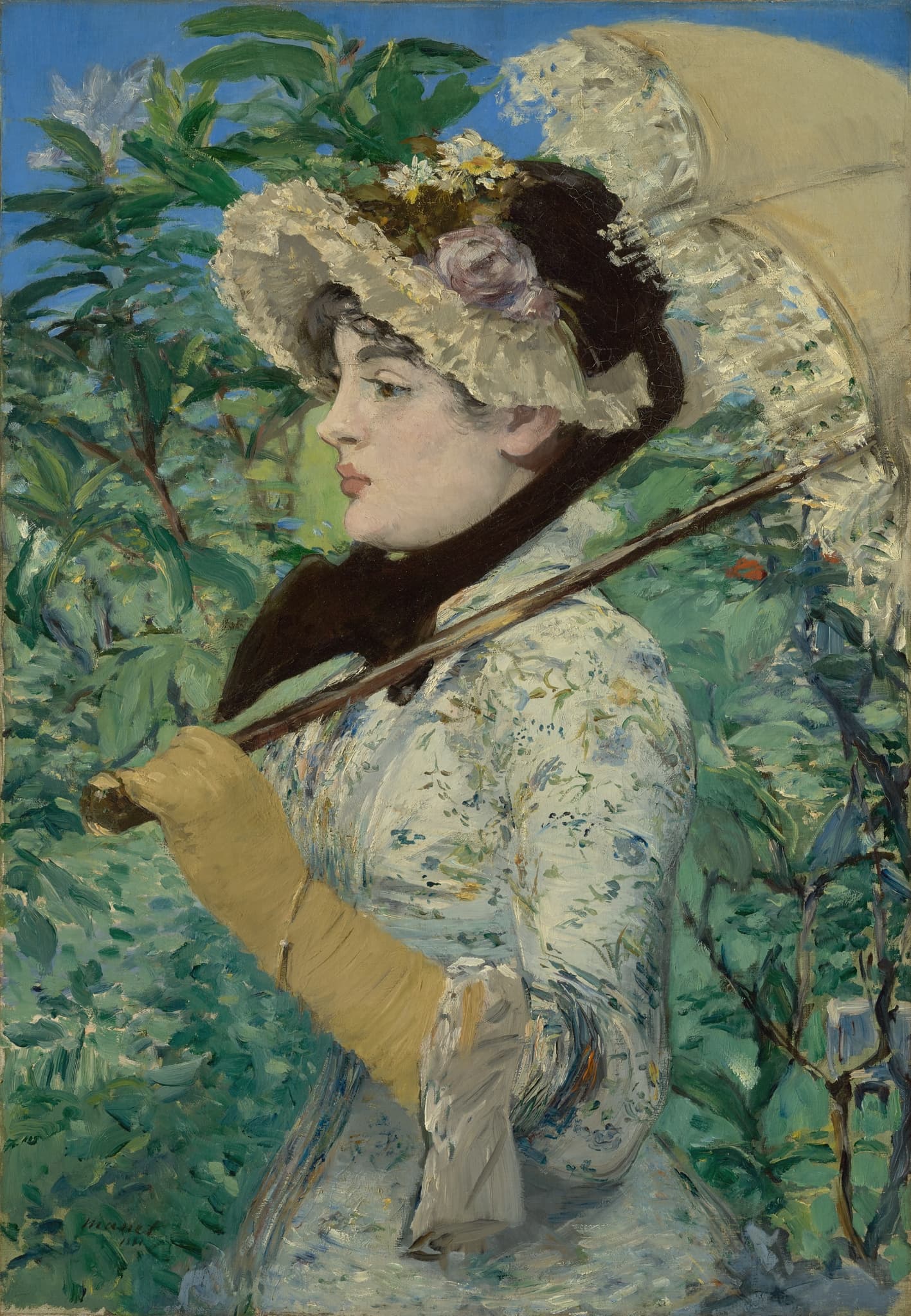
The $65 Million Spring
Christie’s, New York, 2014. Phones light up. The bidding climbs past the price of many houses, then many museums’ annual acquisitions budgets. When the hammer falls, Manet’s Jeanne…
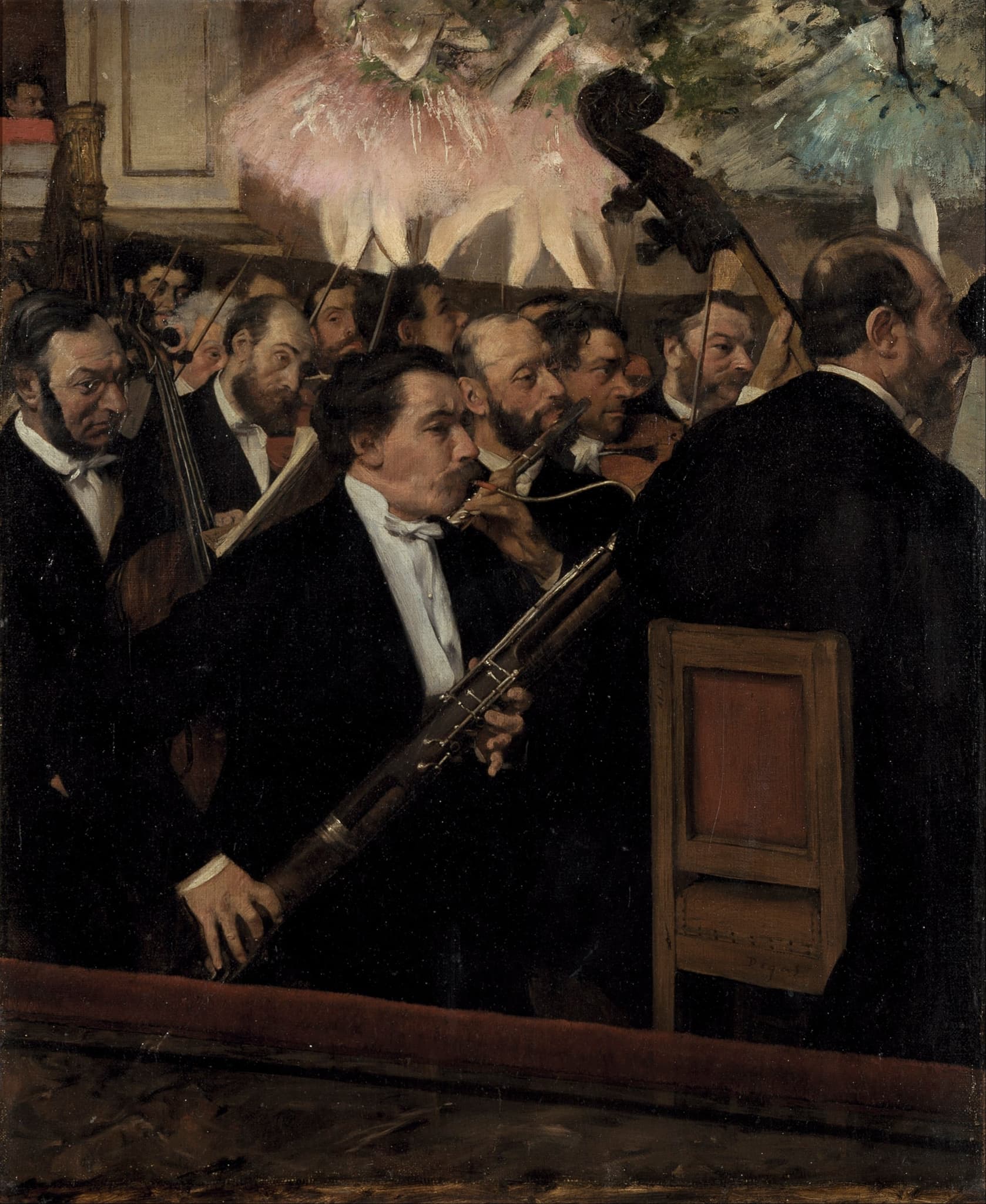
The Night Degas Put the Ballerinas in the Back Row
Picture Paris in the late 1860s: velvet boxes, diamonded patrons, ballerinas floating like chandeliers. And then an unknown painter plants his easel where no one is looking—down in…
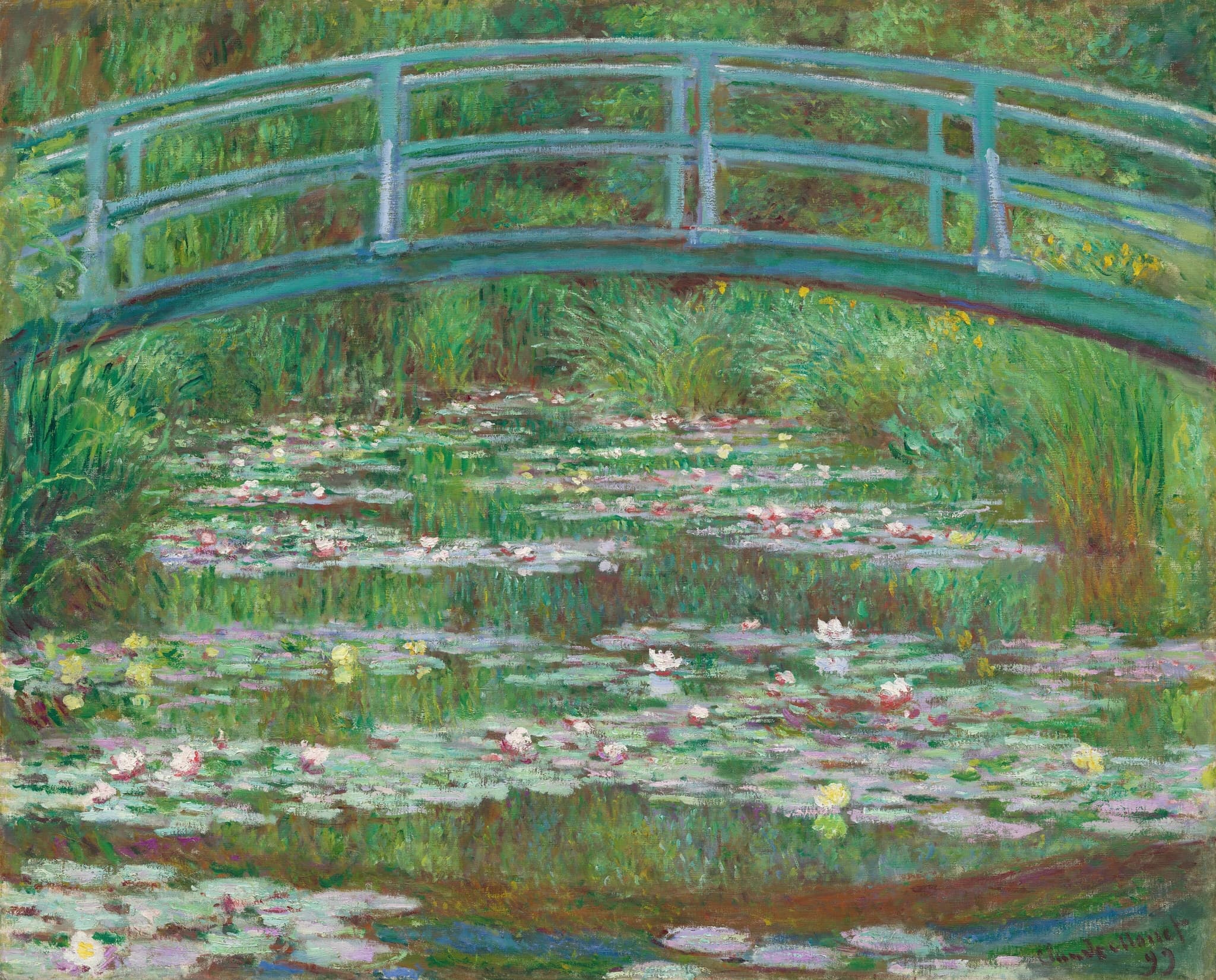
Monet’s Quiet Bridge, Built on Noise
In 1893, Monet walked into local bureaucracy with a radical request: let me reroute a stream and build a lily pond in my backyard. Farmers objected, fearing floods and foreign plan…
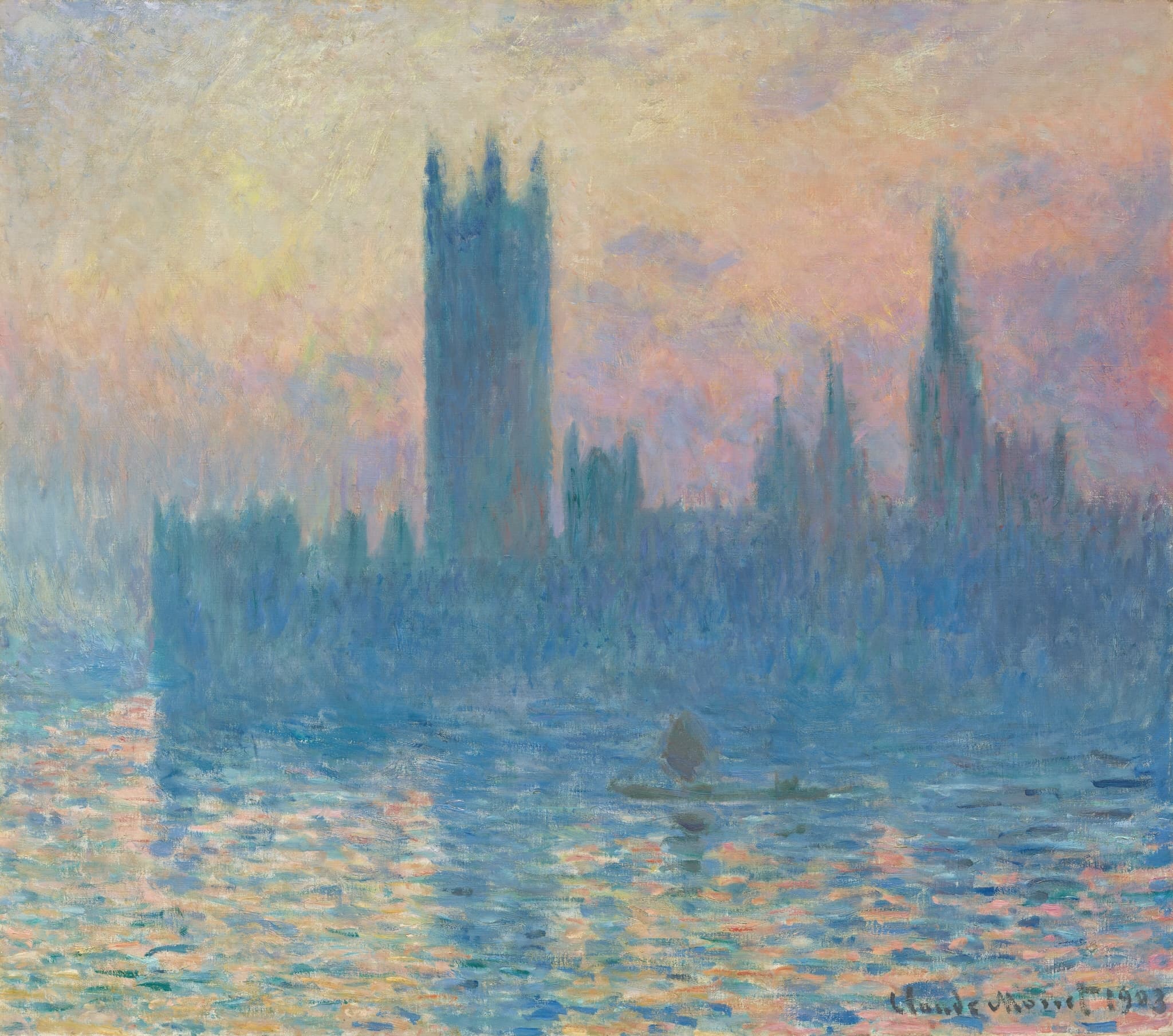
The Prettiest Sunset in Art Was Air Pollution
He arrived not for Parliament’s Gothic drama but for the weather report. From a window on the south bank, Monet lined up the towers and waited for the sky to burn through the haze.…
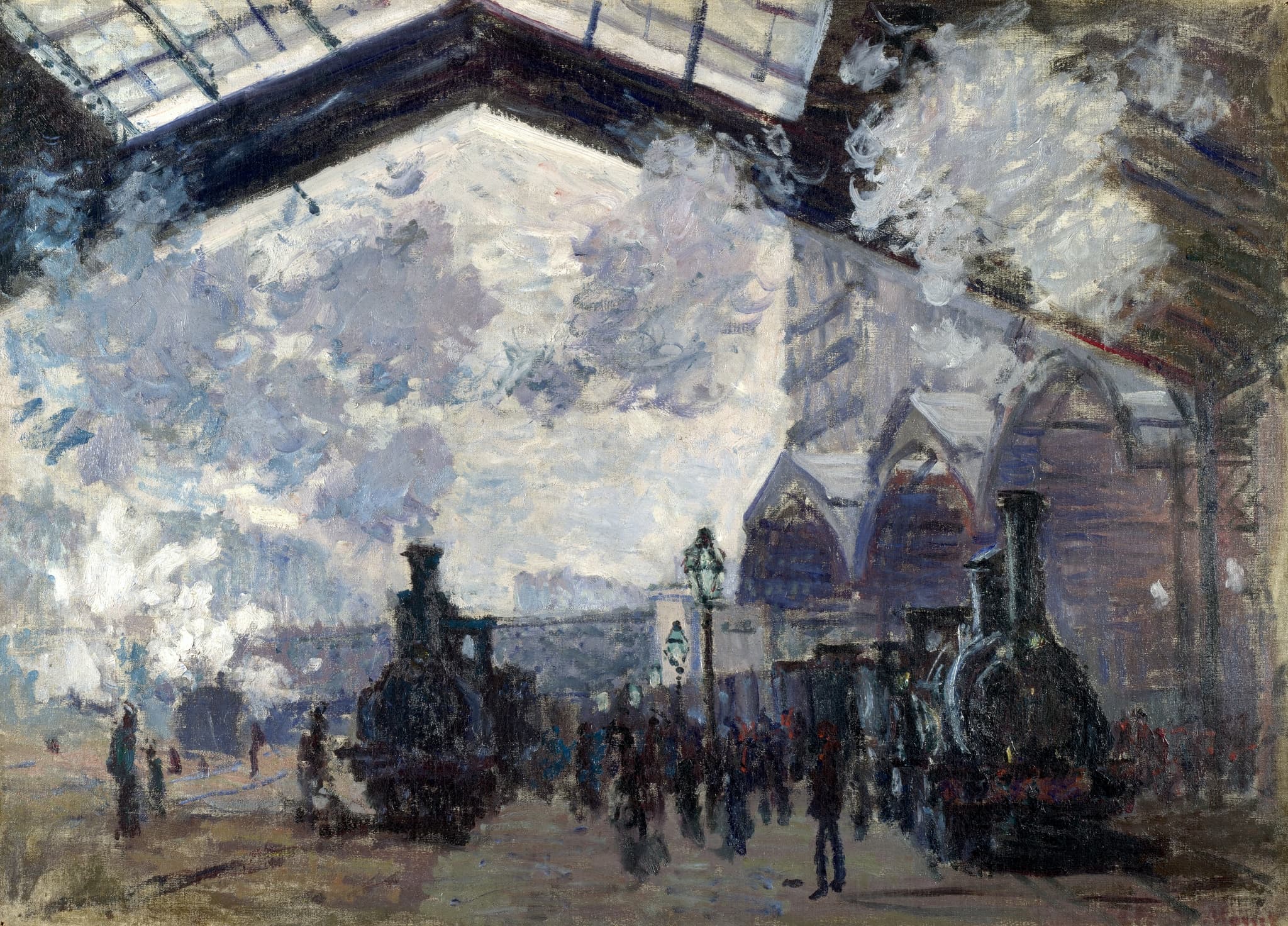
Monet Booked the Steam
Monet was in his late thirties and still not a sure thing. The Impressionists had split with the Salon, but the public wasn’t buying in bulk. He needed a subject that felt undeniab…
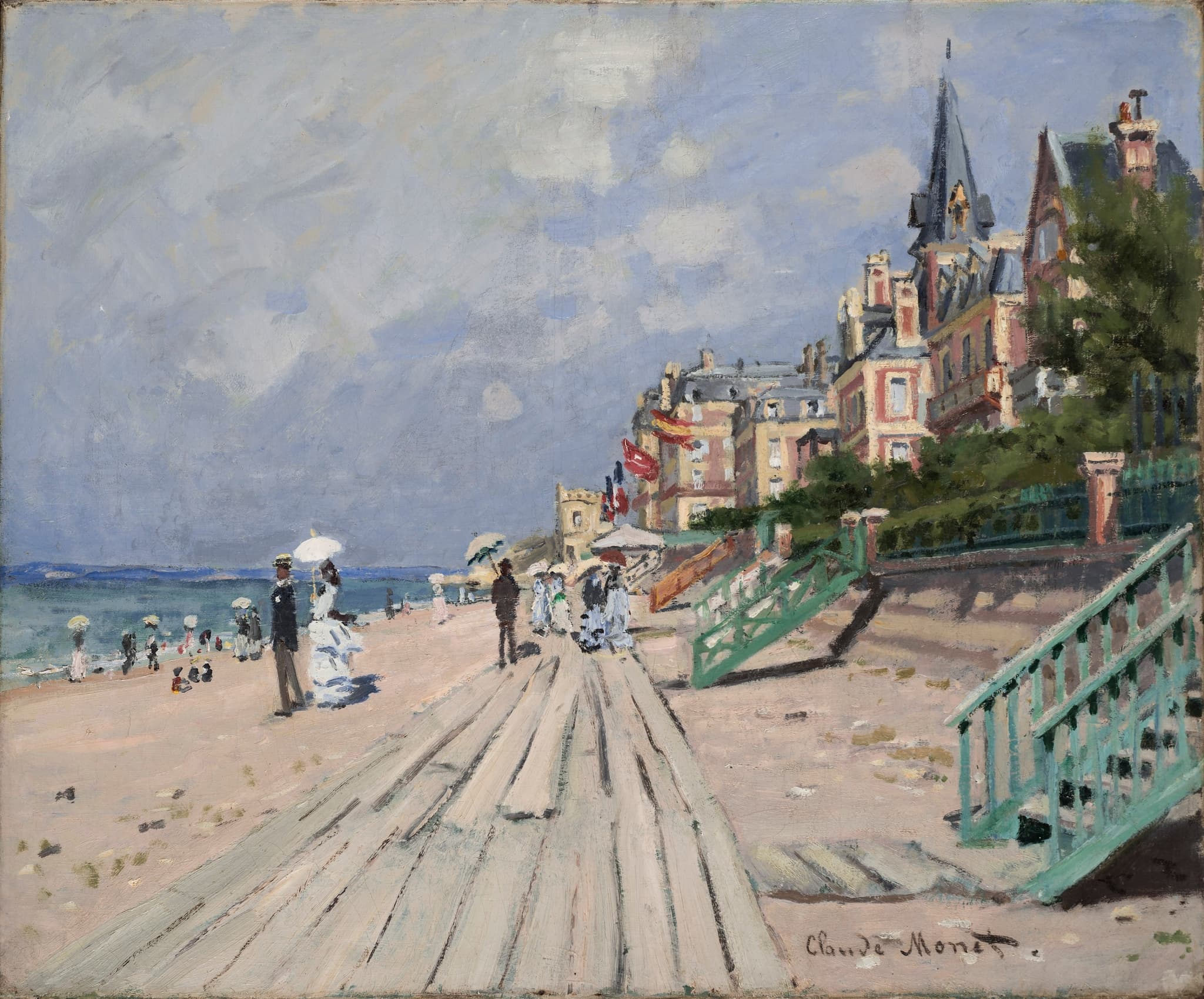
Grit in the Light: Monet’s Trouville, Captured Not Just Seen
Stand before the National Gallery’s Beach at Trouville and the composition immediately leans into you: a boardwalk pulled taut on the diagonal, parasols opening like sails, and a r…
The Wind Is the Protagonist: Monet’s Beach at Trouville as a Pre-Digital Live Feed
Beach at Trouville looks, at first glance, like a souvenir of a fashionable afternoon: sun-struck planks, white parasols, genteel promenaders. But every element is drafted into a s…