Compare Artists
Explore structured artist-vs-artist reference pages focused on shared ground, decisive differences, and specific work pairings.
Featured Comparisons
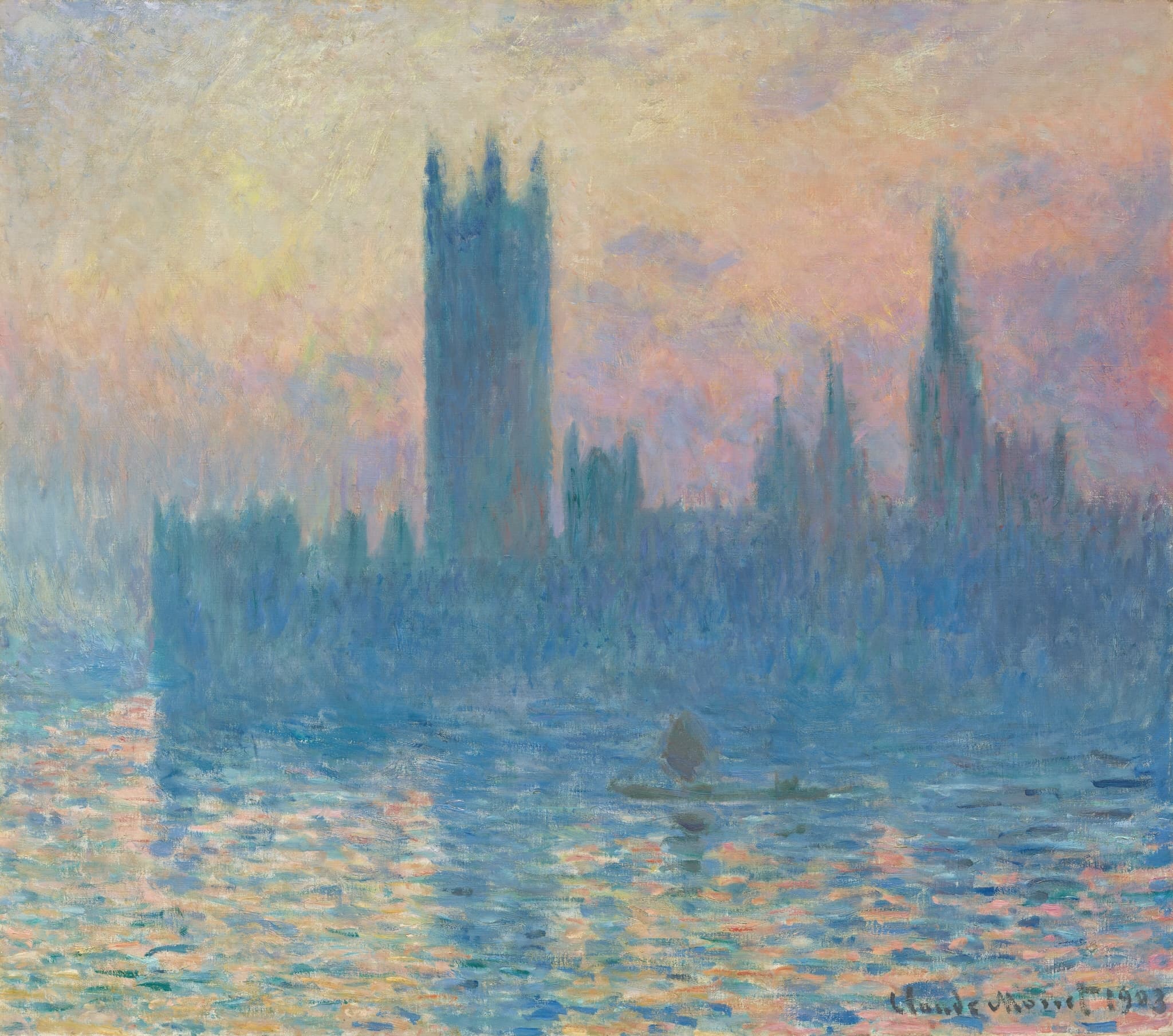
Claude Monet vs Kazimir Malevich
What changes when painting treats seeing as contingent weather (Monet) versus absolute relation (Malevich)?
Claude Monet vs Wassily Kandinsky
How does Monet turn seeing into a test of time and air, while Kandinsky turns it into a language of inner necessity?
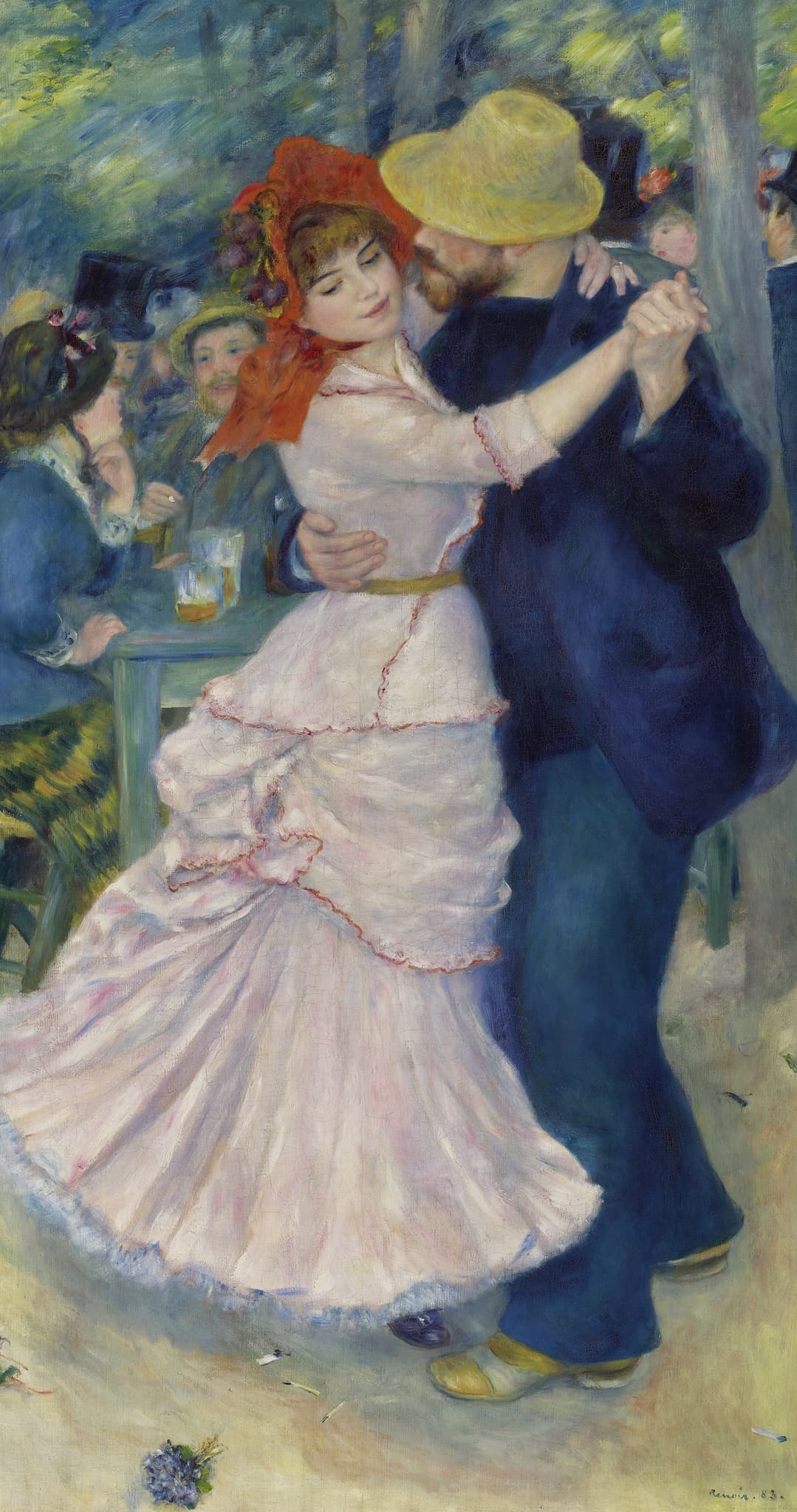
Pierre-Auguste Renoir vs Vincent van Gogh
How do Renoir and Van Gogh use color and touch to change what “seeing” delivers—Renoir toward social harmony, Van Gogh toward felt conviction?
Newest Comparisons
Claude Monet vs Kazimir Malevich
Monet and Malevich both relocate meaning from depicted things to the conditions of vision. Monet binds motif and air into time-stamped atmospheres; Malevich strips motif away to reveal relations as pure feeling on a white, non-objective field. The comparison clarifies how modern painting can be empirical or absolute—and why that difference matters to how we look.
Claude Monet • Kazimir Malevich
Claude Monet vs Wassily Kandinsky
Both painters reorganize perception rather than tell stories. Monet ties meaning to the external, making light, haze, and reflection remake what we see from moment to moment. Kandinsky abandons motif to build a non-objective language in which color and form act like forces, composed as a score. The comparison shows two rigorous ways painting can teach us to see.
Claude Monet • Wassily Kandinsky
Pierre-Auguste Renoir vs Vincent van Gogh
Both artists ask how painting can make the present tense mean something. They translate cafés, gardens, churches, and flowers into atmospheres where color and touch do the narrative work. The decisive split: Renoir harmonizes seeing into social grace; Van Gogh intensifies seeing into conviction.
Pierre-Auguste Renoir • Vincent van Gogh
Edgar Degas vs Paul Cézanne
Both artists turn painting into an experiment about seeing. Degas engineers the glance—cropped, oblique, and lit by footlights—inside modern institutions. Cézanne builds slow stability from sequential lookings, using planes of color to hold forms together. Together they show how modern art shifts from depicting events to constructing perception.
Edgar Degas • Paul Cézanne
Édouard Manet vs Paul Cézanne
Both artists replace story with seeing. Manet edits modern life into charged, present‑tense images that position us as spectators inside the scene; Cézanne rebuilds what he sees into an enduring order of color‑planes and measured relations. The deepest shared ground is their insistence that a truthful picture can show its own construction. The decisive difference is what that construction is for: Manet’s ethics of spectatorship vs Cézanne’s logic of perception.
Édouard Manet • Paul Cézanne
Édouard Manet vs Pierre-Auguste Renoir
Both painters turn cafés, gardens, and dance floors into laboratories of attention. Manet edits, flattens, and withholds so we register how images construct modern life and our role as spectators. Renoir fuses bodies, décor, and light into a warm envelope so sociability is felt before it’s told. Together they map the ethics and pleasures of seeing in the nineteenth‑century city.
Édouard Manet • Pierre-Auguste Renoir
Édouard Manet vs Pablo Picasso
Manet modernizes by editing appearances—cropping, planar staging, and a cool, selective gaze shaped by Velázquez, japonisme, and photography. Picasso modernizes by rebuilding form—multi‑viewpoint, fracture, and emblematic contour that turn looking into a structural problem. Put together, they map the shift from painting what is seen to engineering how seeing works.
Édouard Manet • Pablo Picasso
Paul Cézanne vs Henri Matisse
Both painters treat a canvas as a built order, not a transcription of appearances. Each makes color do structural work and recalibrates space so looking itself becomes the subject. Their split is in tempo and emphasis: Cézanne consolidates many glances into durable form; Matisse seeks an all‑at‑once unity engineered by color.
Henri Matisse • Paul Cézanne
Paul Cézanne vs Georges Seurat
Cézanne and Seurat both replace Impressionist spontaneity with systems that make everyday subjects legible and monumental. Each treats color as structure and classicizes modern life—bathers, landscapes, and leisure—by subordinating anecdote to order. The decisive split lies in the unit and temporality of construction: Cézanne’s planes compress time spent looking; Seurat’s points and contours enforce an optical, measured stillness.
Georges Seurat • Paul Cézanne
Paul Cézanne vs Vincent van Gogh
Both painters turned away from copying nature to make perception itself visible. They worked in series and used brushwork as structure, not finish. Here the shared ground is clear—yet the split is decisive: Cézanne builds durable order through comparative looking, while Van Gogh forges immediacy by charging color until nature and feeling coincide.
Paul Cézanne • Vincent van Gogh
Alfred Sisley vs Paul Cézanne
Both artists return to the same motifs to test what painting can know. Sisley stabilizes bridges, churches, and streets so changing weather can be measured against them. Cézanne rebuilds what he sees into interlocking planes and color relations, making a picture that stands as a structure parallel to nature.
Alfred Sisley • Paul Cézanne
Berthe Morisot vs Edgar Degas
Berthe Morisot and Edgar Degas both make modern life—and modern looking—their subject. They replace grand narratives with the time-bound glance: a toiletry gesture, a rehearsal pause, a boat slipping across the Bois de Boulogne. Their deepest split lies in ethics and engineering: Morisot builds a protective membrane around her subjects, while Degas builds an apparatus that reveals the systems behind appearance.
Berthe Morisot • Edgar Degas
Berthe Morisot vs Édouard Manet
Close collaborators who looked at the same city, Morisot and Manet both made modern attention their subject. Each used quick, economical brushwork to keep time, contingency, and selection visible. Where they diverge is first principle: Morisot opens vision into a porous ethic of care; Manet tightens vision into deliberate edits that announce construction.
Berthe Morisot • Édouard Manet
Mary Cassatt vs Edgar Degas
Mary Cassatt (1844–1926) and Edgar Degas (1834–1917) shared a program: refit pictorial space so it records how attention actually flickers in modern rooms, theaters, and streets. Both built scenes in the studio from observation, drawing, and japoniste cropping, and their long friendship welded methods across oil, pastel, and print. The split is ethical and structural: Cassatt engineers reciprocity and tact; Degas engineers obliqueness and control. In short, seeing becomes care in Cassatt, analysis in Degas.
Edgar Degas • Mary Cassatt
Henri Rousseau vs Marc Chagall
Both artists re‑enchant vision by refusing naturalism, but they organize seeing in opposite ways. Rousseau halts the world so emblems can speak; Chagall overlaps times and devotions into a single field. This page traces their strongest shared thread—music, animal kinship, and symbolic clarity—and the decisive fork in how each builds a pictorial reality.
Henri Rousseau • Marc Chagall
Pierre-Auguste Renoir vs Paul Cézanne
Both painters ask how a flat surface can hold optical experience without freezing it. Renoir fuses bodies, décor, and air into luminous unities that feel socially attuned in the present. Cézanne rebuilds what looking discovers over time, using calibrated warm–cool shifts and constructive strokes to make forms endure. Together they map Impressionism’s split into grace versus structure.
Paul Cézanne • Pierre-Auguste Renoir
Alfred Sisley vs Pierre-Auguste Renoir
Both artists emerged from Gleyre’s studio and helped forge Impressionism by chasing unstable light outdoors. Sisley treats bridges, façades, and river towns as steady meters for weather; Renoir uses light to make nearness—touch, conversation, dance—feel bodily present. Each repeats motifs to test perception, but one calibrates time over structure while the other tunes sensation among people. Together they map two precise ways modern painting teaches attention.
Alfred Sisley • Pierre-Auguste Renoir
Alfred Sisley vs Camille Pissarro
Both painters hold a view steady and let the world move. Sisley tests how weather alters durable forms; Pissarro tracks how a city organizes motion and light. Seen together, they clarify what a painting can measure: atmosphere or circulation, stone or system.
Alfred Sisley • Camille Pissarro
Mary Cassatt vs Pierre-Auguste Renoir
Cassatt and Renoir both make modern life—the loge, the café, the parlor, the garden—the place where painting tests perception. Their deepest kinship is an ethics of attention: who looks, who is touched, and how that attention is staged. The decisive split is purpose. Cassatt organizes attention to show work, relation, and agency; Renoir diffuses attention into light so sociability feels continuous, tactile, and pleasurable.
Mary Cassatt • Pierre-Auguste Renoir
Gustave Caillebotte vs Édouard Manet
Both painters turn modern Paris into a lab for vision. Caillebotte builds calibrated spaces that place you in a fixed, legible viewpoint. Manet edits the scene on the picture plane—flattening, cropping, and staging—to make the image’s construction and stakes explicit. Together they show two decisive ways painting made modernity visible.
Édouard Manet • Gustave Caillebotte
Gustave Caillebotte vs Edgar Degas
Both artists rebuild modern vision rather than merely record it. Caillebotte stabilizes Paris with axes and vanishing lines; Degas makes perception itself move—off‑axis, cropped, provisional. Read together, they show how a painting can be engineered like a bridge or choreographed like a rehearsal.
Edgar Degas • Gustave Caillebotte
Gustave Caillebotte vs Claude Monet
Both artists turned modern sites into optical laboratories. Stations, boulevards, bridges, and water gardens became instruments for testing how light, weather, and engineered space organize vision. Here their shared project meets the fork that defines them: Caillebotte stabilizes space; Monet performs perception.
Claude Monet • Gustave Caillebotte
Paul Signac vs Camille Pissarro
Both artists rebuild vision from small, separate touches of paint. Signac turns Divisionism into a programmable harmony that promises luminous order; Pissarro treats seeing as lived time, measured across weather, light technologies, and season. This page clarifies their strongest shared ground and the split that changes what their paintings ask us to notice.
Camille Pissarro • Paul Signac
Paul Signac vs Claude Monet
Both artists turned painting into an optical experiment. Monet makes the envelope of light and air—the hour, haze, and reflection—the agent that builds form. Signac treats perception as constructible, using division of pure hues and measured lines to engineer harmony. Set side by side, they show two disciplined routes to modern vision.
Claude Monet • Paul Signac
Paul Signac vs Georges Seurat
Both artists built painting around optical mixture: separate colors on canvas so the eye completes them in view. From that shared premise, Seurat constructs a calm, classical architecture of sight, while Signac turns color into decorative, musical energy. Together they show two lucid answers to how modern painting can teach us to see.
Georges Seurat • Paul Signac
Henri Rousseau vs Henri Matisse
Both Henri Rousseau and Henri Matisse treat painting as a built way of seeing rather than a transcription of appearances. They flatten and simplify to turn pictures into mental fields: Rousseau through precise contour and stage‑like space, Matisse through autonomous color that organizes depth and feeling. Read together, they show how modern painting replaces description with an internal order we learn to see.
Henri Matisse • Henri Rousseau
Henri Rousseau vs Pablo Picasso
Both rebuild painting by constructing how we see, not by imitating the world. Rousseau engineers lucid, sealed stages where time seems paused; Picasso splinters form and space so the viewer must reassemble perception. Animals, masks, and lighting become thinking devices—calm witness versus eruptive exposure.
Henri Rousseau • Pablo Picasso
Marc Chagall vs Rene Magritte
Both artists keep the world legible and then insert one precise break that changes how we look. For Chagall, that break folds memory, ritual, and place into a single living scene. For Magritte, it blocks or contradicts what seems obvious to expose the gap between what we see and what we know. The result is painting as communion (Chagall) versus painting as proposition (Magritte).
Marc Chagall • Rene Magritte
Marc Chagall vs Henri Matisse
Both reinvent painting as a mental space built by color. Matisse uses color to construct present‑tense harmony, while Chagall turns it into the aura of remembered life, stacking ritual and myth inside one frame. Seen together, they show how modern color can be either an ordered system or a vessel for memory.
Henri Matisse • Marc Chagall
Marc Chagall vs Pablo Picasso
Both artists rebuild how a picture organizes seeing: instead of single‑viewpoint naturalism, they stage multiple moments, signs, and angles on one surface. From this shared method, they diverge: Chagall bends fracture toward lyric continuity and spiritual reciprocity; Picasso turns it into a diagnostic engine that exposes rupture. Read through key works from I and the Village to Guernica, the contrast clarifies two durable models for modern vision.
Marc Chagall • Pablo Picasso
Jackson Pollock vs Pablo Picasso
Both artists rebuild the task of looking. Each moves meaning from subject matter to procedure and makes the eye work across a constructed surface. Pollock turns painting into an event‑field you read bodily; Picasso builds images that analyze and re‑signify the world.
Jackson Pollock • Pablo Picasso
Jackson Pollock vs Piet Mondrian
Pollock and Mondrian both reinvent the canvas as a fully active field, not a window onto a scene. Pollock turns paint into a visible trace of motion; Mondrian turns color and interval into a calibrated code. Side by side, they show two rigorous ways to build meaning without images. This page isolates their strongest shared ground and the decisive difference that reshapes how we look.
Jackson Pollock • Piet Mondrian
Jackson Pollock vs Wassily Kandinsky
Both artists turn painting from depicting objects to organizing forces. Pollock makes process legible as a centerless field of gestures that fix an event in matter. Kandinsky builds a teachable grammar of points, lines, and calibrated colors. The shared ground is abstraction; the split is how you’re asked to perceive it.
Jackson Pollock • Wassily Kandinsky
Andy Warhol vs Grant Wood
Both artists turn instantly legible American images into icons, then use design to teach viewers how those images work. Warhol stages publicity stills and products as serial displays that model image circulation. Wood compresses Midwestern life and national myths into singular, meticulously staged tableaux where order becomes meaning.
Andy Warhol • Grant Wood
Andy Warhol vs Edward Hopper
Both artists teach modern habits of seeing shaped by glass, signage, and display. Warhol makes painting behave like media: serial, fast, and designed to circulate. Hopper makes painting a singular architecture of attention, built to slow looking and stage interior life through light and distance.
Andy Warhol • Edward Hopper
Andy Warhol vs Pablo Picasso
Both artists rewired how painting teaches us to look in an age ruled by images. Warhol turns the canvas into a model of circulation—serial screens, grids, and fading pulls that make viewers scan and compare. Picasso turns it into a model of construction—fractured, interlocking planes that demand reconstruction and witness.
Andy Warhol • Pablo Picasso
Frida Kahlo vs Salvador Dali
Both artists paint inner life with exacting realism: Kahlo externalizes injury and identity; Dalí renders hallucination with photographic polish so the irrational looks plausible. Their shared clarity supports very different purposes. Kahlo stabilizes embodied truth and asks for witness; Dalí destabilizes visual certainty and trains the eye to doubt.
Frida Kahlo • Salvador Dali
Frida Kahlo vs Rene Magritte
Both Frida Kahlo and René Magritte paint with unusually plain, lucid precision. Kahlo uses that clarity to disclose injuries, bonds, and identities that are usually hidden. Magritte uses the same clarity to block faces, contradict captions, and make images doubt themselves. Together they model two uses of realism: to testify, and to test.
Frida Kahlo • Rene Magritte
Frida Kahlo vs Vincent van Gogh
Both artists make inner life visible, but they build different instruments to do it. Kahlo turns the body and its attributes into a clear, ex‑voto‑like diagram of experience. Van Gogh composes feeling with color, touch, and scale until nature and interiors behave like weather. Seen together, they show two rigorous ways sincerity becomes structure.
Frida Kahlo • Vincent van Gogh
Gustav Klimt vs Edvard Munch
Both Gustav Klimt and Edvard Munch rebuilt painting around inner states—love, desire, anxiety, illness, death. They treat the canvas as an environment that governs feeling rather than a window onto events. Their decisive split lies in what images do to perception: Klimt stabilizes and consecrates it; Munch destabilizes and exposes it.
Edvard Munch • Gustav Klimt
Gustav Klimt vs Henri Matisse
Klimt and Matisse both flatten space and turn painting into a designed way of seeing. Their shared ground is a controlled surface that reorganizes attention—Klimt through ornamental systems and precious matter, Matisse through autonomous, structural color. The decisive split is what that surface persuades you of: Klimt gives vision an aura, Matisse gives it a lucid present.
Gustav Klimt • Henri Matisse
Grant Wood vs Andrew Wyeth
Two exacting realists turned unremarkable houses and fields into American emblems. Grant Wood engineers public images of order—frontal, type‑like, and polished. Andrew Wyeth builds private, time‑saturated seeing—oblique, granular, and felt through thresholds.
Andrew Wyeth • Grant Wood
Grant Wood vs Edward Hopper
Both painters build American scenes that feel factual yet are engineered to govern how we look. Storefronts, windows, and calibrated light become rules for access and knowledge. Wood turns clarity into a civic emblem; Hopper turns clarity into a viewing predicament.
Edward Hopper • Grant Wood
Hokusai vs J. M. W. Turner
Both artists make landscape a test site for energy. Hokusai builds legible patterns that let you read waves and weather; Turner immerses you in rain, steam, glare, and speed until outlines give way to sensation. Their diagonals do the work: a breaker about to fall; a locomotive bursting through rain.
Hokusai • J. M. W. Turner
Kazimir Malevich vs Piet Mondrian
Both artists abandon depiction to build a truer painting from relations alone. Malevich drives to a zero point—autonomous planes floating before an infinite white—while Mondrian builds a rule‑bound armature where verticals, horizontals, and primaries achieve balance. Read together, they clarify two modern kinds of attention: still contemplation and rhythmic scanning.
Kazimir Malevich • Piet Mondrian
Hokusai vs Vincent van Gogh
Both artists turn everyday nature into a system for seeing. Hokusai builds lucid, repeatable images—serial views keyed to Mount Fuji and sharpened by Prussian-blue printing—so forces become legible. Van Gogh charges the paint surface itself—complements, impasto, and formats like the double‑square—so weather and mood are felt through color and touch. The result is a shared project with opposite means: see through the world (Hokusai); feel within it (Van Gogh).
Hokusai • Vincent van Gogh
Kazimir Malevich vs Wassily Kandinsky
Both artists sought a new “realism” after depiction—one built from color, geometry, and relations rather than objects. Malevich subtracts until an absolute is signaled; Kandinsky composes until inner necessity is audible. Seen together, they define two durable models of nonobjective art.
Kazimir Malevich • Wassily Kandinsky
Edward Hopper vs Rene Magritte
Both painters use plainspoken realism, then make that very clarity fail at the crucial moment. Hopper tests how glass, light, and plan structure contact inside a believable scene. Magritte tests how images and words structure meaning inside a believable picture. Together they show that the most legible images can be the most withholding.
Edward Hopper • Rene Magritte
Edward Hopper vs Andrew Wyeth
Two American realists turn ordinary rooms, windows, and fields into instruments of psychology. Hopper designs the experience of public seeing—across glass and engineered light. Wyeth builds an ethics of private attention—into grain, air, and memory. Their shared ground is realism as thought; their split is where and how looking takes place.
Andrew Wyeth • Edward Hopper
Alfred Sisley vs Claude Monet
Both painters set themselves the same task: record time and weather on site, often by repeating one motif from a fixed vantage. The shared ground is rigorous—bridges, cathedrals, stations, and rivers treated as optical laboratories. The crucial fork is purpose: Sisley keeps the public world legible so change can be measured; Monet uses the motif as an instrument to reveal an enveloping field of light that can unmake the very forms it touches.
Alfred Sisley • Claude Monet
Camille Pissarro vs Georges Seurat
Both artists make modern seeing the subject: how light, weather, and engineered settings shape what the eye can know. Pissarro’s 1897 boulevard series and Seurat’s divisionist canvases elevate ordinary Paris into staged laboratories of perception. The kinship is real, yet their aims diverge—Pissarro builds a democratic register of flux; Seurat constructs images to be read as harmonies.
Camille Pissarro • Georges Seurat
Camille Pissarro vs Paul Cézanne
Both artists treat painting as a way to reconcile many partial lookings on a flat surface. In the 1870s they worked side by side near Pontoise, testing how short strokes and color relations could build a world without narrative props. Pissarro synchronizes conditions and crowds into a civic flow; Cézanne assembles planes so relations, not a single viewpoint, hold the picture together.
Camille Pissarro • Paul Cézanne
Camille Pissarro vs Claude Monet
Both artists turn a fixed motif into a clock. Pissarro keeps the city social—boulevards, parks, weather, and traffic share one pictorial currency—while Monet isolates the optical event, letting architecture and figures recede so light and air can lead. Seeing them together clarifies how Impressionism could be both civic and almost abstract.
Camille Pissarro • Claude Monet
Berthe Morisot vs Pierre-Auguste Renoir
Both born in 1841 and central to the first Impressionist exhibition, Morisot and Renoir made modern leisure the stage on which seeing itself is tested. They share a language of broken color and open air, yet use it for different ends: Morisot defends partial, protected visibility; Renoir builds sociable harmony and touch. The pairings below show how each artist makes the viewer either negotiate permission or join the circle.
Berthe Morisot • Pierre-Auguste Renoir
Berthe Morisot vs Mary Cassatt
Morisot and Cassatt made women’s everyday attention—care, leisure, toilette—their central modern subject. Morisot dissolves figure and setting into a shared, protective atmosphere; Cassatt composes clear, guided paths for the eye using high viewpoints, cropping, and pattern. Both dignify ordinary acts while refusing voyeurism. The result is two persuasive answers to how painting can picture lived attention.
Berthe Morisot • Mary Cassatt
Raphael vs Titian
Raphael and Titian both turn painting into a guide for how to look. Raphael builds clarity through architectural design and measured groupings; Titian makes conviction happen through light, color, and motion. The School of Athens and the Assumption of the Virgin show the split at monumental scale, each tailored to its room and its public.
Raphael • Titian
Jan van Eyck vs Johannes Vermeer
Both painters make vision the subject. Van Eyck treats description as a public act that certifies presence; Vermeer uses it to stage concentrated, time‑bound looking. The result is two convincing contracts with the eye that still shape how we trust images.
Jan van Eyck • Johannes Vermeer
Sandro Botticelli vs Michelangelo
Both Botticelli and Michelangelo treat drawing as the mind of painting and the human body as its argument. Each turns to antiquity and Scripture to model ideals for Medici and papal patrons, even sharing the Sistine stage. Yet they steer disegno toward different ends: Botticelli clarifies the world into readable, civilizing beauty; Michelangelo concentrates creation’s force into monumental anatomy.
Michelangelo • Sandro Botticelli
Diego Velazquez vs Rembrandt van Rijn
Both painters rebuild the viewer’s role inside the picture. Velázquez turns a studio into court theater that notices us; Rembrandt moves meaning into faces and hands seen at close range. Side by side, they show how light, placement, and paint decide whether vision is a public protocol or an inward recognition.
Diego Velazquez • Rembrandt van Rijn
Hieronymus Bosch vs Pieter Bruegel the Elder
Both painters build panoramas packed with small events that ask the viewer to scan, connect, and infer. Bosch stages a moral continuum where attractive surfaces curdle into ruin. Bruegel orchestrates evenly lit worlds where many small acts add up to a functioning community.
Hieronymus Bosch • Pieter Bruegel the Elder
Peter Paul Rubens vs Diego Velazquez
Both artists served Habsburg power, studied in Italy, and transformed Titian’s lessons into courtly languages of seeing. Rubens turns painting into devout theater that acts on the body. Velázquez builds optical situations that make you aware you are seeing—and who is authorized to see. Their contact in Madrid (1628–29) ties these approaches into one lineage.
Diego Velazquez • Peter Paul Rubens
Peter Paul Rubens vs Rembrandt van Rijn
Both painters turn light into an argument staged at a crisis point. Rubens builds public, altar‑scale persuasion through surging motion and legible groups; Rembrandt concentrates meaning into faces, hands, and pockets of light that invite slow, private attention. Seeing is trained differently: to be moved together, or to attend and recognize.
Peter Paul Rubens • Rembrandt van Rijn
Hieronymus Bosch vs Salvador Dali
Both Bosch and Dalí make fantasies look optically true. They use finish, stage-like landscapes, and emblem chains to test how much the eye will believe. Their deepest kinship is that seeing has stakes—ethical for Bosch, psychological for Dalí. From this common ground they diverge on what painting is for.
Hieronymus Bosch • Salvador Dali
Eugene Delacroix vs Theodore Gericault
Both artists rewired grand history painting for modern crises. Géricault builds belief through evidence and the stressed body; Delacroix forges conviction through color and allegory that organize a crowd into an image of nationhood. Seeing this split clarifies why their most famous canvases feel equally urgent yet persuade in different ways.
Eugene Delacroix • Theodore Gericault
Eugene Delacroix vs Jean-Auguste-Dominique Ingres
Ingres builds vision on line: form is stabilized, distance is maintained, ideals are made legible. Delacroix builds vision on color and touch: sensation is organized, motion is felt, events are made present. Both redefine grand painting after the Revolution, but they part at the eye—what makes an image convincing.
Eugene Delacroix • Jean-Auguste-Dominique Ingres
Francisco Goya vs Eugene Delacroix
Both artists rebuilt history painting around the urgencies of their own moment. Goya turns events into exposure, staging the viewer as a witness under harsh, man‑made light. Delacroix turns events into a mobilizing emblem, choreographing color and diagonals to unify a crowd. Together they map two durable modern functions of public images.
Eugene Delacroix • Francisco Goya
Francisco Goya vs Diego Velazquez
Both painters put the act of seeing at the center of art. Velázquez stages who is allowed to look by folding viewers, sitters, and painter into one calibrated courtly space. Goya turns looking into witness, using lantern light, captions, and direct address to force ethical attention. Their kinship is deep, but their aims diverge: authorization versus indictment.
Diego Velazquez • Francisco Goya
Caspar David Friedrich vs John Constable
Friedrich and Constable both turn landscape into a medium for seeing rather than scenery. Friedrich composes vistas that test the viewer against fog, void, and finitude. Constable builds large canvases from timed studies of skies and weather so the eye learns to read the world’s particulars. Together they show that how we look is the picture’s real content.
Caspar David Friedrich • John Constable
Édouard Manet vs Edgar Degas
Both artists turned cafés, theaters, and boulevards into laboratories for how pictures meet the present. Manet edits modern life into frontal, declarative images; Degas engineers oblique vantages that analyze how seeing is organized. Set side by side, they show two durable logics for picturing modernity.
Edgar Degas • Édouard Manet
Edgar Degas vs Pierre-Auguste Renoir
Both artists turn painting into a model of modern looking. Degas choreographs attention—off‑axis views, footlights, and institutional space—so we feel how systems produce appearances. Renoir composes connective atmospheres where color and touch make sociability feel shared and humane.
Edgar Degas • Pierre-Auguste Renoir
Georges Seurat vs Vincent van Gogh
Both painters turned the 1880s into a laboratory for color. Seurat built viewing systems where tiny, calibrated touches cohere into measured light and social order. Van Gogh made color and stroke transmit feeling directly, so space reads as pressure and mood rather than a neutral container.
Georges Seurat • Vincent van Gogh
Caspar David Friedrich vs J. M. W. Turner
Near-contemporaries, Friedrich and Turner both turn landscape into a test of perception rather than a record of place. Each constructs the act of looking: Friedrich stabilizes it into inward scrutiny; Turner sets it in motion as an optical event. Their shared ground is the sublime made experiential—weather, light, and scale—yet they diverge on what a picture is for.
Caspar David Friedrich • J. M. W. Turner
J. M. W. Turner vs John Constable
Turner and Constable both make weather the engine of a picture, but for different ends. Turner converts atmosphere and motion into felt force; Constable turns clouds, light, and labor into accountable facts of a locale. Seen together, they map two rigorous, modern answers to what landscape can know.
J. M. W. Turner • John Constable
Georges Seurat vs Claude Monet
Monet and Seurat both turn painting into a test of perception. One designs vision into a stable order; the other stages vision as a changing event. Set them side by side to see how light, water, and method pull the eye in opposite directions yet rest on shared ground.
Claude Monet • Georges Seurat
Paul Cézanne vs Pablo Picasso
Both artists rebuild vision rather than record an instant. Cézanne fuses many glances into a coherent, weight‑bearing order; Picasso turns that constructive logic into a language that can split, quote, and reassemble the world. The difference clarifies why one stabilizes perception and the other confronts it.
Pablo Picasso • Paul Cézanne
Pablo Picasso vs Wassily Kandinsky
Both artists stop treating painting as a window and make it an instrument for perception. Picasso reengineers depiction into fractured witness, tethered to bodies, rooms, and events. Kandinsky builds a non‑objective grammar of color, line, and plane to act directly on feeling. Seen together—from Les Demoiselles and Guernica to Composition VIII and Yellow‑Red‑Blue—they map two durable paths for modern vision.
Pablo Picasso • Wassily Kandinsky
Claude Monet vs J. M. W. Turner
Both artists turn stone into weather and make light the protagonist. Monet measures change by holding a motif steady across hours and seasons; Turner concentrates weather, fire, and speed into a single, climactic episode. Reading them together clarifies two modern models of vision: perception calibrated over time versus perception shocked by an event.
Claude Monet • J. M. W. Turner
Wassily Kandinsky vs Piet Mondrian
Both artists abandon depiction to craft a universal visual language, often explained in musical terms. Kandinsky treats color and line as affective “voices” orchestrated by inner necessity; Mondrian builds equilibrium from exact relations of vertical and horizontal, color and non‑color. This page sets their strongest shared ground and the single difference that most clarifies how each believes abstract painting should work.
Piet Mondrian • Wassily Kandinsky
Salvador Dali vs Rene Magritte
Both painters use crisp, matter‑of‑fact technique to make looking unreliable. Dalí makes the eye generate second images from within the scene; Magritte makes the mind separate what is seen from what is known. The result is two rigorous ways to distrust appearances—metamorphosis versus proposition.
Rene Magritte • Salvador Dali
Caravaggio vs Rembrandt van Rijn
Both painters make charged events feel present-tense and near. They use life-size staging, ordinary bodies, and directive light to conscript the viewer. The deepest shared ground is their fixation on threshold instants—recognition, decision, catastrophe. The decisive difference is what their light means: Caravaggio’s beam arrives like grace or verdict; Rembrandt’s illumination gathers as understanding.
Caravaggio • Rembrandt van Rijn
Rembrandt van Rijn vs Johannes Vermeer
Both painters turn light into judgment, not just illumination: it selects what matters and leaves the rest to time and conscience. Rembrandt makes viewers witnesses to events that test vision and mercy; Vermeer builds rooms and tasks where significance gathers through measured attention. Their shared ground is presence; their difference is how seeing is earned—through crisis or through order.
Johannes Vermeer • Rembrandt van Rijn
Michelangelo vs Raphael
Under Pope Julius II, both artists turned fresco into a medium for thinking. Michelangelo makes ideas strike through a charged, sculptural body; Raphael makes them unfold through legible relations in space. Seen together, they map painting’s twin powers: presence and clarity.
Michelangelo • Raphael
Pablo Picasso vs Henri Matisse
Picasso and Matisse both replace imitation with construction. Picasso builds pictures from fractured viewpoints that make seeing analytic; Matisse builds pictures from saturated color that makes seeing immediate. The result is not abstraction for its own sake but two rival instructions for how a modern viewer should look.
Henri Matisse • Pablo Picasso
Francisco Goya vs Pablo Picasso
Both artists retool painting into civic witness, centering civilians and the cost to bodies. Each uses artificial light to structure what must be seen, and each folds the media of their time—prints, photography, reproduction—into the picture’s meaning and reach. Where they diverge is how they make us see: Goya builds stage-like clarity; Picasso composes a field of fractures we must reconstruct.
Francisco Goya • Pablo Picasso
Paul Cézanne vs Claude Monet
Both artists turn a fixed motif into an instrument for testing perception over time. The crucial split is what they stabilize: Cézanne constructs a durable order that can withstand sequential looking, while Monet registers the truthful instability of conditions—light, weather, and air. Read through paired works, the difference becomes a method for seeing time either inside one canvas (Cézanne) or across a calibrated series (Monet).
Claude Monet • Paul Cézanne
Henri Matisse vs Claude Monet
Both artists make color do structural work. Monet turns atmosphere into the armature that unifies a scene; Matisse lets chromatic fields reorganize reality from within. Seen together, they show two precise ways modern painting teaches us to look.
Claude Monet • Henri Matisse
Vincent van Gogh vs Pablo Picasso
Both artists remake vision rather than record it. Van Gogh uses color, light, and touch to heighten a single lived moment. Picasso builds a language of planes, masks, and signs that must be read. This page maps their shared ground and the decisive split.
Pablo Picasso • Vincent van Gogh
Vincent van Gogh vs Claude Monet
Both painters rebuild landscape from the ground up, treating perception as the subject. Monet trains the eye to register environmental change—hour, weather, reflection. Van Gogh makes inner weather legible in color and touch. Their pictures teach different forms of attention.
Claude Monet • Vincent van Gogh
Claude Monet vs Pierre-Auguste Renoir
Both men helped launch Impressionism and made modern life their stage. Their shared problem is how vision records the present. Monet turns a fixed motif into an index of air and time; Renoir turns bodies and manners into an index of intimacy. Read them together to see how painting can measure conditions—or conduct.
Claude Monet • Pierre-Auguste Renoir
Claude Monet vs Édouard Manet
Monet and Manet share a modern aim: turn painting into a laboratory for how we see now. Monet fixes a motif and lets weather, hour, and air remake it. Manet builds and edits the modern scene—cropping, staging, and flattening—so we feel how images frame experience.
Claude Monet • Édouard Manet
Claude Monet vs Edgar Degas
Both artists rebuilt painting around how vision unfolds in time. Monet lets light, weather, and reflection organize what we see; Degas builds vision from vantage, discipline, and the machinery of modern rooms. Their shared ground is iterative looking; their decisive split is where they think perception is made.
Claude Monet • Edgar Degas
Claude Monet vs Pablo Picasso
Monet and Picasso both turn painting into a way to learn how seeing works. Monet organizes vision as an environmental field that changes through time; Picasso organizes vision as a built structure the viewer must assemble. Each scaled this inquiry to public formats that recondition how a body looks—Monet’s immersive Water Lilies rooms; Picasso’s confrontational Guernica.
Claude Monet • Pablo Picasso