Two ways to measure time in paint
Both artists turn a fixed motif into a clock. Pissarro keeps the city social—boulevards, parks, weather, and traffic share one pictorial currency—while Monet isolates the optical event, letting architecture and figures recede so light and air can lead. Seeing them together clarifies how Impressionism could be both civic and almost abstract.
Comparison frame: If painting is a measurement of change, what do Pissarro’s boulevards and Monet’s fogs each decide to measure?
Quick Comparison
| Topic | Camille Pissarro | Claude Monet |
|---|---|---|
| Deepest shared project | Serial views to register changing conditions of a place | Serial views to test the envelope of light and air |
| Primary comparator | Kinds of modern light and shared urban rhythm | Atmospheric states (fog, steam, haze) across hours/seasons |
| Vantage discipline | Upper‑floor windows over boulevards and parks | Repeatable terraces, riverbanks, station platforms; later, a built pond |
| Role of architecture | Legible scaffold for social circulation | Silhouette or screen that registers light |
| Human presence | Crowds counted as pulses; democratic distribution of attention | Often minimized or absent; humans as small scale cues |
| Brush/structure habits | Tree screens, grids, counter‑diagonals stabilize shimmer | Bridges, sheds, horizon suppression; reflection organizes space |
| Process and finish | On‑site series from fixed windows across days/weeks | Rotates canvases with weather; comparative studio finishing |
| Governing ethic | Democratic optics: place seen as a shared system | Primacy of the optical event: subject serves light |
Shared Ground
Pissarro and Monet share a core wager: if you hold a motif steady and let hour, weather, and season vary, painting can become a device for measuring time. Each builds a disciplined setup to reduce variables. Pissarro often works from high windows over Paris—Boulevard Montmartre, the Place du Théâtre‑Français, the Tuileries—so the same civic geometry can register different light and flows. Monet chooses repeatable perches too: the platforms of the Gare Saint‑Lazare, a terrace at St Thomas’s Hospital for Westminster, and later the banks and bridges he built at Giverny.
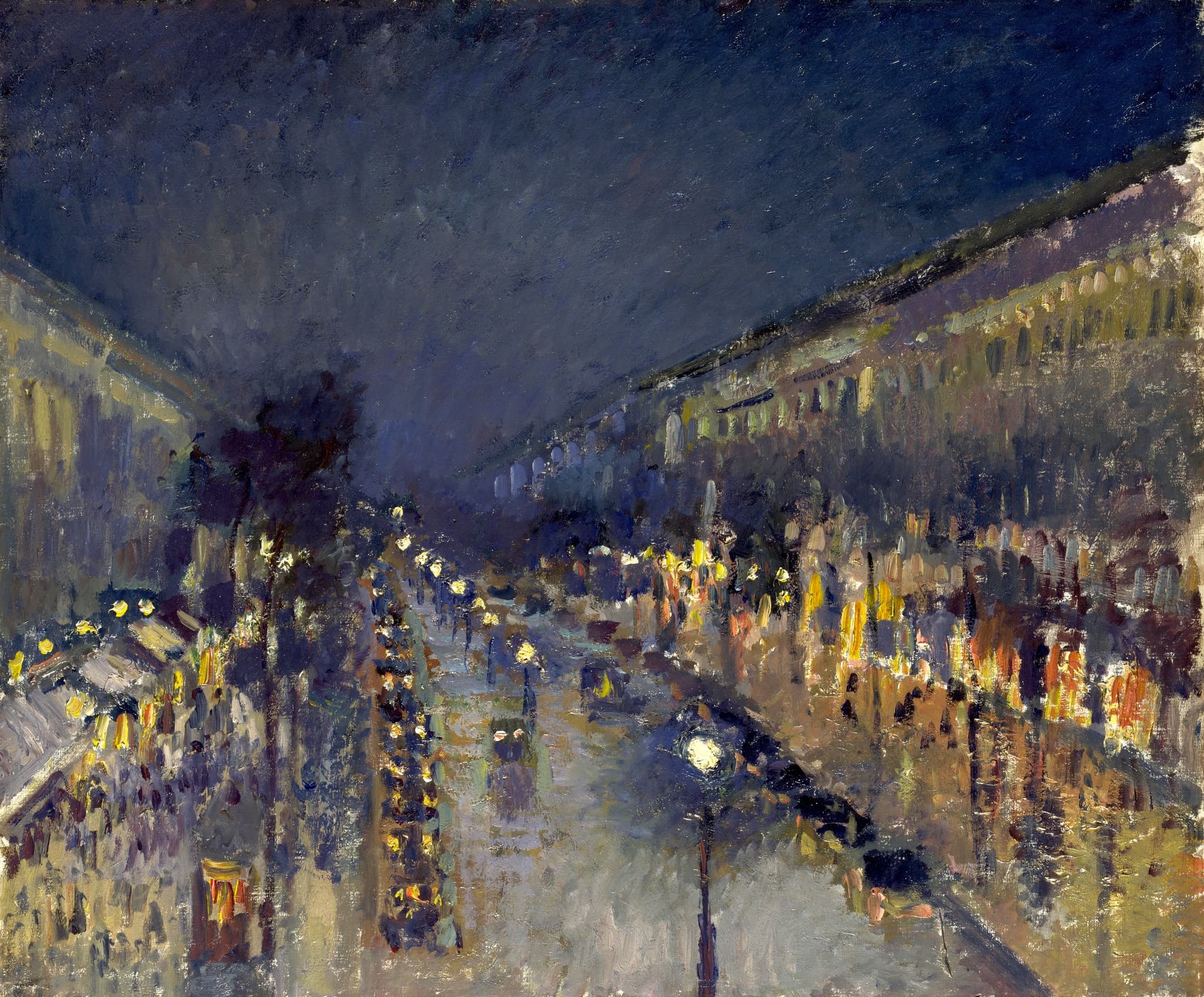
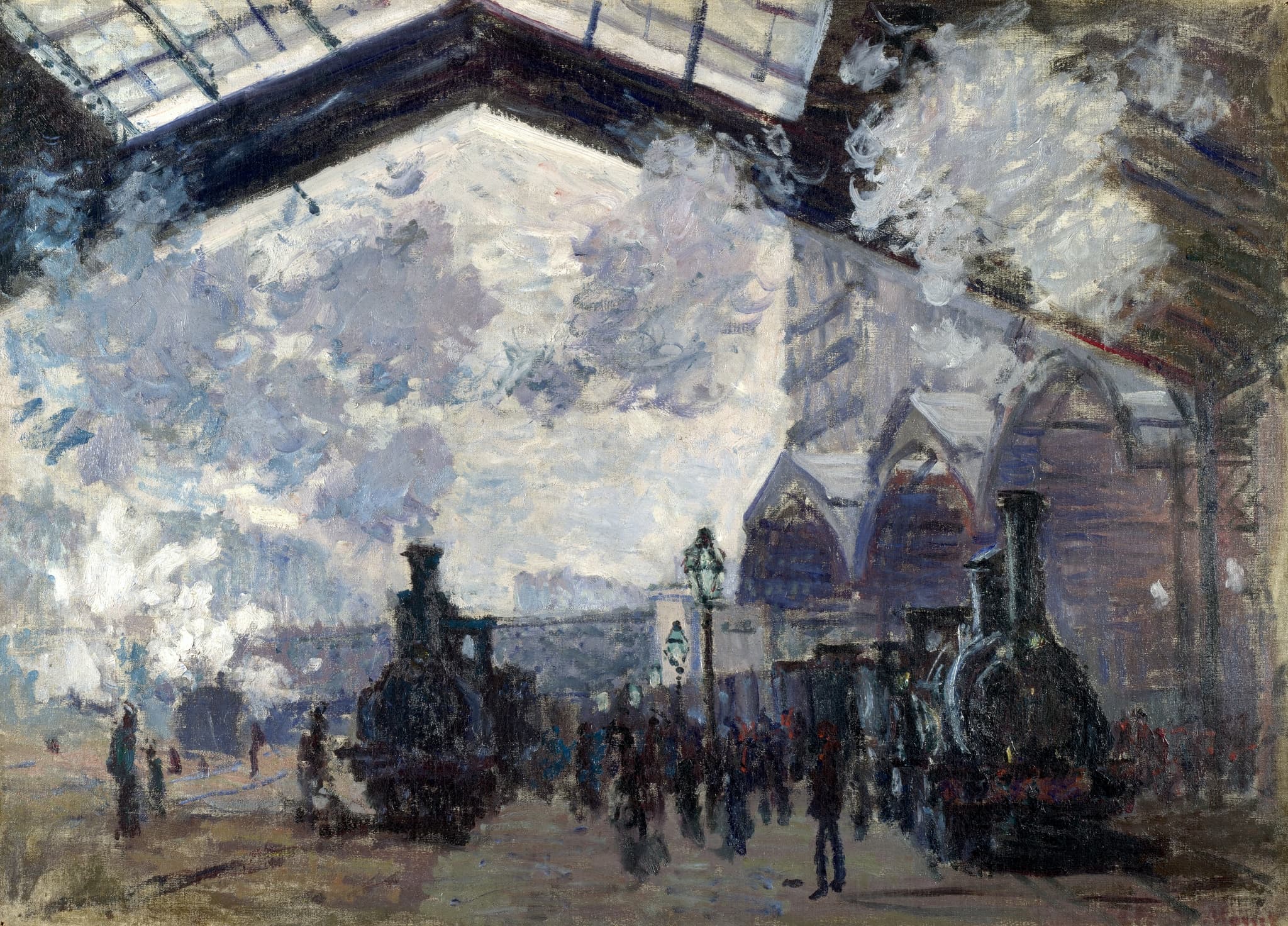
Both reframe modernity as an optical environment. In Pissarro’s boulevard nocturne, cool electric arc lamps read differently from warm shop gaslight and cab lamps; the city is analyzed as a system of illumination. In Monet’s stations and London pictures, steam and fog turn ironwork and parliament into a man‑made climate—architecture exists to catch and display air. In both practices, structure steadies sensation: Haussmann grids, tree rows, bridges, sheds, and façades act as armatures against which flicker, diffusion, and reflection can play.
They also think serially. Pissarro’s campaigns from a fixed vantage gather small civic differences into rhythm across days. Monet’s series compare chromatic states, sometimes finished together in the studio when conditions matched. In short, each painter turns seeing into a repeatable experiment: keep the place, vary the optics, and let the differences become the subject.
Decisive Difference
Pissarro organizes vision around social place. His elevated Paris series treat the boulevard or park as a shared system where architecture, weather, traffic, kiosks, trees, and people carry equal visual weight. Figures are not portraits but pulses; technology is differentiated (electric arc lamps versus gaslit windows; vehicle lamps threading the street); and the street plan remains legible so the viewer can read circulation as civic life. Practical limits—eye trouble that pushed him indoors in the late 1890s—become method: a steady window converts the city into measurable rhythm without collapsing its social complexity.
Monet isolates vision to test the optical event. Subject and anecdote are consistently subordinated to the “envelope” of light and air. Parliament, the Doge’s Palace, the Gare Saint‑Lazare: each is reduced to silhouette or scaffold so fog, steam, and reflection can write the picture. He rotates canvases with the weather and later finishes comparatively, aligning memory with a matched state; at Giverny he even builds the motif (pond, lilies, bridge) to control variables and push toward near‑abstraction. Human particularity thins to a scale mark; architecture becomes a screen that light continually makes and unmakes.
In one line: Pissarro organizes vision around social circulation in a knowable place; Monet isolates the event of light to show how appearance itself constructs the world.
Paired Works
Modern illumination, two laboratories
Focus question: How do new infrastructures of light become paintable subjects?
Boulevard Montmartre at Night vs Gare Saint-Lazare
Seriality with different stakes
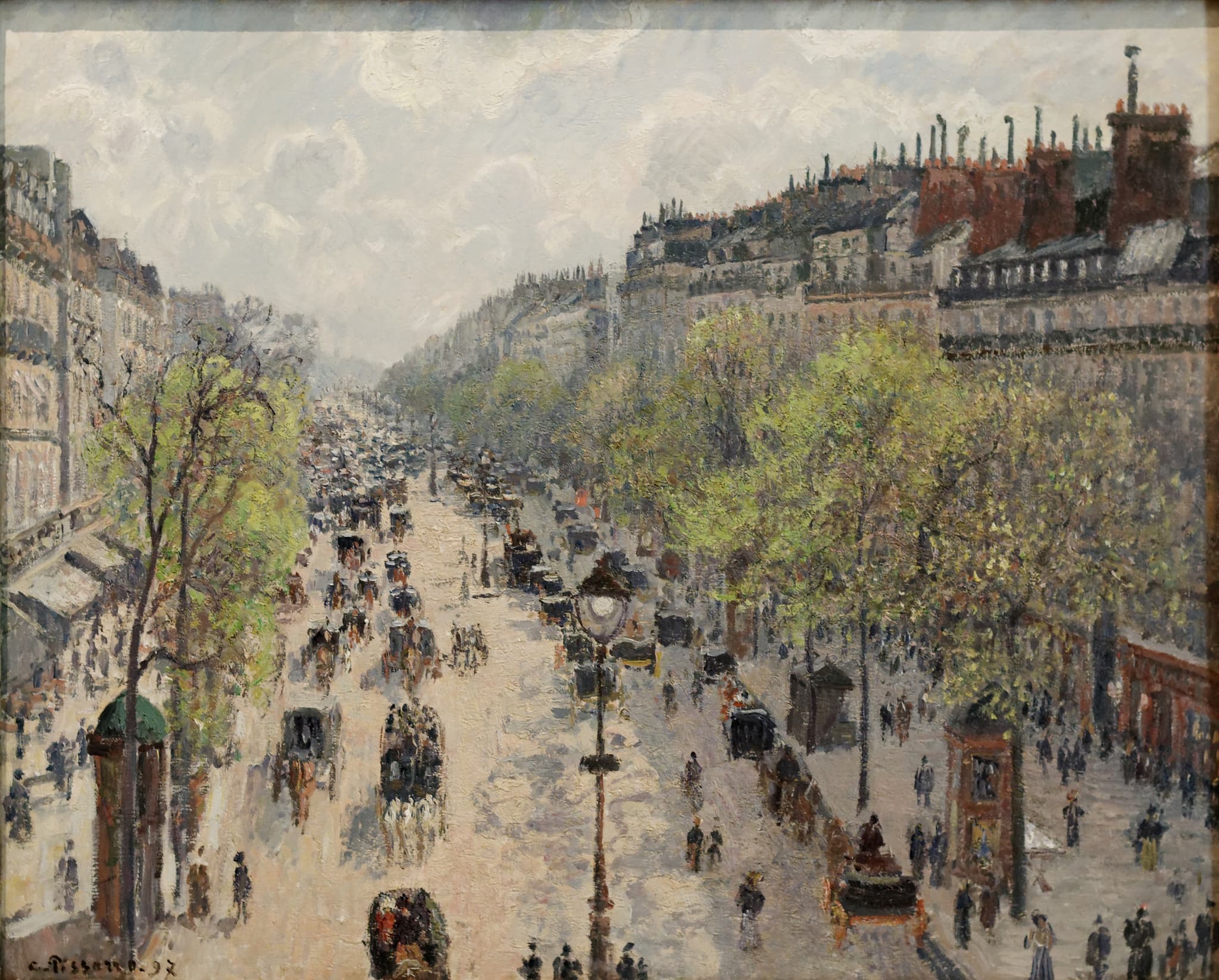
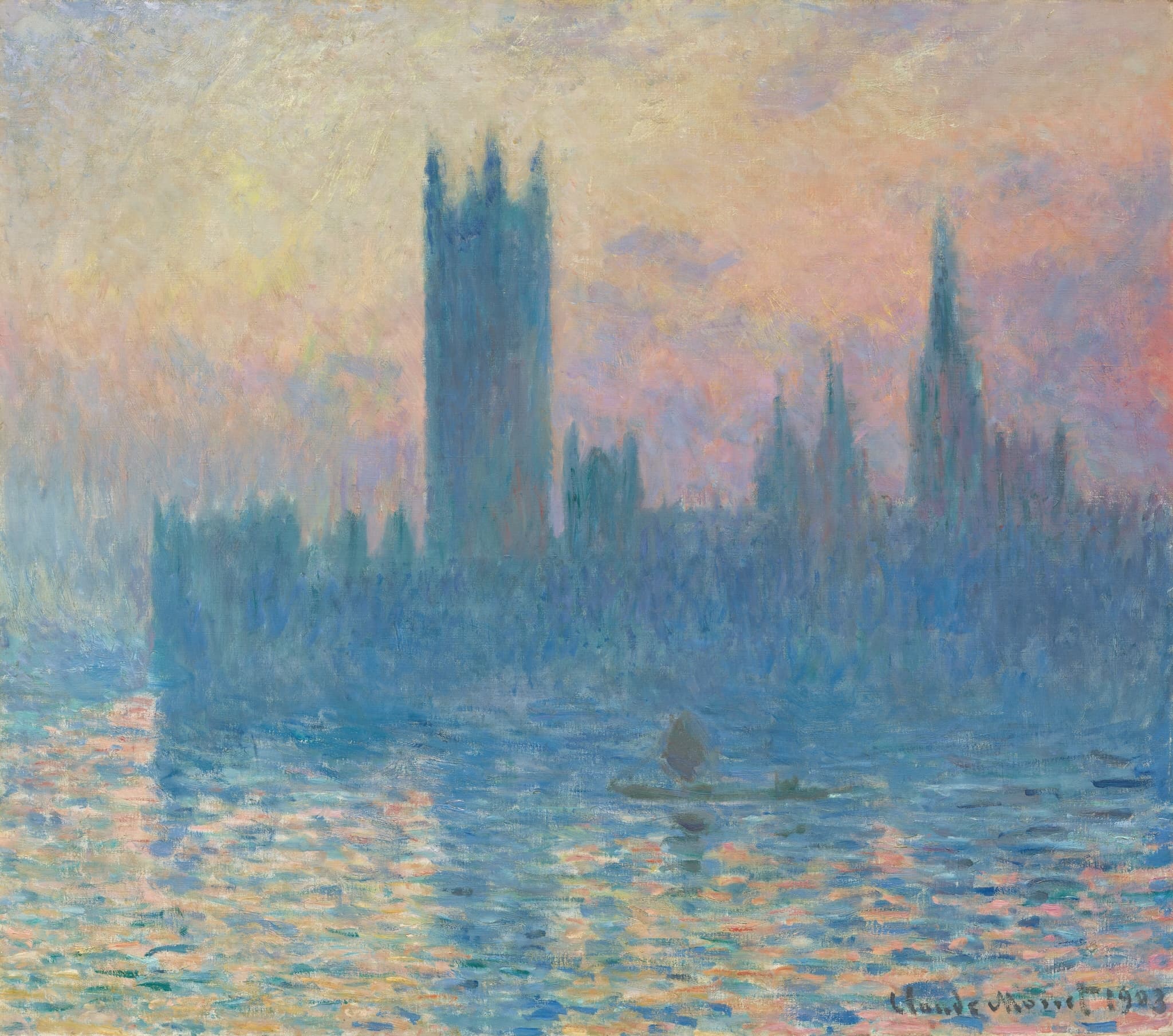
Focus question: When a motif is repeated, what exactly is being measured?
The Boulevard Montmartre on a Spring Morning vs Houses of Parliament
Structure that steadies sensation
Focus question: How does each artist secure a scaffold so light can do the work?
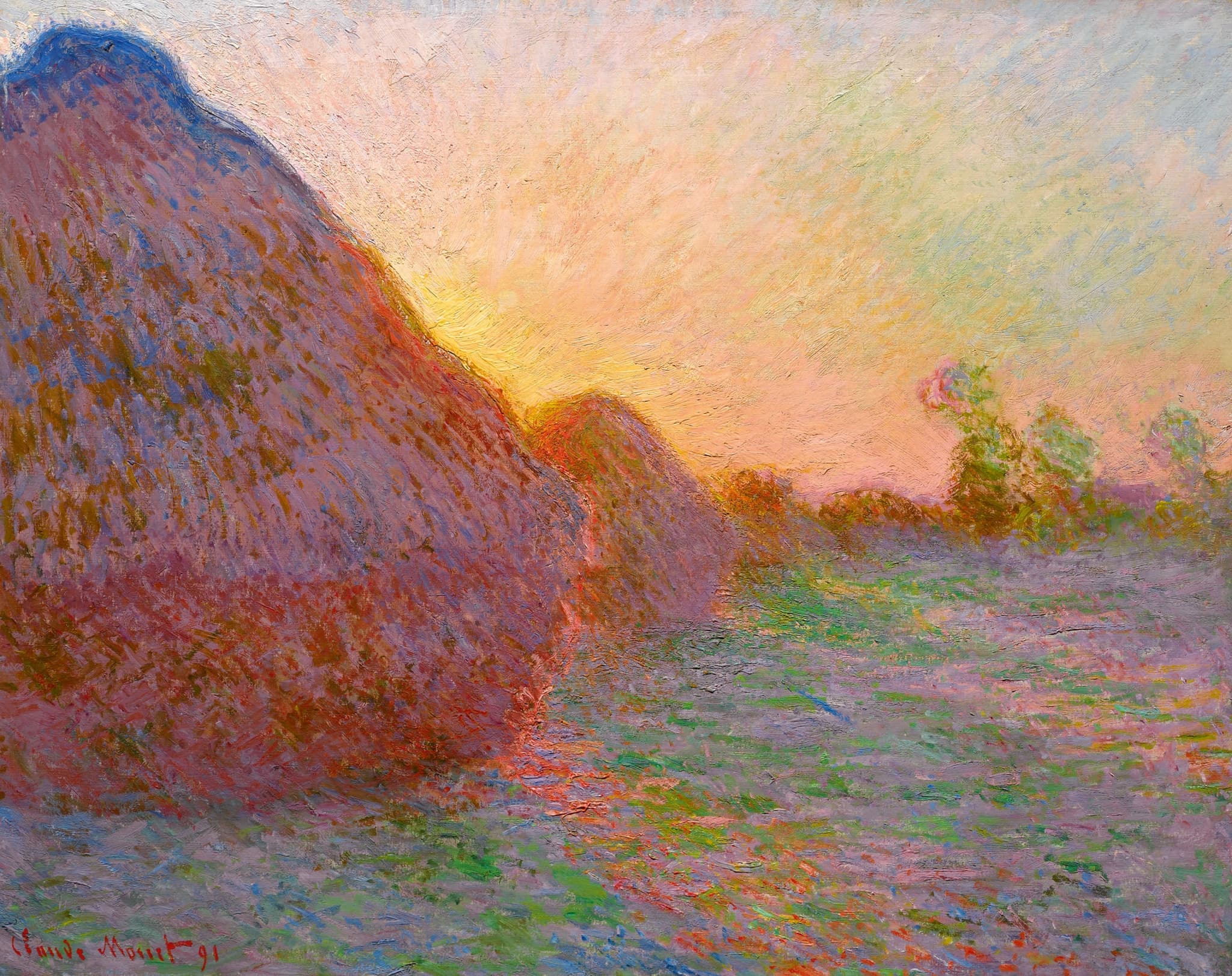
The Côte des Bœufs at L’Hermitage vs Haystacks Series by Claude Monet | Light, Time & Atmosphere
Gardens as testing grounds
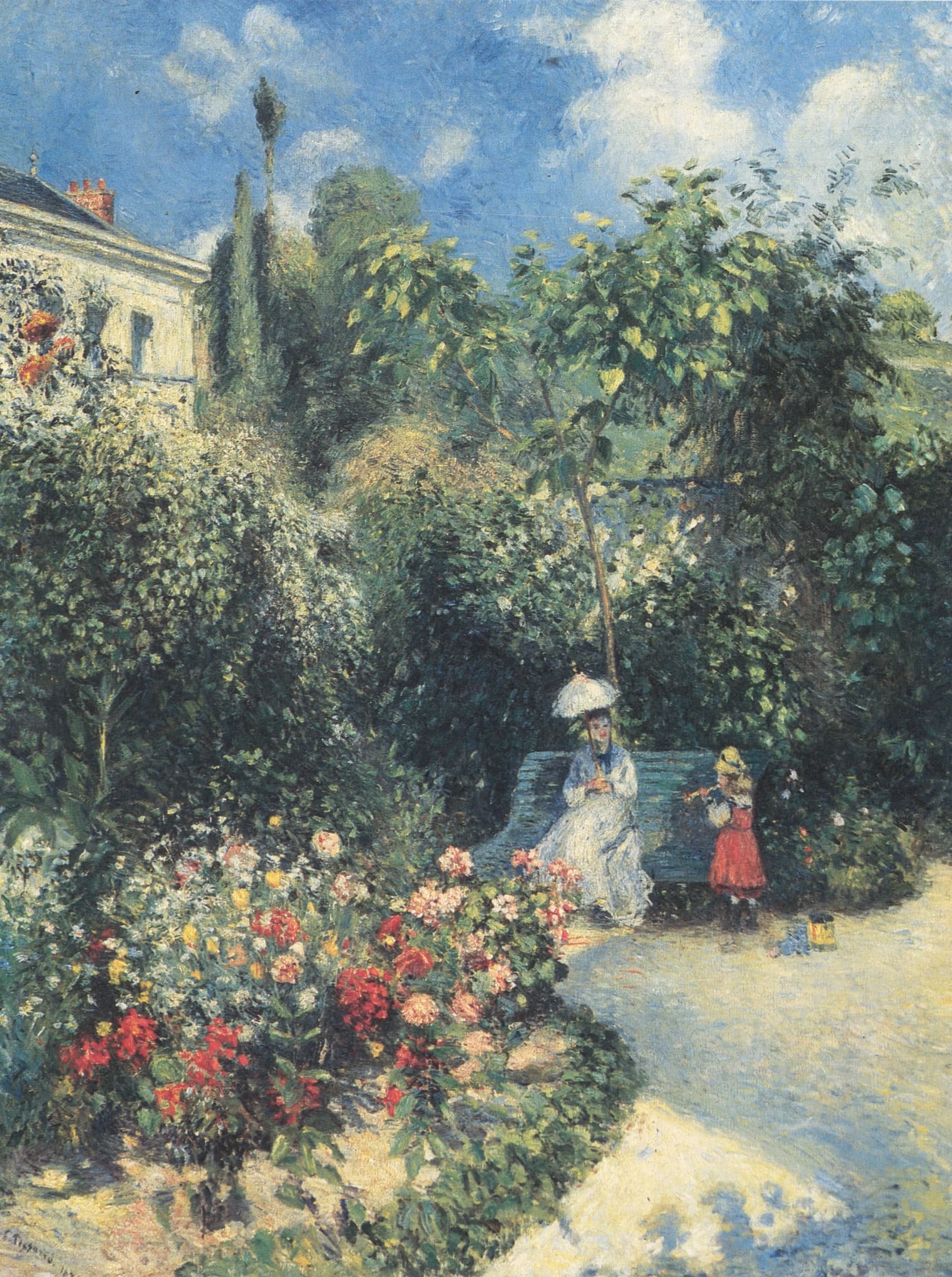
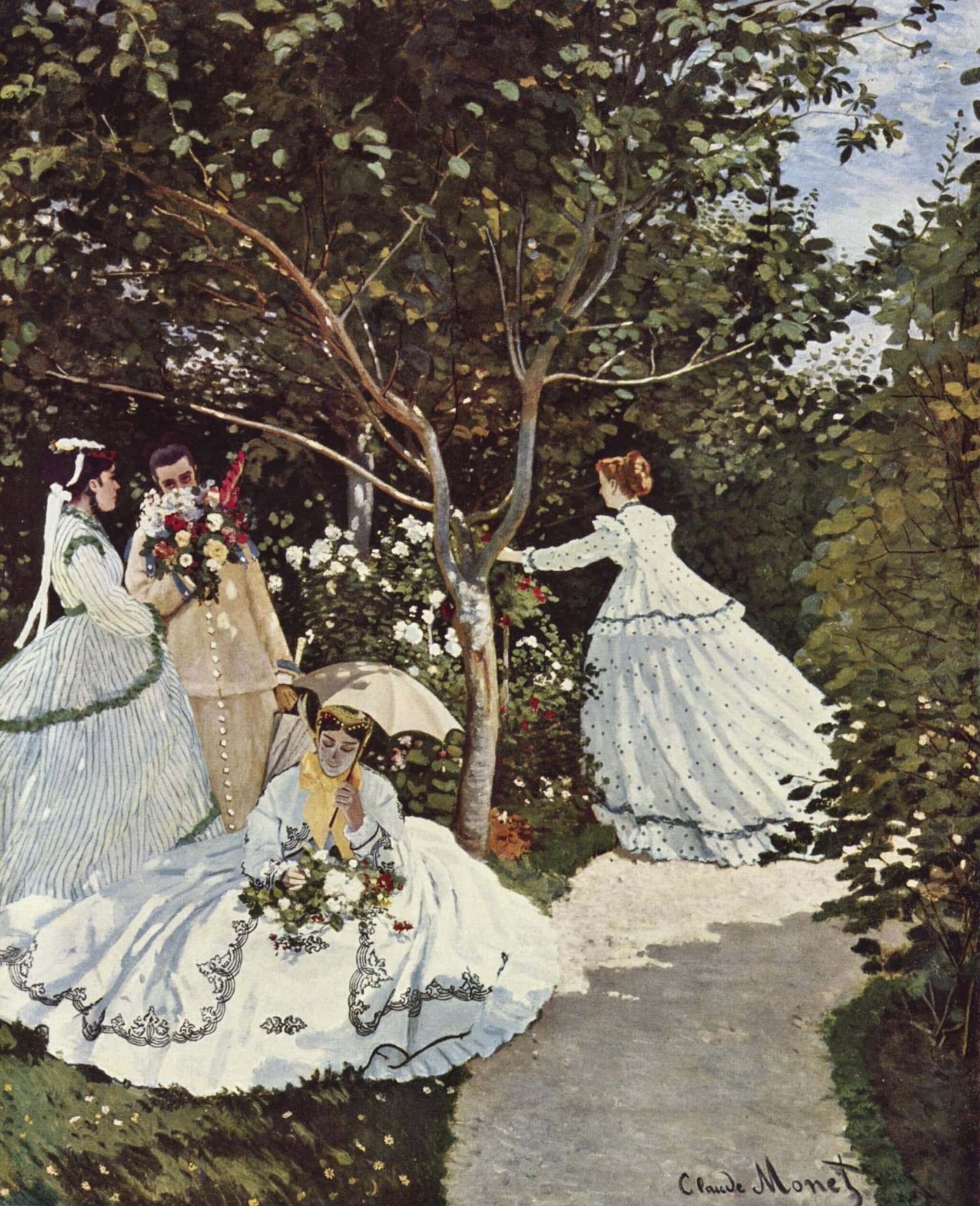
Focus question: When people enter the scene, what is painting testing—leisure or light?
The Garden of Pontoise vs Women in the Garden
Why This Comparison Matters
Placing Pissarro beside Monet clarifies two durable models for modern seeing. One teaches you to read a place as a shared system—architecture, weather, circulation, and people balanced in a single field. The other teaches you to recognize appearance itself as historical and constructed—how fog, steam, and reflection continuously make and unmake form. That split still organizes how images work, from street photography that tracks civic rhythm to cinema and design that choreograph light as the real protagonist.
The comparison also reframes Impressionism. It was not just sunlit leisure; it was a method for measuring time and environmental change, whether on a Paris boulevard under new electric lamps or the Thames under coal‑smog skies. Understanding the difference between Pissarro’s democratic optics and Monet’s optical event helps viewers decide what they are looking at in any image: a society unfolding in a place, or the physics of light turning the world into color.
Related Links
Sources
- National Gallery, London – Pissarro, The Boulevard Montmartre at Night
- National Gallery, London – Monet, The Gare St-Lazare
- The Metropolitan Museum of Art – Houses of Parliament (Effect of Fog)
- PNAS (2023) – Atmospheric pollution and the optics of Impressionist skies
- Musée d’Orsay – La Gare Saint‑Lazare
- National Gallery, London – The Water-Lily Pond
- National Gallery of Art – Monet’s waterscapes overview
- Encyclopaedia Britannica – Camille Pissarro (role in Impressionist exhibitions; teaching)
- National Gallery, London – Pissarro, The Côte des Bœufs at L’Hermitage (NG4197)