From Lantern to Light Bulb: Two Ways of Seeing War
Both artists retool painting into civic witness, centering civilians and the cost to bodies. Each uses artificial light to structure what must be seen, and each folds the media of their time—prints, photography, reproduction—into the picture’s meaning and reach. Where they diverge is how they make us see: Goya builds stage-like clarity; Picasso composes a field of fractures we must reconstruct.
Comparison frame: How do Goya and Picasso turn painting into witness—and what kind of seeing does each demand from us?
Quick Comparison
| Topic | Francisco Goya | Pablo Picasso |
|---|---|---|
| Prime aim of painting | Witness through staged, moral legibility | Witness through fractured, unstable perception |
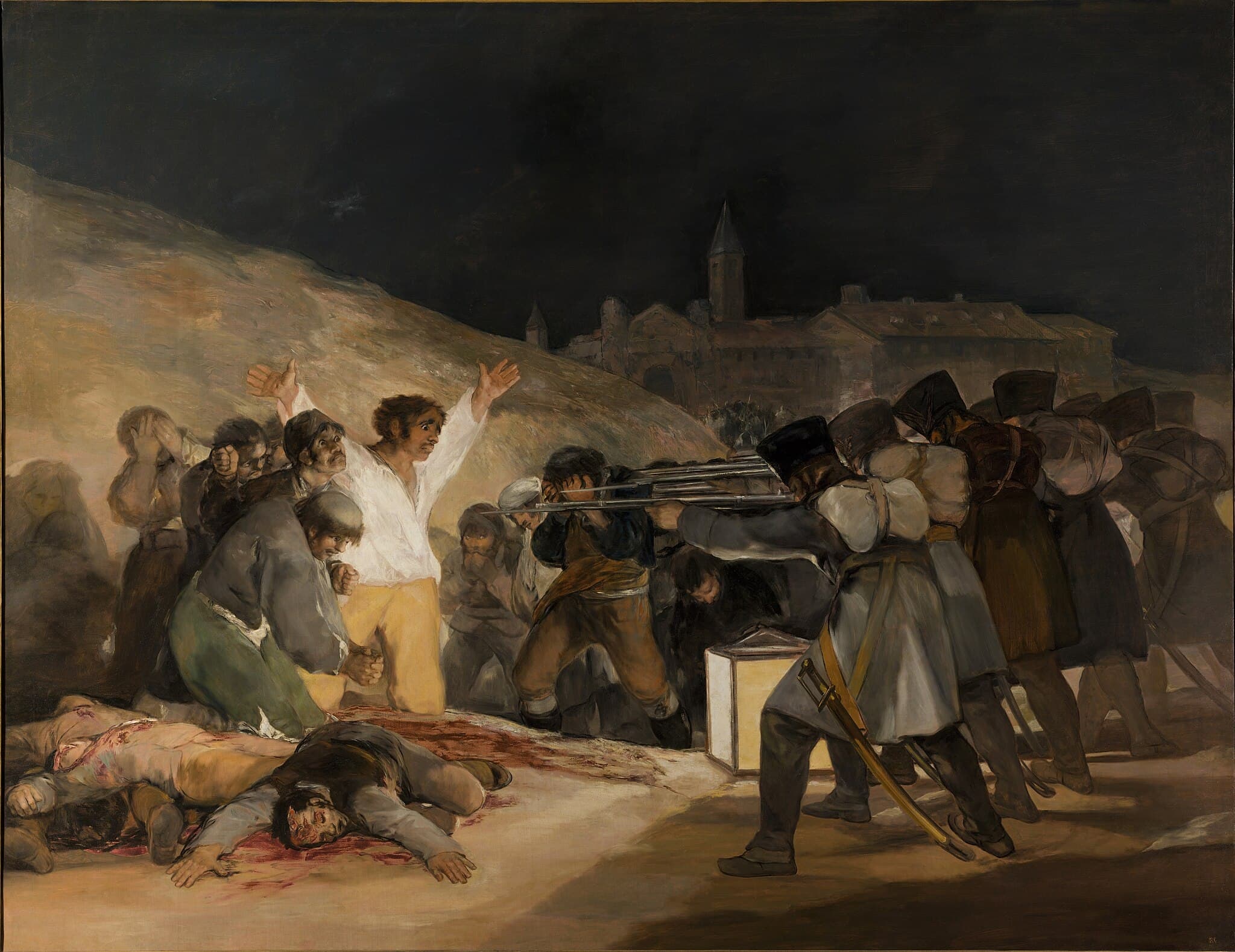
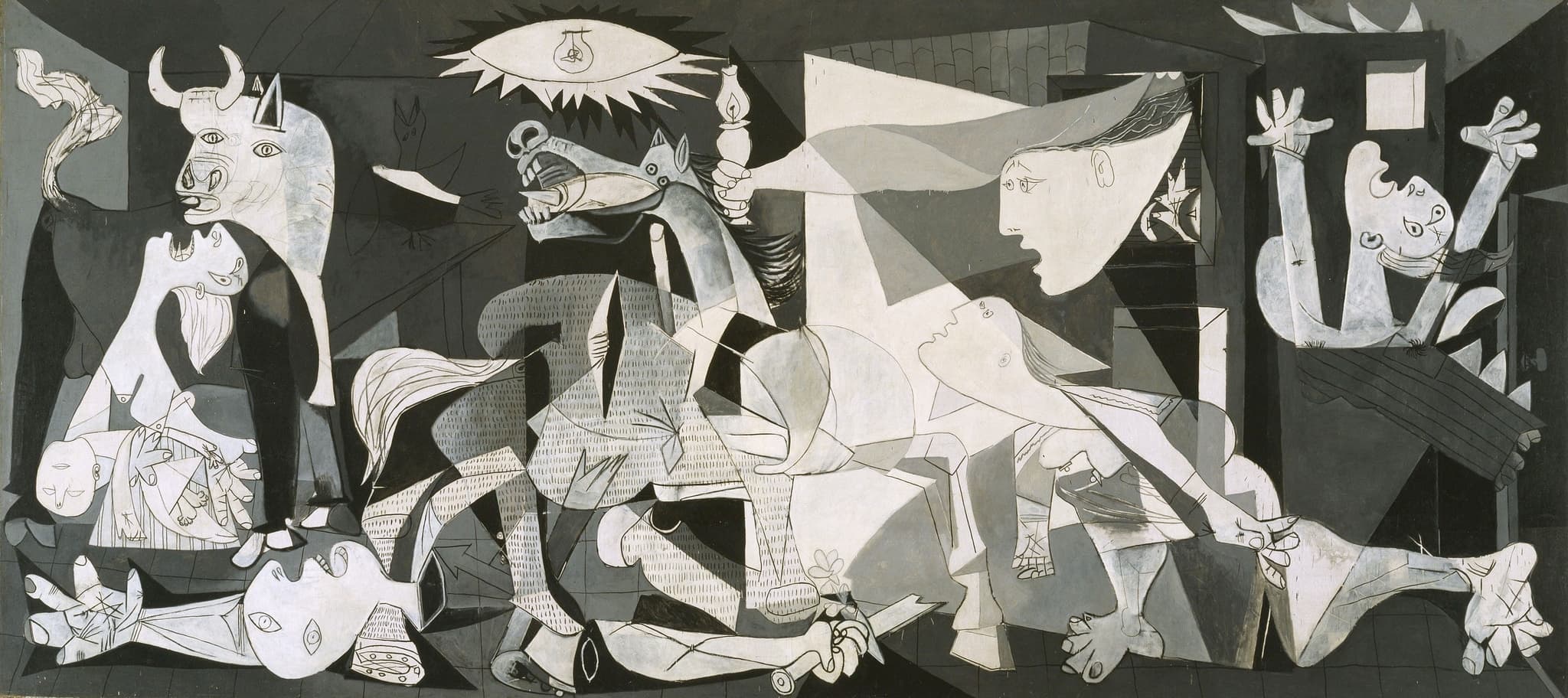
| Light as engine | Ground lantern as secular revelation that isolates culpability | Electric bulb vs oil lamp: technological glare versus fragile human witness |
| Space and vantage | Single anchoring viewpoint; binary staging (victim vs mechanism) | Collapsed depth; simultaneous viewpoints; ricocheting angles |
| Viewer’s task | Stand as proximate witness to a specific act | Reconstruct meaning from shards; accept ambiguity |
| Media strategy | Etching/aquatint series make atrocity reproducible | Monumental mural in grisaille tuned to photographic circulation |
| Symbol logic | Allegory by subtraction; few attributes, maximum psychological charge | Emblems with open roles (bull, horse, bulb, lamp) |
| Signature anti-war canvas | The Third of May 1808 | Guernica |
| What “seeing” should be | Join imagination to reason; make violence legible | Break stable sight; make trauma’s fracture palpable |
Shared Ground
Francisco Goya (1746–1828) and Pablo Picasso (1881–1973) both redirect painting from celebration to testimony. Goya’s The Third of May 1808 turns a reprisal into accusation; Picasso’s Guernica transforms a bombing into public lament. In both, civilians—not heroes—occupy the center, and bodies bear the argument: raised palms, clenched teeth, screams, and falls. Each artist uses artificial light as a moral technology. Goya’s square lantern forces a night execution into full view, making evasion impossible. Picasso opposes an electric bulb’s glare to a hand‑held oil lamp, staging the contest between mechanized destruction and human witness inside the picture itself.
They also absorb the mass media of their moments to amplify witness. Goya’s intaglio series Los Desastres de la Guerra renders atrocity in velvety aquatint and multiplies it through print; even its delayed publication sharpened its charge as a public record. Picasso calibrates Guernica in monochrome to rhyme with news photography; Dora Maar’s studio photographs fold documentation into the painting’s meaning, and the mural’s international tour made it a roaming envoy of conscience. Across media, both artists demand accountability from the beholder. Their pictures do not offer victory; they create conditions for judgment: Who acts? Who suffers? What allows the act? That shared ground—painting as civic witness engineered by light, media savvy, and the ethics of looking—explains why these works remain active in public memory.
Decisive Difference
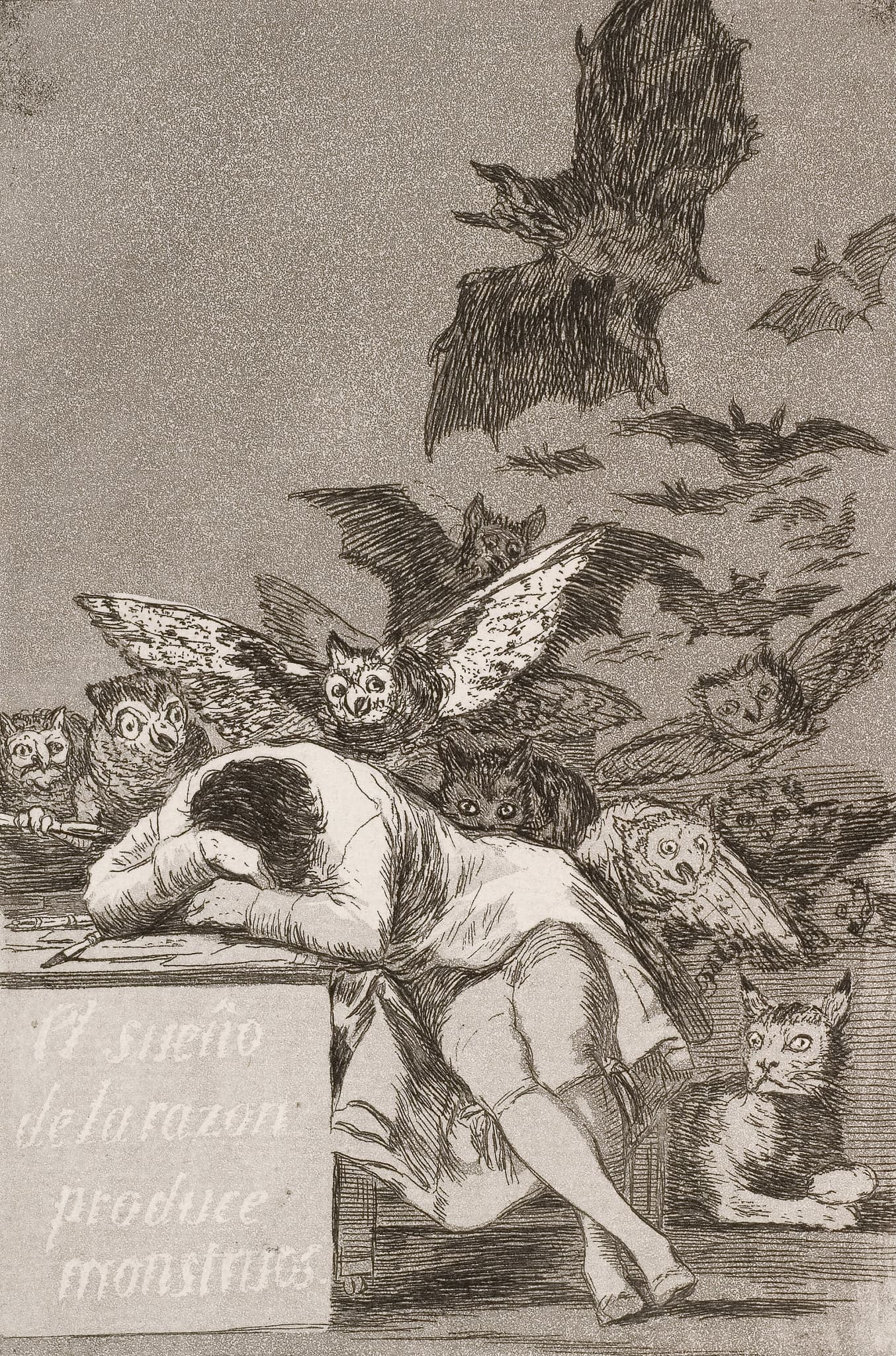
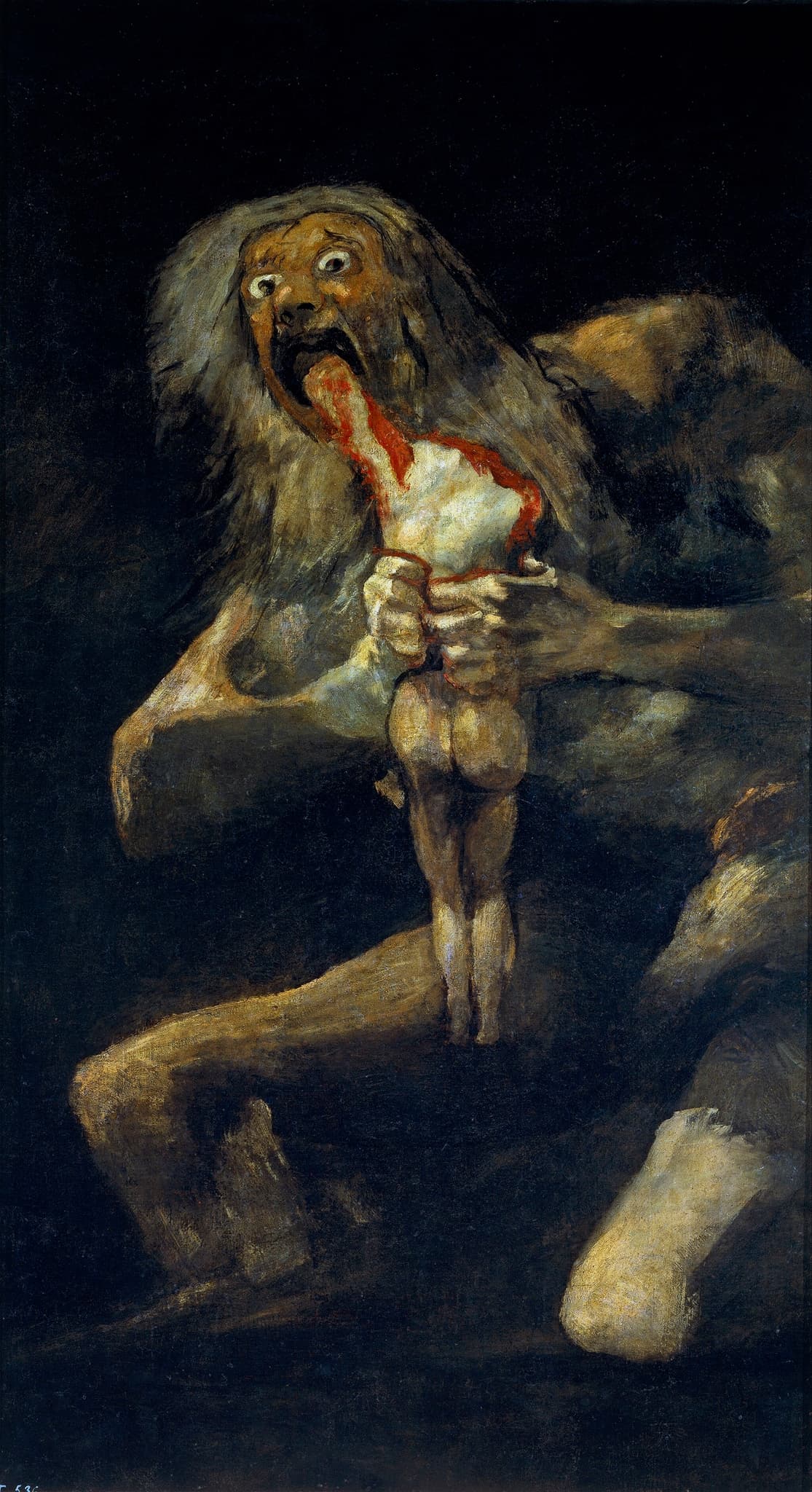
Goya changes how we see by enforcing clarity. He builds scenes around a single, stable vantage, compressing space to put the viewer within arm’s reach of consequence. In The Third of May 1808, a concentrated chiaroscuro singles out a victim while the firing squad fuses into a faceless mechanism. The composition reads like a stage: diagonals drive the eye from dead to doomed to rifles, and the lantern’s boxy glow operates as secular revelation. Even in the late Black Paintings, meaning condenses through subtraction: attributes fall away so that an act—terror, devouring, derangement—fills a stark field. Goya’s programmatic The Sleep of Reason Produces Monsters articulates the rule: yoke imagination to reason to make social truth visible.
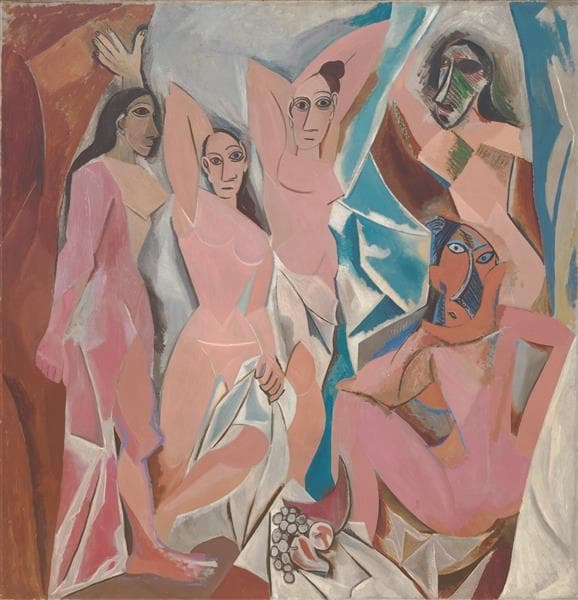
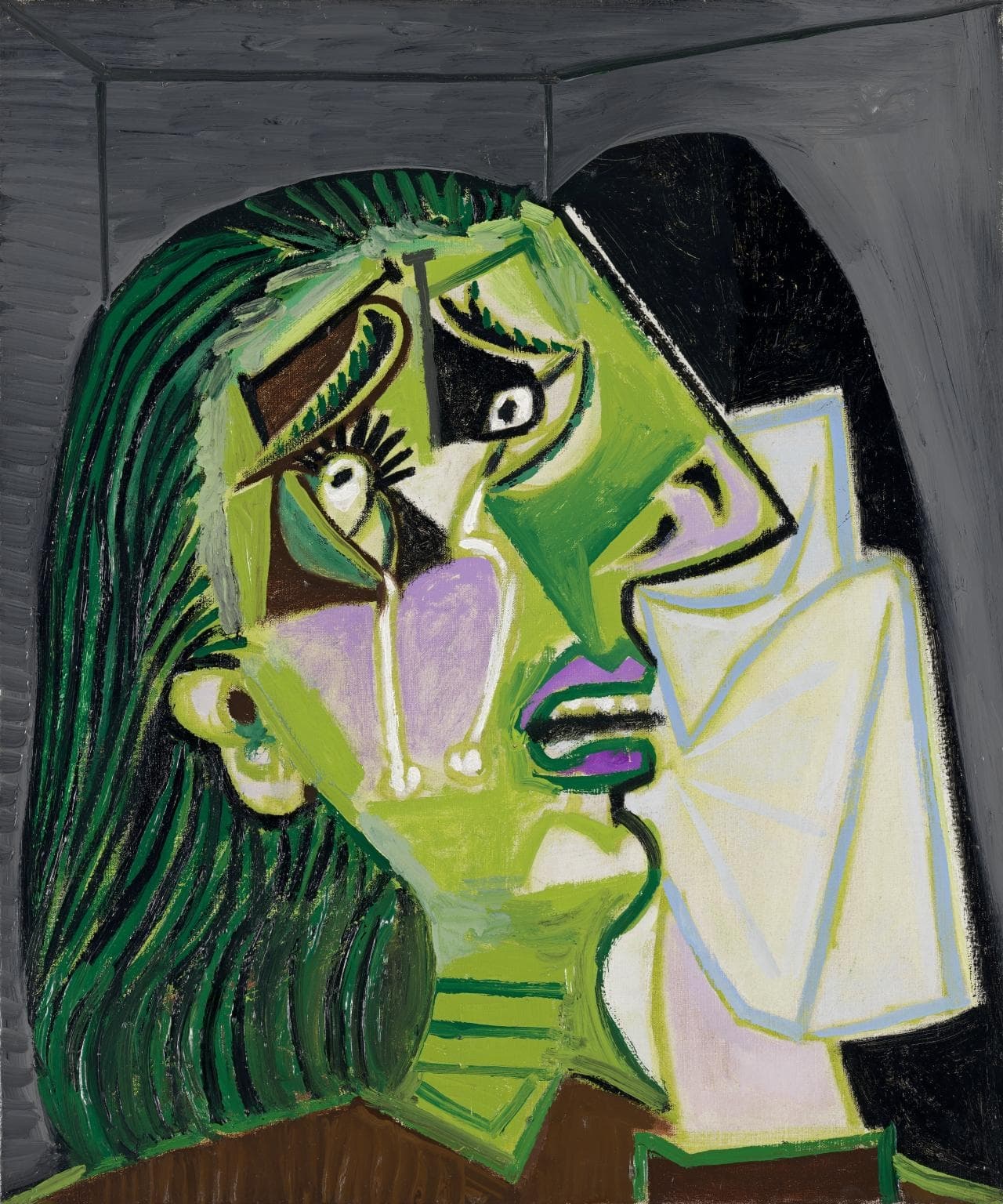
Picasso changes how we see by breaking stability. He denies a single viewpoint and composes meaning as a field of collisions: planes, profiles, and signs that refuse to settle. In Guernica, space collapses into shards; a bulb and a lamp argue over what kind of light counts; the bull and horse remain open emblems rather than decode‑and‑move‑on symbols. Les Demoiselles d’Avignon makes this method explicit by dismantling Renaissance vision, while The Weeping Woman distills grief into hard, misaligned facets that keep experience jagged. The viewer’s job is not to accept a staged truth but to reconstruct an event whose trauma is mirrored by pictorial fracture. In short: Goya compels witness through legible visibility; Picasso compels witness through productive disorientation.
Paired Works
Public Lament, Engineered Light
Focus question: How does each painting force us to see a specific atrocity?
The Third of May 1808 vs Guernica
Rules for Seeing
Focus question: What compact with the viewer about 'seeing' does each image propose or break?
The Sleep of Reason Produces Monsters vs Les Demoiselles d'Avignon
Icon of Terror vs Icon of Grief
Focus question: How do private terror and public mourning become emblematic?
Saturn Devouring His Son vs The Weeping Woman
Why This Comparison Matters
“Goya vs Picasso” is not a contest of influence but a map of how modern images claim truth. Goya shows how painting can enforce witness by engineering visibility—anchored vantage, directional light, and ethical focus. Picasso shows how painting can honor trauma by refusing false clarity—fracturing space, keeping symbols open, and making the act of looking match the shock it describes. Both artists fold their media ecologies into that task: prints that circulate atrocity; murals calibrated to photographic reproduction and international travel.
For a reader today—navigating news feeds, surveillance, and contested narratives—this comparison clarifies two durable models of pictorial evidence. When do we need the lantern’s non‑negotiable exposure of an act, and when do we need the bulb’s harsh glare countered by a human lamp that keeps ambiguity honest? Goya and Picasso do not offer the same answer, but together they name the problem: how to see responsibly when violence is both spectacular and hidden. Their pictures remain tools for that work.
Related Links
Sources
- Museo del Prado — The Third of May 1808
- Museo Reina Sofía — Guernica
- MoMA — Les Demoiselles d’Avignon: Conservation/History
- The Met — Goya in The Metropolitan Museum of Art (prints)
- Encyclopaedia Britannica — Guernica
- Museo del Prado — The Sleep of Reason Produces Monsters
- NGV — Picasso, The Weeping Woman
- Encyclopaedia Britannica — Francisco Goya
- Museo Reina Sofía — Dora Maar’s photographic record of Guernica