Body as Diagram vs Color as Weather
Both artists make inner life visible, but they build different instruments to do it. Kahlo turns the body and its attributes into a clear, ex‑voto‑like diagram of experience. Van Gogh composes feeling with color, touch, and scale until nature and interiors behave like weather. Seen together, they show two rigorous ways sincerity becomes structure.
Comparison frame: How do Kahlo’s body‑diagrams and Van Gogh’s color‑climates each remake what painting lets us sense?
Quick Comparison
| Topic | Frida Kahlo | Vincent van Gogh |
|---|---|---|
| Core aim | Make pain and identity legible through a self-authored bodily iconography. | Turn color and brushwork into a grammar for psychological climate. |
| Primary engine | Attributes and anatomy: hearts, arteries, nails, corsets, clothing. | Complementary chroma, directional impasto, and scale choices. |
| Typical format | Frontal, centered, retablo clarity; shallow stage; unwavering gaze. | High horizons, forking paths, vibrating strokes; immersive fields. |
| Sign vs structure | Named emblems with clinical precision (hemostat, corset, locket). | Meaning rides on hue contrasts and touch rather than fixed symbols. |
| Night/atmosphere | Skies as backdrops to the figure’s statement. | “Night without black”; color constructs darkness and feeling. |
| Viewer’s role | Witness and read a diagram of the body and its attributes. | Enter and feel a built climate of color and rhythm. |
| Artist’s testimony | Rejects Surrealist label; aligns with ex‑votos’ frank realism. | Letters specify aims: red/green for passion; blue/orange for force. |
Shared Ground
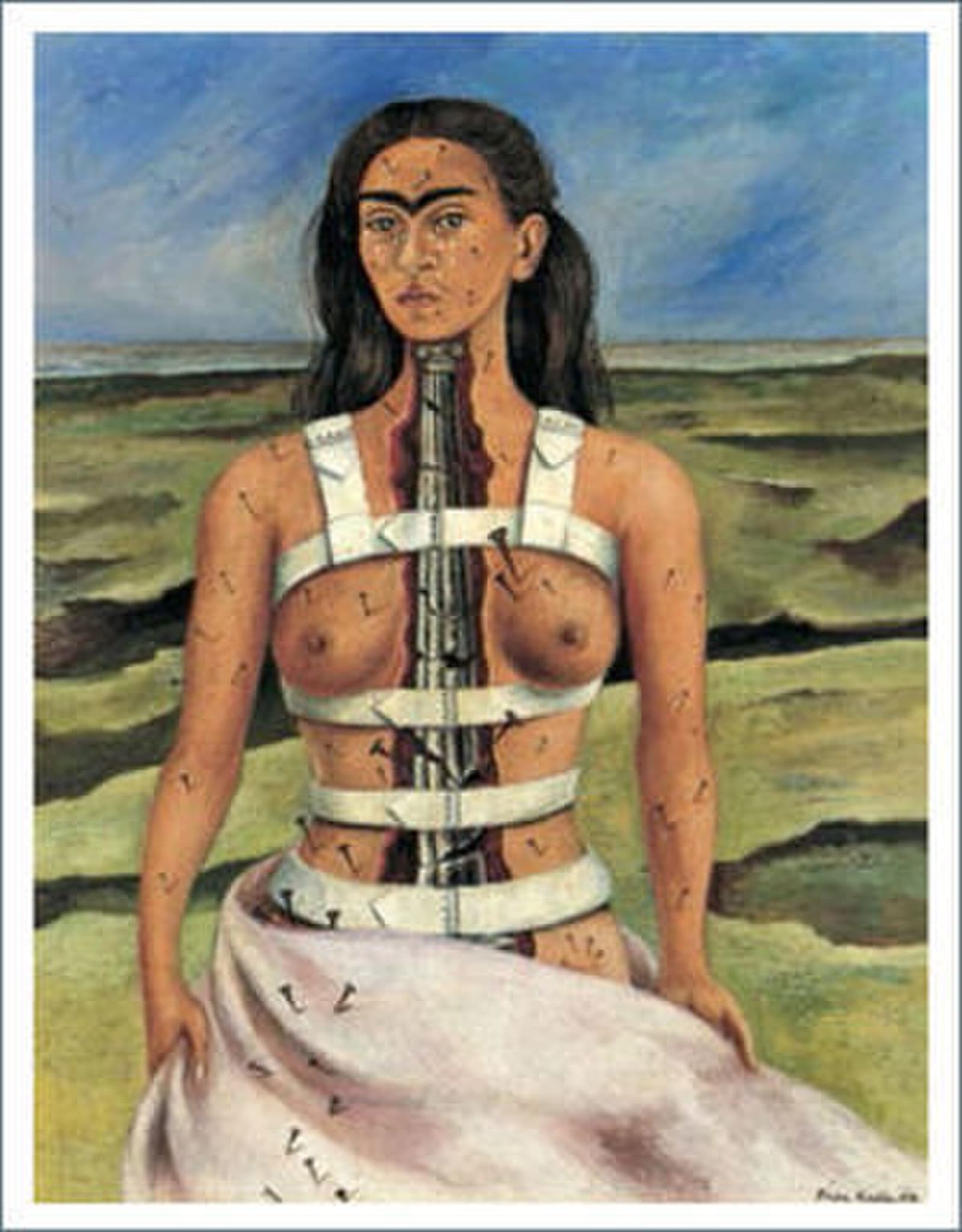
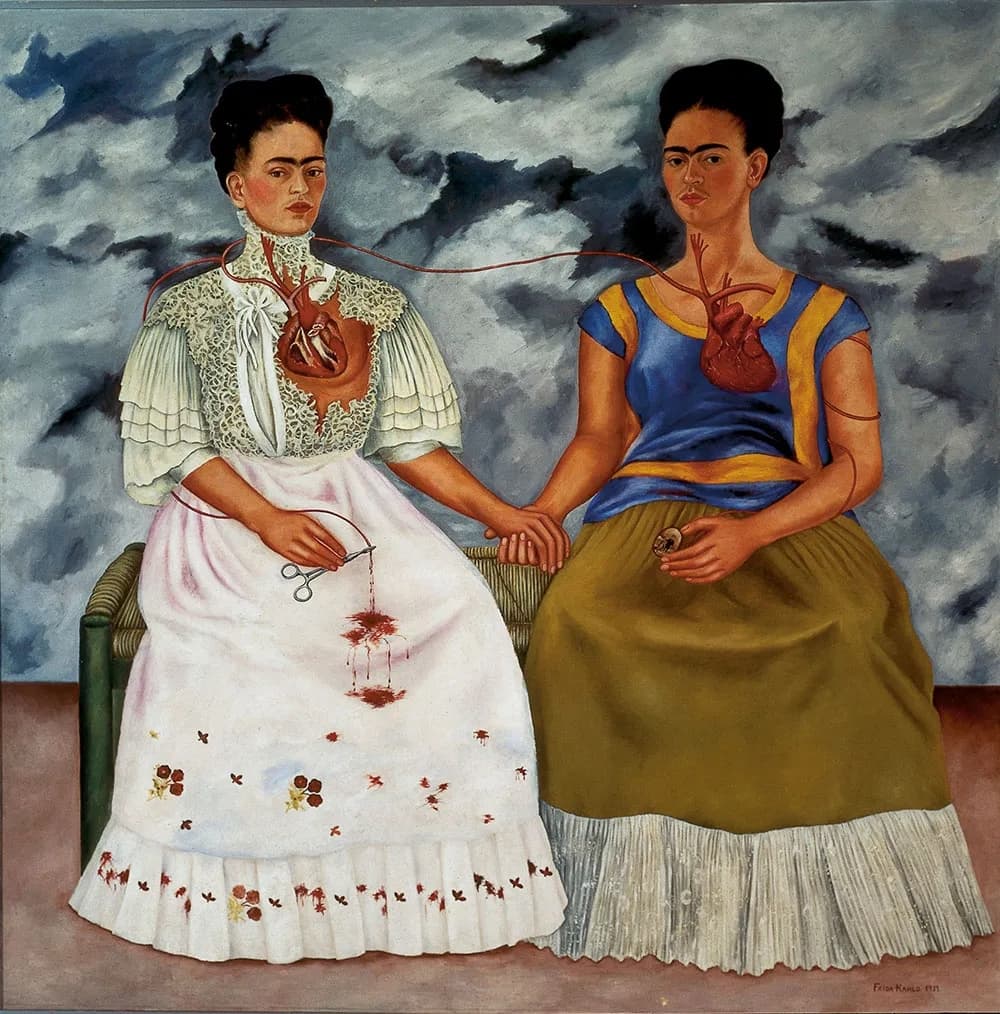
Frida Kahlo and Vincent van Gogh both transform painting into a laboratory for rendering inner states as visual structure. Neither accepts neutral description. Kahlo borrows the frankness and didactic clarity of Mexican ex‑votos and retablos, then builds an itemized iconography—organs, vessels, nails, clamps, corsets, costumes—so that injury and identity become readable rather than anecdotal. In The Broken Column, a medical corset and a shattered Ionic spine literalize pain and care; in The Two Fridas, exposed hearts, a clamp, and a locket diagram a divided self with clinical calm. She called this her reality rather than dreamwork: a composed, frontal address that asks the viewer to witness and to parse.
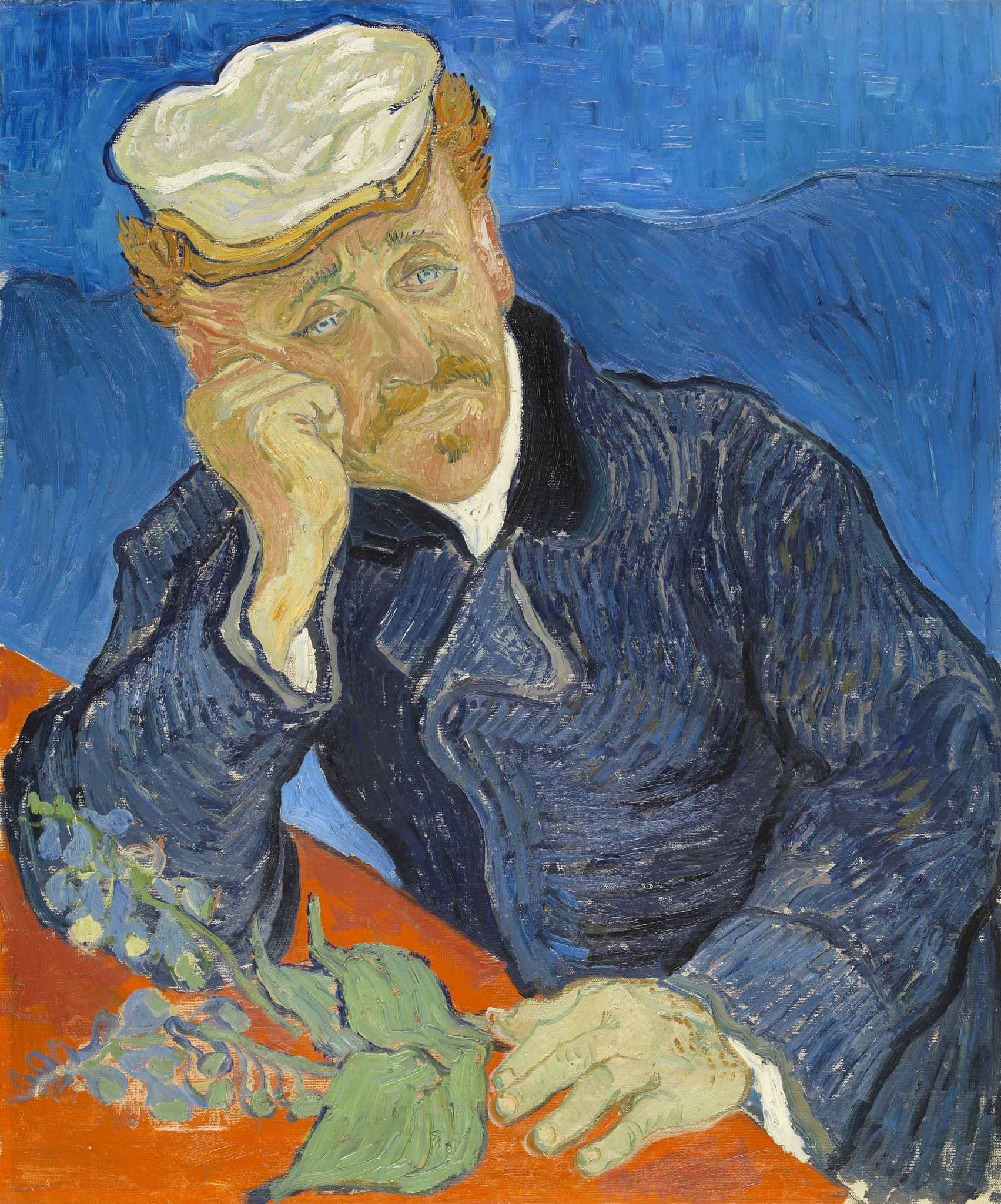
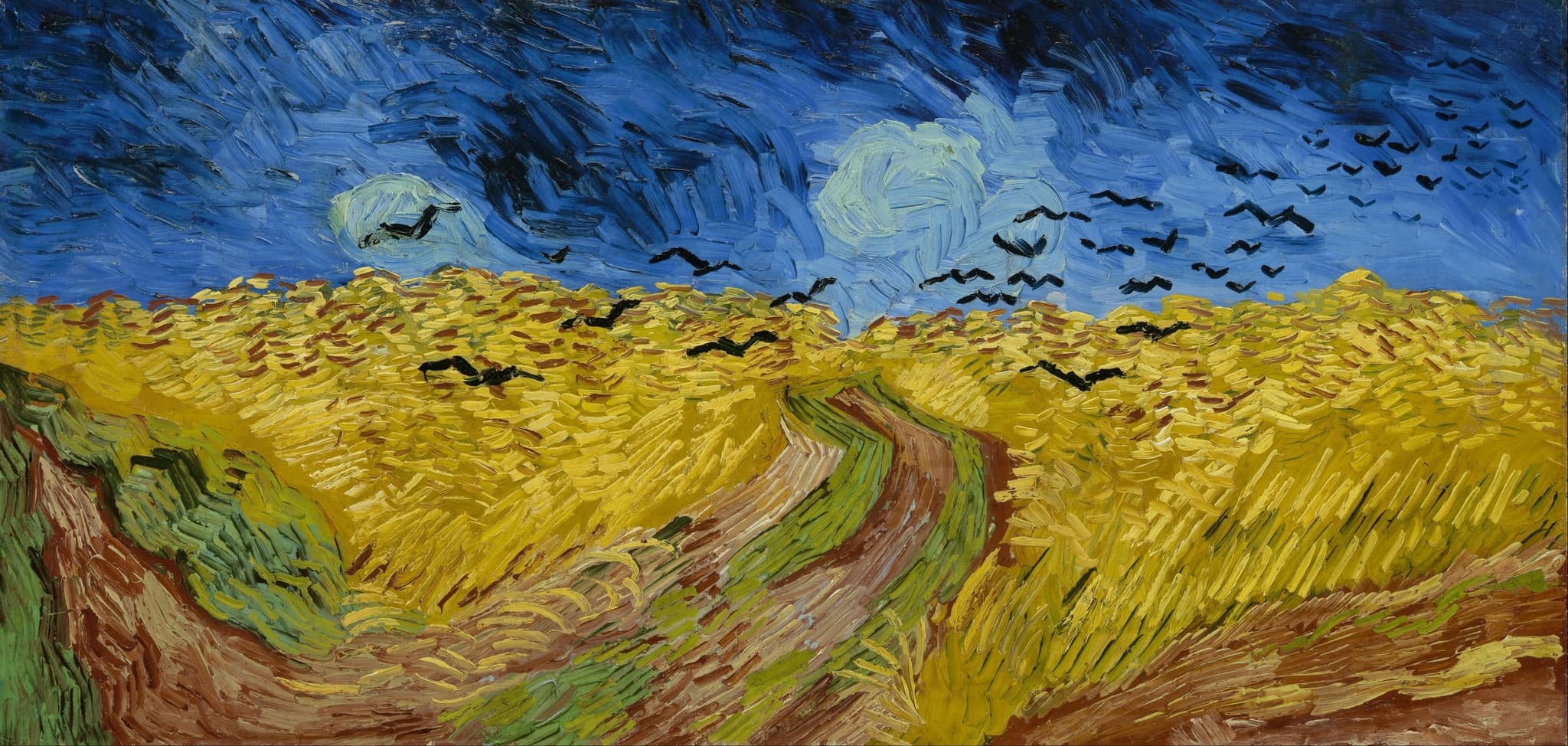
Van Gogh is equally programmatic, but his instrument is color-structure and touch. In letters he outlines methods—constructing night without black; using red and green to express terrible human passions—and then realizes them on canvas. Portrait of Dr. Gachet reads melancholy through cobalt seas set against an orange-red table; Wheatfield with Crows compresses horizon and drives color into collision so landscape carries dread and vitality at once. For both artists, sincerity is a value and a method: they state what they are doing, then make a painting where the means are visible. The result is not confession as spectacle but a clarified craft—visual systems that teach viewers how to feel with their eyes.
Decisive Difference
The decisive difference lies in where each artist locates the truth of feeling. Kahlo grounds truth in the body-as-diagram and in culturally specific emblems. Her pictures face us like portable altars: frontal, centered, and legible. Arteries, clamps, corsets, and tears are not metaphors in the vague sense; they are precise signs that stage pain and identity as testimony. Even when the scale is large, the format retains retablo clarity—the viewer stands before a self-authored case history whose grammar is anatomical and devotional.
Van Gogh locates truth in color, stroke, and scale—nature or a sitter becomes the carrier of psychic weather. Meaning is built from complementary chroma, directional impasto, and compositional pressure. Night can be radiant “without black”; passion can be constructed with red–green dissonance; a sky’s cobalt can weigh on a church until stone feels unsettled. Portrait of Dr. Gachet uses a blue field and an orange table to stabilize melancholy; Wheatfield with Crows uses a high horizon and forking tracks to hold dread and vitality together. Consequently, Kahlo changes seeing by teaching us to read bodies and attributes; Van Gogh changes seeing by proving that color decisions and painterly rhythm are themselves meaning. One invites diagnostic attention; the other, immersive weathering.
Paired Works
Suffering and care, unsweetened
Focus question: How do they picture suffering and care without sentimentality?
The Broken Column vs Portrait of Dr. Gachet
Two selves vs one storm
Focus question: How do they stage division and keep it alive as an image?
The Two Fridas vs Wheatfield with Crows
Self-portraits under pressure
Focus question: When the artist is the subject, where does the meaning sit?
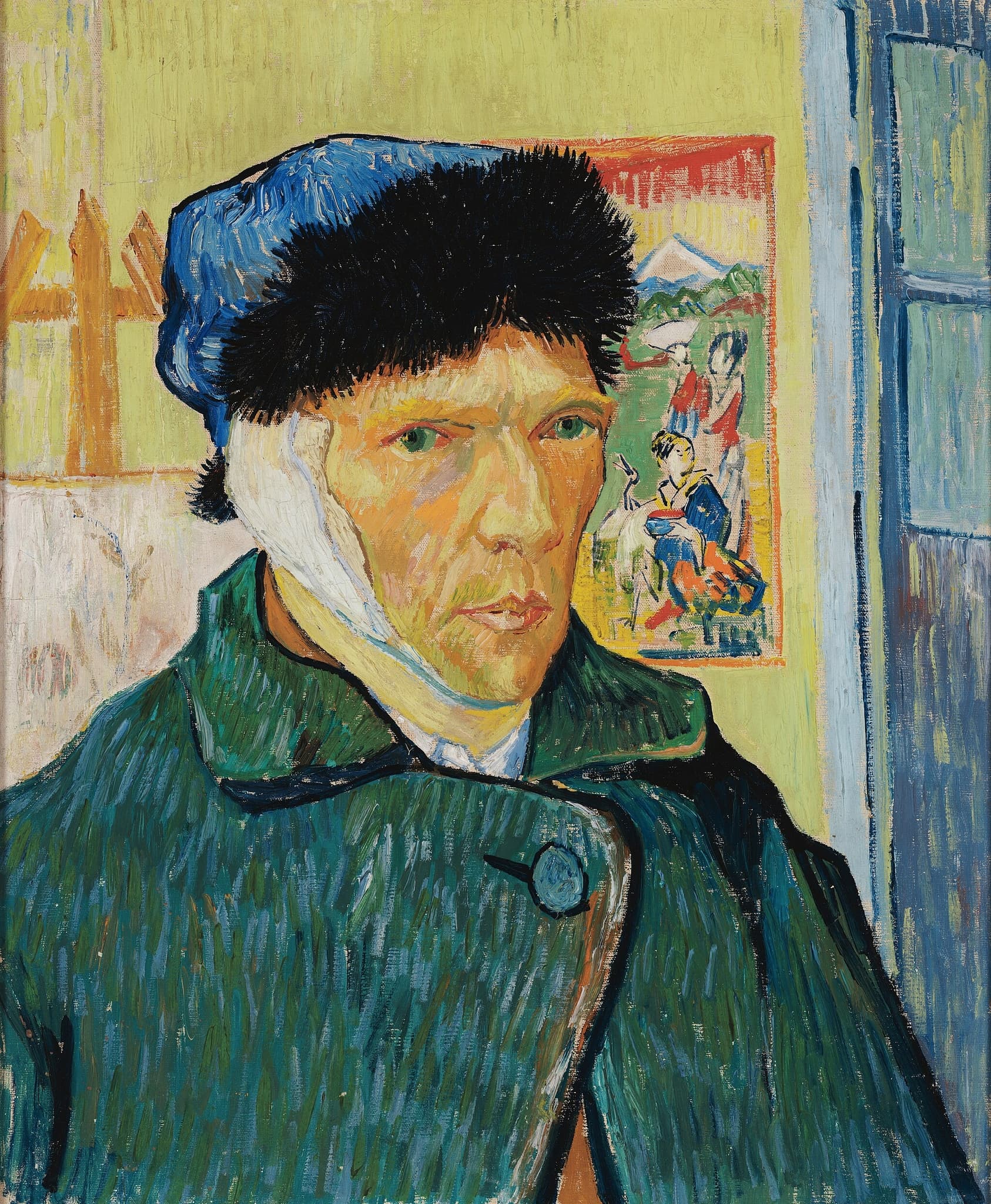
Self‑Portrait with Thorn Necklace and Hummingbird vs Self-Portrait with Bandaged Ear
Why This Comparison Matters
Seeing Kahlo beside Van Gogh clarifies two durable models for how modern painting carries experience. Kahlo teaches a readerly attention: look for attributes, medical devices, dress, and the way anatomy is diagrammed; they form a truthful, culturally situated account of self and pain. Van Gogh teaches a sensorium: feel how color chords, brushwork, and scale organize space into weather; meaning is built into chroma and touch rather than announced by emblems.
Once you register that split—body as diagram versus color as weather—other works fall into focus. Interiors, landscapes, and portraits can be read either as arrays of signs or as constructed climates, and often as mixtures of both. The pairing also resets expectations about sincerity in art: neither artist traffics in neutral description, and neither relies on anecdote alone. Each designs a visual system that lets private states become publicly legible. For a viewer, that is a practical toolkit: read Kahlo; inhabit Van Gogh; and notice where the two approaches overlap or resist each other in your own looking.
Related Links
Sources
- Museo Frida Kahlo – Casa Azul: Collection and ex‑votos
- Museo Frida Kahlo – Biography and statements
- INBA – Las dos Fridas (Museo de Arte Moderno, Mexico City)
- Wikipedia – The Broken Column (1944), basic data
- Musée d’Orsay – Portrait of Dr. Gachet
- Van Gogh Letters – To Willemien, 9–14 Sept 1888 (“night without black”)
- Van Gogh Letters – To Theo, 8 Sept 1888 (red/green for passions)
- Van Gogh Letters – To Theo/Jo, c. 10 July 1890 (wheatfields, sadness and fortifying nature)
- Harry Ransom Center – Frida Kahlo, Self‑Portrait with Thorn Necklace and Hummingbird
- The Courtauld – Van Gogh, Self‑Portrait with Bandaged Ear
- Musée d’Orsay – Van Gogh in Auvers (double‑square context)
- Van Gogh Museum – Wheatfield with Crows myth; Tree Roots as likely last painting