Henri Matisse Paintings in Nice — Where to See Them
Nice is essential for experiencing Matisse because the city’s Mediterranean light, colors and motifs directly shaped his later work, and you can see that local influence concentrated in the Musée Matisse in Cimiez, which holds approximately six of his paintings on permanent display. Visiting the museum lets you trace how Nice’s landscapes, interiors and palette informed Matisse’s practice—context you won’t get from isolated loans elsewhere.
At a Glance
- Museums
- Musée Matisse
- Highlight
- Visit Musée Matisse for an extensive collection of Matisse's Nice-period works.
- Best For
- Modern art lovers and Matisse enthusiasts
Musée Matisse
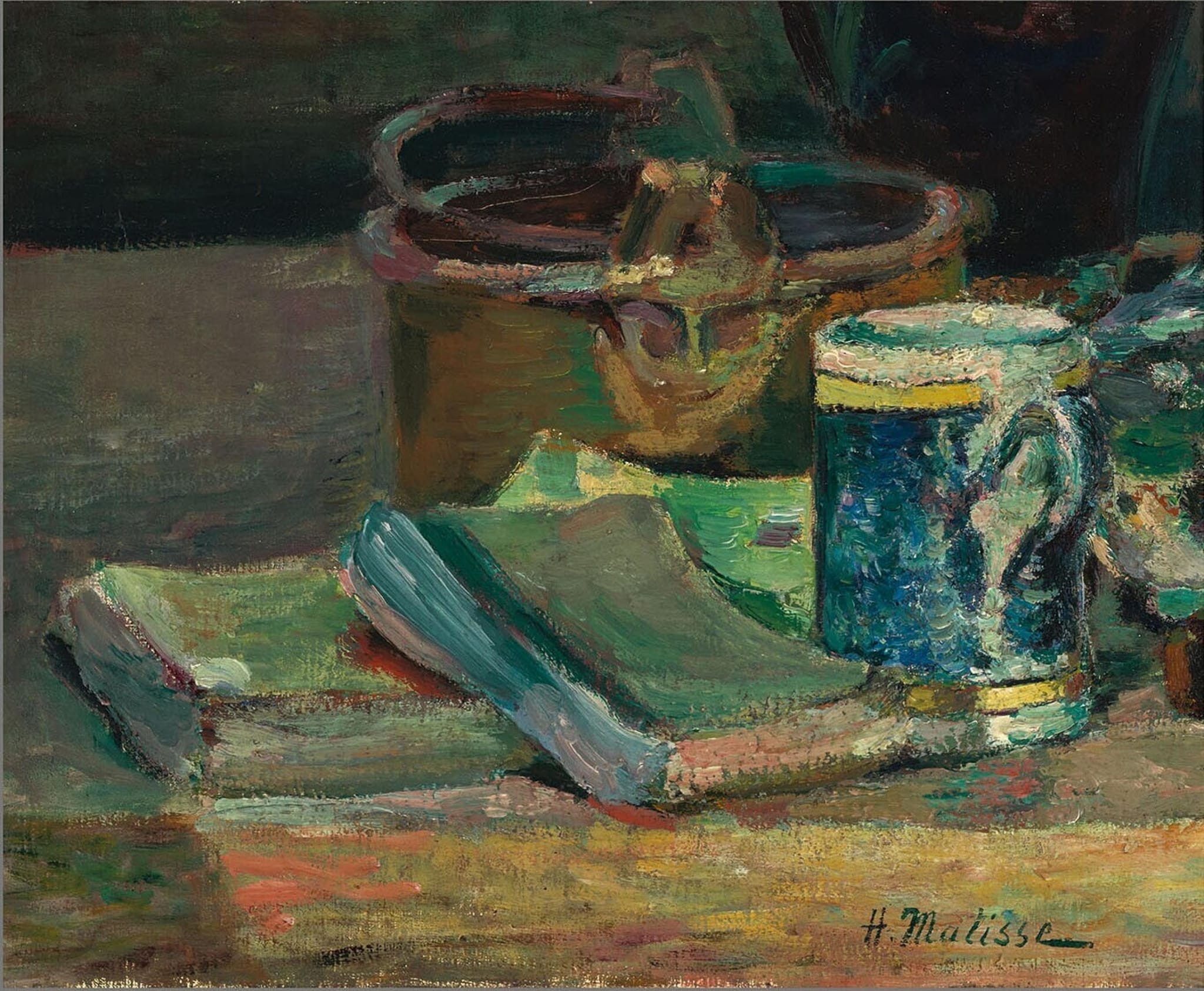
Nature morte aux livres
1890
A young Matisse's still life showing a stack of books arranged on a table, rendered with careful draftsmanship and subdued tones. Significant as an early work that reveals his academic training and attention to structure before his later Fauvist experiments; viewers should note the precise handling of light and the solidity of form that foreshadow his evolving sense of composition.
Must-see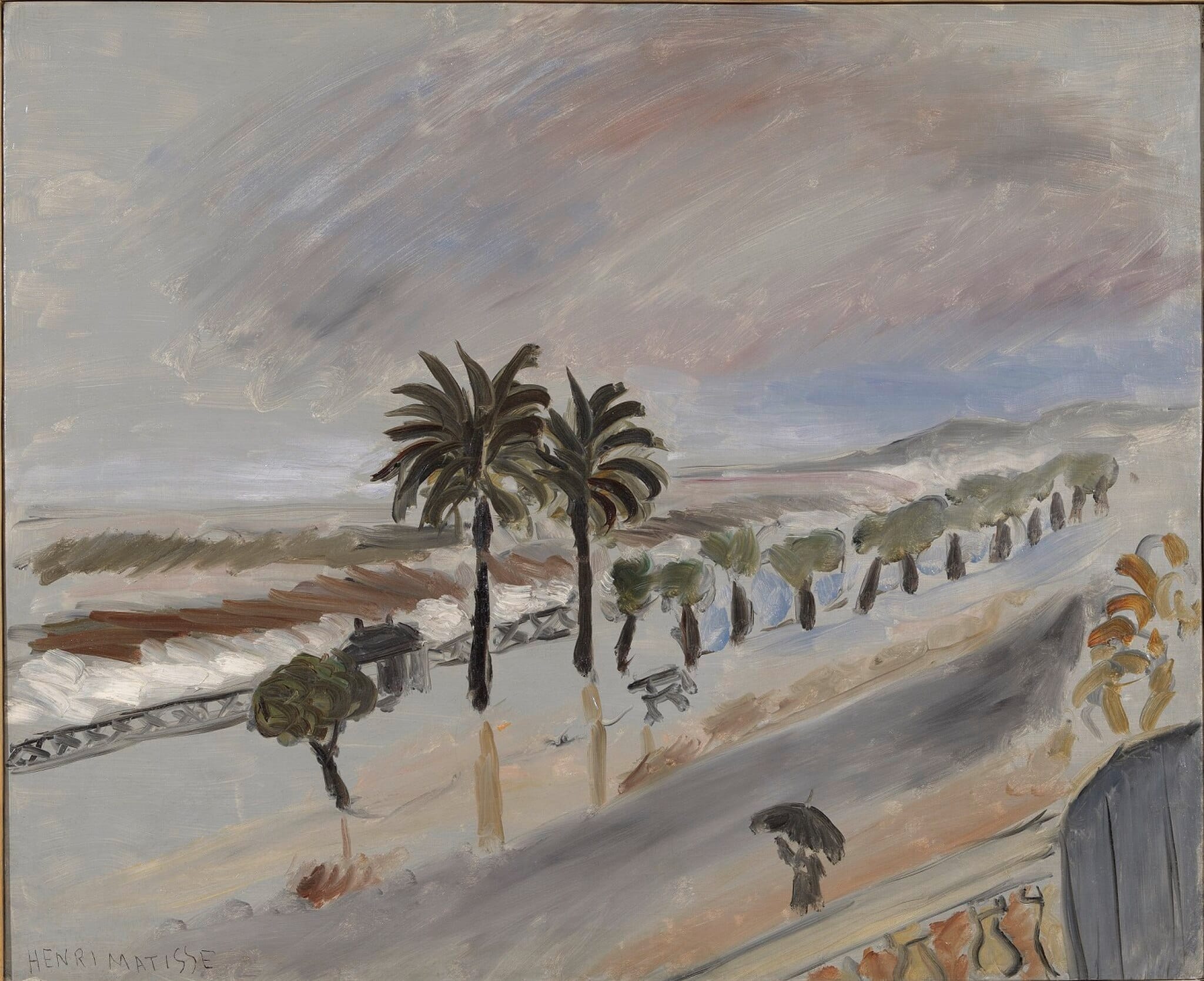
Tempête à Nice
1919-1920
A turbulent coastal scene from Matisse’s long residence in Nice, depicting churning sea and storm-darkened sky with vigorous brushwork and a heightened palette. Important for how it combines his interest in decorative color with a direct emotional response to nature; look for the contrast between energetic, almost abstracted waves and the calmer, patterned elements of the shore that organize the composition.
Must-see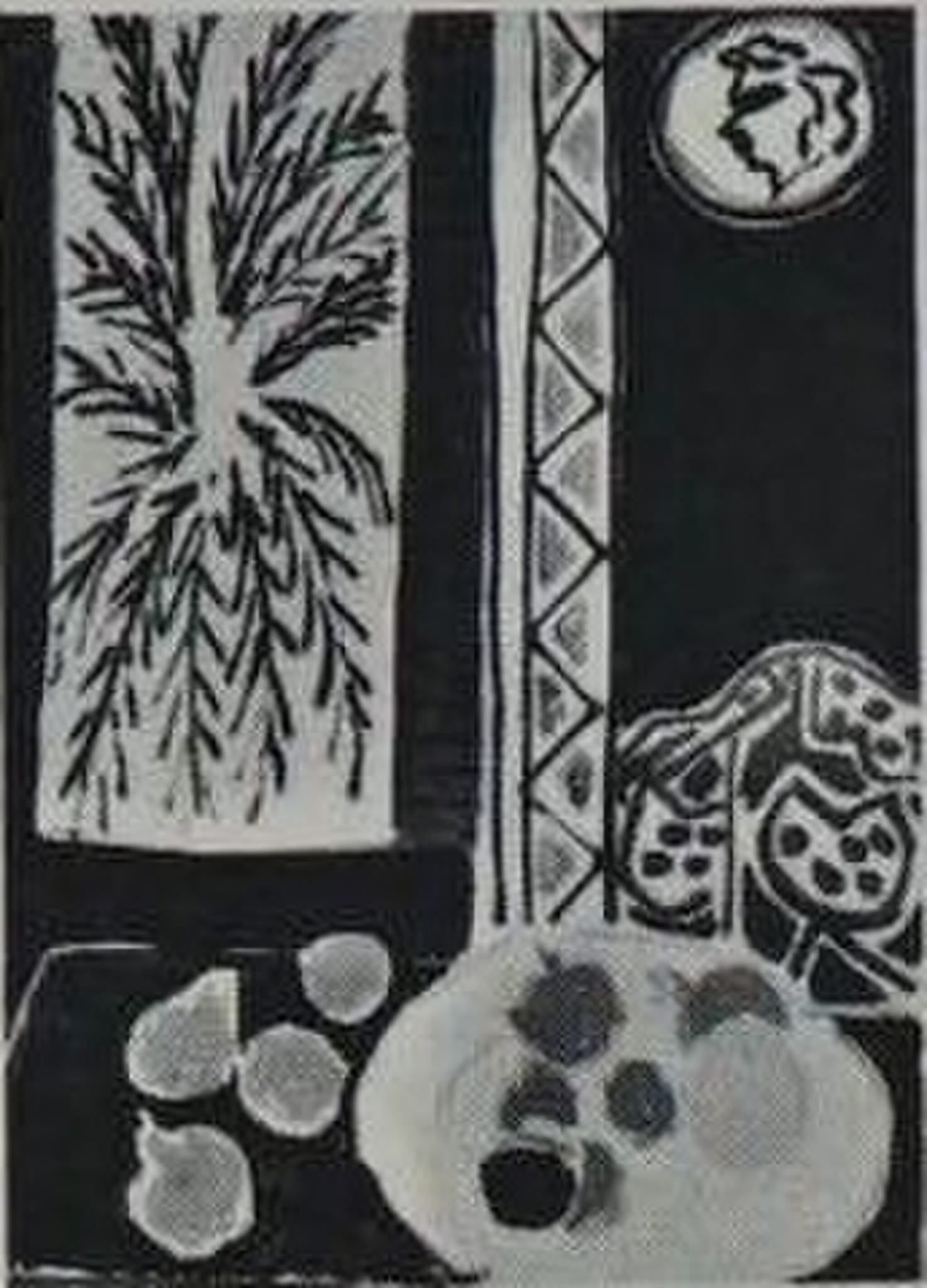
Nature morte aux grenades
1947
A late still life centered on vibrant pomegranates set against simplified, flat planes of color and elegant line. Significant as an example of Matisse’s pared-down late style where form and color are distilled to essentials; viewers should focus on the harmony of color fields, the rhythmic outlines, and how the fruit’s rich red punctuates the composition.
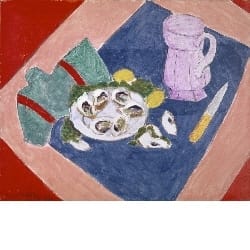
Nature morte aux huîtres
A still life featuring oysters arranged on a tabletop, where tactile objects are set against decorative patterns and flattened spaces. This painting highlights Matisse’s interest in surface, texture, and the interplay of objects with patterned surroundings; look closely at the handling of highlights and the way contrasting motifs tie the composition together.
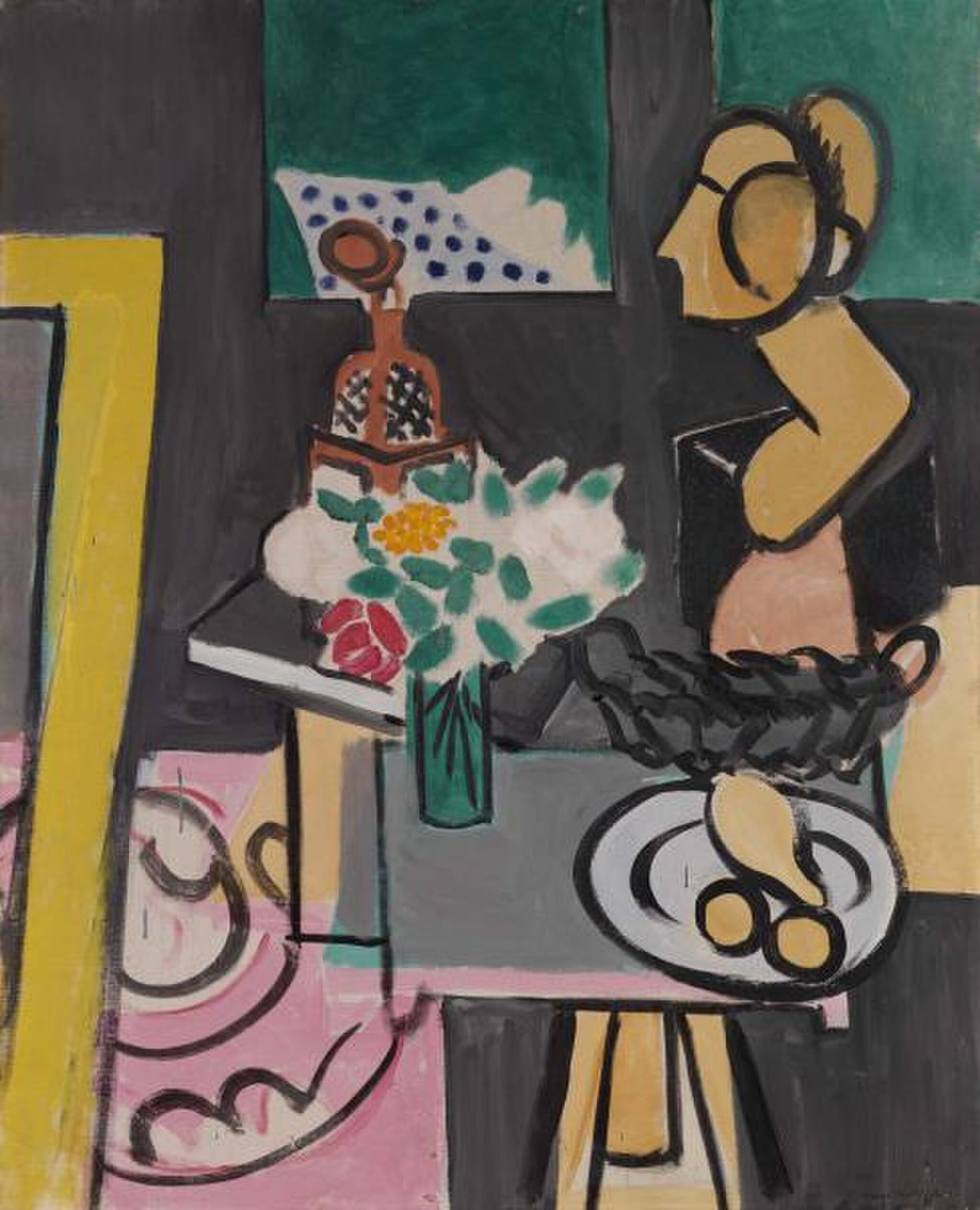
Les coloquintes
1915-1916
A composition of bottle gourds (coloquintes) arranged with other domestic objects, rendered with strong outlines and a sculptural sense of volume. Created during the World War I years, it is significant for its blend of still-life tradition with Matisse’s move toward greater abstraction and rhythmic patterning; viewers should note the repetition of shapes, the sculptural silhouettes, and the way negative space is used as an active design element.