How Much Is Black Velvet Worth?
Last updated: May 8, 2026
Quick Facts
- Methodology
- comparable analysis
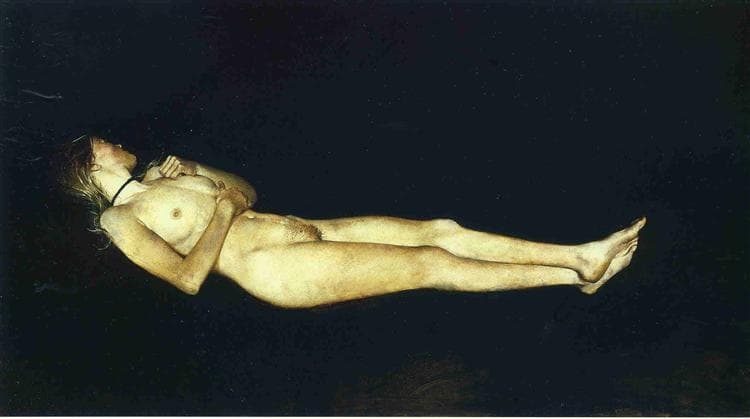
Based on documented exhibition history, medium (drybrush watercolor on paper), size (21.25 x 39.5 in.), and private‑collection provenance, I estimate the market value of Andrew Wyeth’s 'Black Velvet' (1972, Helga series) at USD 250,000–800,000. This range is derived from comparable Helga works‑on‑paper adjusted for exhibition pedigree and the lack of a public‑sale record.
Valuation Analysis
Valuation conclusion: After reviewing published documentation and market comparables, I place Black Velvet at an estimated market range of USD 250,000–800,000. This valuation uses a comparable‑analysis approach that weighs the work’s medium and condition risk against strong exhibition provenance and Helga‑series desirability [1][2].
Documentation & context: Black Velvet is recorded as a 1972 drybrush watercolor on paper, 21 1/4 x 39 1/2 in., and is documented in museum exhibition materials (SAM / Andrew Wyeth: In Retrospect) and the national Helga‑pictures presentation checklist [1][2]. These confirmations materially raise buyer confidence versus an undocumented studio study and justify a premium relative to generic Wyeth works on paper.
Comparables & market anchors: The market ceiling for Wyeth temperas is demonstrated by marquee sales (e.g., Day Dream at Christie’s), which shows demand for top‑tier tempera works but is not directly comparable to drybrush on paper [3]. Aggregated auction data for Wyeth works on paper and reported Helga‑series activity place typical realizations in the low‑to‑mid six figures for well‑provenanced, exhibition‑level drybrush pieces and lower for lesser examples [5]. The 1986 en‑bloc Helga acquisition and its private‑collection dispersal also reduce frequency of public comparables and raise scarcity premium for authenticated, exhibited pieces [4].
Adjustments & risk factors: Because Black Velvet is on paper (not tempera on panel), the baseline is reduced relative to the artist’s tempera masterpieces. Conversely, the large format and museum exhibition history push the estimate upward. Key remaining uncertainties are condition (paper works are sensitive) and full, documented chain of title; these could move value materially within or outside the stated range. Conservatively, the mid‑point of the range reflects a well‑provenanced, exhibitioned Helga drybrush in good condition; the high end reflects stronger catalogue‑raisonné status, exceptional condition, and competitive private or auction placement.
Disposition strategy: For maximum transparency and price discovery, a top‑tier auction (Sotheby’s/Christie’s) or a controlled private‑sale with prominent Americana/20th‑century specialists is appropriate. Pre‑sale actions should include a full condition report, high‑resolution imaging, catalogue‑raisonné confirmation from the Wyeth/Brandywine authorities, and targeted marketing to established Wyeth collectors and museums [1][2].
Key Valuation Factors
Art Historical Significance
High ImpactThe Helga series is among Andrew Wyeth’s most visible and historically significant bodies of work; any authenticated Helga portrait carries outsized cultural and market interest. Black Velvet’s documentation in major Helga exhibition checklists ties it directly to that series, increasing desirability to collectors who prioritize iconic narratives in Wyeth’s oeuvre. This status supports a premium relative to non‑Helga works but does not automatically elevate a paper drybrush to tempera‑masterpiece pricing. The degree of significance hinges on the work’s standing within the Helga corpus—whether it is a unique, widely cited study or one of many high‑quality but less individually famous studies—and on its inclusion in authoritative publications and museum retrospectives.
Provenance & Exhibition History
High ImpactBlack Velvet benefits from documented exhibition loans and published checklist entries, which materially increase market confidence and buyer demand. Works shown in institutional retrospectives (NGA/SAM) attract both private and institutional interest and often realize premiums versus otherwise similar objects with weaker documentation. Additionally, the Helga cache’s historical en‑bloc purchase and subsequent private holdings mean fewer publicly sold comparables but greater desirability for authenticated, exhibited pieces. Complete chain‑of‑title documentation (invoices, loan records) and catalogue‑raisonné confirmation would further compress buyer uncertainty and push value toward the upper half of the stated range.
Medium, Size & Condition
Medium-high ImpactThe work is a drybrush watercolor on paper (21.25 x 39.5 in.), a format that usually trades below tempera on panel but above smaller, less finished studies. Size favors stronger prices because larger Helga images present greater visual impact and framing/display presence for collectors and institutions. Paper is more condition‑sensitive than panel: humidity, matting, and restoration history materially affect value. A clean condition report will substantiate the upper estimate; conversely, evidence of foxing, mat burn, or invasive restoration would justify a downward adjustment relative to the stated range.
Market Liquidity & Comparables
Medium ImpactWyeth’s secondary market is active but tiered: tempera masterpieces can reach multi‑millions while works on paper commonly settle in tens‑to‑low‑hundreds of thousands. Aggregated data and past Helga‑series sales suggest realized prices for well‑provenanced drybrush Helga works commonly sit in the mid‑six‑figure band when supported by exhibition pedigree. The 1986 Andrews acquisition reduced public comparables, which increases scarcity but also makes price discovery more dependent on specialist buyers and marquee sale venues. This balancing of rarity and buyer pool underpins the mid‑six‑figure valuation range provided.
Sale History
Black Velvet has never been sold at public auction.
Andrew Wyeth's Market
Andrew Wyeth is a preeminent 20th‑century American realist with deep institutional recognition and a well‑established collector base. His auction market is polarized: a small number of tempera masterpieces achieve multi‑million dollar prices, while works on paper and smaller studies more commonly sell in the tens‑to‑low‑hundreds of thousands. Wyeth’s Helga series carries particular demand and publicity, which can elevate valuations when provenance and exhibition history are strong. Collector familiarity and recurring institutional interest mean reliably active secondary‑market demand, but realized prices vary substantially by medium, size, and documented importance.
Comparable Sales
Day Dream
Andrew Wyeth
Artist auction high‑water mark (tempera) — demonstrates the market ceiling for museum‑quality Wyeth works; useful for understanding top‑end demand though materially different medium and significance from a Helga drybrush on paper.
$23.3M
2022, Christie's New York
~$24.7M adjusted
Helga pictures (en‑bloc purchase by Leonard E.B. Andrews — reported)
Andrew Wyeth
Reported en‑bloc acquisition of the Helga cache — important provenance/market context because it removed many Helga works from public auction circulation and establishes an implied per‑work floor/average for that cache (useful for Helga‑series valuation context).
$10.0M
1986, Private purchase (reported in press)
~$27.2M adjusted
Aggregate median: Andrew Wyeth works on paper (representative, 2019–2023)
Andrew Wyeth
Representative market median for Wyeth watercolors/drybrushes — serves as an empirical anchor for where typical Helga drybrush works on paper trade in the secondary market (tens‑to‑low‑hundreds of thousands).
$75K
2021, Aggregated auction records (MutualArt / Invaluable — representative median)
~$81K adjusted
Current Market Trends
Demand for well‑documented American 20th‑century realist works remains stable, with institutional interest in signature series (such as Wyeth’s Helga pictures) supporting premiums. The market favors transparency—catalogue‑raisonné listings, museum loans, and thorough condition reports—so exhibited, well‑provenanced works continue to attract competitive late‑stage private buyers and major auction houses. Supply of key Helga pieces is limited, maintaining upward pressure on mid‑to‑high tier pricing for authenticated examples.
Sources
- Seattle Art Museum — Andrew Wyeth: In Retrospect / Black Velvet entry
- National Gallery of Art — The Helga Pictures exhibition checklist/press materials (1987)
- Christie’s — Day Dream sale record / artist auction high‑water mark
- Christian Science Monitor — reporting on the 1986 Helga cache purchase (context and provenance)
- MutualArt / market aggregator — representative auction data for Andrew Wyeth