How Much Is The Toilet of Venus (The Rokeby Venus) Worth?
Last updated: April 27, 2026
Quick Facts
- Current Location
- The National Gallery
- Methodology
- comparable analysis
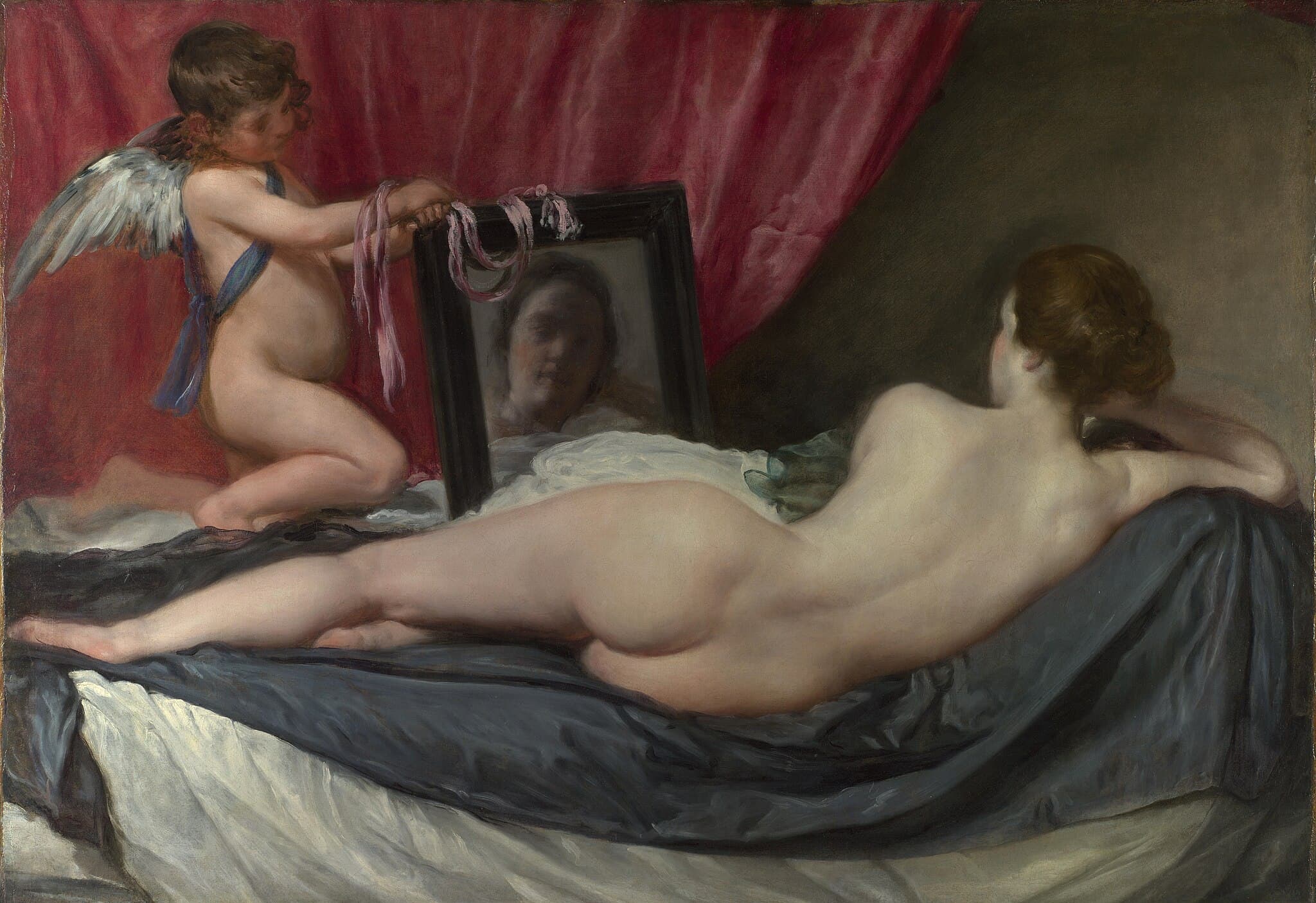
The Rokeby Venus is a canonical, museum‑held Velázquez masterpiece and effectively off‑market; for modeling or replacement purposes a reasoned hypothetical market band is $100–150 million. This band is based on scarce public comparables for Velázquez, trophy Old‑Master precedent, and the premium private‑treaty market that would govern any actual transfer.
Valuation Analysis
Valuation conclusion: The Toilet of Venus (the Rokeby Venus) is a canonical Diego Velázquez masterpiece in the National Gallery, London, and is effectively not available on the open market [1]. For hypothetical market modeling or replacement/insurance purposes I estimate a reasoned band of $100–150 million (USD). This band assumes an uncontested attribution, clear title, and a sale conducted as a negotiated, trophy‑level private treaty—typical of how the very top Old Masters trade.
My approach blends direct artist comparables with broader Old‑Master trophy precedents. The public auction record for Velázquez is modest and sparse (Santa Rufina at Sotheby’s, 2007, is the best modern auction anchor), so a straight hammer‑price extrapolation understates the expected private‑sale result for a universally recognized icon such as Rokeby [2]. I therefore apply a conservatively scaled trophy premium to known Velázquez anchors while testing the band against extreme Old‑Master outcomes to ensure the upper limit remains realistic [3].
Market mechanics underpin the estimate: most top Velázquez works are institutional and supply is extremely constrained, so price discovery occurs primarily in private treaty negotiations or via institutional purchases rather than open auctions. When a canonical single‑author Velázquez does reach the market, interested buyers are typically museums, consortiums, or ultra‑high‑net‑worth collectors willing to pay a premium for a culturally pivotal, publicly recognisable work. That buyer dynamic justifies a wide but disciplined band rather than a single hammer‑price projection.
Condition and provenance are decisive variables. Rokeby’s provenance is well documented and the work’s conservation history (including the 1914 attack and subsequent restoration) is fully known and would be intensively reviewed in any sale process; those technical factors would influence underwriting, loan‑eligibility, and bidder confidence, but do not materially undercut the painting’s status as a top‑tier Velázquez [1][4]. A contemporary sale valuation would require access to the Gallery’s conservation records and technical imaging prior to firming a number.
Institutional, legal and political constraints materially limit realistic sale routes: UK deaccessioning norms, export licensing and public interest make an open market disposal unlikely and politically fraught. Any realistic transfer would most likely be a negotiated sale or long‑term loan to another public institution, or a high‑profile private purchase by a consortium—scenarios that compress the buyer set but can increase realized prices through coordinated funding. For these reasons the presented band is hypothetical and intended for modeling or replacement purposes rather than as evidence of an imminent market transaction.
Recommended next steps: commission an independent Old Masters appraisal, obtain the National Gallery’s conservation and provenance files, and run a targeted comparable search of private‑treaty Old‑Master transactions. Those steps would allow conversion of this reasoned band into a defensible, transaction‑ready valuation.
Key Valuation Factors
Art Historical Significance
High ImpactThe Rokeby Venus is among Velázquez’s most famous and influential paintings — his principal female nude and an image with outsized cultural resonance in Western art history. Its artistic importance increases buyer willingness to pay a premium because the work is both a scholarly touchstone and a public icon; exhibition history and scholarly literature reinforce that status. Because significance directly underpins collector and institutional demand for trophy works, the painting’s art‑historical standing is one of the strongest single drivers of value and justifies treating it as a top‑tier Old Master in any valuation exercise.
Rarity / Supply
High ImpactSupply considerations are central: a very small proportion of Velázquez’s autograph paintings are ever offered to the market, and most of the best examples are state or museum property. This scarcity means traditional auction price discovery offers an incomplete picture; when a canonical Velázquez does circulate, it usually trades by private treaty or institutional acquisition. Limited supply raises the trophy premium and supports a substantially higher hypothetical market band than public‑auction anchors alone would indicate.
Provenance & Condition
High ImpactThe painting benefits from well‑documented provenance and a long conservation record, but its condition history (including the 1914 suffragette attack and subsequent restoration) requires careful technical assessment. Condition and attribution certainty materially affect insurability, loan eligibility, and bidder appetite; a clean technical report mitigates risk and supports the higher end of the band, while any unresolved conservation issues could reduce pool of buyers or require price concession. Access to the Gallery’s technical files is essential for a firm transactional valuation.
Market Comparables / Pricing
Medium ImpactDirect auction comparables for Velázquez are scarce and modest relative to other trophy Old Masters (the modern public Velázquez high is materially lower than the hypothesised band). Consequently, the estimate blends known Velázquez results with higher Old‑Master private‑sale precedents and adjusted trophy thinking. This comparative method is necessary but imperfect — the limited number of true comparables increases valuation uncertainty and requires conservative upper‑band calibration.
Legal & Institutional Constraints
High ImpactThe painting’s institutional ownership and UK cultural policy context are decisive: deaccession rules, export controls and strong public interest make sale politically sensitive and operationally difficult. These constraints reduce the universe of realistic buyers (favoring institutions or consortia) and often necessitate negotiated solutions that affect price formation. For valuation, this increases the emphasis on replacement and insurance perspectives rather than straightforward market liquidity assumptions.
Sale History
The Toilet of Venus (The Rokeby Venus) has never been sold at public auction. It has been held by The National Gallery.
Diego Velazquez's Market
Diego Velázquez is a canonical Spanish Golden‑Age master whose autograph works are rare in the private market. Because most of his important paintings reside in national or major museum collections, public‑auction evidence is sparse and often understates theoretical private‑sale values for museum‑quality works. When major Velázquez paintings do surface they tend to trade by private treaty or attract institutional interest; collectors of the highest caliber prize provenance, exhibition history and technical certainty. The market is therefore thin, highly selective and driven by cultural significance more than by frequent transactional comparables.
Comparable Sales
Santa Rufina (Santa Rufina)
Diego Velázquez
Same artist and an indisputably autograph Velázquez sold at public auction (commonly cited as the modern auction high for Velázquez). Useful as a direct market anchor for Velázquez lots—shows the public-auction ceiling for the artist in recent decades. Sale date and hammer reported in sources.
$17.0M
2007, Sotheby's London
~$25.1M adjusted
Portrait of Juan de Pareja
Diego Velázquez
Historically important Velázquez auction (Met buyer). While a portrait rather than a Venus/nude, it is one of the few high‑profile Velázquez public sales and therefore a direct comparable for market interest in secure, canonical Velázquez paintings.
$5.5M
1970, Christie's (reported November 1970)
~$43.4M adjusted
Salvator Mundi
Leonardo da Vinci
Extreme Old Master trophy sale that establishes the possible high‑end ceiling for single‑canvas Old Master masterpieces in private/guaranteed transactions. Not a direct stylistic or authorship match to Velázquez, but important for demonstrating the market’s absolute upper bound when an incontrovertible, museum‑quality Old Master appears.
$450.3M
2017, Christie's New York
~$562.3M adjusted
Current Market Trends
The recent Old‑Master market (2023–2026) has been selective: a 2024 softening reduced appetite for guaranteed trophy lots, but 2025–early‑2026 showed selective strength for the very best, exhibition‑backed works. Houses increasingly favour private sales and guarantees for high‑value Old Masters, and cross‑over demand from contemporary collectors bolsters top‑tier interest when provenance and condition are impeccable.
Sources
- National Gallery, London — The Toilet of Venus (The Rokeby Venus) (NG2057)
- Sotheby’s — Old Master Paintings Evening Sale (Santa Rufina, 2007 lot page)
- Coverage of the 2017 Salvator Mundi sale (illustrative Old Master trophy ceiling) — New York Times
- The Art Newspaper — history and public reception of the Rokeby Venus (context on provenance and 1914 attack)