Most Expensive Diego Velazquez Paintings
Diego Velázquez occupies a singular position in the art market: revered as a master of paint, perspective and psychological insight, his canvases command prices that reflect both their scarcity and their outsized cultural importance. At the pinnacle sits Las Meninas, frequently valued between $1.2 and $1.8 billion, a work whose enigmatic composition and influence on generations of artists make it the crown jewel of any valuation conversation. Other masterpieces circulate at similarly stratospheric levels, with Portrait of Pope Innocent X estimated around $200–350 million and The Surrender of Breda or Las Lanzas and Las Hilanderas each pegged in ranges that can reach $150–400 million and $100–400 million respectively. Velázquez’s royal commissions such as the Equestrian Portrait of Philip IV ($100–300 million) and intimate likenesses like Portrait of Juan de Pareja, Portrait of Mariana of Austria, and The Rokeby Venus (each commonly assessed near $100–150 million) combine provenance, exceptional technique and historical resonance. Collectors prize these works for their provenance, condition, rarity and demonstrable influence on Western painting, factors that together sustain their extraordinary market standing.
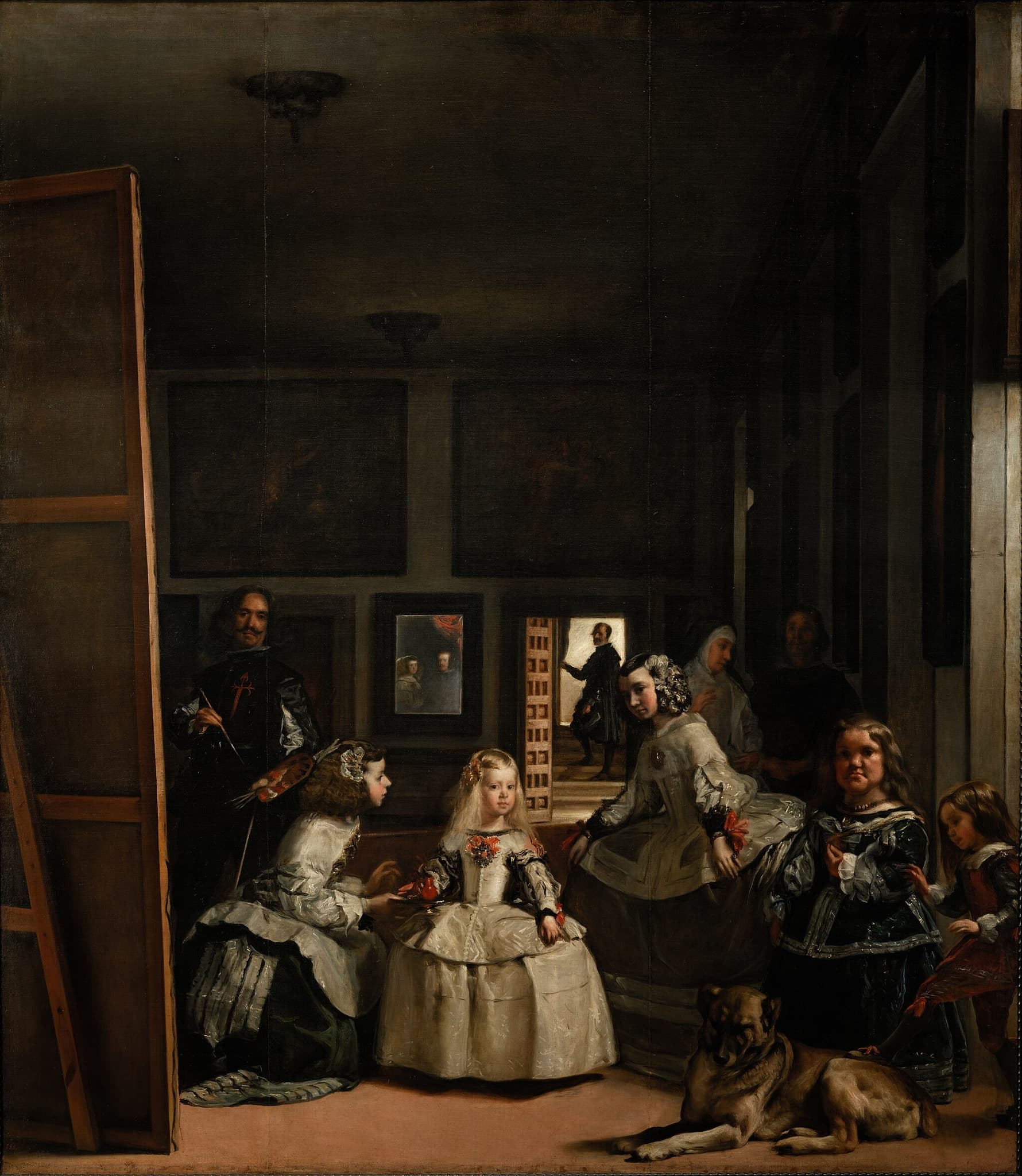
$1.2-1.8 billion
Priced at an estimated $1.2–1.8 billion, Las Meninas’ valuation is extrapolated from ultra‑trophy benchmarks and reflects sovereign‑level demand for an effectively unsellable national masterpiece.
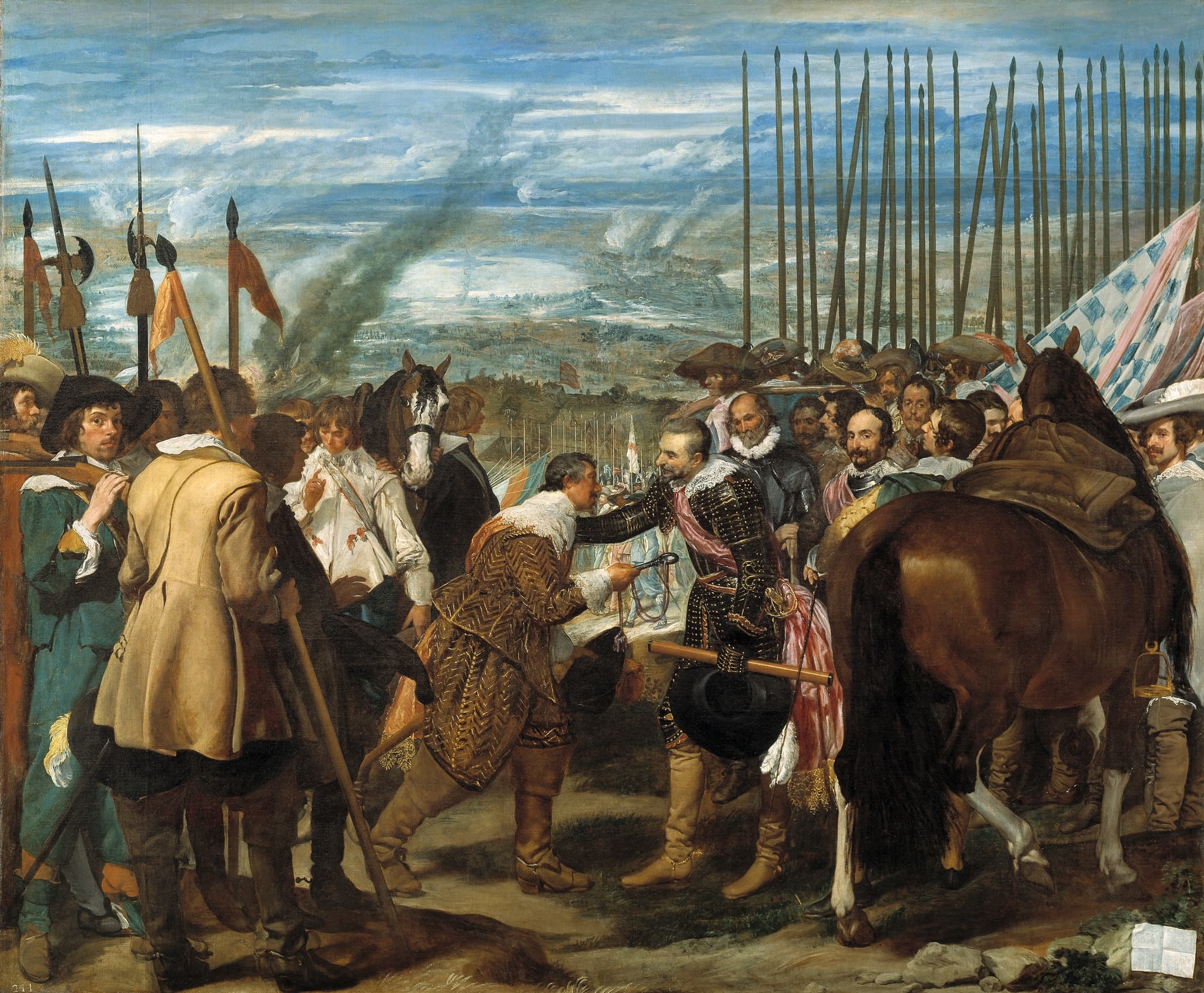
$300–600 million
The Surrender of Breda (Las Lanzas) is a cornerstone of Velázquez’s oeuvre and Spain’s cultural patrimony at the Museo del Prado.
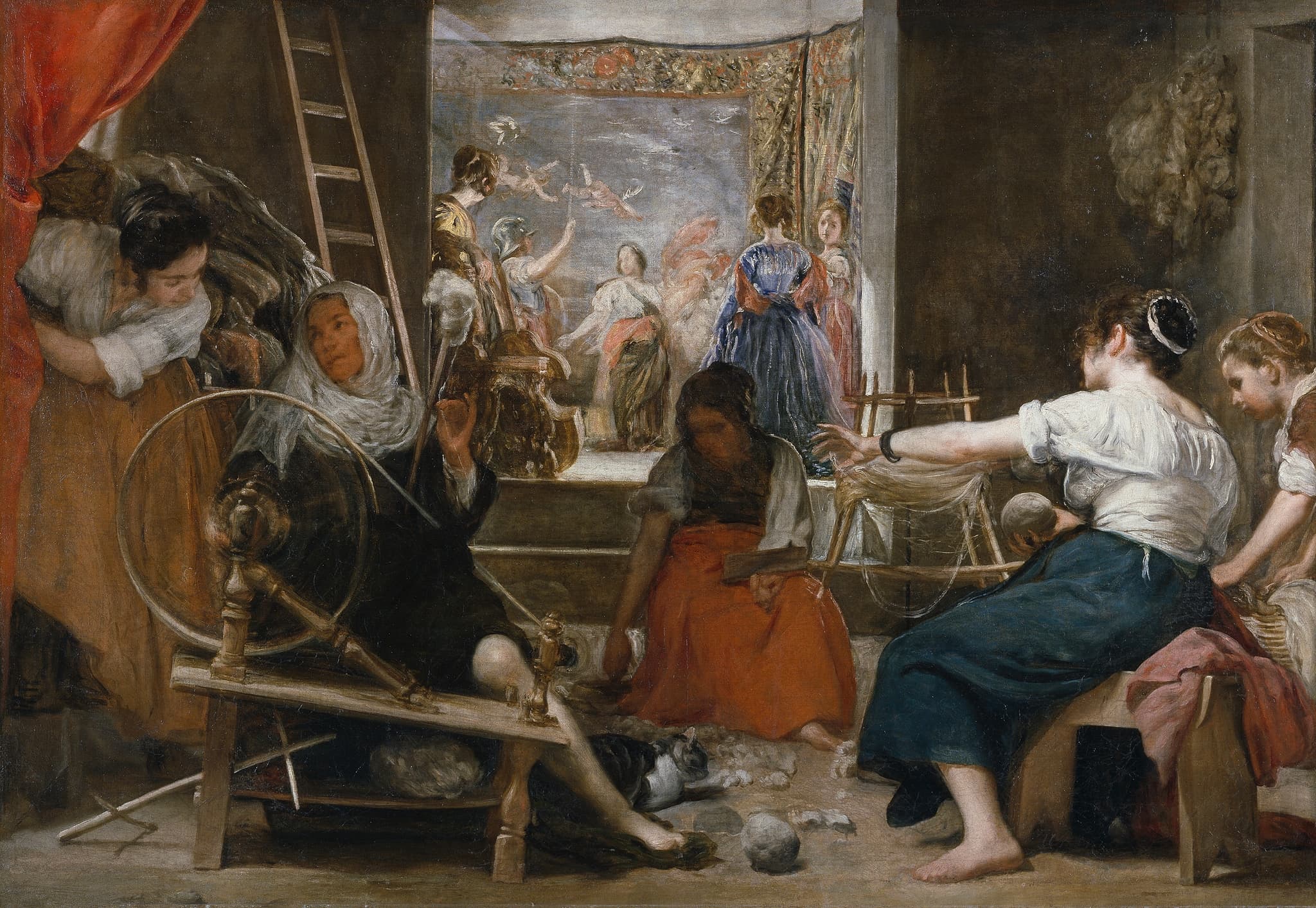
$200-500 million
Hypothetical open‑market value for Diego Velázquez’s The Spinners (Las hilanderas, The Fable of Arachne) is estimated at $200–500 million.
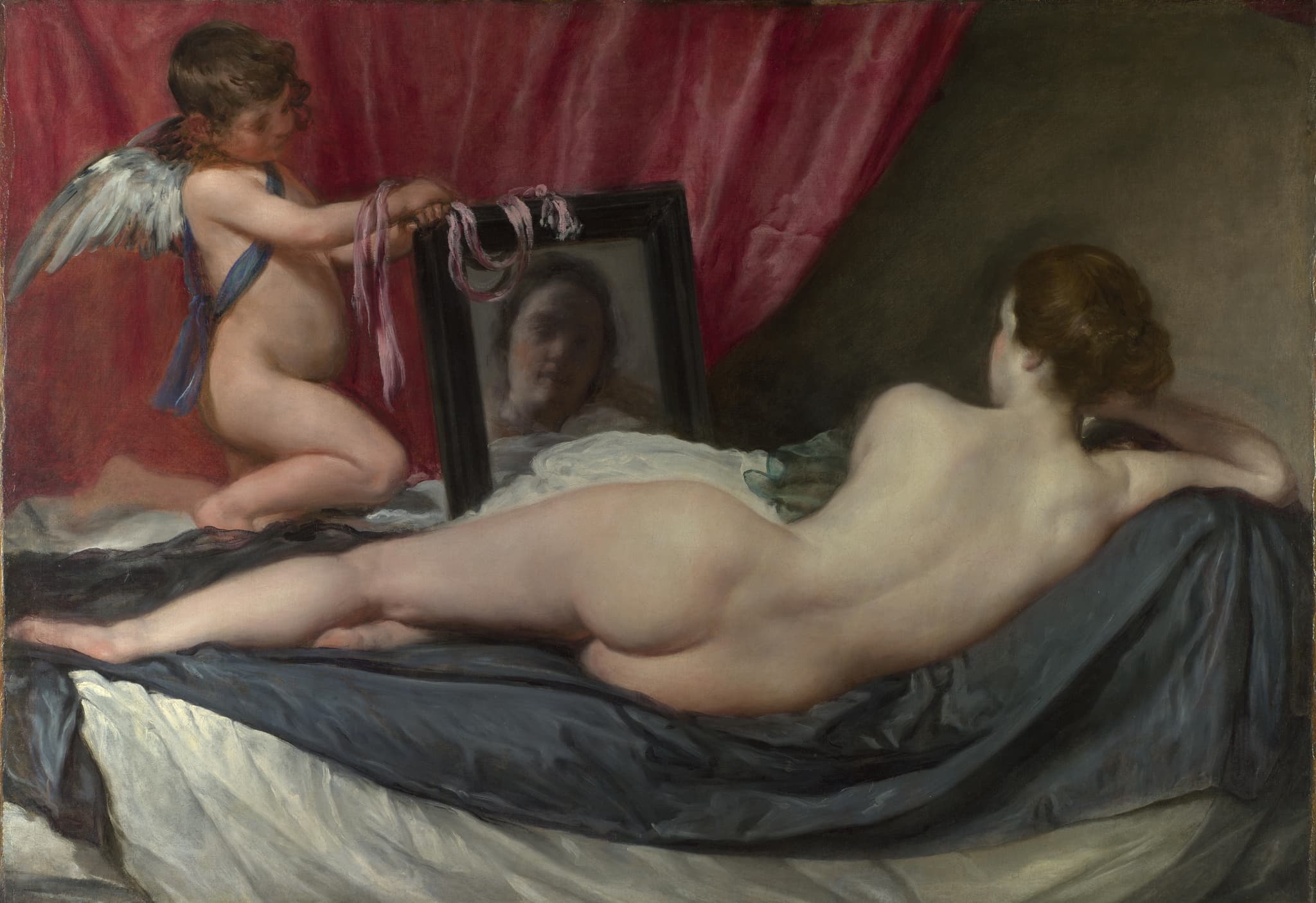
$250-450 million
Hypothetical open‑market value for Velázquez’s The Rokeby Venus: $250–450 million.
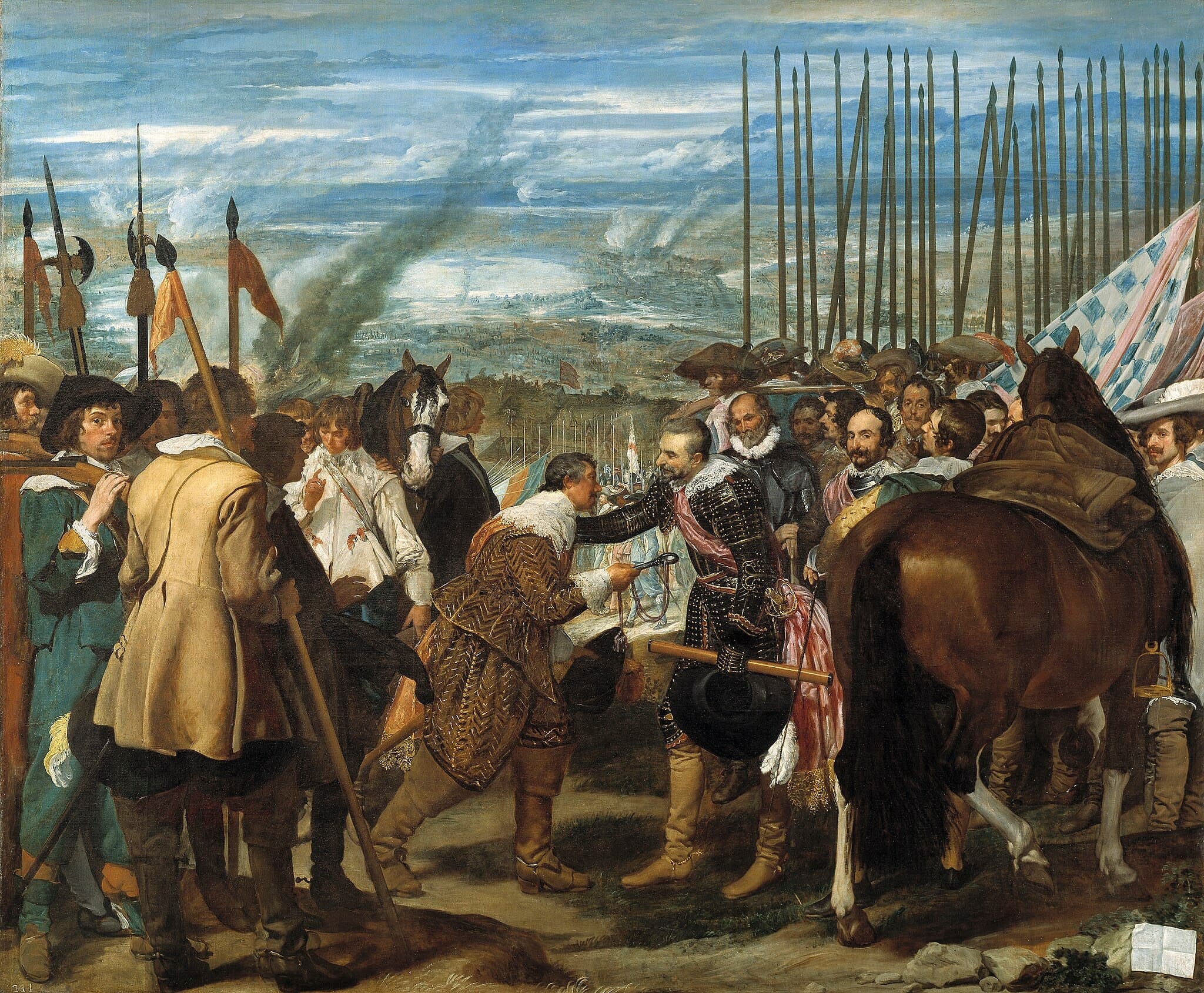
$150-400 million
Held by the Prado as a national treasure and effectively unsellable, The Surrender of Breda’s $150–$400 million estimate is a theoretical free‑market valuation under cleared export conditions.
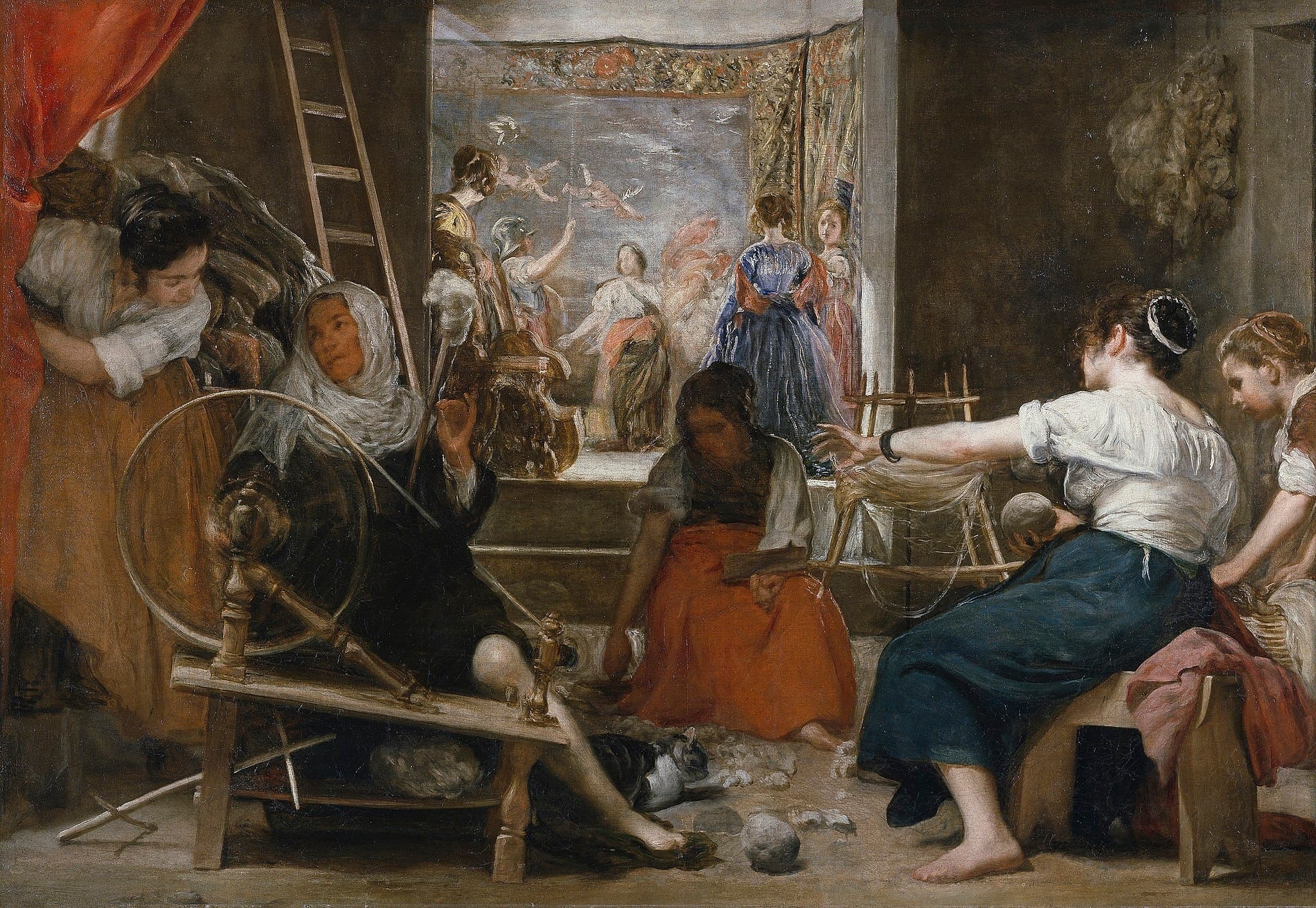
$100-400 million
As a museum‑held canonical Velázquez, Las Hilanderas’ $100–$400 million band is purely hypothetical, constrained by legal, political and provenance barriers to any real open‑market sale.
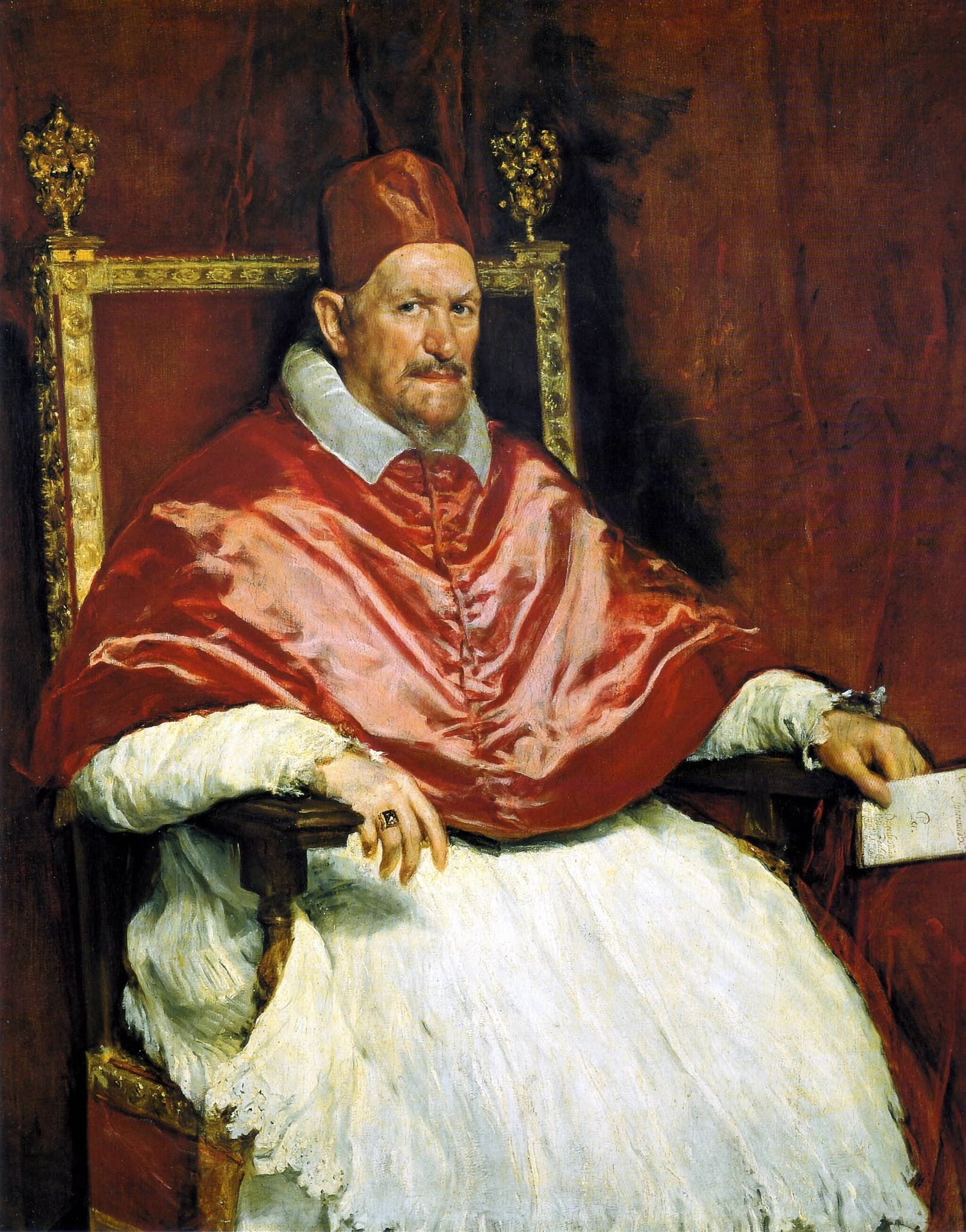
$200-350 million
Valued at $200–$350 million, Pope Innocent X’s estimate hinges on canonical status and the extreme rarity of autograph Velázquez works capable of commanding low‑hundreds‑of‑millions.
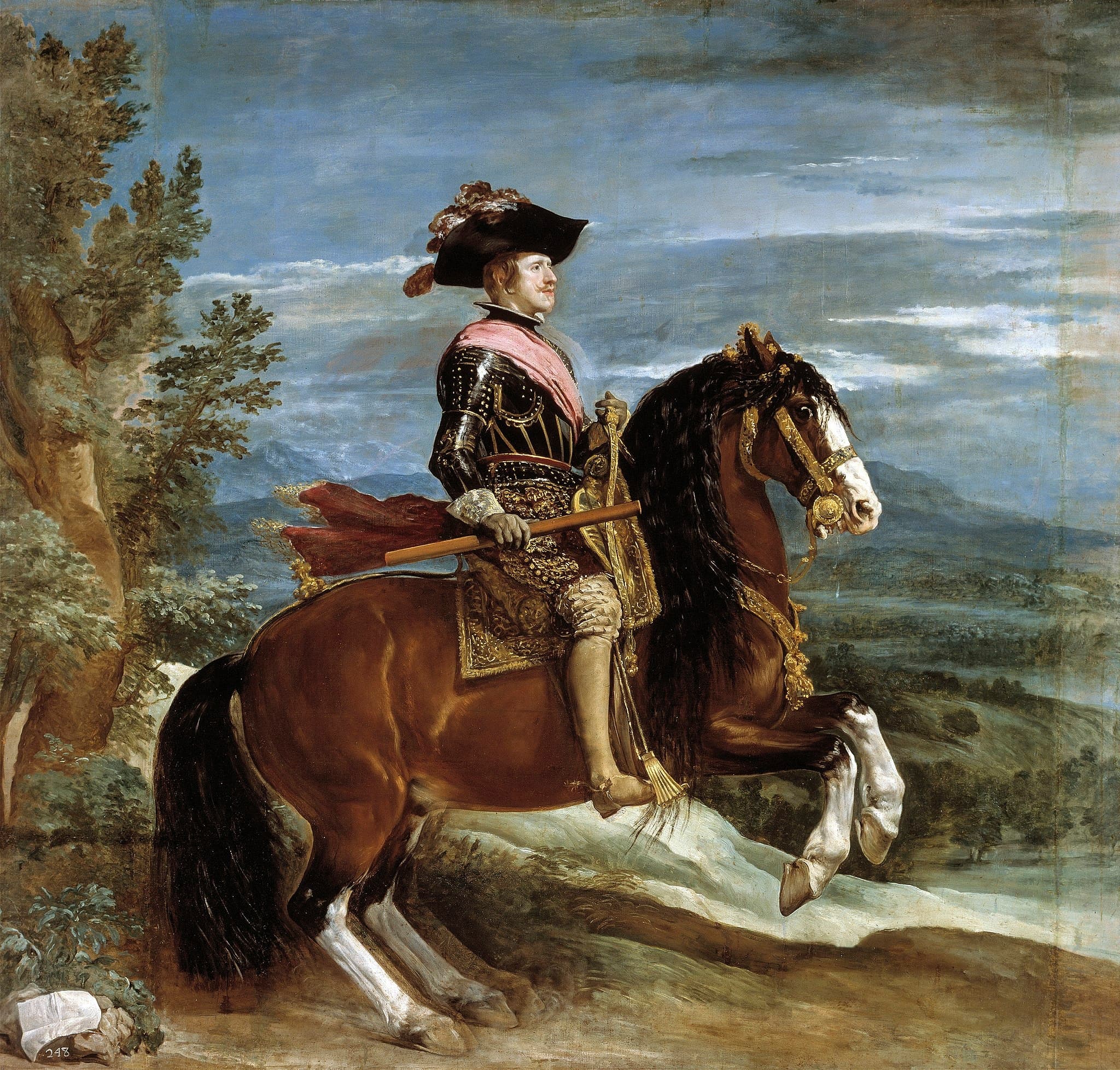
$100-300 million
The $100–$300 million estimate for the Equestrian Portrait of Philip IV depends on undisputed autograph attribution and marketability versus steep discounts for attribution or legal doubts.
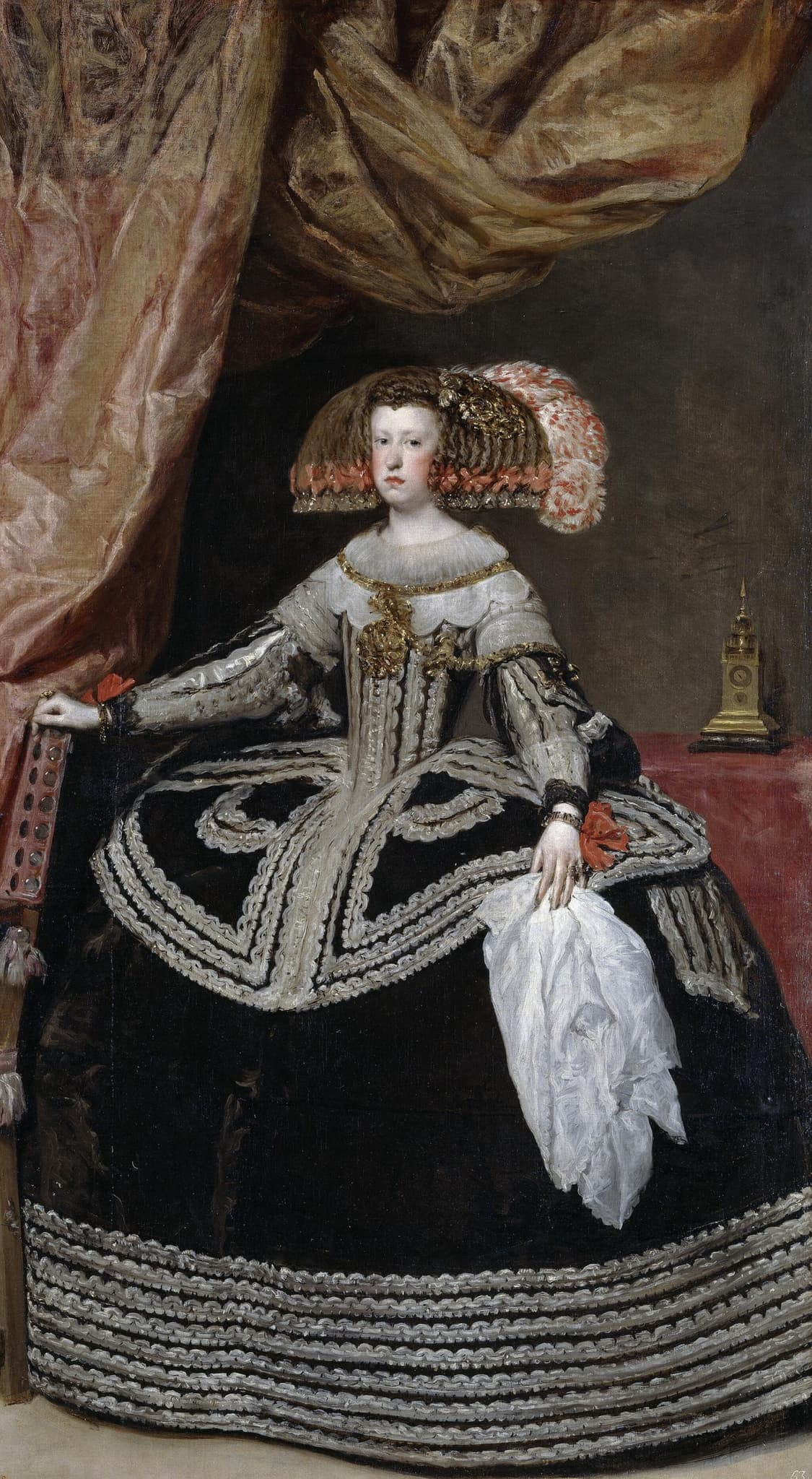
$100-150 million
Projected at $100–$150 million only if securely attributed and museum‑quality, Mariana of Austria’s value would fall sharply with attribution, provenance or condition concerns.
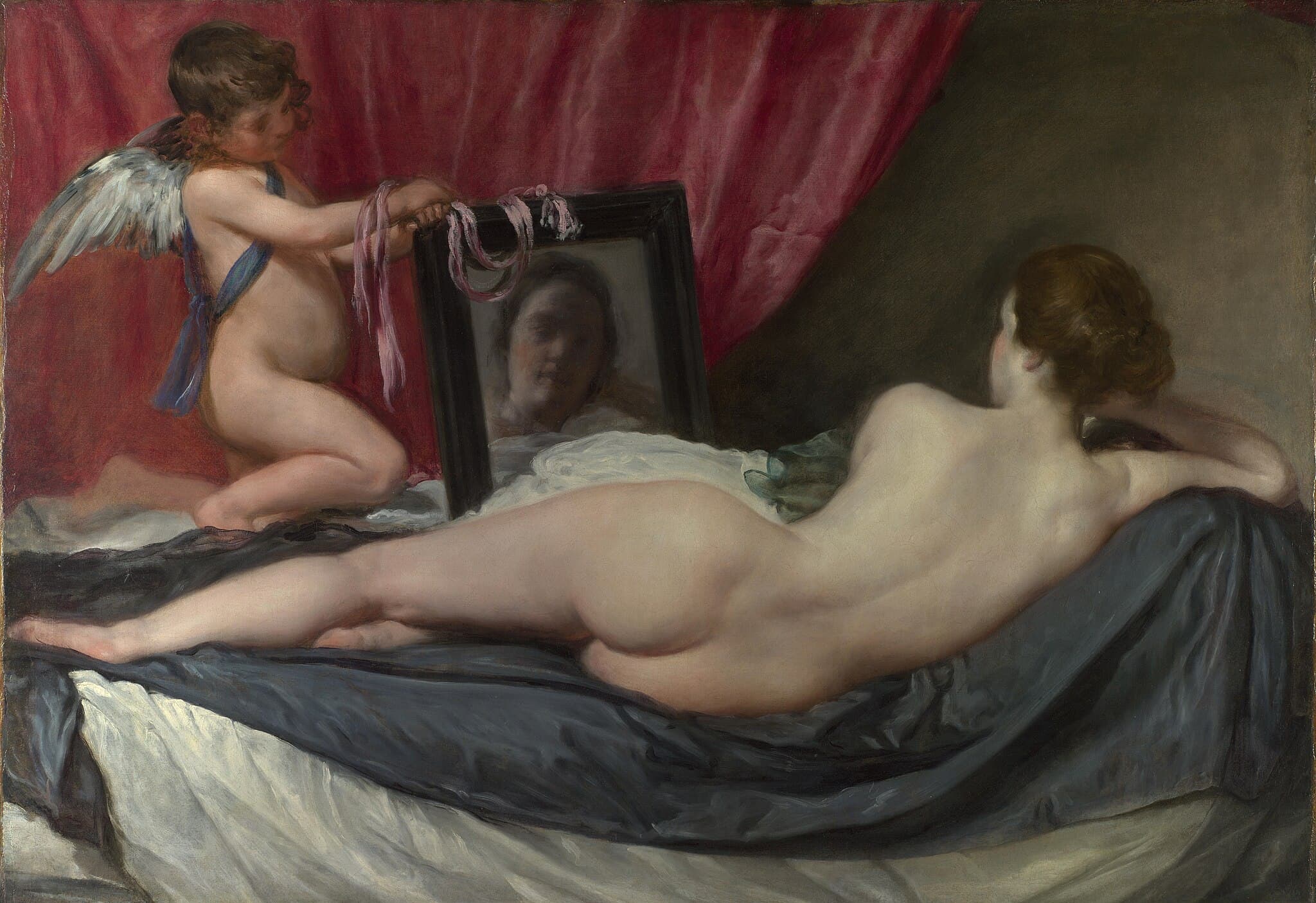
$100-150 million
The Rokeby Venus’ $100–$150 million band is a hypothetical replacement/modeling figure reflecting its status as a canonical, museum‑held Velázquez effectively unavailable for sale.
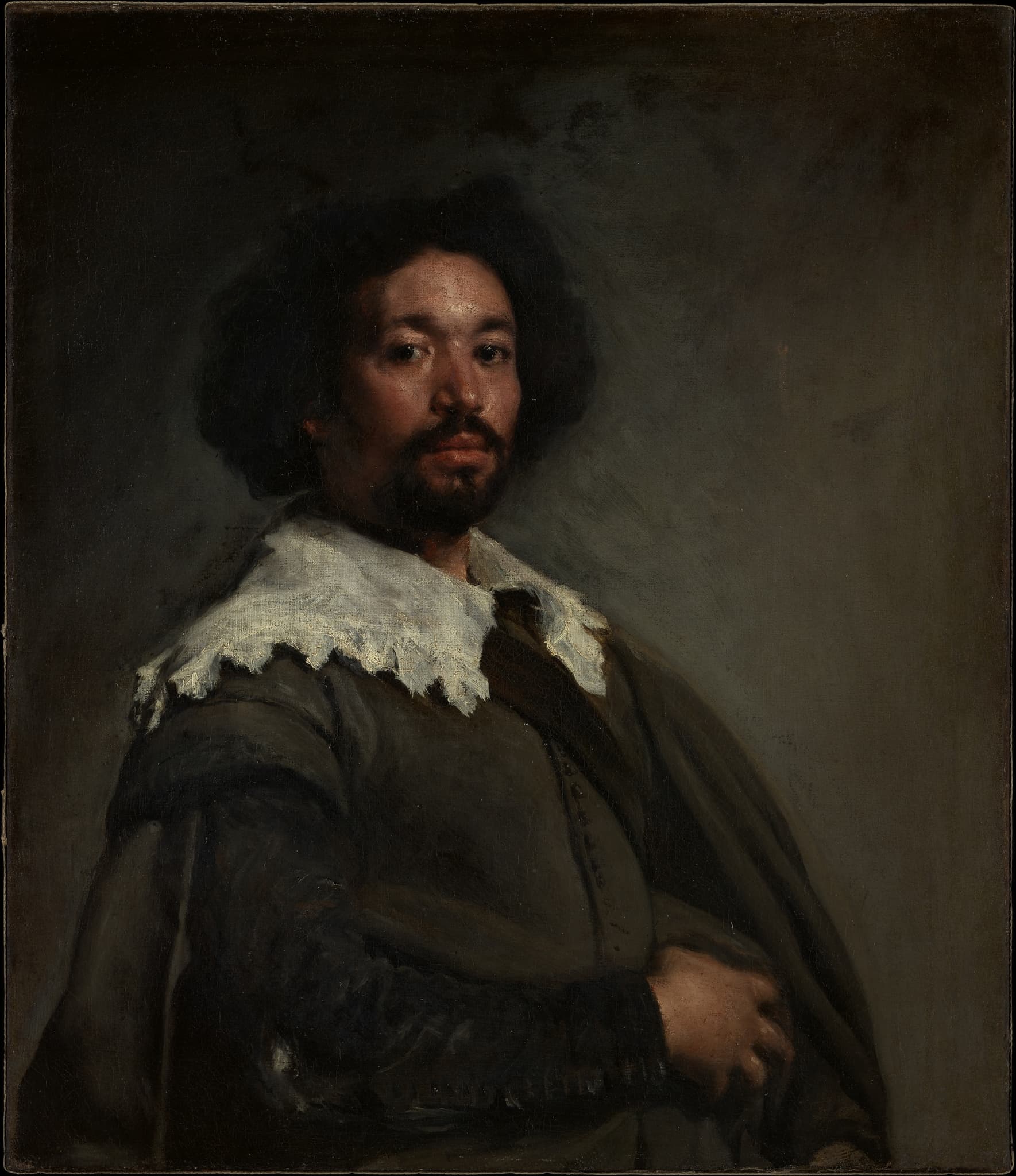
$100-150 million
Effectively off‑market at the Met, Portrait of Juan de Pareja’s $100–$150 million estimate derives from its museum status and the scarcity of autograph Velázquez portraits.
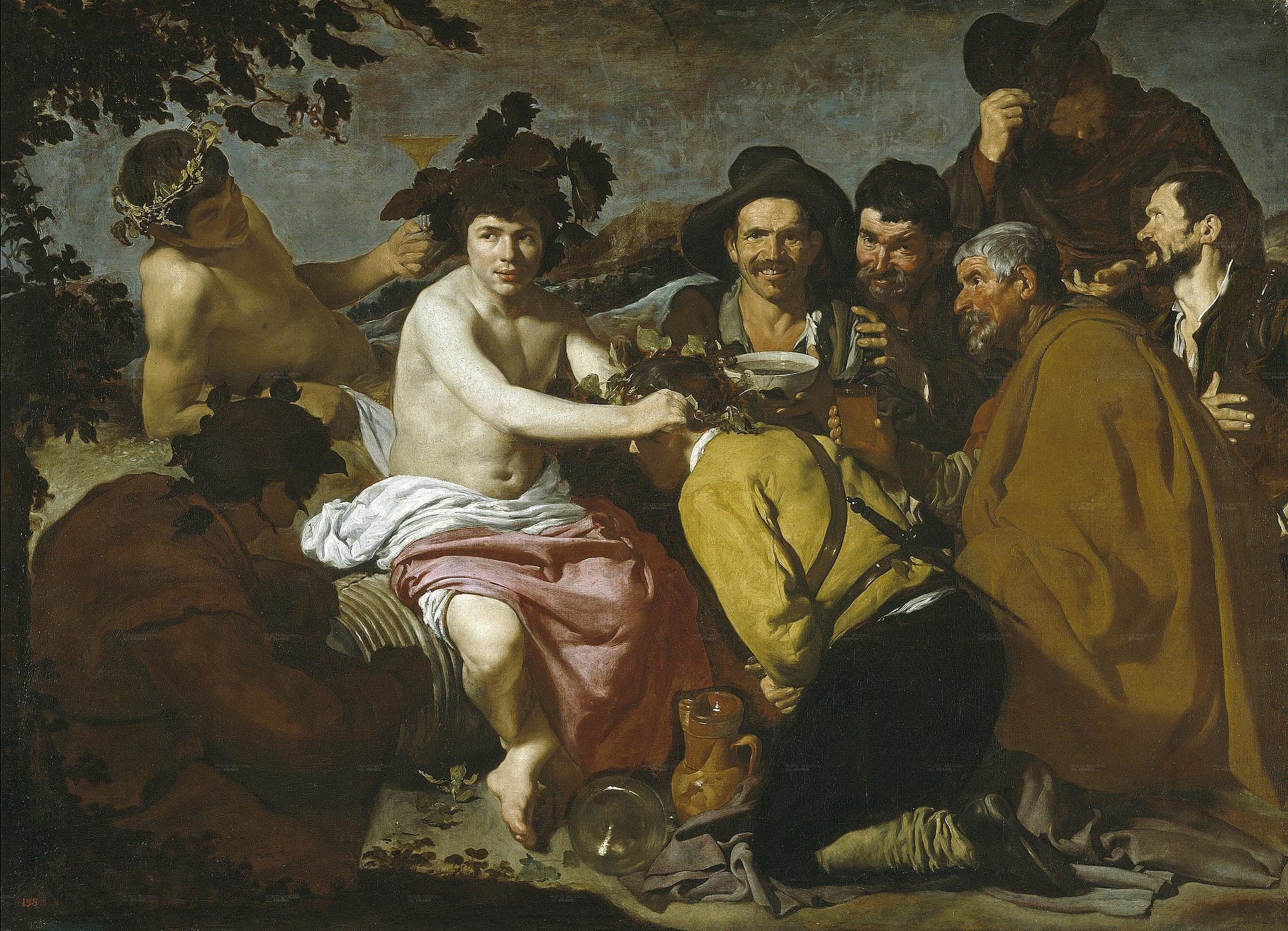
$100-150 million
With no modern market sale, Los Borrachos’ $100–$150 million estimate is a conservative hypothetical derived from scarce public comparables and trophy Old‑Master sale dynamics.
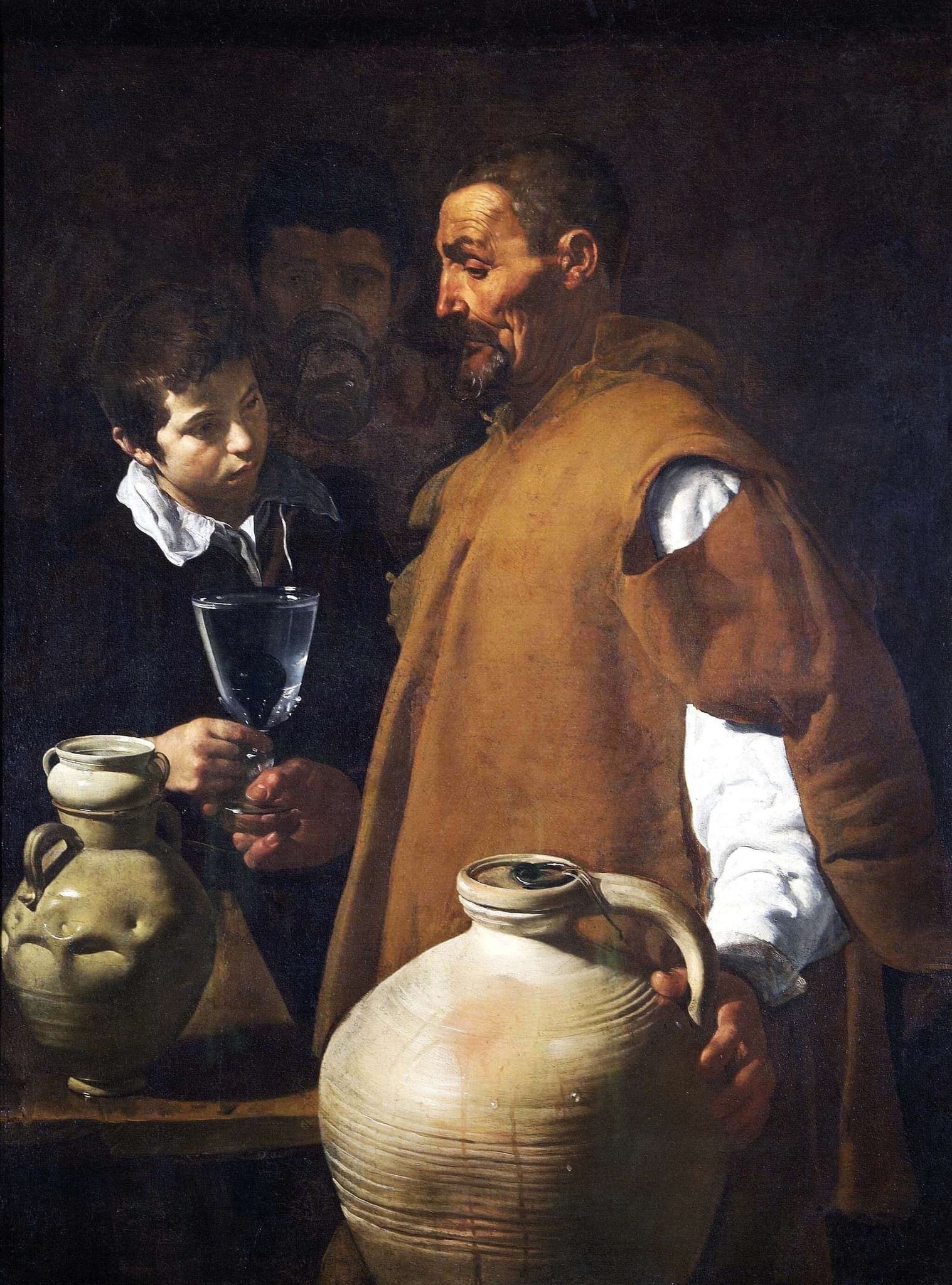
$100-150 million
Attributed to the principal Wellington version and museum‑held, The Water Seller’s $100–$150 million range is an extrapolation from scarce auction comparables assuming unrestricted export and pristine condition.
What Drives Value in Diego Velazquez's Work
National collection concentration & patrimony lock‑in
Velázquez’s canonical corpus is unusually concentrated in Spanish state museums (Prado, royal collections) and historic family holdings. Works like Las Meninas, Las Hilanderas, The Surrender of Breda and Los Borrachos are effectively inalienable under Spanish patrimony regimes, which removes them from normal market circulation. That structural immobility amplifies theoretical scarcity and pushes any hypothetical price upward—but also means realizable sales are rare, politically fraught, and often restricted to sovereign or museum‑to‑museum transfers.
Single‑work trophy iconicity creating a non‑fungible ceiling
A small subset of Velázquez paintings function as global cultural icons (Las Meninas, the Rokeby Venus, Portrait of Pope Innocent X, Juan de Pareja). Their art‑historical centrality confers cross‑category trophy status, attracting sovereigns, flagship museums and ultra‑high‑net‑worth buyers prepared to pay strategic premiums. Unlike ordinary Old Masters, these objects set a non‑fungible top‑end — Las Meninas’ canonical weight alone drives extrapolated valuations far above normal comparables.
Commission context, scale and public function
Value shifts markedly with original function and scale: large, state‑commissioned history and court paintings (Surrender of Breda, equestrian Philip IV, Hall of Realms canvases) carry dynastic and diplomatic utility beyond aesthetics. Such canvases are trophy pieces for national narratives and are priced for replacement, display stature, and sovereign utility. By contrast, smaller genre works (The Water Seller) or studio portraits, while important, usually occupy a lower practical ceiling because they lack the same institutional/state leverage.
Authorial certainty, technical evidence and conservation history
Because Velázquez’s workshop, studio variants and later interventions exist, strict autograph attribution and technical corroboration (pentimenti, IRR, pigment analysis) are decisive. Paintings like Portrait of Mariana, Juan de Pareja and the Pope’s portrait show how documented provenance and conservation reports materially expand buyer pools and price. Conversely, unresolved studio participation, heavy overpainting or conservation complications (e.g., Rokeby Venus’ historic damage) can reduce value by orders of magnitude.
Market Context
Diego Velázquez’s auction market is defined by extreme scarcity—most autograph masterpieces sit in major institutions (notably the Prado and the Met)—so public price discovery is episodic and often theoretical: landmark sales include Juan de Pareja at $5.5m in 1970 and Saint Rufina c. $17m (Sotheby’s London, 2007). Recent activity underscores supply constraints rather than weak demand: a full‑length royal portrait estimated near $35m was withdrawn in 2024, while 2025 saw stronger sell‑throughs and fresh records for trophy‑grade works. Demand is concentrated among museums, sovereigns and specialist collectors, with guarantees, private‑treaty routes and scholarship driving outcomes; legal and patrimony controls further limit liquidity, pushing true price discovery for canonical Velázquez canvases into private channels.
Study prints from famous works by Diego Velazquez
Curated print bundles pairing the full artwork with a close reading of one meaningful detail.
