How Much Is The Water Seller of Seville Worth?
Last updated: April 27, 2026
Quick Facts
- Methodology
- extrapolation
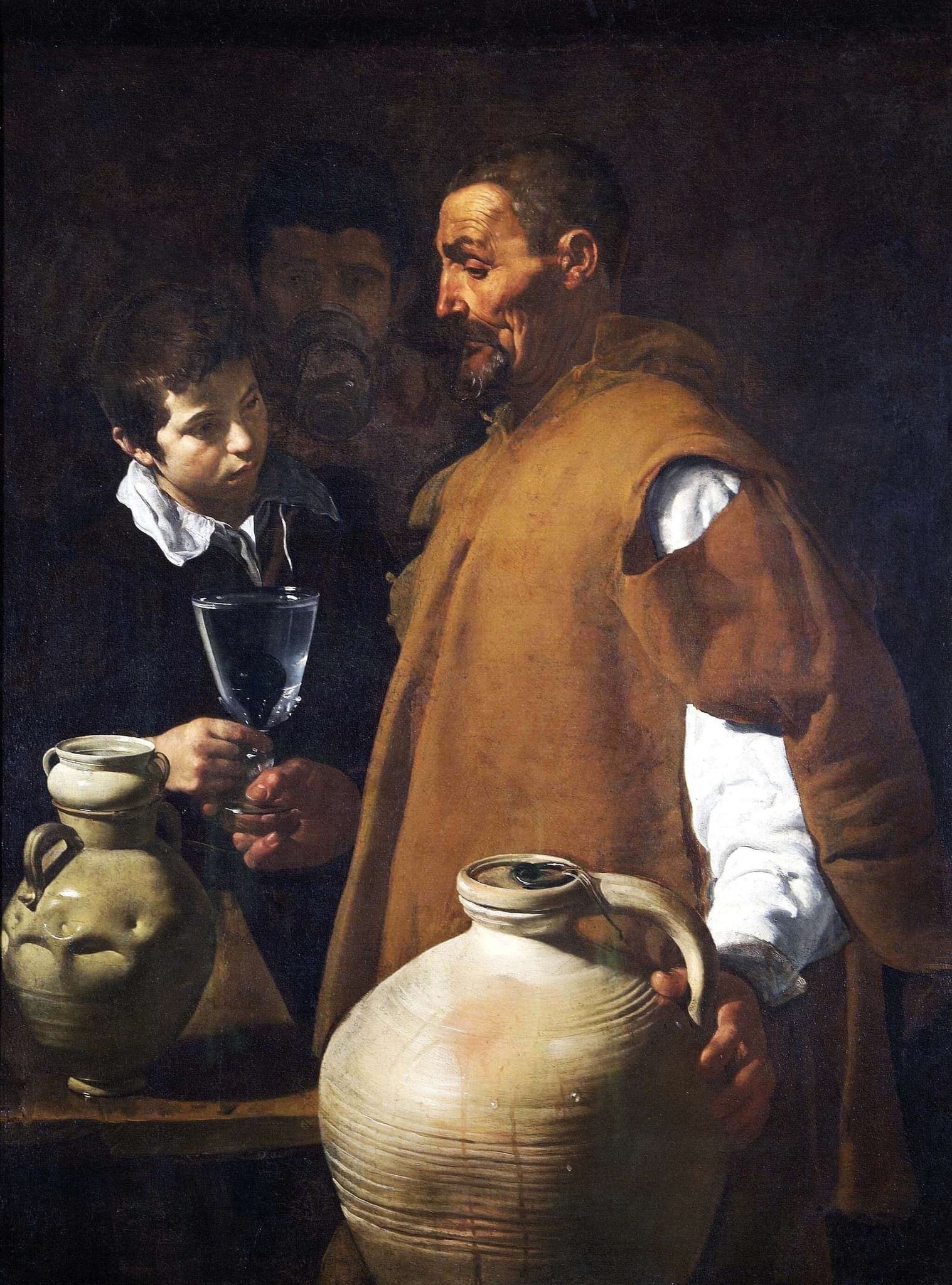
This is a hypothetical market valuation for the canonical Water Seller of Seville (the principal, autograph composition widely associated with the Wellington/Apsley House version). Because the work is museum‑held and has not traded in the modern open market, the $100–150M range is an extrapolation from scarce auction comparables, rarity premiums and likely institutional/private demand, assuming unrestricted export, full attribution and pristine condition.
Valuation Analysis
Valuation conclusion and context. The principal Water Seller of Seville — the autograph composition most often identified with the Wellington (Apsley House) example — has not been price‑discovered in the modern auction era and sits in long‑term institutional care [1]. For a hypothetical, unrestricted sale of a fully authenticated, well‑conserved autograph canvas, I estimate a market range of $100–150 million. This bracket is not a realized sale number but a reasoned extrapolation that combines the scarcity of museum‑quality Velázquez canvases, precedent Old Master results, and the demonstrably intense institutional appetite for canonical works [2].
Why this bracket? There are very few direct modern auction comparables for museum‑quality Velázquez. The best publicly documented autograph realizations in recent decades cluster in the low‑to‑mid single‑digit millions (rediscoveries) to the mid‑teens when a strong market case exists; these provide anchors but understate the premium a canonical, fresh‑to‑market masterpiece would attract [2][4]. The structure of the Old Masters market — near‑zero supply, concentrated demand from museums and a handful of ultra‑high‑net‑worth collectors — means a single exceptional Velázquez could substantially exceed prior auction records if free of legal constraints and subject to competitive bidding.
Caveats and drivers. The top of the bracket assumes: (1) unambiguous attribution to Diego Velázquez, (2) documented, museum‑grade provenance and conservation, (3) no export or national‑interest impediments, and (4) an active competitive sale environment (auction guarantees, museum guarantees or multiple private suitors). The low end reflects a conservative outcome where interest is strong but limited, or where practical sale mechanics reduce realized price (private sale discounting, seller constraints). Recent high‑estimate withdrawals and private negotiations in Velázquez offerings illustrate that many such works move off the public rostrum — a factor that can either elevate a private sale price or suppress public price discovery [3].
Next steps to refine this estimate. Confirm the precise version (Wellington vs. Uffizi vs. Walters or a studio/copy), obtain full conservation and technical reports (IRR, X‑ray, pigment analysis), retrieve the formal accession/provenance dossier and check for legal patrimony designations or export restrictions. With those items, the range can be tightened materially in either direction. For now, the $100–150M band is a defensible, conservative working estimate for an unconstrained, canonical Waterseller by Velázquez [1][2][3][4].
Key Valuation Factors
Art Historical Significance
High ImpactThe Waterseller is a foundational work in Velázquez's Sevillian period and a widely cited demonstration of his naturalism, tonal subtlety and psychological realism. It is repeatedly referenced in scholarship on his development and appears in major museum narratives about 17th‑century Spanish painting. Because it is emblematic of Velázquez's early mastery and appears in the canonical literature and exhibition histories, its art‑historical weight is substantial: curators and scholars prioritize such works for national holdings and museum acquisitions. That standing elevates both the work's cultural value and the likelihood of institutional interest, which in turn supports a significant market premium in any hypothetical sale.
Rarity / Supply
High ImpactAutograph, museum‑quality Velázquez canvases rarely surface. Major works are concentrated in national museums and royal collections, effectively reducing supply to near zero. This scarcity is a primary driver of price elasticity: when a canonical piece becomes available, competition among museums and a tiny pool of private buyers can push prices far above what common auction comparables suggest. The Waterseller's status as one of only a handful of mature Velázquez genre masterpieces compounds this rarity effect, creating a structural upward pressure on hypothetical market value.
Market Demand & Comparables
High ImpactDemand for major Velázquez paintings is highly concentrated among museums and specialist collectors. Recent public auction results for accepted Velázquez works (rediscoveries and single‑lot sales) lie in the low millions to mid‑teens of millions, but these reflect limited supply and irregular price discovery. When the right conditions converge (clear attribution, strong provenance, and competing institutional bidders), estimates and private negotiations show values can be pushed much higher. Historic sales like Juan de Pareja to the Met and modern rediscoveries provide anchors, but they understate the premium an entirely fresh, canonical masterpiece would command.
Legal / Heritage Constraints
High ImpactThe Waterseller is long held in public collections and may be subject to national patrimony protections, export controls or inalienability rules that effectively prevent export or sale. Such constraints materially reduce liquidity and the set of potential buyers. Even where a sale were technically possible, national interest reviews and cultural property laws can delay or block transactions, making a high theoretical price hard to realize in practice. This legal environment reduces marketability and increases transaction complexity — a critical caveat to any hypothetical valuation.
Condition, Provenance & Technical Certainty
High ImpactAttribution certainty, documented provenance and conservation state are decisive value drivers. A pristine, fully documented, technically validated Velázquez would fetch the highest premiums; conversely, condition issues, significant overpainting, or doubts about autograph status (workshop vs. studio vs. autograph) can reduce value by orders of magnitude. Technical imaging (IRR, X‑ray), pigment analysis and dendrochronology (if relevant) are essential to establish confidence. Gaps in provenance or unresolved restoration histories create discounting and deter institutional bidders.
Sale History
Sotheby's, London
Christie's (sold to the Metropolitan Museum of Art)
Sotheby's, London
Bonhams, London
Diego Velazquez's Market
Diego Velázquez occupies the upper tier of Old Master canonically and culturally, but his market presence is unusually thin because most major works are museum‑held and legally protected. Modern auction realizations for securely attributed Velázquez paintings are few; rediscoveries have sold in the low millions while landmark institutional purchases (e.g., Juan de Pareja) are historically notable. When high‑quality Velázquez works do appear, competition is often institutional, and sales are frequently handled privately or withdrawn from public sale, limiting transparent price discovery. Overall, the artist commands strong prestige and potential price power, tempered by zero supply and legal constraints.
Comparable Sales
Saint Rufina
Diego Velázquez
Same artist and period; modern public‑auction high for an accepted autograph Velázquez (useful as a market ceiling for works that do appear at auction); demonstrates realized demand among Old Masters buyers.
$16.9M
2007, Sotheby's, London
~$26.7M adjusted
Portrait of Juan de Pareja
Diego Velázquez
Landmark museum purchase of a major Velázquez that set a historical price precedent for institutional bids; comparable because it's a rare autograph Velázquez that was publicly price‑discovered.
$5.5M
1970, Christie's (sold to the Metropolitan Museum of Art)
~$46.4M adjusted
Portrait of Olimpia Maidalchini
Diego Velázquez
Recent rediscovered/attributed Velázquez offered at a major house; useful as a modern example of how rediscoveries of accepted autograph works price in the low millions and attract institutional interest.
$3.2M
2019, Sotheby's, London
~$4.1M adjusted
Portrait of a Gentleman (rediscovered attribution)
Diego Velázquez
Another example of a rediscovered/attributed autograph Velázquez achieving multi‑million GBP at auction; shows the typical realized band for works that come to market (below marquee museum‑held masterpieces).
$4.7M
2011, Bonhams, London
~$6.8M adjusted
Current Market Trends
The Old Masters sector has been constrained in recent years, with fewer blockbuster lots and increased selectivity among buyers. Post‑2023 market softness and a preference for well‑provenanced, museum‑grade items mean high‑value works are more likely to be negotiated privately or acquired by institutions. For Spanish Golden Age works specifically, institutional demand remains the dominant force, and legal patrimony rules continue to limit cross‑border sales, reducing liquidity even for highly desirable works.
Sources
- Wellington Collection — The Waterseller of Seville (Apsley House)
- Sotheby's — Old Master Paintings Evening Sale: 'Saint Rufina' (2007 lot entry)
- The Art Newspaper — 'Velázquez’s $35m Spanish queen withdrawn from Sotheby’s' (Jan 2024)
- The Metropolitan Museum of Art — Juan de Pareja (acquisition / sale context)