How Much Is The Leaping Horse Worth?
Last updated: May 4, 2026
Quick Facts
- Methodology
- comparable analysis
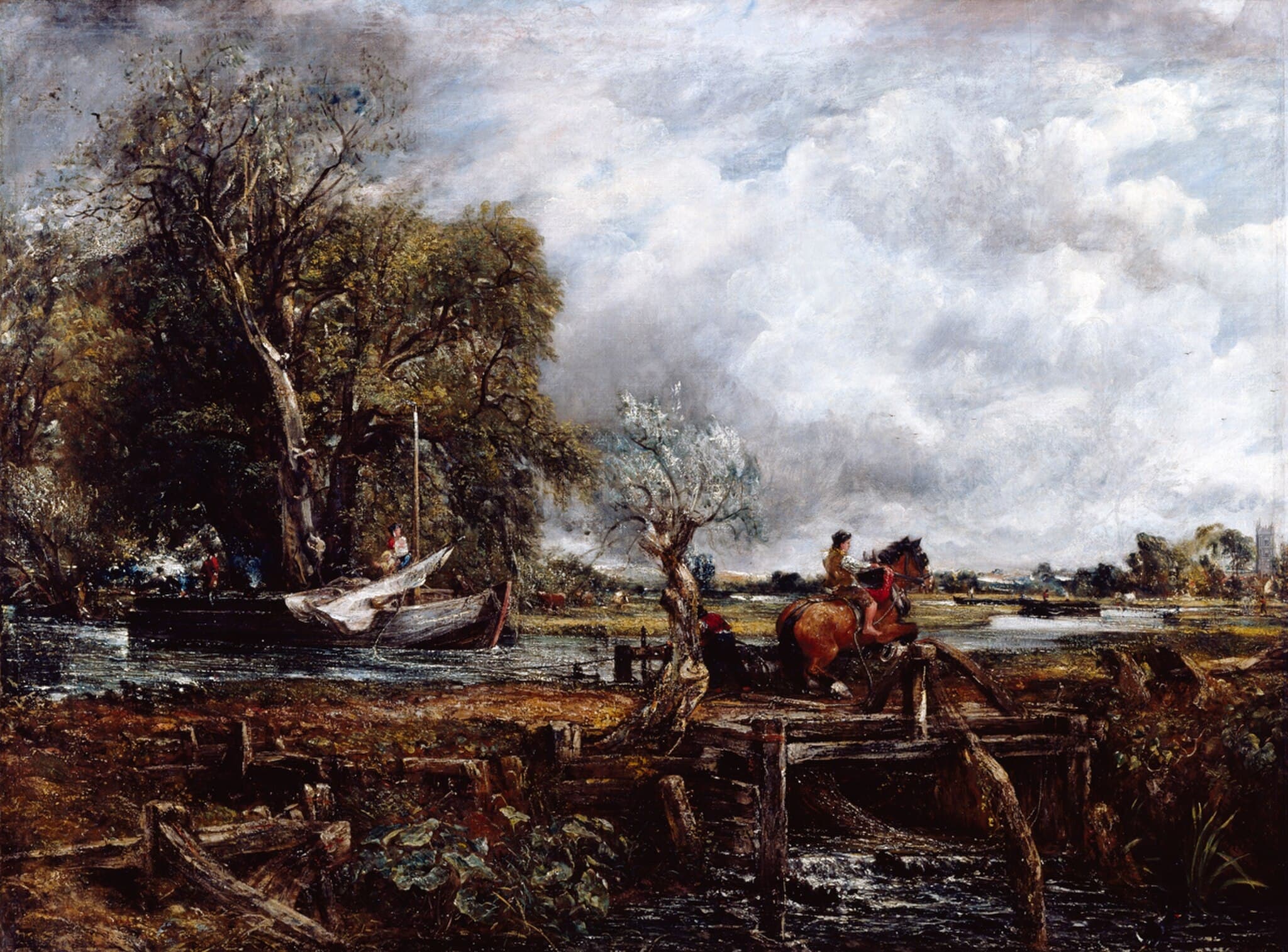
Hypothetical market value for John Constable’s The Leaping Horse (1825, finished salon‑scale oil) is estimated at USD 8.0–22.0 million. This band assumes an authenticated, autograph six‑footer in sound condition with clear provenance; if the object is a study, replica, or of uncertain attribution, values fall to the mid‑five to low‑seven‑figure range.
Valuation Analysis
Valuation band (hypothetical sale): USD 8,000,000 to USD 22,000,000. The Leaping Horse in its canonical finished form is a salon‑scale Constable linked in museum records to the Royal Academy collection and paired with a full‑scale study at the V&A; because the canonical finished picture is museum‑held it has no recent auction test and any market figure is necessarily hypothetical and contingent on deaccession rules and market conditions [1][2].
The lower bound of this band reflects a realistic market outcome for a highly desirable but not top‑tier Constable six‑footer offered with minor gaps in provenance or conservation issues. The upper bound anticipates a cleanly authenticated, well‑conserved autograph painting with strong exhibition and publication history that would attract institutional and private buyers competing for a rare salon‑scale Constable on the open market. In framing this band I have used the artist’s auction benchmark as a ceiling reference and recent high‑performance sales of studies as a floor reference: The Lock (Christie’s, 2012) remains the artist’s auction high‑water mark and sets an upper market context for six‑foot works by Constable [3]; conversely, rediscovered oil sketches and cloud studies at regional houses and major sales in 2023–2025 demonstrate robust demand for study‑scale material typically in the low‑to‑mid six‑figure range and occasionally higher [4].
Key drivers: autograph attribution, scale/finish, condition and conservation history, and provenance/exhibition record are the determinative variables. A confirmed autograph six‑footer with RA accession and important exhibition history would mobilise institutional interest and high private‑buyer demand; a picture with questionable authorship, significant restoration, or thin provenance will trade at a large discount. Technical study (infrared reflectography, x‑radiography, pigment and canvas analysis) and documentary provenance are therefore required to move from hypothetical to transactable valuation.
Recommended next steps to refine or convert this hypothetical band into a formal market valuation: obtain high‑resolution recto/verso photography and conservation report; commission technical imaging and pigment analysis; aggregate provenance and exhibition records; and obtain written preliminary opinions from a Constable specialist and a major house Old Master/19th‑century pictures specialist. These steps typically reduce valuation uncertainty materially and provide a defensible reserve/estimate if the work is offered commercially.
Conclusion: USD 8–22 million is a reasoned market band for a salon‑scale, autograph The Leaping Horse offered under normal open‑market conditions; the figure is explicitly conditional on confirmed authorship, condition and provenance and should be refined after technical and documentary vetting [1][2][3][4].
Key Valuation Factors
Art Historical Significance
High ImpactThe Leaping Horse is documented within principal institutional collections: the finished salon painting is associated with the Royal Academy collection and the full‑scale working study is held by the Victoria & Albert Museum. As a finished 1825 oil related directly to Constable’s exhibited practice in the mid‑1820s, the work carries meaningful scholarly and curatorial interest. It is not, however, one of the handful of Constable canvases that dominate public consciousness (e.g., The Hay Wain or The Lock), so its market value will derive as much from its autograph quality, condition and exhibition history as from iconographic fame alone. Institutional ownership increases cultural value but removes the work from the tradable supply.
Attribution / Authenticity
High ImpactAbsolute certainty of autograph authorship is the single most important pricing determinant. Technical imaging (infrared reflectography, x‑ray), pigment analysis, weave/ground comparison and documented signatures or catalogue raisonné concordance are required to confirm an autograph Constable. Ambiguity (studio, follower, later copy) reduces price materially; authenticated autograph status can convert a mid‑seven‑figure estimate to multi‑million interest. Expert written opinions from noted Constable scholars or a leading auction house specialist materially de‑risk the lot and are essential to achieving the band’s upper end.
Provenance & Exhibition History
High ImpactClear, well‑documented provenance and a history of public exhibition or inclusion in major catalogues raisonné materially enhance marketability and price. The finished Leaping Horse’s Royal Academy association and the V&A’s full‑scale study provide strong institutional anchors that would reassure buyers, but museum accession typically means the canonical work is not market‑available. If an alternate canvas in private hands lacks continuous provenance or has gaps, that will suppress value; conversely, ties to important 19th‑century collectors, documented RA exhibition entries, or inclusion in scholarship will push estimates upward.
Scale & Quality (physical attributes & condition)
High ImpactThe canonical finished Leaping Horse is a salon‑scale canvas (c.142 × 187 cm). Scale and finish matter: large, fully resolved six‑foot works command a premium over studies and plein‑air sketches. Condition and the extent/quality of past restoration are critical — structural canvas work, overpaint or varnish yellowing are value‑reducing. A well‑preserved, original varnish and minimal intervention will support the upper band; significant conservation needs or extensive repainting will reduce realizable value substantially.
Market Comparables & Demand
High ImpactComparables bracket extremes: The Lock (Christie’s 2012) sets a high‑water mark for Constable six‑foot canvases and demonstrates institutional/private demand at the tens of millions level [3]. At the other end, rediscovered sketches and cloud studies at regional houses have realized mid‑to‑high six‑figure prices, showing strong appetite for smaller, authenticated material [4]. Demand is therefore present across segments, but the transactable price for a particular Leaping Horse depends on where it sits on the autograph–study spectrum and on the presence of competing institutional interest.
Sale History
The Leaping Horse has never been sold at public auction.
John Constable's Market
John Constable (1776–1837) is a cornerstone of British landscape painting and commands sustained institutional and private collector interest. His highest‑quality salon works are trophy museum acquisitions and have set multi‑million dollar auction records (notably The Lock), while well‑provenanced drawings, cloud studies and rediscovered small oils trade actively and often exceed expectations at both major and regional sales. The market for Constable is characterised by scarcity at the top, strong scholarly support, and a vibrant secondary market for studies and sketches that attracts both institutions and private collectors.
Comparable Sales
The Lock
John Constable
Same artist; period‑close (1824) six‑footer finished painting — the benchmark museum‑quality Constable sale and the artist's auction record, therefore a top‑end trophy comparable for salon‑scale works.
$35.2M
2012, Christie's London
~$43.5M adjusted
The Gravel Pits of Hampstead (oil sketch)
John Constable
Recent regional sale of an unpublished Constable oil sketch (2024) that demonstrates strong demand and realized pricing for high‑quality plein‑air/study works by Constable in the mid‑six‑figure range.
$679K
2024, Woolley & Wallis (Salisbury)
~$699K adjusted
Sketch related to The Hay Wain (rediscovered)
John Constable
Rediscovered small study connected to a canonical picture sold in a regional sale (2023) — useful for lower‑end market evidence for authentic, moderately‑sized Constable studies.
$246K
2023, Martel Maides (Guernsey)
~$261K adjusted
Constable cloud study (small work on paper)
John Constable
Christie's 2025 sale of a cloud study — a high‑profile example showing continued institutional/collector appetite for small, well‑provenanced Constable works; good indicator of demand and pricing for studies and drawings.
$624K
2025, Christie's London (Old Masters sale)
Current Market Trends
Contemporary market conditions show polarisation: trophy, museum‑grade Constables attract competitive bids and institution/private interest, while the mid‑market is selective and provenance‑sensitive. Recent years have seen healthy results for rediscovered studies and cloud drawings, and major exhibitions and scholarship have lifted visibility. Overall demand remains firm for authenticated material, but condition, attribution certainty and provenance are decisive in achieving top valuations.
Sources
- Royal Academy collections guide / accession notes (The Leaping Horse reference)
- Victoria & Albert Museum, The Leaping Horse (full‑scale study), accession 986-1900
- Christie’s: John Constable, The Lock — press/lot information (2012 sale, benchmark)
- Antiques Trade Gazette / press reporting on rediscovered Constable oil sketch sale (Woolley & Wallis, 2024)