Most Expensive John Constable Paintings
John Constable occupies a rarefied tier in the art market where pastoral intimacy meets institutional desirability, and his most expensive works consistently command seven-figure — even nine-figure — sums. The apex is undisputed: The Hay Wain has been valued in the $100–150 million range, a reflection of its iconic status, provenance and museum-level appeal. Close behind, Salisbury Cathedral from the Meadows trades in the $40–80 million bracket, while large-scale, exhibition-ready canvases such as The Lock and The Cornfield are estimated at $20–40 million and $10–30 million respectively. Collectibility here hinges on more than fame; rarity, condition, well-documented provenance and the immediacy of Constable’s touch—his luminous skies, textured impasto and evocative topography—drive bidders for works like View on the Stour near Dedham ($12–30 million) and The Leaping Horse ($8–22 million). Even comparatively modest market entries such as The White Horse ($5–35 million), Flatford Mill ($5–15 million), Wivenhoe Park ($3–15 million) and The Valley Farm ($1–6 million) attract deep institutional and private interest, underscoring Constable’s enduring investment-grade status within British art.
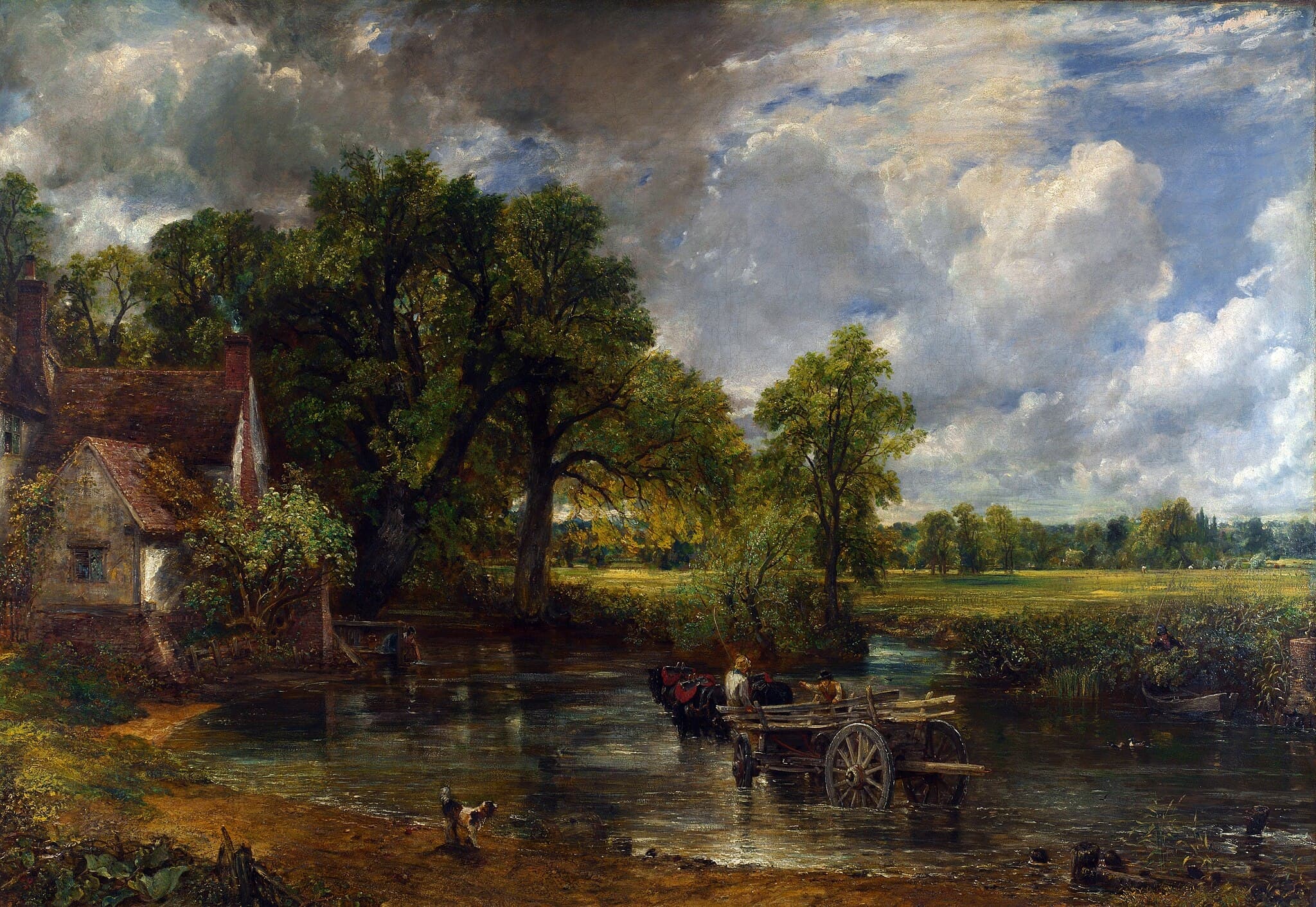
$100-150 million
This $100–150M hypothetical estimate extrapolates from The Lock and top Old Master trophy prices, reflecting The Hay Wain’s canonical status and complete absence from the open market.
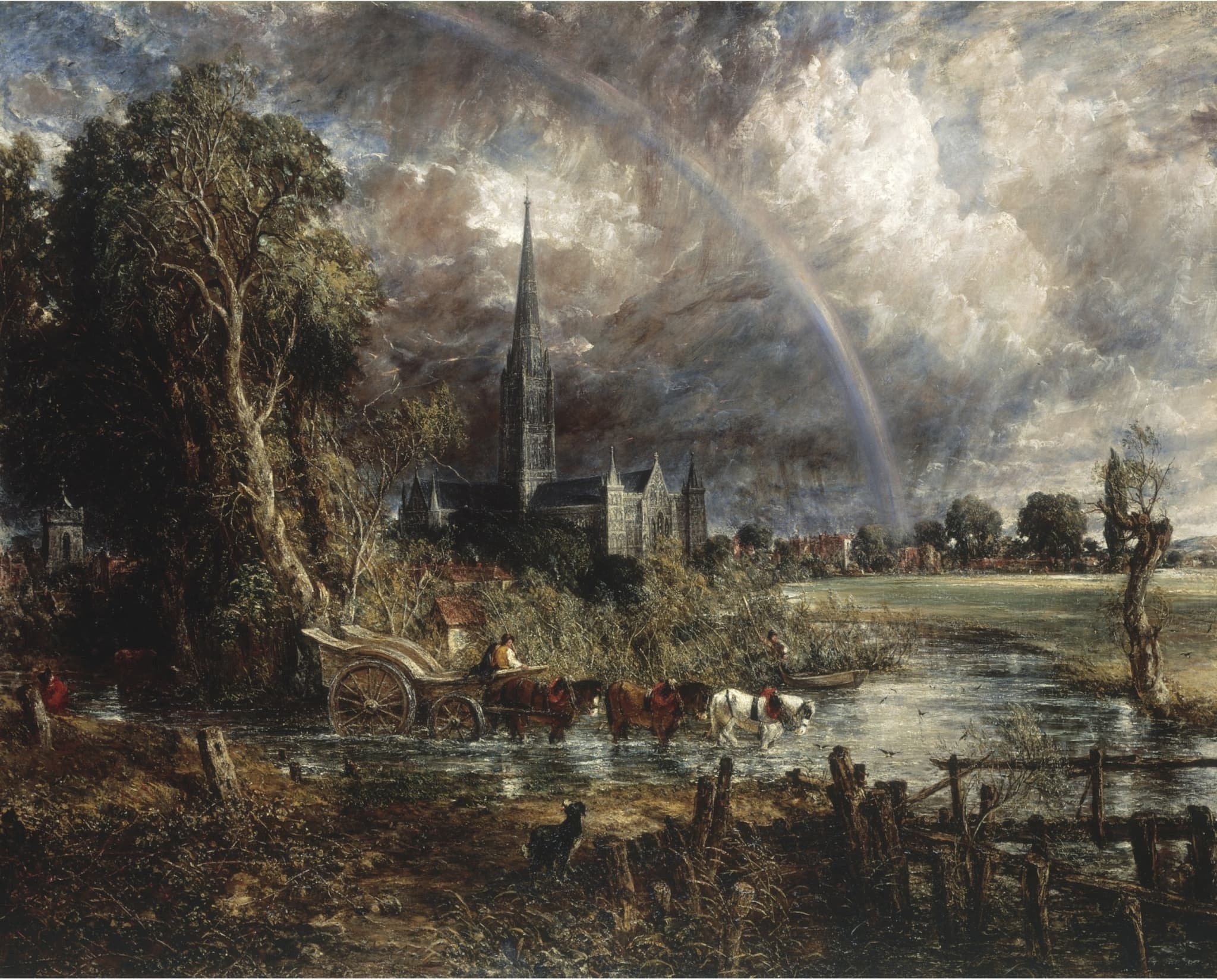
$40-80 million
The $40–80M band is explicitly anchored to Tate Britain’s £23.1M (2013) Salisbury acquisition, adjusted upward using top‑tier Constable auction comparables and current market dynamics.
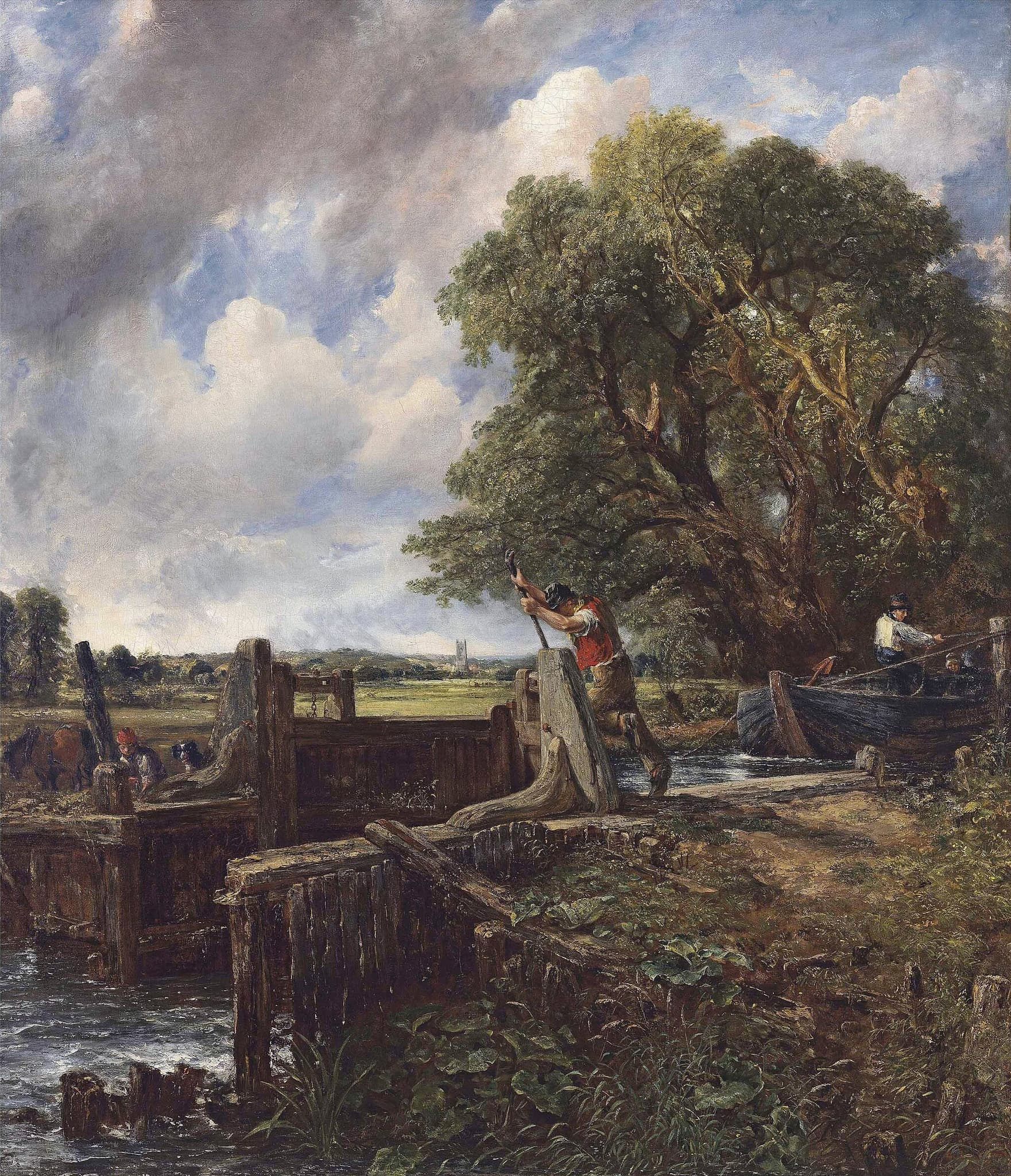
$20-40 million
The $20–40M range is driven by direct auction comparables for authenticated museum‑quality six‑foot Constables with secure provenance; variants and uncertain works fall well below this band.
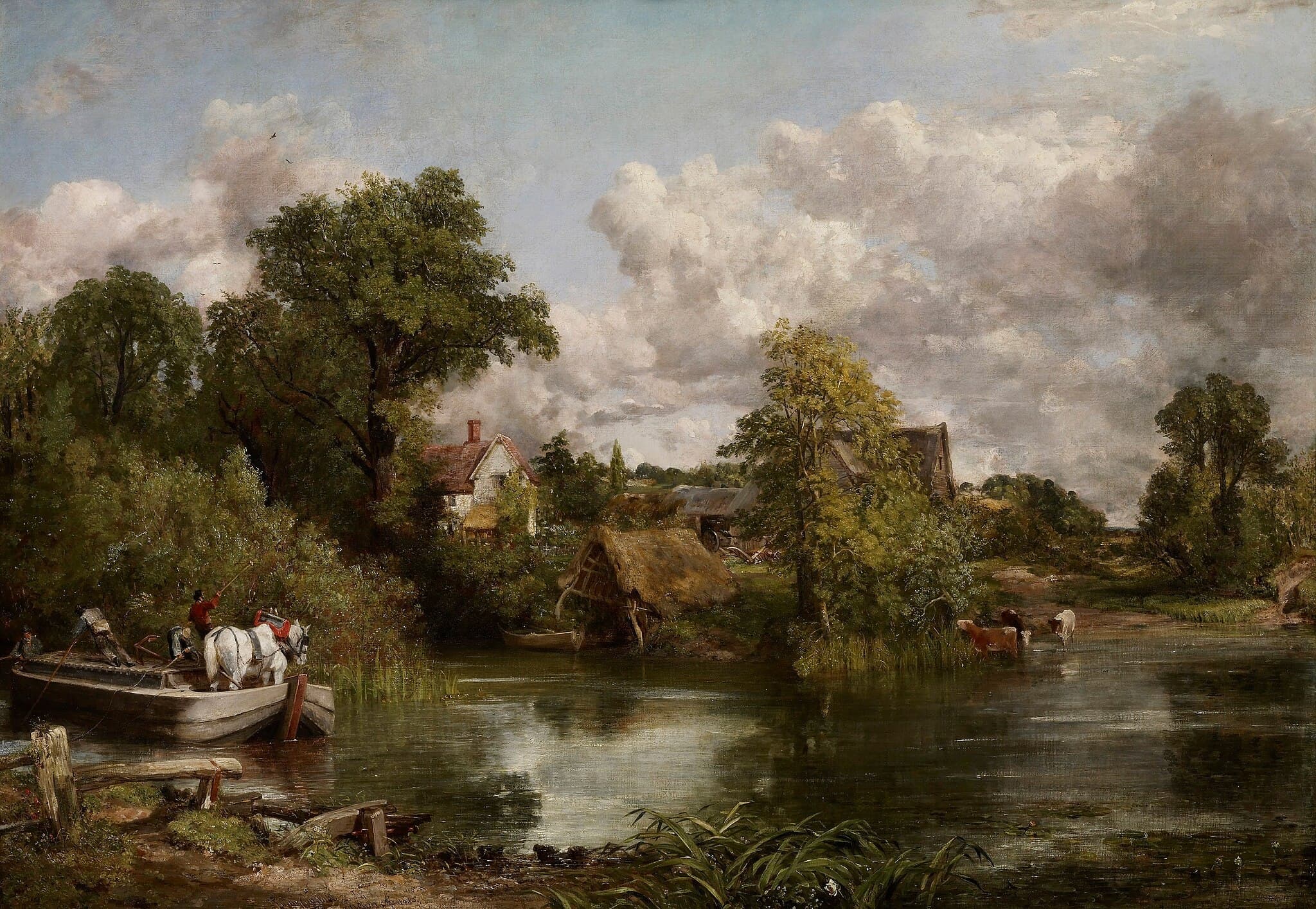
$5,000,000–$35,000,000
The $5–35M estimate reflects a finished, museum‑quality six‑footer’s institutional standing and the extreme rarity of comparable Constable oils appearing at auction, with high sensitivity to condition.
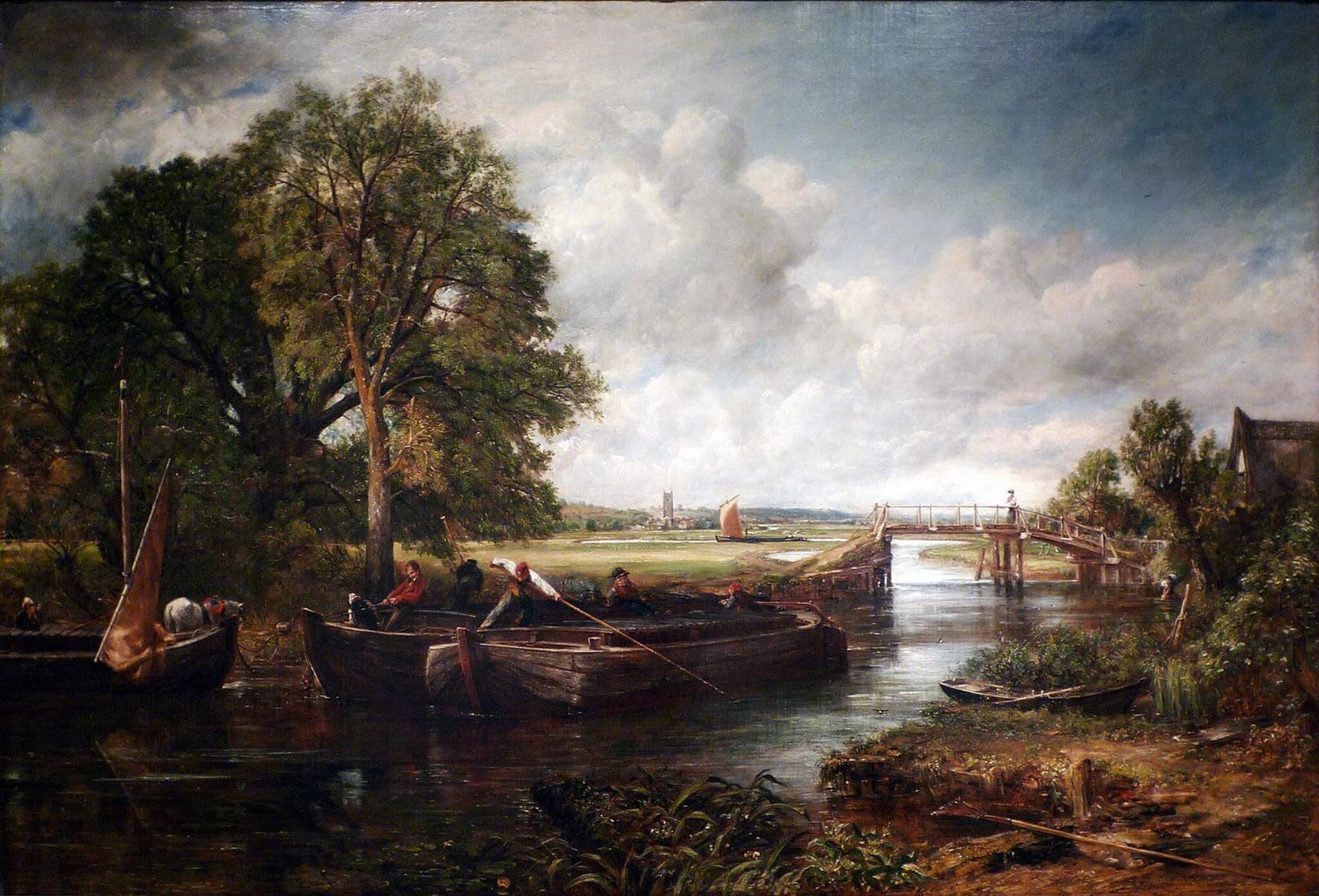
$12-30 million
The $12–30M estimate is anchored by Christie’s sale of a full‑scale Stour sketch (~$18.8M, 2016) and constrained by the auction ceiling for Constable six‑footers like The Lock.
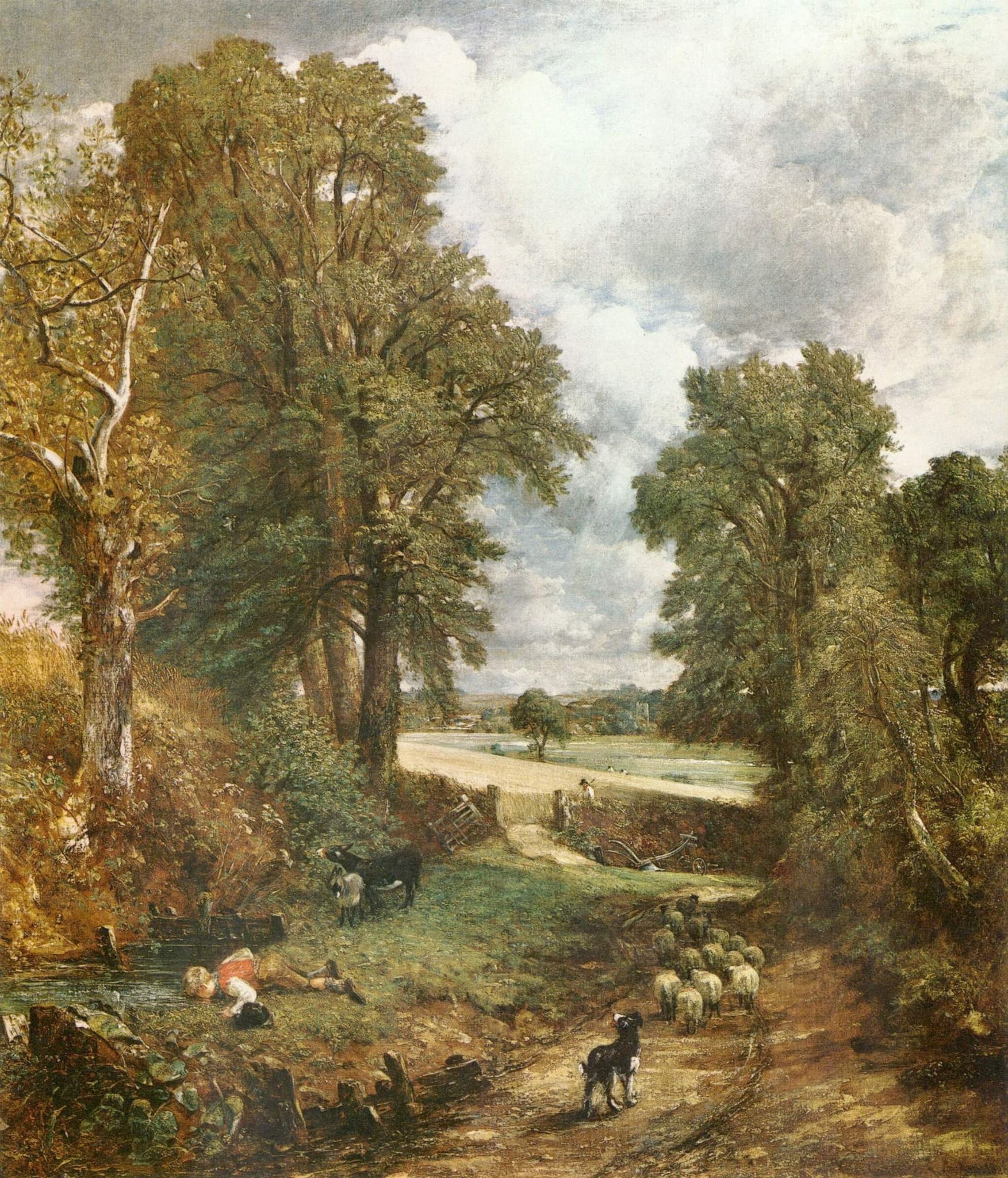
$10-30 million
As National Gallery property and effectively non‑marketable, The Cornfield’s conservative hypothetical bracket of $10–30M is derived from major Constable auction benchmarks and institutional rarity.
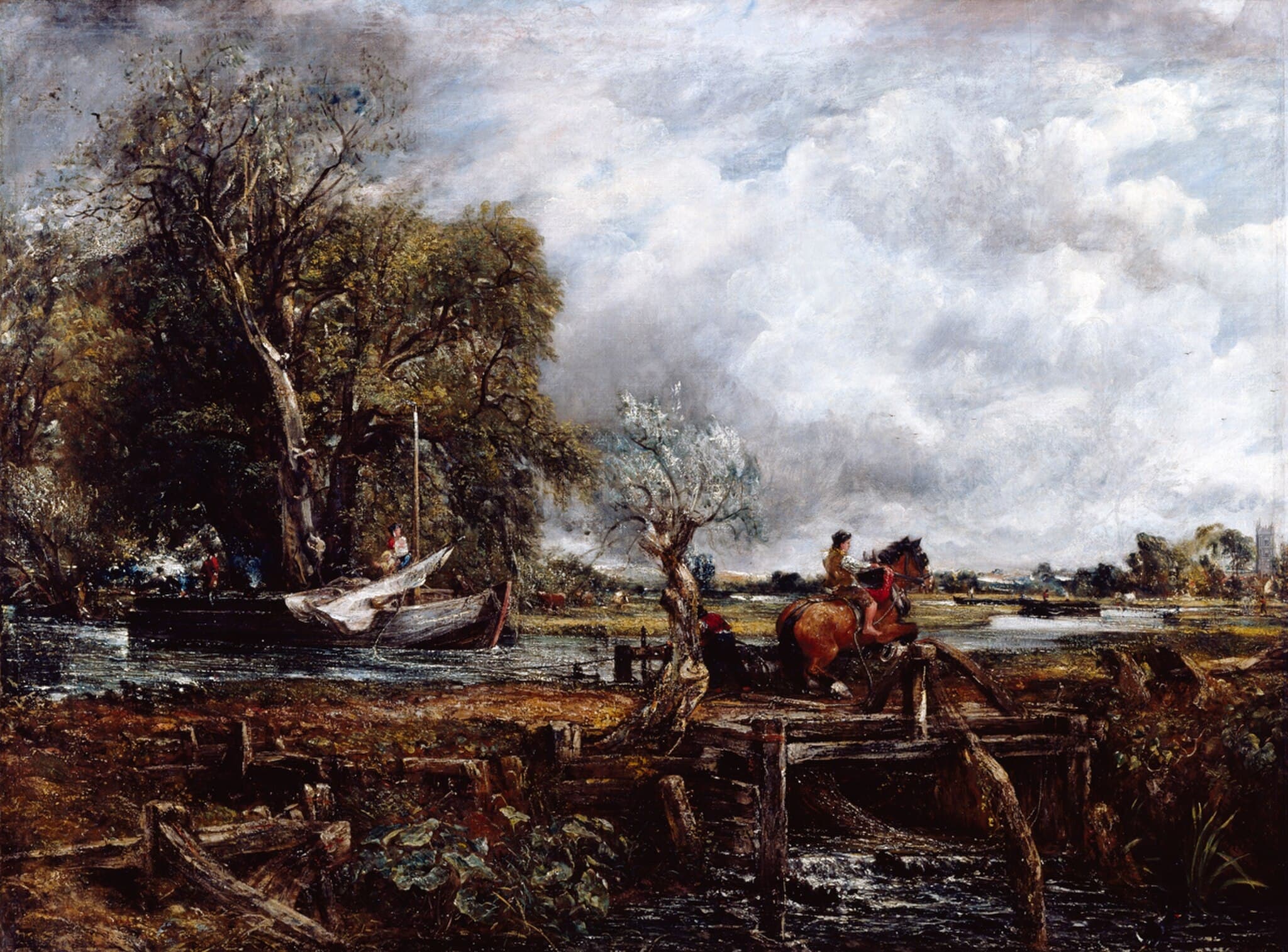
$8,000,000 - $22,000,000
The $8–22M band presumes an authenticated, autograph six‑footer in sound condition; if a study, replica, or of uncertain attribution, value typically drops to mid‑five to low‑seven figures.
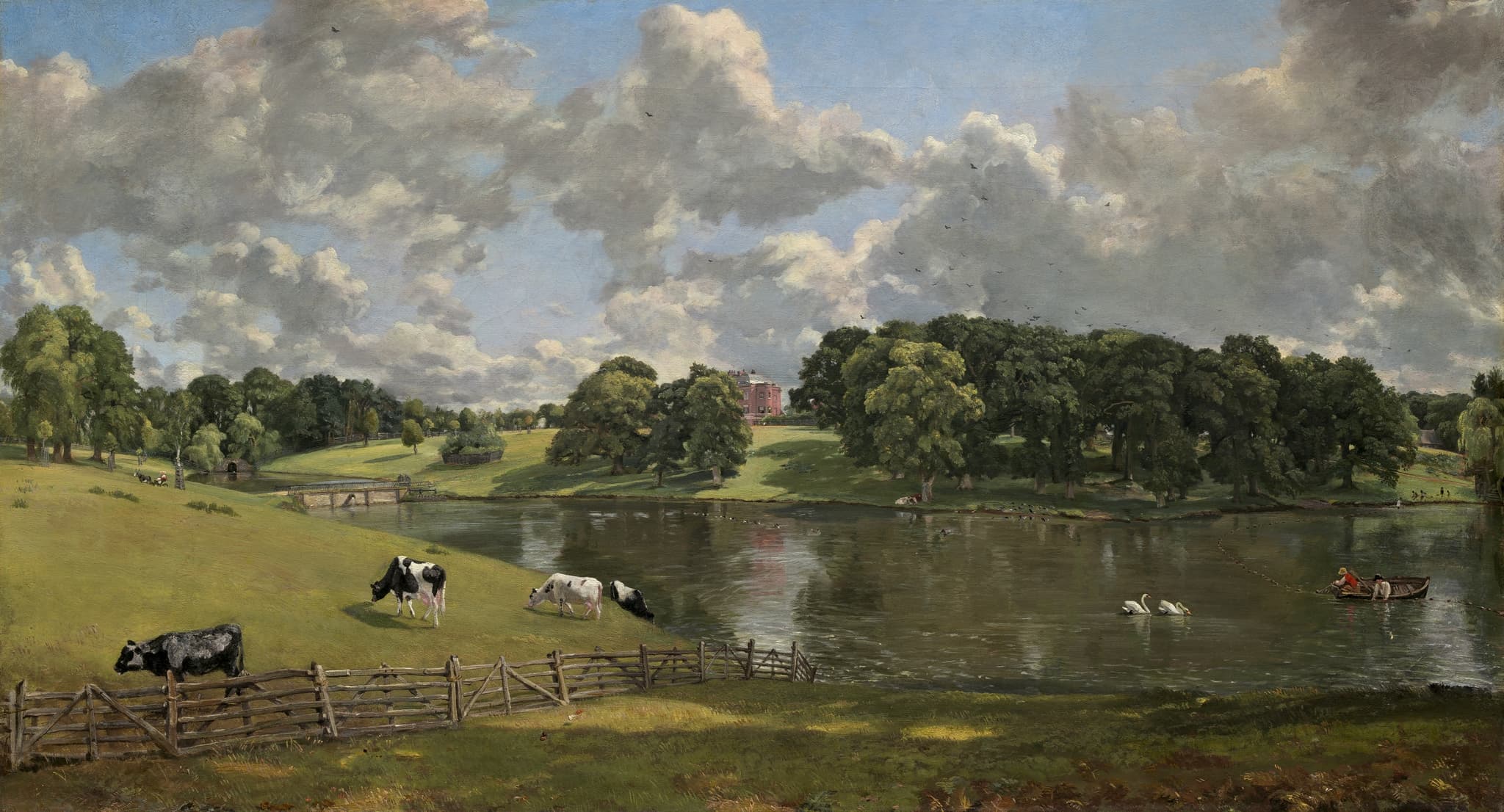
$3-15 million
Museum‑held at the National Gallery of Art and not for sale, Wivenhoe Park’s $3–15M notional bracket is an insurance/market estimate derived from comparable Constable results and the work’s moderate scale.
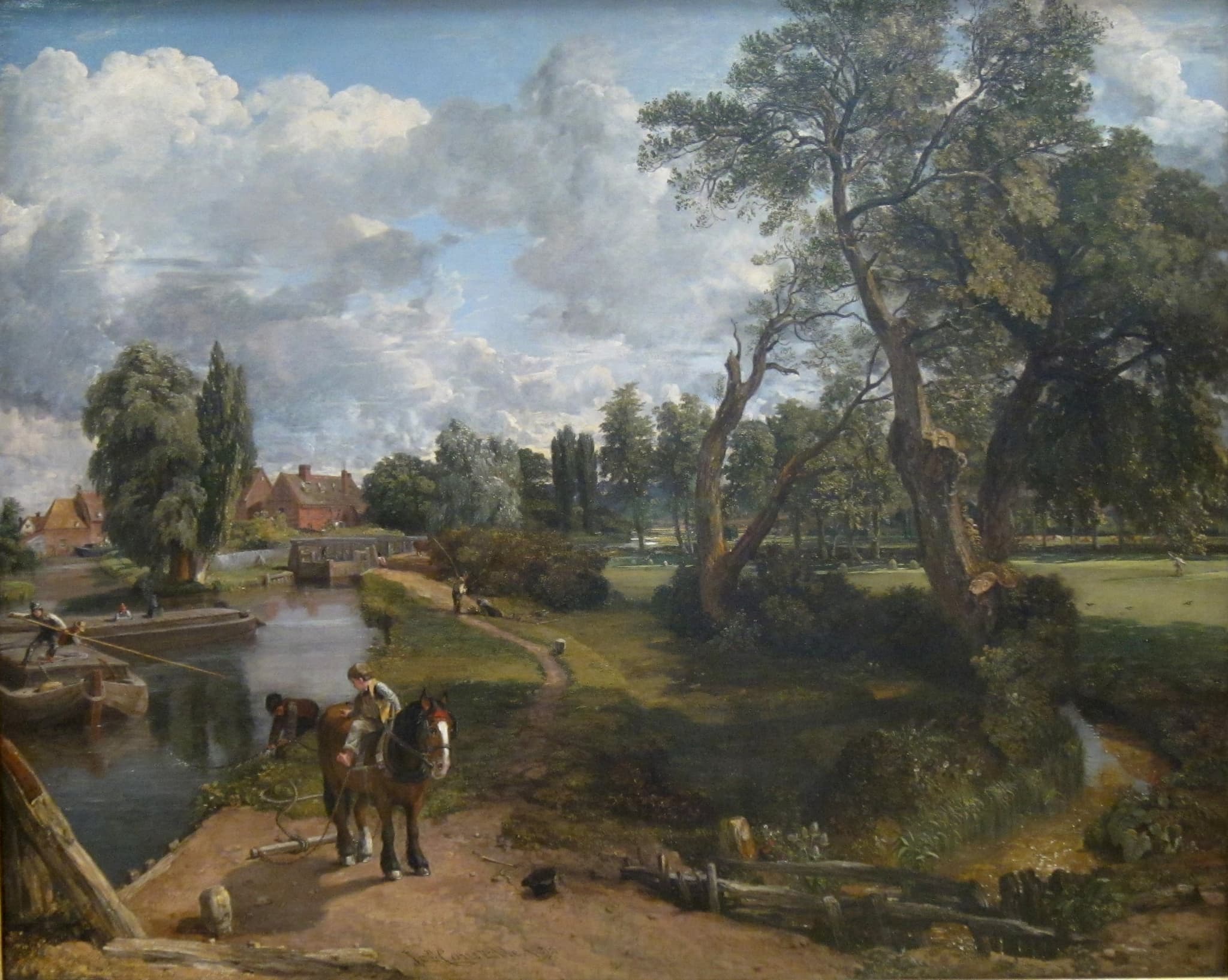
$5-15 million
Held by Tate Britain and without a modern sale record, Flatford Mill’s defensible conditional auction bracket of $5–15M is based on comparable museum‑quality Constable canvases.
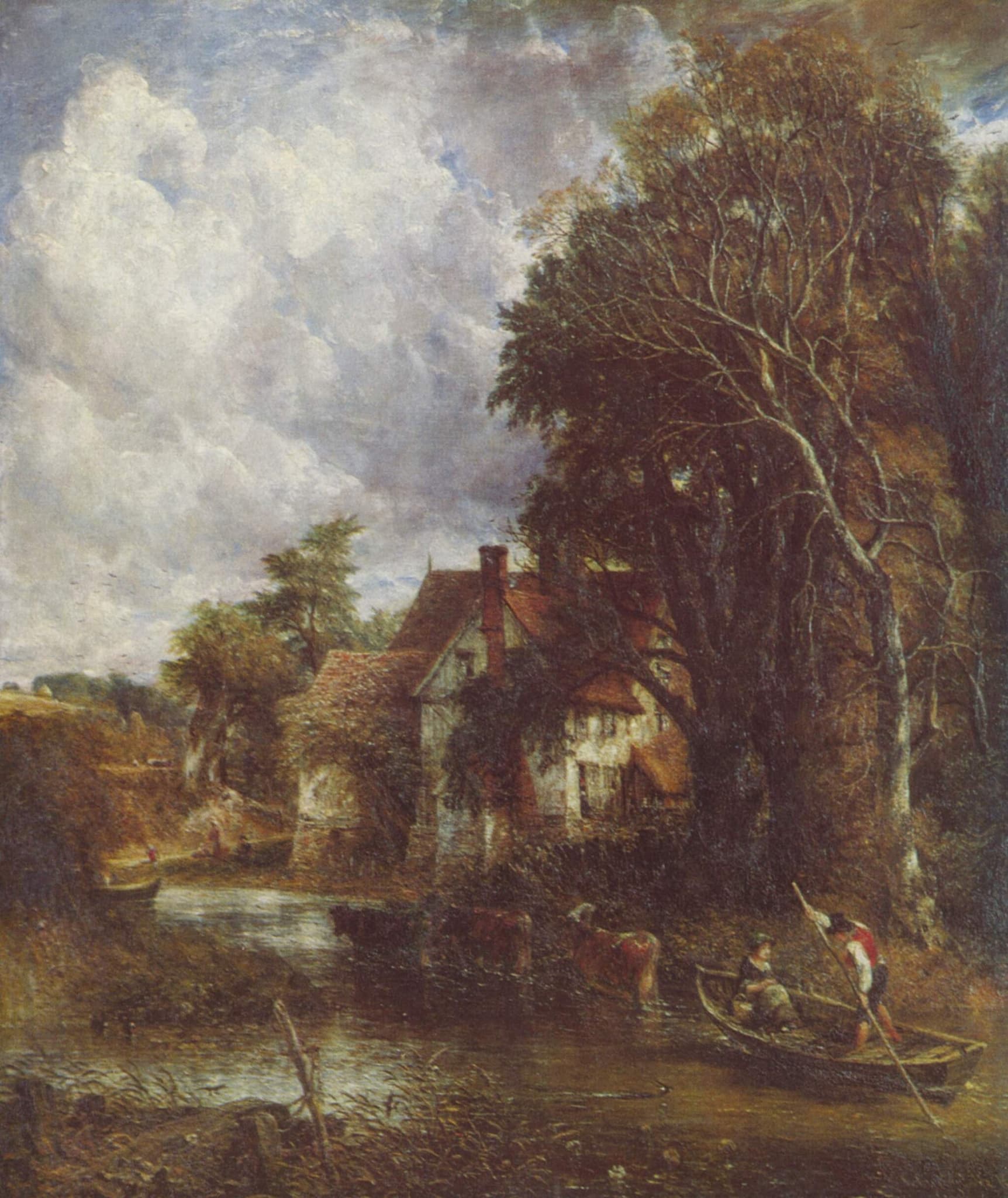
$1,000,000–$6,000,000
Assuming an authentic, privately held oil (not Tate’s 1835), the $1–6M band reflects recent sales of Constable studio sketches and mid‑rank finished works where size, provenance and condition govern price.
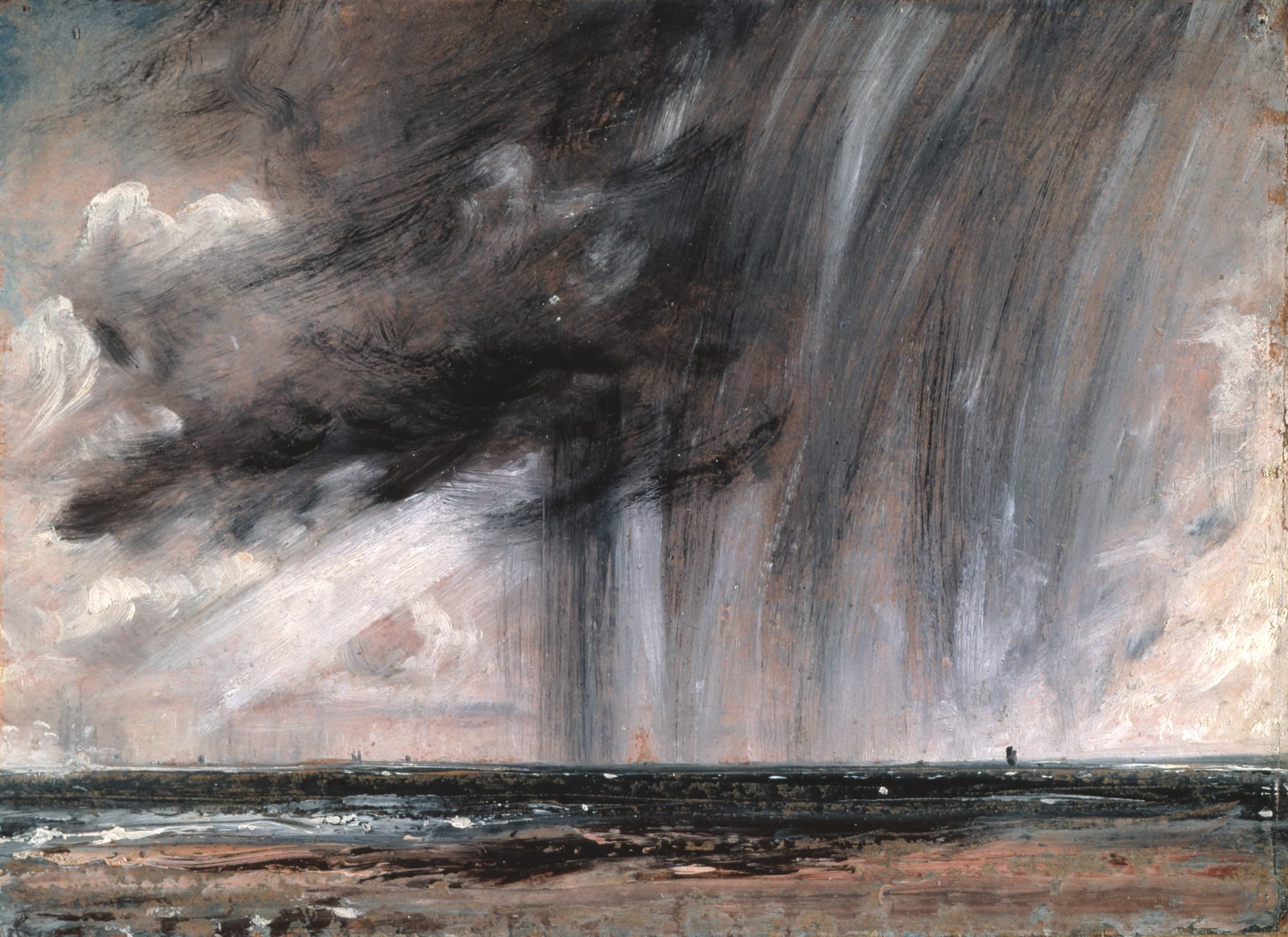
$1.0-1.8 million
Rainstorm over the Sea (Seascape Study with Raincloud) is a museum-held Brighton-period oil study by John Constable.
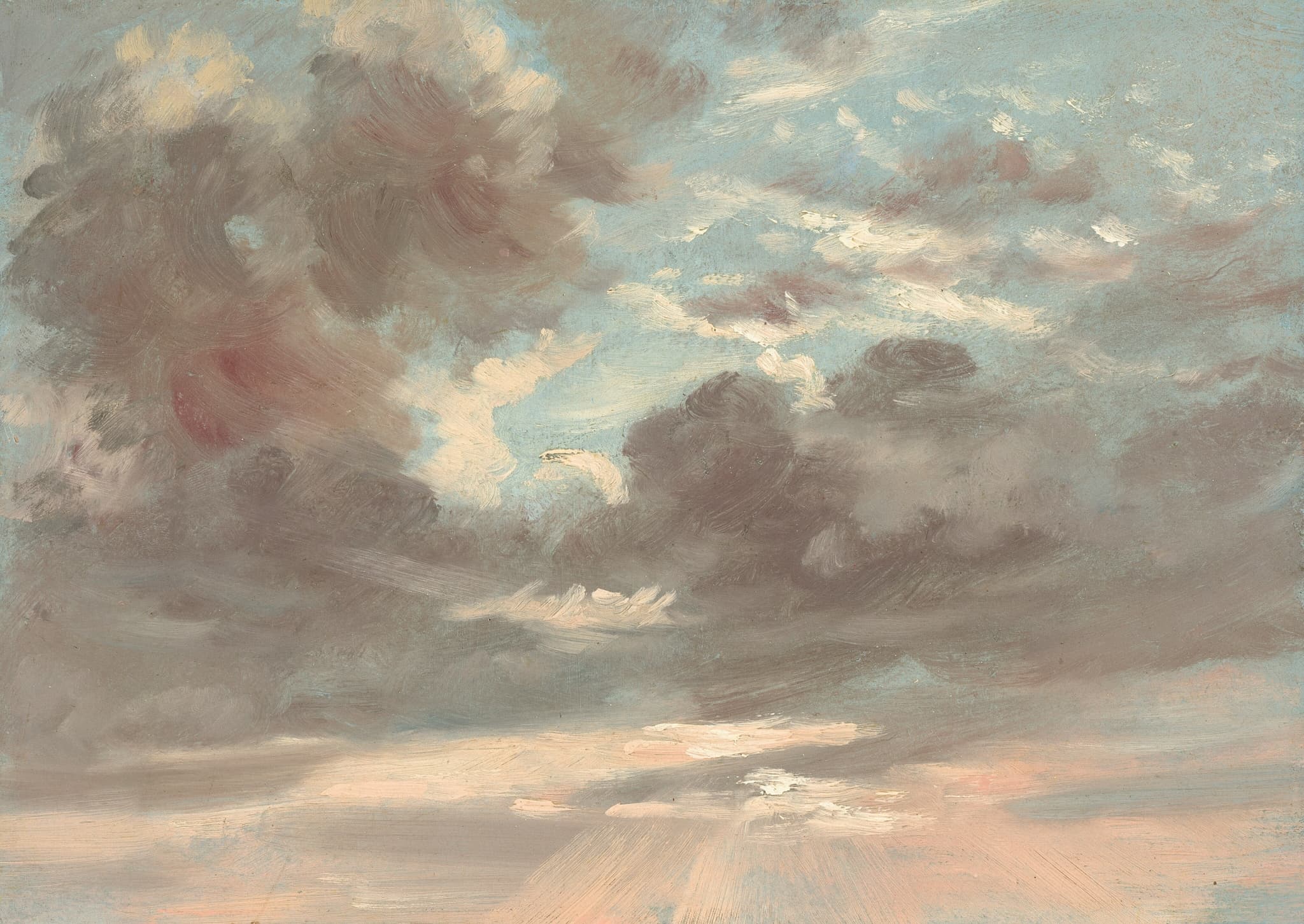
$0.9–1.5 million
Cloud Study: Stormy Sunset is an off‑market, museum‑held Hampstead sky study by John Constable (c.
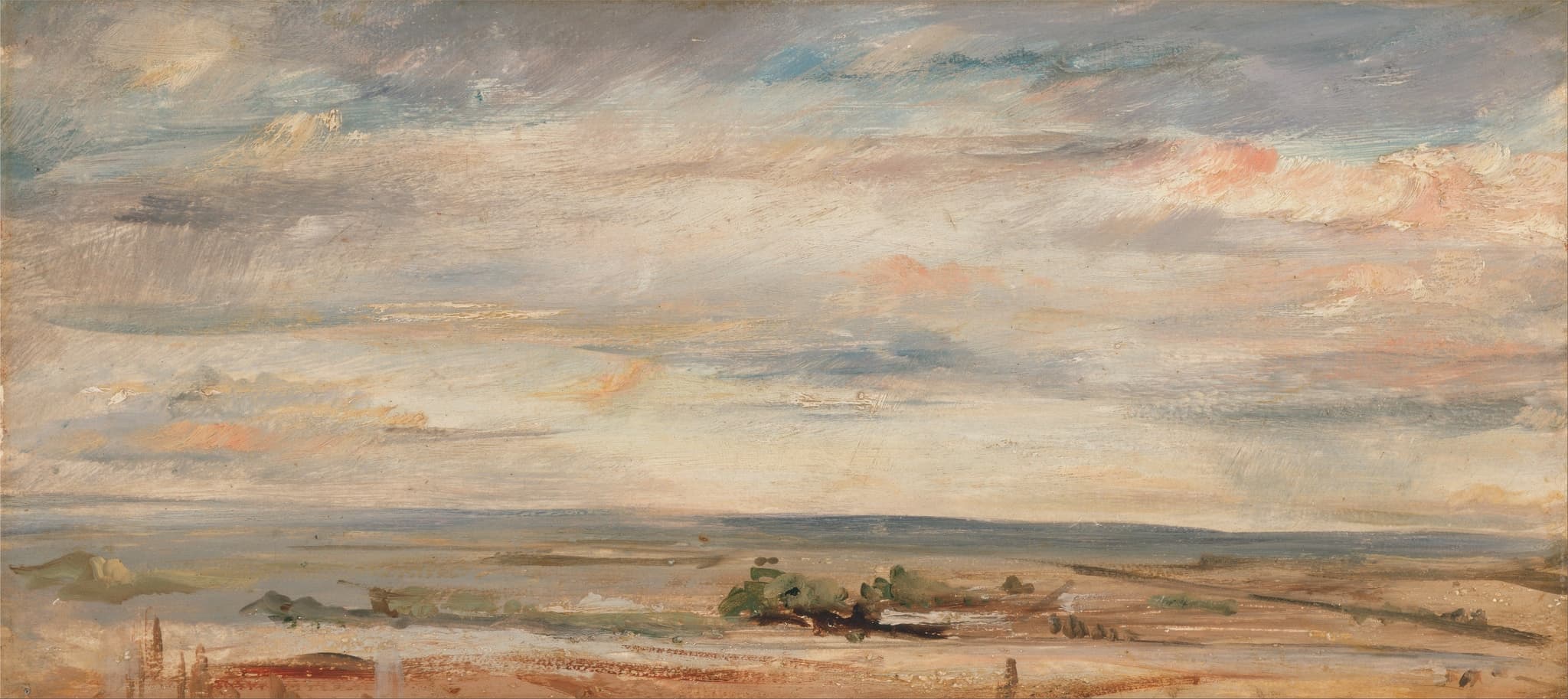
$900,000–$1,300,000
For an authentic Hampstead sky study by John Constable (oil on paper laid down, c.
Market Context
John Constable occupies a blue‑chip position in 19th‑century British art: his auction record is $35.2 million for The Lock (Christie’s London, 2012), while oil sketches, studies and strong drawings more commonly trade in the low‑ to mid‑six figures and occasionally reach seven figures; exceptional finished oils can achieve eight‑figure sums. Major works largely sit in UK institutions and other museums, so supply of masterpiece canvases is extremely limited, producing outsized premiums and episodic, high‑value sales when museum‑quality pictures appear. Recent years (2025–26) have seen healthy competition for authenticated rediscoveries and choice studies—reinforced by exhibition programming and scholarly attention—confirming selective but resilient institutional and advanced‑collector demand; provenance, condition and venue remain decisive.
Study prints from famous works by John Constable
Curated print bundles pairing the full artwork with a close reading of one meaningful detail.
