How Much Is A Huguenot, on St. Bartholomew's Day Worth?
Last updated: May 11, 2026
Quick Facts
- Methodology
- comparable analysis
If authenticated as the primary 1851–52 oil, in good condition and with a strong provenance/exhibition history, the painting is estimated at $2,000,000–$8,000,000 (buyer price). If it proves to be a reduced replica, studio version, or has significant condition/provenance issues, expect materially lower values (mid‑hundreds of thousands up to about $2,000,000).
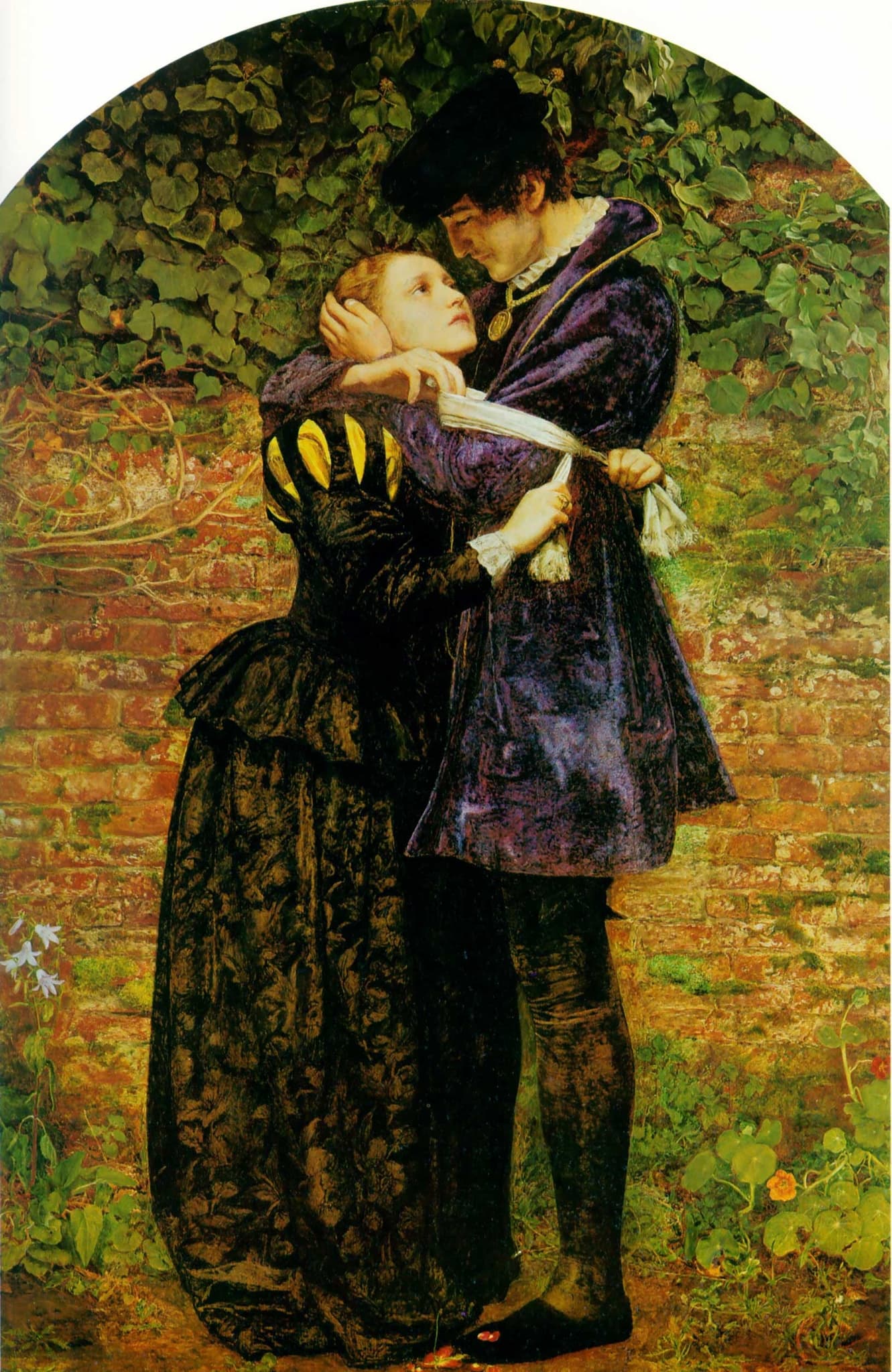
A Huguenot, on St. Bartholomew's Day
John Everett Millais, 1852 • Oil on canvas
View more by John Everett Millais →Valuation Analysis
Valuation basis and headline estimate: This appraisal applies a comparable‑analysis approach using public auction precedents for Sir John Everett Millais and the known documentary record for A Huguenot. If the work in hand is the primary 1851–52 oil (commonly recorded in the private Makins Collection), is authenticated, and is in sound structural and surface condition with full provenance and exhibition/literature citations, the reasonable buyer‑price market range is $2,000,000–$8,000,000 (USD). If the object is a reduced replica, studio copy, or suffers significant condition or provenance defects, expect a substantially lower outcome in the mid‑hundreds of thousands to about $2,000,000.
Comparables and how they inform the band: Major Millais narrative oils that have reached the open market provide the clearest guidance. Christie’s sale of Sisters (London, 2013) and the earlier benchmark Sleeping (1999) show that top museum‑quality Millais canvases can command multi‑million results; smaller or less canonical examples are typically in the low‑to‑mid six‑figure range. Recent Bonhams results for smaller Millais oils (e.g., Forget‑Me‑Not, 2023; Il Penseroso, 2025) illustrate the lower tier of realized prices and underscore the sharp premium commanded by scale, subject importance and provenance [2][3]. The estimate therefore reflects a two‑tier market: the upper tier for the principal exhibited canvas and a lower band for variants/studies.
Key value drivers and risks: Authentication (catalogue raisonné entry and scholarly endorsement), complete and demonstrable provenance including early ownership and exhibition history, and a clean, stable condition/conservation record are decisive. Any substantial overpaint, unstable relining, or undocumented restoration will reduce competitive bidding and materially lower realized price. Legal or cultural property constraints (UK export/license rules) can restrict buyer pools and affect sale timing and location. Given the painting’s documented private ownership and rarity of comparable museum‑quality Millais works coming to market, the $2–8M band is a prudent market estimate pending confirmation of attribution, condition and provenance [1][4].
Recommended next steps: obtain high‑resolution recto/verso images, commission a technical and conservation report (infrared/UV/x‑radiography), assemble provenance and exhibition documentation, and submit materials to Victorian/Pre‑Raphaelite specialists at Christie’s, Sotheby’s or Bonhams for a formal pre‑sale valuation and sale strategy. Top‑room evening sale or a curated single‑owner presentation will maximize the chance of achieving the upper end of the range; private treaty or specialist sales are better suited to lower‑tier or condition‑affected examples.
Key Valuation Factors
Art Historical Significance
High ImpactA Huguenot (1851–52) is an important early‑mature narrative by Millais and an established example of his Pre‑Raphaelite practice. While not as singularly iconic as Ophelia, the subject is widely discussed in nineteenth‑century exhibition records and Victorian scholarship and occupies a firm place in the artist’s narrative output. That degree of art‑historical significance increases institutional interest and collector competition when a principal canvas comes to market, supporting higher reserve levels and stronger bidding than for studies, replicas or late portraits. In practice, historical importance is one of the primary upward pressures on realized price for this work.
Provenance & Exhibition History
High ImpactDocumented and prestigious provenance materially affects value. Sources list the principal 1851–52 oil as being in the private Makins Collection, which is consistent with a picture rarely offered in public sale. A continuous provenance back to early distinguished owners plus documented exhibition entries (for example Royal Academy display) and citations in catalogues raisonnés or scholarship will widen the buyer pool and command a premium. Conversely, gaps, unrecorded transfers, or contested title introduce risk, reduce auction competitiveness, and commonly depress realized prices by a significant margin; well‑documented lineage can add an estimated 20–50% uplift relative to an otherwise comparable but poorly documented work.
Condition & Conservation
High ImpactCondition is decisive for Millais oils. Original, stable paint surfaces and professional conservation records preserve value; structural problems (unstable canvas, heavy relining), significant non‑period overpaint or visible restorations can materially reduce buyer confidence. In market terms, major condition defects commonly reduce fair market expectations by 25–50% or more, and unknown condition elevates buyer discounts. A full technical report (infrared reflectography, UV, x‑ray, pigment analysis where appropriate) and an independent conservator’s assessment are therefore prerequisites for any reliable final valuation and are likely to influence the recommended sale route and reserve strategy.
Market Liquidity & Comparables
Medium ImpactLiquidity for top‑tier Millais narrative oils is concentrated among institutions, specialist private collectors and a small number of dealers; when high‑quality examples appear they can reach multi‑million results, but such occurrences are infrequent. Recent auction history shows a bifurcated market: a small number of high‑end outcomes (multi‑million) versus a larger volume of smaller‑scale works realizing in the low‑to‑mid six‑figures. This dynamic means accurate positioning and specialist marketing are essential to achieving upper‑band prices, while less carefully marketed or condition‑problem works will likely trade at the lower band.
Sale History
A Huguenot, on St. Bartholomew's Day has never been sold at public auction.
John Everett Millais's Market
Sir John Everett Millais is one of the leading Pre‑Raphaelite painters with enduring institutional representation and collector interest. The artist’s auction record is polarized: a handful of large narrative oils have set low‑to‑mid million dollar results, while many offerings (smaller oils, later portraits, works on paper) sell in the low‑to‑mid six‑figures. Top results demonstrate collector appetite but are intermittent and depend on provenance, condition and exhibition history. For sellers of museum‑quality Millais canvases, targeted specialist sales or curated single‑owner presentations tend to produce the best outcomes, whereas undistinguished or poorly documented works generally realize much lower prices.
Comparable Sales
Sisters (1868)
Sir John Everett Millais
Major narrative oil by Millais; similar scale/market position to A Huguenot and represents the artist's modern auction high‑water mark (demonstrates demand for museum‑quality Millais narrative oils).
$3.5M
2013, Christie's London
~$4.8M adjusted
Sleeping
Sir John Everett Millais
Large, high‑quality Millais oil that set an earlier auction record; useful as a top‑end comparable for what collectors will pay for a major narrative canvas in good condition and provenance.
$3.3M
1999, Christie's London
~$6.5M adjusted
Forget‑Me‑Not
Sir John Everett Millais
Smaller Millais oil sold recently; represents mid‑market pricing for good‑quality but less iconic Millais pictures — useful as a lower‑end/market‑floor comparable.
$412K
2023, Bonhams London
~$438K adjusted
Il Penseroso (1887)
Sir John Everett Millais
Late‑period/smaller Millais oil sold in 2025; illustrates recent realised prices for less significant or late works and helps define a conservative value scenario (replica/study/weak provenance).
$260K
2025, Bonhams London (online, Guy Bailey collection)
Current Market Trends
Since 2023 the high end of the global auction market has softened and 2024 saw a contraction in blockbuster turnover. For Victorian and Pre‑Raphaelite works this has meant fewer multi‑million public auctions and a greater reliance on private treaty and specialist departmental sales. Institutional and specialist collectors remain the primary buyers for high‑quality Millais canvases, so works with strong provenance and exhibition histories continue to attract competitive bids; however, frequency of top‑tier outcomes has diminished and sale strategy/timing are now more influential than in prior years.