Most Expensive John Everett Millais Paintings
John Everett Millais occupies a singular position in the high end of Victorian art markets: his Pre-Raphaelite mastery and uncanny ability to combine painstaking naturalism with dramatic storytelling make his paintings consistently collectible and competitive at auction. At the summit sits Ophelia, the iconic, botanically precise portrait of tragic beauty valued today in the extraordinary range of $80–120 million, a testament to rarity, cultural resonance and museum demand. Lesser but still sought-after canvases reflect both narrative power and market appetite — Christ in the House of His Parents has fetched between $4–15 million, while Mariana (in the Moated Grange) and The Order of Release, 1746 appear in the $3–10 million and $3–6 million bands respectively. Works such as A Huguenot, Bubbles (A Child’s World) and The Vale of Rest trade in the $2–8 million neighborhood, and even more modestly priced pieces like The Black Brunswicker, The Blind Girl and Autumn Leaves (ranging from roughly $500,000 to $5 million) command attention for provenance, condition and the enduring allure of Millais’s light, finish and storytelling.
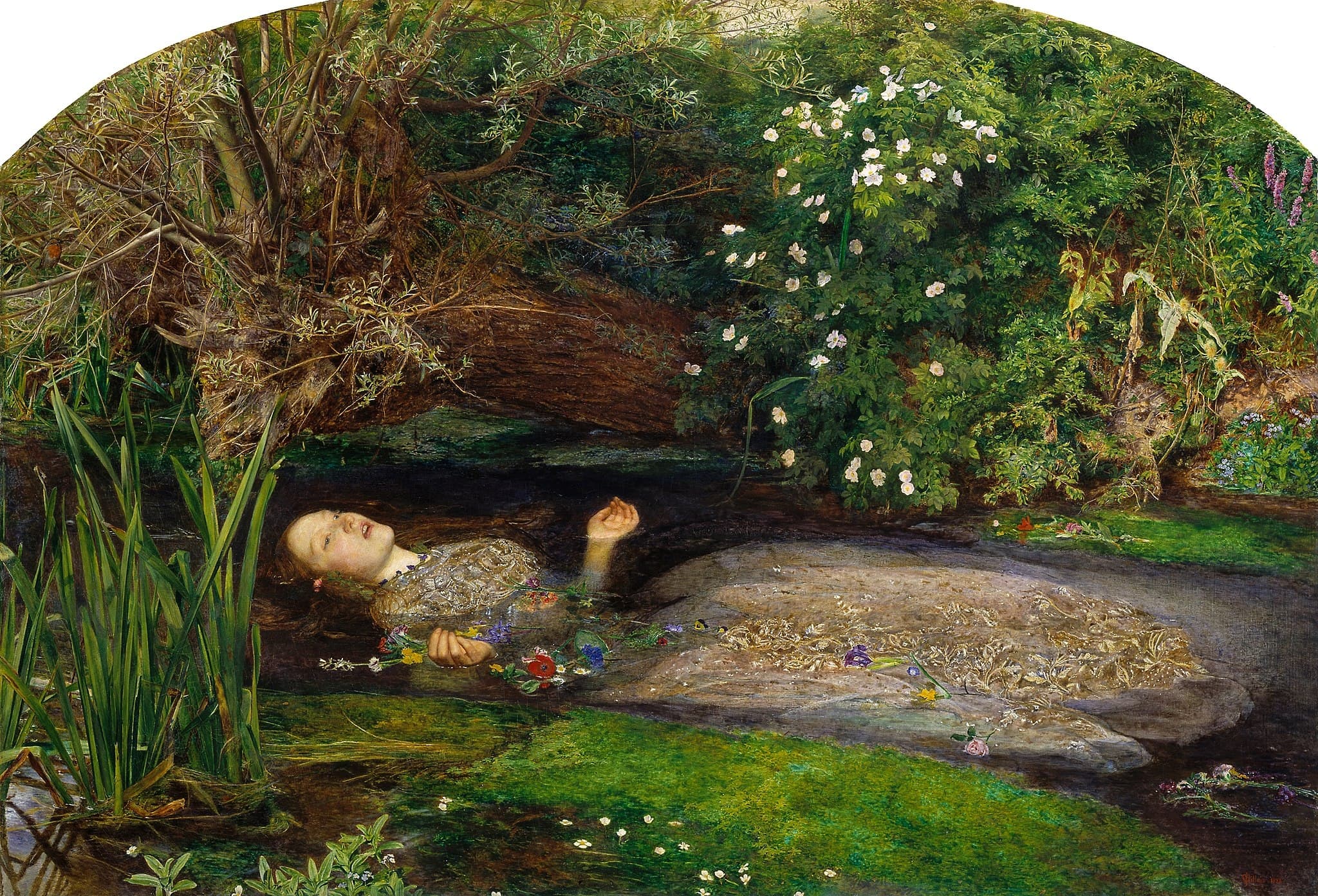
$80-120 million
Valued at $80–120M based on its singular Pre‑Raphaelite iconic status and recent top‑tier British historical sales (Reynolds Omai £50M; Turner £30.3M) anchoring private‑treaty pricing.
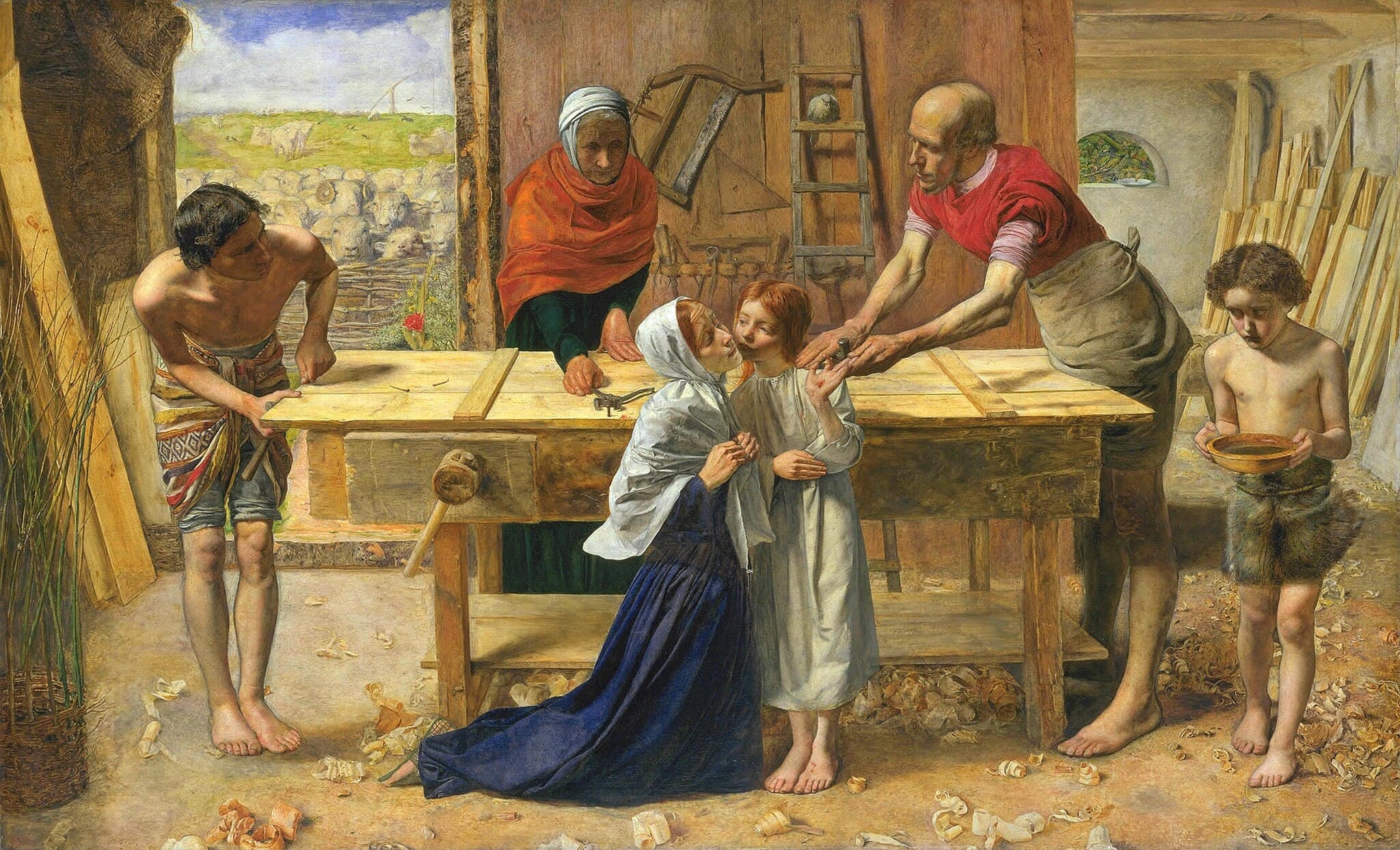
$4-15 million
Estimated $4–15M as a museum‑quality Millais that would face UK export/deaccession constraints, tempering its auction potential despite canonical importance.
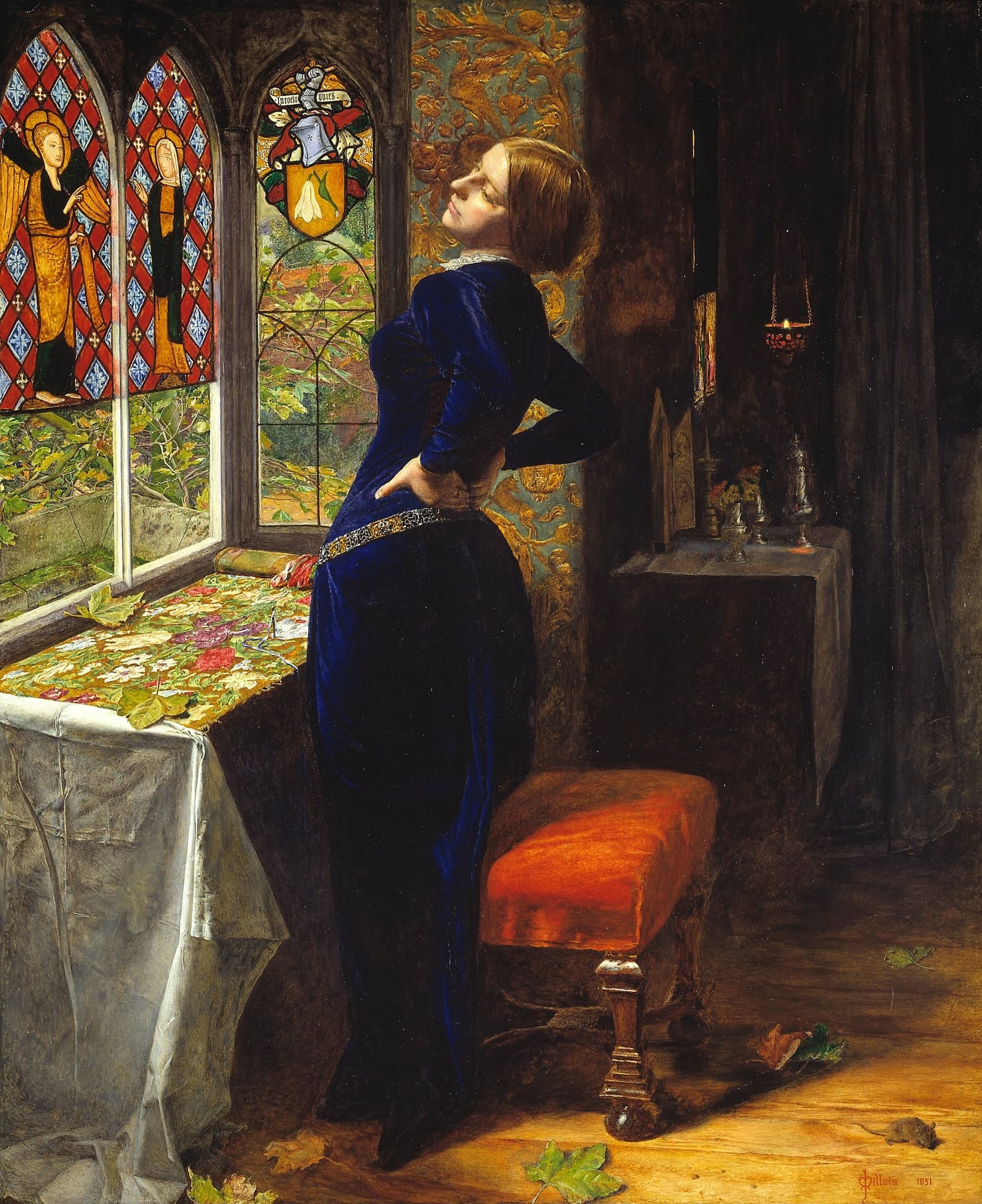
$3,000,000–$10,000,000
Valued $3–10M if autograph full‑scale oil, but drops to $150K–$1.2M for autograph studies or $5K–$50K for later copies based on past Millais market tiers.
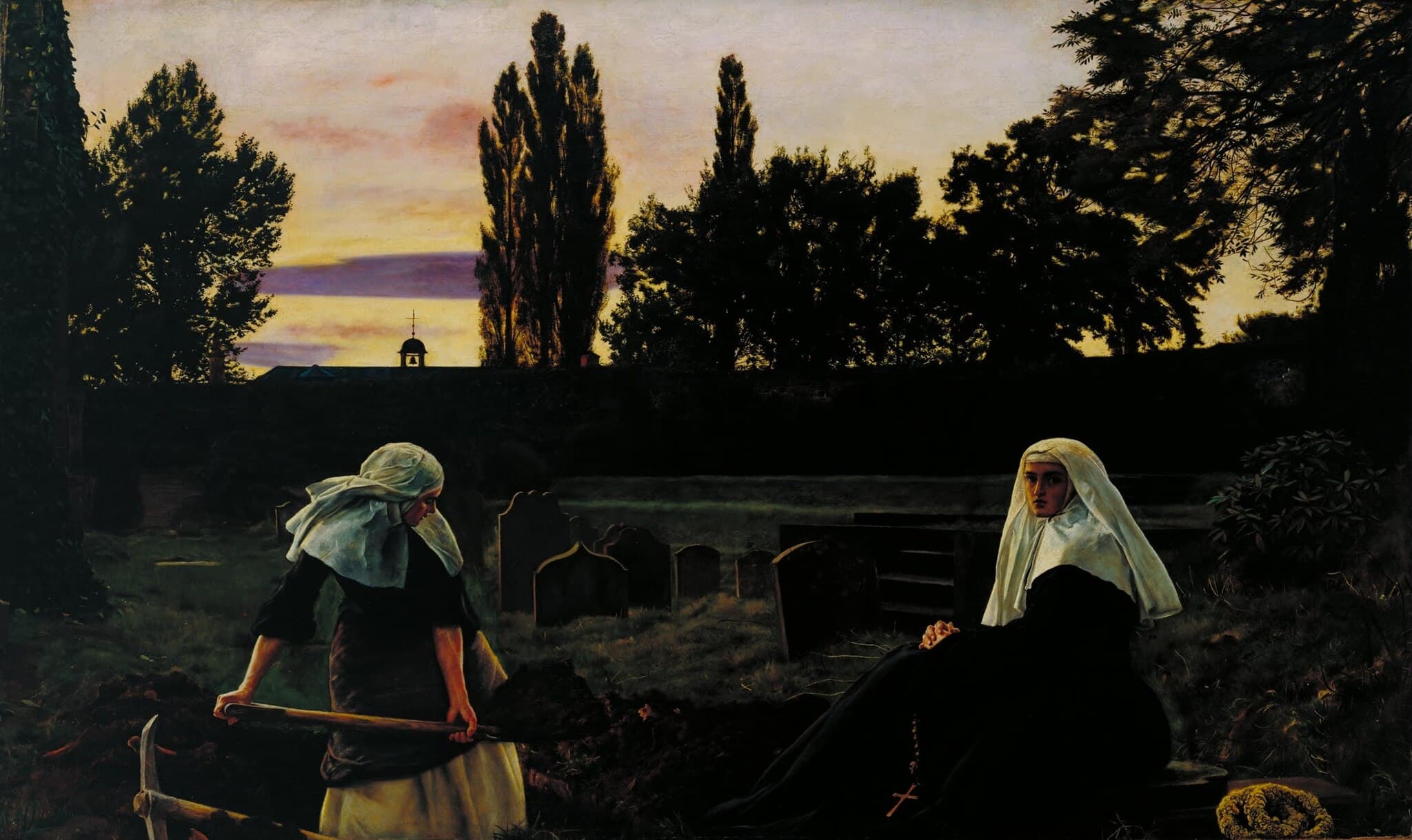
$2,500,000–$8,000,000
Theoretical $2.5–8M auction range for this museum‑quality Tate oil, derived from large Millais comparables (eg. Christie's 'Sisters' 2013) and its institutional exhibition history.
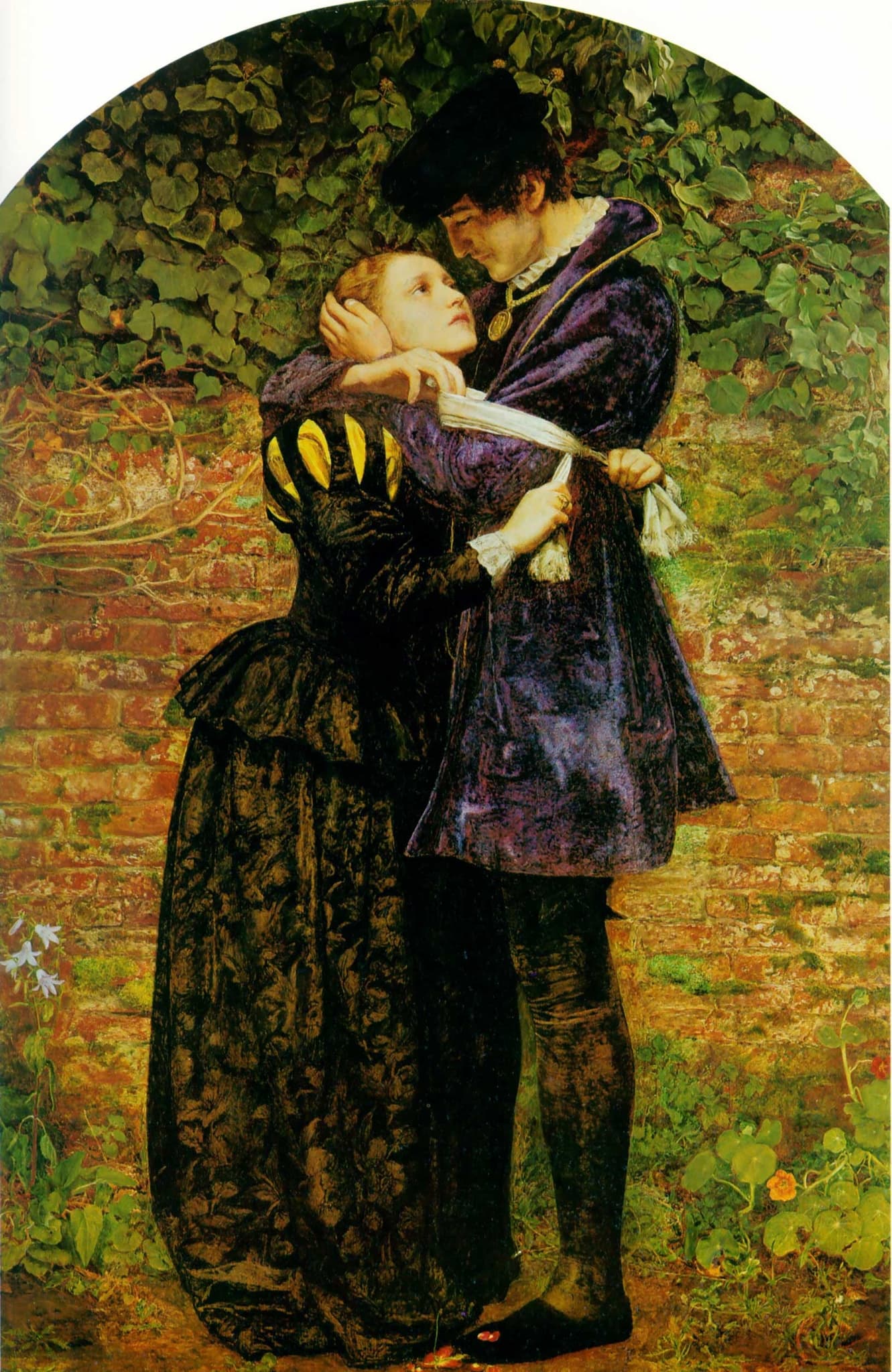
$2-8 million
Estimated $2–8M assuming primary 1851–52 autograph with strong provenance and condition, with replicas or provenance issues collapsing value into mid‑hundreds of thousands.
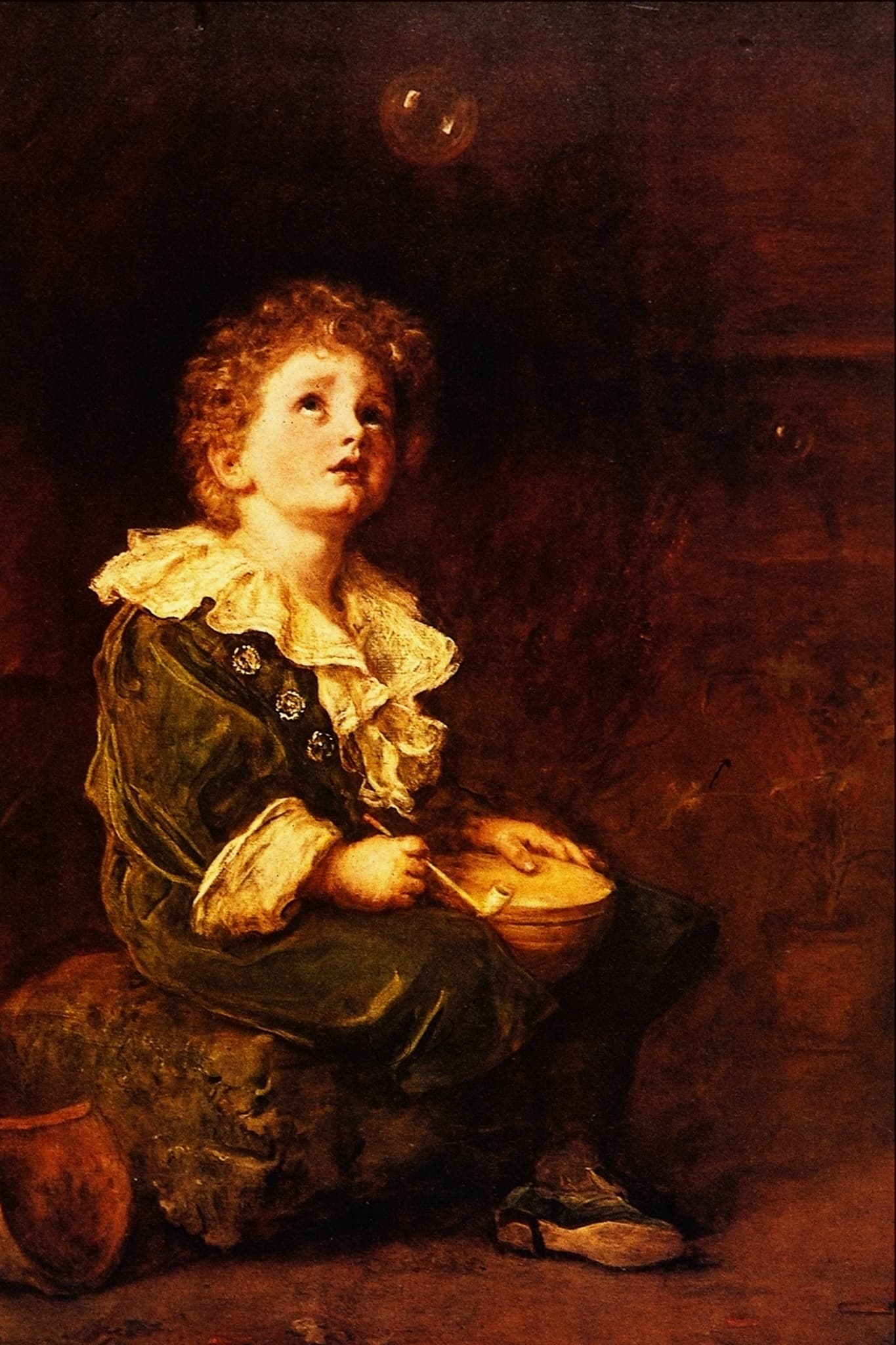
$2-8 million
Provisional $2–8M reflecting museum/Lever provenance, wide public recognition from Pears advertising, and recent Millais sale comparables driving buyer expectations.
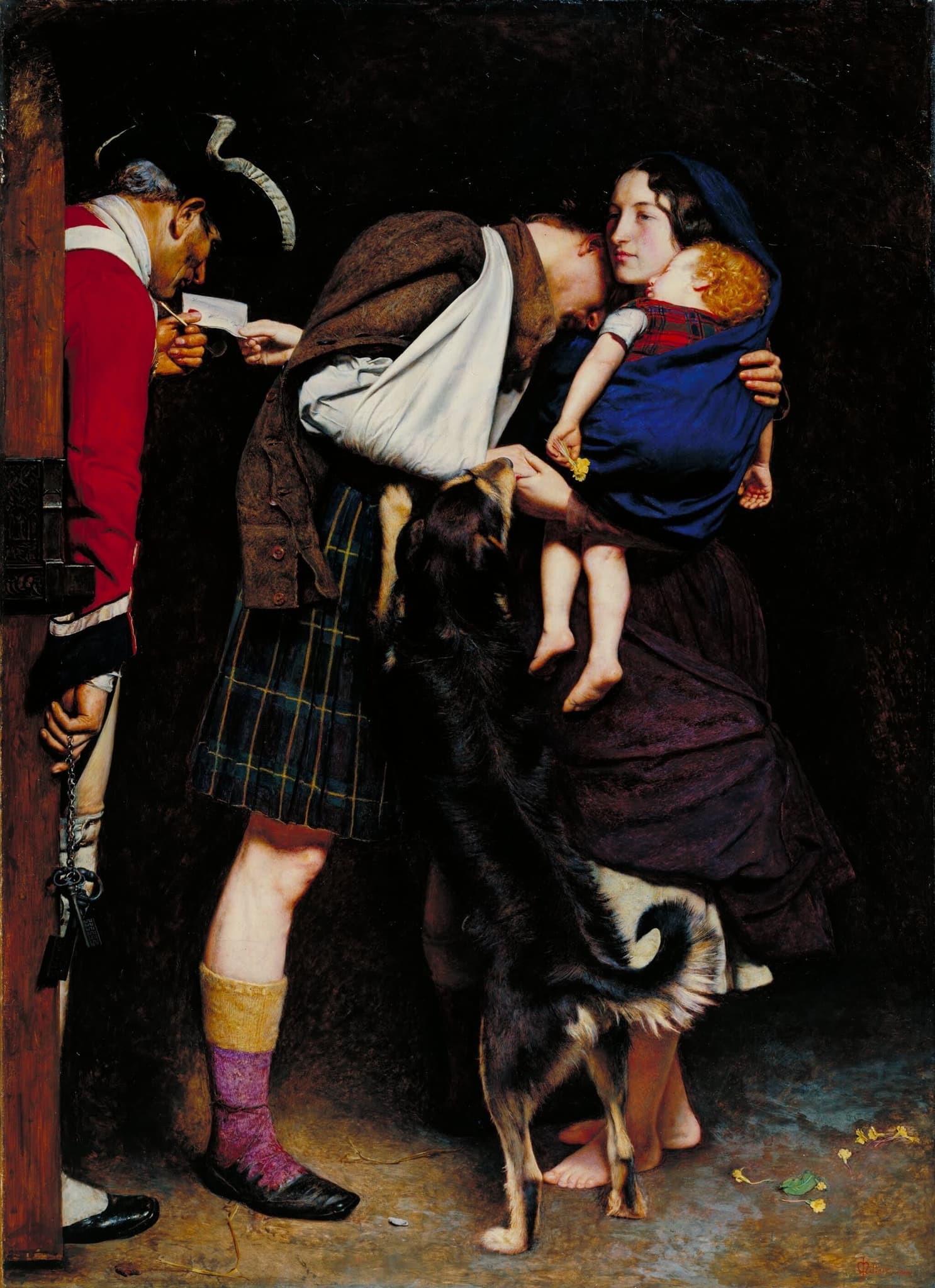
$3,000,000-$6,000,000
Projected $3–6M (with upside to ~$8M in exceptional bidding) for this Tate‑held narrative Pre‑Raphaelite oil, based on direct Millais auction comparables.
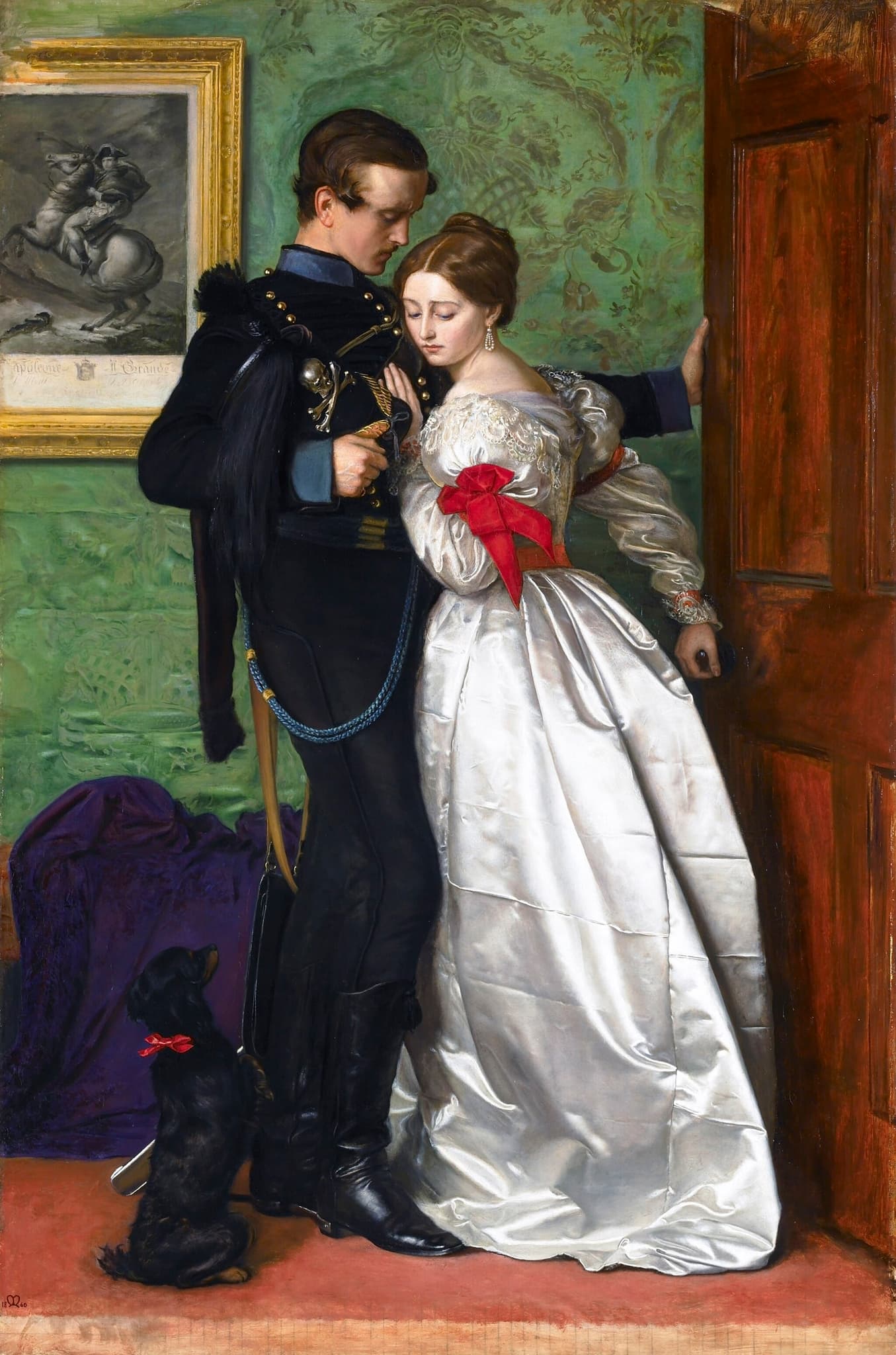
$1,000,000–$5,000,000
Hypothetical $1–5M estimate for this Lady Lever accession, reflecting scarcity of major Millais oils at auction and typical museum‑quality sale outcomes.
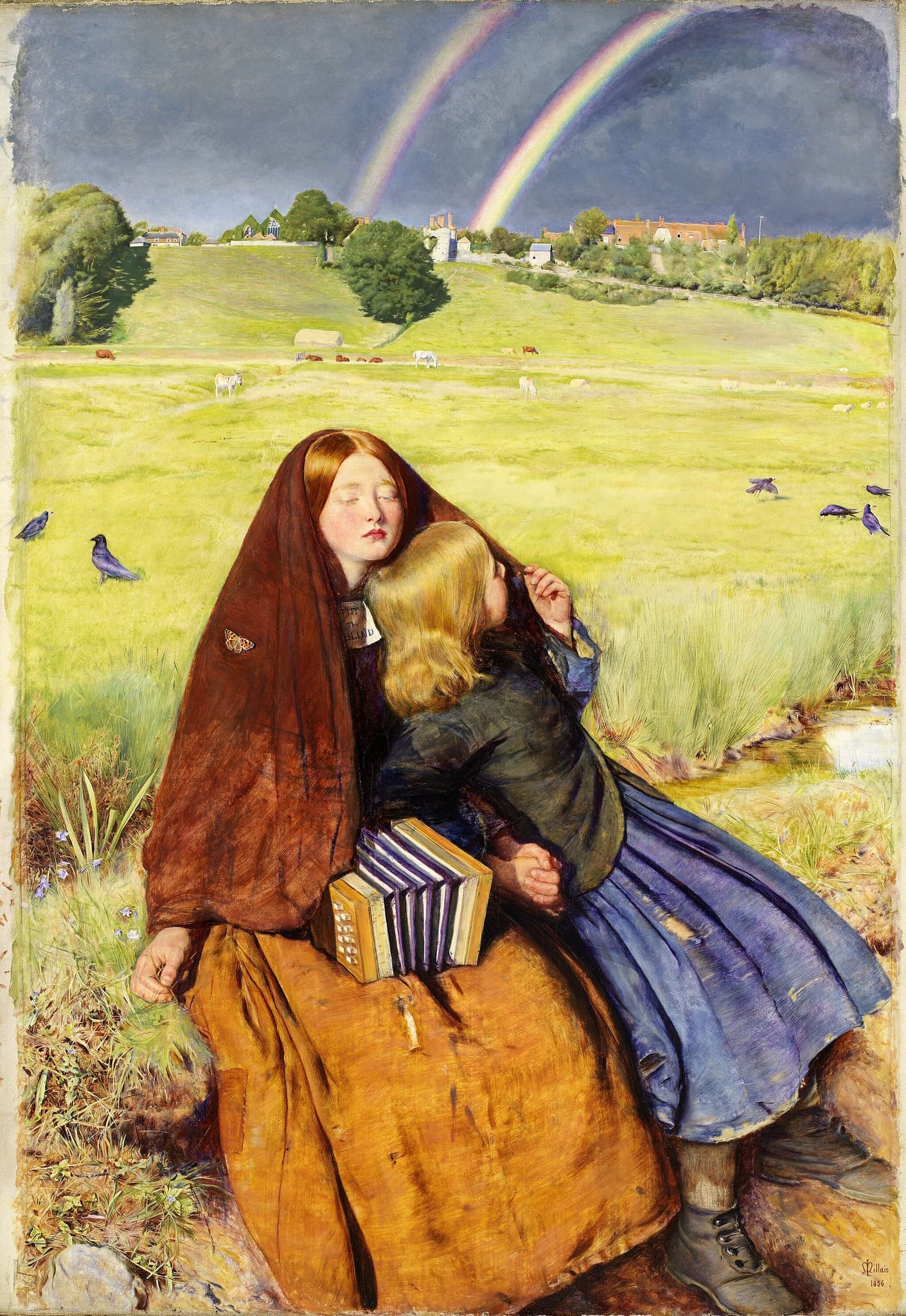
$1,000,000–$4,000,000
Valued $1–4M if autograph full‑scale oil with solid provenance; attribution uncertainty or study status would more likely place it at ~$100K–700K.
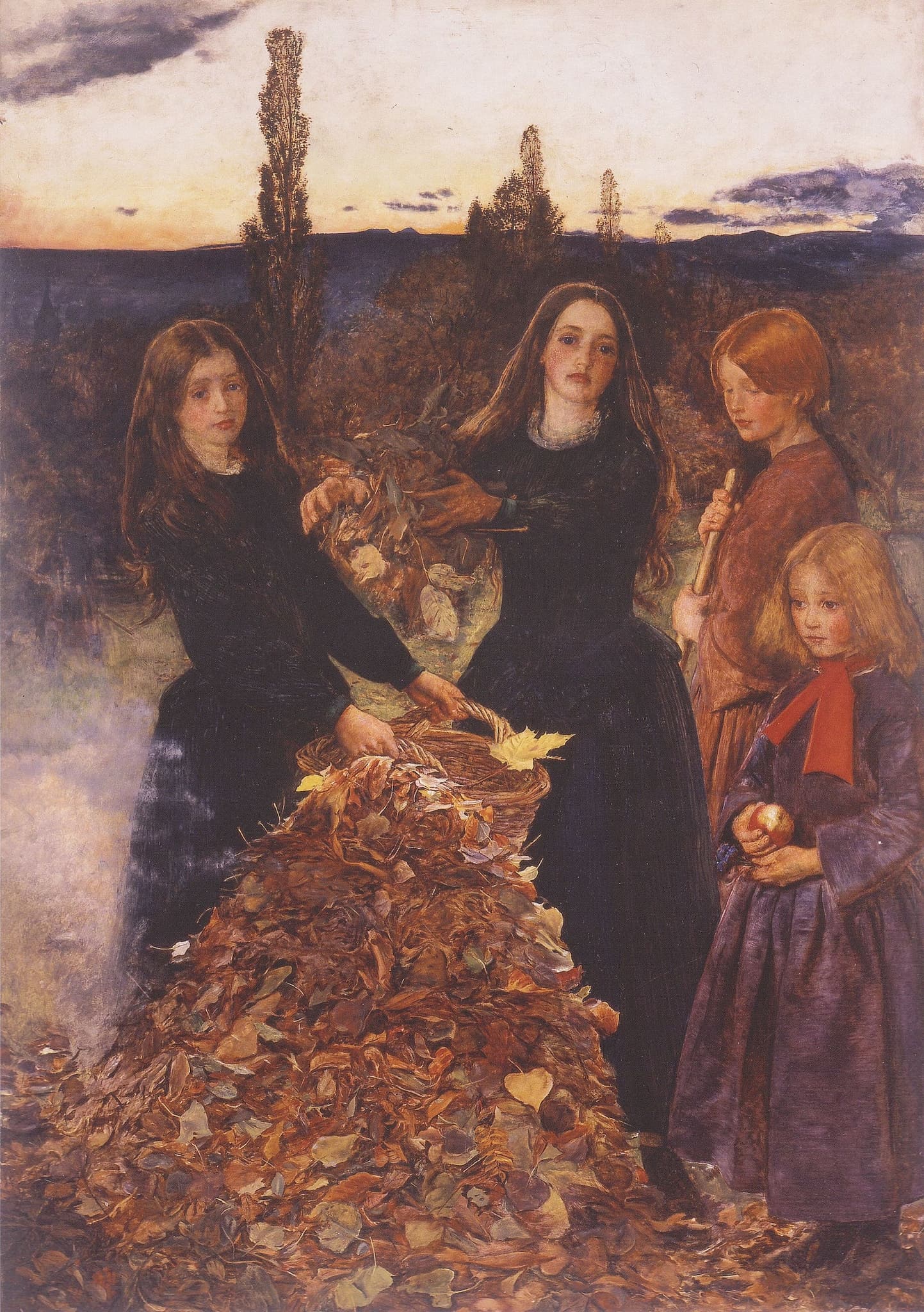
$500,000 - $3,000,000
Estimated $500K–3M for this mid‑career Millais based on recent finished‑oil comparables, long institutional provenance, and assumed good condition/documentation.
What Drives Value in John Everett Millais's Work
Prime Pre‑Raphaelite Period (1851–56) as Trophy Works
Millais’s highest‑value spectrum is dominated by early, prime‑period Pre‑Raphaelite canvases — fully finished, large narrative or literary pictures from c.1851–56. Ophelia, A Huguenot, The Blind Girl, Mariana and Autumn Leaves exemplify this cohort: they show his characteristic underdrawing, jewel‑like colour and photographic naturalism. Buyers treat these specific years and finishes as the artist’s canonical output, creating a steep premium over later or sketch‑like works.
Autograph vs. Studio/Replica Attribution
For Millais the single biggest price cliff is attribution: an uncontested autograph, full‑scale painting (e.g., canonical Mariana or The Order of Release) sits in a very different market band than a studio replica, reduced version or follower’s copy. Many market entries are studies or workshop variants; technical proof of Millais’s hand (underdrawing, pigments) is therefore decisive in converting institutional interest into multi‑million bids versus mid‑six‑figure outcomes for non‑autograph pieces.
Museum Provenance + Supply Scarcity
Millais’s top pictures are disproportionately museum‑held (Ophelia, Christ in the House, The Vale of Rest, The Order of Release, Bubbles), which both elevates theoretical value and practically removes supply. Public custody supplies provenance, exhibition history and technical conservation — increasing price anchors — yet it also creates deaccession, export and political frictions that limit real market liquidity and concentrate likely buyers to institutions or philanthropically‑minded collectors.
Iconic Image Brand Equity and Commercial Afterlife
Certain Millais images carry outsized non‑scholarly value through cultural recognition: Ophelia’s global iconic status and Bubbles’ Pears advertising afterlife materially expand the buyer pool beyond Pre‑Raphaelite specialists. That recognizability reduces education risk and can lift prices above standard Millais comparables, because these works trade as cultural trophies as much as academic examples — a distinct, artist‑specific pricing vector tied to reproducibility and public familiarity.
Market Context
Sir John Everett Millais (1829–1896) remains a leading, museum‑represented Pre‑Raphaelite whose auction market is selective and tiered: his record is Sisters, £2.30 million (Christie’s London, 2013), while many later and mid‑career works typically realize mid‑six‑figure to low‑seven‑figure totals when top quality and provenance align. Since 2023 the global top‑end has softened and 2024 saw disciplined estimates, fewer blockbuster consignments and greater reliance on private treaty or guaranteed sales, yet institutional buyers and major museums continue to drive resurgent demand for A‑grade, well‑exhibited canvases. Supply of museum‑quality Millais is thin, so when canonical PRB icons appear competition can be strong; mid‑tier works remain price‑sensitive and depend heavily on attribution, condition and sale strategy.
Study prints from famous works by John Everett Millais
Curated print bundles pairing the full artwork with a close reading of one meaningful detail.
