How Much Is The Black Brunswicker Worth?
Last updated: May 11, 2026
Quick Facts
- Methodology
- comparable analysis
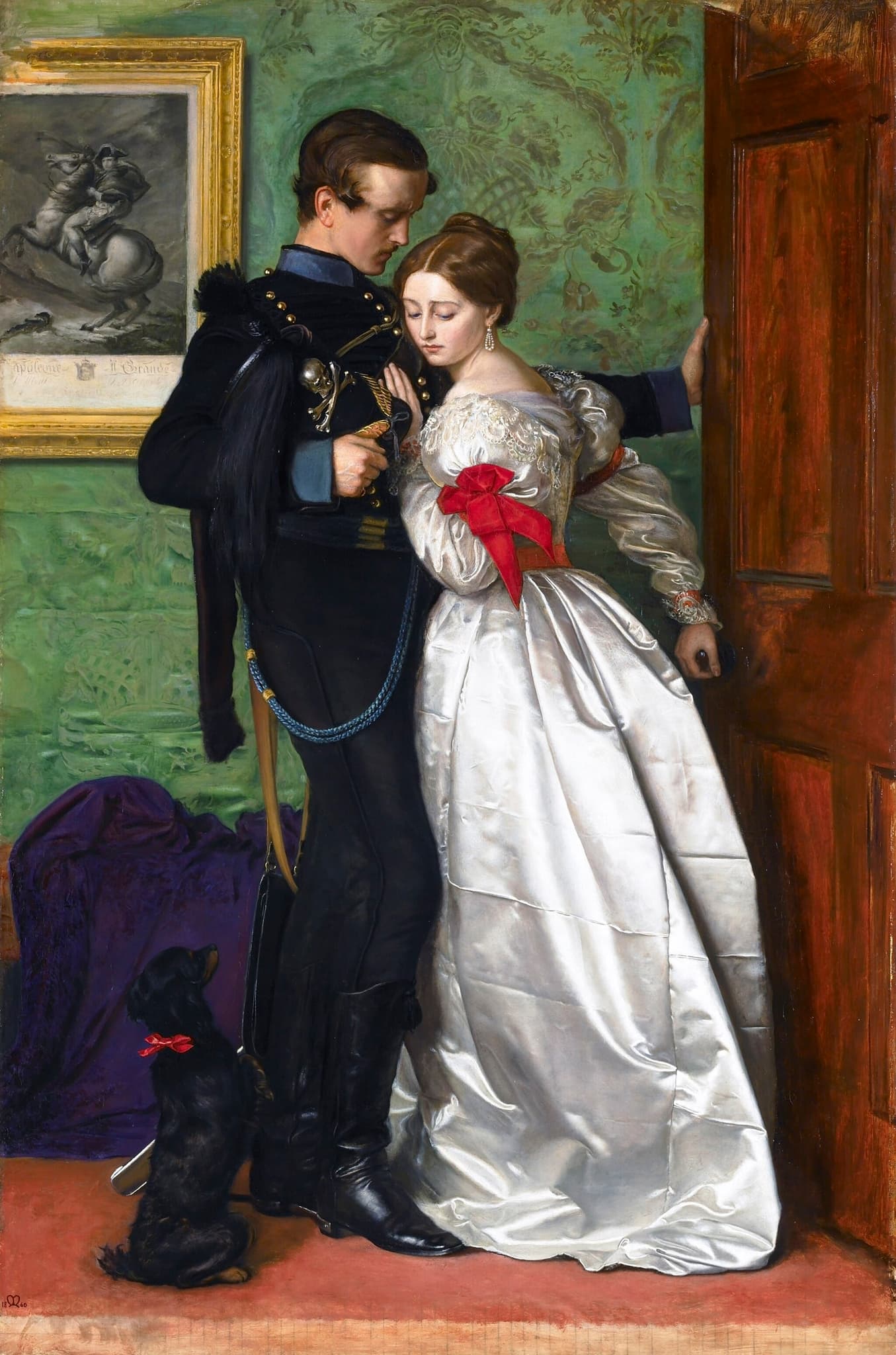
The Black Brunswicker (1860) is an autograph John Everett Millais oil accessioned to the Lady Lever Art Gallery and is not on the market. If hypothetically offered in good condition with full museum‑quality provenance and a major‑house sale, a realistic auction estimate is USD 1,000,000–5,000,000 based on recent Millais comparables and scarcity of major oils at auction.
Valuation Analysis
Current status and provenance. The Black Brunswicker (1860) by Sir John Everett Millais is an autograph oil currently accessioned in the Lady Lever Art Gallery (National Museums Liverpool, accession LL 3643) and is not on the open market. Early documentary provenance is strong: the canvas was reportedly sold by Millais to dealer Ernest Gambart (reported 1,000 guineas), resold from the Thomas Plint collection at Christie’s in 1862 (recorded 780 guineas), and later acquired by William Hesketh Lever in 1898 before entering the Lady Lever holdings [1]. Because of its institutional ownership there is no modern public‑sale result for this specific autograph canvas, which must be factored into any hypothetical market appraisal.
Comparable sales and market anchors. When assessing market potential I rely on major auction anchors and representative mid‑market results. The principal high‑end anchor is Christie’s sale of Sisters (11 July 2013, £2,301,875), which demonstrates that large, museum‑quality Millais oils can achieve low‑to‑mid millions in a competitive sale environment [2]. Other relevant outcomes include Sotheby’s and Bonhams sales in 2022–2025 where mature Millais oils have realized in the low‑to‑mid six‑figure GBP band (for example Bonhams' Forget‑Me‑Not, March 2023), indicating that typical market realizations for good but less iconic Millais works often sit beneath the top anchors [3]. The scarcity of major Millais oils in the market increases the sensitivity of a price to condition, provenance and sale venue.
Methodology and numerical justification. Using a comparable‑analysis approach—weighting the above auction anchors, the painting’s documented 19th‑century provenance and the rarity of Millais pictures offered publicly—I estimate a hypothetical auction range of USD 1,000,000 to USD 5,000,000 for an autograph, well‑preserved, catalogue‑quality Black Brunswicker sold through a major saleroom. The lower bound reflects conservative market appetite or limited exhibition/publication history; the upper bound reflects the realized potential of major autograph Millais canvases when competitively marketed. Studio replicas, reductions, or works with unresolved attribution would typically fall below this band.
Contingencies and recommended next steps. This conditional estimate assumes confirmed autograph status, precise dimensions, and a recent condition report. To refine the valuation I recommend obtaining high‑resolution imagery, a full written conservation report, technical analysis if provenance is in doubt (X‑ray, pigment analysis), and a formal appraisal from a UK pictures specialist at Christie’s, Sotheby’s or Bonhams. Institutional ownership introduces governance considerations; any actual transaction would require curator approval and possibly trustee oversight.
Conclusion. In short: the Lady Lever canvas is a well‑provenanced, museum‑held Millais and therefore not market‑available; if it were offered under optimal conditions it would most plausibly realize in the USD 1.0–5.0 million range, with final outcome driven by condition, exhibition history and sale timing [1][2].
Key Valuation Factors
Art Historical Significance
Medium ImpactThe Black Brunswicker is an 1860 composition by Millais that sits within his mature Pre‑Raphaelite/genre output. It is not among Millais’ globally iconic canvases (e.g., Ophelia, The Order of Release), but it is a recognized subject in specialist Pre‑Raphaelite literature and demonstrates the technical finesse and narrative interest associated with his high‑quality mid‑career work. Its art‑historical standing is therefore meaningful to informed collectors but not sufficient by itself to guarantee top‑tier trophy pricing; significance is best described as medium—important to specialists and competitive collectors but secondary to Millais’ best‑known masterpieces.
Provenance & Exhibition History
High ImpactProvenance is a major positive: early documented ownership (sale to Ernest Gambart; resale in the Plint sale; acquisition by W. H. Lever) and long‑standing institutional custody at the Lady Lever materially increase buyer confidence and marketability. Museum ownership typically implies well‑documented chain of title and likely conservation records, which reduce transaction risk. If the work also has exhibition or publication history, that would further enhance desirability and could move a mid‑market estimate toward the high end of the USD 1M–5M band.
Condition & Technical Authenticity
High ImpactCondition and technical authenticity are critical determinants of final price. A Millais in good structural and surface condition with documented conservation history will attract stronger bidding; conversely, relining, heavy restoration or losses reduce marketability and value. Technical analysis (X‑ray, IR, pigment analysis) and an up‑to‑date condition report are necessary to confirm the attribution and to quantify any discounts. Institutional custody suggests a likelihood of acceptable conservation, but an explicit report is required for firm valuation.
Market Comparables & Rarity
High ImpactMajor autograph Millais oils rarely appear at auction; when they do they can command multi‑million sums (Christie’s Sisters, 2013). More commonly, signed Millais pictures at specialist salerooms realize in the low‑to‑mid six‑figure GBP band. This pattern creates a steep pricing slope: scarcity of top examples elevates the potential ceiling, while more typical mid‑quality works settle at materially lower levels. Reliable comparables (date, scale, provenance, sale venue) therefore exert strong influence on a final estimate.
Market Liquidity & Institutional Ownership
Medium ImpactInstitutional ownership reduces immediate market liquidity because such works are rarely deaccessioned. A museum‑held Millais offered for sale (via deaccession or private negotiation) would attract concentrated institutional and high‑net‑worth interest, but the processes and governance around institutional sales can suppress or delay market exposure. If offered publicly at a major house, however, the novelty of a Lady Lever Millais could stimulate strong, competitive bidding. Liquidity is therefore medium—limited supply increases price sensitivity, but actual sale opportunities are infrequent.
Sale History
John Everett Millais's Market
John Everett Millais is one of the most commercially important British Pre‑Raphaelite artists. His top‑tier autograph oils have produced seven‑figure outcomes at major houses when they appear, though many of his most desirable works are museum‑held and therefore rarely offered. The secondary market shows a bimodal pattern: a small number of museum‑quality canvases can reach low‑to‑mid millions, while more common signed works and studies regularly trade in the low‑to‑mid six‑figure GBP band at specialist salerooms. Strong provenance, exhibition history and condition materially elevate prices.
Comparable Sales
Sisters (1868)
John Everett Millais
World‑auction record for Millais; large, museum‑quality autograph oil — serves as the high‑end anchor for marketability of major Millais paintings.
$3.5M
2013, Christie's London
~$4.6M adjusted
Sleeping
John Everett Millais
Recent multi‑million sale of a mature Millais oil in current market conditions — a close, market‑relevant comparable for a museum‑quality Millais.
$2.4M
2022, Sotheby's London (British Art: The Jubilee Auction)
~$2.6M adjusted
Milking Time (The Farmer's Daughter)
John Everett Millais
Mid‑market 2022 Sotheby's sale of a Millais oil — representative of typical mid‑quality autograph works selling in the low‑to‑mid six‑figure band.
$210K
2022, Sotheby's (A Vision of Arcadia sale), London
~$226K adjusted
Il Penseroso
John Everett Millais
Recent 2025 Bonhams result for a signed Millais oil in the mid‑six‑figure range — useful as a contemporary mid‑market comparator.
$259K
2025, Bonhams (Guy Bailey sale, online)
Current Market Trends
Market conditions through 2024–25 show relative cooling at the very top end but continued institutional and collector interest in Pre‑Raphaelite art. Mid‑market specialist sales remain resilient; upcoming institutional programming and Millais’ 200th birth anniversary (2029) are likely to increase attention. Timing, venue and provenance will therefore play an outsized role in any hypothetical sale.