Diego Velazquez Paintings in New York — Where to See Them
New York is home to approximately eight Diego Velázquez paintings on permanent display across three museums: The Metropolitan Museum of Art (4), The Frick Collection (1), and the Hispanic Society of America (3). That concentration matters because it allows you to compare his court portraiture, psychological realism, and Spanish Golden Age religious and historical works side by side—seeing differences of scale, technique, and provenance within a short itinerary rather than scattered across Europe.
At a Glance
- Museums
- The Metropolitan Museum of Art, The Frick Collection, Hispanic Society of America
- Highlight
- Explore Velázquez's masterpieces at The Metropolitan Museum of Art.
- Best For
- Art lovers interested in Spanish Baroque and portraiture
The Metropolitan Museum of Art
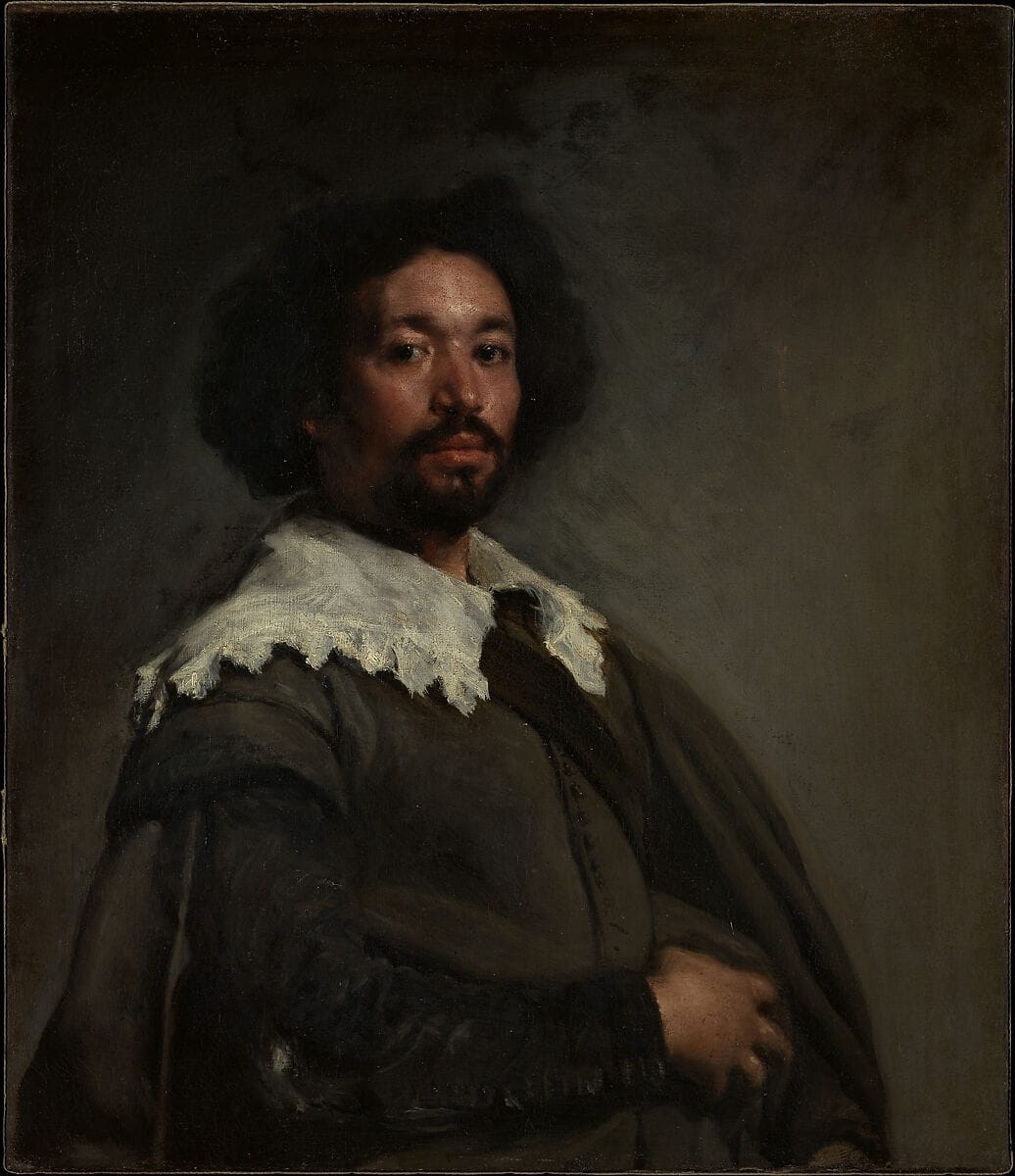
Juan de Pareja
1650
Iconic, celebrated portrait of Velázquez’s enslaved assistant; widely admired for its dignity and painterly mastery.
Must-see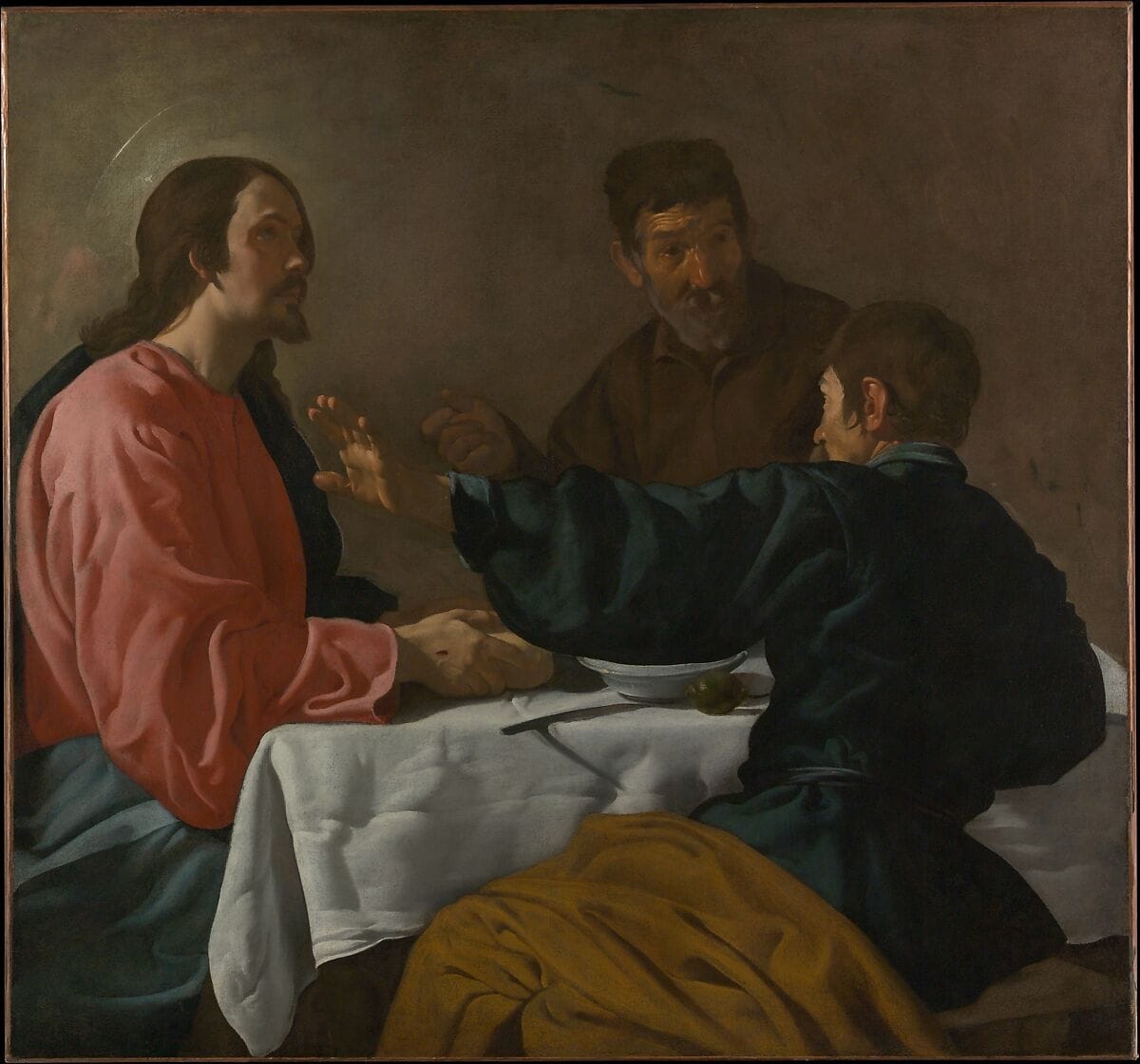
The Supper at Emmaus
1622–23
Early Velázquez narrative showing Caravaggesque lighting and exceptional still-life detail on the tablecloth.
Must-see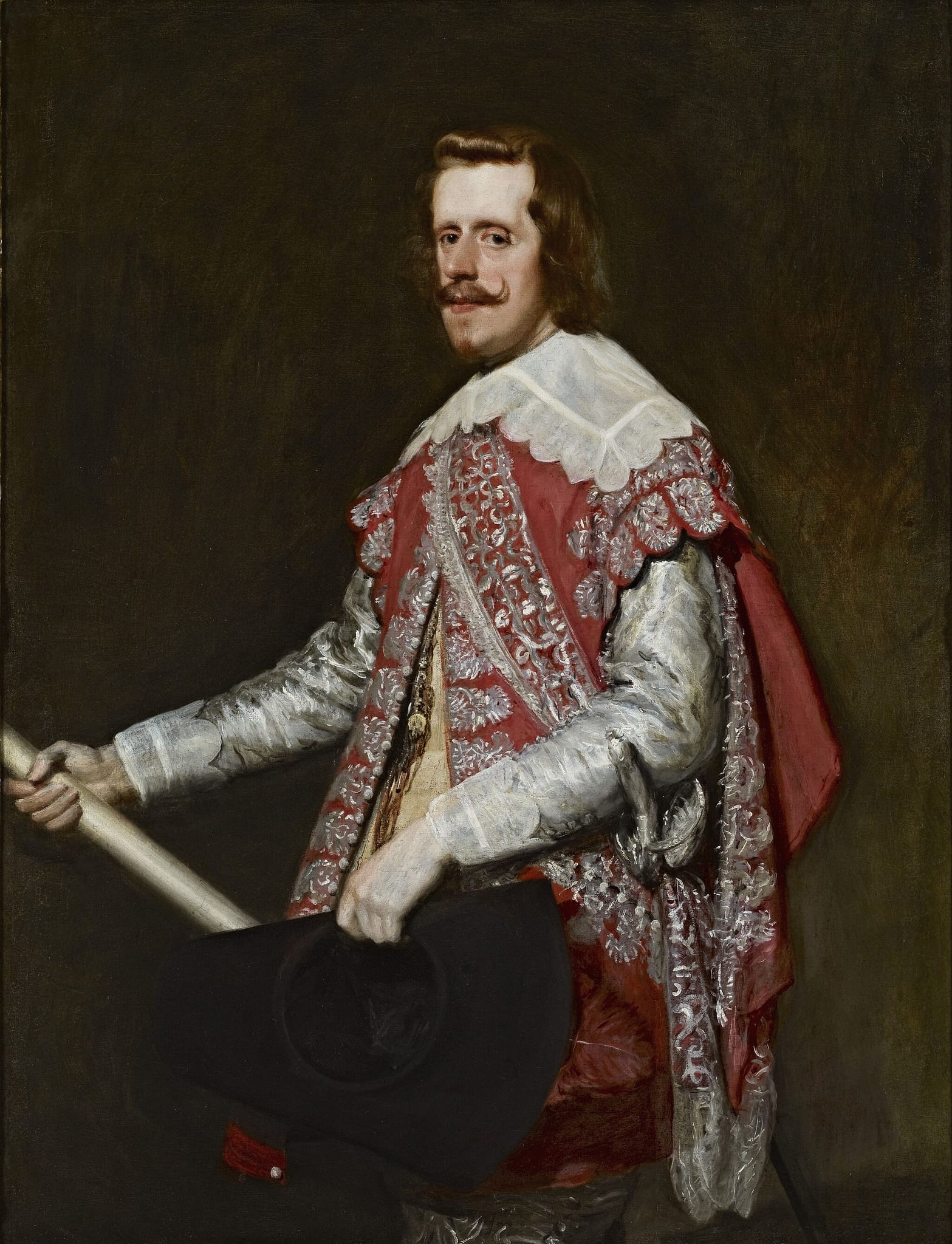
Philip IV, King of Spain
probably 1624
Autograph royal portrait that helped define Velázquez’s sober, authoritative image of the monarch.
Must-see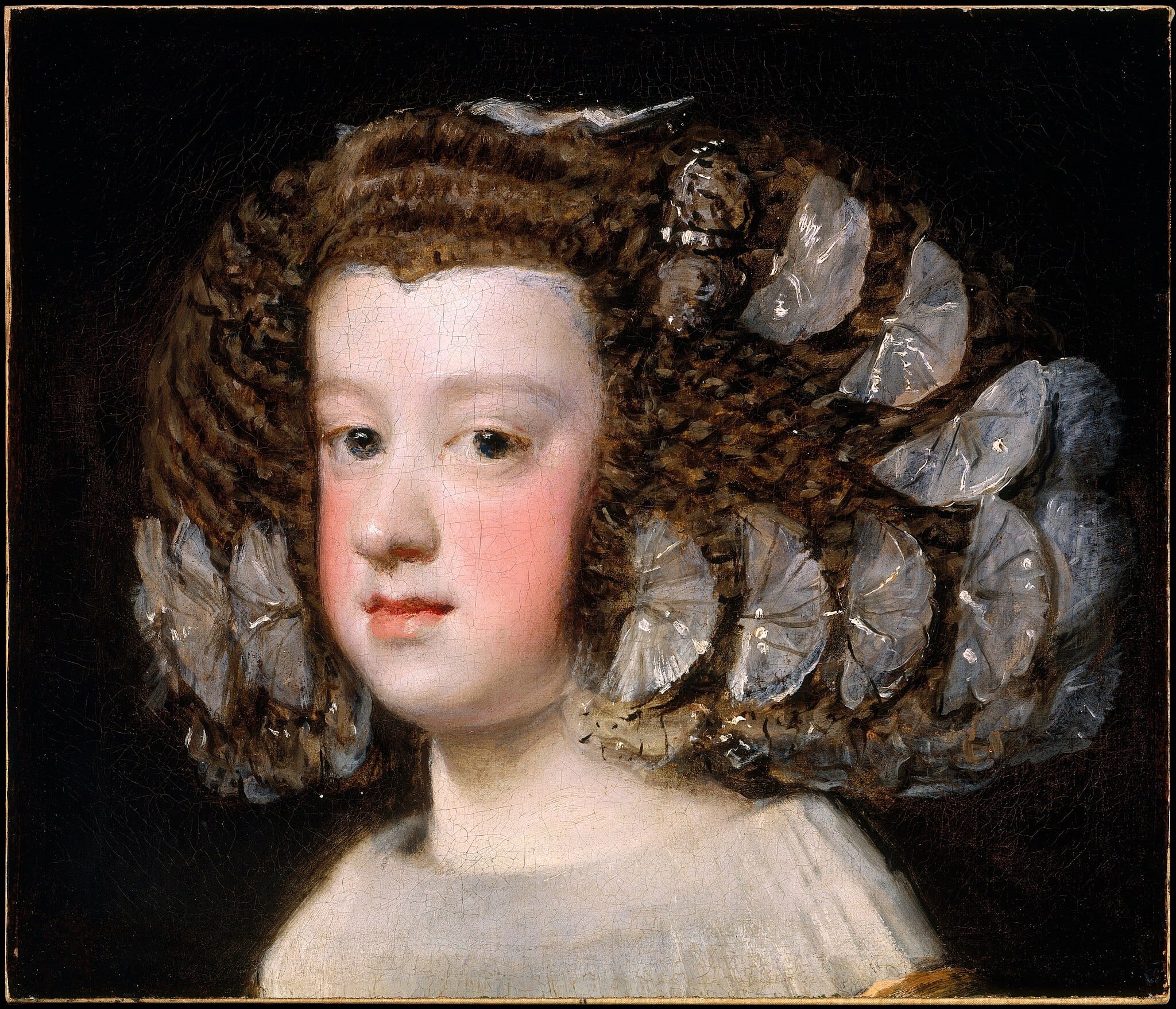
María Teresa, Infanta of Spain
1651–54
Official portrait of the infanta used as a model for copies and diplomatic marriage portraits across Europe.
The Frick Collection
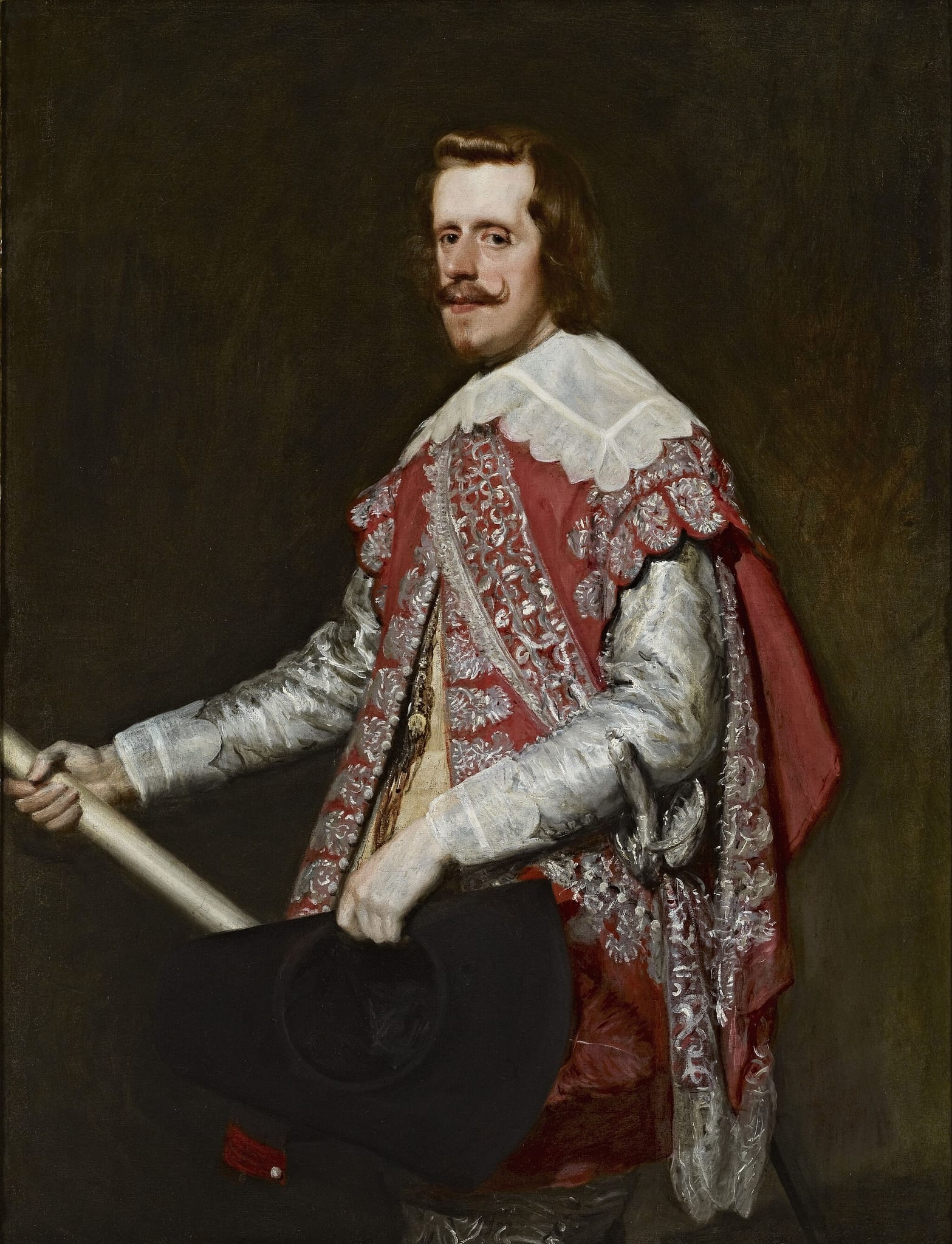
King Philip IV of Spain
1644
Velázquez presents Philip IV in formal military dress — a dignified, three-quarter portrait that emphasizes the king’s command through posture, ornate costume, and the sword at his side. Painted at the height of Velázquez’s mastery, the work is significant as a political portrait that projects royal authority and composure during wartime while also revealing the artist’s psychological insight. Viewers should look for Velázquez’s economical, energetic brushwork in the fabrics and face, the subtle play of light on metal and lace, and the restrained palette that focuses attention on the sitter’s expression and bearing.
Must-seeHispanic Society of America
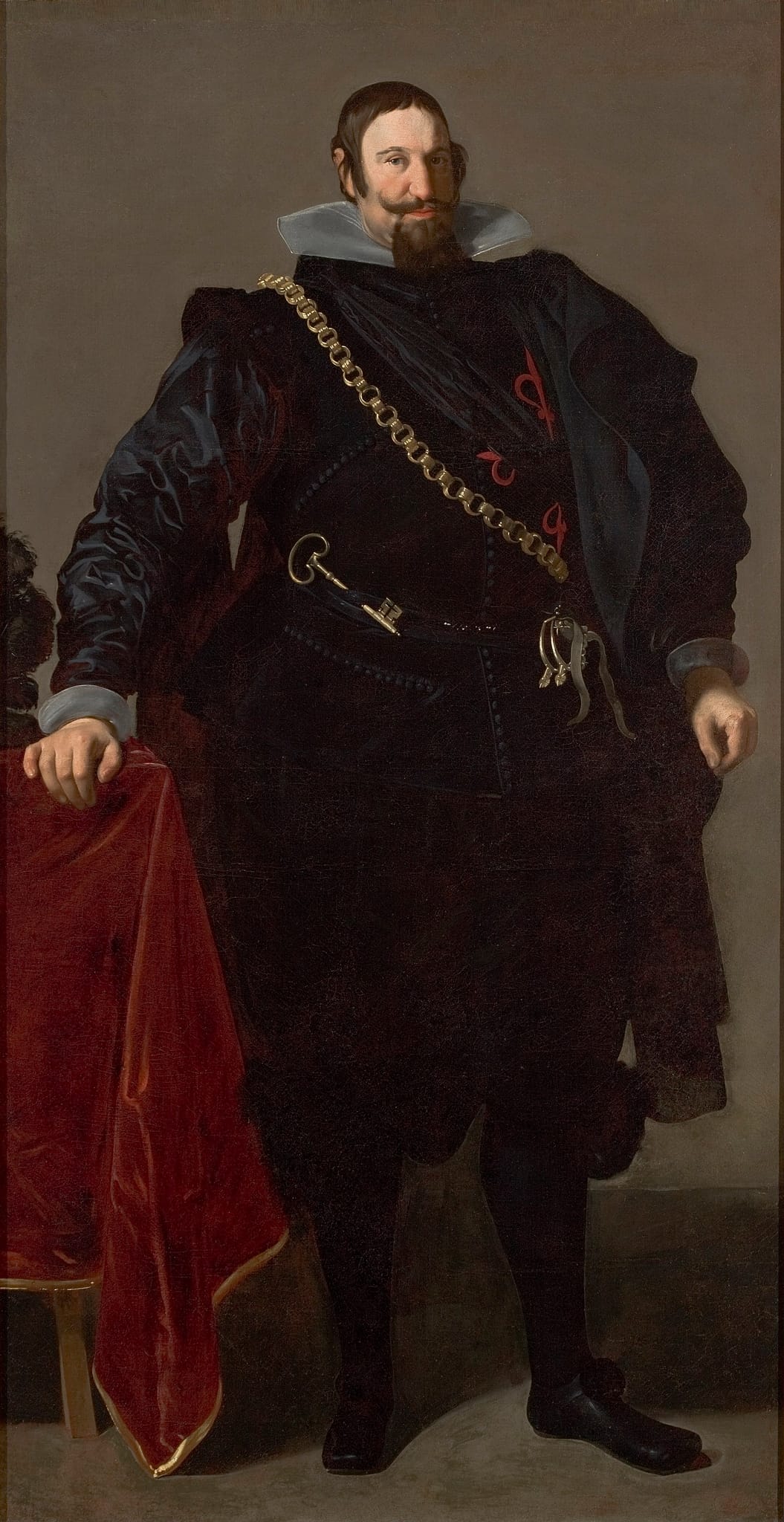
Portrait of the Count‑Duke of Olivares
1625
A life‑size portrait of Gaspar de Guzmán, Count‑Duke of Olivares, shown in court dress that emphasizes his political power and authority; Velázquez frames him with restrained dignity rather than theatrical flourish. The work is significant as an early demonstration of Velázquez’s ability to combine psychological presence with subtle political symbolism, marking his emergence as the principal portraitist at Philip IV’s court. Viewers should look for the sober palette, the calm but commanding expression, and the way costume and posture convey rank without overt ornament.
Must-see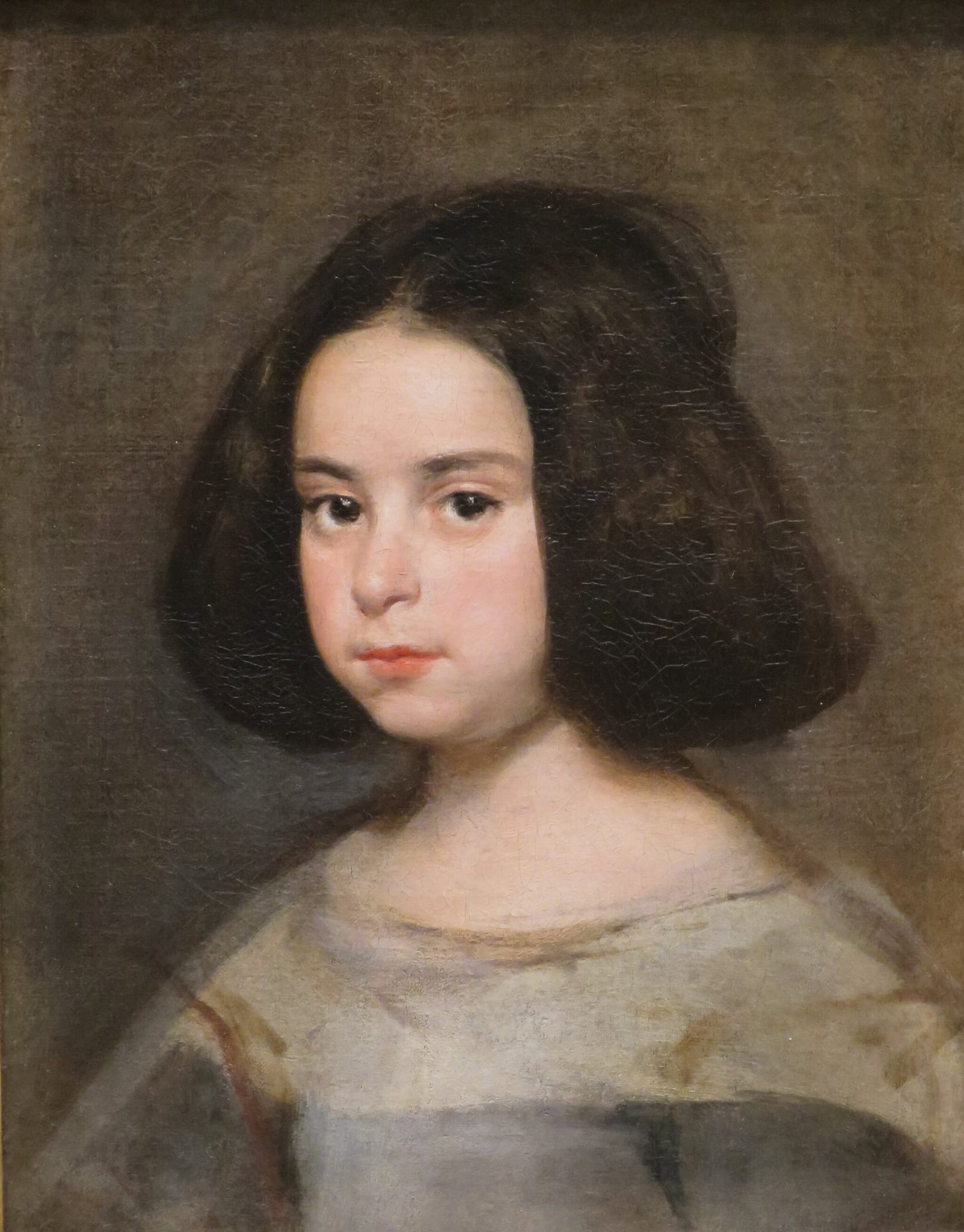
Portrait of a Little Girl
1638
An intimate, small‑scale portrait of a young girl that Velázquez kept in his own collection, capturing a direct, lively gaze and the delicate handling of flesh and textile. Its significance lies in the informal immediacy and human warmth that contrast with more formal court portraits, illustrating Velázquez’s mastery of naturalistic observation. Notice the luminous, wet eyes, the subtle modeling of the face, and the quietly sketched background that draws attention to the sitter’s presence.
Must-see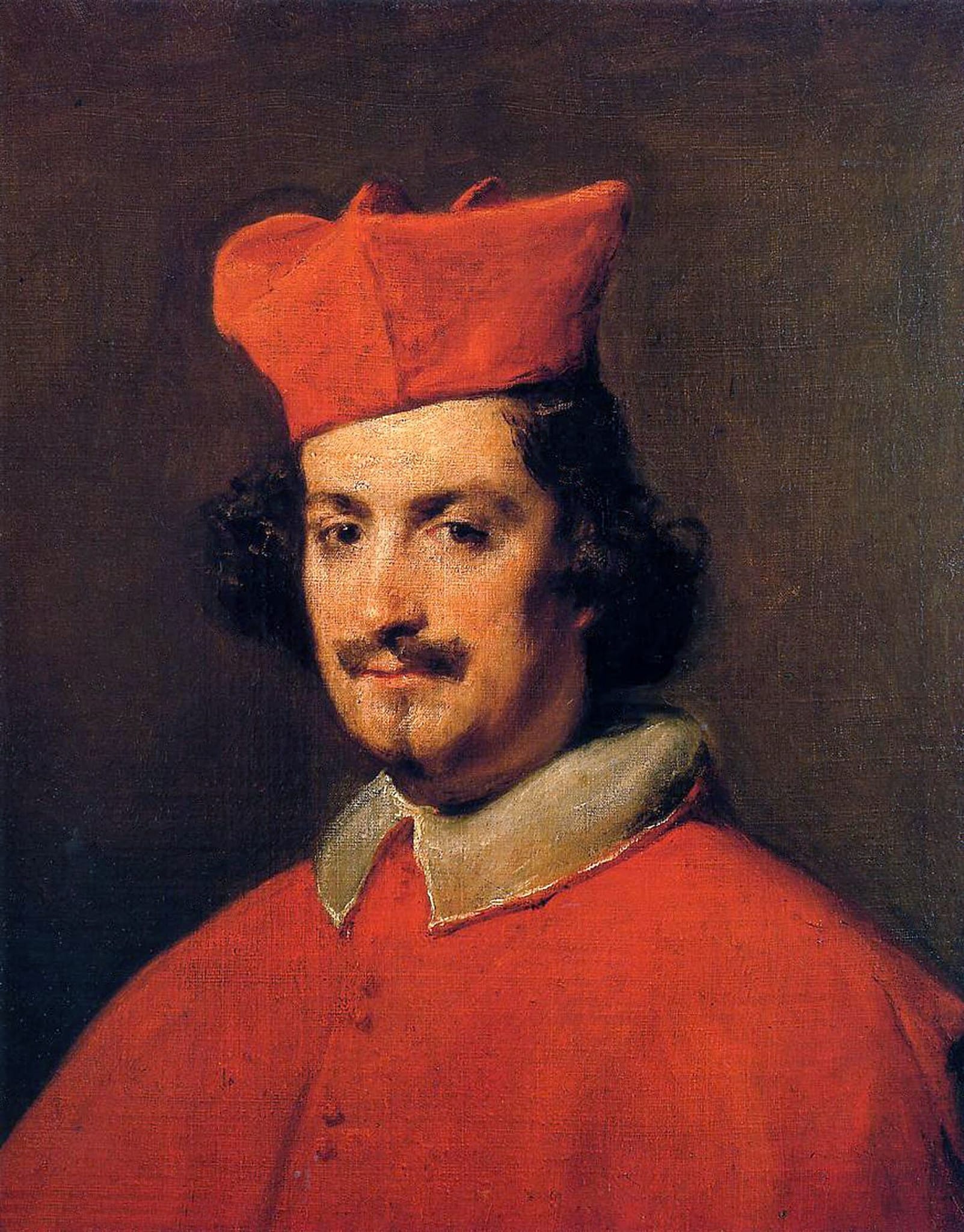
Camillo Astalli, Known as Cardinal Pamphili
1650
A dignified clerical portrait of Camillo Astalli in cardinal’s robes painted during Velázquez’s Roman period, presenting the sitter with restrained grandeur and a focused, introspective air. The painting is important as part of Velázquez’s late career portraits made in Italy, demonstrating his economy of means and refined control of color to convey status and character. Look for the rich but muted red of the mozzetta, the pared‑down composition that centers the face and hands, and the subtle handling of light on the fabrics and skin.