Leonardo da Vinci Paintings in Paris — Where to See Them
Paris matters because nearly all of Leonardo da Vinci’s paintings on public view are concentrated in a single, world-class institution: the Musée du Louvre, where approximately five of his works are on permanent display. That concentration makes the city an efficient destination to see authentic Leonardo paintings in one itinerary, with the Louvre’s long-term conservation, scholarly context, and high-profile presentation giving visitors direct access to key moments of his painting career.
At a Glance
- Museums
- Musée du Louvre
- Highlight
- See the Mona Lisa in person at the Musée du Louvre
- Best For
- Renaissance art enthusiasts and first-time Paris museum visitors
Musée du Louvre
The Louvre matters for experiencing Leonardo because it holds the artist’s largest concentration of oil paintings in a single institution (five works, anchored by the Mona Lisa), so you can compare his handling of sfumato, composition and scale across multiple originals in one visit. Beyond the famous portrait, the museum’s curatorial and conservation work — visible in labels and occasional technical displays — highlights Leonardo’s working methods (layering, pentimenti, and subtle glazing), letting visitors see how his experimental approach evolved. Seeing these works together in the Denon and Sully collections also places Leonardo within the Renaissance court and collecting history that helped canonize him in France.
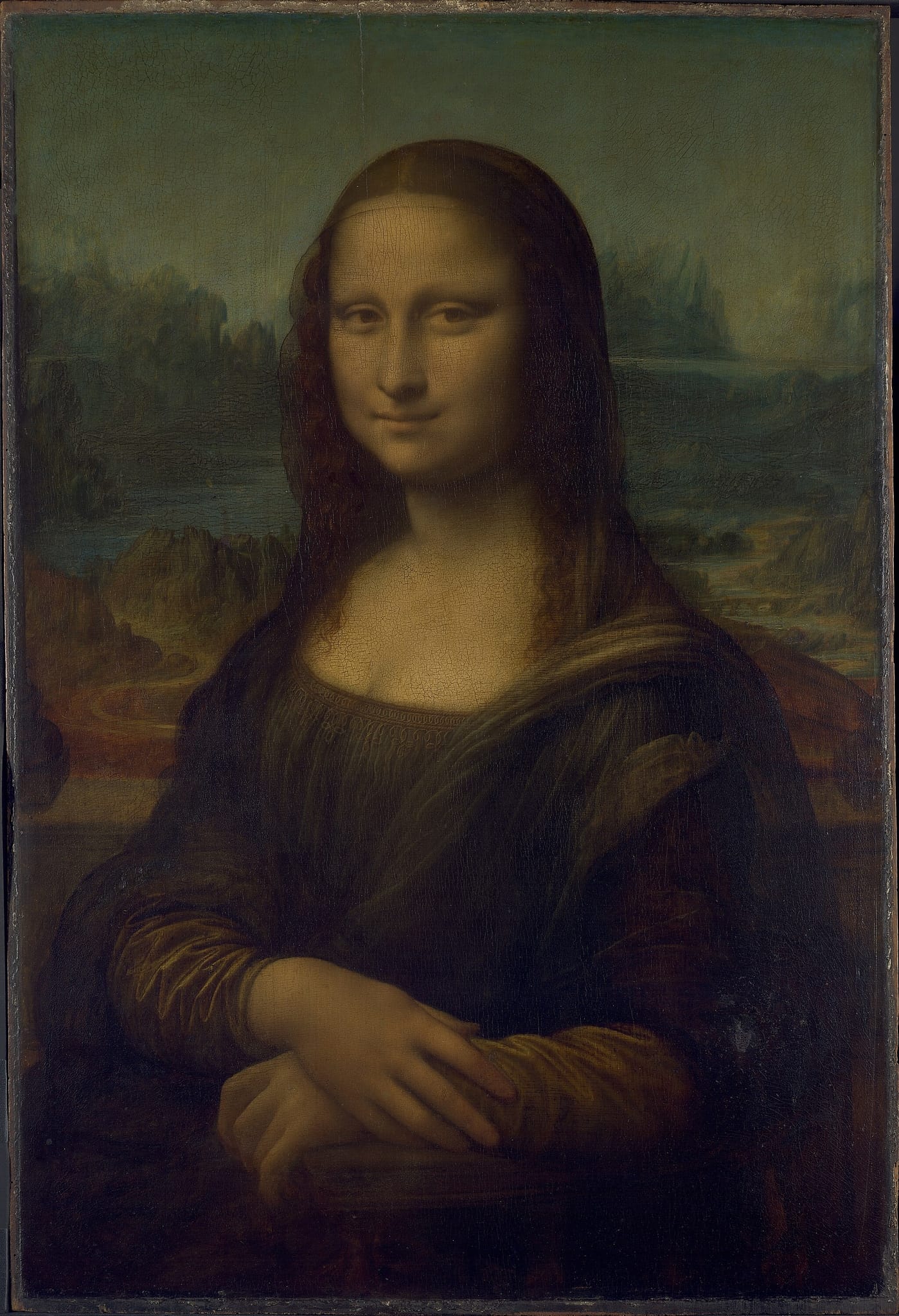
Mona Lisa
1503
World-famous portrait famed for its enigmatic smile and sfumato technique.
Must-see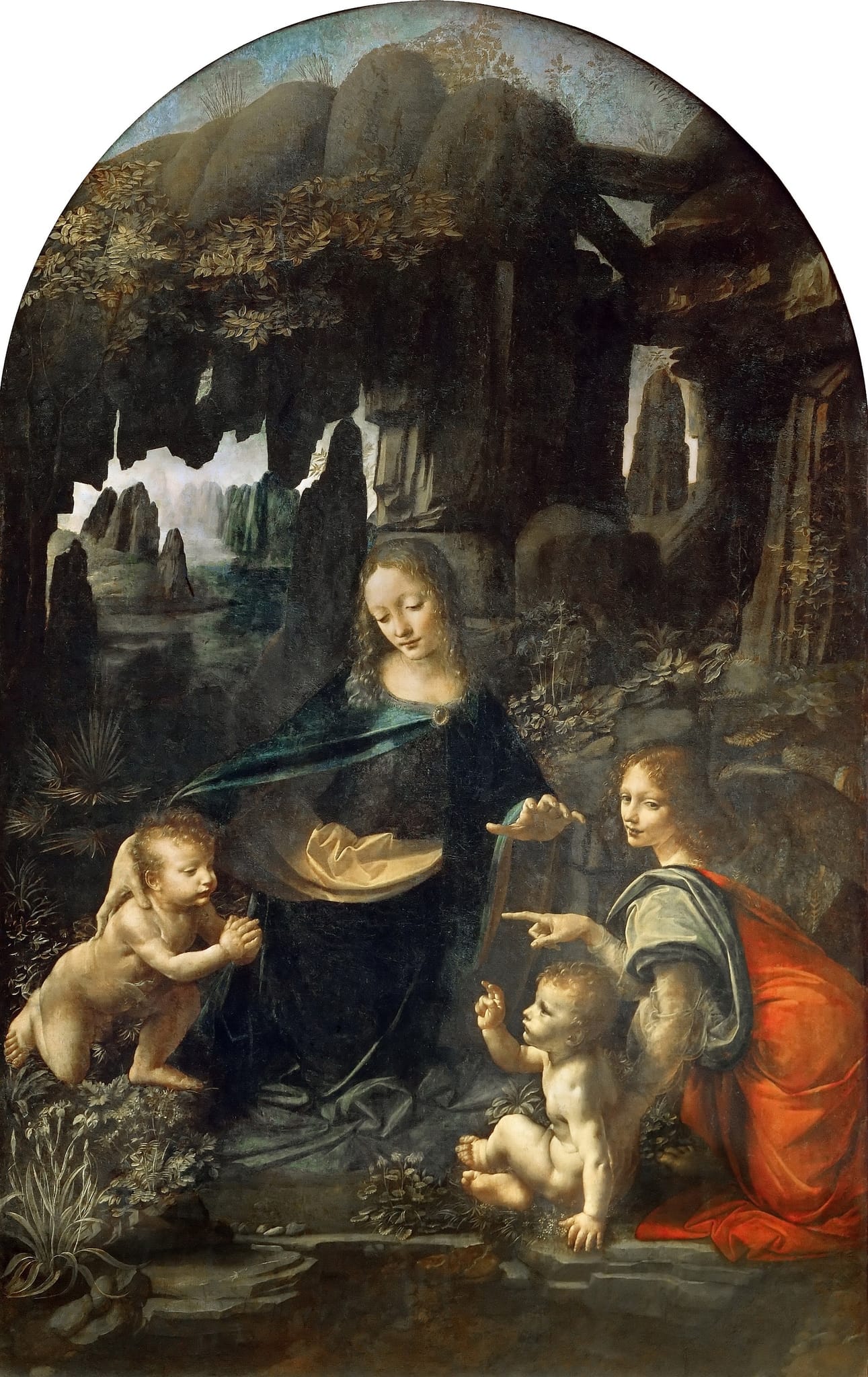
La Vierge aux rochers
1483
Important variant of Leonardo’s rock‑landscape Madonna, demonstrating early use of atmospheric perspective.
Must-see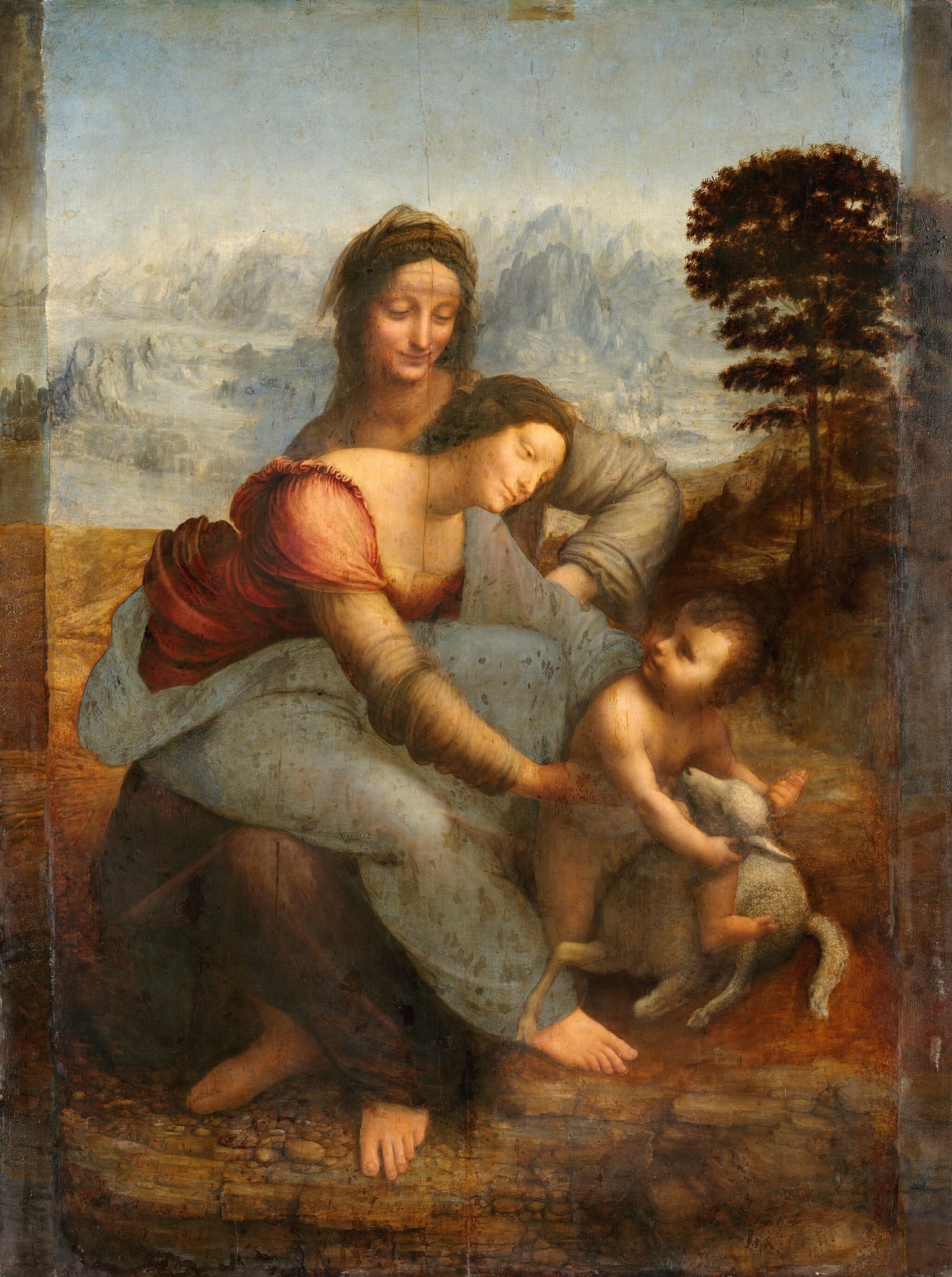
La Vierge, l'Enfant Jésus et sainte Anne
1503
Monumental, unfinished composition exploring complex poses, movement, and sfumato.
Must-see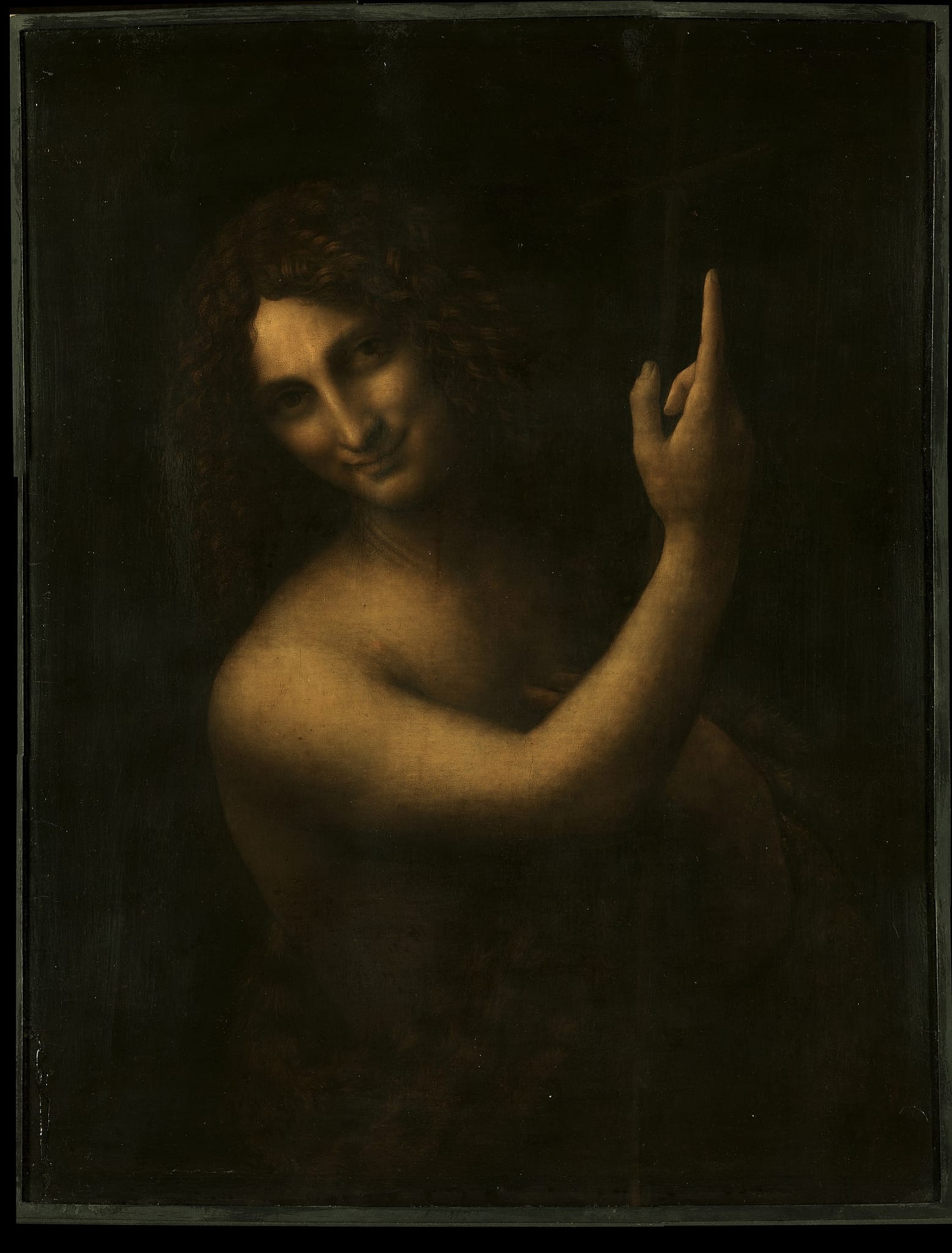
Saint John the Baptist
1508
Presents a nearly full-length, enigmatic Saint John pointing upward with a mysterious smile against a dark, neutral background. The work is significant for its psychological intensity and Leonardo’s late-career mastery of chiaroscuro and sfumato, which render the figure almost sculptural and imbue the gesture with spiritual ambiguity. Observe the dramatic lighting that sculpts the face and hand, the soft blending of edges that creates depth, and the symbolic upward gesture that invites interpretive responses.
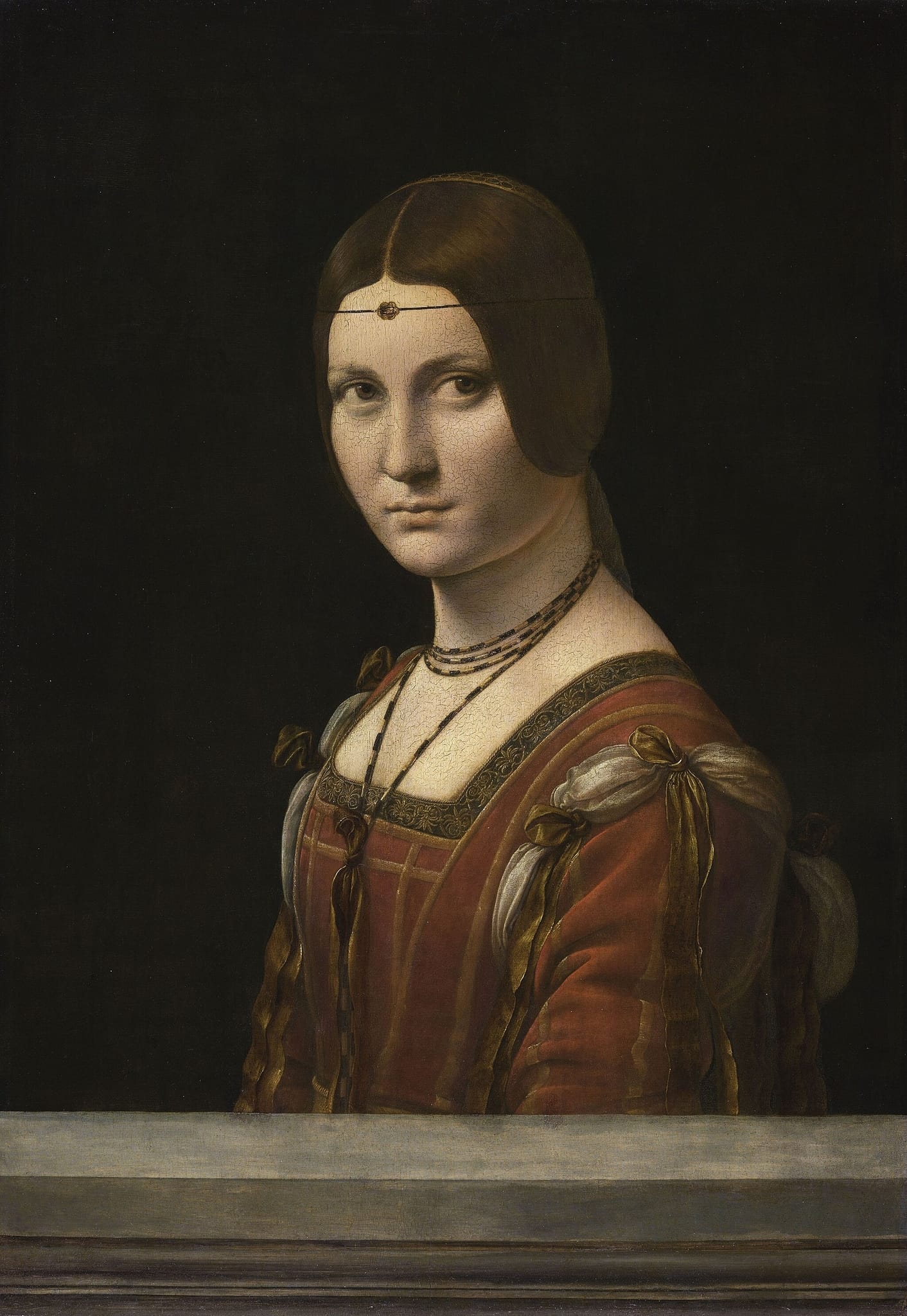
La Belle Ferronnière
1490
Portrait of a fashionable woman in three-quarter view, wearing a restrained headdress and sumptuous clothing, set against a plain dark background. It is significant as an example of Leonardo’s early portrait style in Milan, emphasizing psychological presence and refined detail rather than overt ornamentation. Look for the sitter’s composed expression, the careful modeling of skin and fabrics, and the subtle interplay of light on the face and costume that reveals form without hard outlines.