Most Expensive Paul Signac Paintings
Paul Signac occupies a distinctive place in the market: not merely a master of Neo-Impressionist technique but a painter whose vivid palette, meticulous divisionist touch and seafaring subjects have translated into consistent collector demand and escalating prices. At the apex sits Portrait of Félix Fénéon, estimated at $45–75 million, a trophy work prized for its provenance and cultural resonance; major marine scenes follow, with Concarneau, calme du matin (Opus no. 219, larghetto) fetching $38–45 million and its companion Concarneau. Calme du soir (allegro maestoso) valued between $15–45 million. Other highlights—Le Port au soleil couchant, Opus 236 (Saint-Tropez) at $18–35 million and Cassis. Cap Canaille at $12,000,000–$30,000,000—underscore how locale, condition and exhibition history drive prices. More modest ranges, from Arrière du Tub ($10,000,000–$25,000,000) to Venice views like Entrance to the Grand Canal ($3,000,000–$8,000,000) and The Lagoon of Saint Mark ($1,000,000–$8,000,000), reveal a market that rewards rarity, provenance and the unmistakable luminosity of Signac’s hand, making his works both scholarly touchstones and sought-after investments.

$45-75 million
Valued $45–75M, it is priced above Signac’s $39.32M auction record because of its singular finished portrait status and prestigious MoMA provenance.
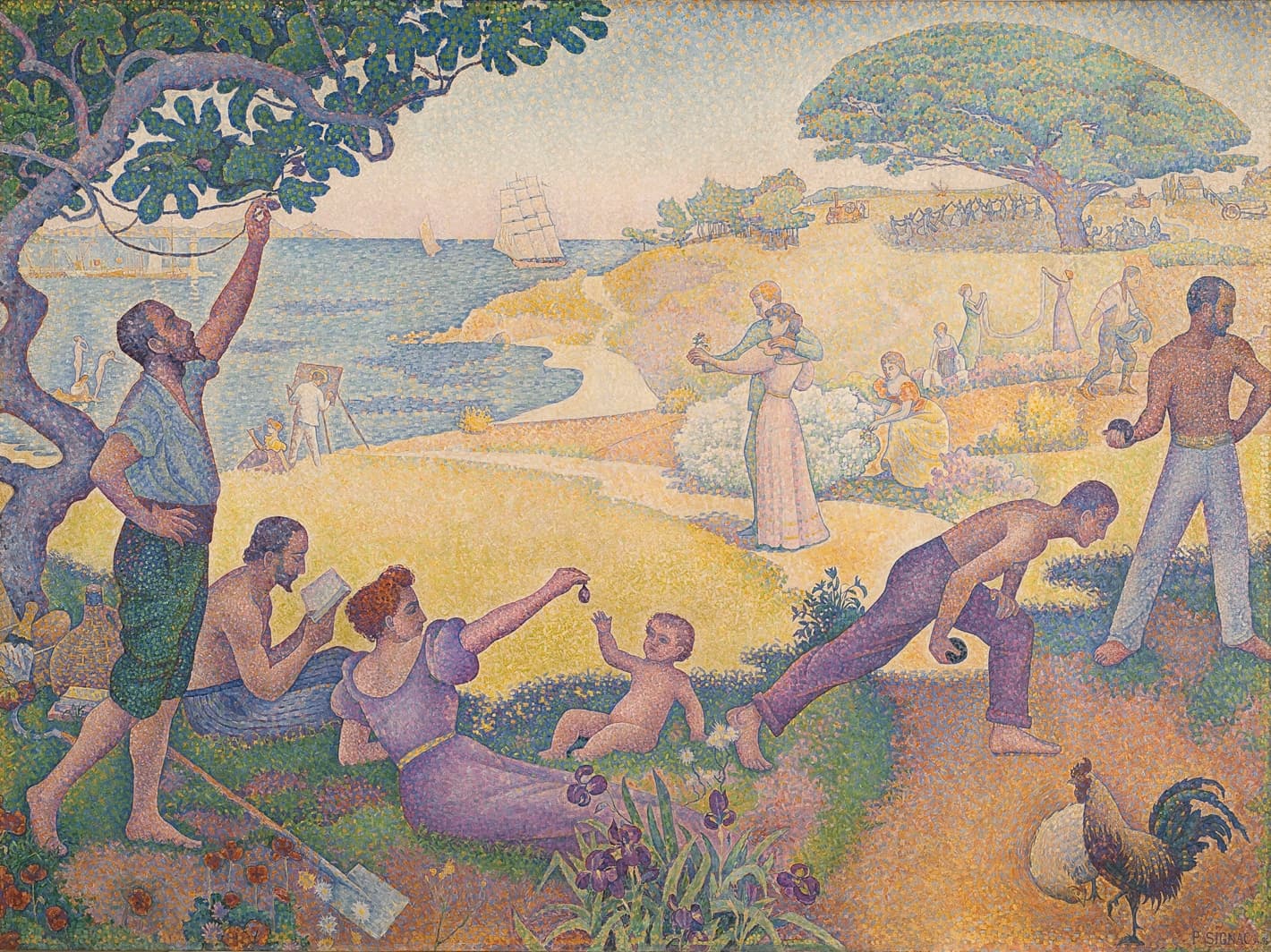
$40-60 million
Au temps d’harmonie is a canonical, mural-scale Signac held by the City of Montreuil and protected as French cultural heritage.
$38-45 million
Estimated $38–45M, directly anchored to the exact Christie’s New York sale on 9 November 2022 that realized $39,320,000.
$15–45 million
Projected $15–45M for the Met’s Op.220, anchored by the near‑identical Op.219’s $39.32M result while allowing for condition, literature and timing variance.
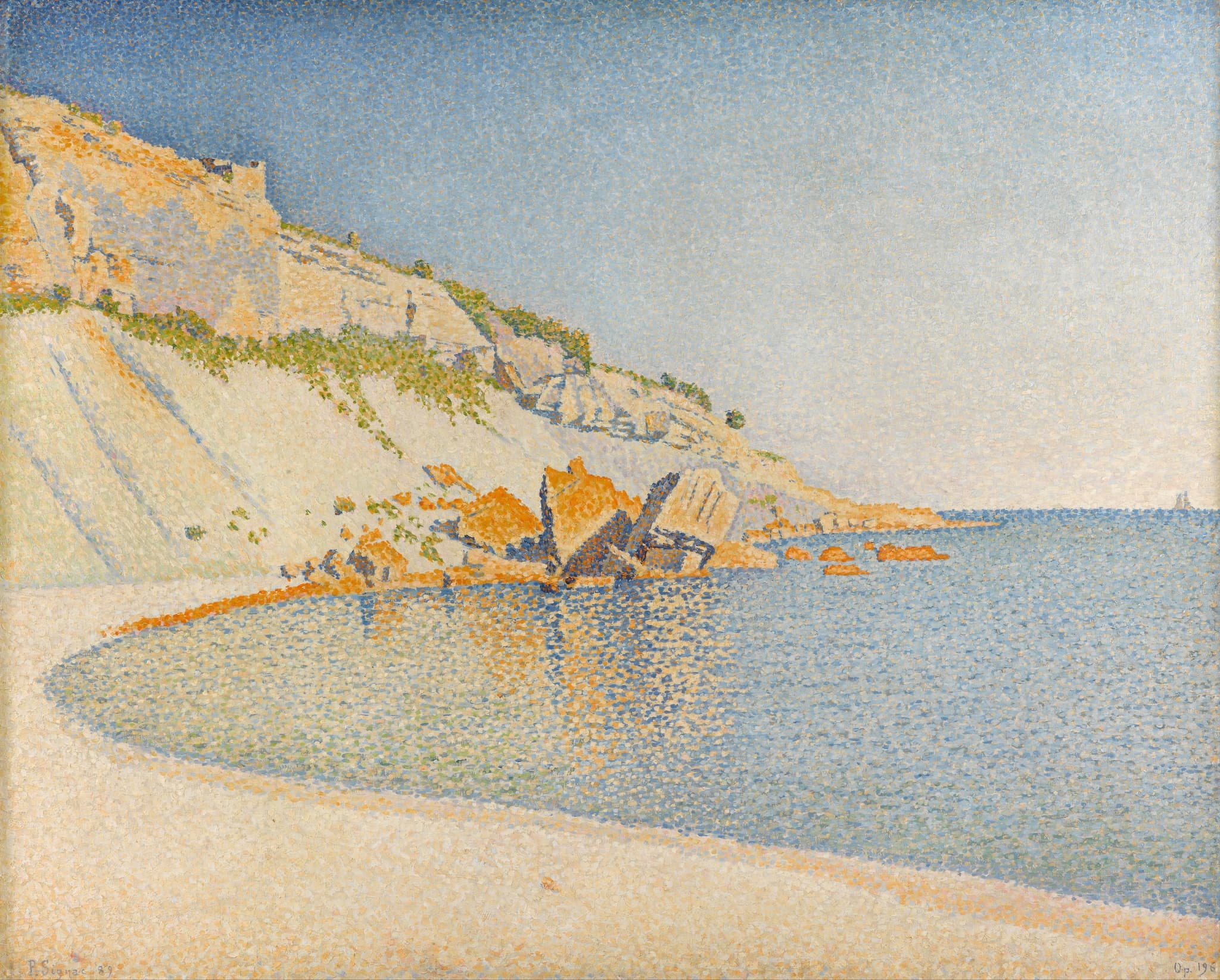
$30-45 million
Cassis, Cap Lombard, Opus 196 (1889) is a canonical, prime-period Signac from the seminal Cassis campaign—held by Kunstmuseum Den Haag.
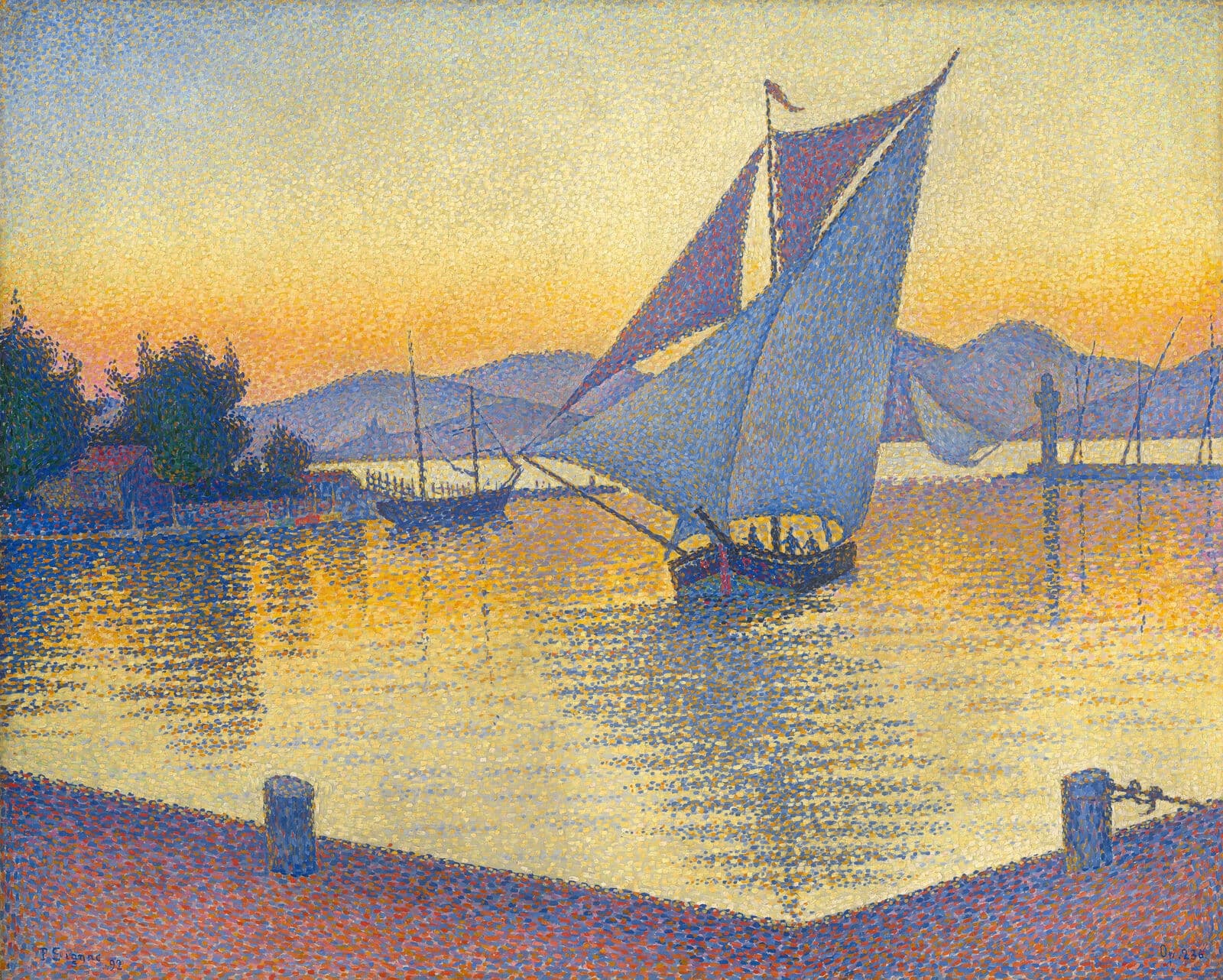
$18-35 million
Using its 27 February 2019 Christie’s London sale of £19,501,250 (≈US$25.84M) as the primary datum, the current realistic range is US$18–35M.
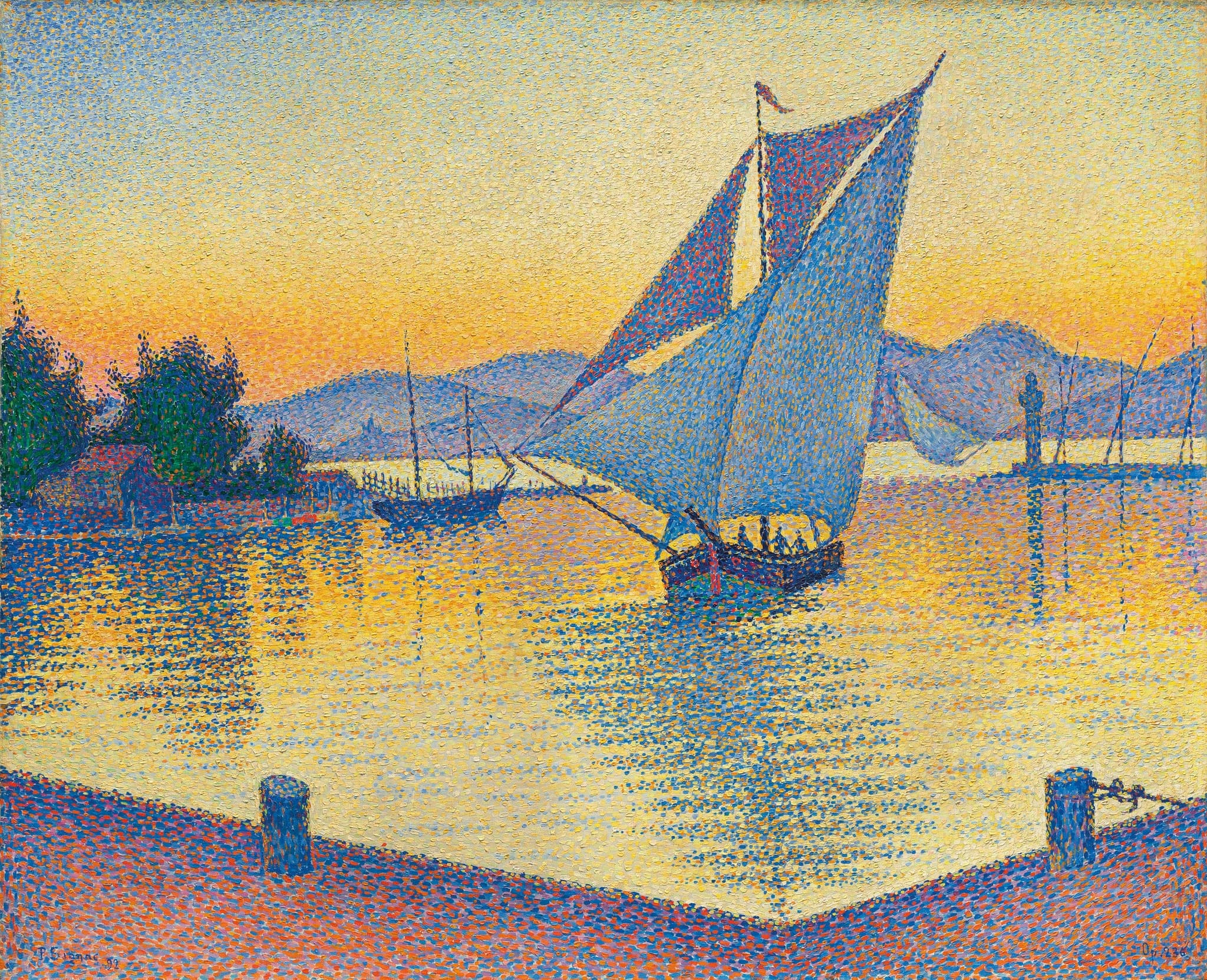
$24-34 million
Based on the painting’s prime 1892 date, iconic Saint‑Tropez subject, impeccable provenance, and its £19.
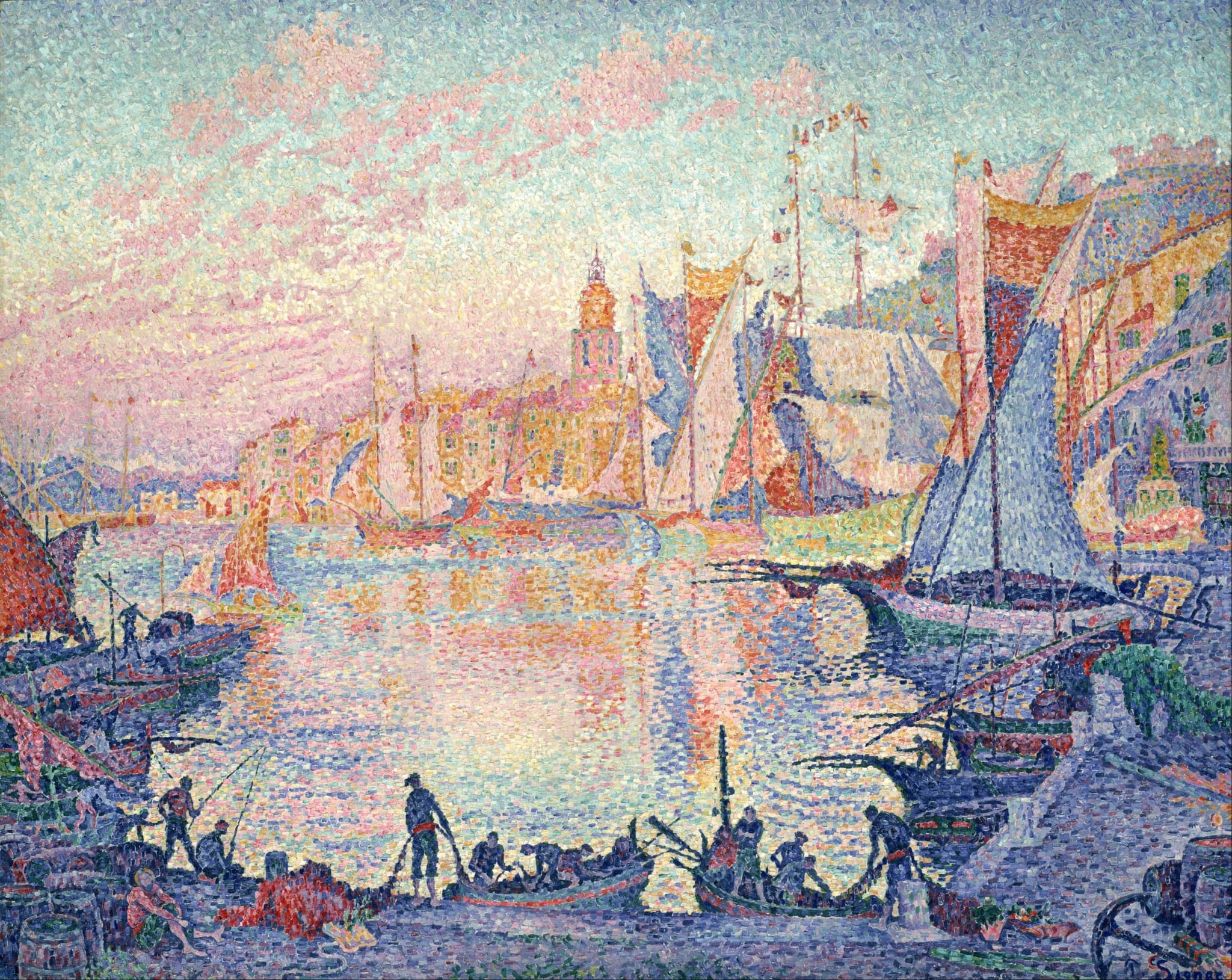
$20-32 million
Hypothetical auction value for Paul Signac’s The Port of Saint‑Tropez (1901–02, oil on canvas, 131 x 161.

$12,000,000 - $30,000,000
Benchmarked to its 2007 Christie’s sale of $14,041,000 and tempered by later top‑end Signac results (notably $39.32M), Cassis is estimated at $12–30M.
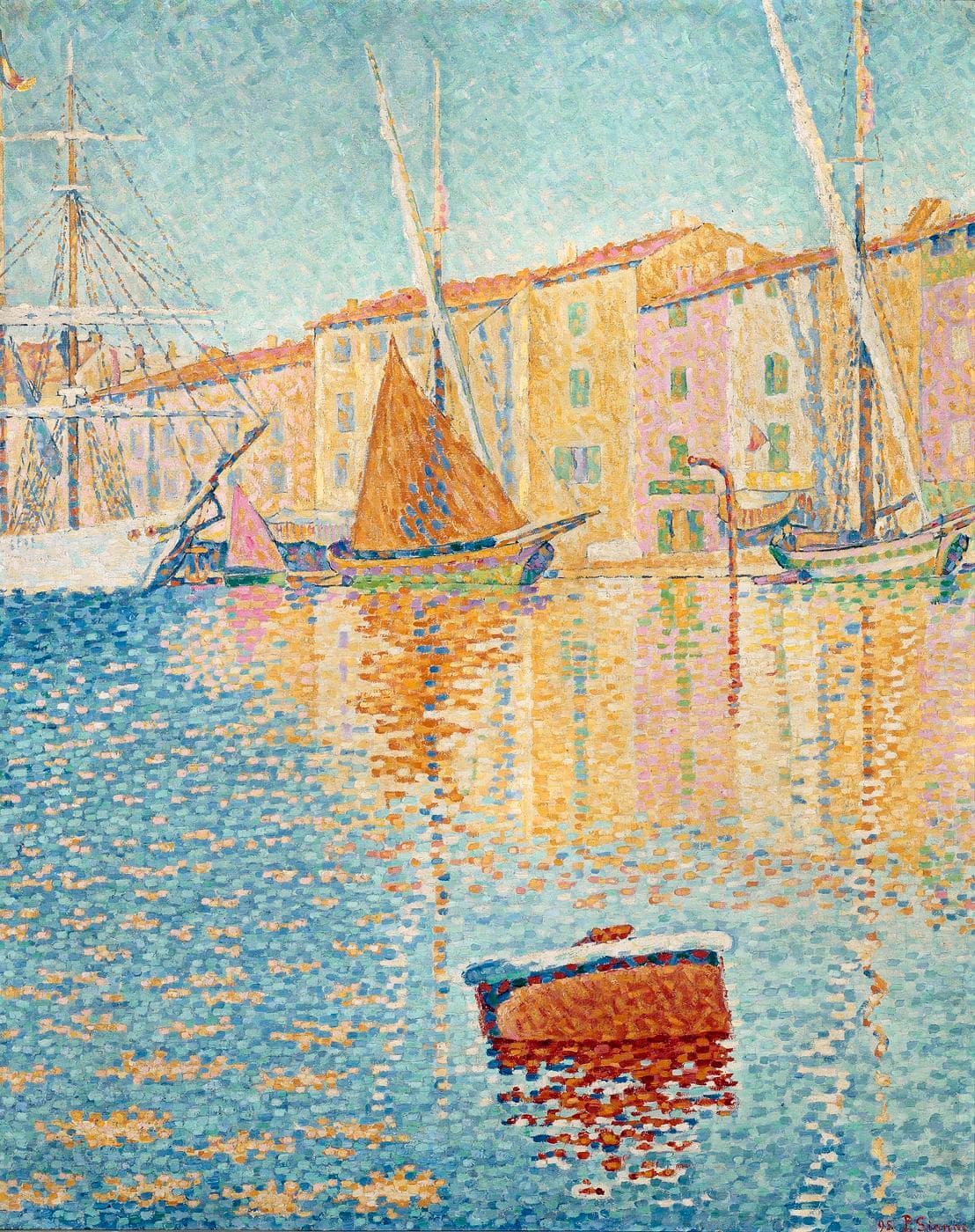
$18-28 million
A prime autograph oil of Paul Signac’s Saint‑Tropez.

$10,000,000–$25,000,000
Anchored to its 9 May 2007 Christie’s realization of $11,688,000, Arrière du Tub’s present estimate is $10–25M assuming matched attribution and condition.
$7.5-20 million
Part of MoMA’s permanent collection and not market‑available, its hypothetical open‑market range is $7.5–20M based on recent high‑end Signac comparables.
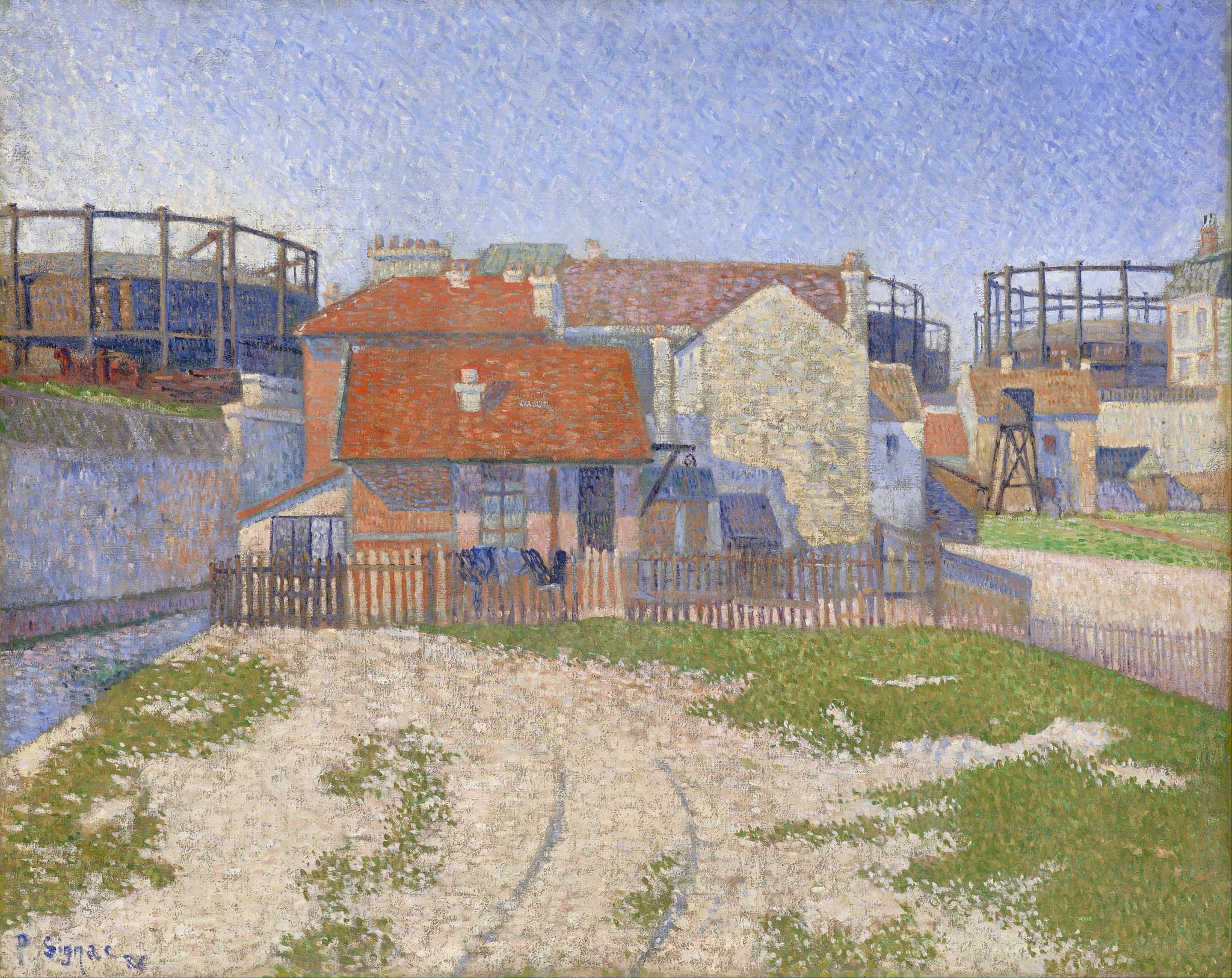
$10–16 million
Gasometers at Clichy (1886) is a prime early Neo‑Impressionist oil by Paul Signac, held by the National Gallery of Victoria and recognized as a landmark in his adoption of Divisionism.
$3,000,000–$12,000,000
Catalogued and on long‑term loan to the Wallraf–Richartz, Capo di Noli’s museum quality supports a likely auction range of $3–12M absent blockbuster provenance or exhibition history.
$3,000,000–$8,000,000
Toledo Museum‑held, its $3–8M hypothetical auction range is driven by a near‑twin 1905 Venice sale (~£4.93M/≈$6.6M) and other high‑end Signac comparables.
$1,000,000 - $8,000,000
Chrysler Museum accessioned and not seen at modern auction, The Lagoon of Saint Mark’s $1–8M estimate reflects large scale, museum provenance and recent Signac comparables.
What Drives Value in Paul Signac's Work
Subject Rarity: Portraits vs. Marines
Signac’s market shows a clear premium for works that defy his typical coastal repertoire. The Portrait of Félix Fénéon—an uncommon, large, fully resolved portrait of a famous sitter and owned by MoMA—illustrates how rarity of subject within Signac’s oeuvre can push value well above high‑end marines. Collectors pay extra for singular formats (portraits) because they aren’t substitutable by the abundant harbor and Venice views that otherwise dominate his market.
Canonical Series Effect: Concarneau and Saint‑Tropez
Paintings tied to celebrated series—especially the 1891 Concarneau group and mature Saint‑Tropez marines—consistently outperform generic works. The Op.219 Concarneau sale (Paul G. Allen, ≈$39.32M) reset the ceiling, and sister works (Op.220, Sardine Fishing, Op.236) track materially higher when they demonstrate series‑defining composition, date, and finish. Being a recognisable, published Concarneau or Saint‑Tropez view converts scarcity into trophy‑level bidding among museums and blue‑chip collectors.
Divisionist Technique, Finish and Scale
Buyers prize the degree of mature pointillist execution and the painting’s physical impact. Large, fully worked oils showing crisp Divisionist touch and vibrant chromatics (e.g., The Lagoon of Saint Mark, 129.5 × 162.6 cm; Capo di Noli, ~93.5 × 75 cm) command premiums over small studies or unfinished works. Scale amplifies visual presence for museum walls; finished salon‑scale canvases reliably fetch multiples of sketches or smaller canvases despite similar subject matter.
Opus/RA and Museum Provenance as Authentication Multipliers
For Signac, catalogue‑raisonné opus numbers and high‑profile institutional custody materially reduce substitution risk and elevate estimates. Works with Cachin opus citations and museum histories—MoMA (Portrait of Fénéon, Sardine Fishing), Met (Op.220), Toledo or Wallraf‑Richartz (Capo di Noli loan)—are treated as market‑ready trophies. Conversely, unsigned studies or poorly documented Provenance depress interest; documented, published pieces invite museum and foundation competition that lifts realized prices.
Market Context
Paul Signac occupies a secure blue‑chip position in the Neo‑Impressionist market: his museum‑quality seascapes and port views command the strongest interest, exemplified by the record $39.32 million Concarneau sale at Christie’s (2022) following high‑profile single‑owner dispersals such as the Paul G. Allen sales. Since then the market cooled in 2023–24 as top‑tier consignments thinned, but by late 2025 demand had stabilized—trophy canvases continue to attract decisive institutional and private buyers while liquidity remains solid in the $1–10 million band for prime works. Pricing is driven by rarity, scale, provenance, exhibition history and catalogue‑raisonné inclusion; consequently the best Signacs outperform broadly, even as buyer selectivity and sensitivity to sale format and macro conditions have increased.