Peter Paul Rubens Paintings in Antwerp — Where to See Them
Antwerp matters for experiencing Peter Paul Rubens because it’s the city where he lived, ran his workshop and designed major altarpieces, so you can see his paintings in the settings—domestic, ecclesiastical and cultural—that shaped their function and impact. There are approximately 11 paintings on permanent display across three institutions: Rubenshuis (Rubens House) (1 painting), the Plantin–Moretus Museum (6 paintings), and the Cathedral of Our Lady / Onze-Lieve-Vrouwekathedraal (4 paintings).
At a Glance
- Museums
- Rubenshuis, Plantin–Moretus Museum, Cathedral of Our Lady
- Highlight
- See Rubens' monumental altarpieces in the Cathedral of Our Lady
- Best For
- Art lovers and Baroque painting enthusiasts
Rubenshuis (Rubens House)
Rubenshuis is the actual 17th-century home and studio where Peter Paul Rubens lived, worked, and received patrons — seeing even a single original there places his paintings back in the domestic and workshop context he controlled. The building’s reconstructed studio, garden and collection of copies and related works illuminate his working methods, compositional studies and how he staged large projects for clients and collaborators.
Plantin–Moretus Museum
The Plantin–Moretus Museum preserves a printing-house and collector’s library that were close to Rubens’s circle; the museum’s six Rubens paintings and many prints show how his imagery circulated through engravings and book illustration. Viewing Rubens within this commercial, intellectual setting reveals how his compositions were reproduced, adapted and disseminated across Europe, and how he collaborated with printers, publishers and collectors in Antwerp.
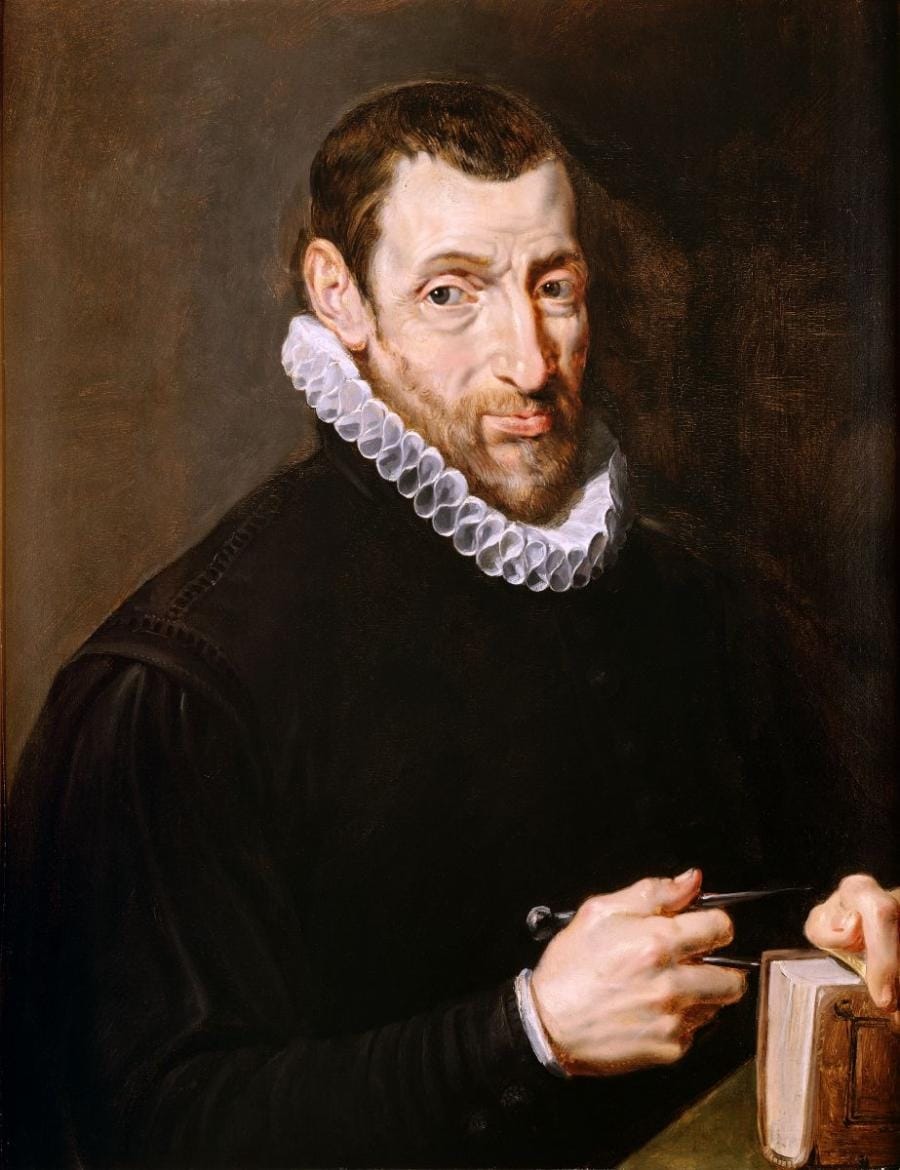
Portrait of Christophe Plantin
1616
Depicts Christophe Plantin, the celebrated 16th‑/17th‑century printer and founder of the Plantin press, seated and shown with attributes of his profession. Significant because it links Rubens to Antwerp’s intellectual and commercial elite and commemorates a major figure in the history of printing. Look for the thoughtful facial expression, the rendering of hands and book or papers as markers of status, and the warm, textural brushwork Rubens uses to convey materials and character.
Must-see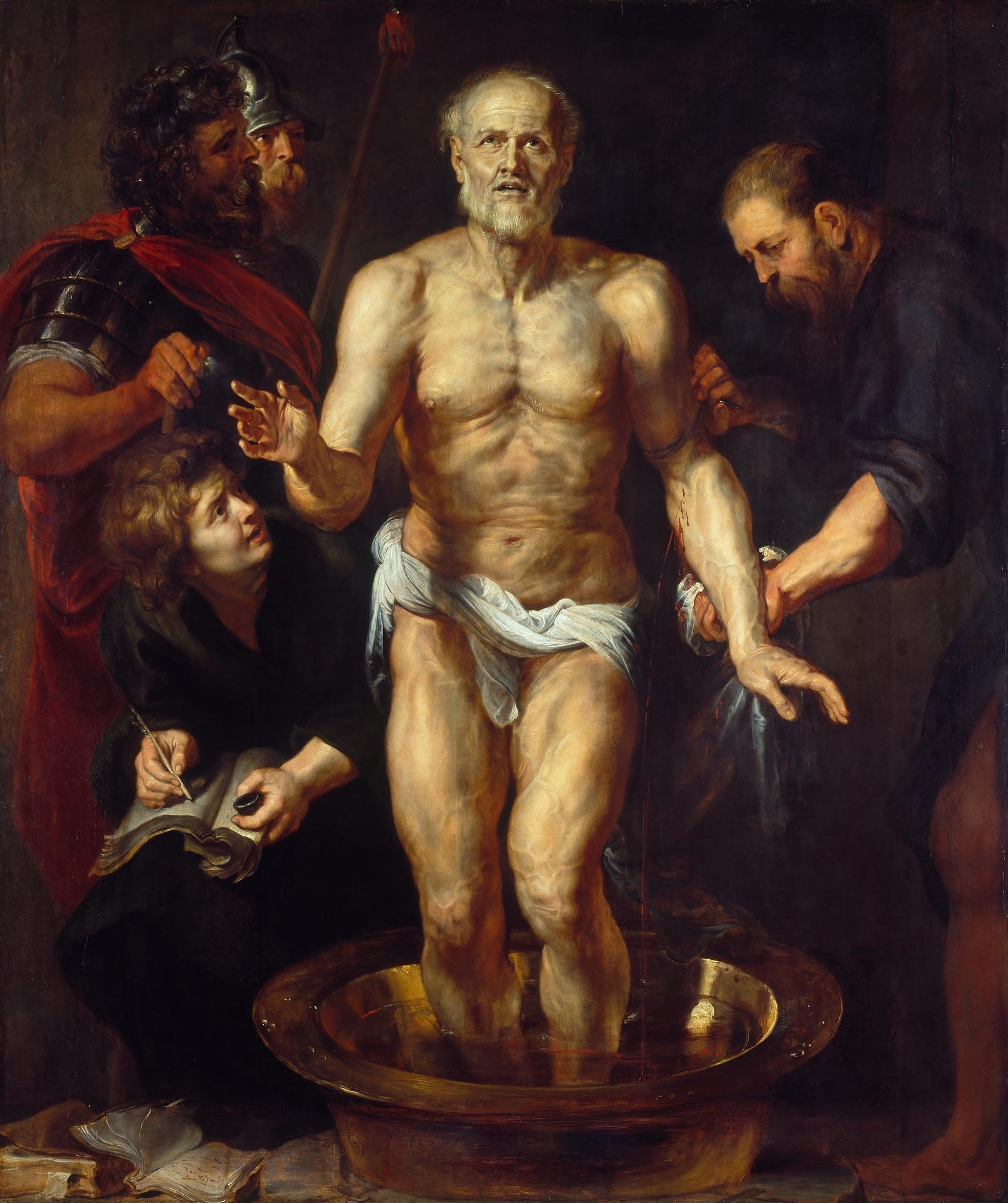
The Dying Seneca
1616
Depicts the Roman philosopher Seneca in his final moments, a dramatic, emotionally charged scene of stoic resignation and physical distress. Its significance lies in Rubens’s engagement with classical subjects and Baroque drama, using the body to express moral and philosophical themes admired by humanist patrons. Look for the tension in the musculature, the vivid gestures and facial anguish, and Rubens’s dynamic composition that leads the eye toward Seneca’s face and hands.
Must-seeCathedral of Our Lady (Onze-Lieve-Vrouwekathedraal)
The Cathedral houses several of Rubens’s major altarpieces and devotional paintings created for the very churches and confraternities they still serve, so seeing the four works there lets you read them in their liturgical and architectural setting. Rubens designed scale, lighting and viewer sightlines for these commissions, and the cathedral’s chapels preserve the intended devotional relationships between painting, altar and worshipper.
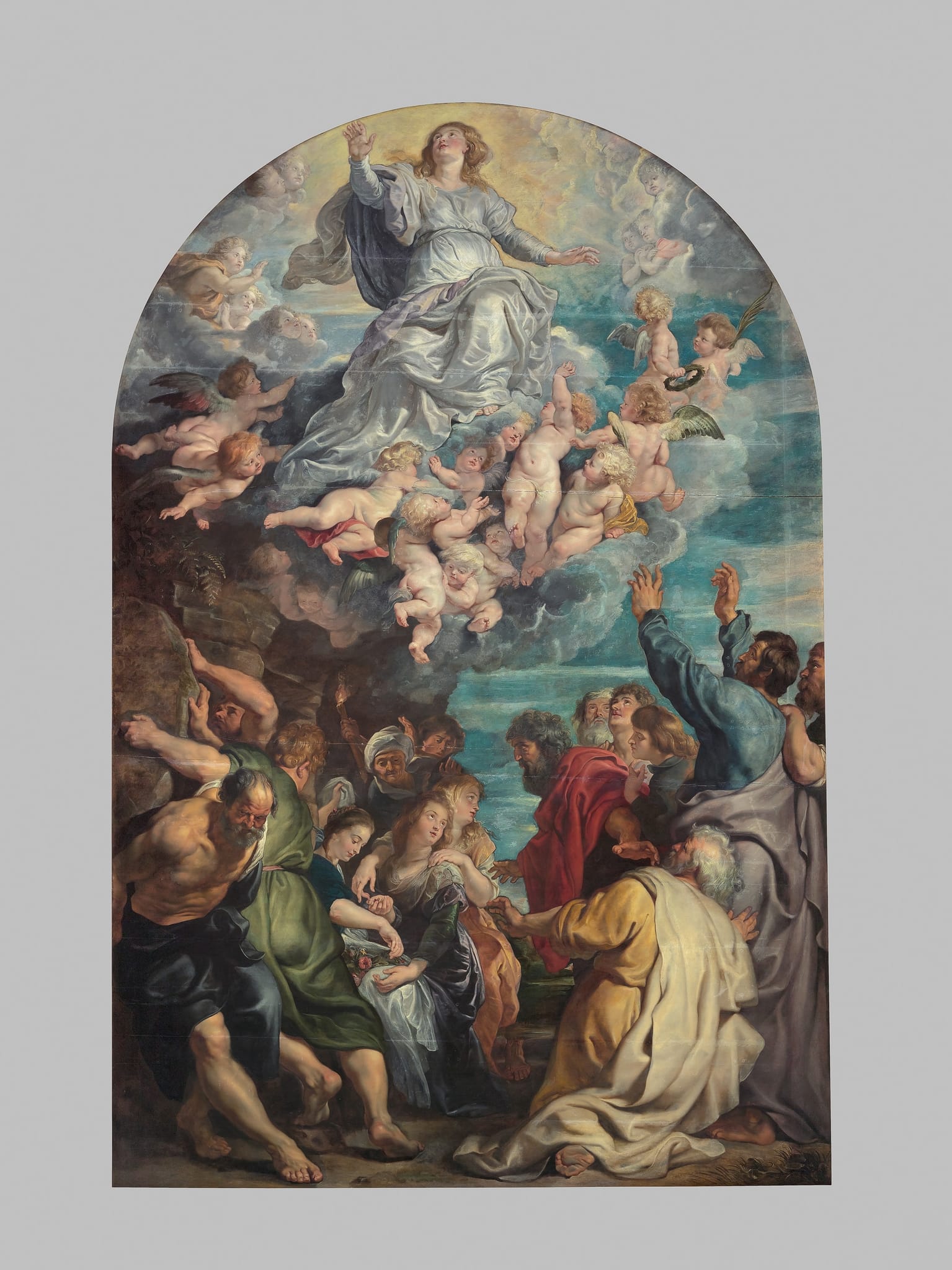
The Assumption of the Virgin
1626
Rubens portrays the Virgin Mary being raised into heaven, lifted by a swirling host of angels while apostles and onlookers witness from below. The painting is significant as a sumptuous, late-career expression of Rubens’ mastery of color, movement, and devotional grandeur for a major Marian altarpiece. Look for the spiraling composition that centers on Mary, the luminous palette that separates the heavenly realm from the earthly, and the rhythmic grouping of angels whose gestures propel the ascent.
Must-see