Peter Paul Rubens Paintings in Vienna — Where to See Them
Vienna matters for seeing Peter Paul Rubens because the city's Princely Collections at the Liechtenstein Garden Palace (Palais Liechtenstein) present about 16 of his paintings on permanent display, offering a concentrated, historically situated encounter with his large-scale canvases and altarpieces. Practical note: the Albertina does not have Rubens on display, so plan your visit around the Liechtenstein collection if Rubens is your priority.
At a Glance
- Museums
- Albertina Museum, Liechtenstein Garden Palace (Princely Collections)
- Highlight
- See Liechtenstein Garden Palace for Rubens's impressive Princely Collections
- Best For
- Lovers of Baroque art and intimate princely collections
Albertina Museum
Although the Albertina currently has no oil paintings by Rubens in its permanent display, it matters because the museum holds one of the world’s most important collections of prints and drawings — including Rubens’s preparatory sketches, study sheets and engraved reproductive prints. Those works reveal Rubens’s working method, compositional development and workshop practice in ways finished canvases do not, so viewing them lets you trace how ideas evolved from drawing to large-scale paintings.
Liechtenstein Garden Palace (Palais Liechtenstein — Princely Collections)
The Princely Collections at the Liechtenstein Palace hold an unusually large group of Rubens paintings (the palace’s holdings are listed here as 16), making it one of the best places to see Rubens’s work assembled in a single historic, aristocratic context. Seeing multiple canvases together — from large mythological and religious compositions to portraits — lets you compare his palette, brushwork and recurring themes and better understand how his workshop produced variations for different patrons.
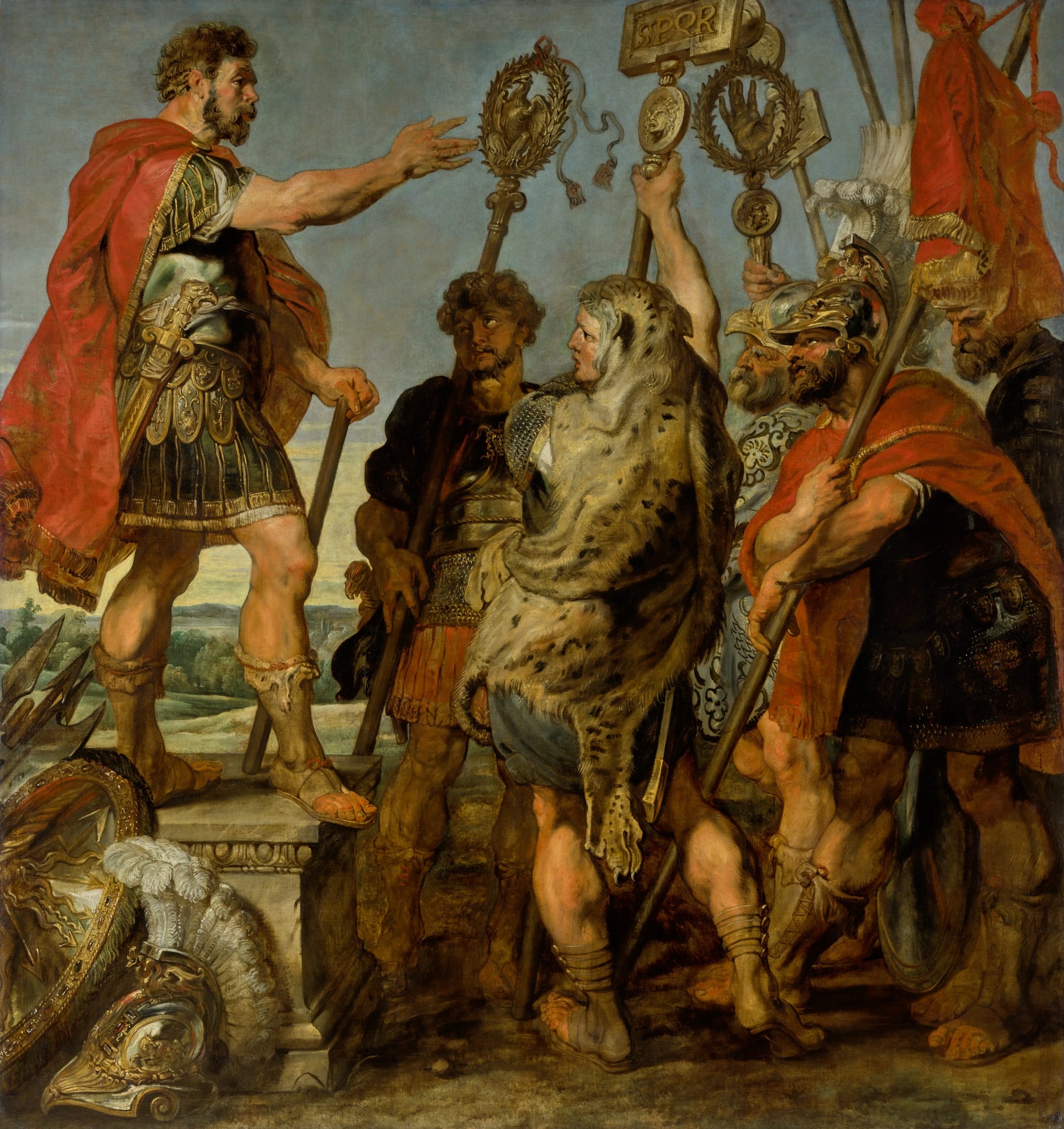
Decius Mus Relating his Dream
1616/17
Rubens shows the Roman consul Aulus Postumius Decius Mus reporting a portentous dream to his comrades, a moment charged with civic duty and personal sacrifice. Significant for Rubens’s dramatic use of gesture and group interaction, the canvas explores themes of fate and leadership in antiquity. Viewers should look for the expressive faces and the energetic diagonals that direct attention to the speaker and underline the emotional weight of his words.
Must-see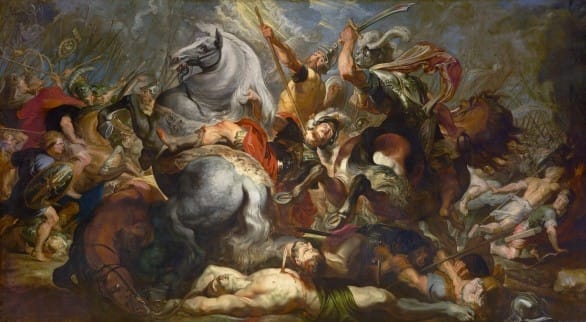
The Death of Decius Mus
1616/17
Rubens captures the climactic aftermath of Decius Mus’s vow, showing his fall in battle amid chaos and the reverent reactions of comrades. The work is significant as a study in heroic tragedy and the dignity of sacrifice, rendered with Rubens’s characteristic vigor and vivid anatomy. Look for the dramatic foreshortening of the fallen body, strong muscular forms, and the swirling composition that conveys movement and turmoil.
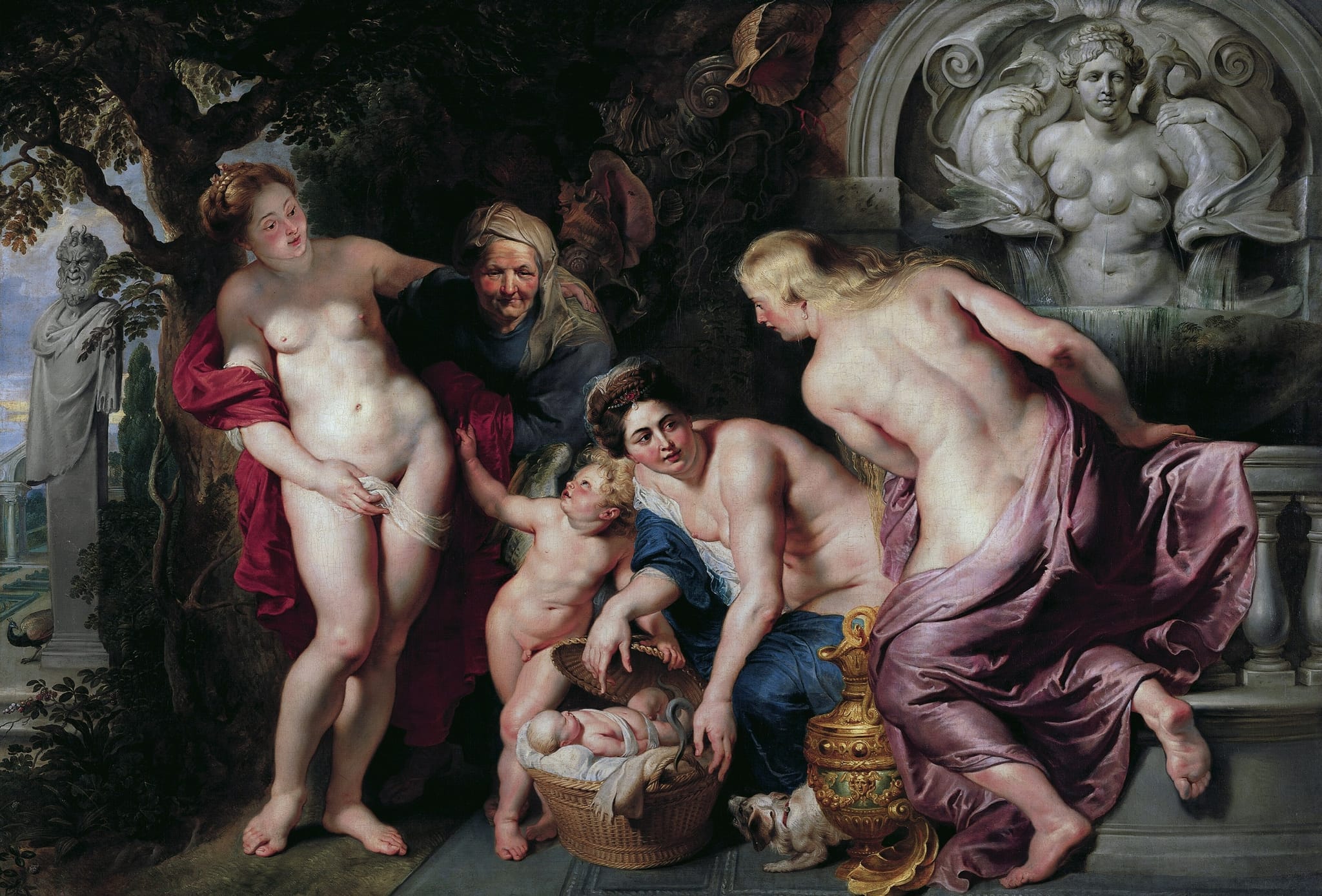
The Discovery of the Infant Erichthonius
c. 1616
Rubens represents the mythic moment when the infant Erichthonius—partly serpent-born—is discovered, combining wonder and danger in a domestic setting. The painting is notable for its blend of mythological narrative and intimate human reaction, showing Rubens’s skill at storytelling through expression and composition. Look for the contrast between the innocent child and the curious, alarmed faces around him, as well as the tactile rendering of flesh and drapery.
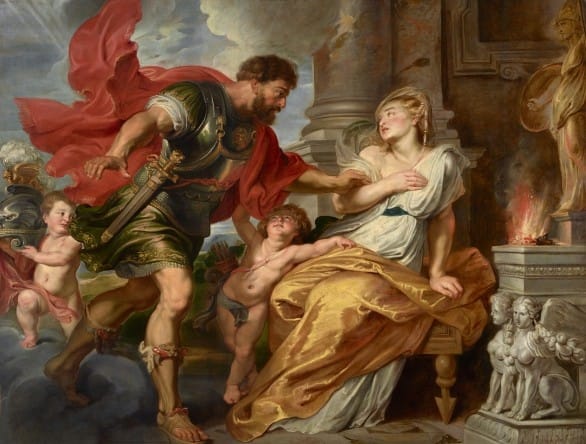
Mars and Rhea Silvia
c. 1616/17
This work shows the god Mars with Rhea Silvia, the Vestal mother of Romulus and Remus, emphasizing both erotic tension and the foundation-myth that leads to Rome’s origins. Significant for its combination of eroticism and mythic destiny, Rubens treats the subject with sensuous forms and bold color. Observe the robust anatomy of Mars, the soft modeling of Rhea Silvia, and the interplay of protective and possessive gestures that suggest the narrative’s consequences.
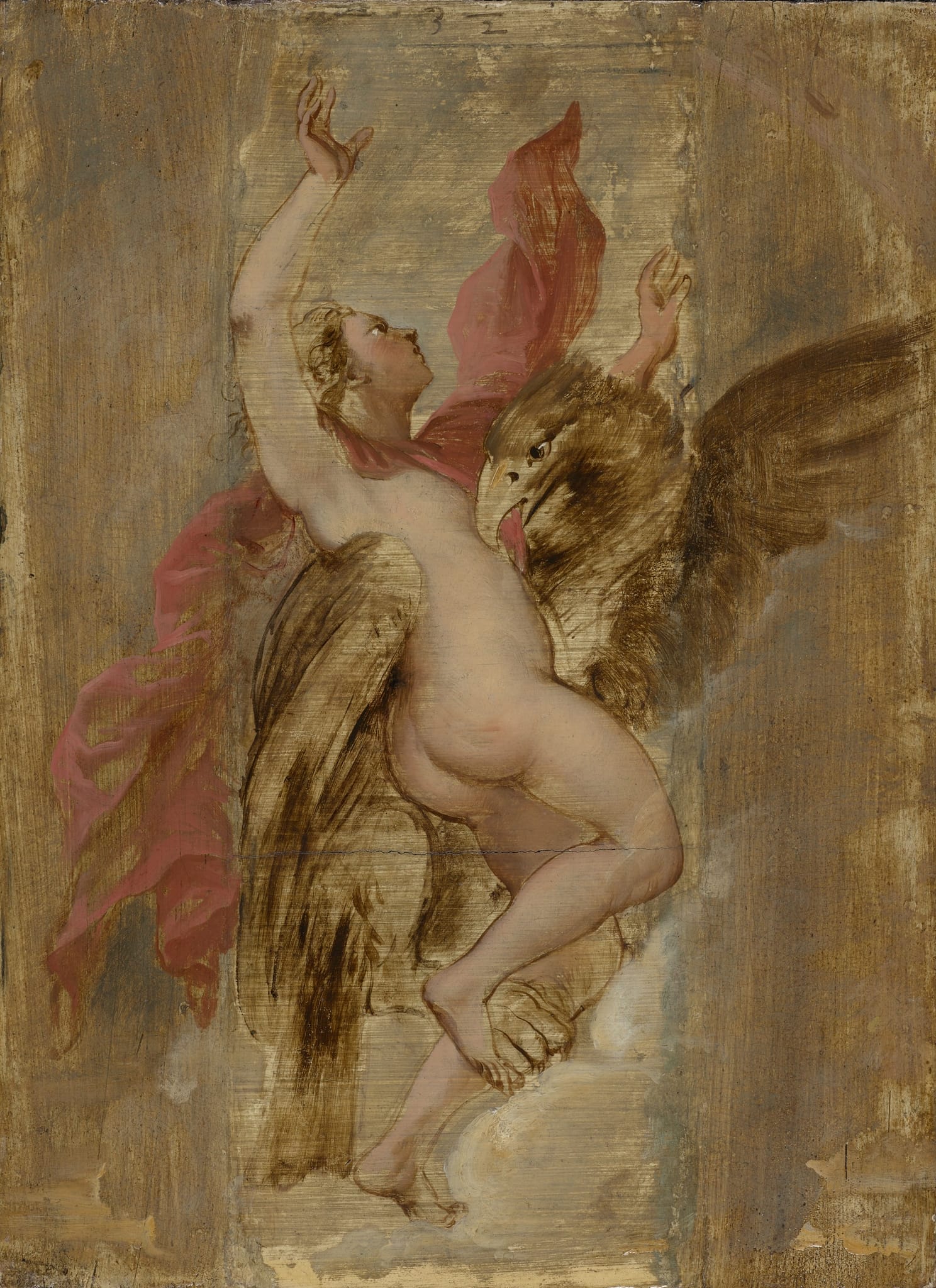
Ganymede
1611/12
Rubens depicts the youthful Ganymede being abducted by an eagle—a classical tale of divine desire—rendered with dynamic motion and sumptuous flesh tones. The painting is important as an example of Rubens’s ability to balance sensual beauty with dramatic momentum in mythological subjects. Viewers should note the twisting composition, the contrast between the bird’s power and the boy’s vulnerability, and the masterful handling of skin and light.
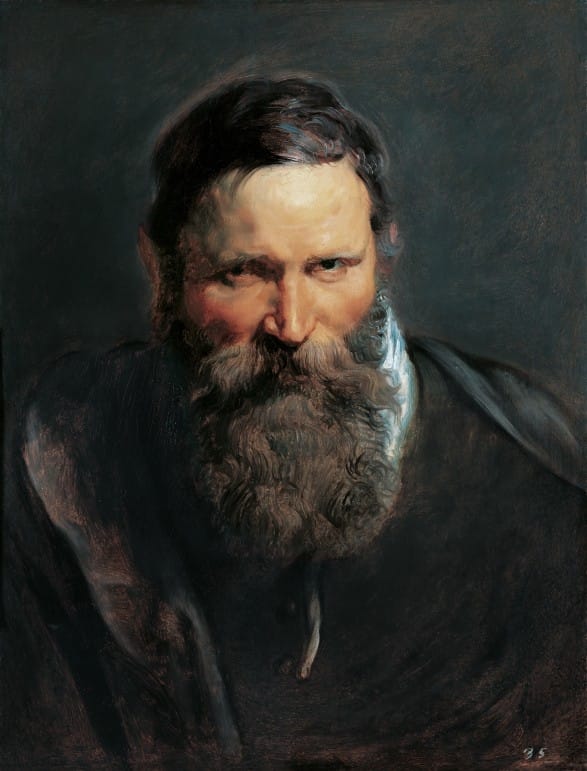
Head Study of a Bearded Man
c. 1612
This small study shows a vigorously observed bearded male head, executed with rapid, confident brushwork that captures character and temperament. Significant as a window into Rubens’s working methods, the study reveals how he investigated personality through ligneous strokes and tonal modulation. Pay attention to the economy of marks that still convey texture, bone structure, and a lively psychological presence.
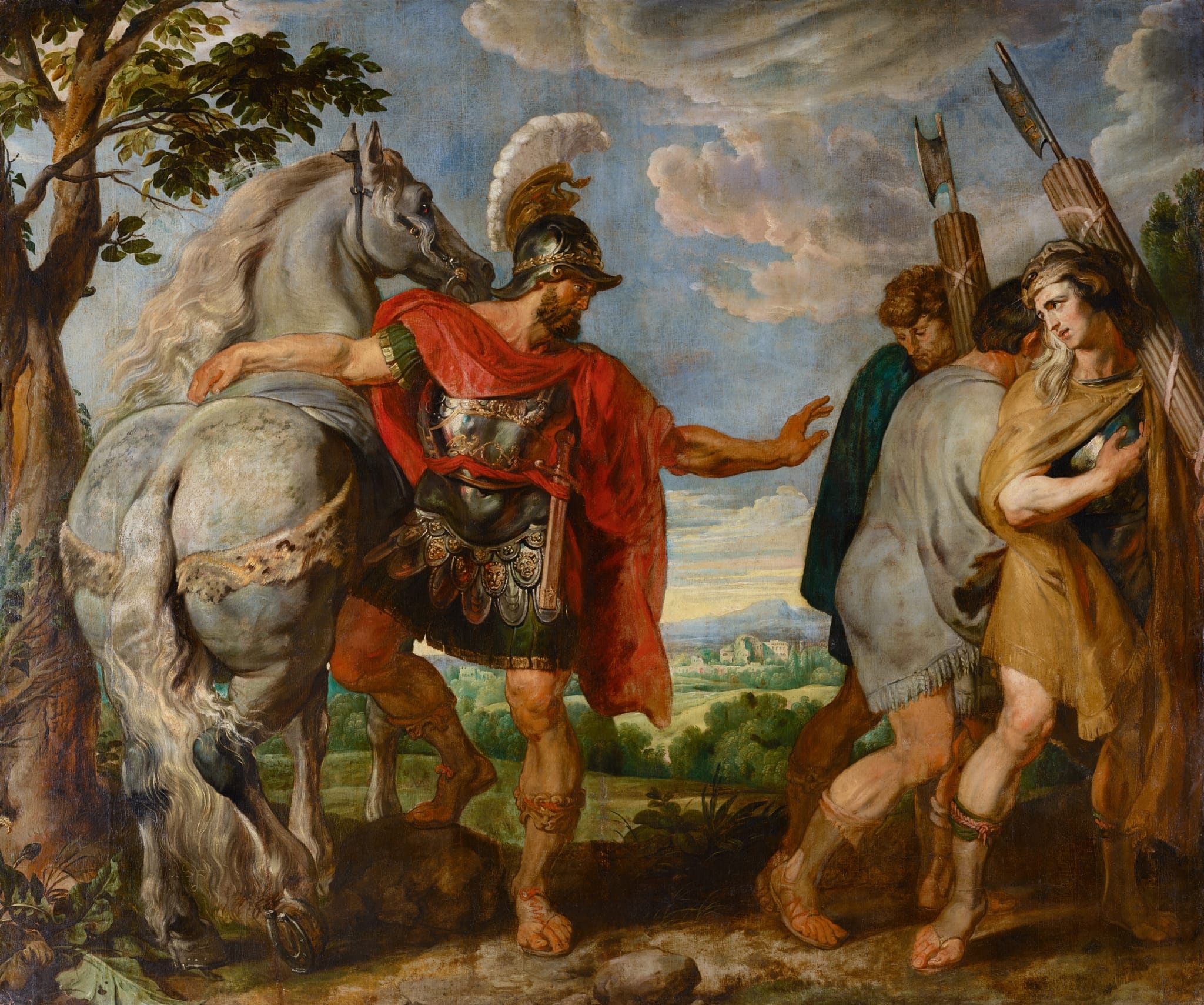
The Dismissal of the Lictors
1616/17
This canvas shows the dramatic public scene in which lictors—Roman attendants—are dismissed, a moment charged with legal and political implications. Rubens uses the subject to explore authority, ritual, and human reaction, employing complex group dynamics and theatrical lighting. Notice the strong, directional gestures that organize the crowd, the variety of expressions, and the sculptural treatment of bodies that give the scene its gravitas.
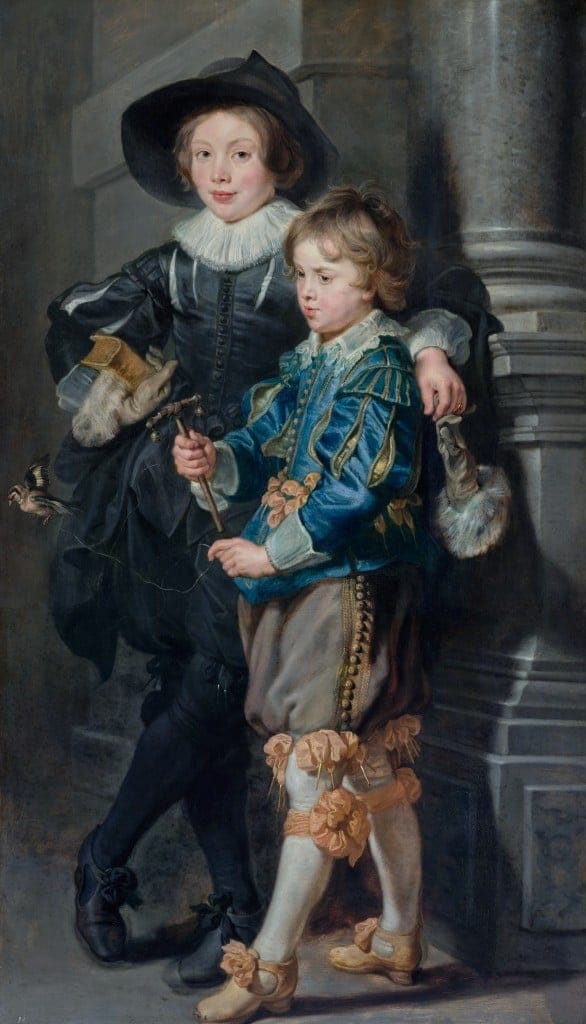
Portrait of Albert (1614–1657) and Nicholas Rubens (1618–1655)
1626/27
This double portrait presents Rubens’s sons Albert and Nicholas together, recording familial likenesses and the passage of time within a composed, stately format. Significant as a familial and documentary work, it shows Rubens’s continued interest in portraiture and legacy. Notice the individualized faces, the restrained interaction between the brothers, and the careful rendering of costume that situates them socially and chronologically.
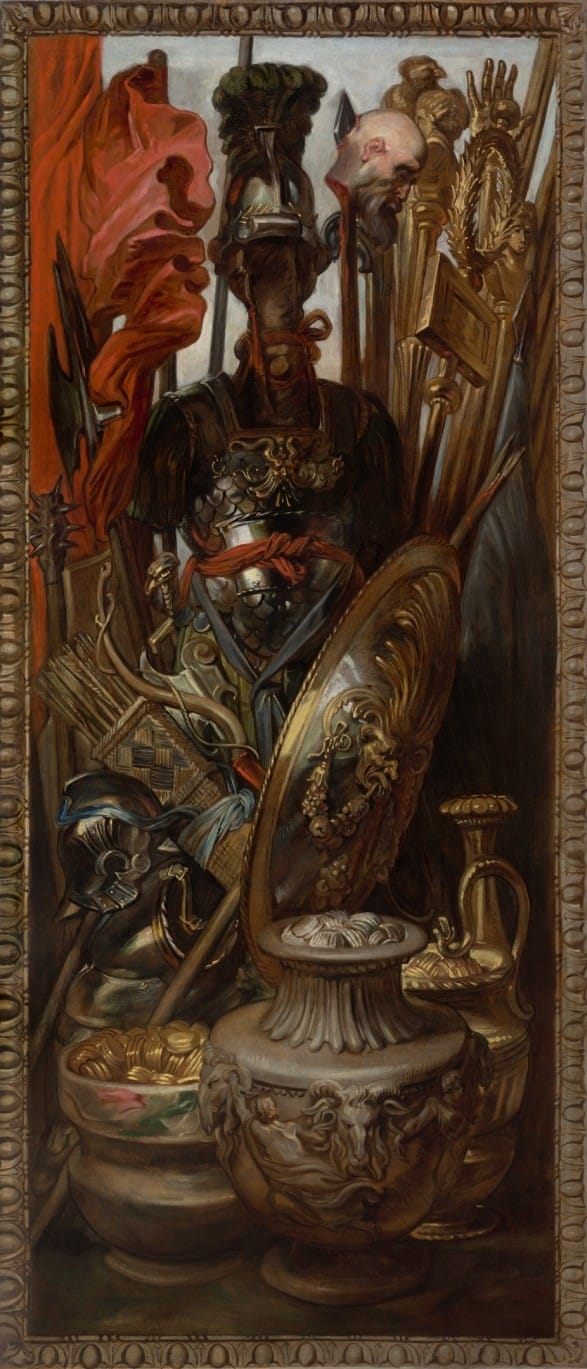
Trophy
1616/17
Rubens’s decorative 'Trophy' depicts an assemblage of arms, armor, and martial accoutrements arranged as a triumphant monument. Important in the context of large-scale decorative schemes, the painting demonstrates Rubens’s skill in still-life detail and symbolic display within allegorical programs. Look closely at the textures of metal, fabric, and weaponry, and how their arrangement creates a sense of victory and martial glory.
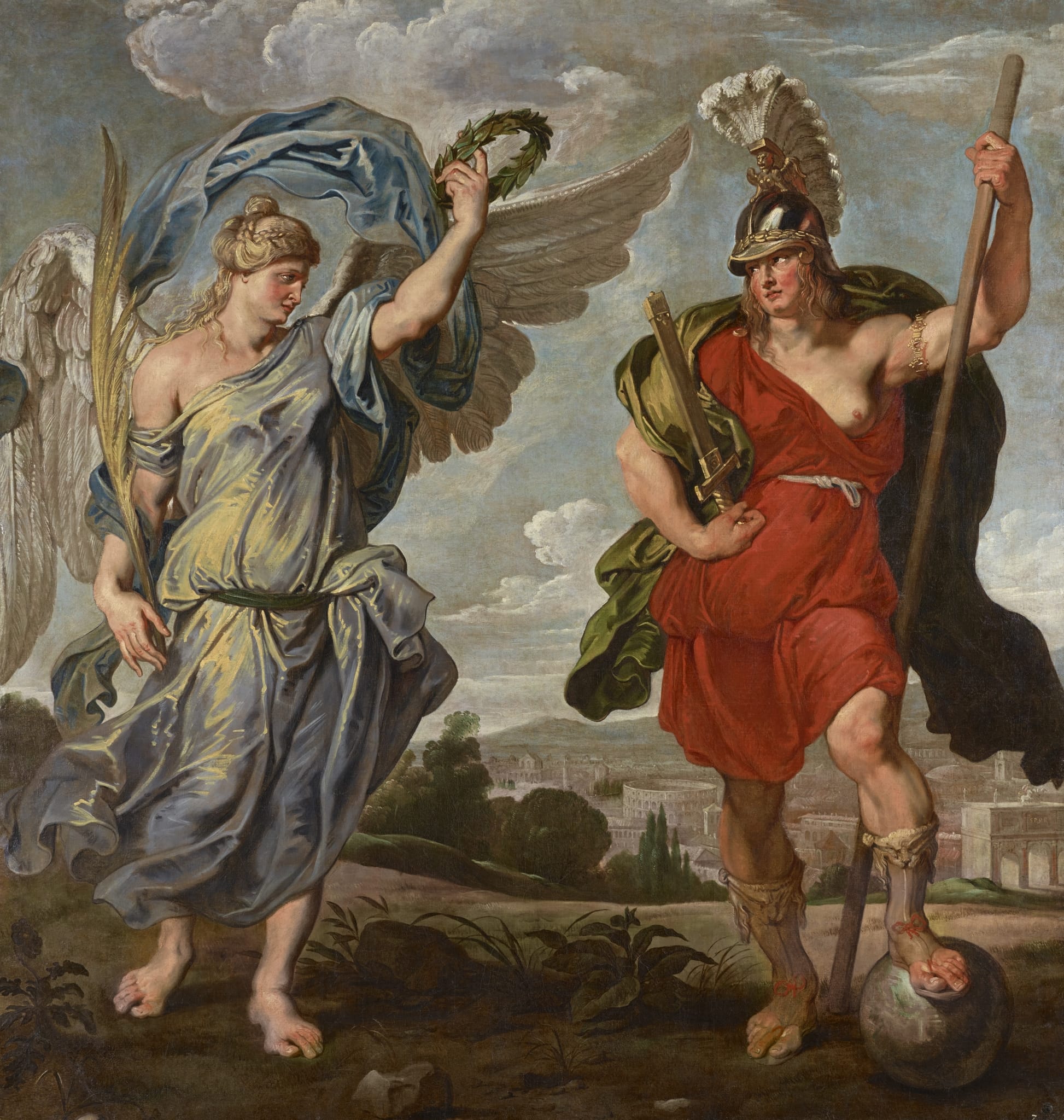
Victoria and Virtus
1618
This allegorical painting pairs Victoria (Victory) with Virtus (Virtue), presenting victory as inseparable from moral excellence in civic life. The work is significant for Rubens’s use of allegory to convey political and ethical ideals, executed with dramatic poses and luminous color. Viewers should observe the contrasting attributes—wreaths, armor, and gestures—that identify each figure and the dynamic interplay between idealized bodies and symbolic meaning.