How Much Is Blue Nude (Souvenir de Biskra) Worth?
Last updated: March 30, 2026
Quick Facts
- Methodology
- comparable analysis
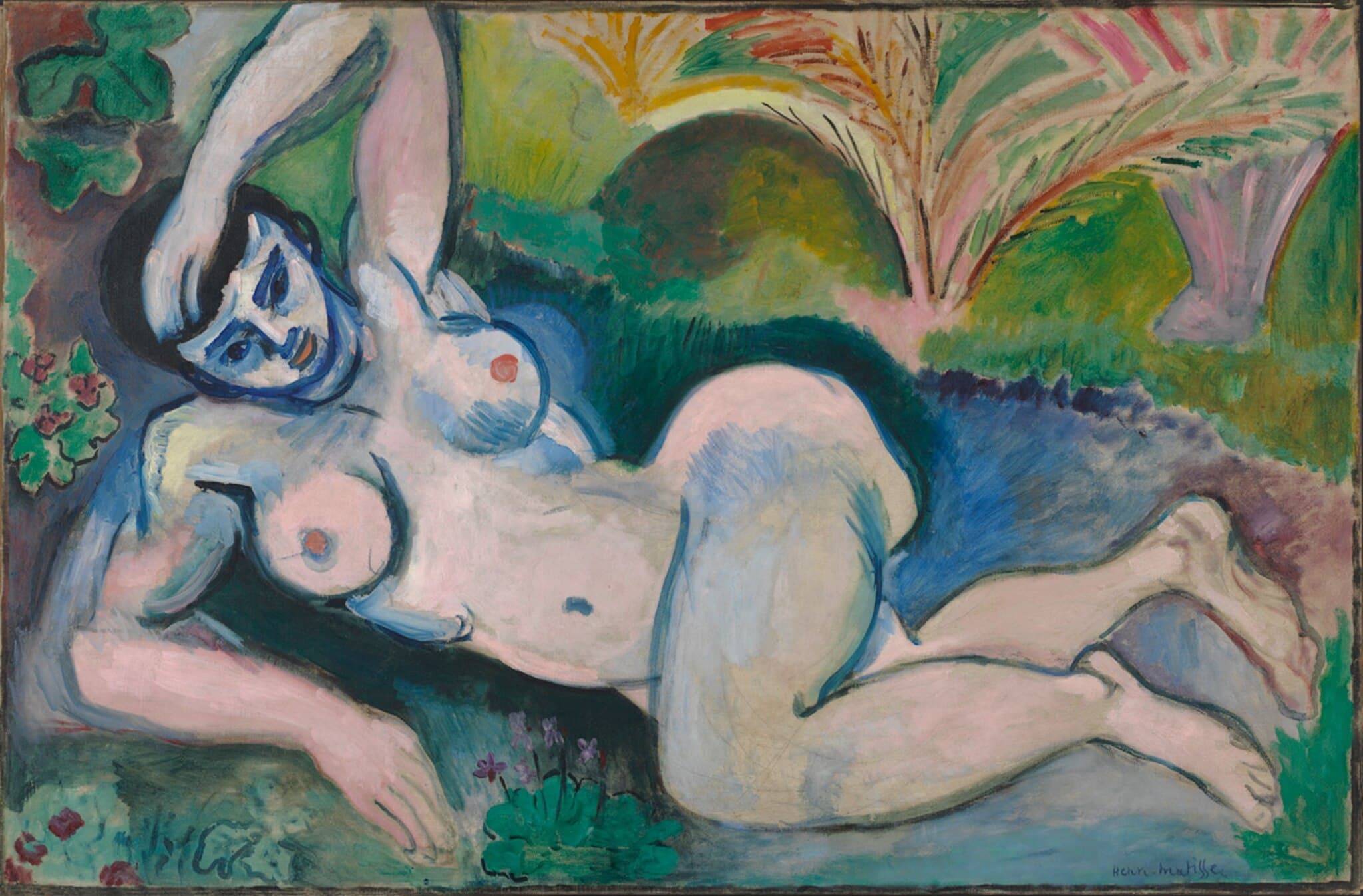
Blue Nude (Souvenir de Biskra), 1907 (Henri Matisse), is a museum‑held, historically important early Fauve nude in the Cone Collection (Baltimore Museum of Art). If offered on the open market in clean title, confirmed autograph condition, and sold through a top‑tier house, a realistic market range is $20–50M; exceptional circumstances could push toward the high end of the broader Matisse market ceiling.
Valuation Analysis
Valuation conclusion: Based on documented provenance, exhibition history, and comparable auction results for early Matisse nudes and large museum‑quality oils, I estimate a hypothetical market value of $20,000,000 to $50,000,000 for Blue Nude (Souvenir de Biskra) (1907) if it were legitimately offered for sale under optimal conditions. This opinion assumes the work is an undisputed autograph oil, in sound/stable condition, free of restitution claims, and presented with full provenance and literature references.
The painting is recorded in the Cone Collection at the Baltimore Museum of Art and is catalogued in the museum’s holdings; as a museum accession it has not appeared on the public auction market in modern times [1]. The work’s scale (c. 92 × 140 cm), its central place in Matisse’s early exploration of the nude and color, and its exhibition history give it significant art‑historical weight and saleability to blue‑chip collectors and institutions.
Market calibration relies on recent high‑profile results for comparable Matisse works. The artist’s auction ceiling (e.g., the 2018 Rockefeller Odalisque that realized $80.75M) demonstrates the upper boundary of demand for top‑tier canvases, while period nudes and early works have realized mid‑seven‑figure to low‑eight‑figure prices (examples in the $9–$26M band), establishing a realistic mid‑market for an autograph 1907 Blue Nude. I apply upward premiums for museum‑quality provenance, publication and exhibition history, and size; I apply downward adjustments for any condition issues, non‑autograph attribution, or legal encumbrances [2].
Practical valuation factors: provenance (Cone sisters → BMA) and exhibition/literature pedigree materially enhance value; condition/technical verification (X‑ray, IR, pigment analysis) is required to confirm originality and to quantify restoration impact; route to market (evening sale at a major house vs. private treaty) will influence realized price and buyer pool. Given the museum ownership, an actual sale is unlikely without deaccession — which carries legal, ethical and reputational constraints that would affect sale strategy and price.
Recommended next steps to firm the estimate: obtain the BMA object file and full provenance/exhibition dossier; secure high‑res photography and a thorough conservation/technical report; consult the Wildenstein/Plattner catalogue raisonné for catalogue number/entry confirmation; and obtain confidential, specialist estimates from Christie’s/Sotheby’s/Phillips to test market appetite and optimal sale route. With those documents we can narrow the range and set a reserve/asking strategy tailored to condition and market timing.
Key Valuation Factors
Art Historical Significance
High ImpactThis 1907 Blue Nude sits at a pivotal moment in Matisse’s development: it links his Fauve experiments to subsequent explorations of the reclining nude and figure composition. The motif 'Blue Nude' is repeatedly discussed in scholarship as central to Matisse’s formal investigations of color, line and spatial compression; the 1907 dating places it among his most-discussed early nudes. Works that embody turning points in an artist’s career attract both curatorial interest and collector demand, so the painting’s importance as a documented, early autograph composition is a primary upward driver of value. Exhibition and literature citations amplify market desirability and justify premiums relative to unattributed or studio works.
Provenance & Museum Ownership
High ImpactThe painting’s provenance from the Cone sisters to the Baltimore Museum of Art provides pristine, traceable ownership and a strong exhibition history—key value drivers. Museum provenance confers trust and typically raises the market profile compared with works from anonymous private hands. However, museum ownership also means the work has not been tested in the open market; a deaccession (if ever contemplated) introduces institutional constraints and possible public scrutiny that can affect sale timing and realized price. In valuation terms, excellent provenance supports the upper portion of the estimate range, but the rarity of market exposure for museum works adds uncertainty to realized outcomes.
Condition & Technical Status
Medium ImpactCondition and conservation history materially alter value. A largely original surface, stable ground and minimal invasive restoration support the high estimate; significant lining, heavy overpainting, or loss could reduce marketability and require downward adjustments. Technical analysis (X‑ray, infrared reflectography, pigment and binder testing) is essential to confirm period materials and to identify workshop or later interventions. The absence of a recent, detailed conservation report introduces valuation variance. For a painting of this age, even moderate restoration is not uncommon but must be quantified to set buyer expectations and appropriate reserve levels.
Market Comparables & Liquidity
High ImpactComparable auction results for major Matisse oils show a wide band: the artist’s auction ceiling (>$80M) is proof that exceptional canvases can reach very high sums, while important early nudes and post‑war portraits have realized in the low to mid tens of millions. These comps provide a framework for adjustments based on date, scale, condition, and provenance. Liquidity at the very top of the market is limited—sale outcomes depend on a handful of deep‑pocket collectors and institutions—so while comps justify the estimate range, actual realization will depend on market timing, catalogue placement, and buyer competition.
Availability, Legal & Deaccession Risk
Medium ImpactBecause the work is museum‑held, its probability of entering the market is low absent a formal deaccession, which introduces legal, ethical, and institutional constraints. Export controls, cultural patrimony rules, or potential restitution claims (less likely here but always a due‑diligence item) can materially impair sale prospects and price. Forced or emergency sales typically fetch lower than market‑optimal prices. Conversely, a consensual, well‑publicized deaccession offered through a marquee evening sale could attract institutional buyers and private collectors and support a higher realization. Availability therefore moderates both likelihood of sale and valuation certainty.
Sale History
Blue Nude (Souvenir de Biskra) has never been sold at public auction.
Henri Matisse's Market
Henri Matisse is a blue‑chip modern master whose major oils and cut‑outs command strong demand among museums and blue‑chip private collectors. His auction record (notably an $80.75M sale in 2018) demonstrates a high ceiling; important early works and large figure paintings regularly trade in the low‑to‑mid tens of millions. Market interest concentrates on autograph, well‑provenanced canvases with strong exhibition histories. Secondary‑market liquidity at the top is concentrated among a small number of collectors and institutions, so sale outcomes depend on presentation, provenance, and competitive bidding.
Comparable Sales
Odalisque couchée aux magnolias
Henri Matisse
Artist auction record; large, high-quality Matisse oil that establishes the market ceiling for top-tier Matisse paintings (useful as an upper-bound comparator though later in date/style than the 1907 Blue Nude).
$80.8M
2018, Christie's New York
~$102.7M adjusted
Nu allongé I (Aurore)
Henri Matisse
Early nude (1908) close in date, subject and art-historical context to Blue Nude (1907); a direct, period-appropriate comparable showing market for early Matisse nudes.
$20.5M
2018, Phillips London
~$26.1M adjusted
Fleurs (Fleurs devant un portrait)
Henri Matisse
Later-period Matisse oil sold in a major New York sale; provides a mid-market benchmark for well-provenanced Matisse canvases in recent years.
$15.3M
2022, Sotheby's New York
~$16.7M adjusted
Mademoiselle Matisse en manteau écossais
Henri Matisse
Post‑WWI portrait by Matisse sold in 2023; useful as a lower-end recent-market reference for important but not top-tier Matisse works.
$9.0M
2023, Christie's New York
~$9.5M adjusted
Current Market Trends
The high end of the modern and 20th‑century market remains selectively robust: well‑provenanced museum‑quality works perform strongly when presented through major houses. Macroeconomic variables (interest rates, currency movements) and geopolitical dynamics influence buyer confidence, and private treaty sales continue to dominate the largest transactions. For Matisse specifically, institutional interest and occasional trophy‑level private demand sustain prices, but market timing and sale strategy remain critical to achieving top results.