How Much Is The Woman with a Gambling Mania (La Folle du jeu) Worth?
Last updated: May 7, 2026
Quick Facts
- Last Sale
- $184K (1938, Galerie Charpentier (sold to Société des Amis du Louvre; given to the State / Musée du Louvre))
- Methodology
- comparable analysis
Hypothetical market value for Théodore Géricault’s La folle monomane du jeu (museum inv. RF 1938 51) is approximately USD 3,000,000–12,000,000 assuming an accepted autograph oil in good condition with solid provenance and scholarly documentation. Because the work has been in the Musée du Louvre since 1938, any market price is conditional on deaccession, full technical authentication and clarity of title.
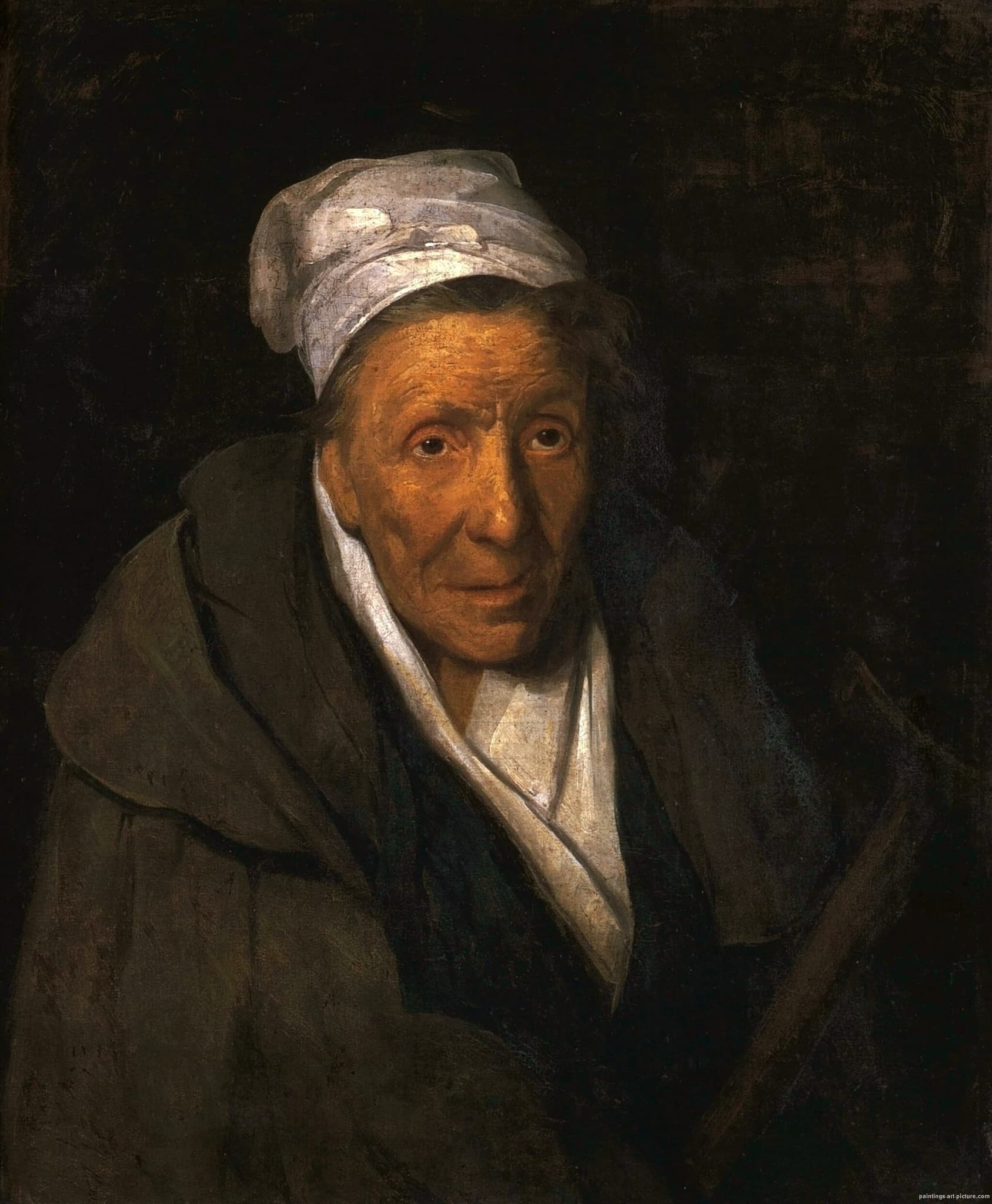
The Woman with a Gambling Mania (La Folle du jeu)
Theodore Gericault, 1822 • Oil on canvas
View more by Theodore Gericault →Valuation Analysis
Context: La folle monomane du jeu is recorded in the Musée du Louvre (inv. RF 1938 51) following a Galerie Charpentier sale in 1938 and has not appeared on the public market since that acquisition [1]. That museum ownership both strengthens provenance (reducing title risk) and removes the work from normal market circulation, meaning any price below is hypothetical and contingent on lawful deaccession and full technical and provenance clearance.
Methodology: This valuation uses comparable‑analysis: anchoring to the best available autograph‑oil auction results for Géricault portraits and to market behaviour for drawings/works on paper. The best high‑end anchor is Christie's 2009 sale of an important Géricault portrait (~€9.0M at sale), while specialist sales over the last five years show drawings and prints trading at far lower levels and small oils/drawings often realizing mid‑five to low‑seven figure results depending on attribution, condition and provenance [2][3][4].
Why USD 3M–12M: If the painting is an accepted autograph oil by Géricault (catalogue‑raisonné inclusion or equivalent expert consensus), in stable to very good condition, and backed by continuous, museum‑grade provenance and published/exhibition history, the market would reasonably value it in the USD 3–12M band. The lower bound reflects market outcomes for smaller or less well‑documented Géricault oils and the effect of recent caution among buyers; the upper bound reflects what a well‑provenanced, technically confirmed portrait could achieve when offered by a top house with scholarly support, given the artist’s scarcity on the market and existing high‑water marks for portraits [2].
Upside and downside: Upside to USD 10–30+M is possible but rare—this requires exceptional condition, decisive technical attribution, a major exhibition catalogue placement and competitive institutional/private bidders. Downside to the low six‑figures is also possible where attribution is uncertain, restoration problematic, or provenance is incomplete. Recent attribution debates and market caution make technical reports, catalogue‑raisonné status and museum documentation decisive factors in final pricing [5].
Next steps to firm the estimate: obtain high‑resolution images, full conservation/technical analysis (X‑ray, IRR, pigment analysis), complete provenance documentation, and formal opinions from recognized Géricault specialists and the Louvre registrars. With those materials, a formal auction‑house pre‑sale estimate or certified appraisal can replace this hypothetical range.
Conclusion: Based on scarcity of autograph oils, the painting’s public museum provenance since 1938 and comparative auction evidence, USD 3,000,000–12,000,000 is a defensible hypothetical market range for an authenticated, well‑preserved sale candidate; the final figure would rest entirely on attribution certainty, condition, documentation and sale mechanics [1][2][5].
Key Valuation Factors
Art Historical Significance
High ImpactGéricault’s Georget portraits, including La folle monomane du jeu, are pivotal for understanding his psychological realism and interest in clinical portraiture. They occupy an important scholarly position: highly cited in studies of nineteenth‑century portraiture and the history of psychiatry. While these works are not as publicly iconic as The Raft of the Medusa, their academic importance makes them attractive to museums and specialist collectors. That elevated scholarly status supports value above a generic nineteenth‑century canvas, but the series’ specialist nature—smaller scale, intimate format—typically keeps realized prices below the artist’s blockbuster history paintings.
Provenance & Museum Ownership
High ImpactThe recorded chain culminating in the work’s acquisition by the Société des Amis du Louvre and entry into the Musée du Louvre in 1938 materially reduces title and authenticity risk; institutional custody is a principal value enhancer. Museum provenance increases buyer confidence, can secure higher auction estimates, and facilitates exhibition loans and scholarly publication. Conversely, because the painting has been off‑market since 1938, there are no modern market comparables for this exact canvas—this both preserves its scarcity premium and complicates precise market calibration.
Condition & Technical Attribution
High ImpactCondition and technical authentication are decisive. A clean technical report (X‑ray, infrared reflectography, pigment and binding analysis) confirming autograph status and minimal intrusive restoration will justify the middle to upper parts of the estimate. Evidence of heavy overpainting, major restorations or inconclusive technical data would materially reduce market interest. Because recent attribution debates in the field have made buyers cautious, rigorous technical backing and catalogue‑raisonné inclusion are often prerequisites for achieving multi‑million dollar results.
Market Scarcity & Demand
Medium ImpactAutograph Géricault oils are rare in the secondary market; several of his best works are museum‑held. This scarcity can support high prices when a strong example becomes available. However, the collector base is specialized and demand concentrates on well‑documented works with exhibition histories. Drawings and prints trade more frequently and at lower price points, so a gap exists between modestly priced paper works and the rarer oils that attract top buyers. Market appetite exists but is selective and sensitive to documentation and sale strategy.
Exhibition & Publication History
Medium ImpactInclusion in major exhibitions and authoritative catalogues raisonnés markedly increases value by reducing attribution risk and expanding the pool of institutional and private bidders. A painting with an established exhibition and publication record will command a premium; conversely, a work without clear publication history will underperform. For museum‑held works like this one, published museum entries and exhibition loans are strong value enhancers if they are demonstrably linked to the object being offered.
Sale History
Galerie Charpentier (Paris)
Theodore Gericault's Market
Théodore Géricault (1791–1824) is a canonical French Romantic master whose major historical canvases (notably The Raft of the Medusa) anchor his reputation. Because key oils are concentrated in museum collections, autograph Géricault works rarely appear at auction, producing an illiquid but high‑value market for authenticated oils. Drawings and prints trade more commonly and set lower price medians, while exceptional, well‑provenanced oils can reach multi‑million results. Attribution certainty, provenance and exhibition history are the principal drivers differentiating six‑figure from multi‑million outcomes.
Comparable Sales
Portrait d'Alfred et Elisabeth Dedreux
Théodore Géricault
Same artist, oil portrait from the same period; auction record for an autograph Géricault oil and therefore the best high‑end market anchor for important portraits by the artist.
$11.6M
2009, Christie's (Yves Saint Laurent / Pierre Bergé sale, Paris)
~$16.7M adjusted
La folle monomane du jeu (The Woman with a Gambling Mania) — last public sale
Théodore Géricault
This is the painting's own last public sale and the provenance anchor (museum acquisition). It provides the only direct realised price for this exact work.
$8K
1938, Galerie Charpentier (Paris) — sold to Société des Amis du Louvre
~$184K adjusted
Small Géricault oil/drawing (Christie's London, 18 May 2022)
Théodore Géricault
Recent secondary‑market sale of a small Géricault autograph/study; useful as a mid‑market anchor for small oils/drawings by the artist (shows mid‑five to low‑six‑figure realised prices for less prominent autographs).
$185K
2022, Christie's, London (18 May 2022 sale)
~$196K adjusted
Retour de Russie (lithograph)
Théodore Géricault
Work on paper / print by Géricault realised in a specialist sale; establishes the low end of market pricing for Géricault prints/graphic works and highlights the wide dispersion between prints/drawings and autograph oils.
$6K
2025, Swann Galleries (Old Master through Modern Prints, New York)
Current Market Trends
Since 2023 the top‑end market has cooled and buyers have shifted toward private sales and mid‑market purchases; attribution disputes and renewed scholarly scrutiny have increased caution about ‘new’ attributions. Works on paper remain active, but auction houses and institutions now demand stronger technical and provenance documentation for high estimates. For Géricault specifically, institutional interest and authoritative catalogue work sustain demand, yet scarcity of museum‑quality oils makes major sales infrequent and highly conditional on documentation and sale strategy.
Sources
- Musée du Louvre — Collections entry: La folle monomane du jeu (inv. RF 1938 51)
- Christie’s press / lot report — Portrait d’Alfred et Elisabeth Dedreux (Yves Saint Laurent / Pierre Bergé sale, 2009)
- Sotheby’s lot page — Théodore Géricault, Two horses in a stable (Master Works on Paper, Jan 2024)
- Swann Galleries — THÉODORE GÉRICAULT, Retour de Russie (print sale, Apr 2025)
- Le Monde — Coverage of 2024 Géricault exhibition and attribution debate