Theodore Gericault
Biography
Theodore Gericault (1791–1824) trained in the neoclassical studio system but absorbed Baroque dynamism and Michelangelesque anatomy, channeling them into modern, emotionally charged subjects. His short career—from cavalry scenes to the monumental Raft and later studies of psychological extremes—helped define French Romanticism and influenced Delacroix and later modernists [2].
Themes in Their Work
Most Expensive Theodore Gericault Paintings
Explore ranked valuations of Theodore Gericault's most valuable works →
Featured Artworks

Portrait of a Kleptomaniac (Monomane du Vol)
Theodore Gericault

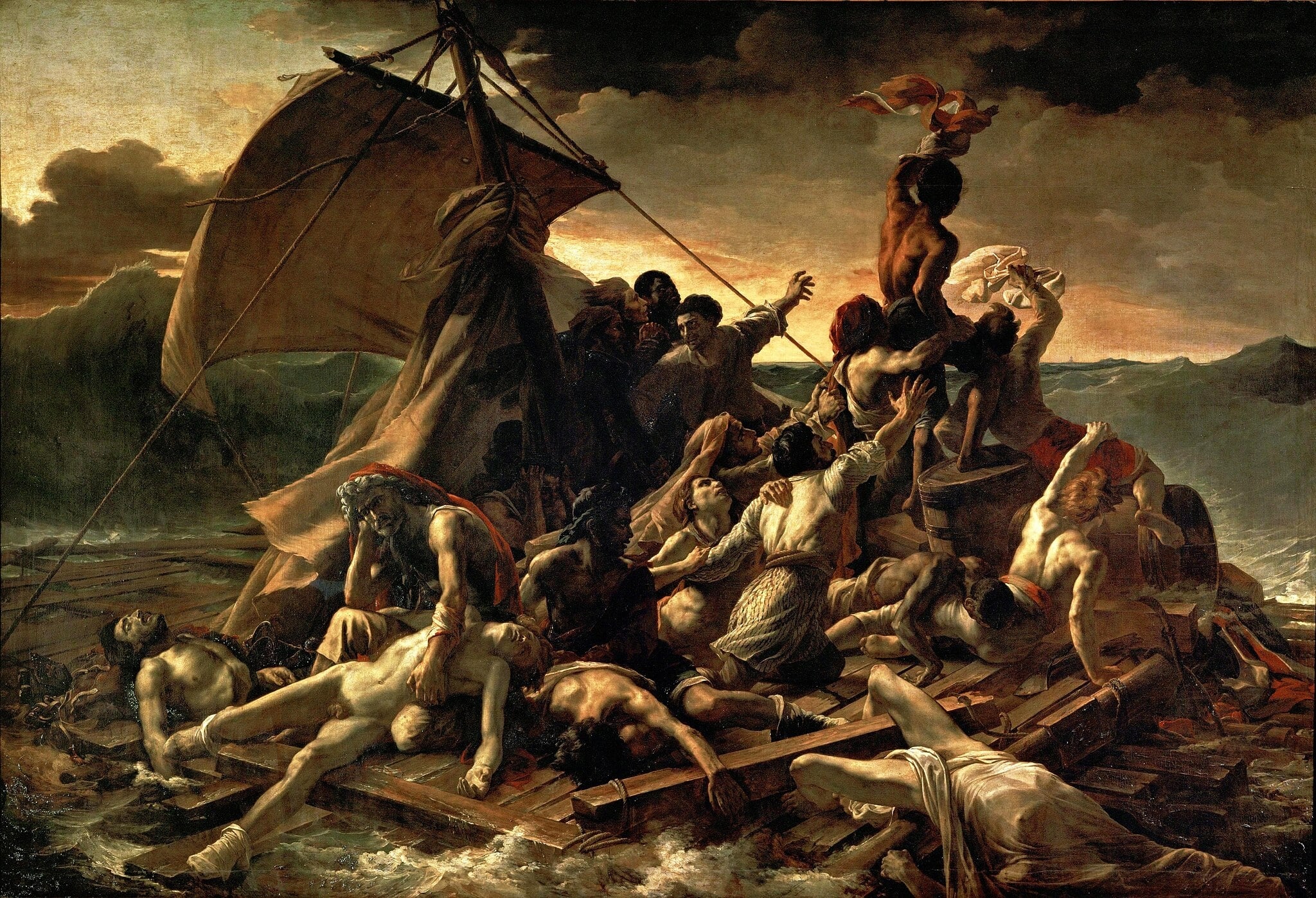
The Raft of the Medusa
Theodore Gericault (1818–1819)
The Raft of the Medusa stages a modern catastrophe as epic tragedy, pivoting from corpses to a surge of <strong>collective hope</strong>. The diagonal mast, torn sail, and a Black figure waving a cloth toward a tiny ship compress the moment when despair turns to <strong>precarious rescue</strong> <sup>[1]</sup><sup>[2]</sup>.

The Wounded Cuirassier (Wounded Cuirassier Leaving the Field of Battle)
Theodore Gericault (1814)

The Charging Chasseur (An Officer of the Imperial Horse Guards Charging)
Theodore Gericault

The 1821 Derby at Epsom (Horse Race)
Theodore Gericault (1821)

A Horse Frightened by Lightning
Theodore Gericault

Riderless Racers at Rome (Riderless Racers)
Theodore Gericault (1817)

A Charge of Cuirassiers
Theodore Gericault

The Woman with a Gambling Mania (La Folle du jeu)
Theodore Gericault (1822)

Portrait of a Child Snatcher (The Madman-Kidnapper / The Child Thief)
Theodore Gericault