Most Expensive Theodore Gericault Paintings
Théodore Géricault’s market standing today reads like a ledger of Romantic intensity: his works command prices that reflect rarity, historical resonance and the raw psychological power that defined early 19th-century French painting. At the summit sits The Raft of the Medusa, an icon of political drama and technical bravura estimated at an astonishing $300–450 million, while major cavalry pieces such as The Charging Chasseur (An Officer of the Imperial Horse Guards Charging) trade in the $15–60 million bracket, evidence of collectors’ appetite for heroic narrative and provenance. Equally sought after are battlefield studies like The Wounded Cuirassier, priced between $8,000,000 and $30,000,000, and sporting scenes such as The 1821 Derby at Epsom, at $6–15 million, which blend movement with acute observation. Smaller but no less compelling portraits and studies—A Horse Frightened by Lightning and The Woman with a Gambling Mania—appear in the $3,000,000–12,000,000 range, while more intimate works such as Portrait of a Child Snatcher ($1,000,000–$6,000,000) and Portrait of a Kleptomaniac ($500,000–$3,000,000) attract collectors for their psychological specificity. Even lesser-priced pieces like Riderless Racers at Rome ($150,000–$750,000) offer accessible entry points into a market driven by rarity, scholarship and museum demand.
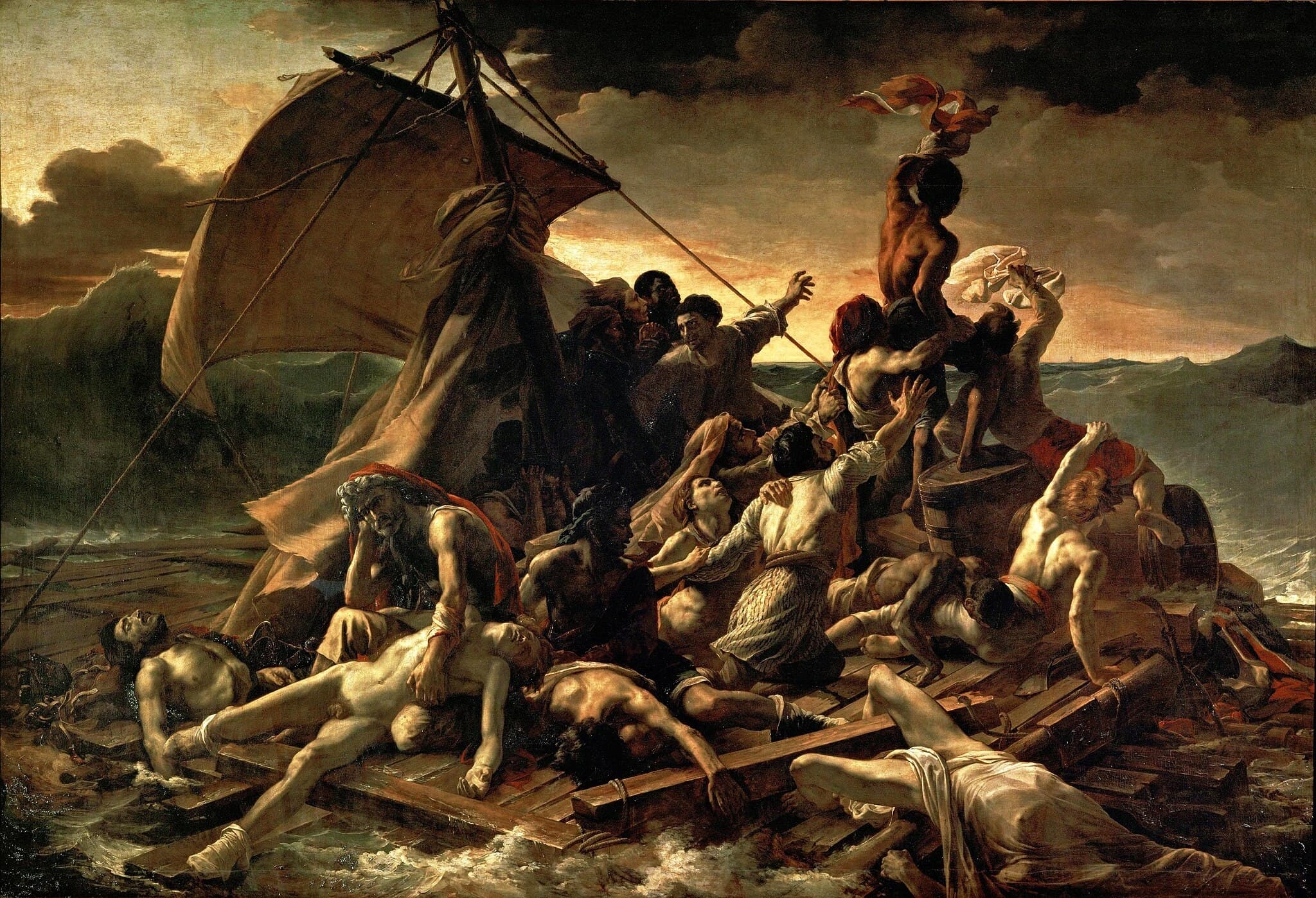
$300-450 million
Hypothetically valued US$300–450 million as Géricault’s masterpiece, yet effectively unsellable because it is inalienable within the Louvre’s national collection.
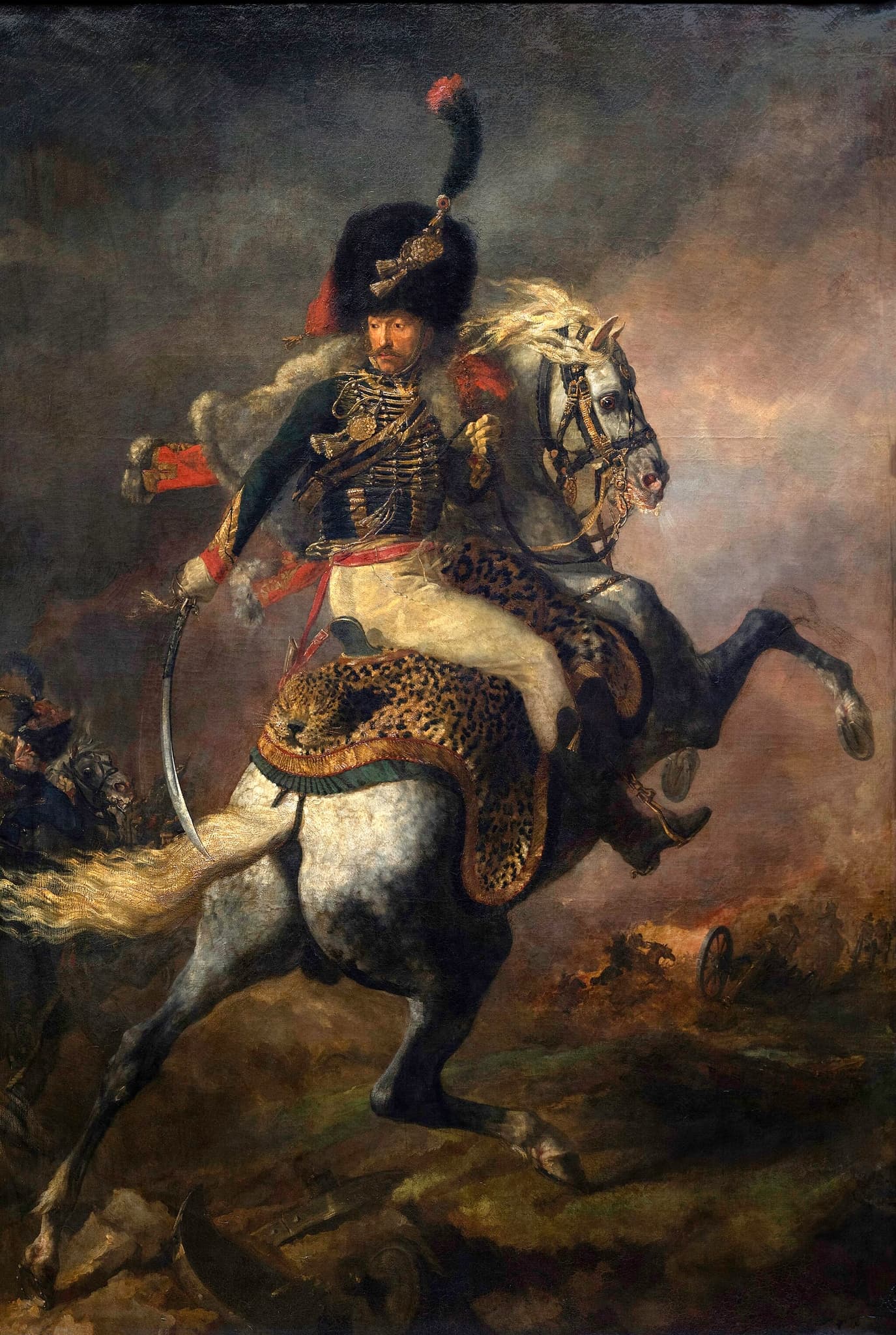
$15-60 million
Although held by the Louvre and effectively off‑market, a transferable museum‑quality Charging Chasseur would be preliminarily valued at roughly US$15–60 million.
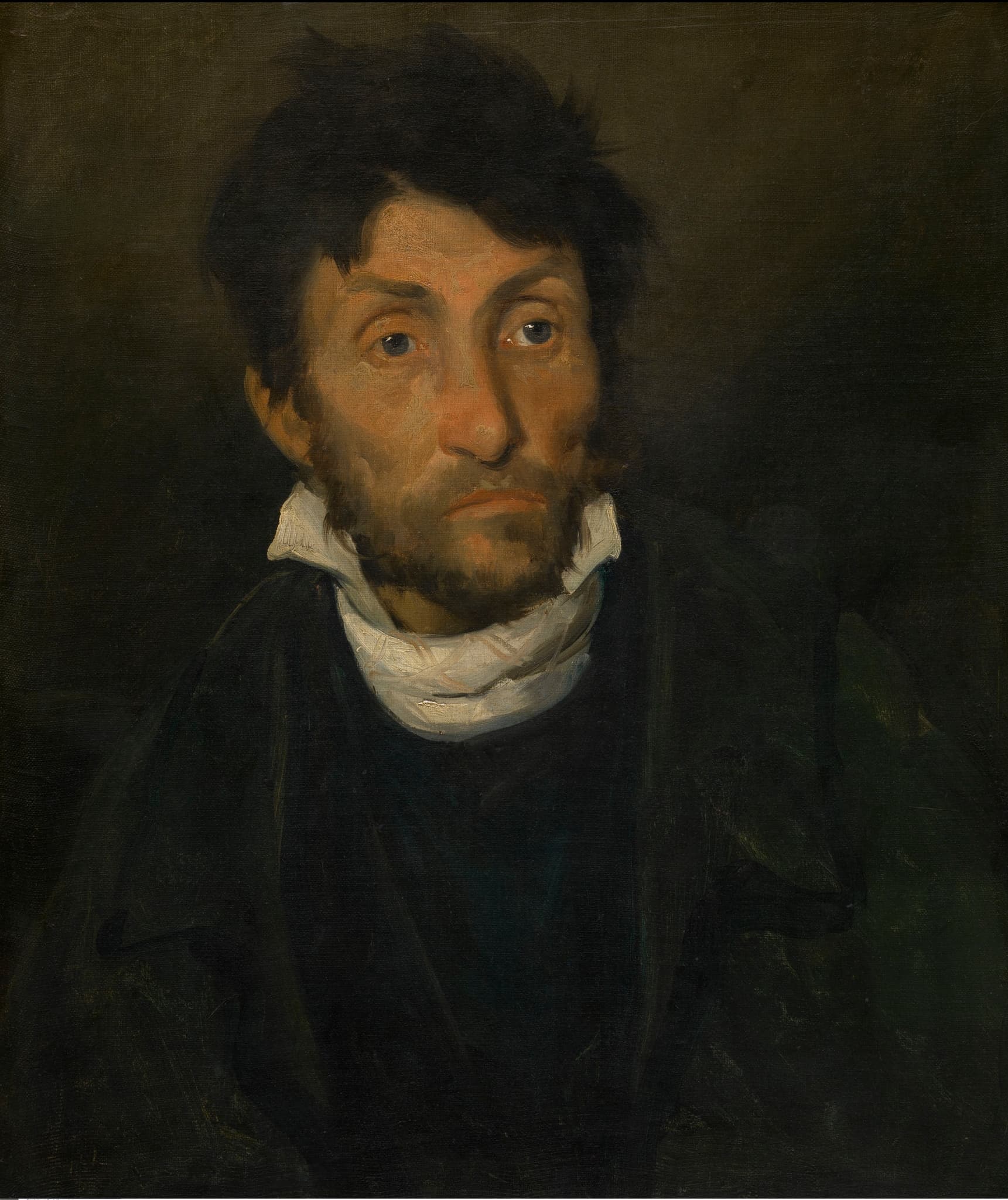
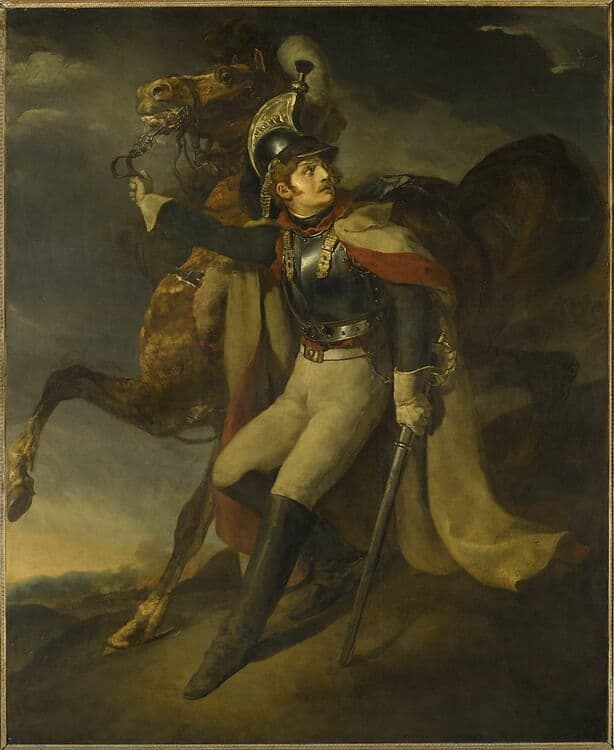
$8,000,000–$30,000,000
The Salon‑scale 1814 Wounded Cuirassier is Louvre‑held and off‑market; an authenticated autograph Salon oil would be valued at approximately US$8–30 million.
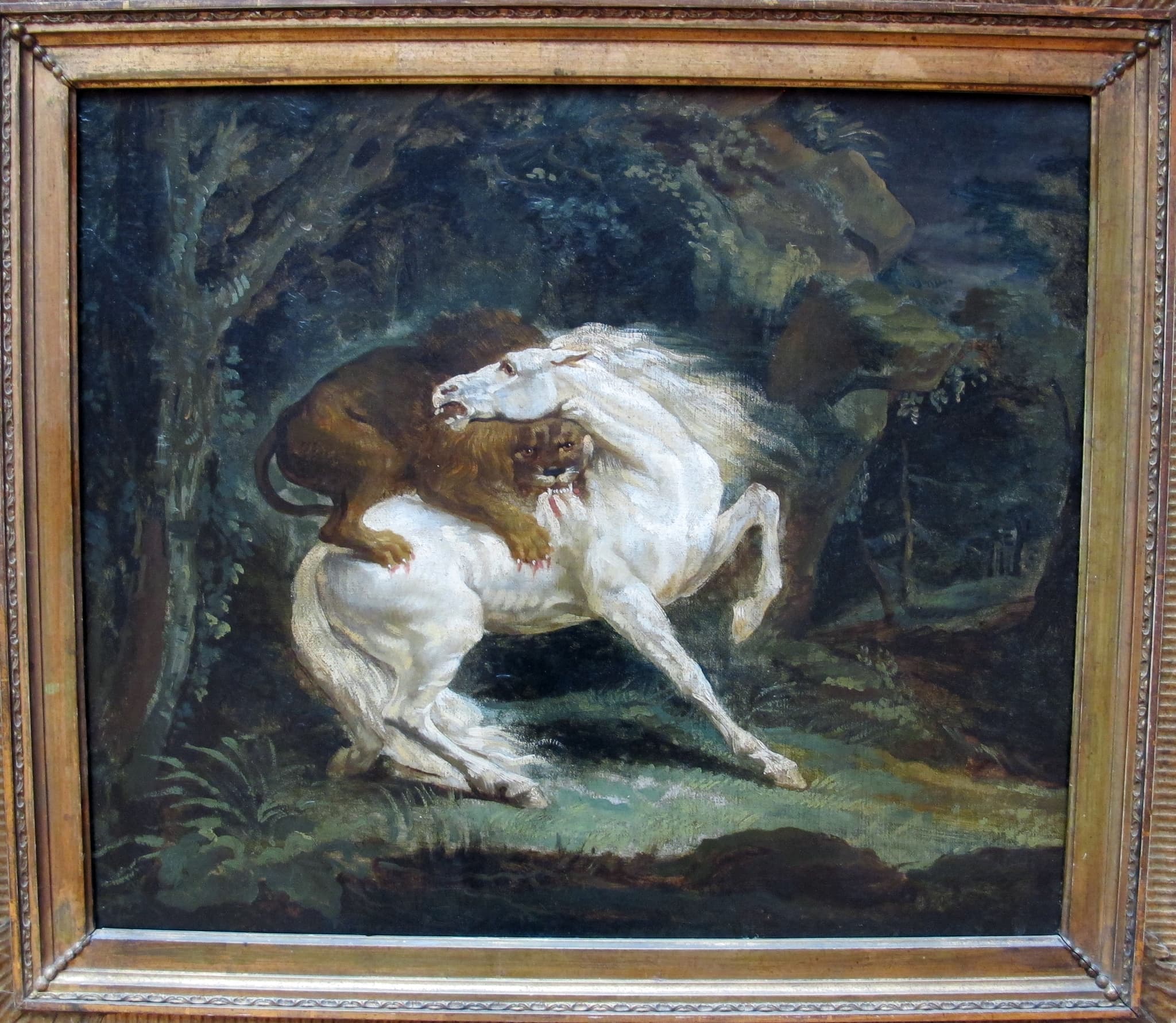
$12-20 million
Assuming a fully accepted, finished autograph oil of Géricault’s Horse Attacked by a Lion were privately held and brought to market, we estimate fair market value at $12–20 million.
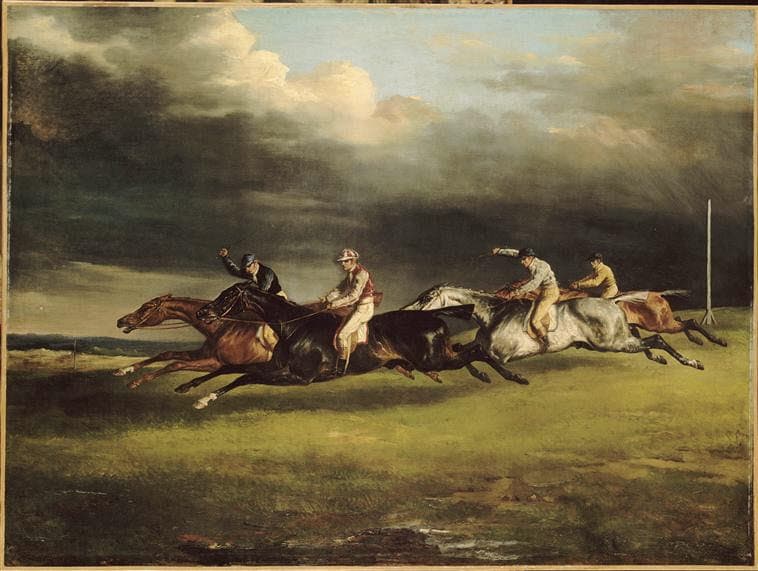
$6–15 million
The 1821 Derby at Epsom is Louvre‑owned with no modern auction record; a defensible hypothetical open‑market range is US$6–15 million.
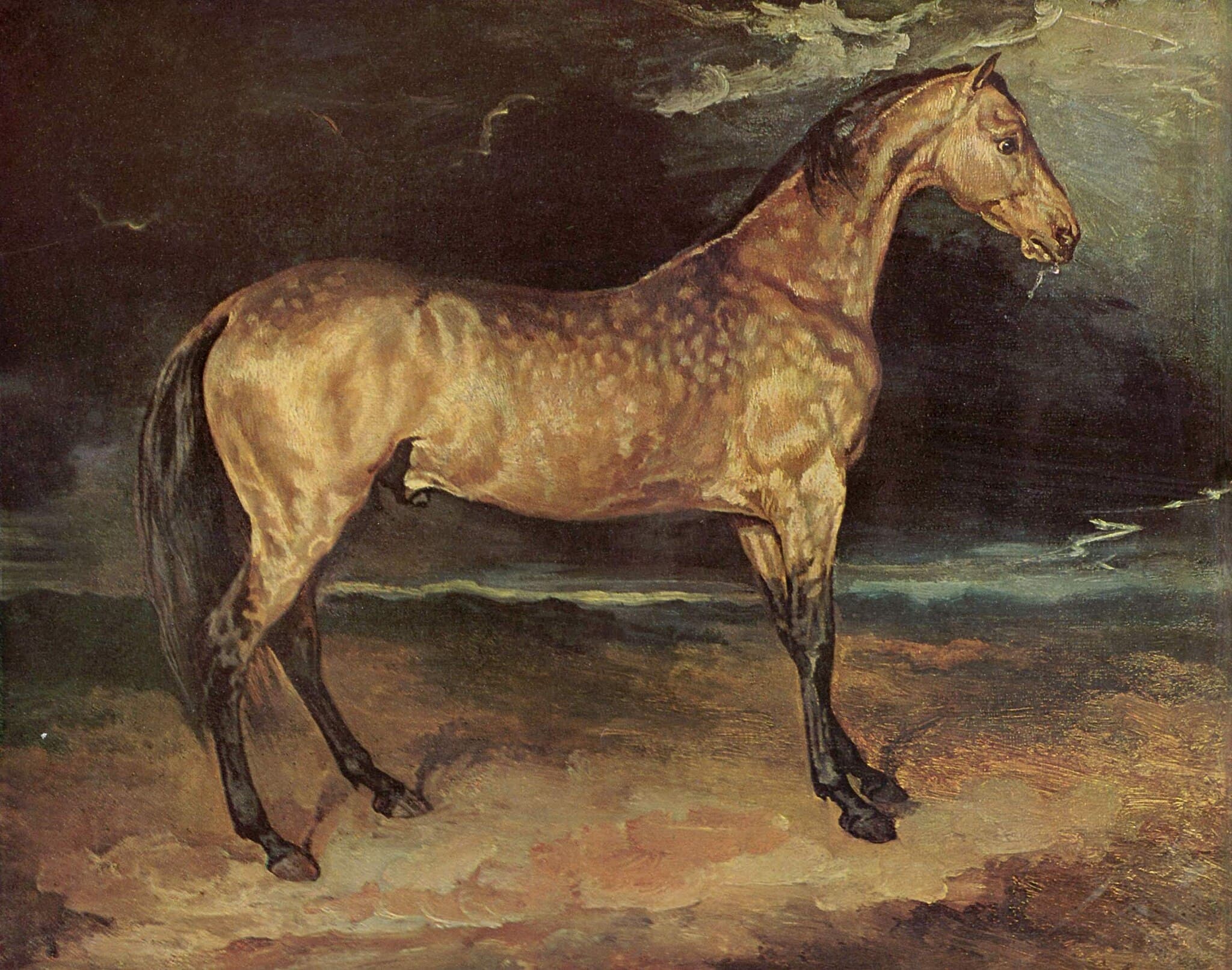
$3,000,000–12,000,000
Accepted as an autograph and museum‑held at the National Gallery since 1938, A Horse Frightened by Lightning would be worth about US$3–12 million on the open market.
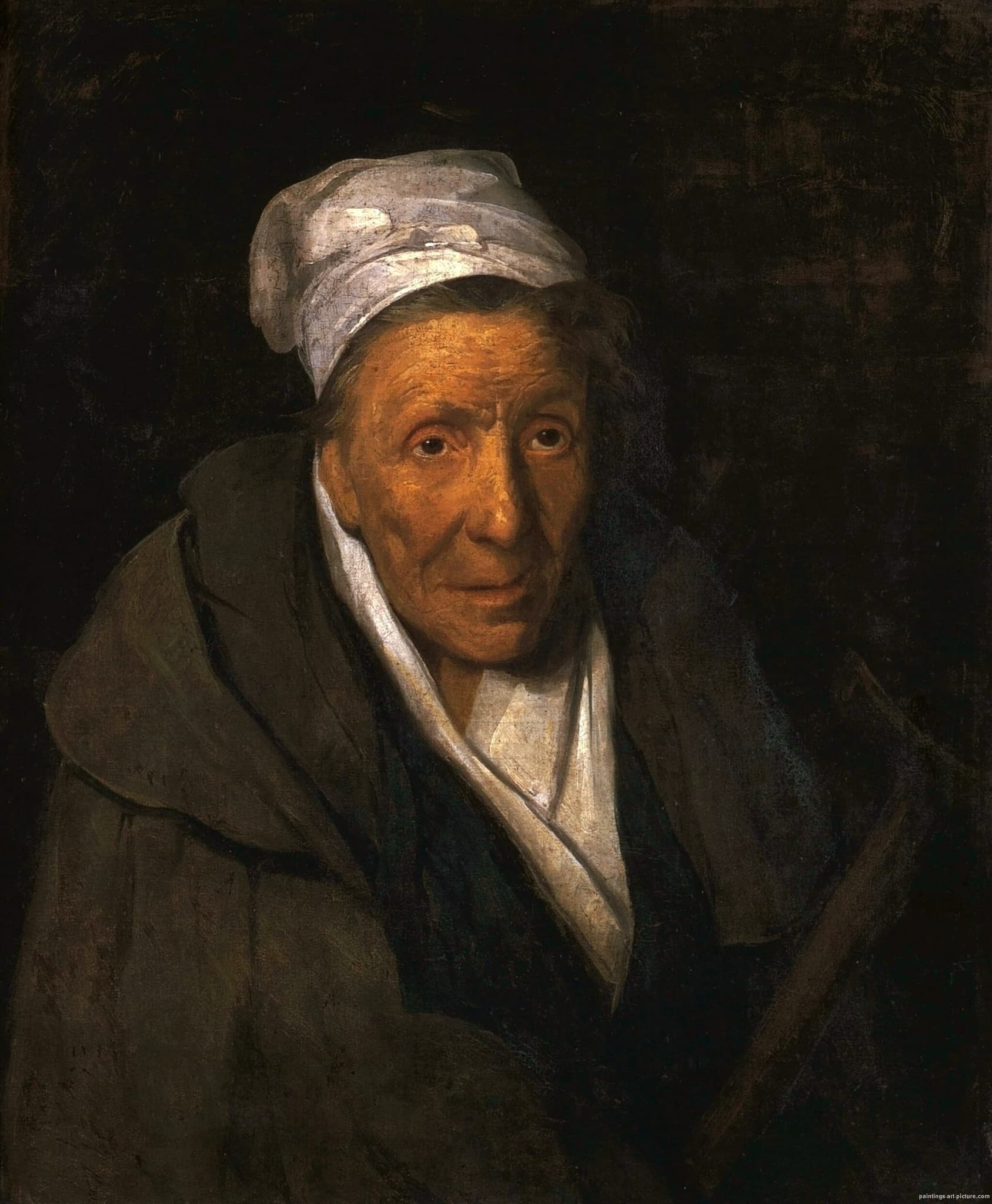
$3,000,000–12,000,000
La Folle du jeu, Louvre‑held since 1938, carries a hypothetical market range of US$3–12 million, contingent on deaccession, full technical authentication and clear title.
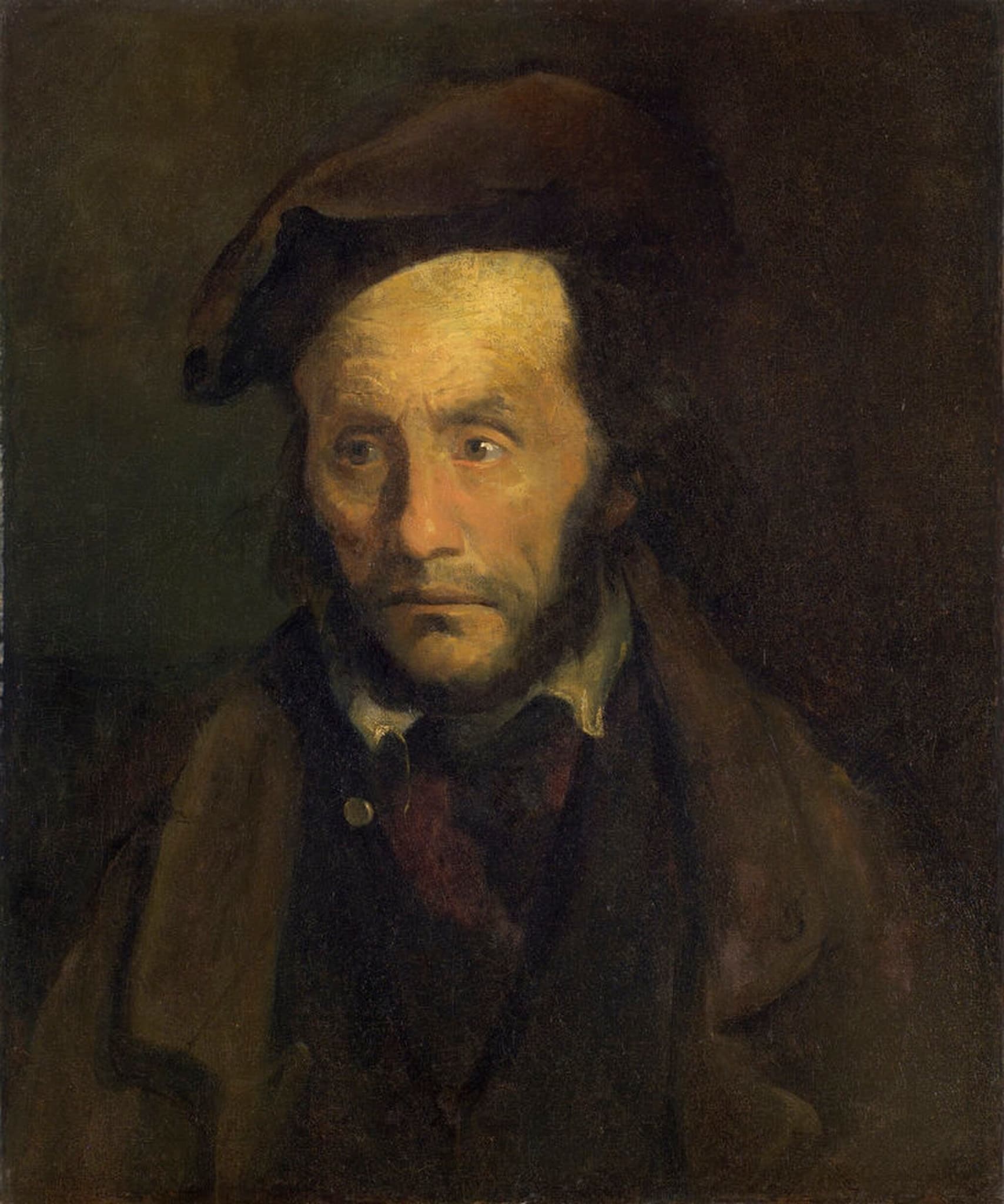
$1,000,000–$6,000,000
If confirmed autograph and in sound condition, Portrait of a Child Snatcher would be valued at about US$1–6 million, guided by Géricault auction precedents and its Gray provenance.
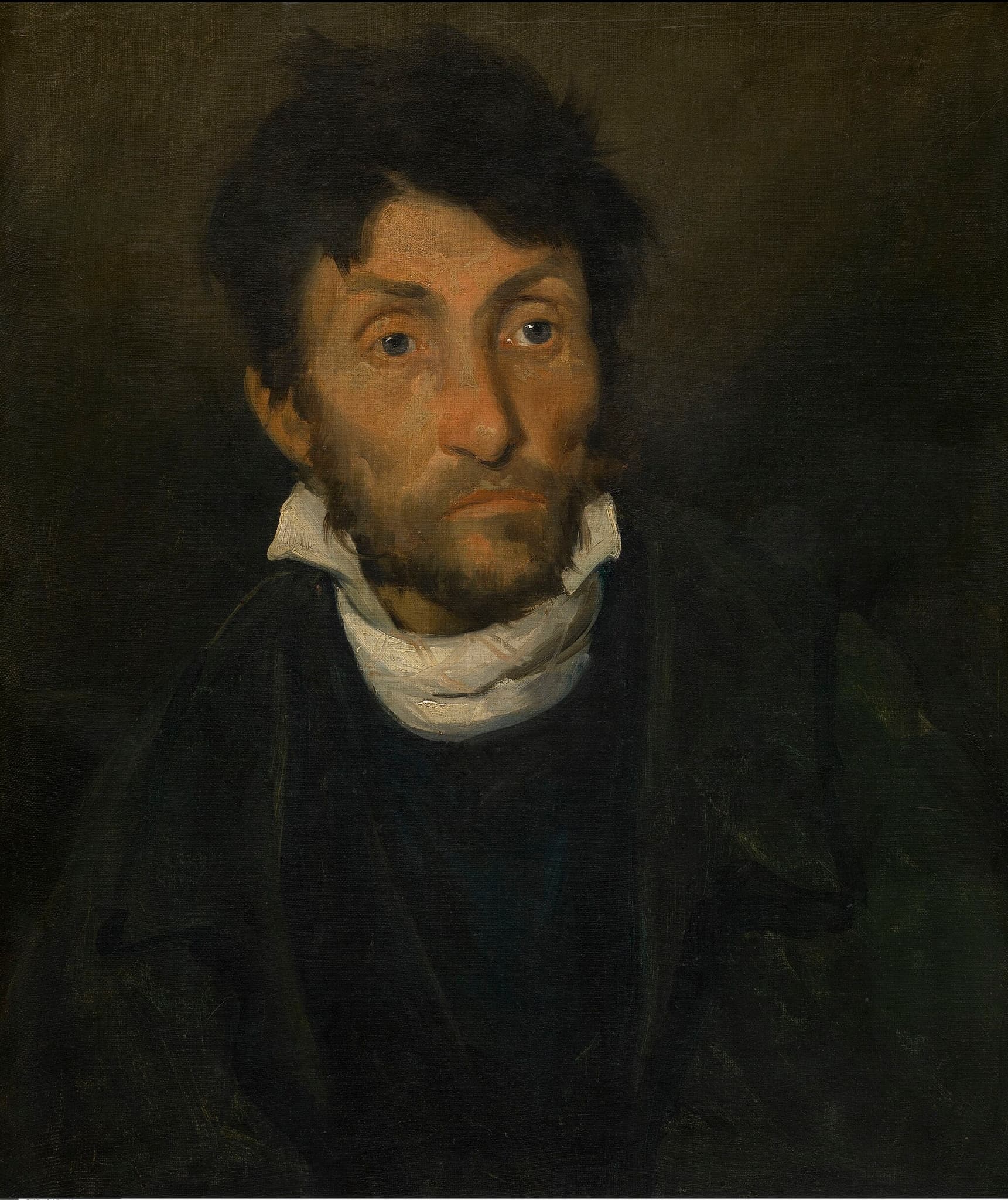
$500,000–$3,000,000
MSK Gent’s Portrait of a Kleptomaniac is effectively off‑market; a well‑documented, authenticated autograph example would likely fetch US$500,000–3,000,000.
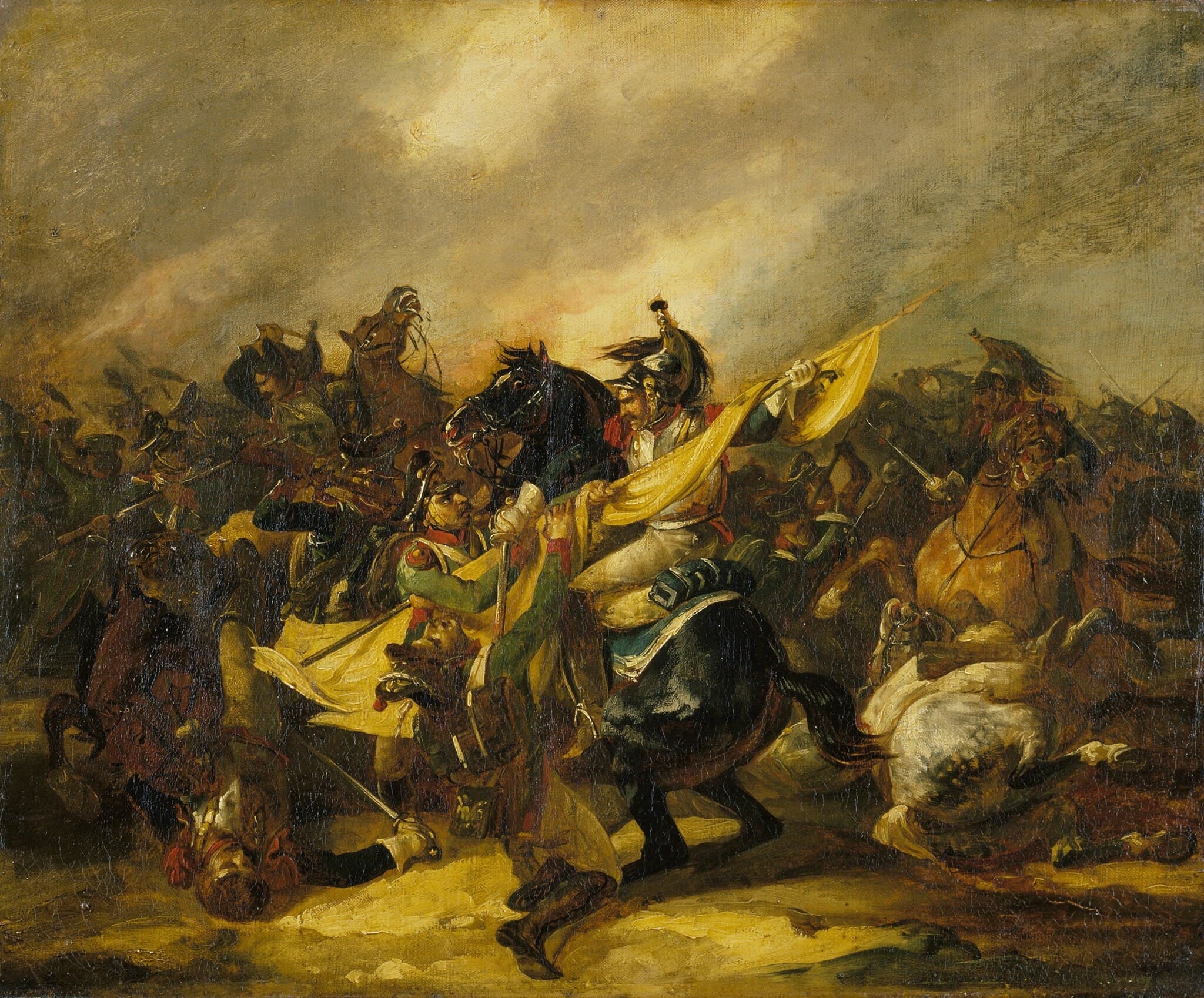
$500,000 - $2,000,000
The Wallace Collection’s A Charge of Cuirassiers carries a working market valuation of US$500,000–2,000,000, rising materially only if new scholarship or technical evidence upgrades its importance.
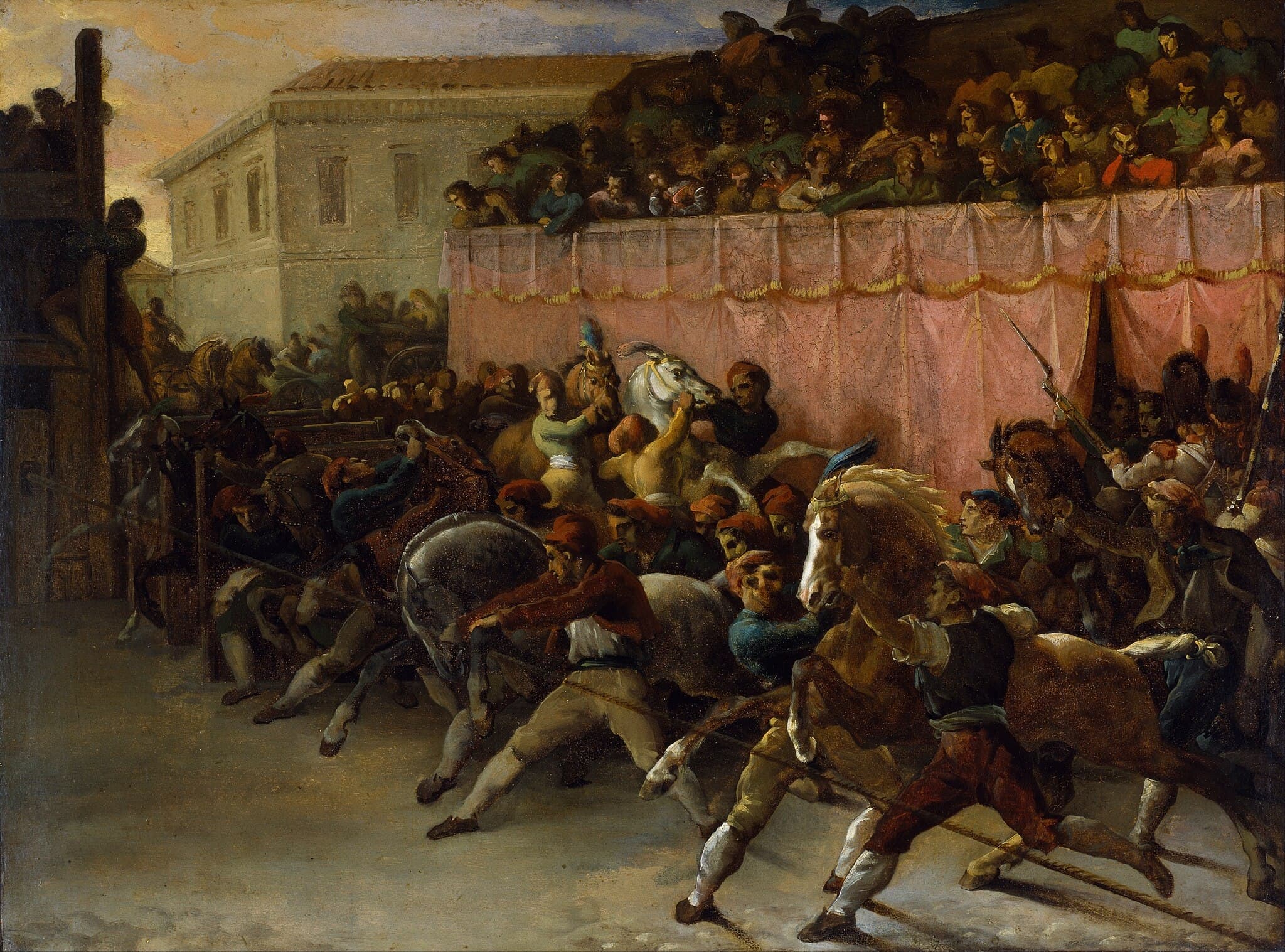
$150,000-$750,000
Assuming an authenticated Géricault oil‑on‑paper (and not the Walters accession), Riderless Racers is estimated at US$150,000–750,000, with exceptional provenance potentially lifting it into the low millions.
Market Context
Théodore Géricault’s auction market is defined by acute scarcity of museum‑quality oils, intense institutional ownership and selective but deep demand: the modern benchmark remains the portrait of Alfred and Elisabeth Dedreux (Christie’s 2009, c. €9.0m / ~$11.5m), while The Raft of the Medusa is effectively off‑market and valued only by cross‑category trophy comparisons. Recent seasons (2023–2026) have skewed toward drawings and small oils—typically five‑ to low‑seven‑figure outcomes—with occasional mid‑six‑figure results for literature‑rich sheets; large autograph canvases, when vetted with strong provenance, condition and catalogue‑raisonné support, can command multimillion prices. Institutions and specialist collectors drive competition, and the market rewards rigorous attribution, exhibition history and legal exportability, producing volatile tails but an overall upward trajectory for truly singular, well‑documented works.
Study prints from famous works by Theodore Gericault
Curated print bundles pairing the full artwork with a close reading of one meaningful detail.
