Tyranny & oppression
Featured Artworks
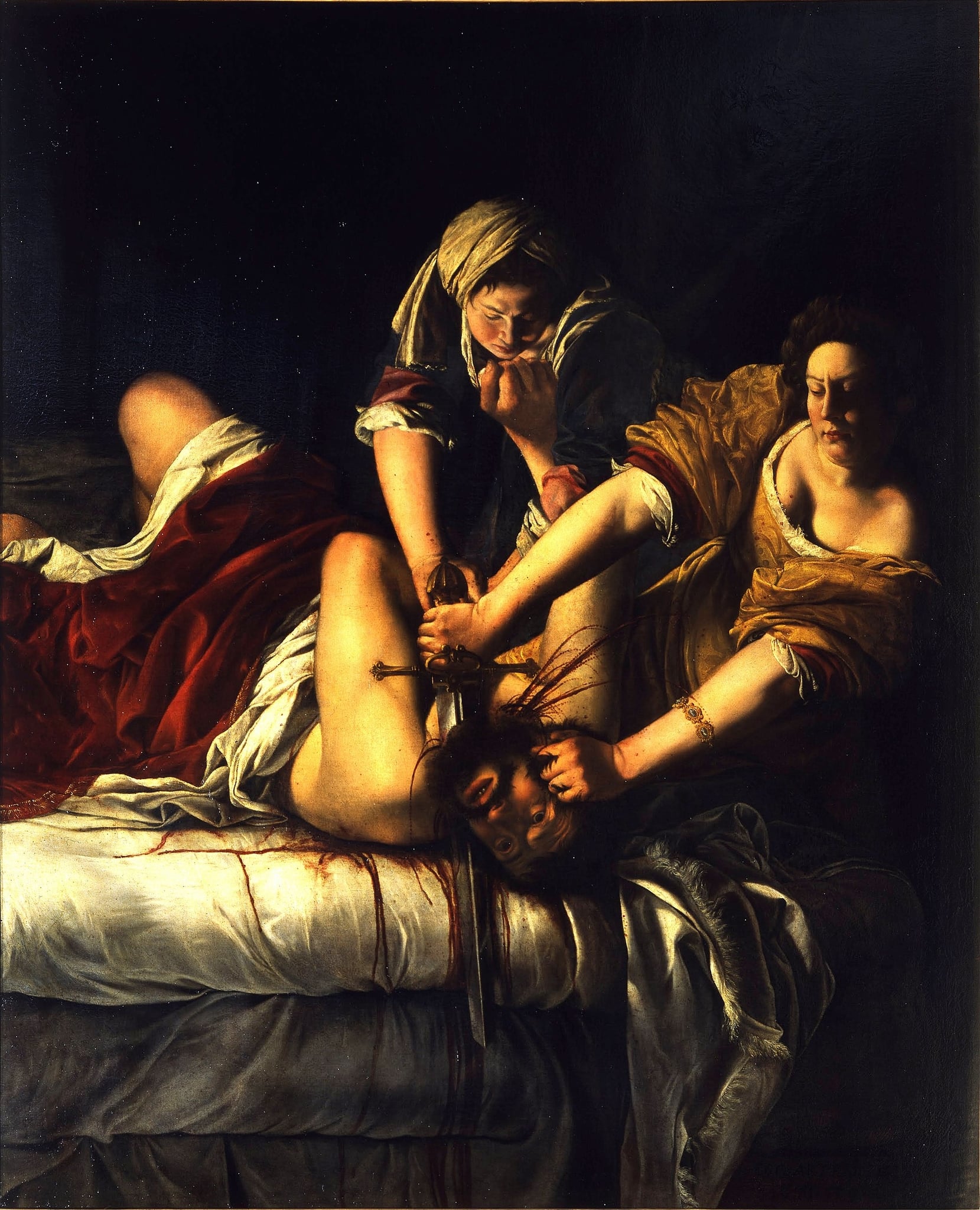
Judith Slaying Holofernes
Artemisia Gentileschi (c. 1612–13)
Artemisia Gentileschi’s Judith Slaying Holofernes hurls us into the fatal instant when Judith and her maid overpower the Assyrian general. In a void of darkness, a hard light chisels out straining arms, a heavy sword, and blood darkening the white sheets—an image of <strong>justice enacted through female collaboration</strong> <sup>[1]</sup><sup>[2]</sup>.
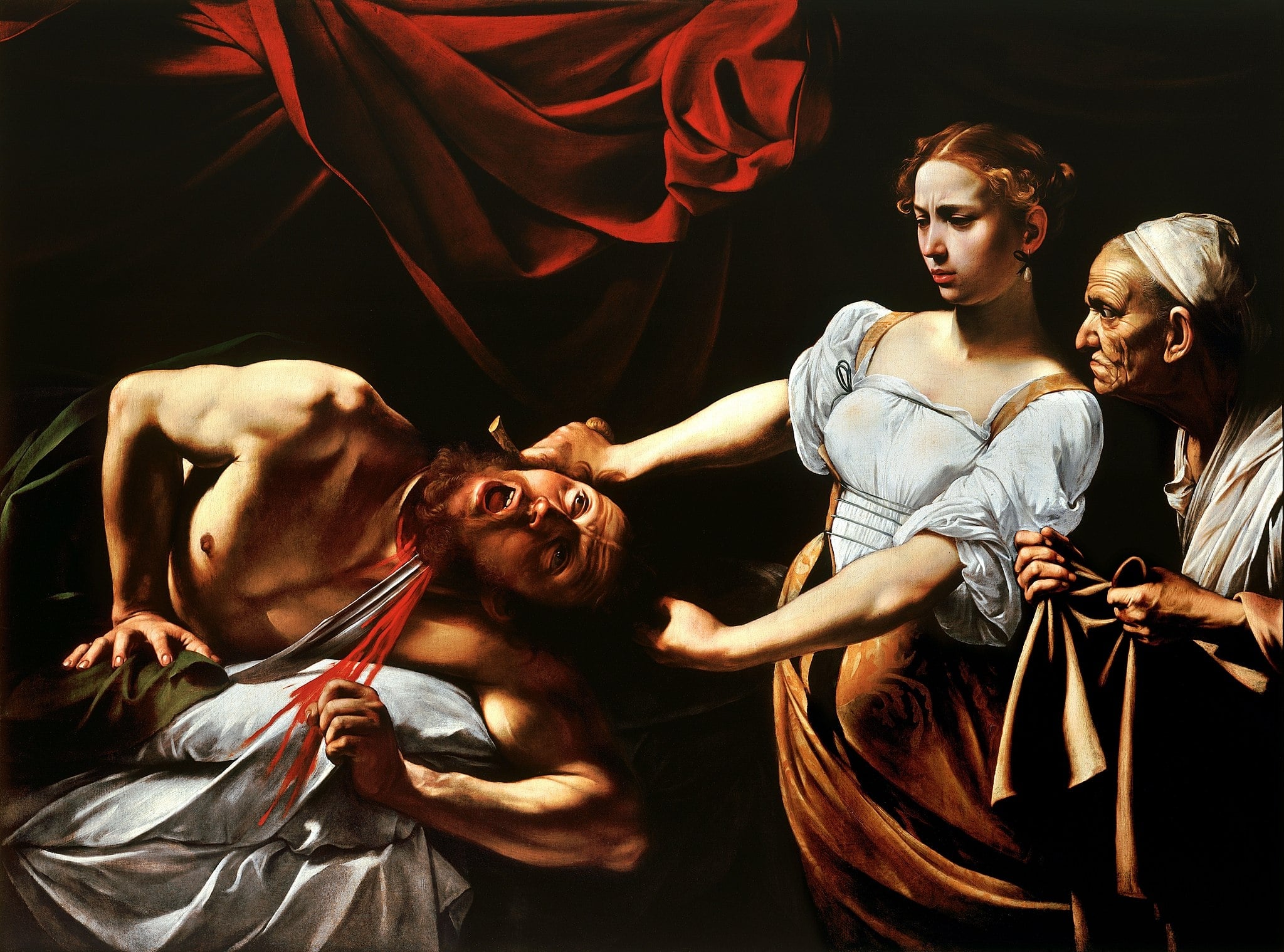
Judith Beheading Holofernes
Caravaggio (1599)
Caravaggio’s Judith Beheading Holofernes stages the biblical execution as a shocking present-tense event, lit by a raking beam that cuts figures from darkness. The <strong>red curtain</strong> frames a moral spectacle in which <strong>virtue overthrows tyranny</strong>, as Judith’s cool determination meets Holofernes’ convulsed resistance. Radical <strong>naturalism</strong>—from tendon strain to ribboning blood—makes deliverance feel material and irreversible.
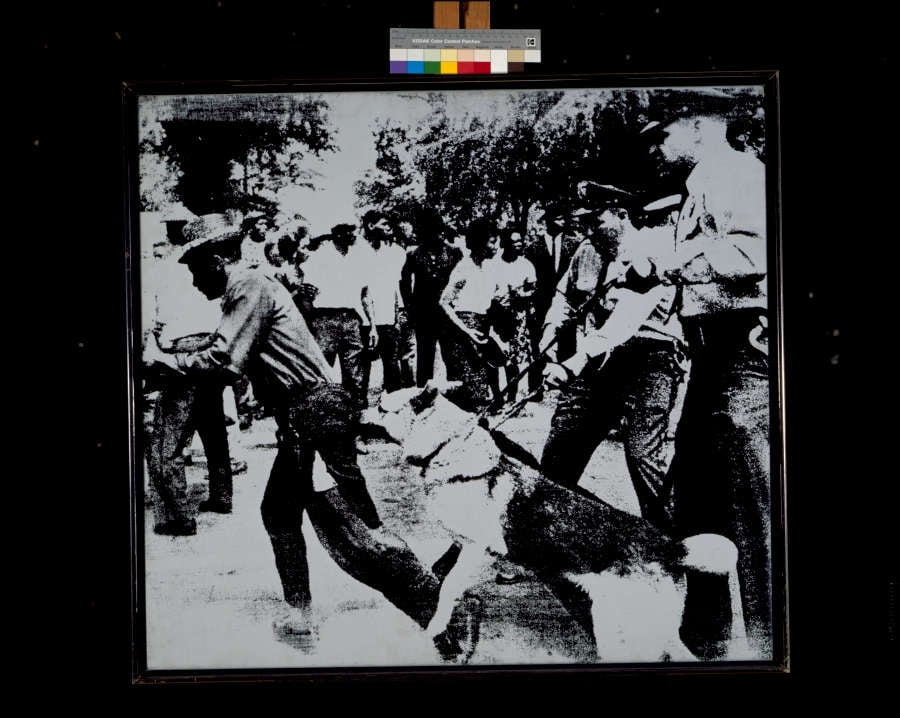
Race Riot
Andy Warhol (1964)
Race Riot crystallizes a split-second of state force: a police dog lunges while officers with batons surge and a ring of onlookers compresses the scene into a <strong>claustrophobic frieze</strong>. Warhol’s stark, high-contrast silkscreen translates a LIFE wire-photo into a <strong>mechanized emblem</strong> of American racial violence and its mass-media circulation <sup>[1]</sup><sup>[2]</sup>.
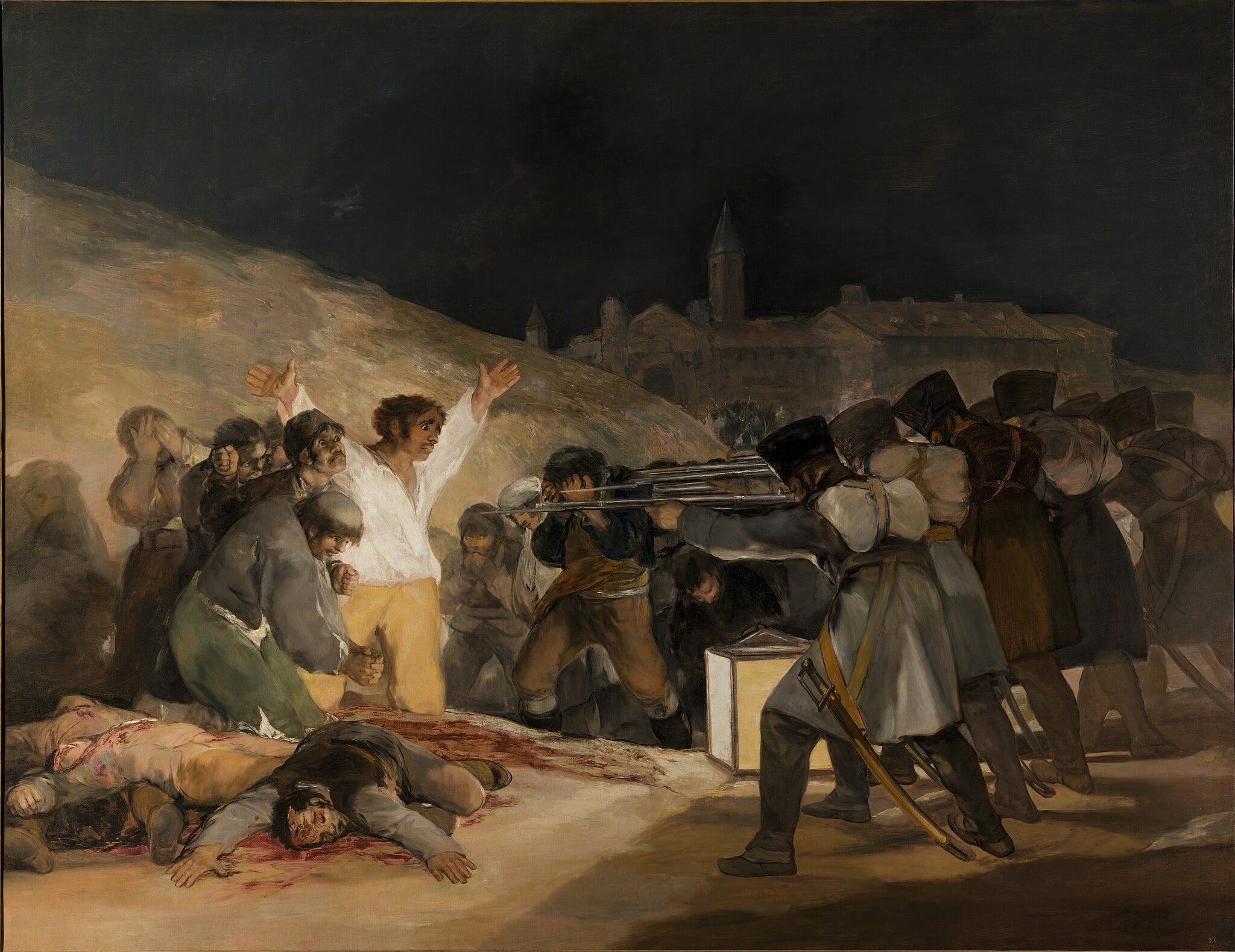
The Third of May 1808
Francisco Goya (1814)
Francisco Goya’s The Third of May 1808 turns a specific reprisal after Madrid’s uprising into a universal indictment of <strong>state violence</strong>. A lantern’s harsh glare isolates a civilian who raises his arms in a <strong>cruciform</strong> gesture as a faceless firing squad executes prisoners, transforming reportage into <strong>modern anti-war testimony</strong> <sup>[1]</sup><sup>[2]</sup>.
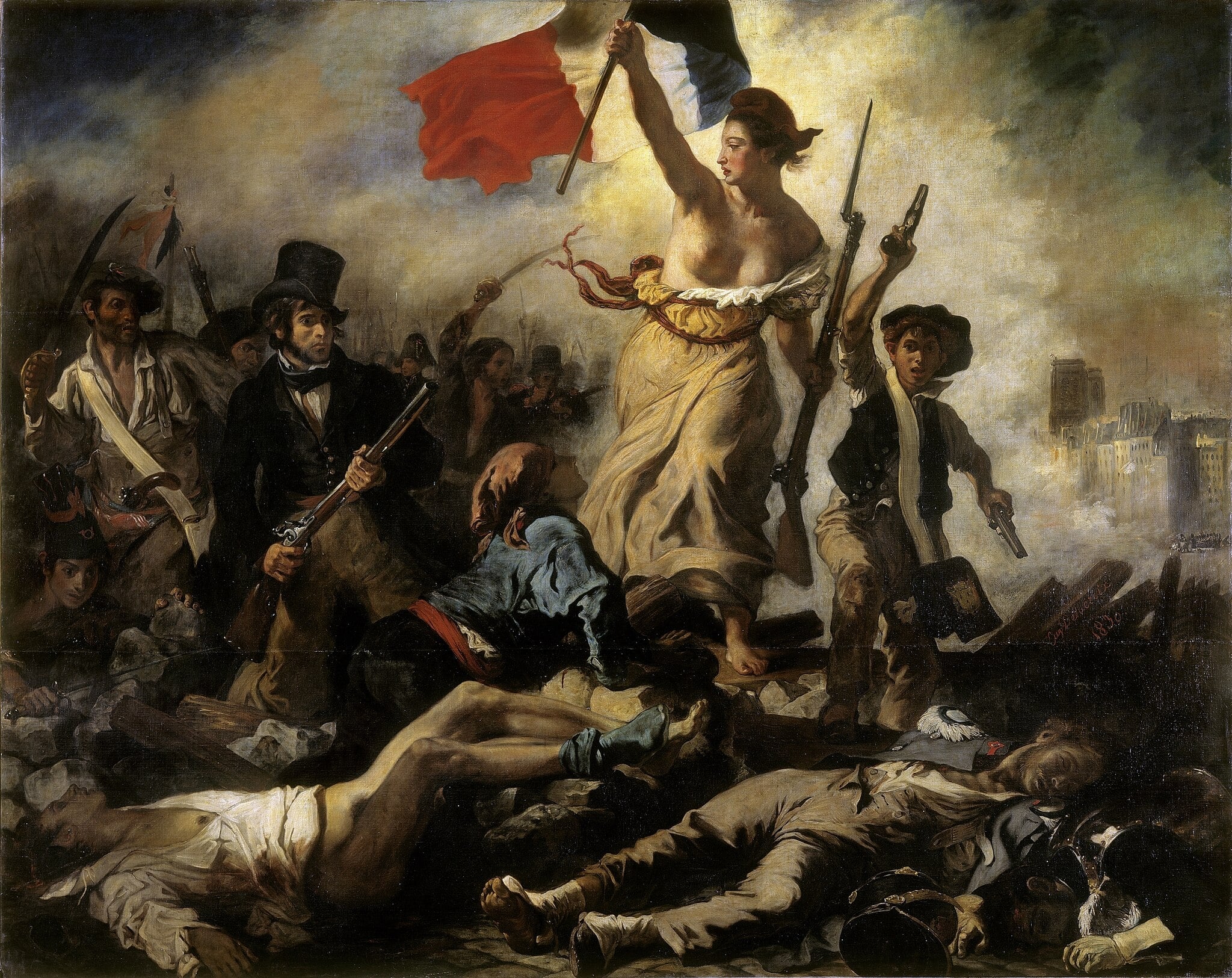
Liberty Leading the People
Eugene Delacroix (1830)
<strong>Liberty Leading the People</strong> turns a real street uprising into a modern myth: a bare‑breasted Liberty in a <strong>Phrygian cap</strong> thrusts the <strong>tricolor</strong> forward as Parisians of different classes surge over corpses and rubble. Delacroix binds allegory to eyewitness detail—Notre‑Dame flickers through smoke, a bourgeois in a top hat shoulders a musket, and a pistol‑waving boy keeps pace—so that freedom appears as both idea and action <sup>[1]</sup><sup>[2]</sup>. After its 2024 cleaning, sharper blues, whites, and reds re‑ignite the painting’s charged color drama <sup>[4]</sup>.
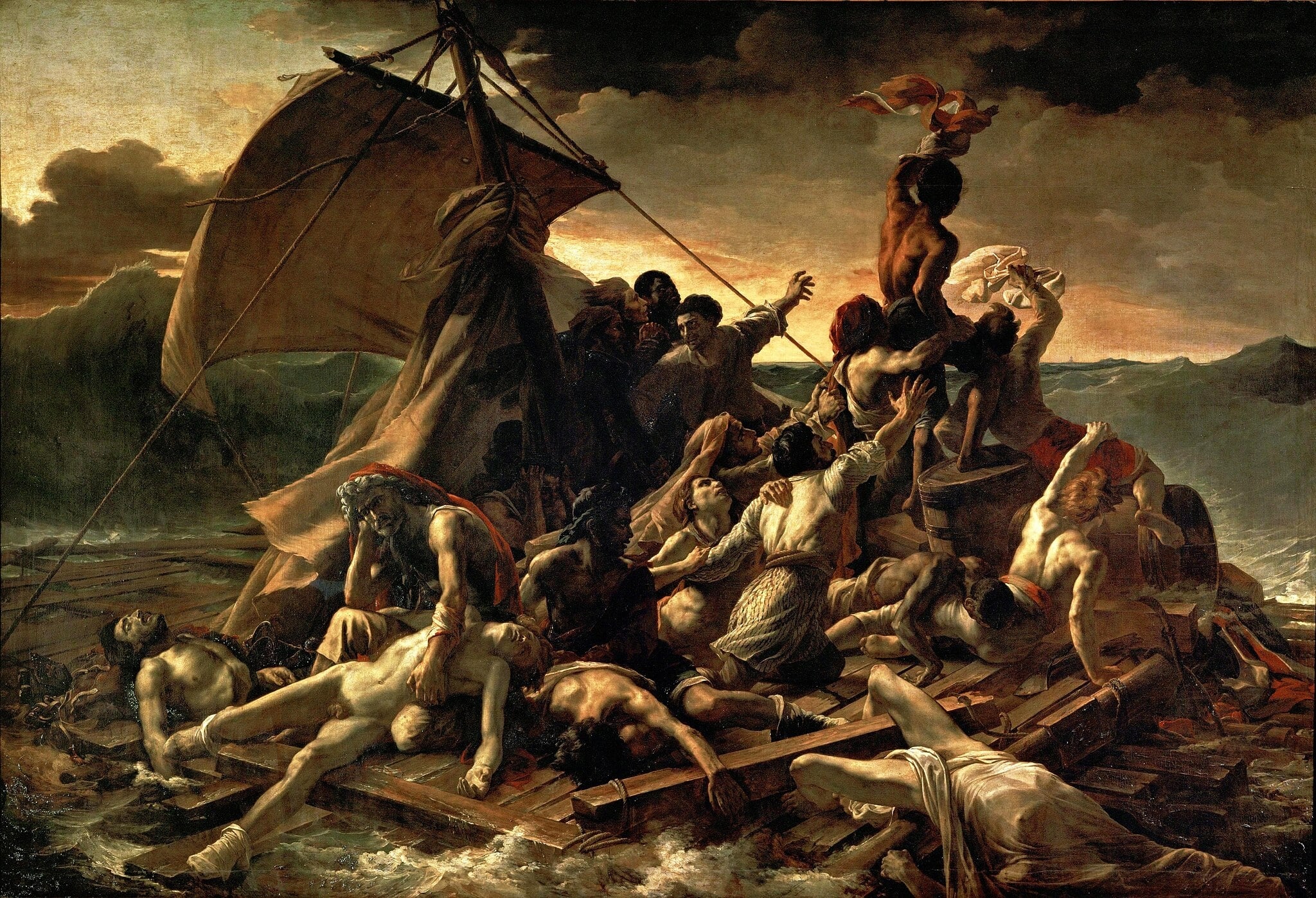
The Raft of the Medusa
Theodore Gericault (1818–1819)
The Raft of the Medusa stages a modern catastrophe as epic tragedy, pivoting from corpses to a surge of <strong>collective hope</strong>. The diagonal mast, torn sail, and a Black figure waving a cloth toward a tiny ship compress the moment when despair turns to <strong>precarious rescue</strong> <sup>[1]</sup><sup>[2]</sup>.
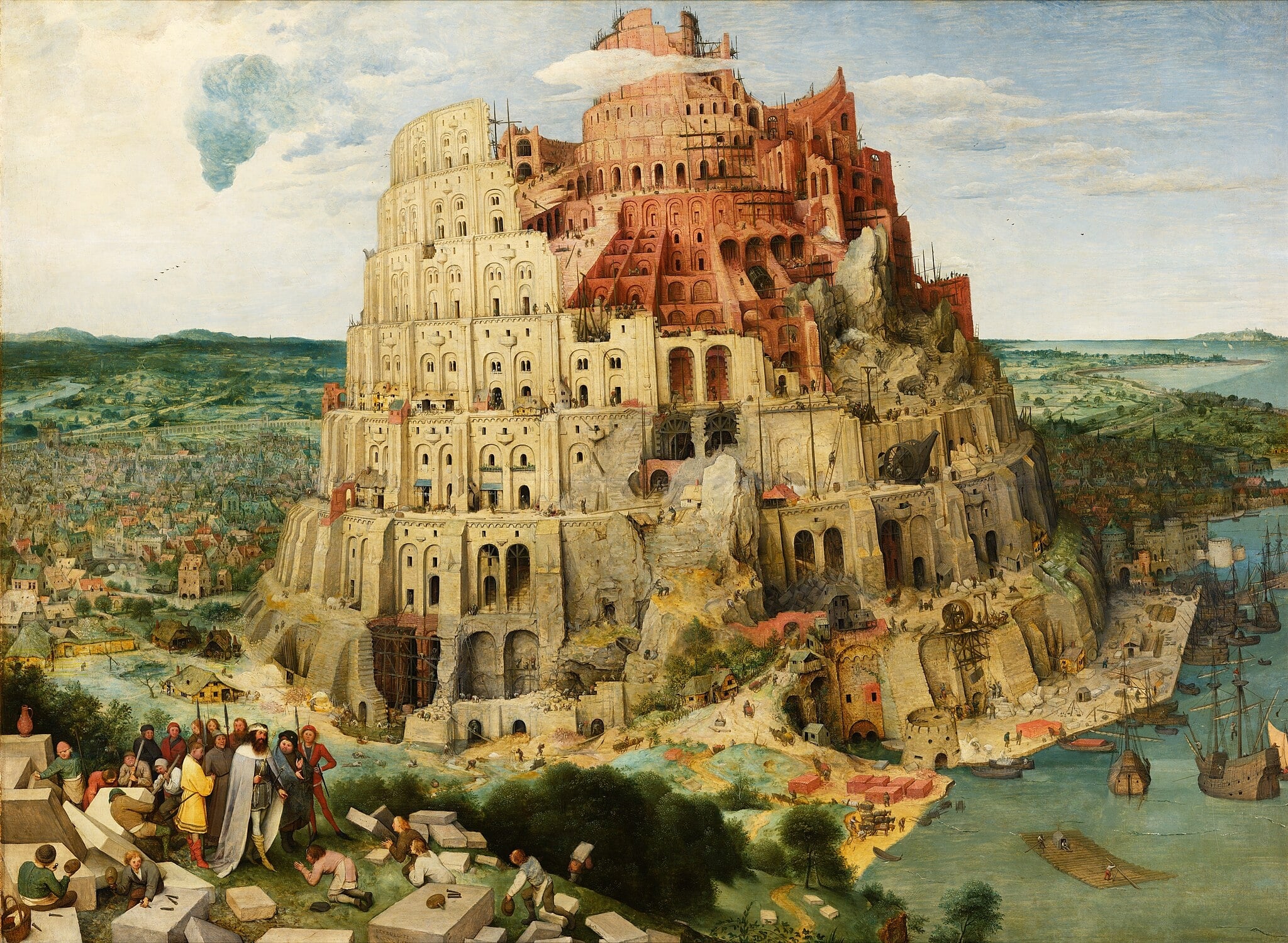
The Tower of Babel
Pieter Bruegel the Elder (1563)
In The Tower of Babel, Pieter Bruegel the Elder stages a spiraling, Roman‑style colossus whose arches, cranes, and swarming labor proclaim <strong>human industry</strong> even as cracked foundations and misaligned tiers foretell <strong>collapse</strong>. The pale, orderly left flank opposes the raw red masonry at right, while a ruler (often read as <strong>Nimrod</strong>) inspects kneeling builders before a bustling Flemish harbor—an image of ambition already undermined from within <sup>[1]</sup>.
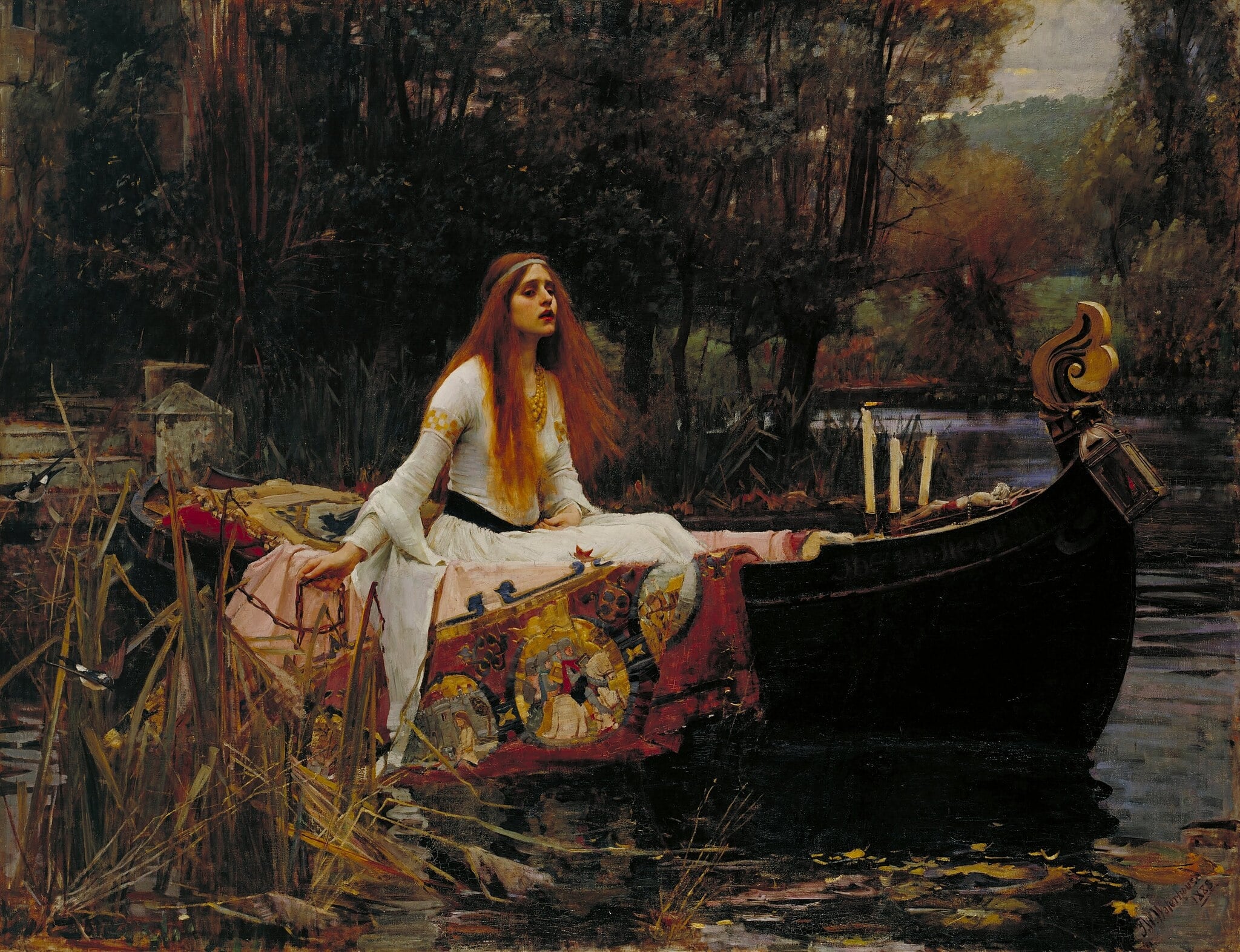
The Lady of Shallot
John William Waterhouse (1888)
John William Waterhouse’s The Lady of Shallot (1888) fixes on the instant the cursed heroine releases her chain and sets her black, coffinlike boat adrift. The extinguished candles, the small crucifix, and the tapestry trailing into the water stage a <strong>funerary voyage</strong> toward Camelot and a choice of <strong>experience over enclosure</strong> <sup>[1]</sup><sup>[2]</sup>.
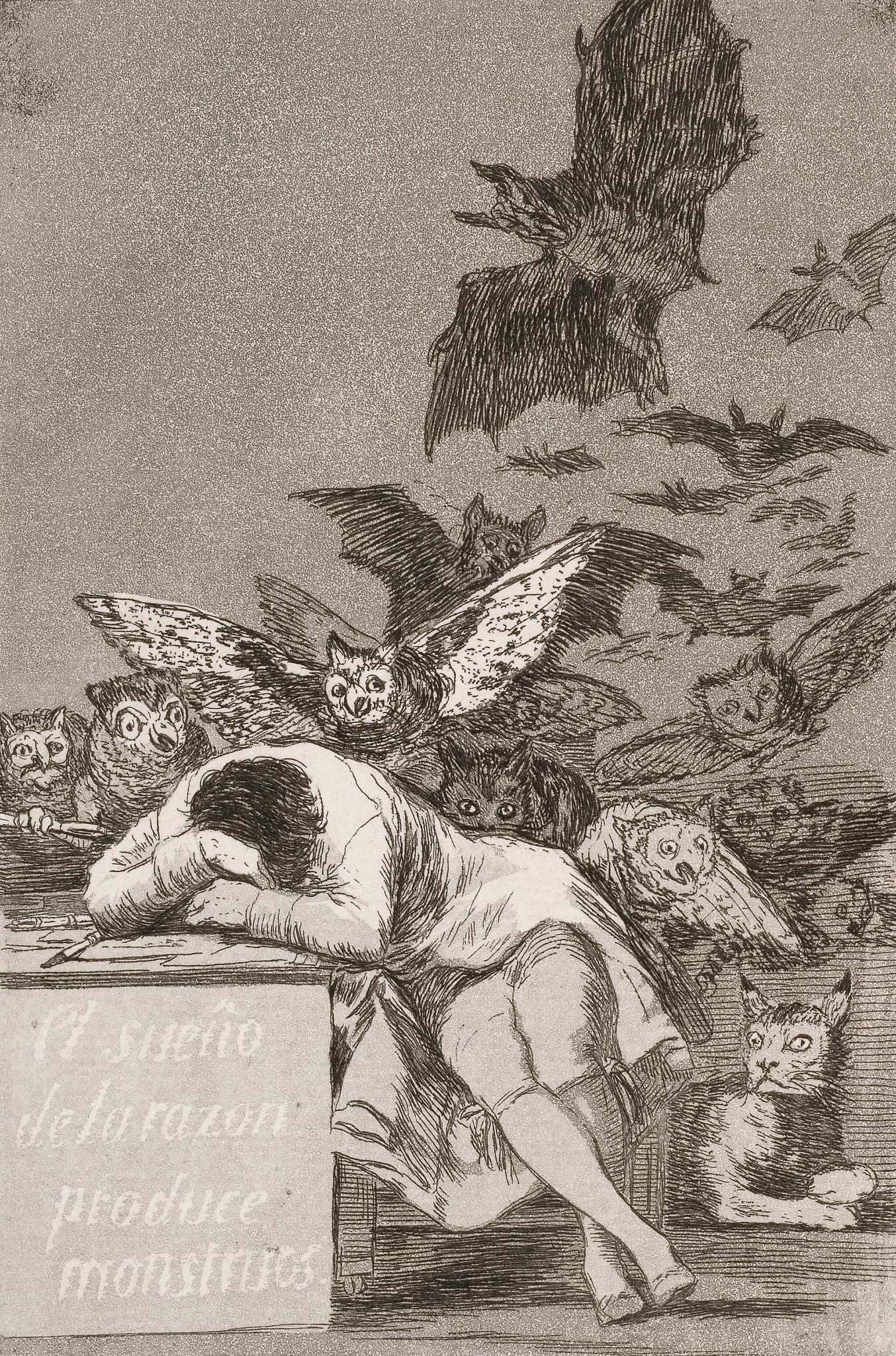
The Sleep of Reason Produces Monsters
Francisco Goya (1799 (published; plates 1797–1798))
In The Sleep of Reason Produces Monsters, a dozing thinker at his desk unleashes a storm of <strong>owls</strong>, <strong>bats</strong>, and a watchful <strong>lynx</strong>, staging Goya’s program for Los Caprichos. The print argues that when <strong>reason</strong> lapses—or when <strong>imagination</strong> is severed from it—social <strong>monsters</strong> of folly and superstition multiply.
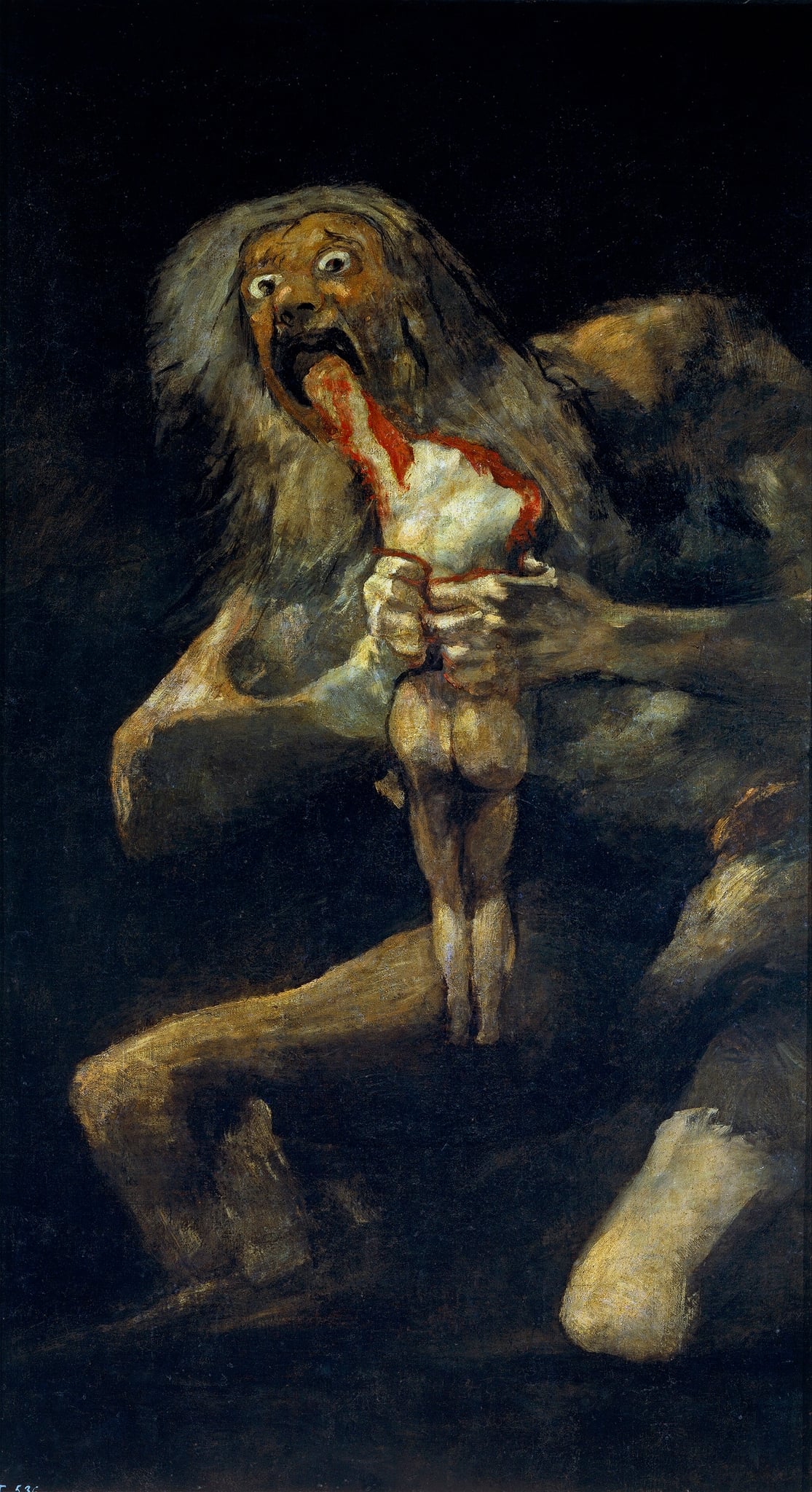
Saturn Devouring His Son
Francisco Goya (1820–1823)
Goya’s Saturn Devouring His Son distills myth into a raw vision of <strong>paranoia, power, and time</strong>: a giant crouches in darkness, eyes blown wide, tearing into a headless body whose blood streaks his hands. Stripped of classical emblems and staged in a near-black void, the scene asserts that fear of dispossession turns paternal authority into <strong>self-consuming violence</strong> <sup>[1]</sup><sup>[4]</sup>.
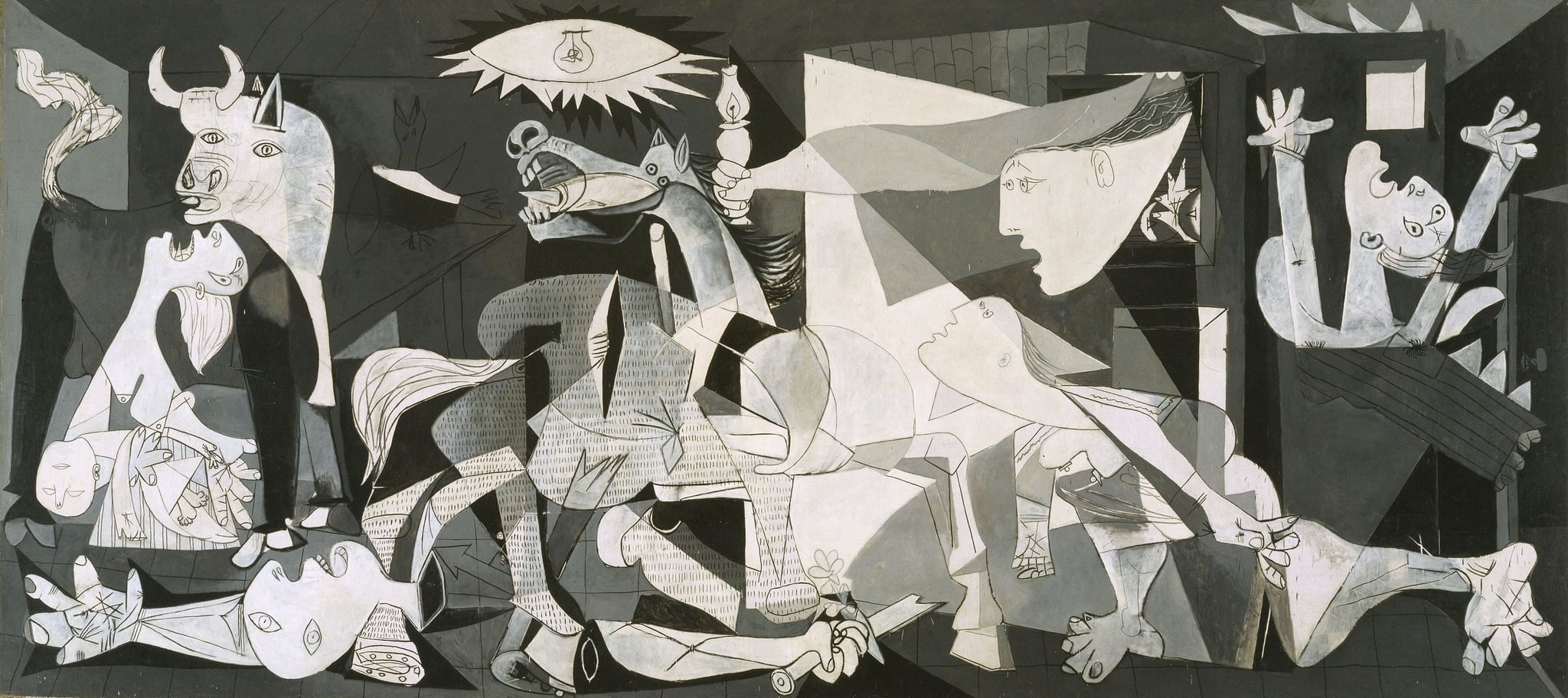
Guernica
Pablo Picasso (1937)
Guernica is a monumental, monochrome indictment of modern war, compressing a town’s annihilation into a frantic tangle of bodies, beasts, and light. Across the canvas, a <strong>shrieking horse</strong>, a <strong>stoic bull</strong>, a <strong>weeping mother with her dead child</strong>, and a <strong>fallen soldier</strong> stage a civic tragedy rather than a heroic battle. The harsh <strong>electric bulb</strong> clashes with a fragile <strong>oil lamp</strong>, turning the scene into a stark drama of terror and witness.
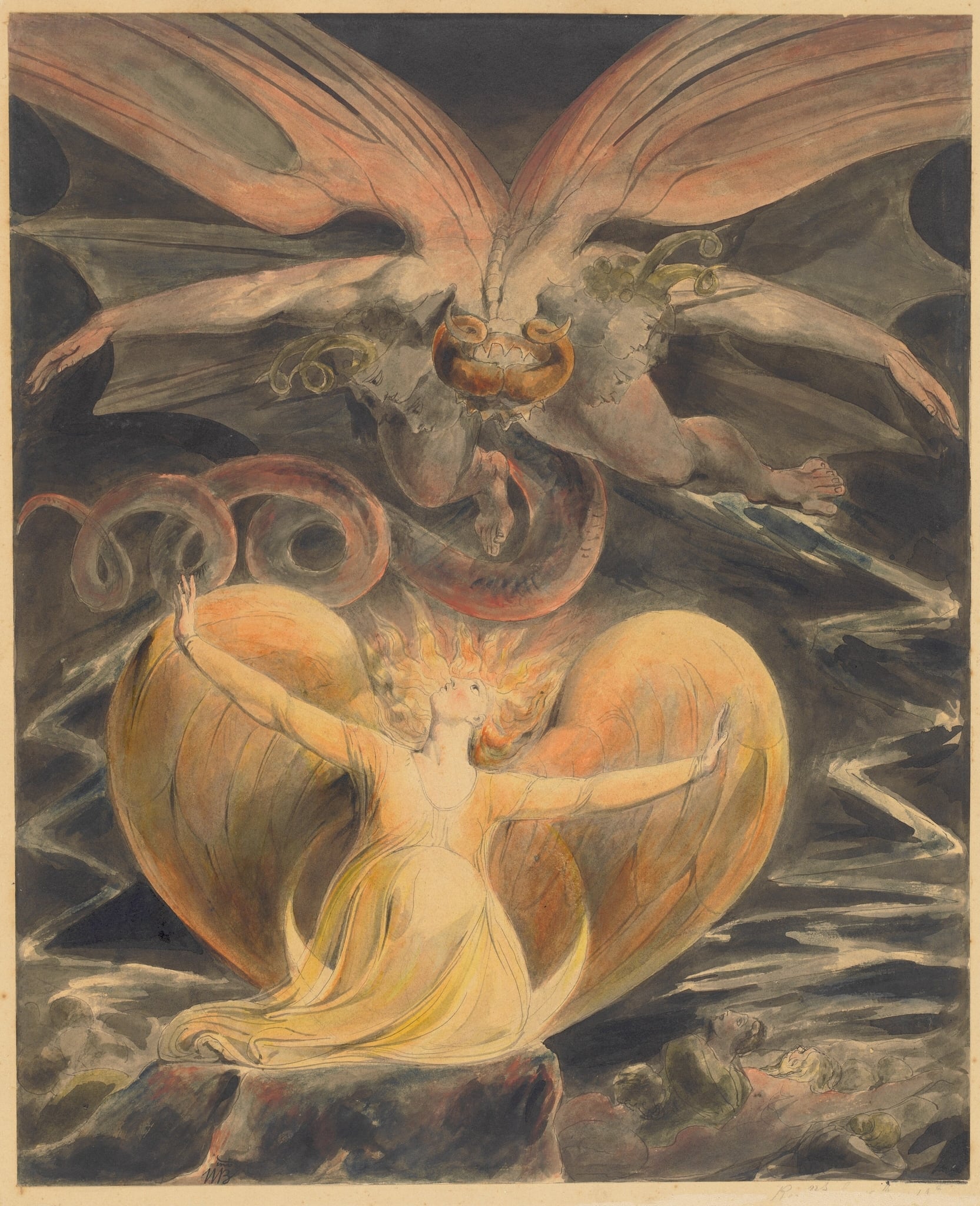
The Great Red Dragon and the Woman Clothed with the Sun
William Blake (c. 1805)
In The Great Red Dragon and the Woman Clothed with the Sun, William Blake pits <strong>radiant innocence</strong> against <strong>predatory tyranny</strong>. A bat‑winged dragon with ramlike horns plunges from a stormed sky as the woman, haloed in light with great golden, heart‑shaped wings, lifts open palms to meet the assault. Blake’s high‑contrast watercolor turns the tableau into a visionary contest of <strong>light versus darkness</strong> <sup>[1]</sup>.
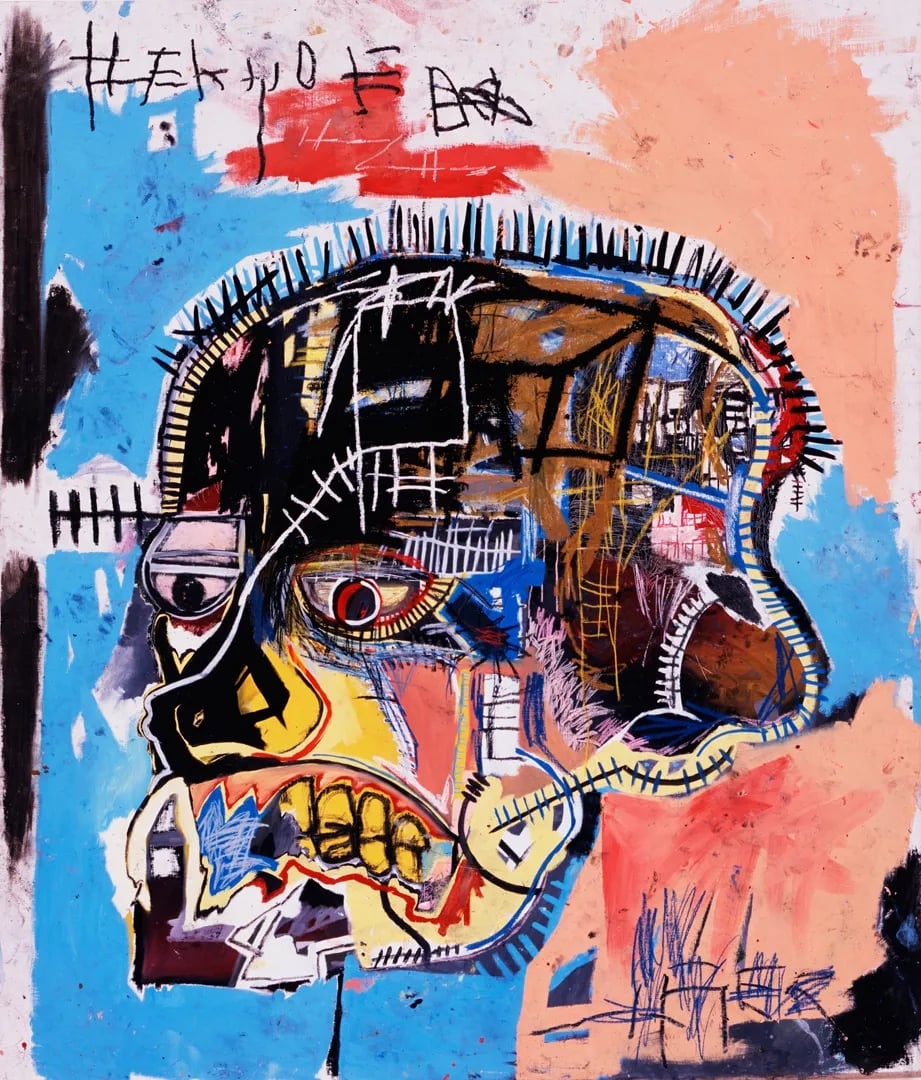
Untitled
Jean-Michel Basquiat (1981)
Untitled confronts the viewer with a cutaway <strong>head</strong> that fuses portrait and <strong>x‑ray</strong>, mapping the psyche as anatomy. Searing lines, sutures, and bared teeth stage a battle between expression and damage, turning the act of seeing into an autopsy of identity. Basquiat’s volatile color blocks of <strong>powder blue</strong> and <strong>peach</strong> intensify the sense of a self under pressure and alive with current.
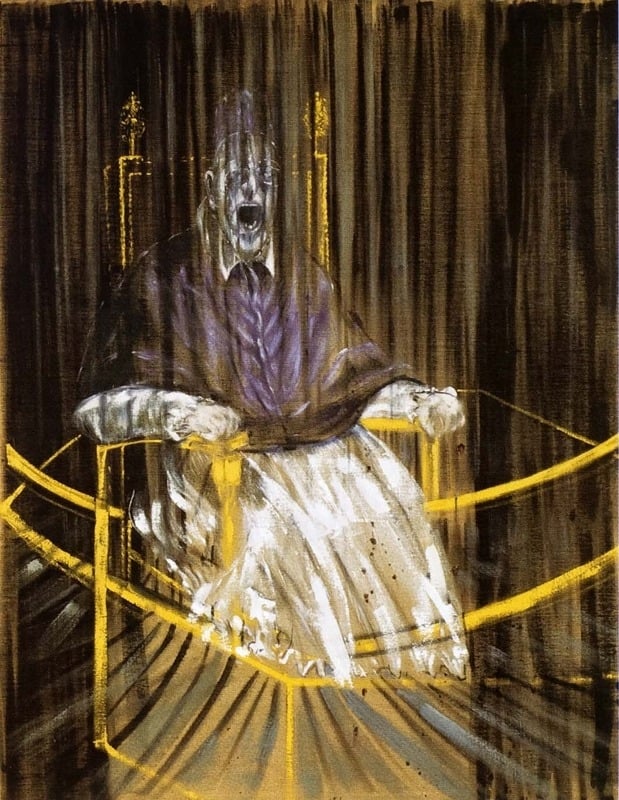
Study for Portrait of Pope Innocent X
Francis Bacon (1953)
Francis Bacon’s Study for Portrait of Pope Innocent X converts a seat of power into a <strong>cage of panic</strong>: a pontiff pinned in a golden <strong>space‑frame</strong>, mouth <strong>wrenched open</strong> beneath a torrent of vertical strokes. Violets, blacks, and acidic yellows turn vestments into a <strong>shroud</strong>, while the white robe flares like a spectral residue.
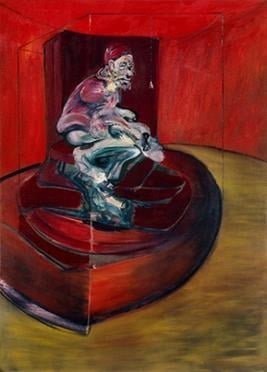
Study from Innocent X
Francis Bacon (1962)
Francis Bacon’s Study from Innocent X recasts the papal portrait as an image of <strong>enthroned vulnerability</strong>. Hemmed by thin <strong>cage-lines</strong> on a curved <strong>stage-like dais</strong>, the red-suffused figure trembles between flesh and regalia, turning authority into exposure <sup>[1]</sup><sup>[3]</sup>.
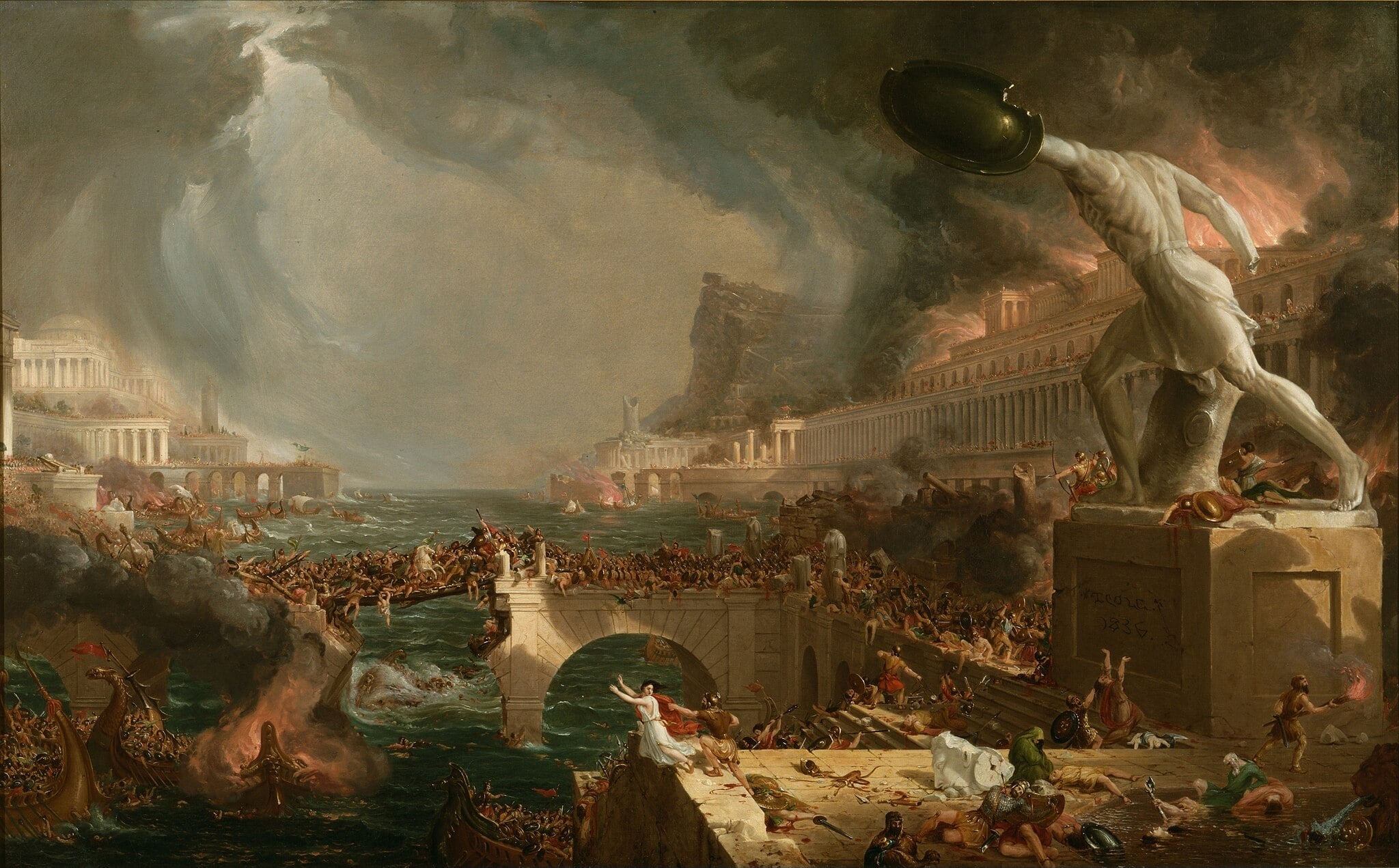
The Course of Empire: Destruction
Thomas Cole (1836)
Thomas Cole’s The Course of Empire: Destruction plunges a once‑ordered classical city into <strong>apocalyptic collapse</strong>. A <strong>collapsing bridge</strong>, <strong>burning colonnades</strong>, and a <strong>headless gladiator statue</strong> preside over panicked crowds and flaming warships, while a fixed mountain crag endures beyond the chaos. The canvas stages <strong>moral retribution</strong>: empire’s luxury curdles into vice and is swept away by combined human and elemental fury <sup>[1]</sup><sup>[2]</sup>.
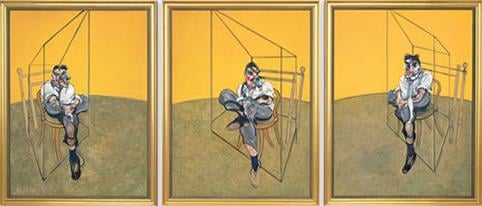
Three Studies of Lucian Freud
Francis Bacon (1969)
Francis Bacon’s Three Studies of Lucian Freud is a triptych that stages a friend-rival as a <strong>restlessly rotating presence</strong> within a geometric <strong>cage</strong> on a searing yellow ground. The smeared, mask-like head, crossed legs, rolled sleeves, and upturned brogues turn portraiture into a <strong>psychological performance</strong> rather than a likeness <sup>[2]</sup>.
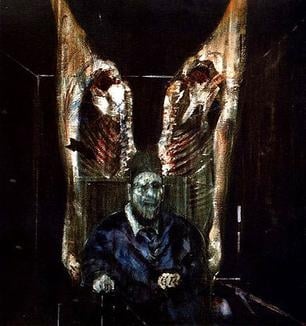
Figure with Meat
Francis Bacon (1954)
Francis Bacon’s Figure with Meat fuses a screaming pontiff with two flayed carcasses that hang like grotesque wings, locking power and flesh into the same dark box. Through <strong>cage-like lines</strong>, <strong>stage-lit isolation</strong>, and paint handled as <strong>raw meat</strong>, Bacon asserts a brutal equivalence: sanctity and sovereignty are only bodies destined to decay <sup>[1]</sup><sup>[2]</sup>.
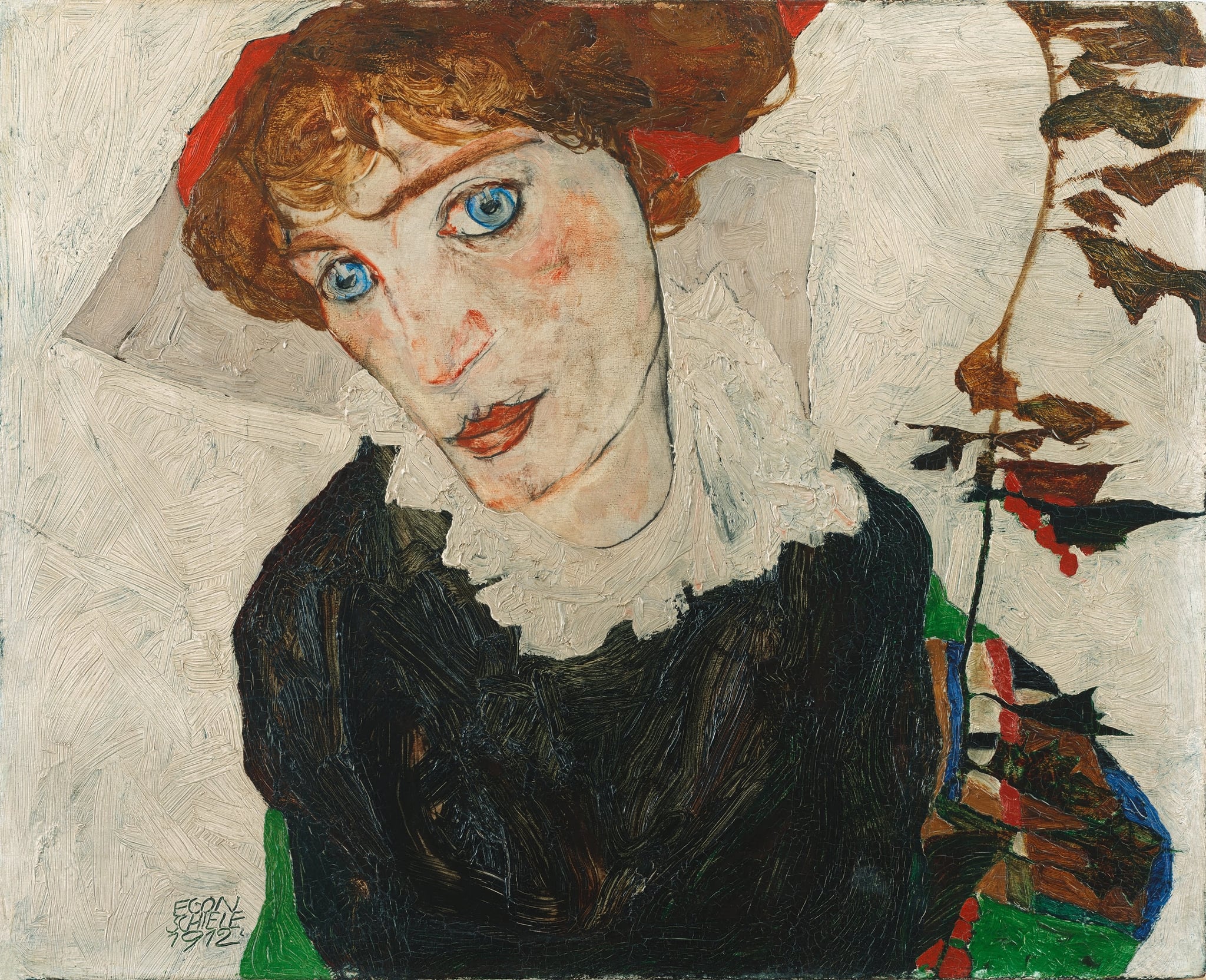
Portrait of Wally
Egon Schiele (1912)
Egon Schiele’s Portrait of Wally (1912) turns likeness into <strong>emotional topography</strong>: an oblique head, ice‑blue eyes, and a ruffled white collar flare against an <strong>impasto, airless ground</strong>. The right‑edge twig with red berries acts as a terse sign of <strong>vitality under threat</strong>, while jagged contours and a dense black dress pull the figure toward us with unsettling intimacy <sup>[1]</sup><sup>[3]</sup>.

The Woman taken in Adultery
Rembrandt van Rijn (1644)
Rembrandt van Rijn’s The Woman taken in Adultery (1644) stages John 8:3–11 as a tense, ethical <strong>pause</strong> inside a cavernous, gilded sanctuary. A narrow beam of <strong>light</strong> singles out the kneeling woman in white while Christ’s composed figure redirects the crowd from <strong>retribution</strong> toward <strong>mercy</strong> <sup>[1]</sup>.
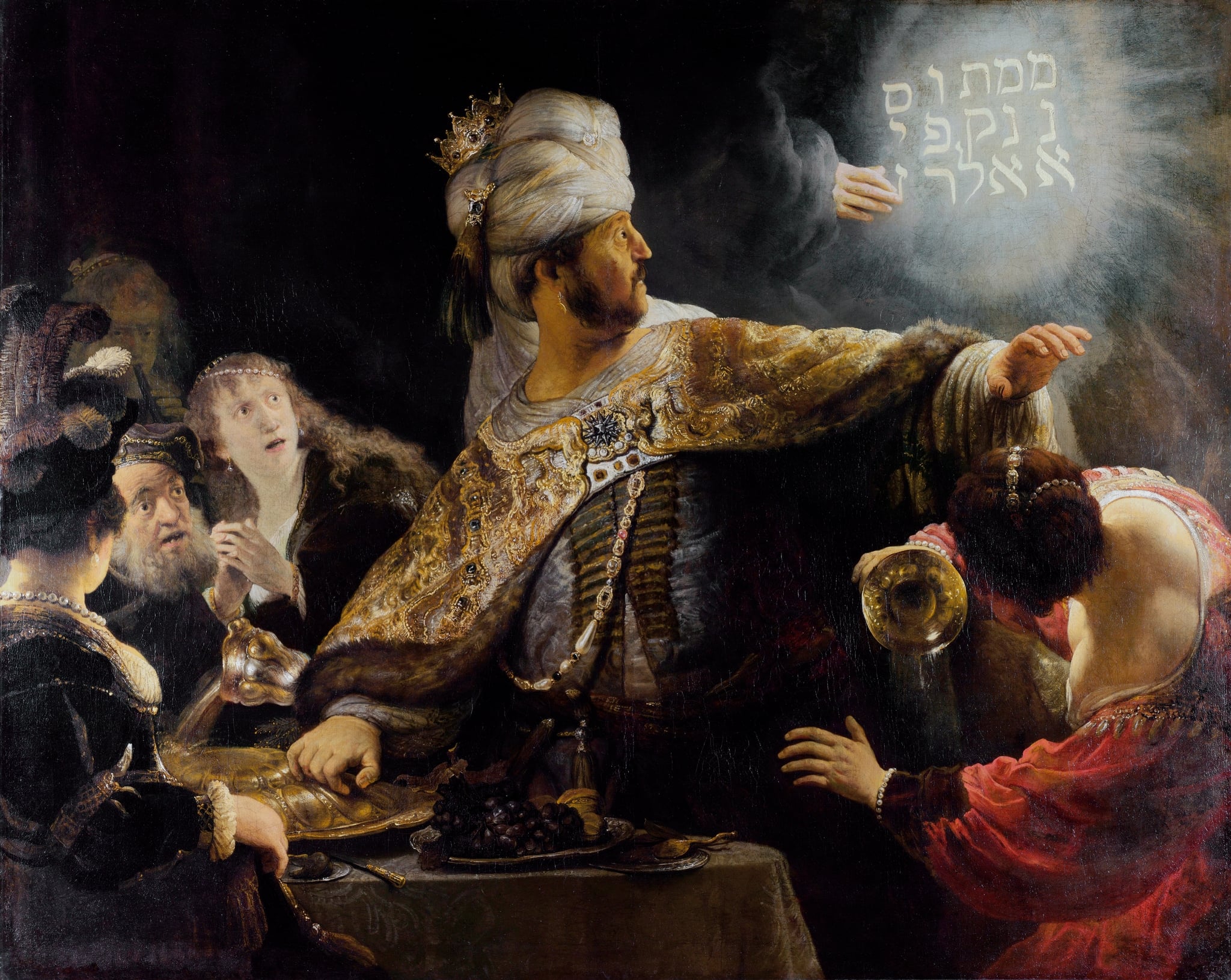
Belshazzar's Feast (study listed separately in some catalogues)
Rembrandt van Rijn (c. 1636–1638)
In Belshazzar's Feast (study listed separately in some catalogues), Rembrandt van Rijn arrests the instant a royal revel is judged by a <strong>supernatural decree</strong>. A radiant hand writes the fateful words while the bejeweled king jerks round, courtiers flinch, and sacred vessels glint—opulence set against <strong>divine judgment</strong> <sup>[1]</sup><sup>[2]</sup>.
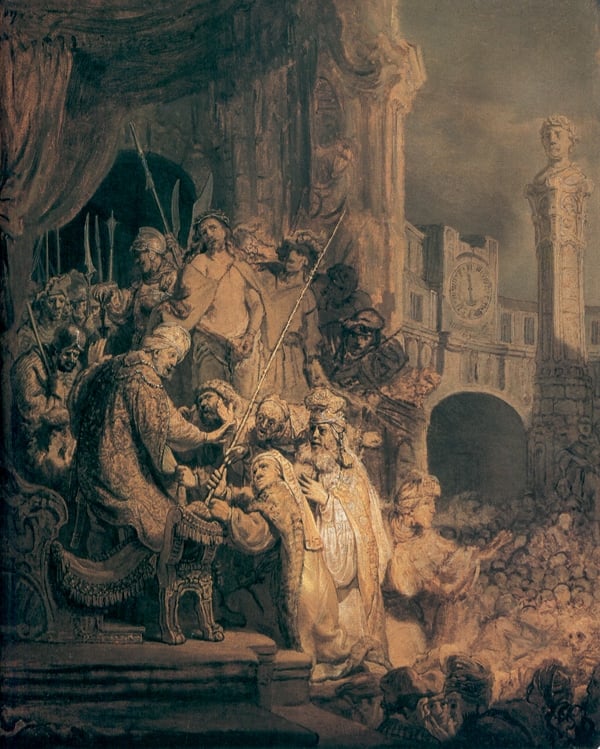
Ecce Homo
Rembrandt van Rijn (1634)
Rembrandt van Rijn’s Ecce Homo turns a Gospel episode into a <strong>public ritual of power</strong>. Under a heavy canopy, Pilate elevates himself above a seething crowd and gestures toward the bound Christ, while civic architecture and antique statuary proclaim <strong>earthly authority</strong> over <strong>innocent suffering</strong> <sup>[1]</sup><sup>[2]</sup>. Light isolates the principals and treats the rest as a turbulent mass, converting a show trial into a meditation on refusal of mercy.