Two routes to modern vision
Both painters turn cafés, gardens, and dance floors into laboratories of attention. Manet edits, flattens, and withholds so we register how images construct modern life and our role as spectators. Renoir fuses bodies, décor, and light into a warm envelope so sociability is felt before it’s told. Together they map the ethics and pleasures of seeing in the nineteenth‑century city.
Comparison frame: How do Manet and Renoir rewire looking—one by sharpening our awareness of the frame, the other by letting us feel social light?
Quick Comparison
| Topic | Édouard Manet | Pierre-Auguste Renoir |
|---|---|---|
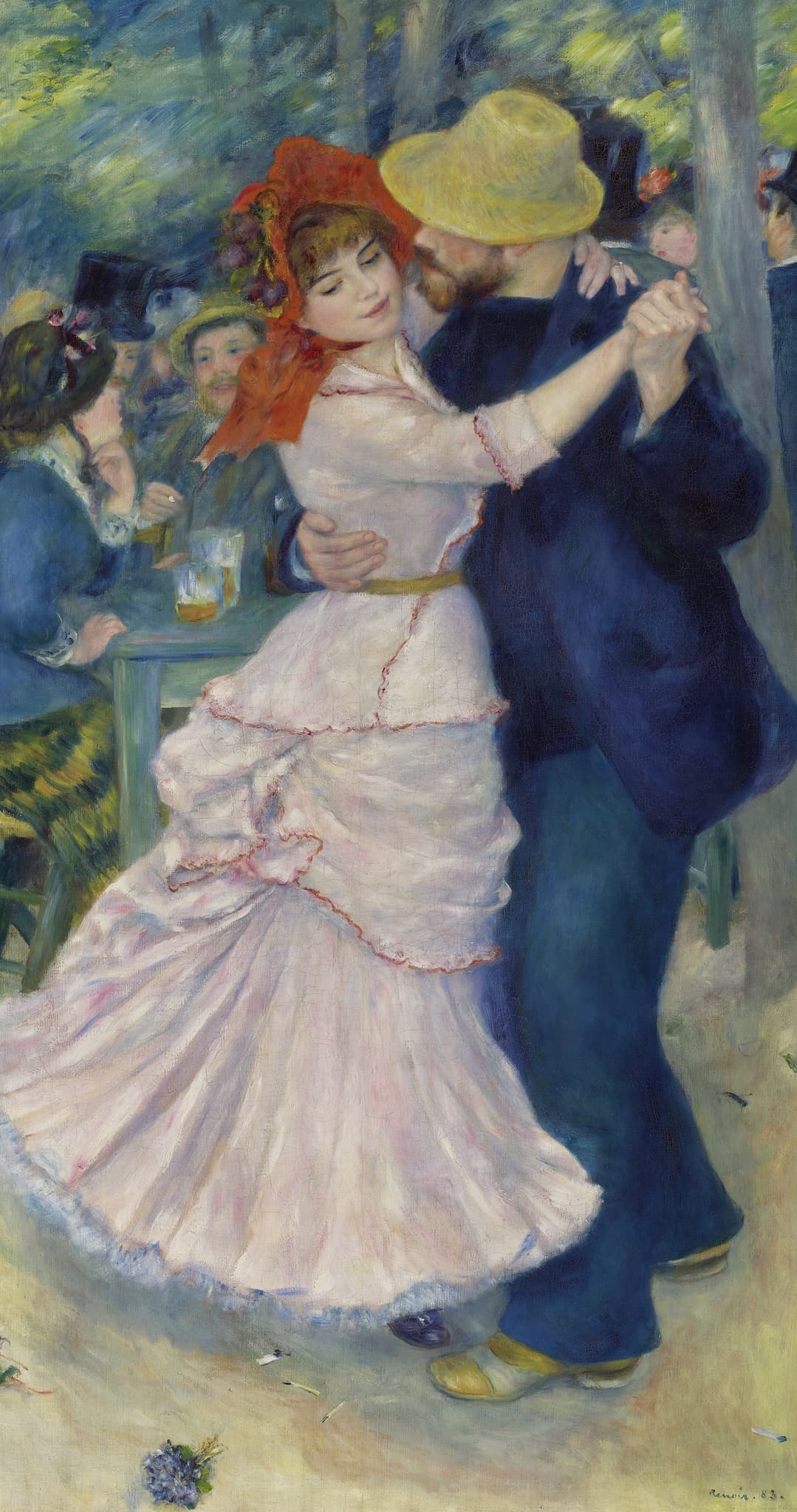
| Purpose of looking | Expose construction: cropping, flat grounds, withheld anecdote make us notice how images work (Execution of Maximilian). | Bind perception: a shared envelope of color and touch makes sociability felt (Dance at Bougival). |
| Space and surface | Planar stages, silhouettes, poster‑like clarity; tonal design with assertive blacks (The Fifer). | Continuous, luminous atmosphere that fuses figure and setting; prismatic color. |
| Staging the “real” | Studio-built modern life—props and poses presented as passing instants (Plum Brandy). | Carefully arranged scenes calibrated to read as spontaneous harmony (Young Girls at the Piano). |
| Old Master dialogue | Velázquez/Goya gravity recast for modern subjects. | Eighteenth‑century grace (Fragonard) plus post‑Italy respect for contour (Ingres). |
| Optical inputs | Japonisme’s flattening and photographic cropping sharpen edits. | Plein‑air color and soft focus organize a social “glow.” |
| Ethic of spectatorship | Cool, analytical: implicates the viewer in modern spectacle and power. | Sympathetic, embodied: etiquette and touch convert into rhythm and warmth. |
| Typical social unit | Isolated figure or dispersed crowd; distance and ambiguity. | Couple or small group; proximity and consent. |
| What the image asks | Read the edits; question the frame. | Enter the atmosphere; feel the bond. |
Shared Ground
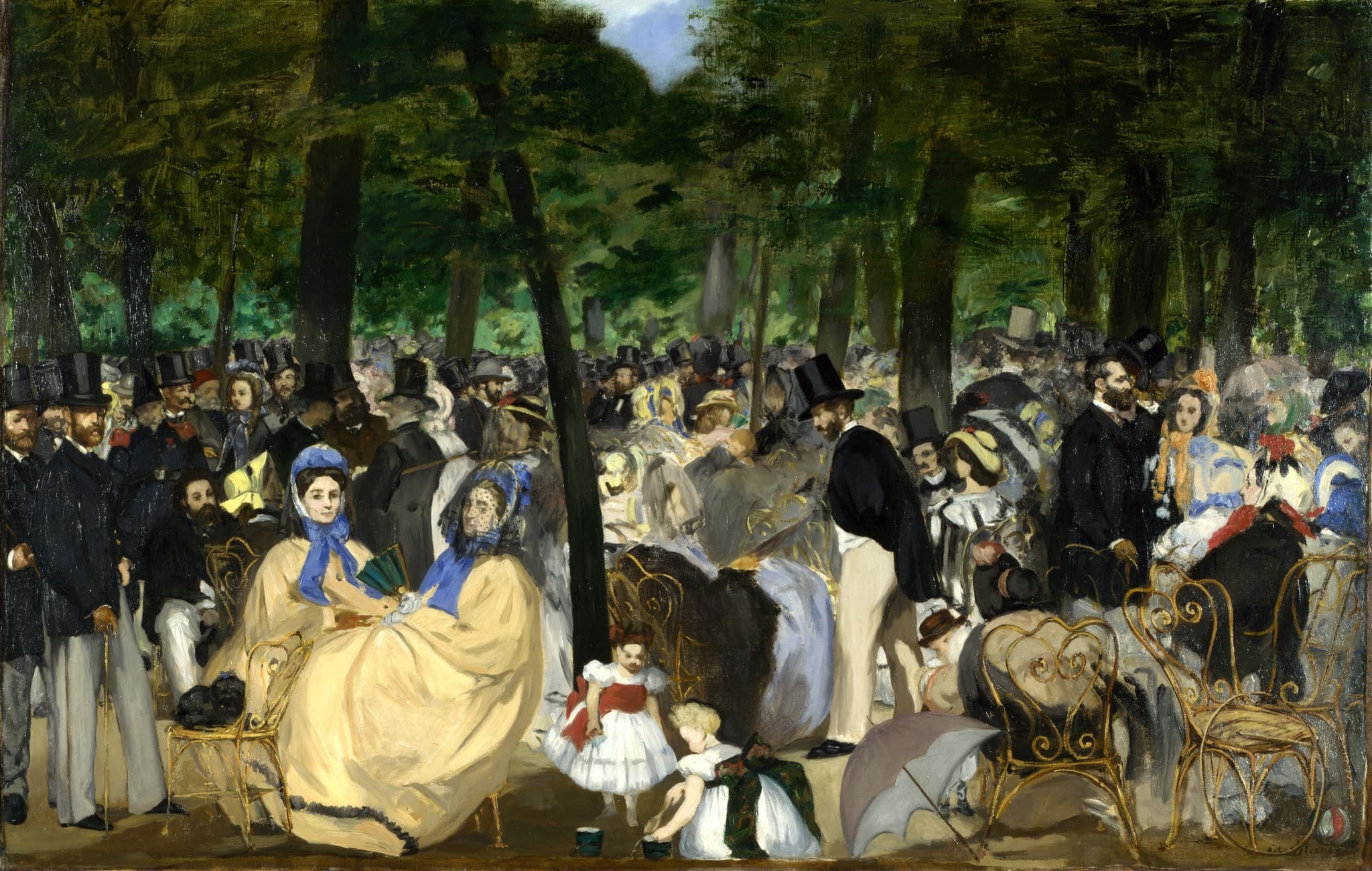
Manet and Renoir make modern life their studio: cafés, gardens, dance terraces, fashion, and music become subjects designed to register how attention works in public. Manet’s Music in the Tuileries disperses focus across a crowd with off‑center cropping and a band we never see; Renoir’s dance pictures and café scenes convert etiquette, touch, and décor into legible rhythms of pleasure. Each is answering Baudelaire’s brief for images of the transient and contingent, where glancing looks and passing intervals define experience.
Both artists route tradition into the present. Manet modernizes Spanish single‑figure gravitas and uses flat grounds and silhouettes to dignify contemporary types; Renoir renews eighteenth‑century grace and, after Italy, tightens contour without surrendering light. They also share a productive doubleness about “the real”: much that appears caught from life was built in the studio, with posed friends and curated props, yet painted to feel present‑tense (Manet’s café tables and marble slabs; Renoir’s rehearsed domestic motifs such as Young Girls at the Piano). New visual cultures feed both: Japonisme’s planar cues and photography’s cropping inform Manet’s abrupt edits; plein‑air color and broken touch organize Renoir’s shimmering envelopes. Crucially, both make looking itself the subject—Manet implicates us in scenes of spectacle or power; Renoir turns sociability into felt harmony—so that perception, not just motif, carries the meaning of modernity.
Decisive Difference
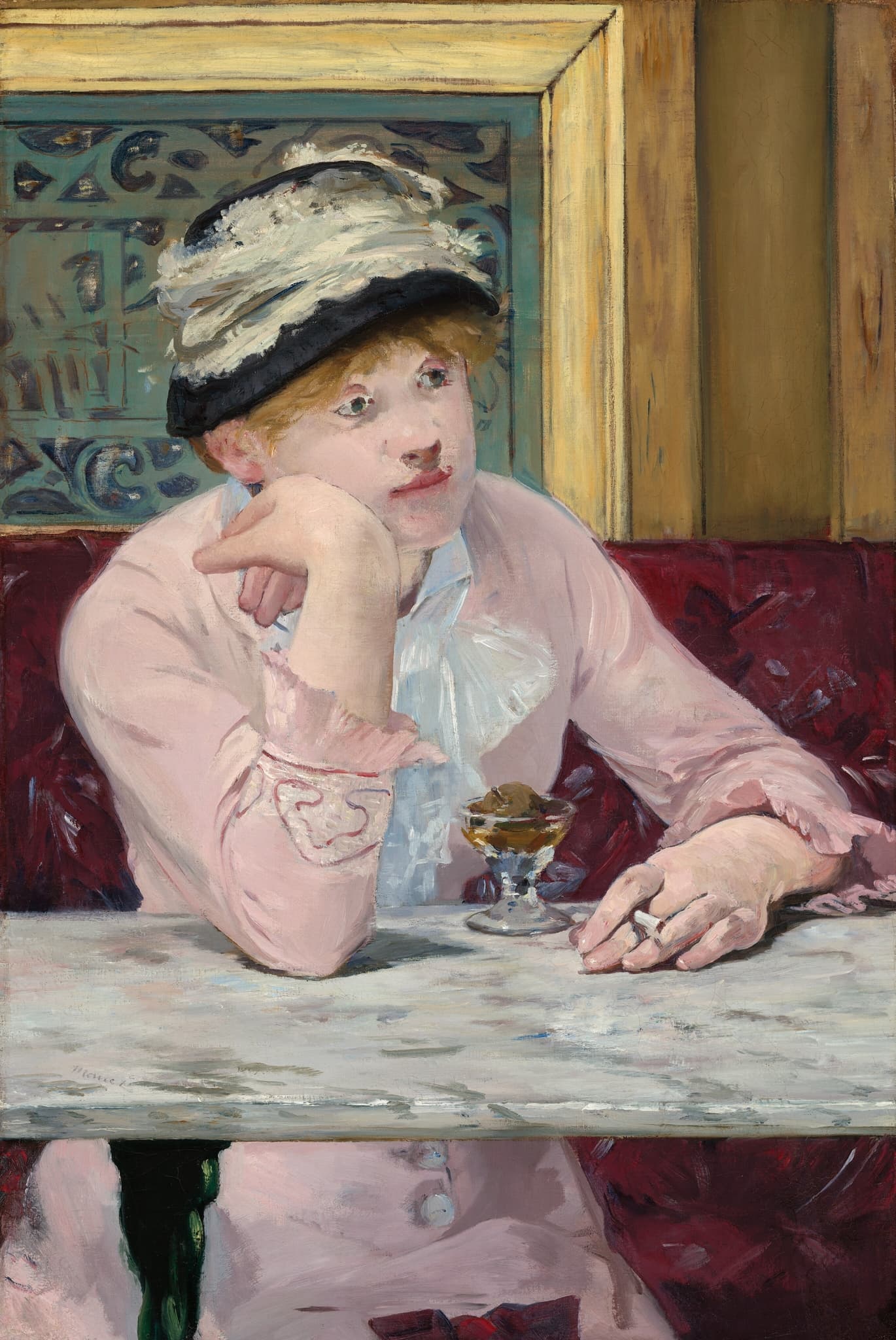
Manet treats painting as a critique of seeing. He edits, flattens, and withholds anecdote so we sense construction and complicity at once. The Fifer floats a uniformed child against a near‑void, converting sound and authority into planar signs. The Execution of Emperor Maximilian is literally cut and recomposed; its wall of riflemen and reportorial coolness force us to confront administrative violence while noticing how an image has been made—and censored. Even an intimate like Plum Brandy boxes a figure behind a marble barrier, with an unlit cigarette and deferred action; we are asked to read arrangement, not story. In short: Manet makes us notice the frame.
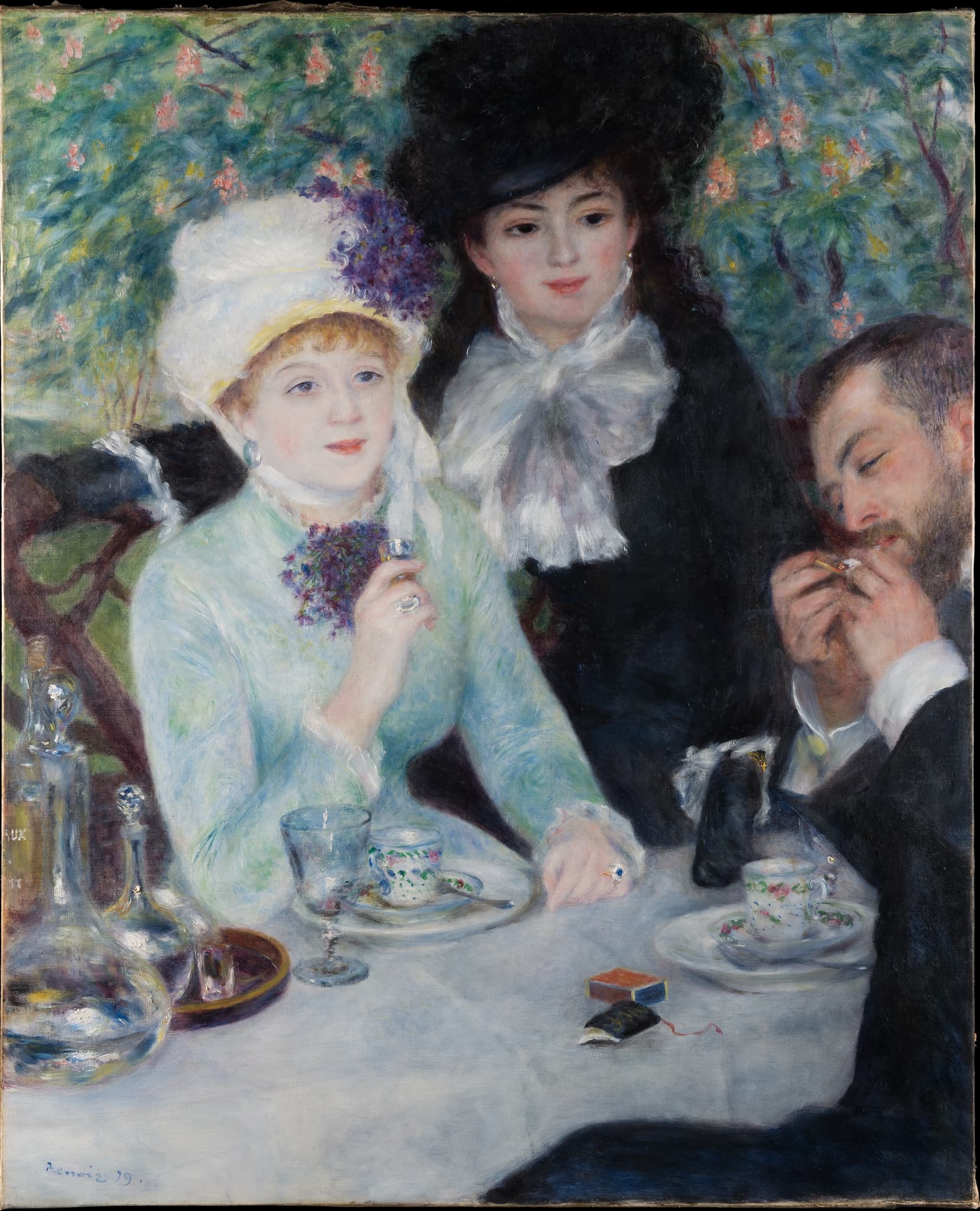
Renoir makes painting a medium for shared pleasure. He knits bodies, light, and décor into a continuous envelope so that sociability is felt before it’s parsed. Dance at Bougival concentrates energy in clasped hands, a scarlet bonnet against ultramarine, and a spiral of brushwork that lets us “hear” the waltz. After the Luncheon turns glass, coffee rings, and a just‑lit cigarette into a tempo of companionship. Even portraits—Jeanne Samary, Girl with a Watering Can—anchor crisply modeled faces within a prismatic haze that reads as tact, consent, and ease. Where Manet sharpens our awareness of construction, Renoir choreographs belonging. In short: Manet asks us to stand back and read; Renoir invites us to step in and glow.
Paired Works
A pause vs a shared instant
Focus question: How a pause reads
Plum Brandy vs After the Luncheon
Scanning a crowd vs entering a dance
Focus question: Crowd vs. couple
Music in the Tuileries vs Dance at Bougival
Two logics of modern beauty
Focus question: Modern beauty via different logics
Jeanne (Spring) vs Portrait of Jeanne Samary
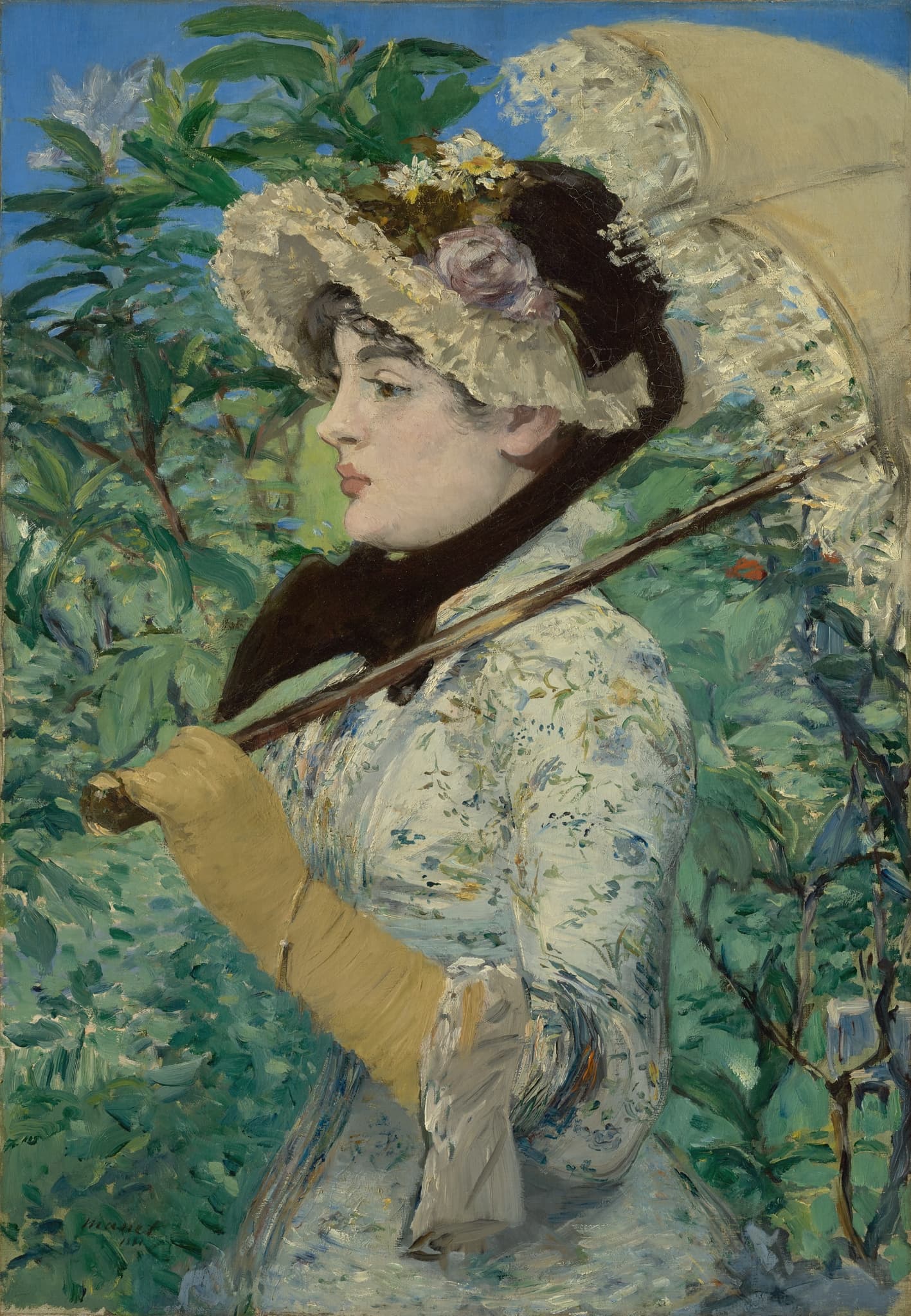
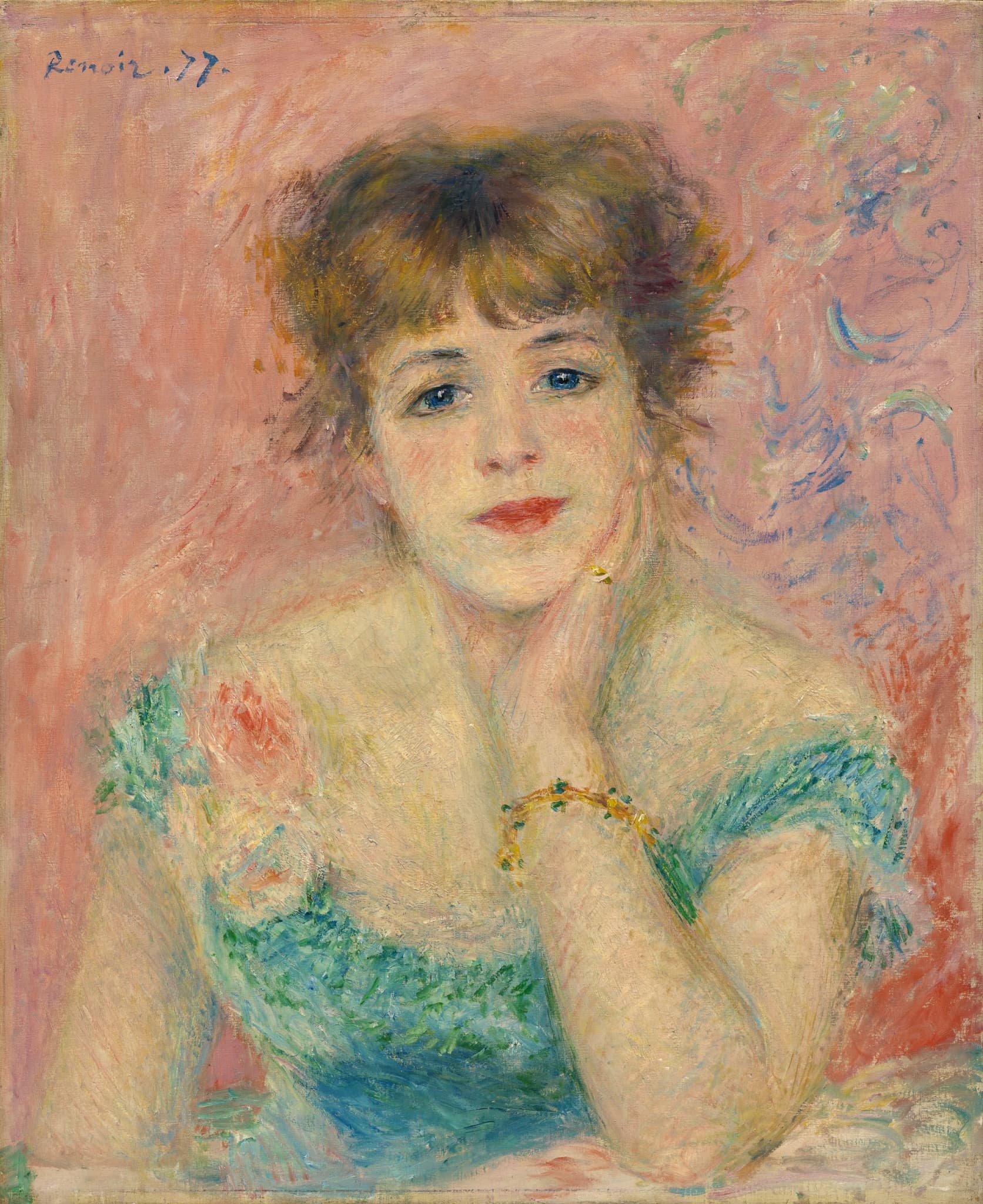
Monument vs envelope
Focus question: Figure construction
The Fifer vs Girl with a Watering Can
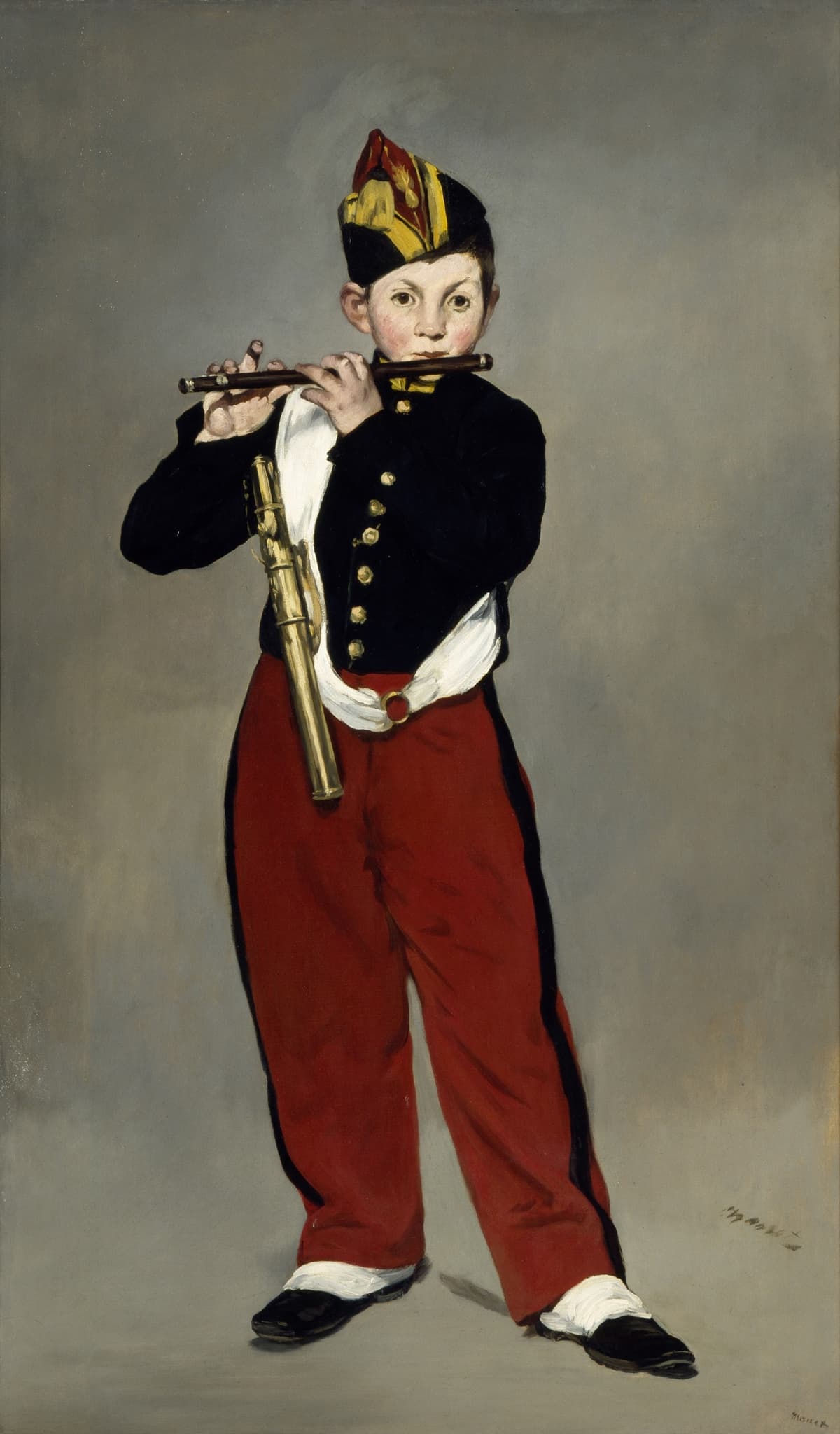
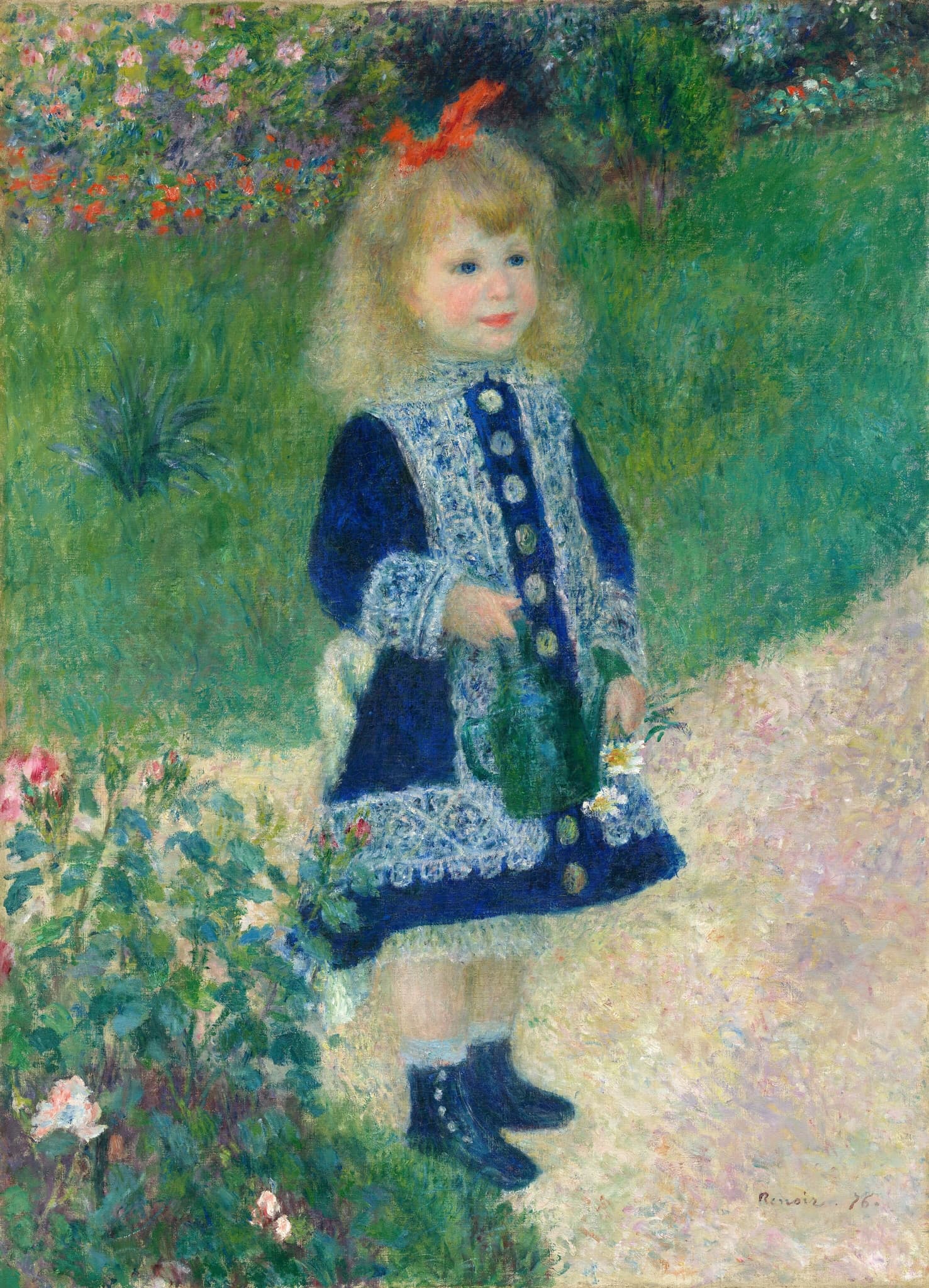
Why This Comparison Matters
Seeing Manet beside Renoir clarifies two durable options for modern images. One route sharpens our sense of construction—what is cropped, flattened, staged, or withheld—and asks for an ethical, alert spectatorship. The other route binds bodies and décor into a continuous field where shared pleasure and tact are legible as color and touch. Both remain current: news photography and design thinking often work like Manet, making edits meaningful; hospitality, cinema close‑ups, and lifestyle imagery often work like Renoir, turning atmosphere into persuasion.
The comparison also rescales “Impressionism.” It is not just shimmer outdoors; it can be an incisive stage (Manet) or a persuasive glow (Renoir). Recognizing the shared ground—modern leisure, studio staging, Japonisme and photographic cues—while holding the decisive split—frame versus envelope—helps a reader parse everything from café icons to dance scenes with more nuance. You learn not only what you’re looking at, but how the picture wants you to look.
Related Links
Sources
- National Gallery, London — Manet: Music in the Tuileries Gardens
- National Gallery, London — Manet: The Execution of Maximilian
- Musée d’Orsay — Manet: The Fifer
- Getty — Manet: Jeanne (Spring) and its Salon reception
- National Gallery of Art — Manet: Plum Brandy
- Museum of Fine Arts, Boston — Renoir: Dance at Bougival
- Städel Museum — Renoir: After the Luncheon
- Musée d’Orsay — Renoir: Young Girls at the Piano (state purchase, variants)
- National Gallery of Art — Renoir: Girl with a Watering Can
- The Met — Essay: Auguste Renoir (1841–1919) and the Ingres turn
- The Met — The Great Wave: Influence of Japanese woodcuts
- Robert L. Herbert, Impressionism: Art, Leisure, and Parisian Society
- T. J. Clark, The Painting of Modern Life
- Google Arts & Culture — Renoir: The Piazza San Marco, Venice