Most Expensive Michelangelo Paintings
Few artists command the market mystique of Michelangelo, whose few surviving painted masterpieces now read like blue-chip assets in the art world; from the epochal "The Creation of Adam," estimated at an almost unimaginable $1.5–3.0 billion, to iconic panels such as "The Creation of Eve" ($500 million–$5 billion) and the sensuous "Libyan Sibyl" ($500 million–$2 billion), these works occupy the top tier of collectible cultural capital. Their market standing is driven not only by rarity and provenance but by the sweep of humanist genius on fresco and panel—monumental scale, technical daring, and the capacity to shape Western visual language. Even pieces that would be effectively unsaleable because of their immovable context, like the hypothetical valuations for "Prophet Isaiah" ($300M–$1.2B) and the Cumaean Sibyl ($200M–$1B+), underscore how value here is as much about historical significance as monetary exchange. From the apocalyptic sweep of "The Last Judgment" ($500 million–$2 billion+) to more intimate works such as the "Doni Tondo" ($100–300 million), these paintings are prized for rarity, condition, and irreplaceable cultural resonance.
$500 million–$5 billion
Effectively unsaleable as in‑situ Vatican patrimony; hypothetical market range estimated at $500 million–$5 billion based on top Old Master comparables plus a Sistine‑ceiling cultural premium.
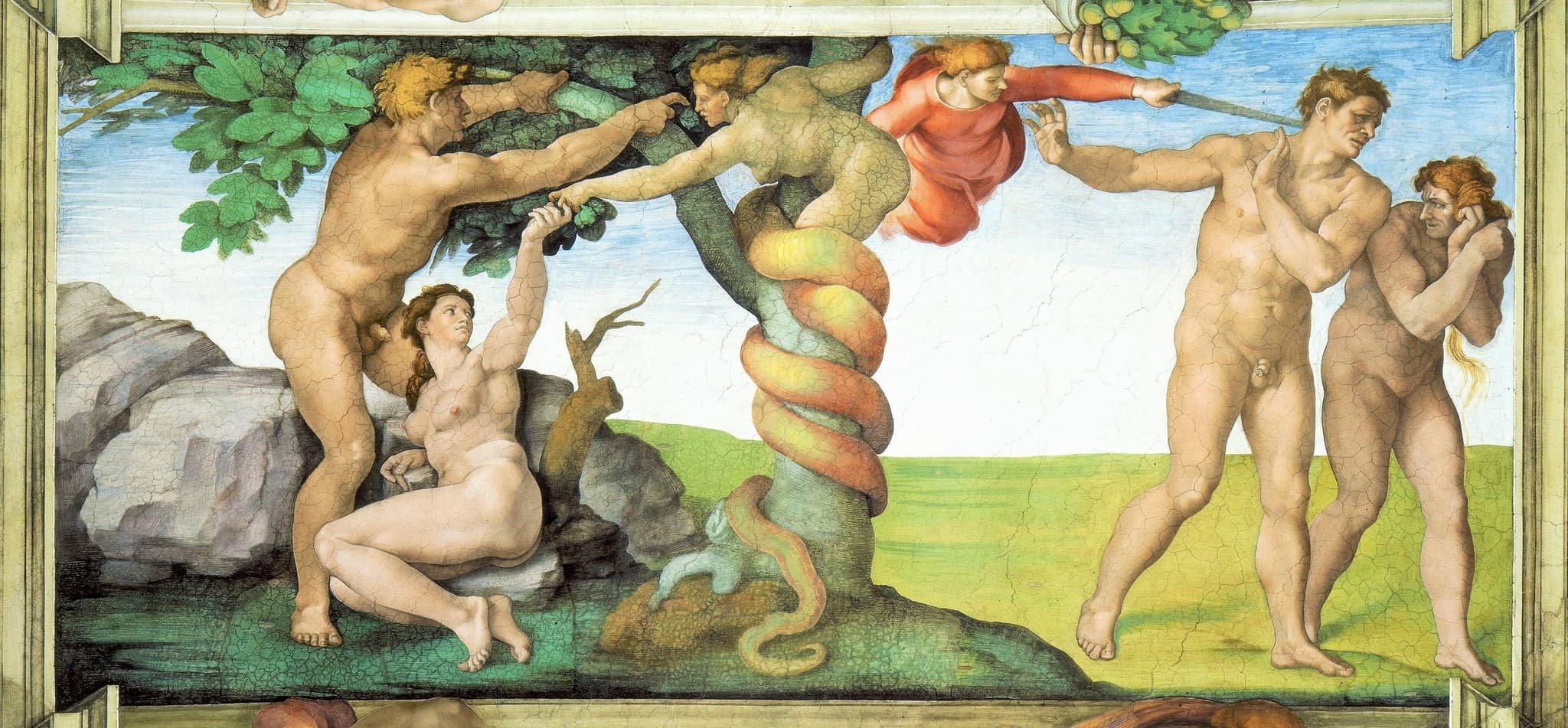
$2.5-4.0 billion
Michelangelo’s The Fall and Expulsion from the Garden (Sistine Chapel ceiling, c.
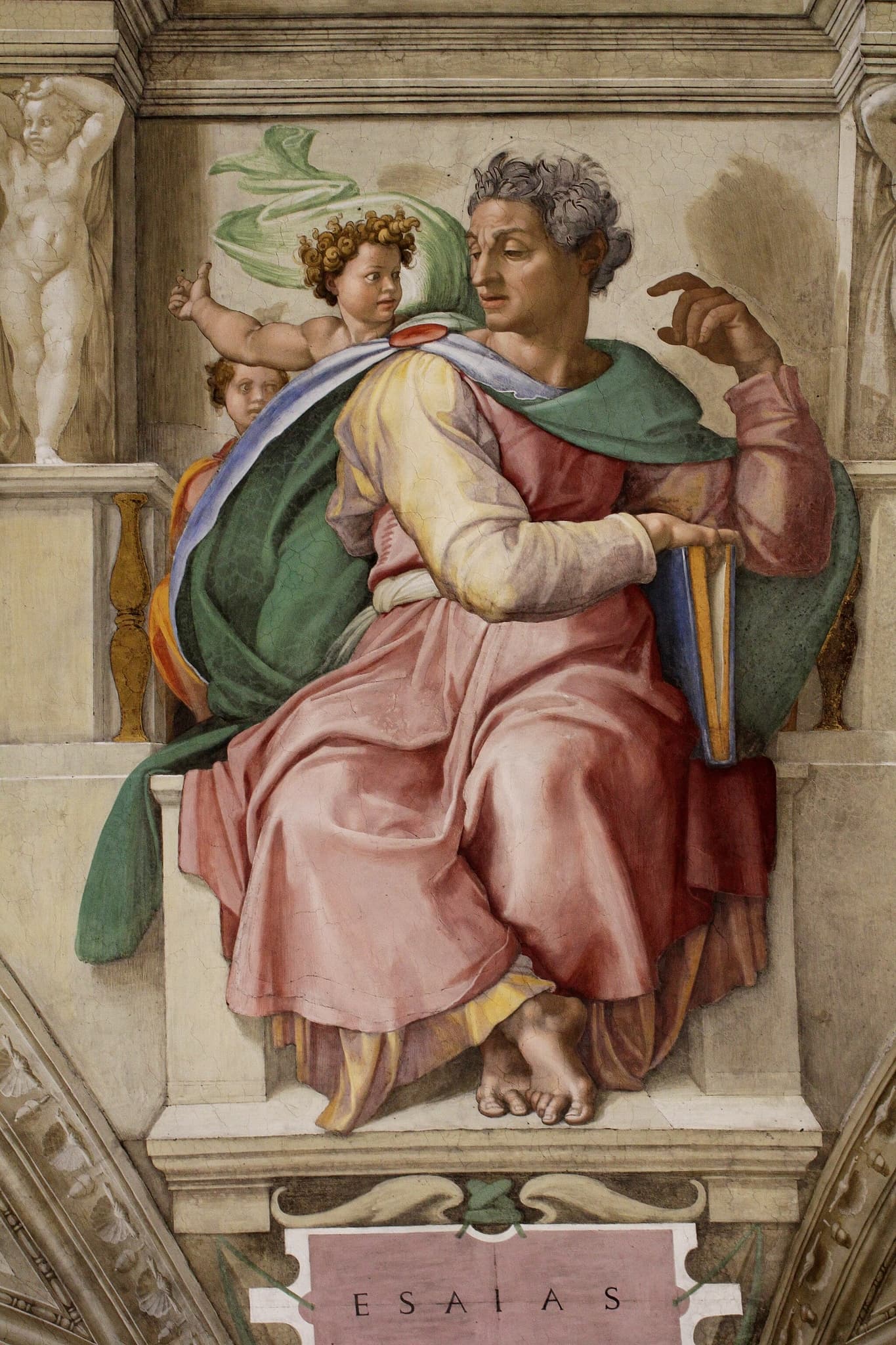
$1-3 billion
Prophet Isaiah is an integral fresco on the Sistine Chapel ceiling and cannot be sold; a market price does not exist.
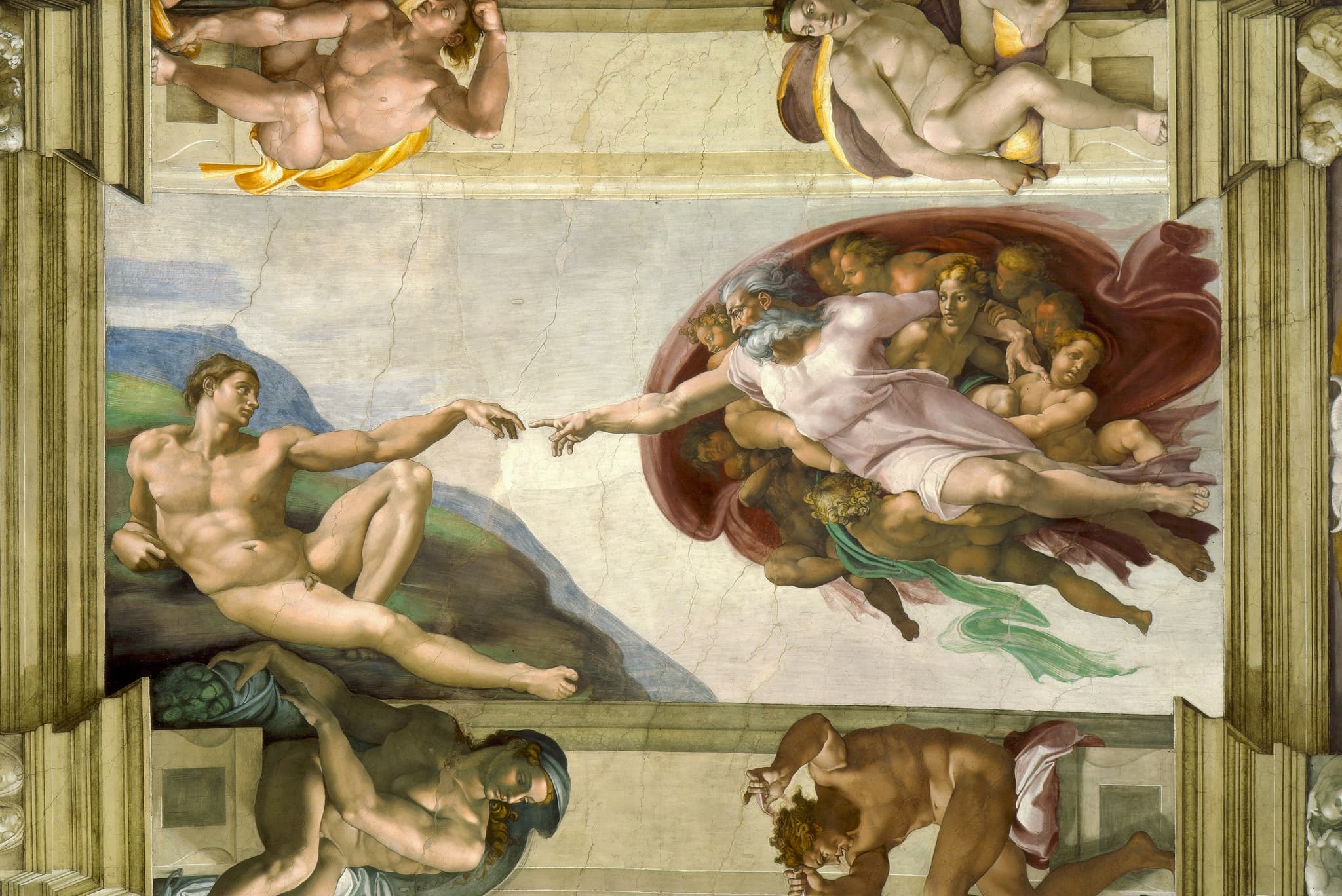
$1.5-3.0 billion
Inalienable in‑situ Sistine fresco; hypothetical transferable fair market value estimated at $1.5–3.0 billion reflecting singular art‑historical stature and global cultural resonance.
$500 million–$2 billion
Effectively unsaleable in situ; a conservative hypothetical band for the Libyan Sibyl is $500 million–$2 billion, acknowledging very large valuation uncertainty.
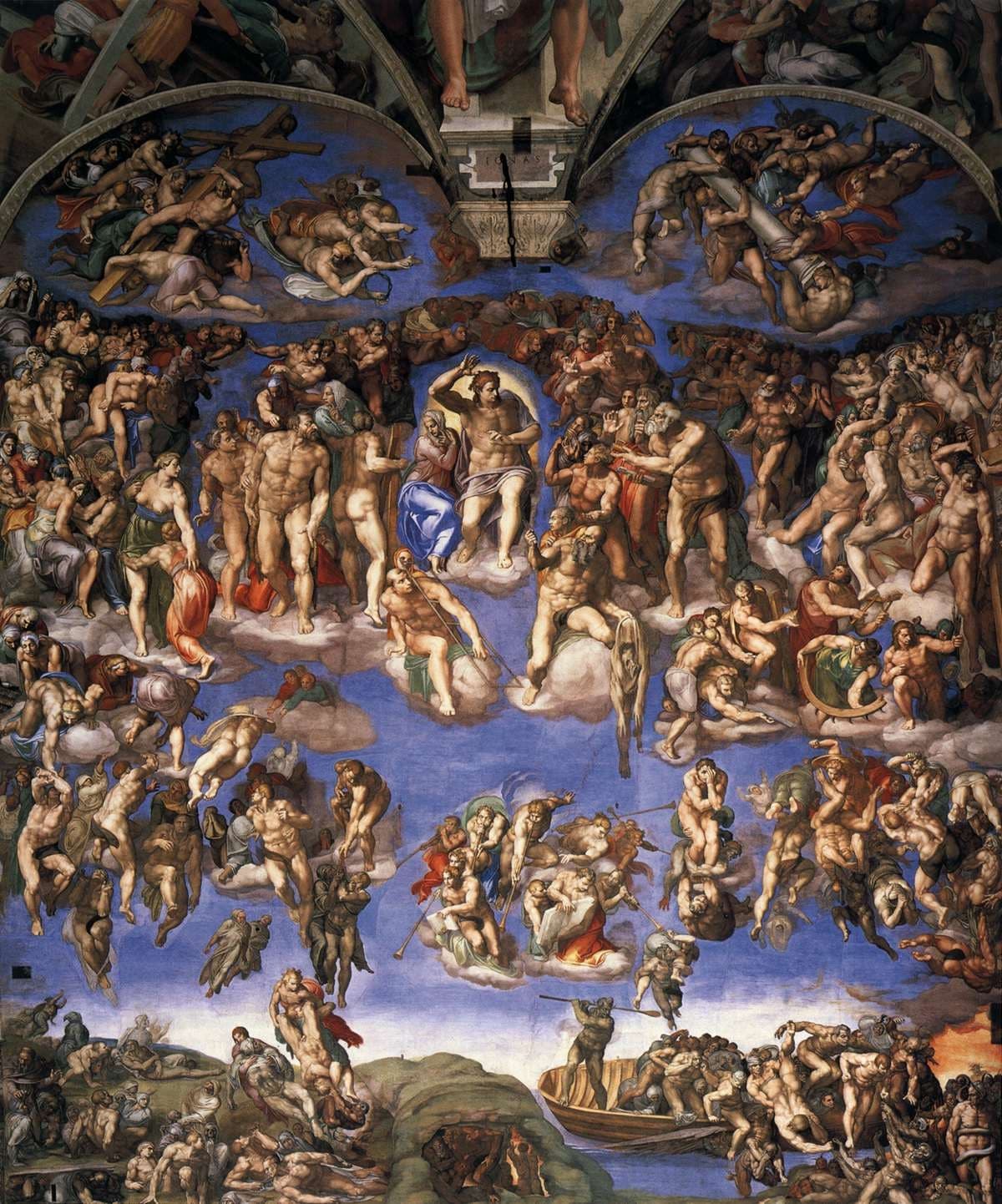
$500 million–$2 billion+
Never sold and functionally inalienable, The Last Judgment’s hypothetical valuation extrapolates to roughly $500 million–$2 billion+ from Michelangelo drawing records and public trophy ceilings.
$300M–$1.2B (hypothetical, not saleable)
Prophet Isaiah is legally and practically unsaleable; an academic hypothetical range is approximately $300 million–$1.2 billion drawn from Old Master and Michelangelo comparables.
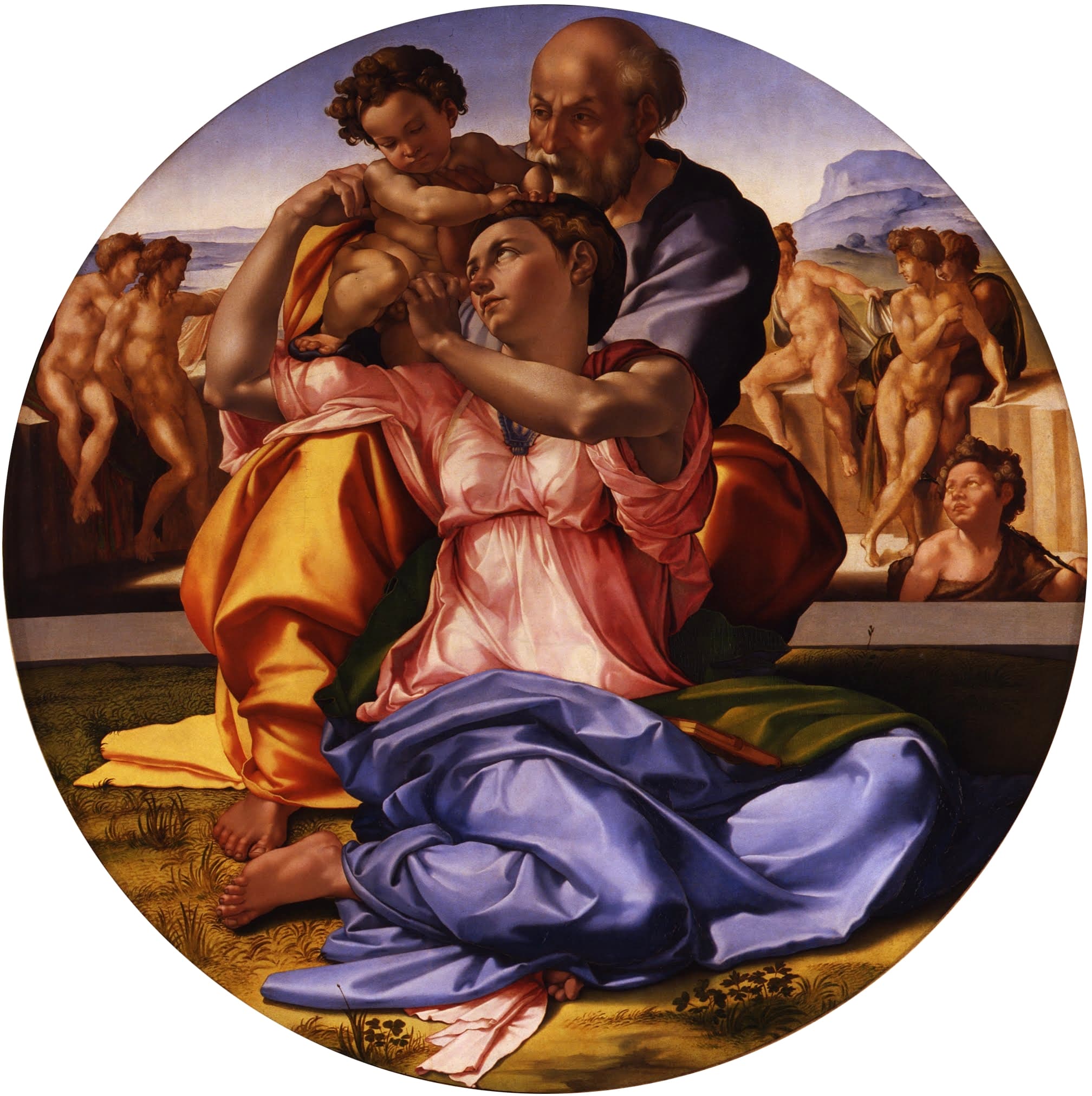
$850 million–$1.1 billion (hypothetical, exportable open‑market value)
In a hypothetical, exportable sale, Michelangelo’s Holy Family (Doni Tondo) would command approximately $850 million to $1.
$200M–$1B+ (hypothetical)
Practically unsellable Vatican patrimony, with a purely hypothetical market extrapolation for the Cumaean Sibyl of roughly $200 million–$1+ billion based on top Old Master ceilings.
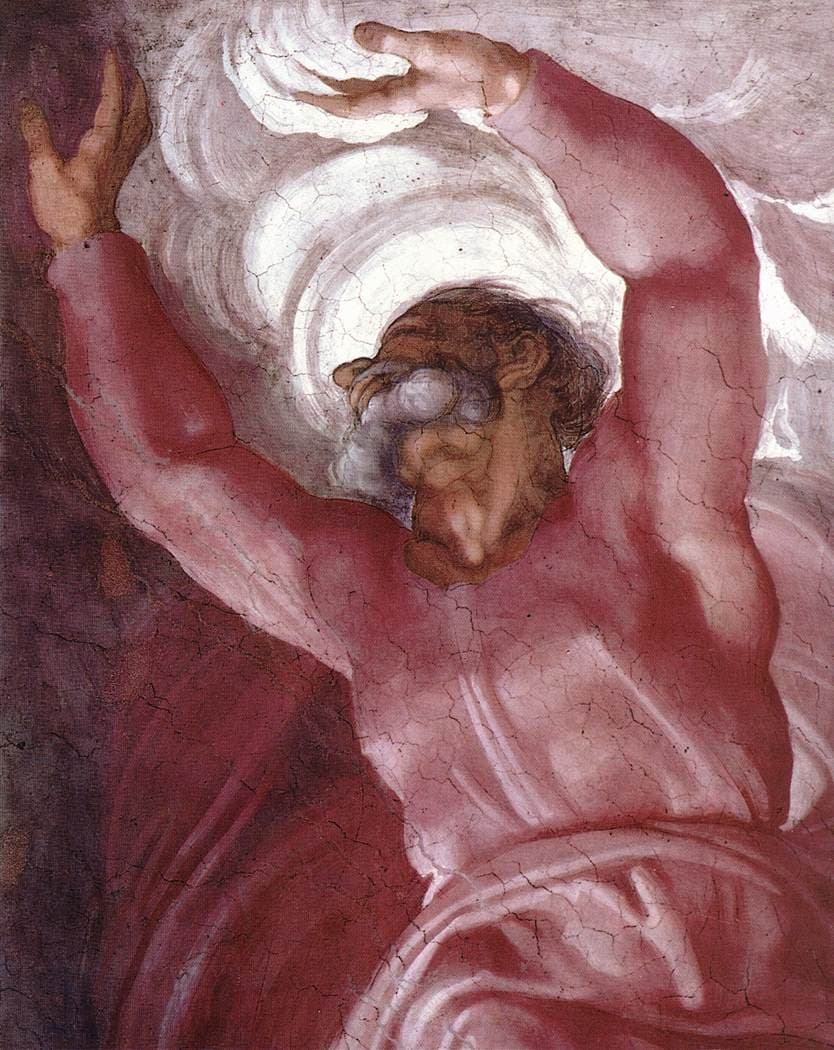
$300 million–$1 billion
Inalienable and unsaleable, Separation of Light from Darkness would hypothetically command about $300 million–$1 billion using top‑tier Old Master and cultural‑replacement comparables.
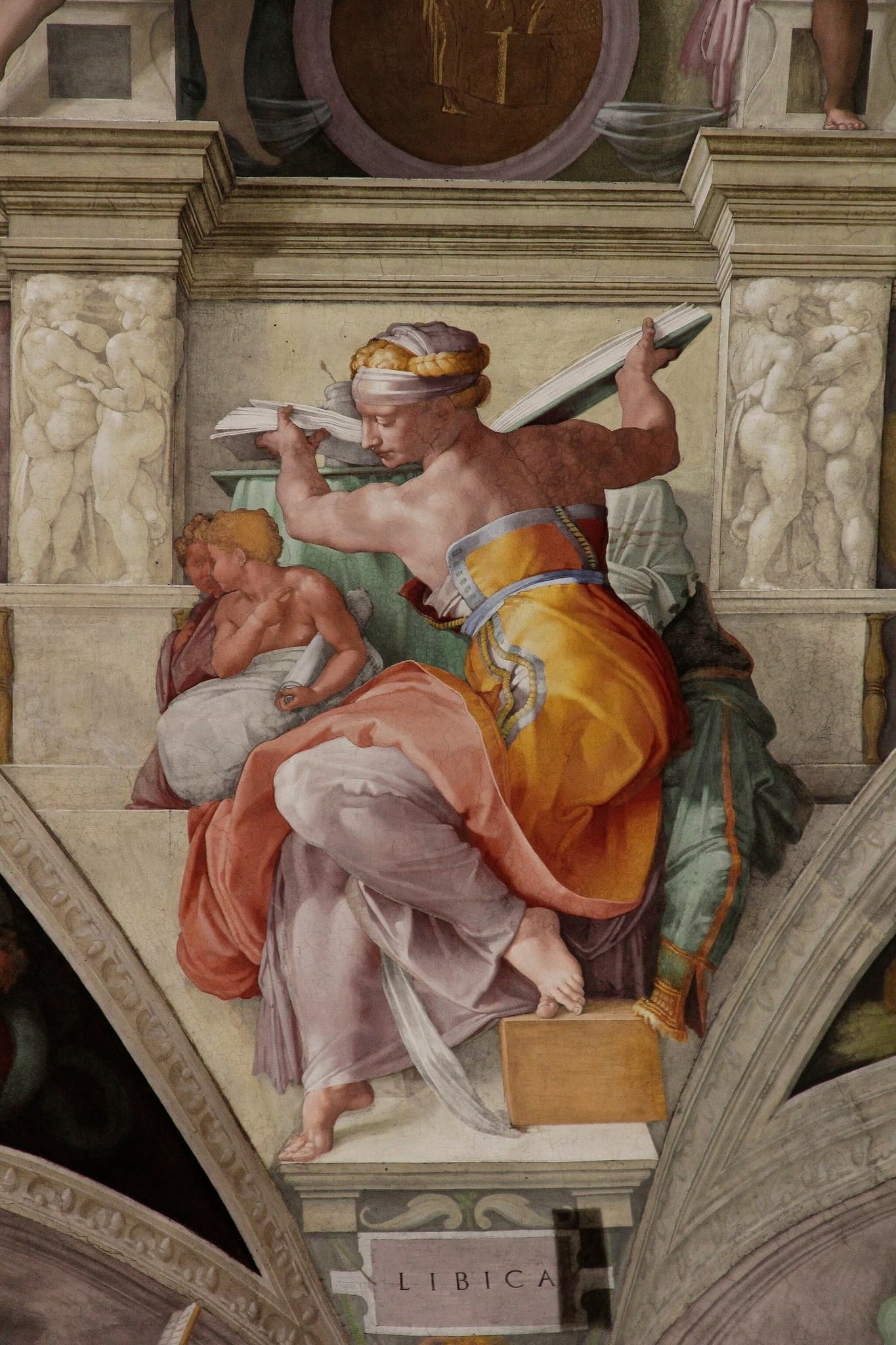
$500-700 million
The original Libyan Sibyl is an in-situ fresco on the Sistine Chapel ceiling and is not legally marketable.
$200-600 million
The Conversion of Saul is effectively inalienable within the Cappella Paolina; a hypothetical transferable valuation is estimated at $200–600 million assuming lawful removal and market access.
$100-300 million
Doni Tondo is museum‑held and effectively off‑market; an indicative theoretical band for this rare Michelangelo easel painting is $100–300 million based on ultra‑rare Old Master sales.
$100-150 million
Functionally unsaleable Sistine fresco, The Deluge receives a strictly theoretical comparative valuation of approximately $100–$150 million derived from top Michelangelo drawings and Old Master trophy sales.
Market Context
Michelangelo occupies the apex of art‑historical importance but rarely appears on the market in autograph painted or sculpted form; market‑accessible material is overwhelmingly drawings, studies and occasional letters. Recent marquee results — notably Christie’s Paris pen‑and‑ink study c. $24.3M (2022) and a red‑chalk sheet reported at c. $27.2M (2026) — confirm intense, institution‑led demand and episodic price discovery driven by provenance, scholarship and technical evidence. Museums, sovereign purchasers and ultra‑high‑net‑worth collectors dominate competition for fresh, museum‑quality discoveries; liquidity is thin elsewhere. After a muted 2024, 2025 saw renewed sell‑through and marquee outcomes, reinforcing selective strength at the top end. Because major paintings and sculptures are immovable and institutionally held, valuations for in‑situ masterpieces remain extrapolative rather than market‑validated.
Study prints from famous works by Michelangelo
Curated print bundles pairing the full artwork with a close reading of one meaningful detail.
