How Much Is Madonna Litta Worth?
Last updated: May 7, 2026
Quick Facts
- Methodology
- comparable analysis
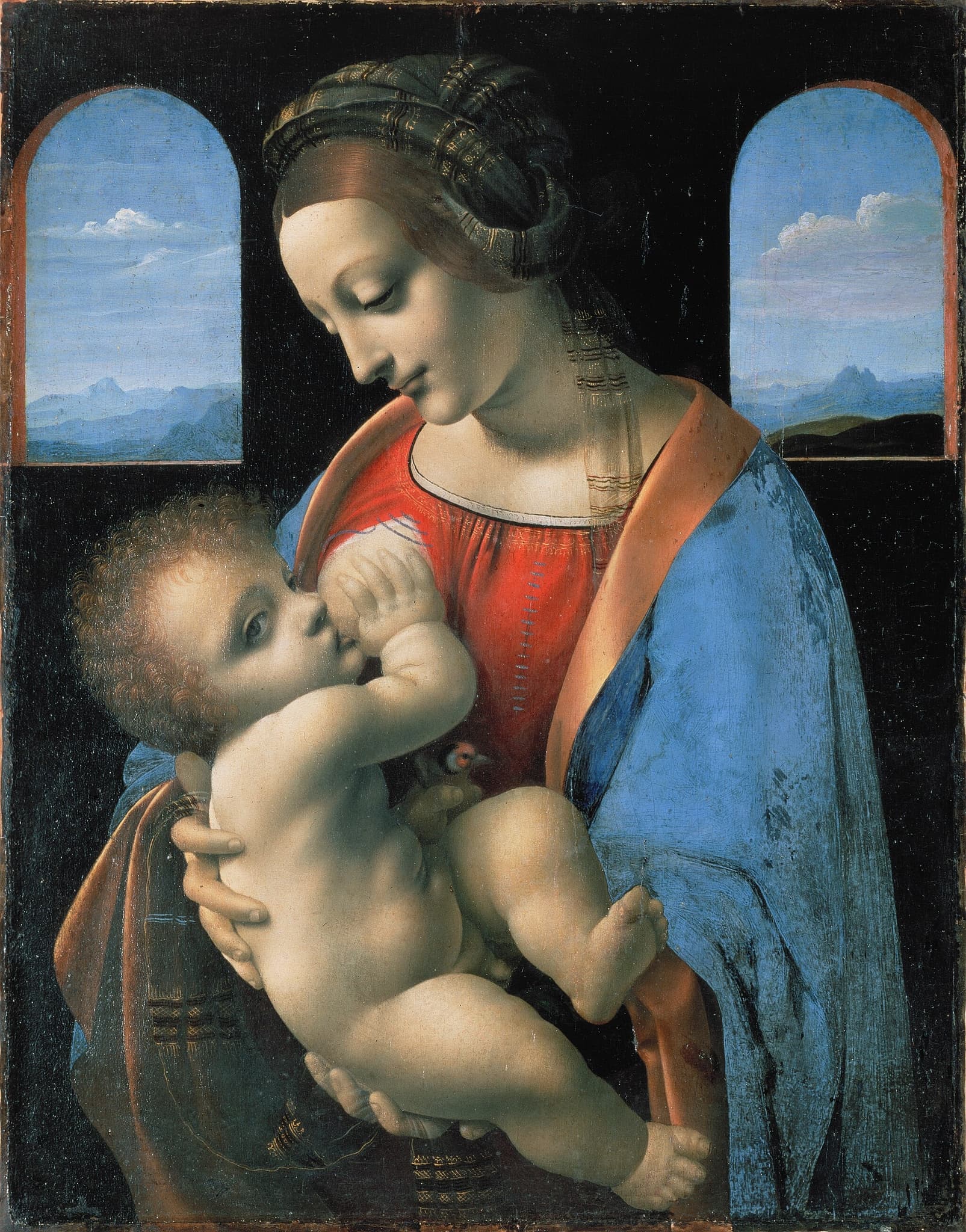
Conditional on the market accepting Madonna Litta as a high‑quality Leonardesque picture with substantial autograph contribution, a defensible hypothetical open‑market range is $100–300 million. This is theoretical: the work is museum‑held, attribution remains contested, and realizable value would fall sharply if the consensus treated it as a workshop piece or if legal/deaccession barriers block sale.
Valuation Analysis
Valuation premise and headline range. This estimate assumes that the market would treat the Hermitage Madonna Litta as a high‑quality Leonardesque picture with a meaningful autograph contribution by Leonardo or by a pupil working directly under his supervision. Under that assumption the painting would sit in the ultra‑high tier of Old Master material and the hypothetical market range below reflects a compression between the highest expectations for partial autograph Leonardos and the practical limits imposed by attribution uncertainty and museum ownership [1].
Comparables and market ceiling. The principal public precedent for a putative autograph Leonardo is the 2017 sale of Salvator Mundi, which established an auction ceiling for contested Leonardos and confirms there is buyer appetite at the very top of the market [2]. Salvator Mundi is an outlier, however: its price demonstrates the ceiling rather than the typical sale outcome. High‑quality works with substantial studio input (but significant autograph passages) have historically sold for materially less than unambiguous autograph masterpieces. The $100–300M band therefore reflects a midpoint between intense top‑tier private demand for partial autograph status and discounting due to continued scholarly disagreement.
Key value drivers. Attribution certainty is decisive: unanimous technical and connoisseurial support for Leonardo’s hand would push value toward the upper end of the band; an opinion that the work is predominantly by a pupil or workshop would push it into the low‑tens of millions. Provenance (Litta family to Hermitage) is favourable but long museum residence reduces market exposure. Condition, documented interventions, and the results of infrared, x‑radiography and pigment/panel analysis will materially alter the market perception and therefore price.
Practical marketability constraints. The painting is held by the State Hermitage Museum and has not appeared on the open market; Russian patrimony law, museum deaccession policy and political considerations create real legal and practical obstacles to sale. Those constraints reduce liquidity and make any valuation theoretical until the legal ability to transfer the work to a purchaser is resolved.
Conclusion and refinement steps. The $100–300M range is conditional and intended to reflect a realistic outcome if the market accepted a substantial autograph contribution. To convert this hypothetical into a formal insured or sale value, obtain the Hermitage technical dossier, up‑to‑date scholarly opinions, full conservation history and legal/deaccession counsel; with those materials the range can be tightened or re‑priced to reflect a clear attribution and realizable market pathway.
Key Valuation Factors
Art Historical Significance
High ImpactMadonna Litta is a widely studied and frequently reproduced example within the Leonardo circle of Marian imagery. While not part of the tiny set of universally accepted autograph Leonardos, it is an important witness to Leonardeschi practice and contributed to the iconography and workshop dissemination of Leonardo's style. The painting's long, traceable provenance—early owners in Milan and subsequent acquisition by the Litta family followed by accession to the State Hermitage in 1865—adds pedigree. That combination of reputational prominence and strong provenance gives the picture substantial scholarly and market interest, and supports higher valuations if autograph authorship is established.
Attribution Certainty
High ImpactAttribution is the single dominant value driver. If leading Leonardo scholars and objective technical analyses endorse substantial autograph passages by Leonardo, buyer competition and confidence would increase sharply and prices would align with the top tier of Old Master sales. Conversely, if the consensus places the work within the hands of a pupil or the workshop, the price differential is dramatic—often an order of magnitude or more. The market treats attributions as binary for pricing: the label 'Leonardo' draws trophy‑level bids, while 'workshop' consigns a painting to a materially lower comparables set.
Market Precedent & Comparables
High ImpactThe Salvator Mundi sale in 2017 set a modern public ceiling and demonstrates the scale of potential demand for an accepted Leonardo. However, Salvator Mundi is anomalous, and most high‑quality workshop or partial‑autograph Old Masters realize materially less in public and private sales. Comparable benchmark cases include trophy private purchases (cross‑period examples such as Klimt and van Gogh masterpieces) which show what buyers will pay for unique museum‑quality works, but direct Leonardo comparables are scarce because so few works are attributable and most reside in museums.
Ownership & Legal Constraints
High ImpactMuseum custody and national patrimony laws materially restrict marketability. The Hermitage is a state museum; deaccession procedures, export restrictions and political considerations in Russia create high transactional friction and may make an actual sale legally impossible or politically contentious. Even if private buyers were willing to bid at scale, the risk that the work cannot be transferred to international private ownership will be priced into any offer and likely depress realizable value versus headline estimates.
Condition & Technical Evidence
Medium ImpactCondition and conservation history affect both aesthetics and attribution assessment. Overpainting, losses, structural panel issues or later restorations can reduce desirability and complicate technical readings; conversely, clean technical evidence showing Leonardo’s hand in underdrawing, sfumato execution or exclusive pigments could elevate auction interest. High‑resolution IR reflectography, x‑rays, pigment analysis and dendrochronology are necessary to quantify autograph participation; until those findings are published and accepted, condition and technical unknowns will sustain a valuation discount.
Sale History
Madonna Litta has never been sold at public auction.
Leonardo da Vinci's Market
Leonardo da Vinci occupies the apex of the Old Master market: his securely attributed paintings are rare and overwhelmingly housed in public collections, which makes any market appearance extraordinary. The 2017 Salvator Mundi sale established a modern auction ceiling and showed that contested attribution can nevertheless attract extremely large private capital. Demand for autograph Leonardos is concentrated among ultra‑high‑net‑worth collectors, institutions and sovereign purchasers; attribution certainty, rarity and political/legal transferability dictate whether a work will trade at trophy levels or within the more typical Old Master sale bands.
Comparable Sales
Salvator Mundi
Leonardo da Vinci
Only modern public auction sale widely reported for a work accepted (by some) as autograph Leonardo — establishes the market ceiling for a universally accepted Leonardo painting.
$450.3M
2017, Christie's, New York
~$585.4M adjusted
Madonna Litta (digital token / NFT)
digital reproduction of Leonardo's painting
Sale of a tokenized/digital copy of Madonna Litta by the Hermitage — demonstrates institutional monetization interest but is not a proxy for the physical painting's market value.
$151K
2021, Binance NFT (Hermitage token sale)
~$175K adjusted
Portrait of Adele Bloch‑Bauer I
Gustav Klimt
Example of a trophy-masterpiece private sale establishing what the market will pay for unique, museum‑quality masterpieces in private hands — useful as a cross‑period ceiling benchmark (not a stylistic/period match).
$135.0M
2006, Private sale (to Ronald Lauder / Neue Galerie)
~$211.9M adjusted
Portrait of Dr Gachet
Vincent van Gogh
High‑profile sale of a uniquely important work by a single master (Impression/Post‑Impressionist benchmark) — shows collector willingness to pay tens‑to‑low‑hundreds of millions for rare masterpieces; used for cross‑period perspective on trophy pricing.
$82.5M
1990, Christie's, New York
~$199.4M adjusted
Current Market Trends
The top end of the art market remains resilient, with wealthy collectors and institutions continuing to acquire trophy works. Recent years have seen strong private sale activity for blockbuster Old Masters, but geopolitical risk, regional sanctions and public scrutiny of deaccessioning have added friction. Attribution controversies can both stimulate interest and deter buyers; technical verification and legal clarity are increasingly prerequisites for megasales.
Sources
- Hermitage Museum — Madonna Litta (collection entry)
- The Guardian — 'Leonardo da Vinci's Salvator Mundi nets $450.3m at Christie's' (report on 2017 sale)
- National Gallery — Leonardo da Vinci: Painter at the Court of Milan (exhibition 2011–12)
- The Moscow Times — Hermitage NFT sale (digital token sale of reproductions, 2021)