Most Expensive Kazimir Malevich Paintings
Kazimir Malevich occupies a rarefied position in the art market: not merely a pioneer of Suprematism but a collector’s lodestar whose sparse, radical canvases command exceptional prices and scholarly fascination. At the apex sits Black Square, estimated between $200–400 million, a work whose reductive power has become a touchstone of modernism and a trophy for institutions and deep-pocketed private collections. Other canonical works carry similarly lofty valuations—Suprematist Composition: Airplane Flying ($120–180 million), Suprematist Composition ($100–150 million) and the enigmatic White on White ($40–90 million)—while pieces such as Black Cross ($15–50 million), Black Circle ($5–40 million) and Red Square (Painterly Realism of a Peasant Woman in Two Dimensions) ($8–40 million) demonstrate the market’s appetite for both rarity and art-historical significance. Smaller, dynamic experiments like Suprematist Composition with Eight Red Rectangles ($12–35 million), Suprematist Composition with Plane in Projection ($18–32 million) and Dynamic Suprematism ($2–12 million) round out a market where provenance, condition and the works’ decisive role in shaping 20th-century abstraction make Malevich endlessly collectible.
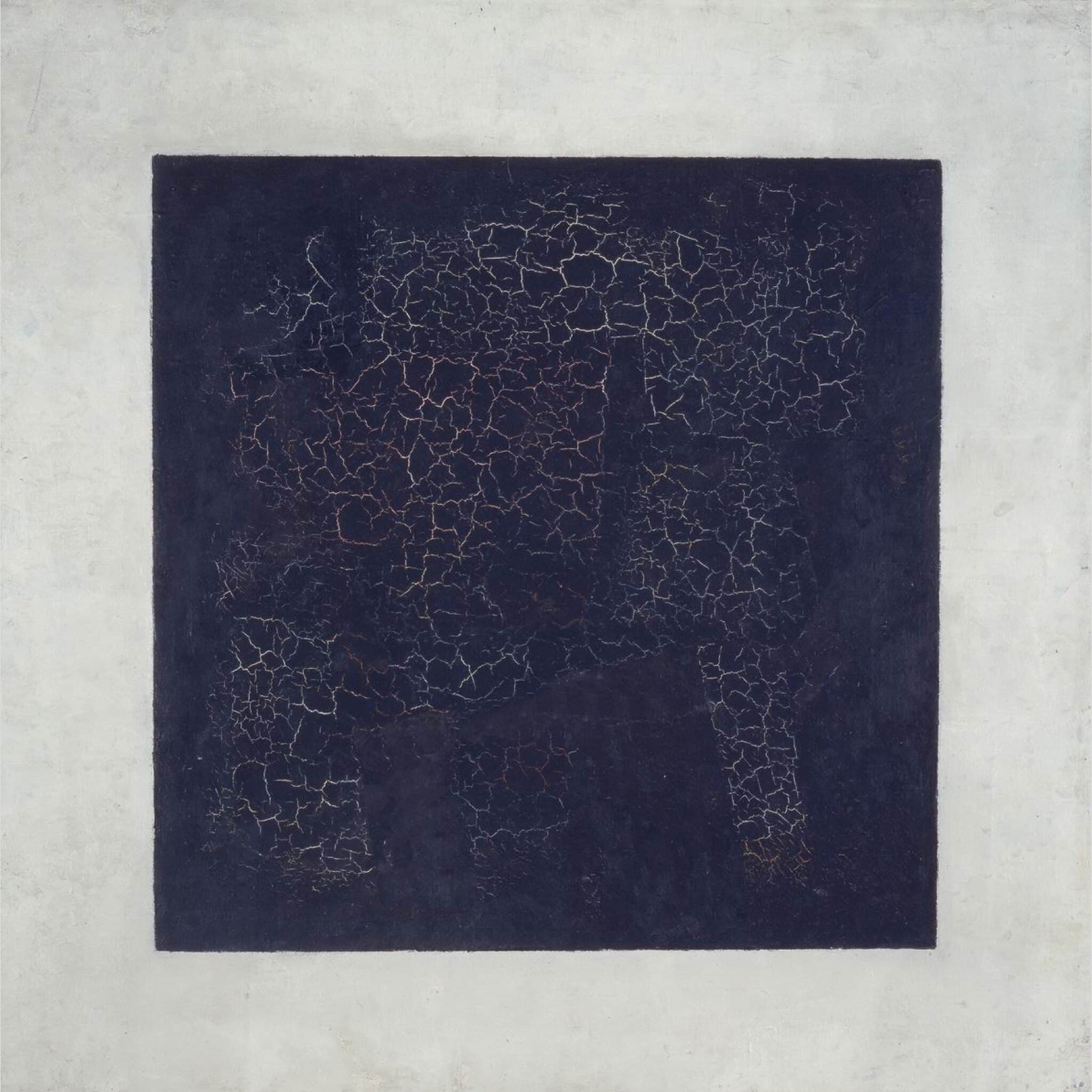
$200-400 million
Has never been sold and is held by the State Tretyakov; a hypothetical unrestricted sale estimated at $200–400M would likely set an all‑time Russian art record.
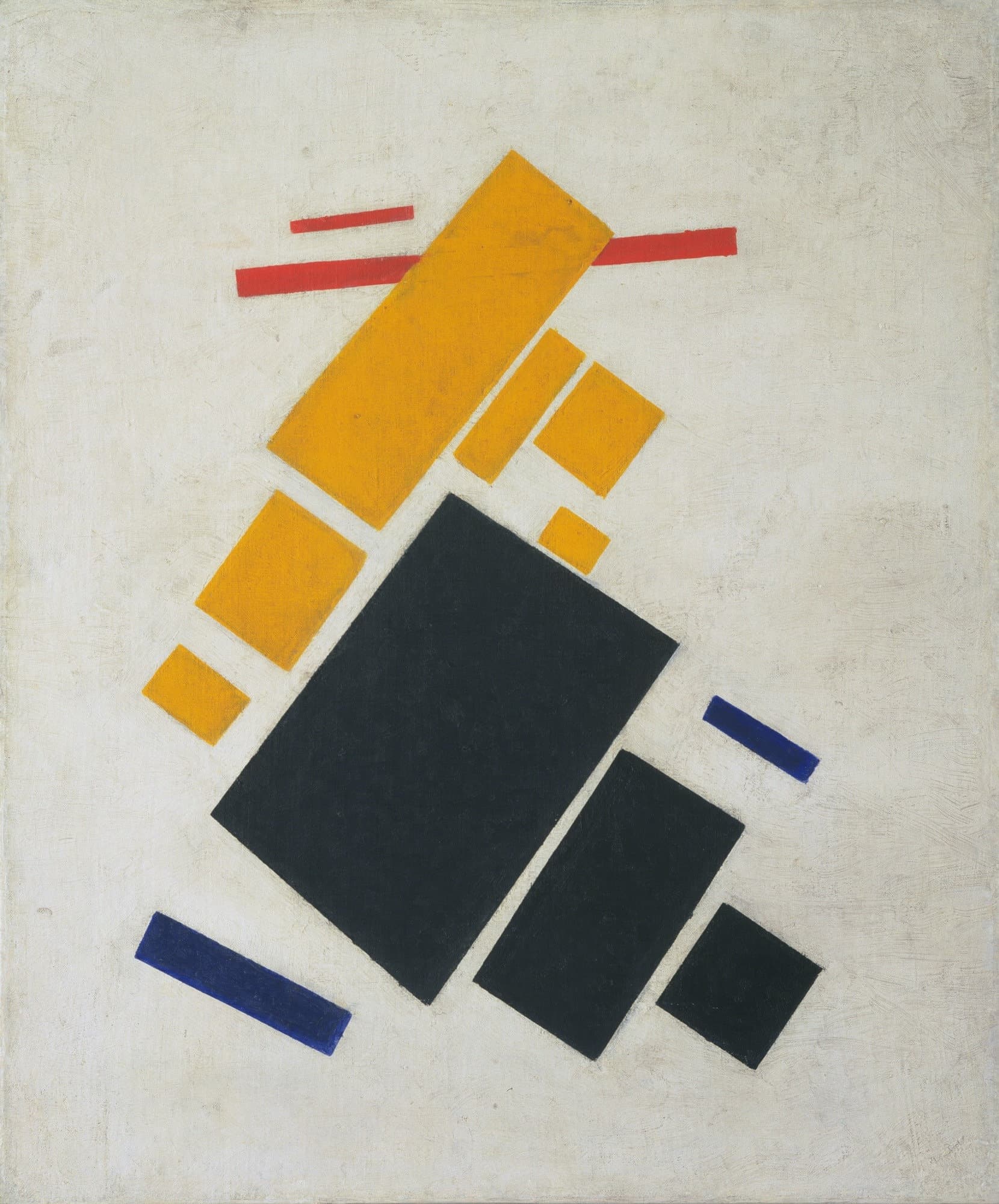
$120-180 million
Held by MoMA with no public sale history; benchmarked to Malevich’s $85.8M auction record, this earlier, famous 1915 canvas is estimated at $120–180M.
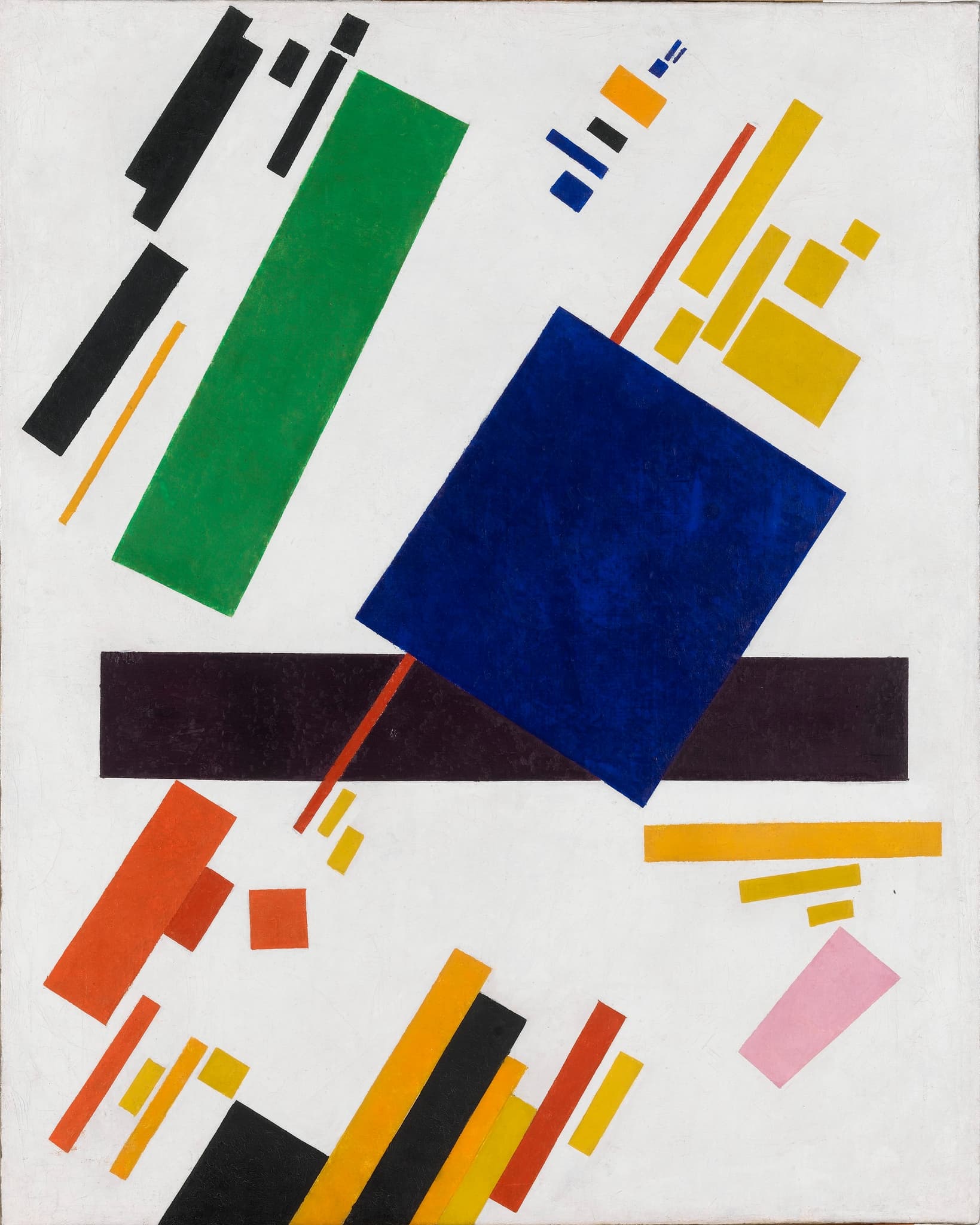
$100-150 million
Directly anchored to the same work’s Sotheby’s 2008 and Christie’s 2018 auction comparables, this 1916 Suprematist Composition is defensibly valued at $100–150M pending attribution and clear title.
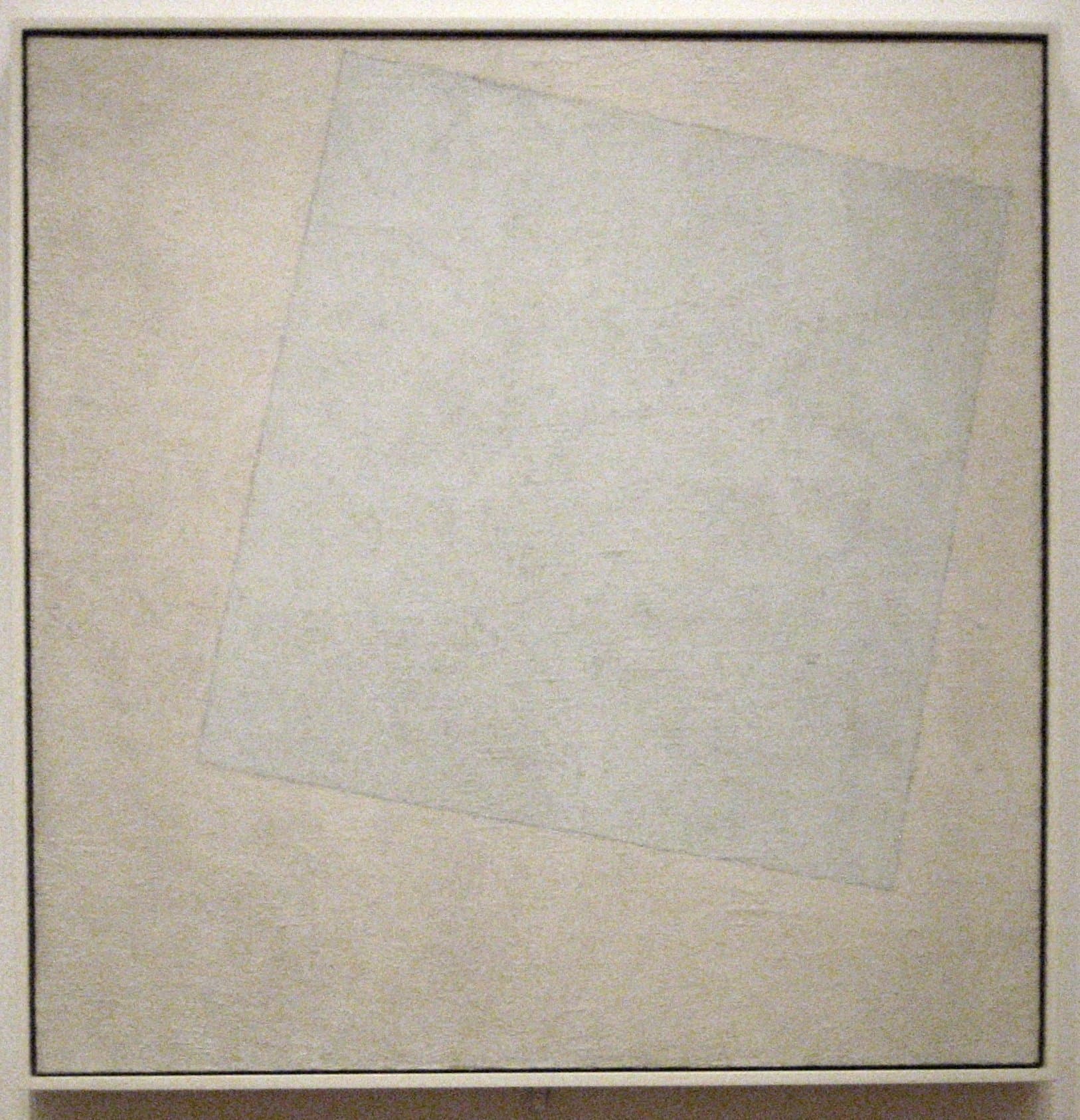
$40-90 million
MoMA’s White on White is effectively non‑marketable, but if freely sellable with clean title and excellent condition it would most likely realize in the high tens within a $40–90M range.
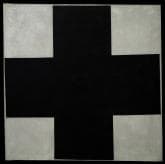
$15-50 million
As an authenticated primary Suprematist (c.1915–1920) in good condition, Black Cross’s $15–50M range is anchored to recent high‑end comparables such as Sotheby’s $37.77M Mystic Suprematism.

$5,000,000 - $40,000,000
Assuming an autograph c.1913–1919 oil with solid provenance, Black Circle’s wide $5–40M band reflects premiums for canonical masterpieces and steep discounts for later studio variants.
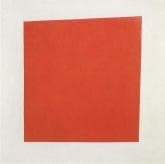
$8-40 million
An authenticated, autograph 1915 Red Square in pristine condition with museum‑quality provenance merits a conservative $8–40M market range, though exceptional provenance can push it higher.
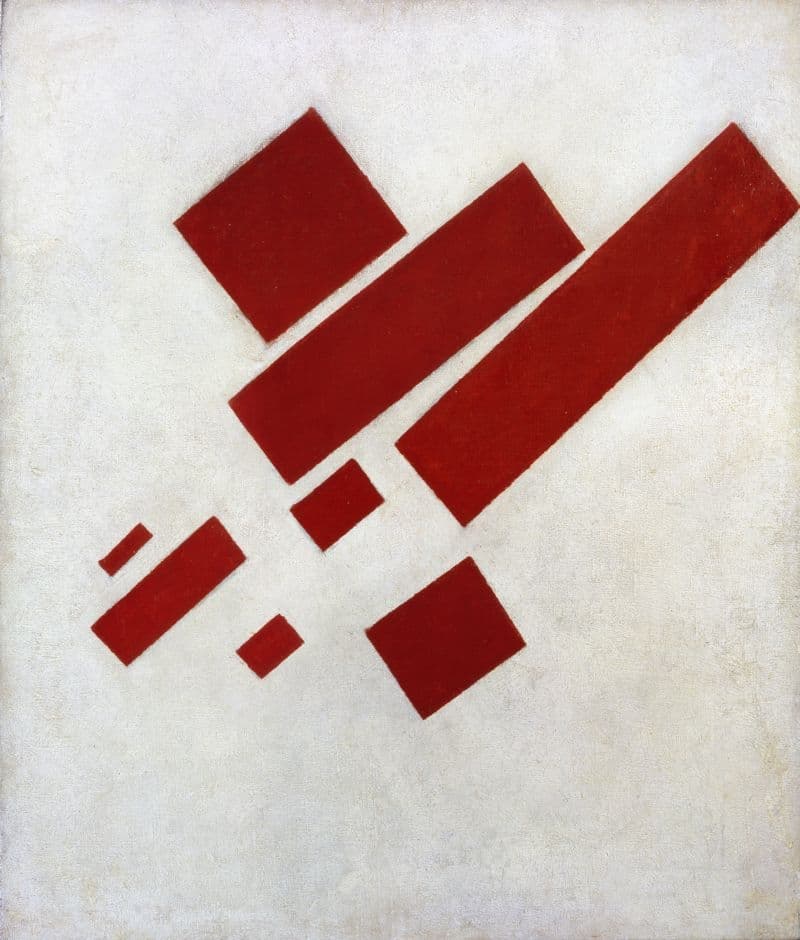
$12-35 million
If an authenticated 1915 canvas with clear provenance, Suprematist Composition (Eight Red Rectangles) is estimated at $12–35M; the Stedelijk’s holding, however, would be effectively non‑marketable.
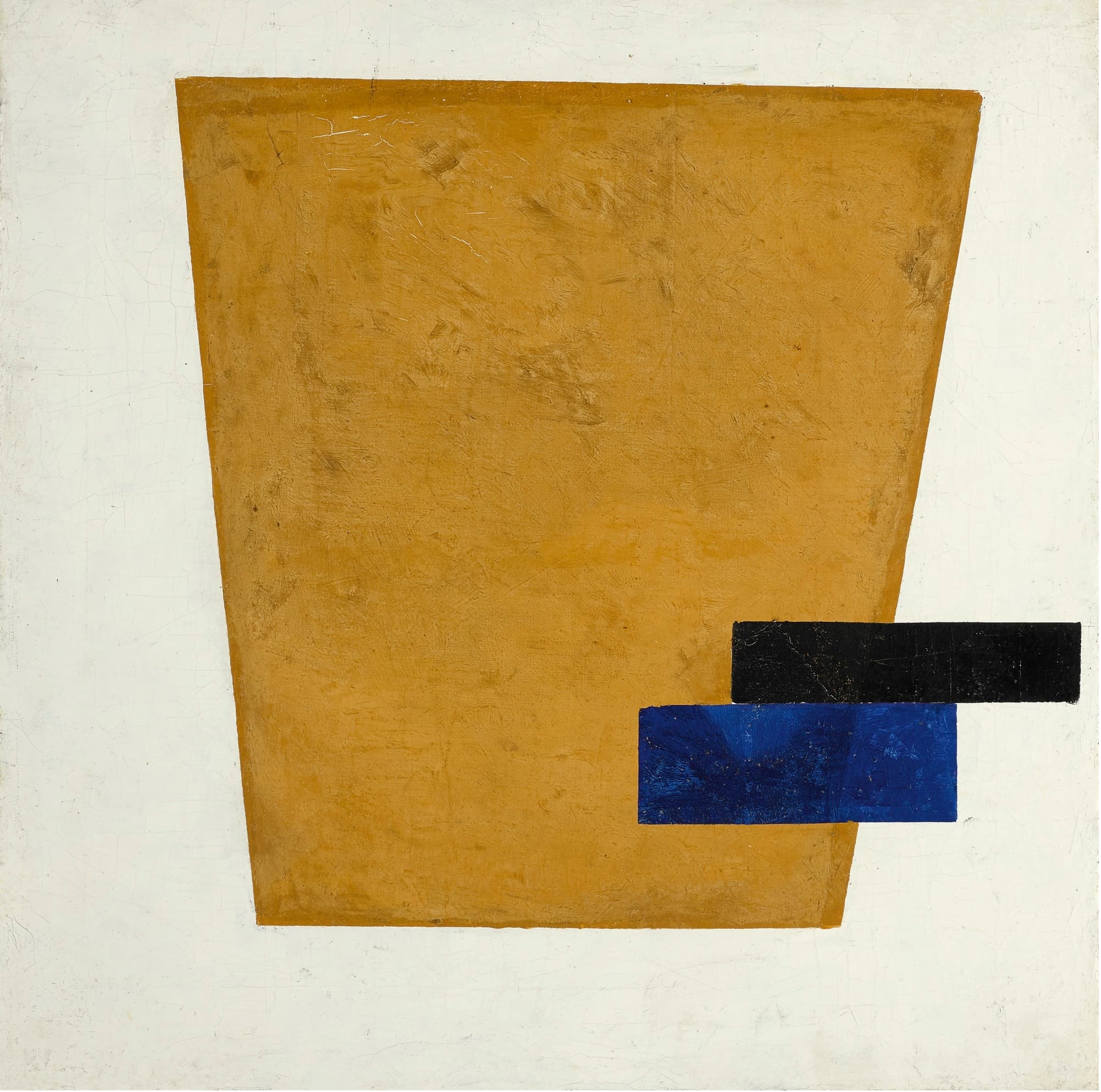
$18-32 million
Anchored by its documented 2017 Sotheby’s sale for $21.16M (Nakov S‑159), Suprematist Composition with Plane in Projection (1915) is valued at $18–32M reflecting market movement and condition.
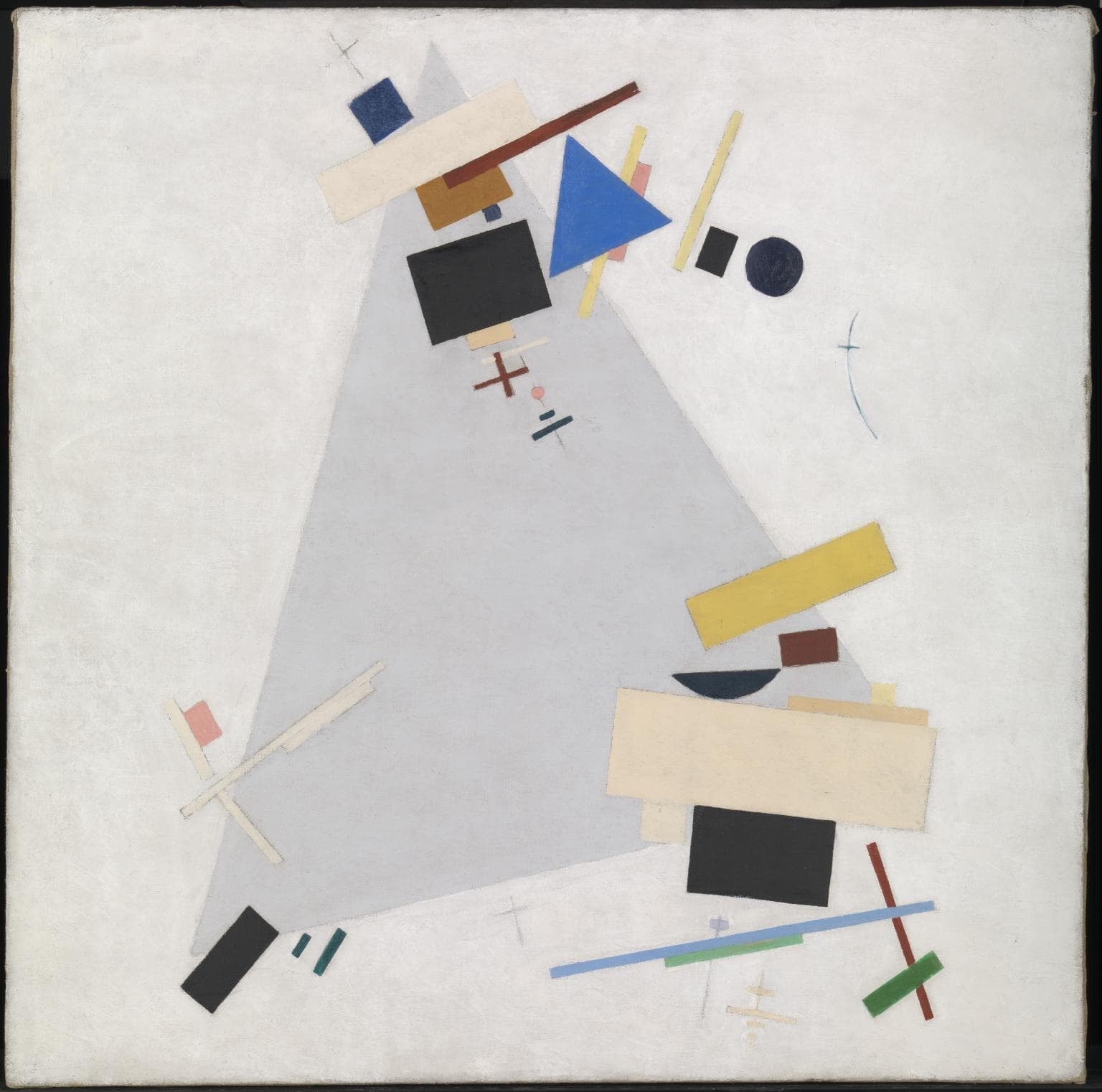
$2-12 million
With Tate provenance (accession T‑2319) and museum‑quality attribution, Dynamic Suprematism’s $2–12M estimate positions it well below Malevich’s blockbuster masterpieces but solidly in the multimillion market.
What Drives Value in Kazimir Malevich's Work
Core Suprematist Period & Dating (c.1913–1919)
Malevich’s market is sharply gated by execution date: canvases made in the 1915–16 Suprematist breakthrough (e.g., Black Square 1915, Suprematist Composition 1916) carry outsized premiums versus later studio repetitions. The 2018 $85.8M Suprematist Composition and estimates for early works show that secure anchoring in the formative years is the primary determinant of trophy‑level pricing for Malevich.
Iconicity of Motif (Black Square = unique ceiling)
Specific motifs behave differently: the Black Square functions as an art‑historical singularity and commands a hypothetical, much higher price (the 1915 Black Square was valued at $200–400M in an unrestricted scenario) while related motifs (White on White, Red Square, Black Cross) trade at high but lower trophy tiers. A work’s motif—whether it is the canonical ‘‘zero point’’ or a variant—directly shifts buyer perception and price ceiling.
Institutional Provenance & Geographic Custody (Russian state vs Western museums)
Where a Malevich has lived matters: long museum ownership (MoMA for Airplane Flying/White on White; Tate for Dynamic Suprematism; Tretyakov for Black Square) increases buyer confidence and marketability. Conversely, Russian state custody and export/deaccession constraints (Tretyakov Black Square) or restitution histories (the 2008 Suprematist Composition sale and legal issues) compress liquidity and can materially reduce realizations despite artistic importance.
Attribution, Catalogue Raisonné & Technical Dossier (Nakov entries, forensics)
Malevich prices hinge on secure attribution: inclusion in Nakov and a clean technical dossier (pigment, canvas weave, IR/X‑ray) elevate a canvas to evening‑sale status. Works with unresolved attribution, Soviet‑era provenance gaps or forensic red flags face steep discounts. Examples: Plane in Projection (Nakov S‑159) and Dynamic Suprematism (Nakov S‑434) show how cataloguing plus scientific confirmation unlockes institutional and top‑tier collector bids.
Market Context
Kazimir Malevich occupies a blue‑chip position in Modernism: his auction record remains about $85.8 million (Suprematist Composition, Christie’s 2018), while prime 1915–16 Suprematist canvases are largely museum‑bound and rarely offered. Since 2018 public supply at the top has been sparse, with market activity concentrated in authenticated works on paper at mid‑five to low‑six figures; museum‑quality paintings that do appear attract intense, global competition from major museums, connoisseur collectors and trophy buyers. Post‑2020 trends favor singular, fully vetted masterpieces, while liquidity above ~$10m has become more selective. Increased provenance scrutiny and sanctions since 2022 have contracted dedicated Russian‑art channels, but canonical Malevich works retain strong demand and significant upside when legitimately available.