Environmental degradation
Featured Artworks
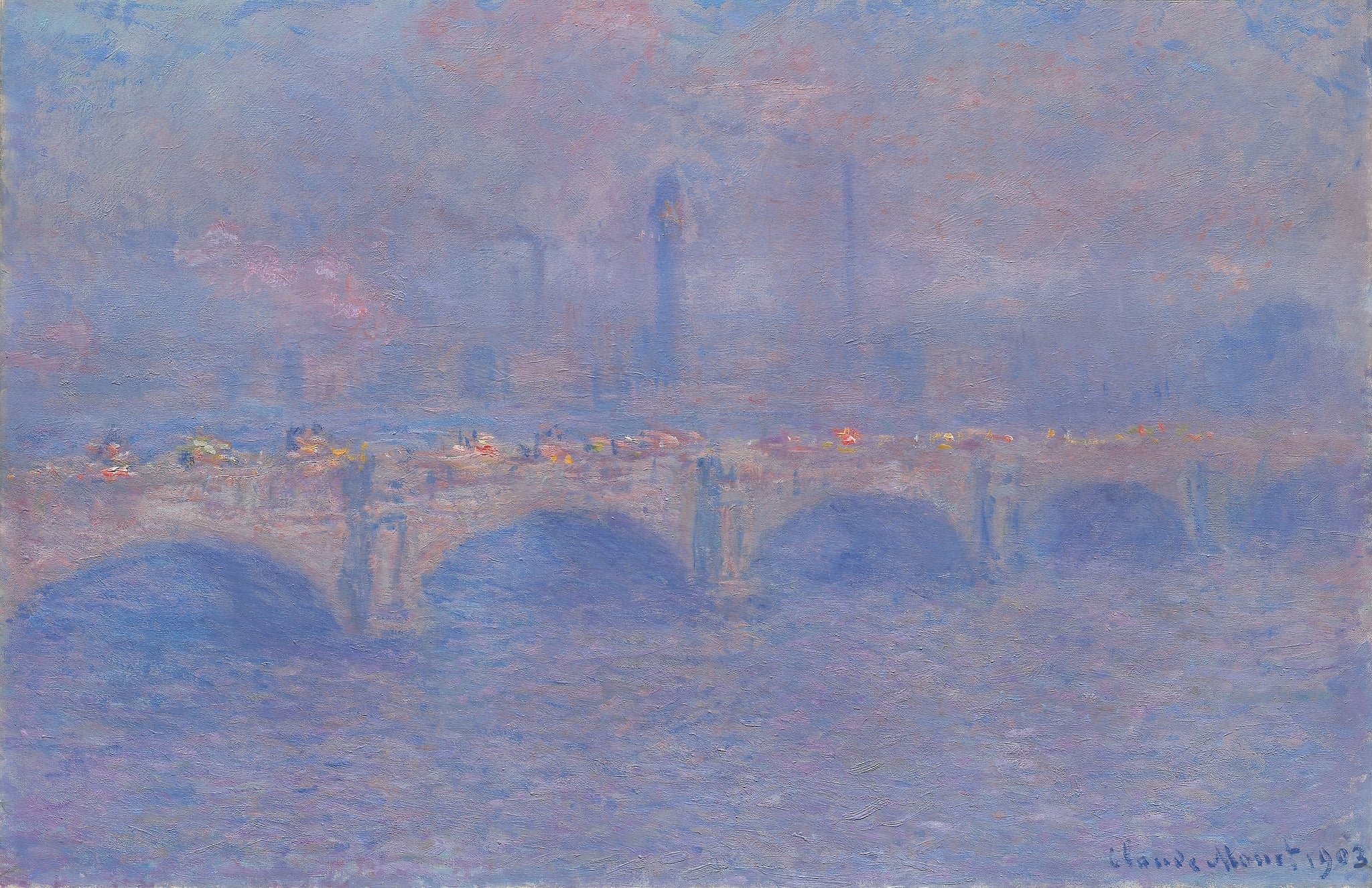
Waterloo Bridge, Sunlight Effect
Claude Monet (1903 (begun 1900))
Claude Monet’s Waterloo Bridge, Sunlight Effect renders London as a <strong>lilac-blue atmosphere</strong> where form yields to light. The bridge’s stone arches persist as anchors, yet the span dissolves into mist while <strong>flecks of lemon and ember</strong> signal modern traffic crossing a city made weightless <sup>[1]</sup><sup>[2]</sup>. Vertical hints of chimneys haunt the distance, binding industry to beauty as the Thames shimmers with the same notes as the sky <sup>[1]</sup><sup>[3]</sup>.
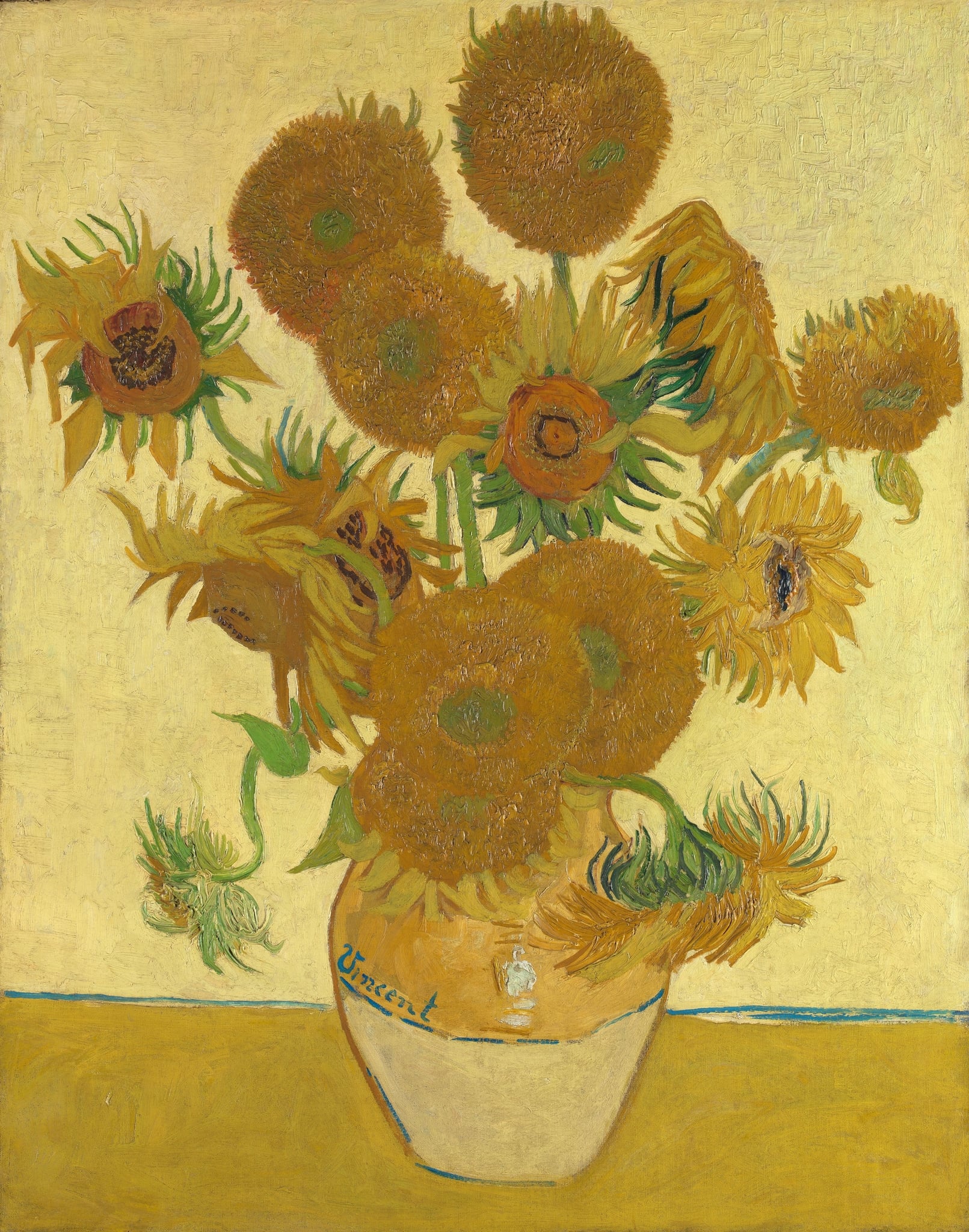
Sunflowers
Vincent van Gogh (1888)
Vincent van Gogh’s Sunflowers (1888) is a <strong>yellow-on-yellow</strong> still life that stages a full <strong>cycle of life</strong> in fifteen blooms, from fresh buds to brittle seed heads. The thick impasto, green shocks of stem and bract, and the vase signed <strong>“Vincent”</strong> turn a humble bouquet into an emblem of endurance and fellowship <sup>[1]</sup><sup>[2]</sup>.
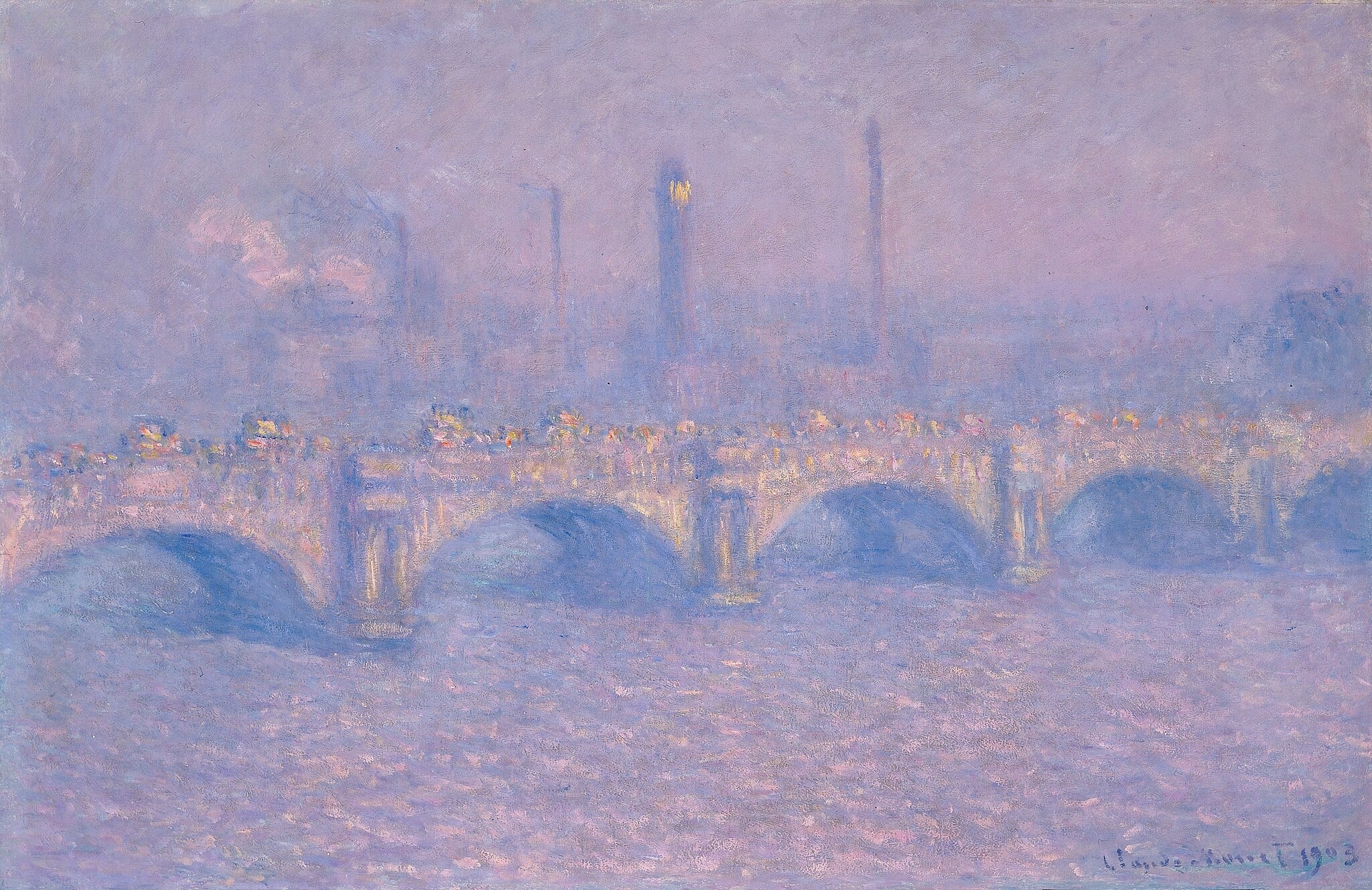
Waterloo Bridge, Veiled Sun
Claude Monet (1903)
Claude Monet’s Waterloo Bridge, Veiled Sun renders London as a field of vibrating color where <strong>atmosphere</strong> overtakes architecture. The bridge’s cool violet arches and the tiny <strong>veiled sun</strong>—a gold pin of light above the parapet—stage a dialogue between urban <strong>modernity</strong> and shifting light.
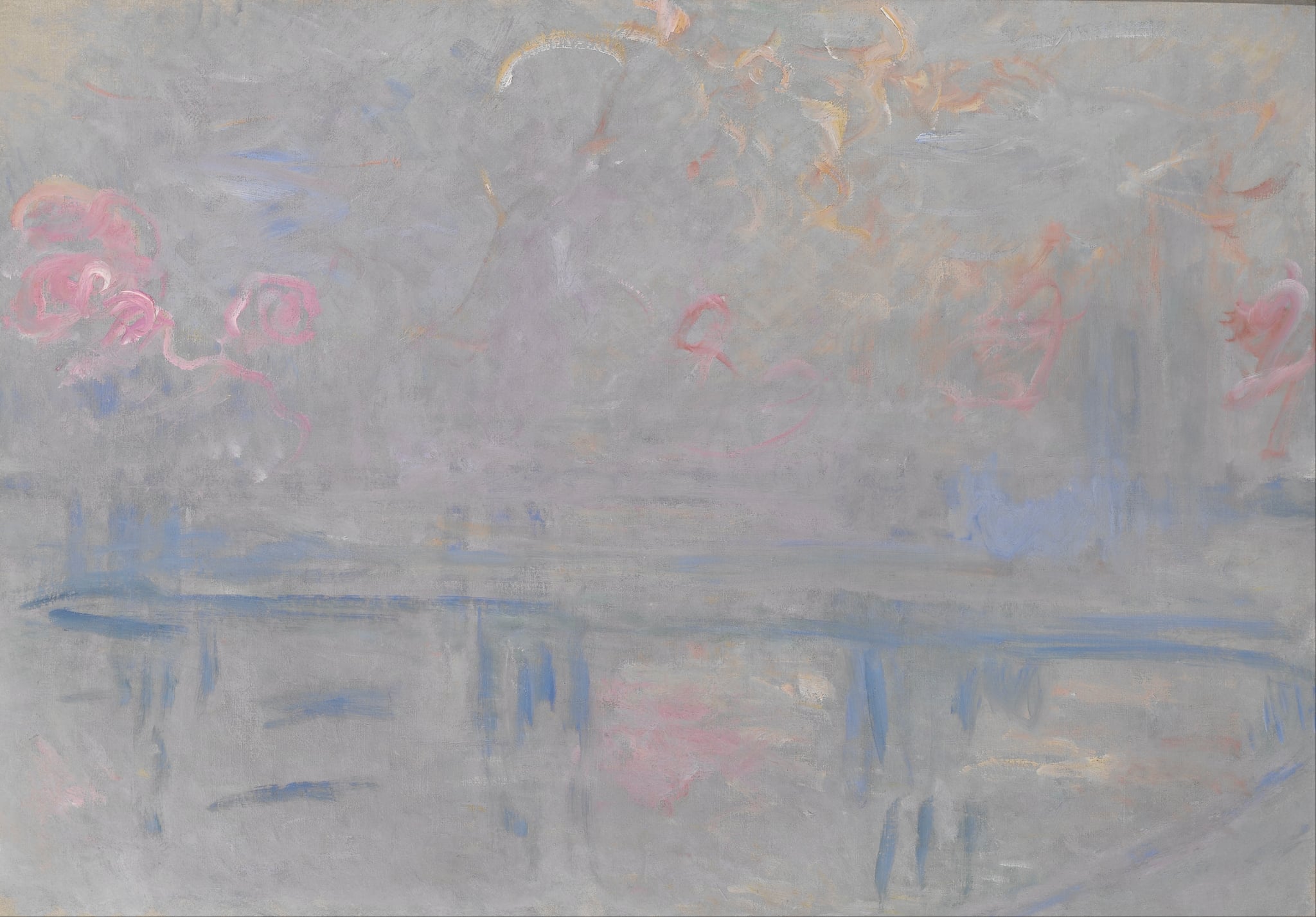
Charing Cross Bridge
Claude Monet (1901)
In Charing Cross Bridge, Claude Monet turns London into <strong>atmosphere</strong> itself: the bridge flattens into a cool, horizontal band while mauves, lavenders, and pearly grays veil the city. Spirals of <strong>pink steam</strong> and pockets of pale <strong>blue</strong> read as trains, lamps, or smoke transfigured by weather, so place becomes <strong>sensation</strong> rather than structure.
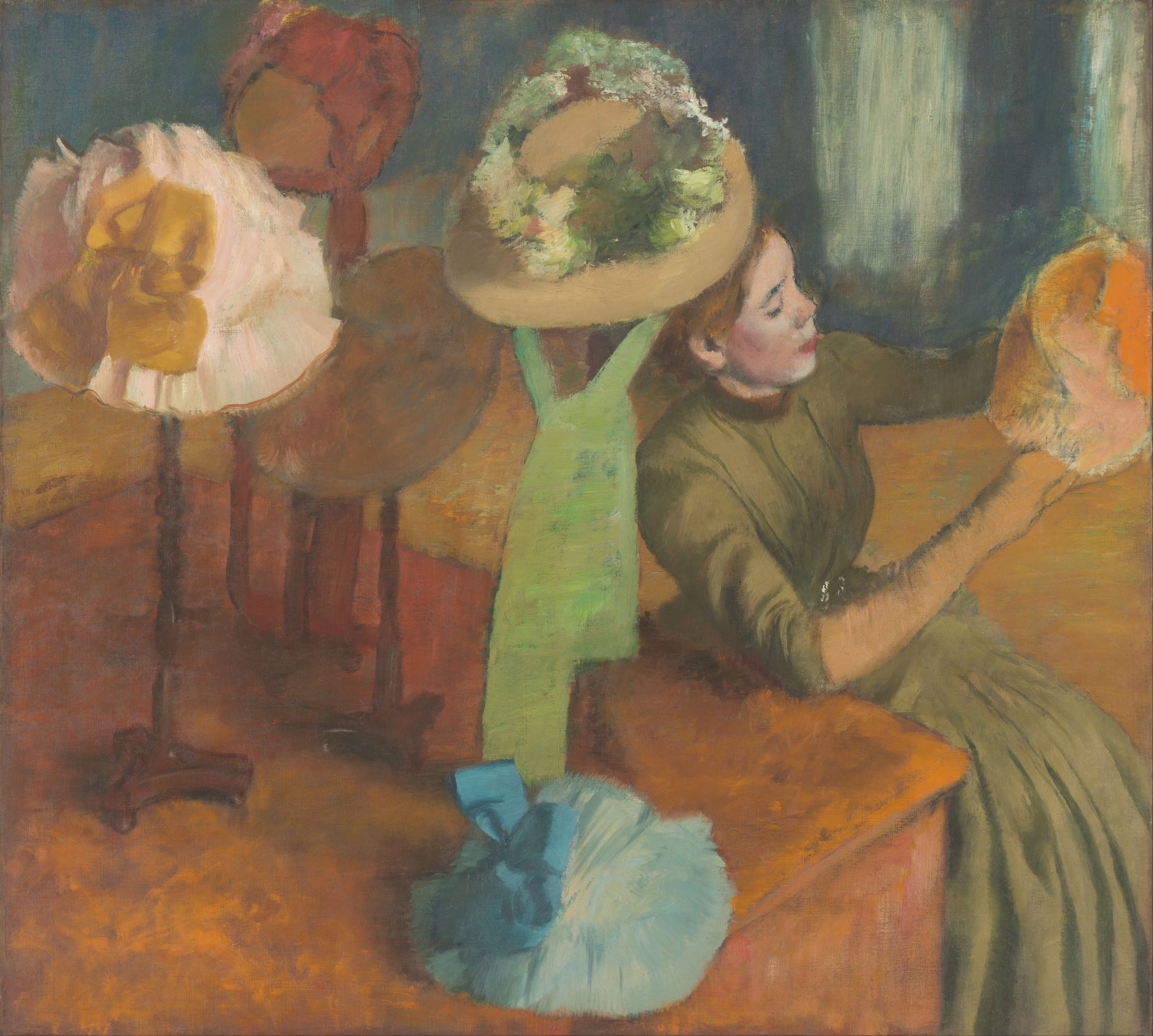
The Millinery Shop
Edgar Degas (1879–1886)
Edgar Degas’s The Millinery Shop stages modern Paris through a quiet act of <strong>work</strong> rather than display. A young woman, cropped in profile, studies a glowing <strong>orange hat</strong> while faceless stands crowned with ribbons and plumes press toward the picture plane. Degas turns a boutique into a meditation on <strong>labor, commodities, and identity</strong> <sup>[1]</sup><sup>[2]</sup>.
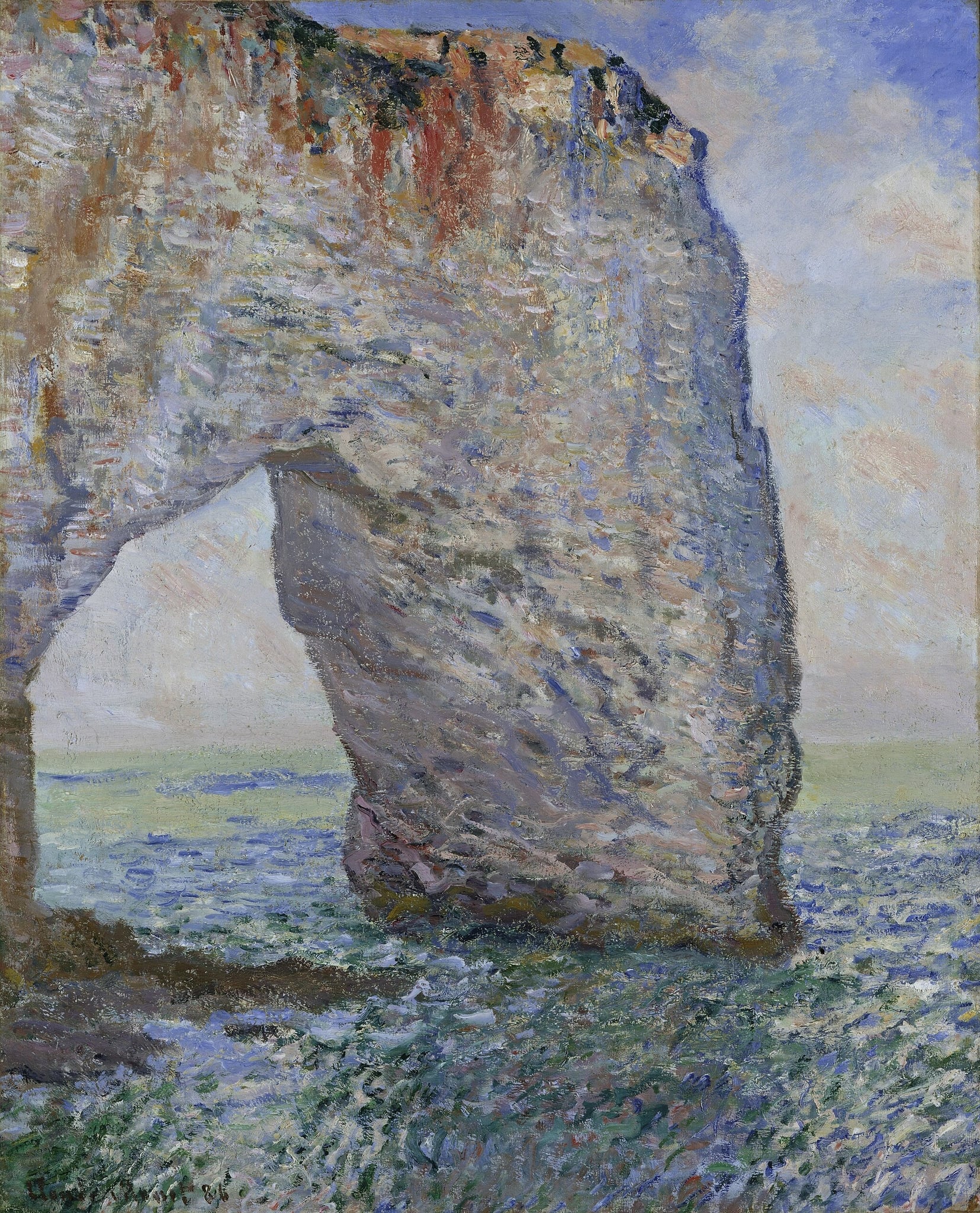
The Manneporte near Étretat
Claude Monet (1886)
Monet’s The Manneporte near Étretat turns the colossal sea arch into a <strong>threshold of light</strong>: rock, sea, and air interlock as shifting color rather than fixed form. Dense lilac–ochre strokes make the cliff feel massive yet <strong>dematerialized</strong> by illumination, while the arch’s opening stages a quiet, glimmering horizon <sup>[1]</sup><sup>[2]</sup>.
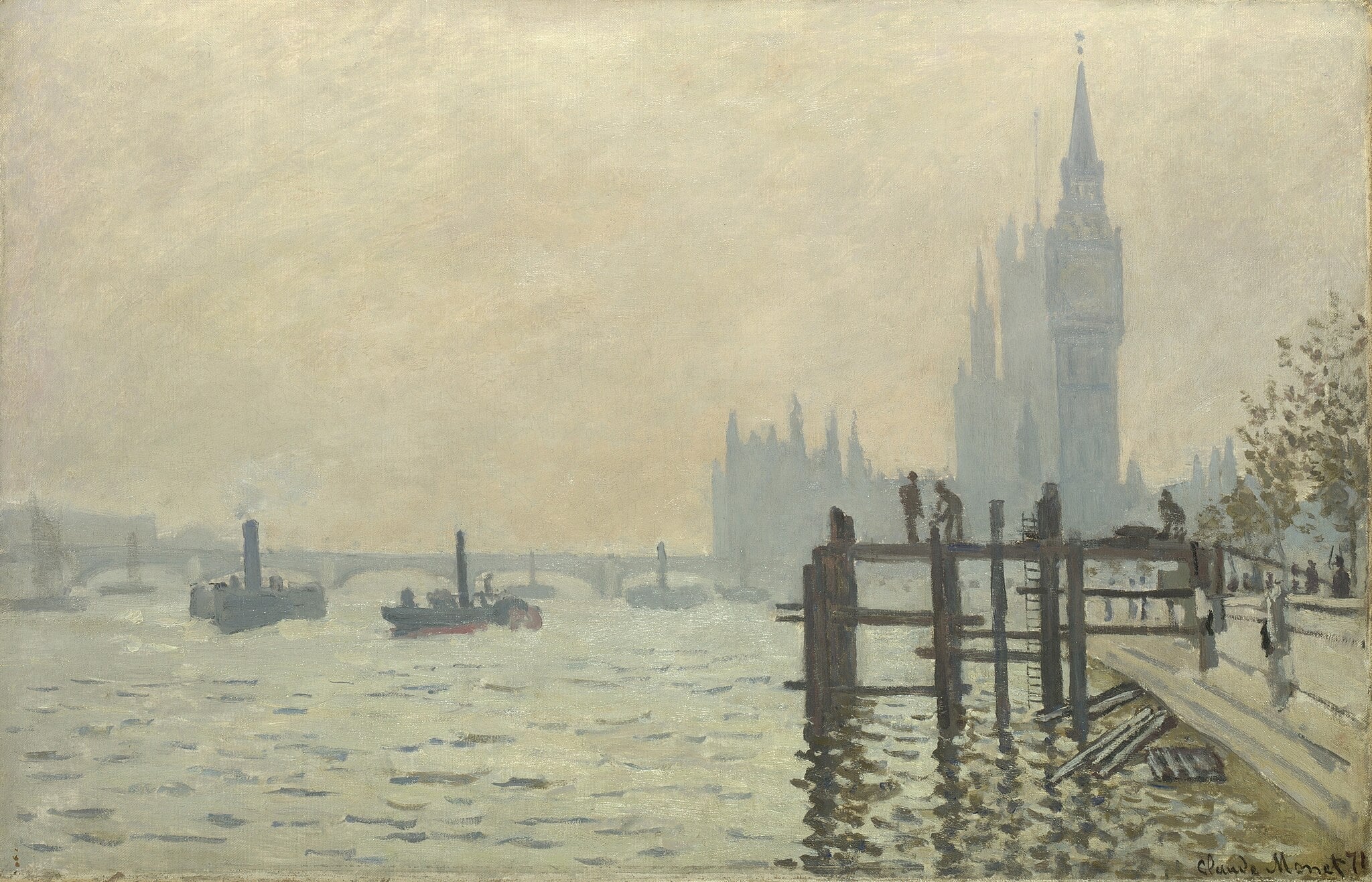
The Thames below Westminster
Claude Monet (about 1871)
Claude Monet’s The Thames below Westminster turns London into <strong>light-made architecture</strong>, where Parliament’s mass dissolves into mist and the river shivers with <strong>industrial motion</strong>. Tugboats, a timber jetty with workers, and the rebuilt Westminster Bridge assert a modern city whose power is felt through atmosphere more than outline <sup>[1]</sup>.
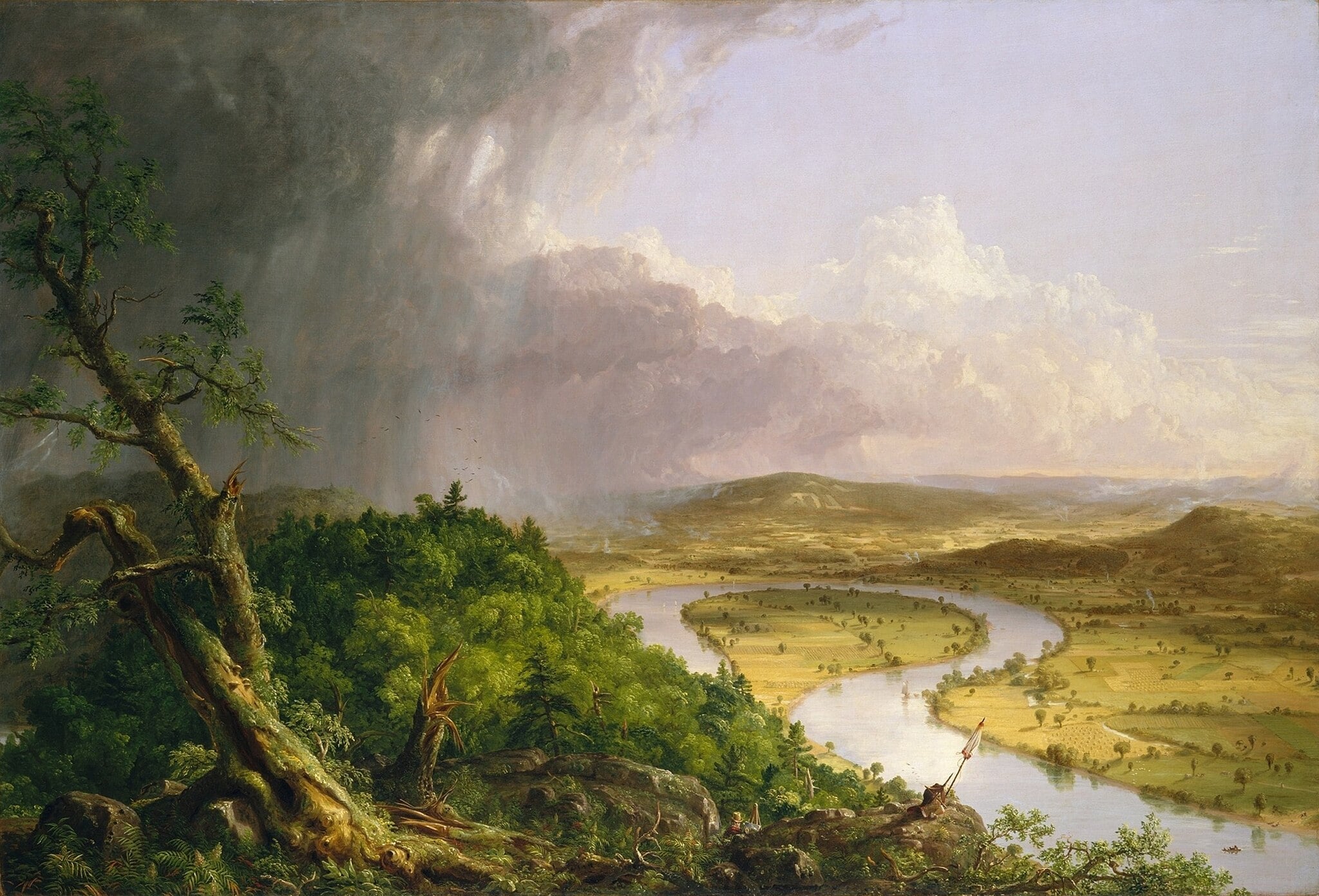
The Oxbow (View from Mount Holyoke)
Thomas Cole (1836)
Thomas Cole’s The Oxbow (View from Mount Holyoke) juxtaposes <strong>storm-lashed wilderness</strong> at left with <strong>sunlit, cultivated farmland</strong> at right, using a panoramic sweep of the Connecticut River’s curve. A tiny figure with an easel—Cole’s self-insertion—stands between realms, turning sight into judgment. The painting frames America’s landscape as both <strong>sublime</strong> and <strong>pastoral</strong>, a place of awe, promise, and warning.
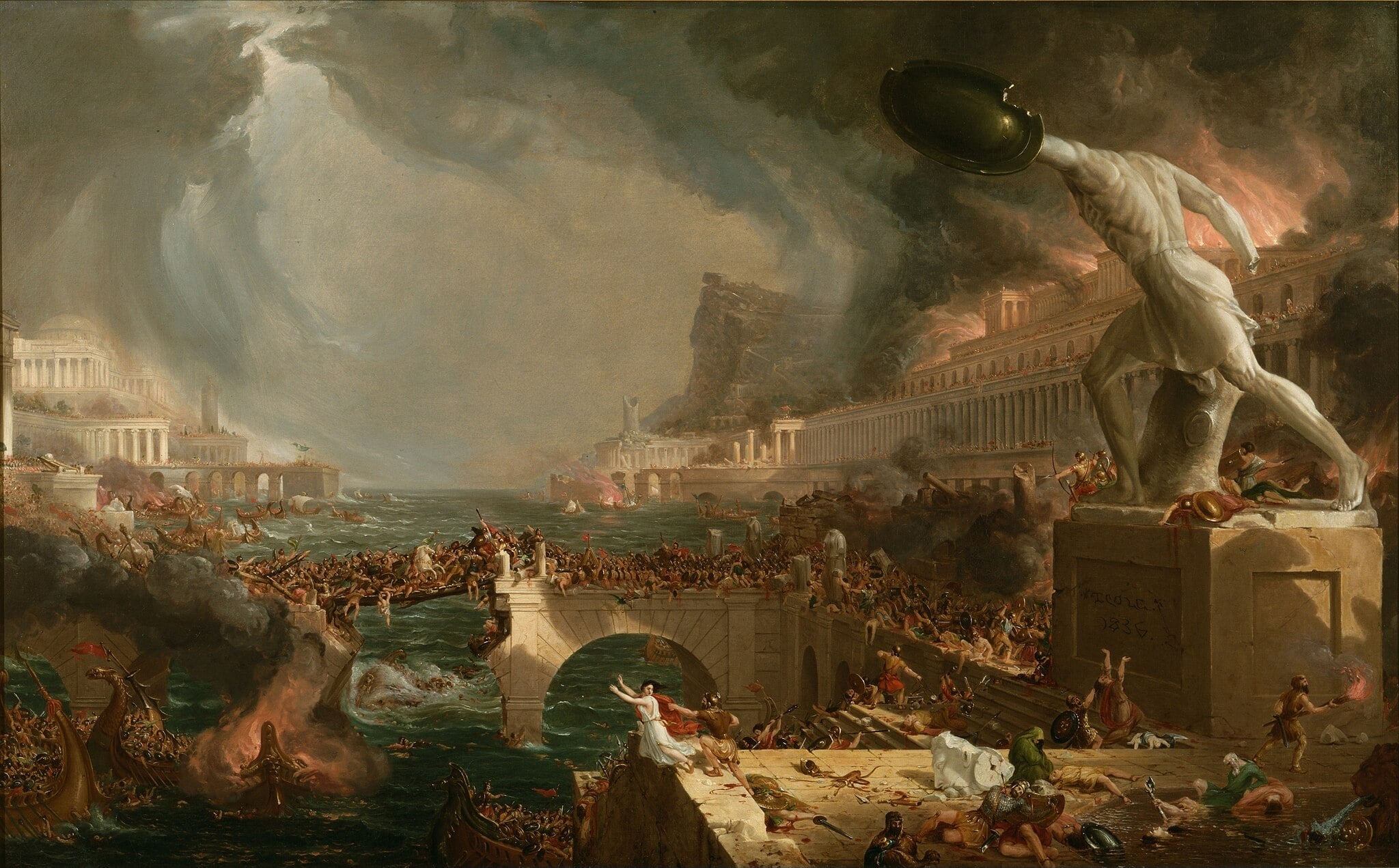
The Course of Empire: Destruction
Thomas Cole (1836)
Thomas Cole’s The Course of Empire: Destruction plunges a once‑ordered classical city into <strong>apocalyptic collapse</strong>. A <strong>collapsing bridge</strong>, <strong>burning colonnades</strong>, and a <strong>headless gladiator statue</strong> preside over panicked crowds and flaming warships, while a fixed mountain crag endures beyond the chaos. The canvas stages <strong>moral retribution</strong>: empire’s luxury curdles into vice and is swept away by combined human and elemental fury <sup>[1]</sup><sup>[2]</sup>.