Most Expensive Pablo Picasso Paintings
Few artists command the market like Pablo Picasso, whose name functions as a blue-chip asset class unto itself. This ranking surveys his most expensive paintings, works that anchor museum narratives and set the pace at auction and private sales. At the pinnacle sits Guernica, a cultural touchstone whose estimated value between $1.2 and $1.8 billion reflects unmatched historical weight, monumental scale, and institutional demand. Close behind is Les Demoiselles d’Avignon, the radical rupture that launched modern art’s future, widely valued in the $800 million to $1.2 billion range for its revolutionary form and near-mythic scarcity. The Weeping Woman, at $120–180 million, exemplifies Picasso’s late-1930s emotional intensity and graphic force, a prime example of a theme collected by museums and top-tier private buyers alike. What makes these works so collectible is a matrix of factors: epoch-defining innovation, ironclad provenance, global name recognition, and a steady, liquid secondary market that rewards rarity within canonical periods. Together, they illustrate why Picasso remains a benchmark for value and influence.
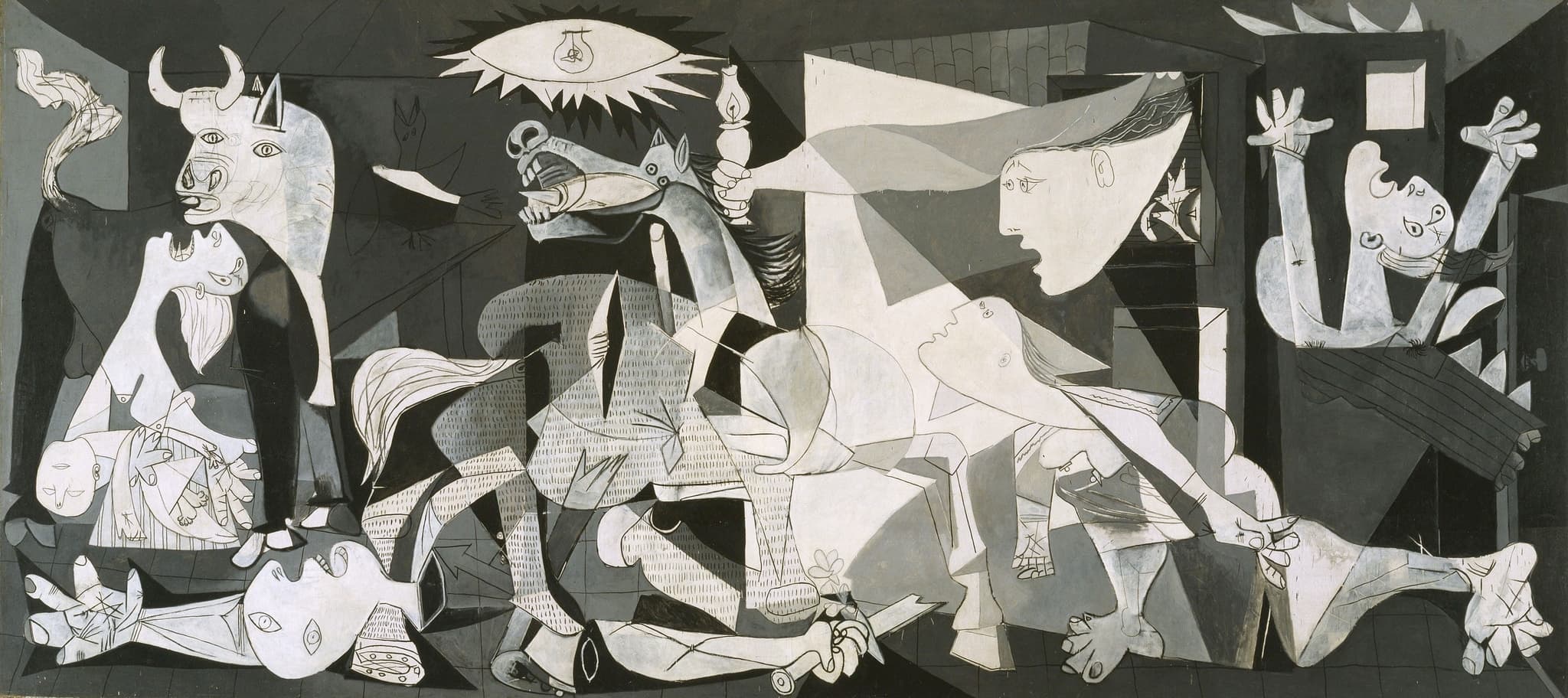
$1.2-1.8 billion
State-owned, inalienable, and non‑exportable, Guernica’s hypothetical $1.2–1.8B value extrapolates from Leonardo’s $450.3M and Picasso’s $179.4M records plus unmatched cultural and institutional demand.
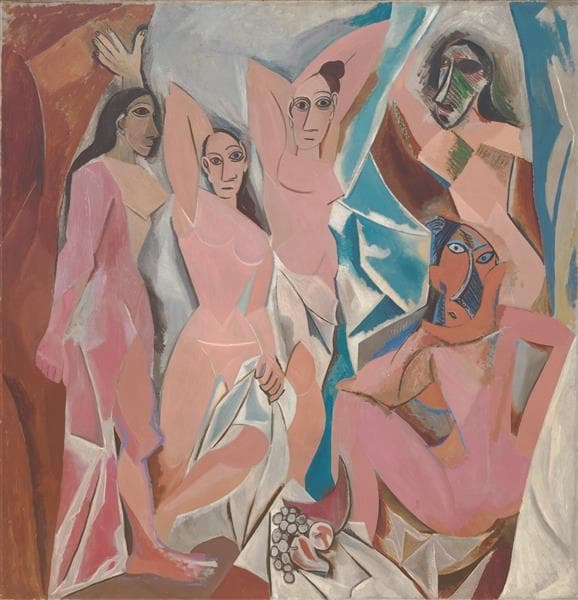
$800 million–$1.2 billion
As MoMA’s foundational proto‑Cubist icon, Les Demoiselles d’Avignon would likely fetch $800M–$1.2B today, with further upside in a rare trophy bidding war despite being effectively unsellable.
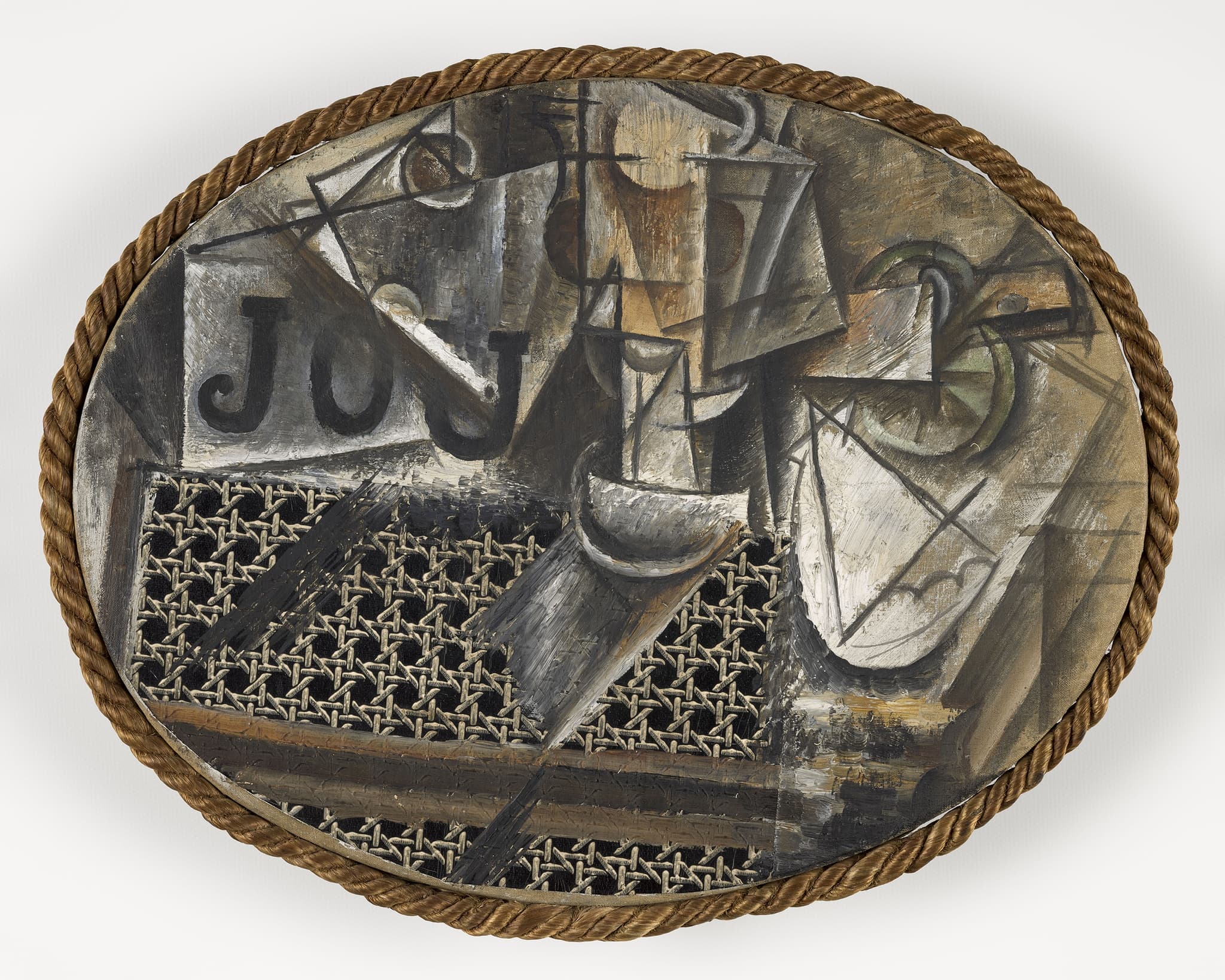
$200-400 million
Hypothetical open‑market valuation for Picasso’s Still Life with Chair Caning (1912) is $200–400 million.
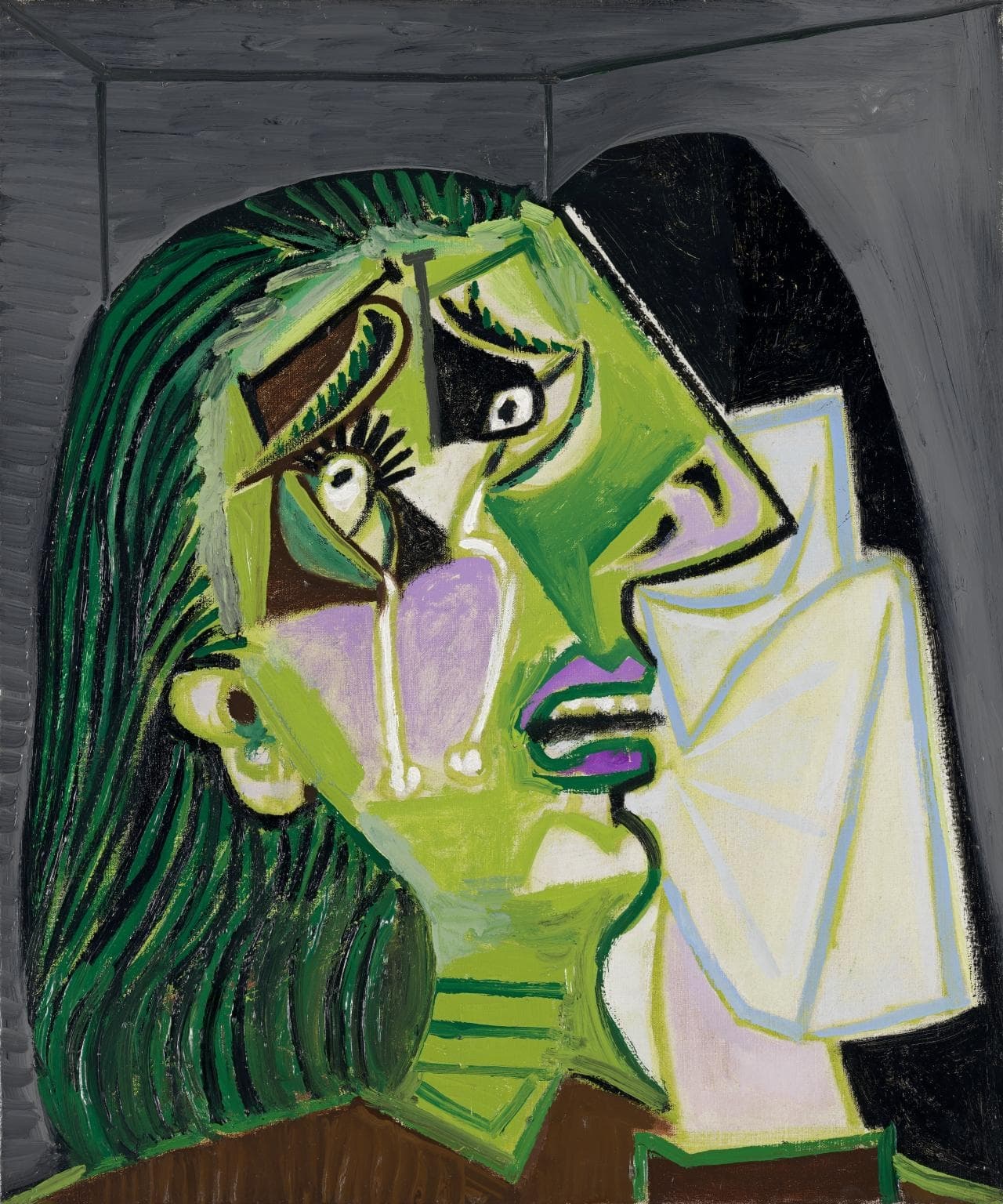
$120-180 million
NGV’s 1937 Weeping Woman, tied to the Guernica cycle and Dora Maar, would rank atop Picasso’s market at an estimated $120–180M, with plausible trophy‑chase upside.
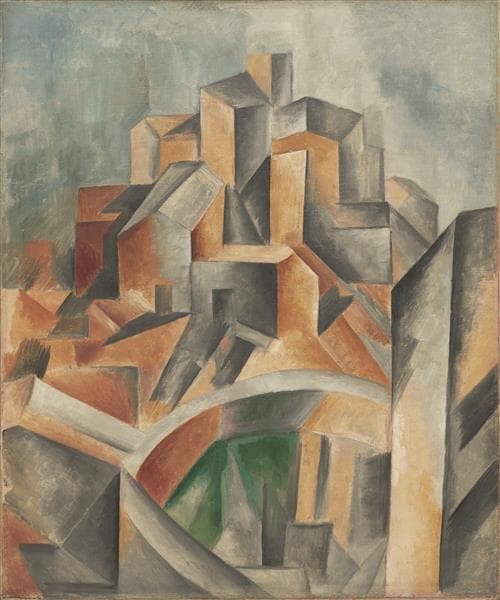
$120-170 million
Hypothetical fair‑market value for Pablo Picasso’s The Reservoir, Horta de Ebro (1909, MoMA) is estimated at $120–170 million.

$100-150 million
Hypothetical fair-market/insurance proxy for Pablo Picasso’s Les Adolescents (1906) is $100–150 million.
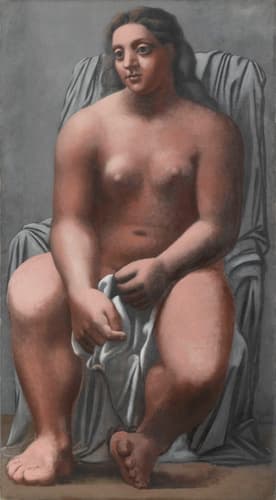
$60-120 million
Hypothetical open‑market value for Picasso’s Grande baigneuse (1921) is $60–120 million as of mid‑2026.
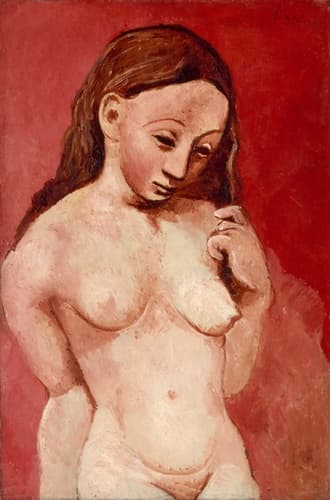
$85-115 million
Hypothetical fair market value for Picasso’s Nu sur fond rouge (1906) is $85–115 million.
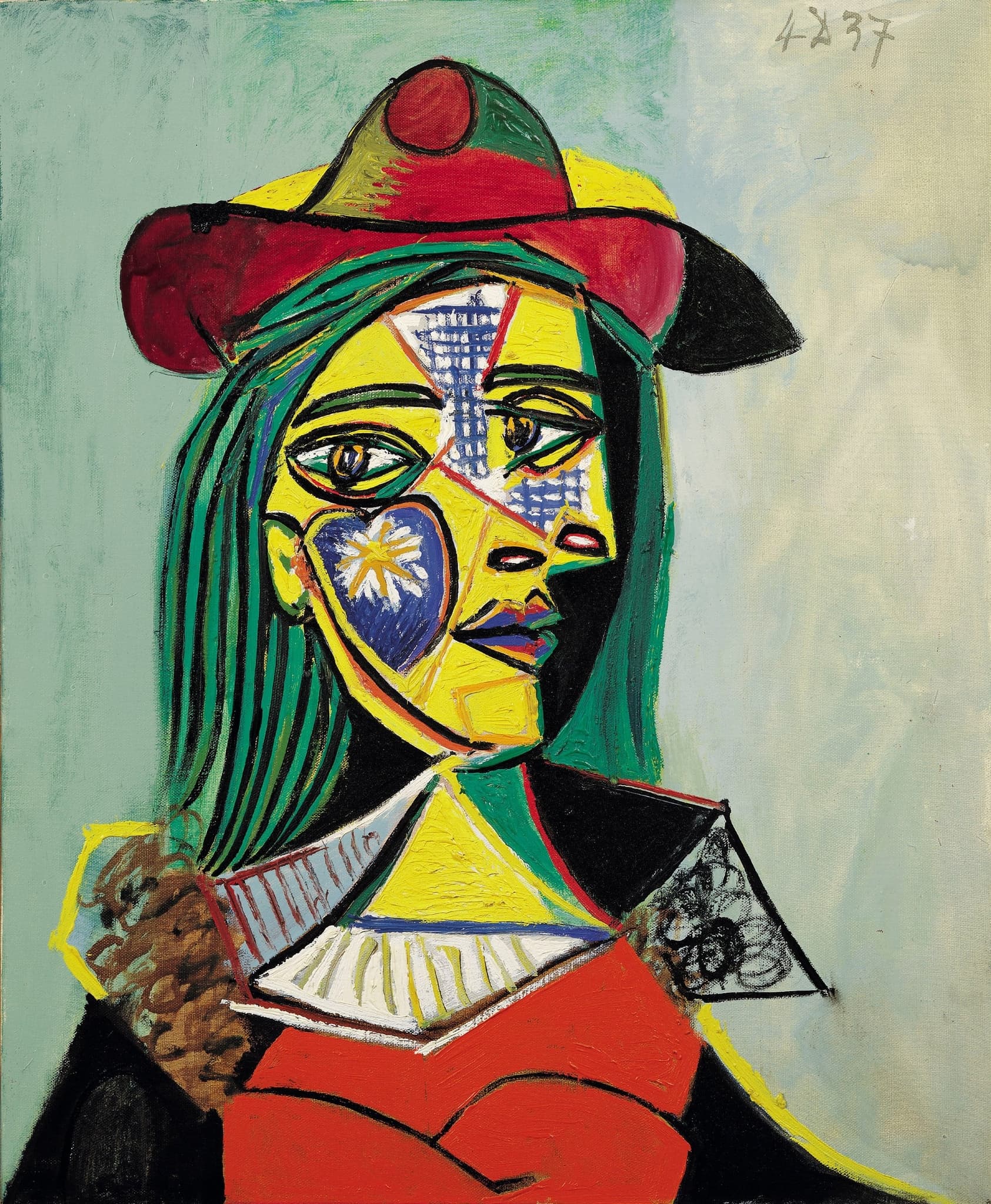
$75-95 million
Estimated fair-market value: $75–95 million.
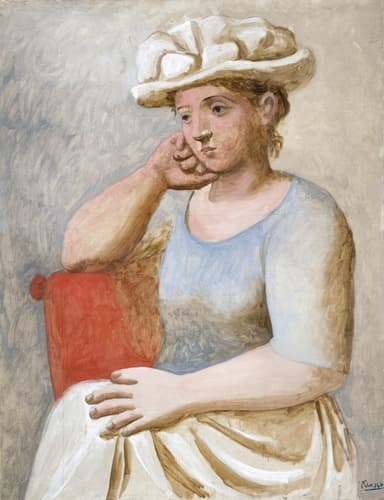
$40-65 million
Indicative fair-market/insurance valuation: $40-65 million for Pablo Picasso’s Femme au chapeau blanc (1921), a large, museum-quality neoclassical portrait.
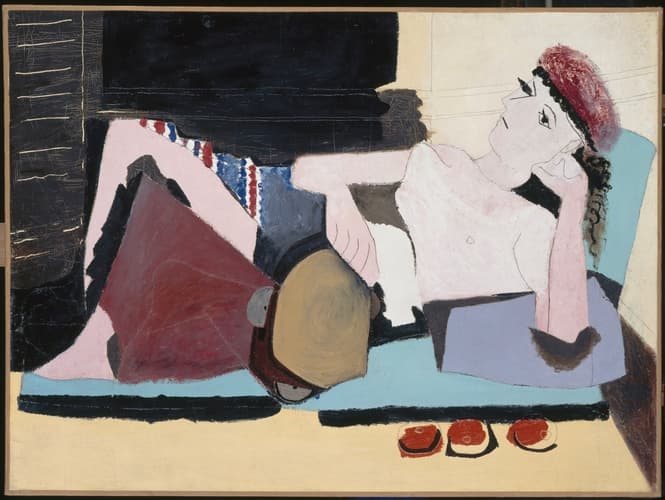
$25-45 million
Hypothetical fair-market value for Picasso’s Femme au tambourin (1925, oil on canvas, 97 × 130 cm; Musée de l’Orangerie) is $25–45 million.
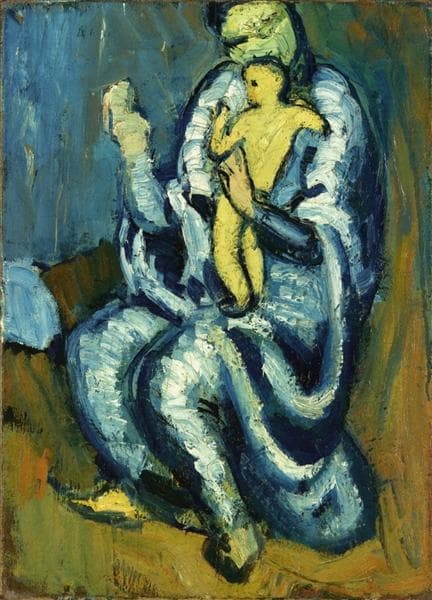
$10-18 million
Motherhood (La Maternité), 1903, a finished pastel and charcoal on paper from Picasso’s Blue Period, is a rare, iconographically prime work on paper.
What Drives Value in Pablo Picasso's Work
Breakthrough Years Set Picasso’s Price Ceiling
Picasso’s largest premiums accrue to works that inaugurate seismic shifts in his practice. Les Demoiselles d’Avignon (1907) launches Cubism and is modeled in the $800m–$1.2b range, while Guernica (1937) is positioned in the low billions. These eclipse the artist’s market anchors from more collectible periods—e.g., the $179.4m Les Femmes d’Alger (2015) and $139.4m Femme à la montre (2023). Within Picasso, epoch-making innovation, not just date or size, defines the absolute top tier.
The Guernica-Proximity Multiplier
Works directly tied to Guernica carry a distinct premium in Picasso’s market. The Weeping Woman (1937) is described as the definitive postscript to Guernica; top examples are vanishingly scarce in private hands and are guided at $120–180m with upside toward the artist record. The combination of Spanish Civil War resonance, Dora Maar’s role, and immediate proximity to Picasso’s political apex reliably elevates pricing above comparably attractive Picassos from non‑Guernica cycles.
Institutional Canonization = Scarcity Premium
Picasso’s canonical masterpieces are embedded in institutions, and that status uniquely shapes pricing. Les Demoiselles entered MoMA in 1939 via the Lillie P. Bliss Bequest; Guernica is state‑owned and non‑exportable in Spain; The Weeping Woman at NGV is globally recognizable. This museum/sovereign custodianship makes true substitutes unobtainable, so any hypothetically transferable counterpart commands step‑change premiums, drawing sovereign or institutional bidders and pushing values beyond what private‑collector demand alone would clear for other major artists.
Monumental Scale as National Symbol for Picasso
For Picasso, monumentality is inseparable from cultural centrality, creating an artist‑specific size premium. Guernica’s mural scale and non‑travel policy convert it into national infrastructure, justifying low‑billions estimates in a hypothetical sale. Les Demoiselles’ commanding format similarly anchors museum narratives. Because Picasso’s largest canvases coincide with epochal statements, their scale amplifies institutional benefits—attendance, brand, philanthropy—more than for typical masters, and narrows the buyer pool to actors willing to pay sovereign‑level prices.
Market Context
Pablo Picasso remains one of the market’s most liquid and globally collected artists, led by a $179.4 million auction record for Les femmes d’Alger (Version O) in 2015 and reinforced by $139.4 million for Femme à la montre in 2023. Recent activity has been quality‑driven: 2024 totals softened amid thin trophy supply and selective bidding, while late‑2025 sales showed renewed depth for blue‑chip works. Demand concentrates on Blue/Rose, Cubist, and prime 1932 Marie‑Thérèse periods, where museum‑grade examples elicit aggressive competition. The buyer pool spans major museums, leading private collections, and sovereign entities, with private sales quietly placing A+ material. Overall trajectory is resilient but highly quality‑sensitive: canonical subjects with impeccable provenance and exhibition histories command nine‑figure outcomes, whereas mid‑tier and later series are priced with greater discipline as supply, not demand, remains the main constraint.