How Much Is The Sick Child Worth?
Last updated: April 29, 2026
Quick Facts
- Methodology
- comparable analysis
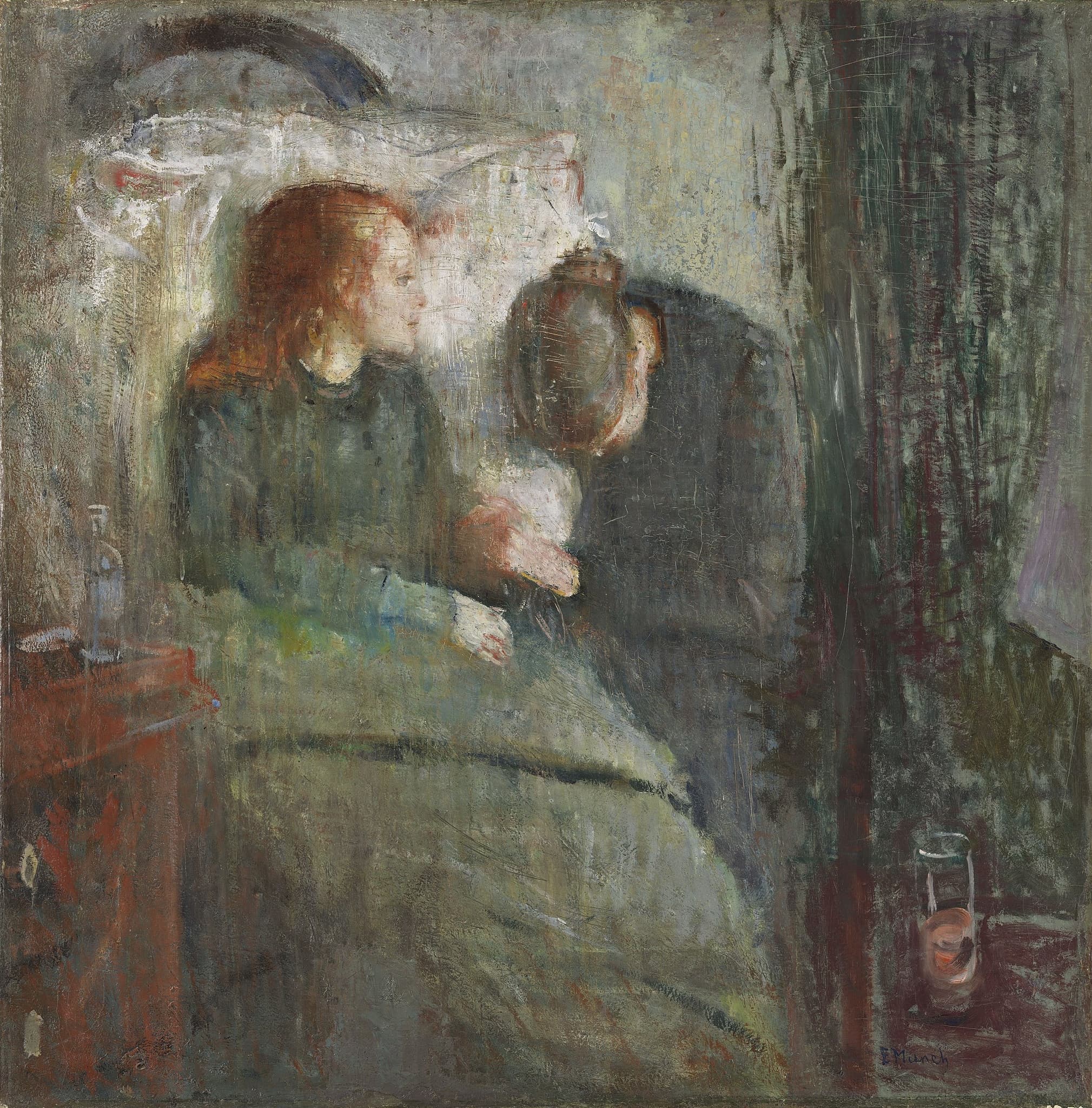
Conditional market valuation for Edvard Munch's The Sick Child (1885–86, NG.M.00839, Nasjonalmuseet) is USD 25–60 million. This range is hypothetical and assumes lawful deaccession, marketable condition, and competitive sale conditions.
Valuation Analysis
Valuation conclusion: Based on available public information, museum custody and auction comparables, a reasoned conditional market valuation for Edvard Munch's The Sick Child (1885–86, NG.M.00839, Nasjonalmuseet) is approximately USD 25–60 million. This opinion is expressly hypothetical: it assumes the work could be legally and ethically deaccessioned, that its physical condition is saleable, and that marketing creates active competitive bidding from major private and institutional buyers [1].
Comparables and anchoring: The upper bound reflects the artist's demonstrated auction potential at the very highest tier, while the mid‑range anchors to large oil sales. The 2012 auction of The Scream established Munch's market ceiling (roughly USD 120M at auction) and demonstrates global demand for a single iconic work [2]. The best directly relevant oil comparable, Girls on the Bridge (sold 2016 for roughly USD 54.5M), shows that museum‑quality Munch oils can reach the high tens of millions when they appear in prime market conditions [3]. By contrast, prints and etchings of the Sick Child motif trade at a much lower scale, typically thousands to low tens of thousands, indicating motif interest but not equivalent value to an autograph oil [4].
Uniqueness, multiplicity and scarcity effects. Munch revisited the Sick Child subject repeatedly; multiple autograph treatments reduce the uniqueness premium versus a truly one‑of‑a‑kind icon. That said, canonical early oils in major national collections rarely appear on the market, and museum provenance confers scholarly and collector prestige. The net effect is a tempered scarcity premium: important, marketable, but not likely to approach the absolute ceiling reserved for the artist's singular masterpieces.
Museum ownership and legal/ethical constraints. The painting's long institutional ownership (acquired into the national collection in 1931) increases scholarly desirability but imposes practical barriers to sale—deaccession protocols, possible donor restrictions, and national export controls can limit buyer pools and reduce expected price compared with a freely tradable lot [1].
Condition, provenance and sale readiness. Without an up‑to‑date technical condition report, a final valuation cannot be precise: conservation needs, inpainting, structural issues or incomplete provenance can materially depress value. If condition and title are clear and the museum cooperates with a transparent deaccession process, the work could attract strong institutional and private interest and realize toward the mid or upper end of the range; absent those conditions, results could fall to the low end or below.
Final note. The USD 25–60 million bracket balances the work's major art‑historical standing with the dampening effects of multiple autograph versions and institutional custody. This is a working market opinion: I recommend securing a provenance file, a full conservation report, and preliminary legal clearance to refine the estimate and determine an optimal sale strategy.
Key Valuation Factors
Art Historical Significance
High ImpactThe Sick Child is a foundational early work in Munch's development and central to his Frieze of Life concerns; it is closely tied to his biography and repeatedly cited in scholarship and exhibition histories. As a seminal treatment of illness and grief it carries outsized cultural and scholarly importance relative to many contemporaneous works. That status elevates institutional and collector interest and supports a premium relative to ordinary period works. However, that premium is moderated by the existence of several autograph versions of the motif, which dilutes exclusivity even as it confirms the subject's canonical status. Overall, art‑historical weight is a primary positive driver of market value.
Rarity & Uniqueness
Medium ImpactWhile The Sick Child is an important work, Munch's repetition of the subject means that multiple autograph oils and numerous prints exist; this reduces the scarcity premium that a single unique masterpiece would command. Conversely, early autograph oils with long museum provenance seldom enter the market, so any museum deaccession would still be an event lot. The balance of these forces produces a medium impact: the existence of other versions constrains the maximum price but the rarity of museum‑grade examples available for sale maintains significant market interest.
Provenance & Museum Ownership
High ImpactProvenance in a major national museum (Nasjonalmuseet, acquired 1931) confers academic legitimacy and collector confidence, enhancing market desirability if the work reaches auction. At the same time, institutional ownership creates substantial practical obstacles: deaccession policies, donor restrictions, national patrimony rules and export controls may legally or politically prevent sale, or narrow the buyer pool to domestic institutions. Those constraints typically reduce liquidity and can depress realized price versus a freely transactable comparable, making provenance a decisive factor in both feasibility and valuation.
Condition & Conservation
High ImpactCondition is a critical valuation variable. Structural issues, overpainting, prior restorations, varnish discoloration or canvas instability can each materially lower hammer expectations. Conversely, excellent original condition or sympathetic, documented conservation increases buyer confidence and price. For The Sick Child, no public, recent technical report is available; acquiring a full conservation and technical imaging report would likely move a valuation materially (often by tens of percent) and is therefore essential pre‑sale due diligence.
Market Comparables & Buyer Demand
High ImpactMunch's top auction results (The Scream; Girls on the Bridge) set clear price anchors and demonstrate deep demand at the high end, particularly among global private collectors and leading institutions. Comparable oil sales suggest that a museum‑quality Munch oil can reach high tens of millions, but outcome depends on timing, marketing and bidder composition. Prints and etchings of the motif trade at far lower levels, underscoring that medium and uniqueness drive price. Active competitive bidding would push results to the top of the stated range; subdued interest or legal constraints would push results lower.
Sale History
The Sick Child has never been sold at public auction.
Edvard Munch's Market
Edvard Munch occupies a blue‑chip position within late 19th and early 20th‑century art markets: his auction ceiling was established by The Scream (c. USD 120M, 2012) and major oils have realized tens of millions more recently. Munch's graphic work also has a vigorous market, though at much lower price levels. Institutional demand, iconic status and rarity of museum‑grade oils underpin strong prices for top examples. Market appetite centers on provenanced, exhibition‑worthy works; when those align, results can be exceptional. Interest is concentrated among European and international collectors and institutions focused on modernism.
Comparable Sales
The Scream
Edvard Munch
Artist's auction record and global price ceiling; different medium (1895 pastel) but establishes maximum market demand for top Munch masterpieces.
$119.9M
2012, Sotheby's New York
~$165.7M adjusted
Girls on the Bridge
Edvard Munch
Top-tier oil by Munch sold at auction; same medium (oil) and a primary-market anchor for major Munch paintings—useful direct oil comparable.
$54.5M
2016, Sotheby's New York
~$72.0M adjusted
The Sick Child (etching/print)
Edvard Munch
Same motif in graphic medium; demonstrates market interest in the Sick Child subject but at a much lower scale than oils—useful to gauge demand for iterations of the motif.
$26K
2023, UK auction (realized price listed via Barnebys)
~$27K adjusted
Current Market Trends
The high‑end market for canonical modern works remains concentrated and selective: well‑provenanced, museum‑quality paintings continue to attract deep-pocketed buyers, while broader economic and geopolitical conditions influence the depth of competitive bidding. Works that can be marketed globally to private collectors and institutions tend to command premiums; conversely, legal or export constraints and uncertain provenance depress demand. Timing and auction house placement materially affect realized prices.
Study print
Study this painting as a print
Pair the full artwork with a museum-style study sheet focused on one meaningful detail.