Most Expensive Edvard Munch Paintings
Edvard Munch occupies a singular position in the art market: his canvases are prized not only for their raw psychological intensity but also for scarcity, provenance and cultural resonance, which together drive staggering prices. At the top is The Scream, whose iconic image of existential anguish commands an estimated $600 million–$1.0 billion and functions as both a cultural touchstone and an auction blockbuster. Works like The Dance of Life ($120–180 million) and Madonna ($80–130 million) demonstrate how compositional mastery and provenance elevate expressionist painting into museum- and collector-grade assets. More intimate pieces—The Girls on the Bridge ($45–75 million), Love and Pain (Vampire) ($30–60 million) and The Sick Child ($25–60 million)—are coveted for their emotional immediacy and rarity on the market. Even earlier or less monumental compositions such as Puberty ($8–40 million), Ashes ($5–35 million), Melancholy ($3,000,000–$15,000,000) and Evening on Karl Johan ($2–10 million) find eager buyers, reflecting demand that spans blue-chip icons to quieter rarities. This ranking traces how artistic innovation, historical importance and market dynamics converge to make Munch one of the most collectible figures in modern art.
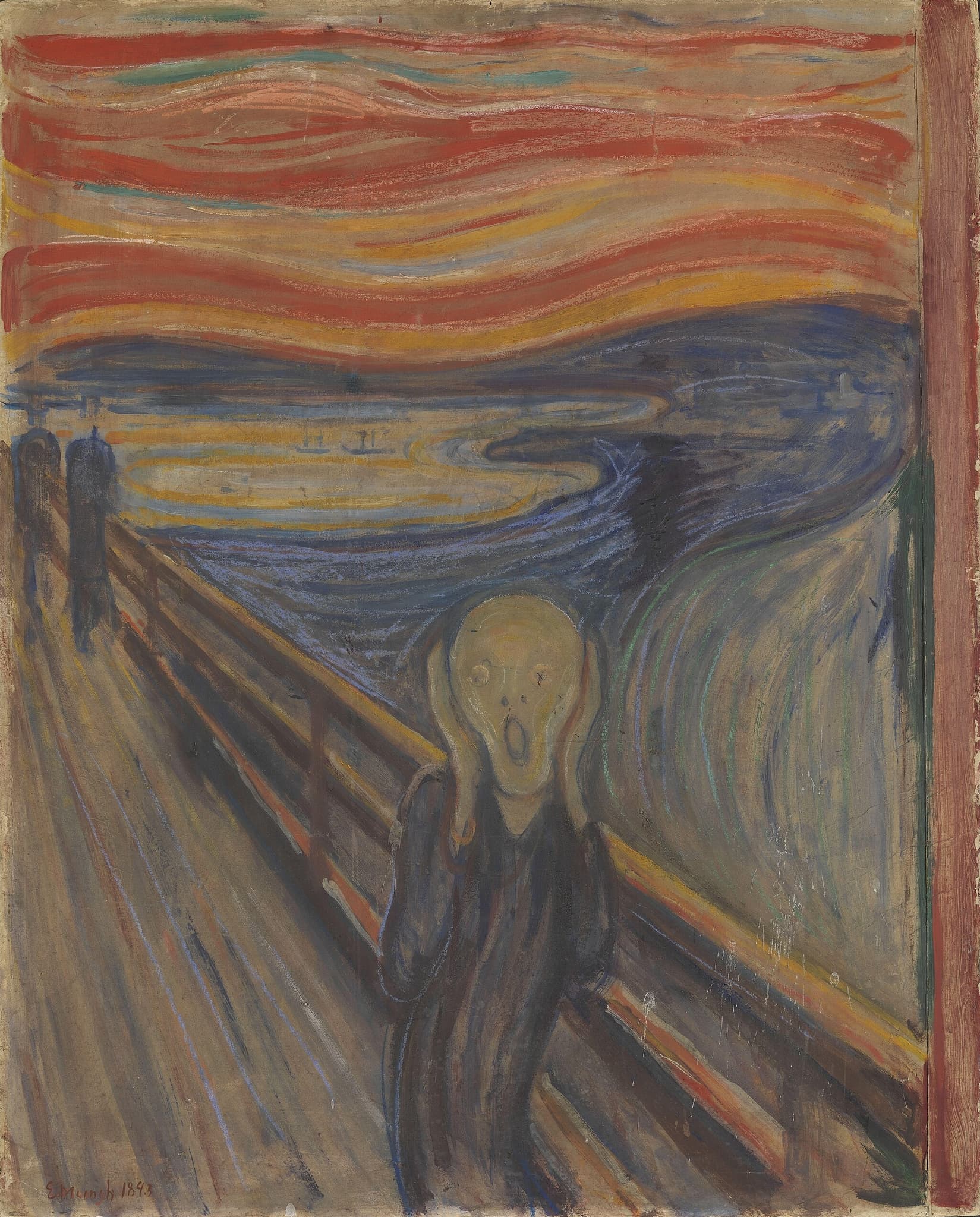
$600 million - $1.0 billion
Based on the $119.9M 1895 pastel sale and trophy-market benchmarks, this painted Scream’s hypothetical market value is estimated at $600–$1.0 billion.
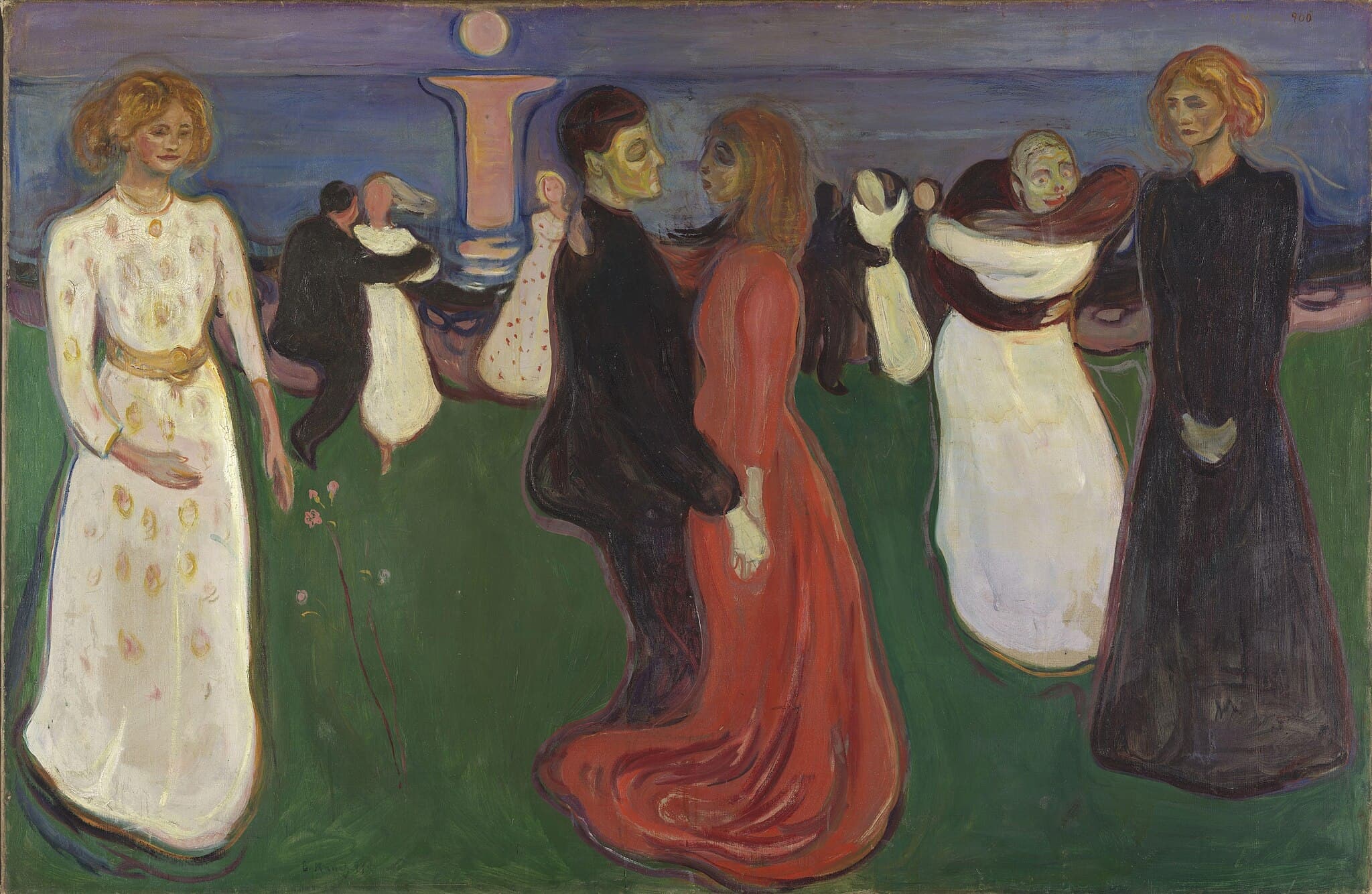
$120-180 million
If deaccessioned, this canonical, museum-held Munch oil is estimated at $120–$180M—a price that would challenge or surpass the artist’s public auction record.
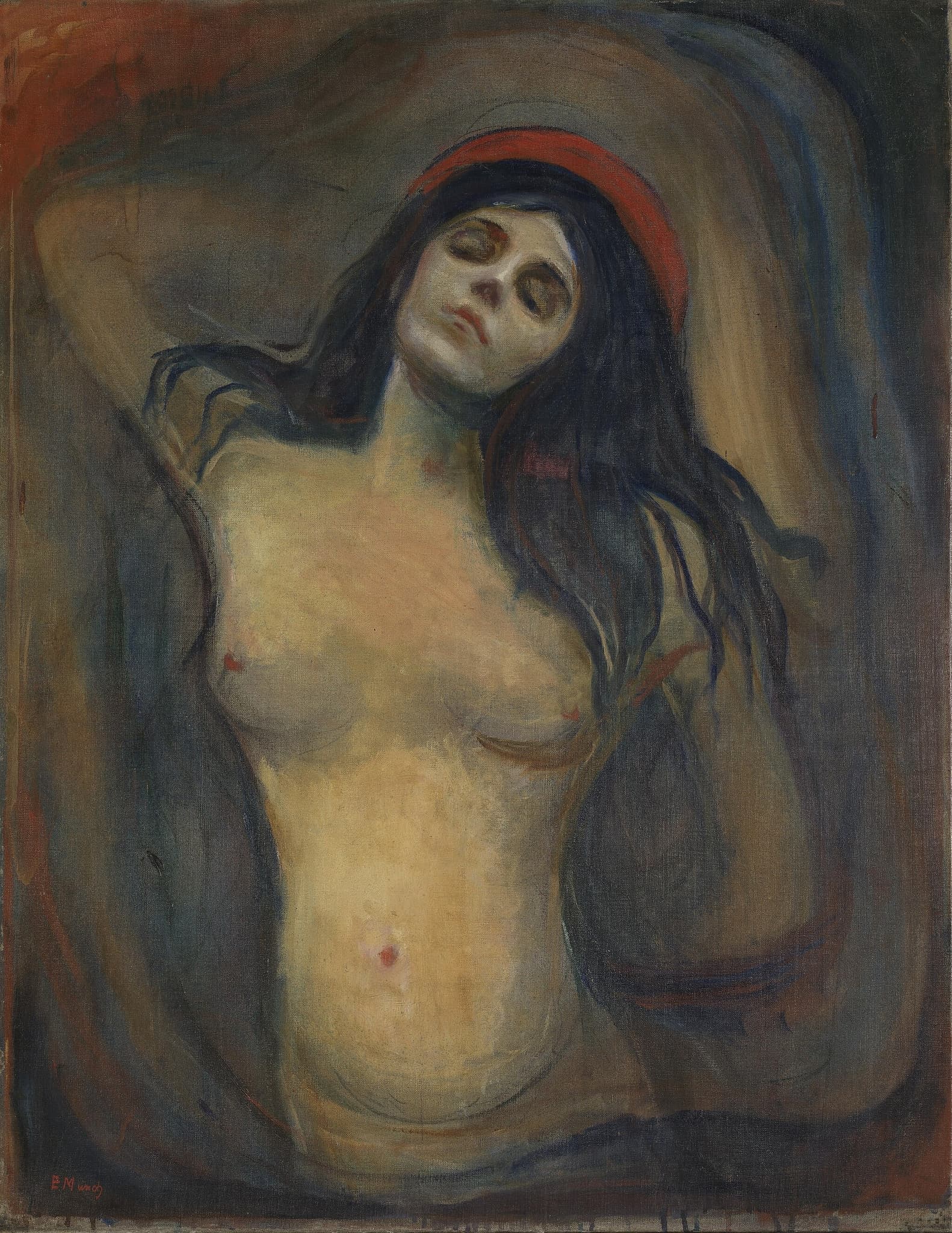
$80-130 million
As likely the earliest painted Madonna and a canonical Frieze of Life masterpiece, its hypothetical open-market value is estimated at $80–$130M.
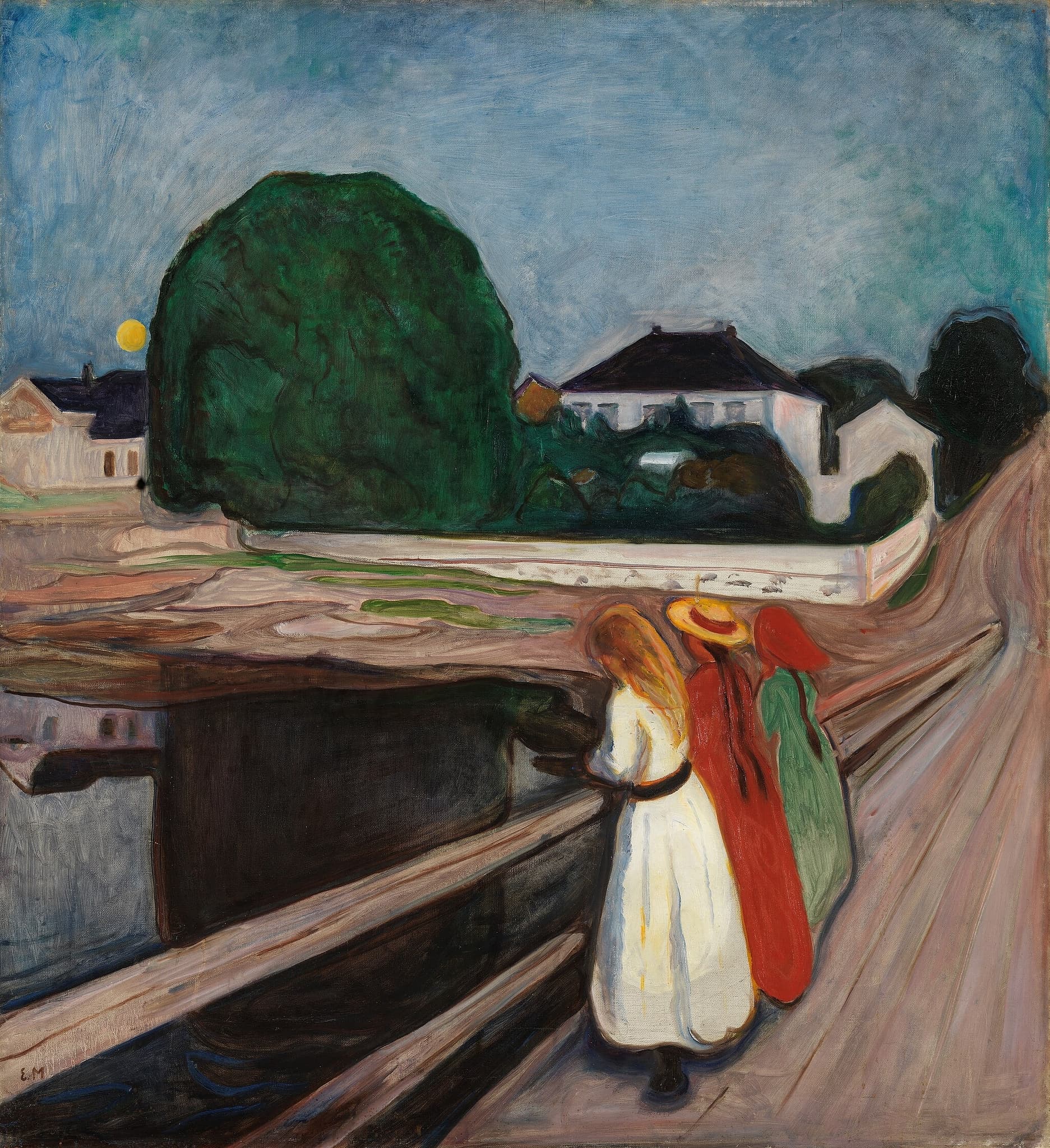
$45-75 million
Driven primarily by the identical canvas’s $54,487,500 Sotheby’s 2016 result and subsequent comparables, a museum-quality Girls on the Bridge is estimated at $45–$75M.
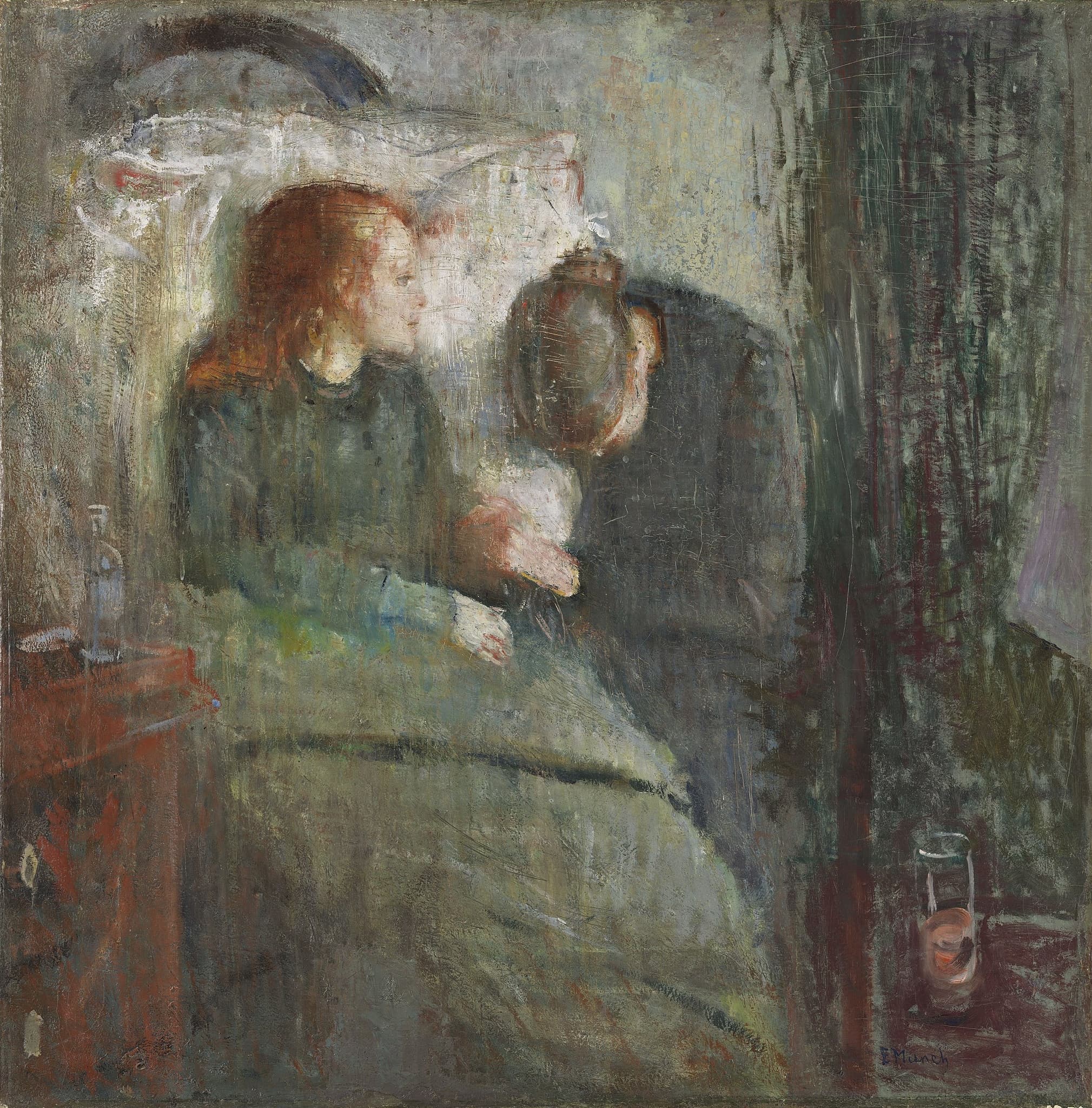
$25-60 million
Assuming lawful deaccession, marketable condition and competitive sale conditions, The Sick Child’s conditional market valuation is estimated at US$25–$60M.
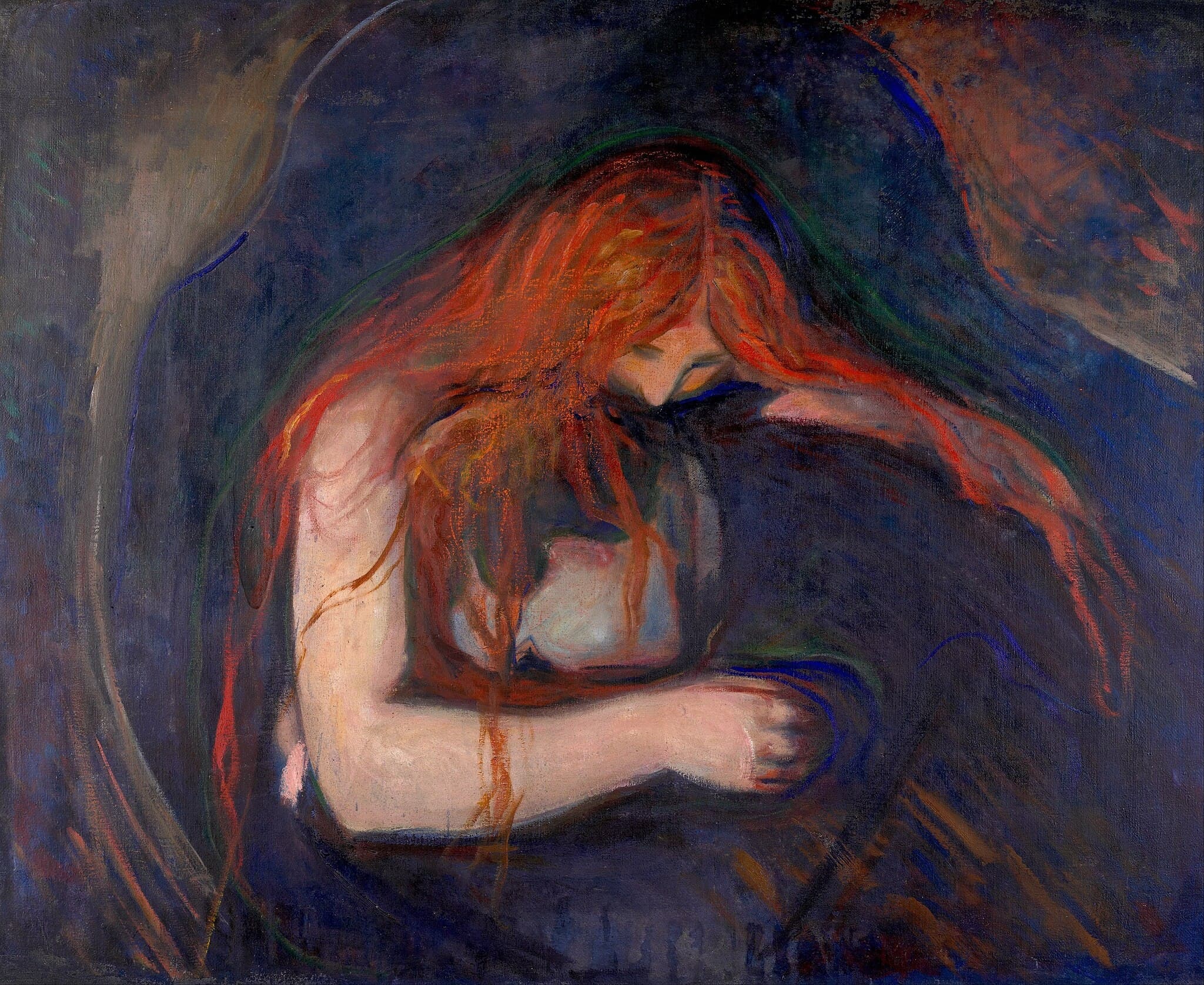
$30-60 million
Anchored by the 2008 Sotheby’s sale of the same composition for US$38.16M, an authenticated full-scale Love and Pain (Vampire) is estimated at roughly $30–$60M.
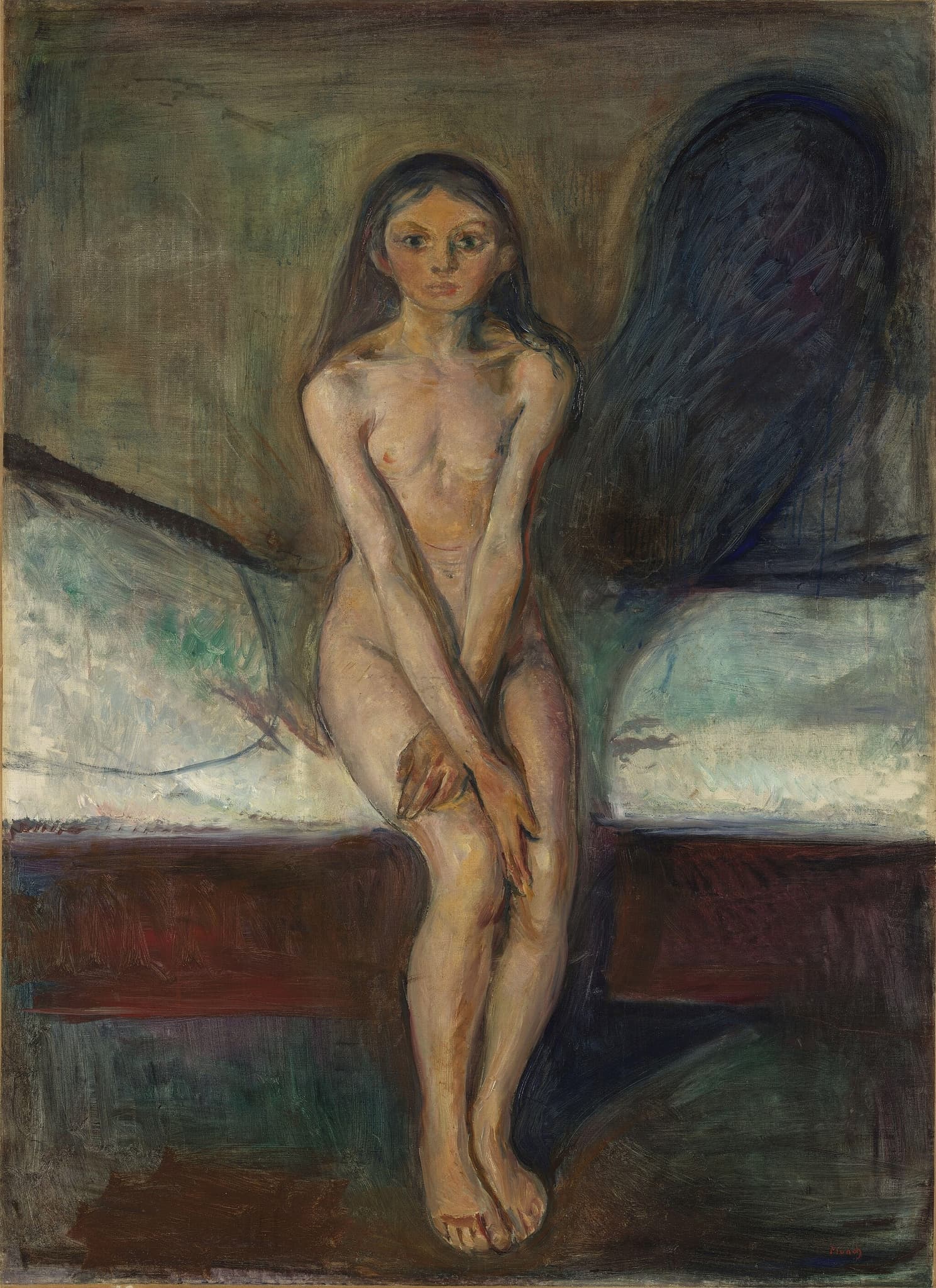
$8-40 million
For an authenticated primary 1894 Puberty (museum-held precedents), the auction estimate is US$8–$40M, with final price hinging on version, provenance and condition.
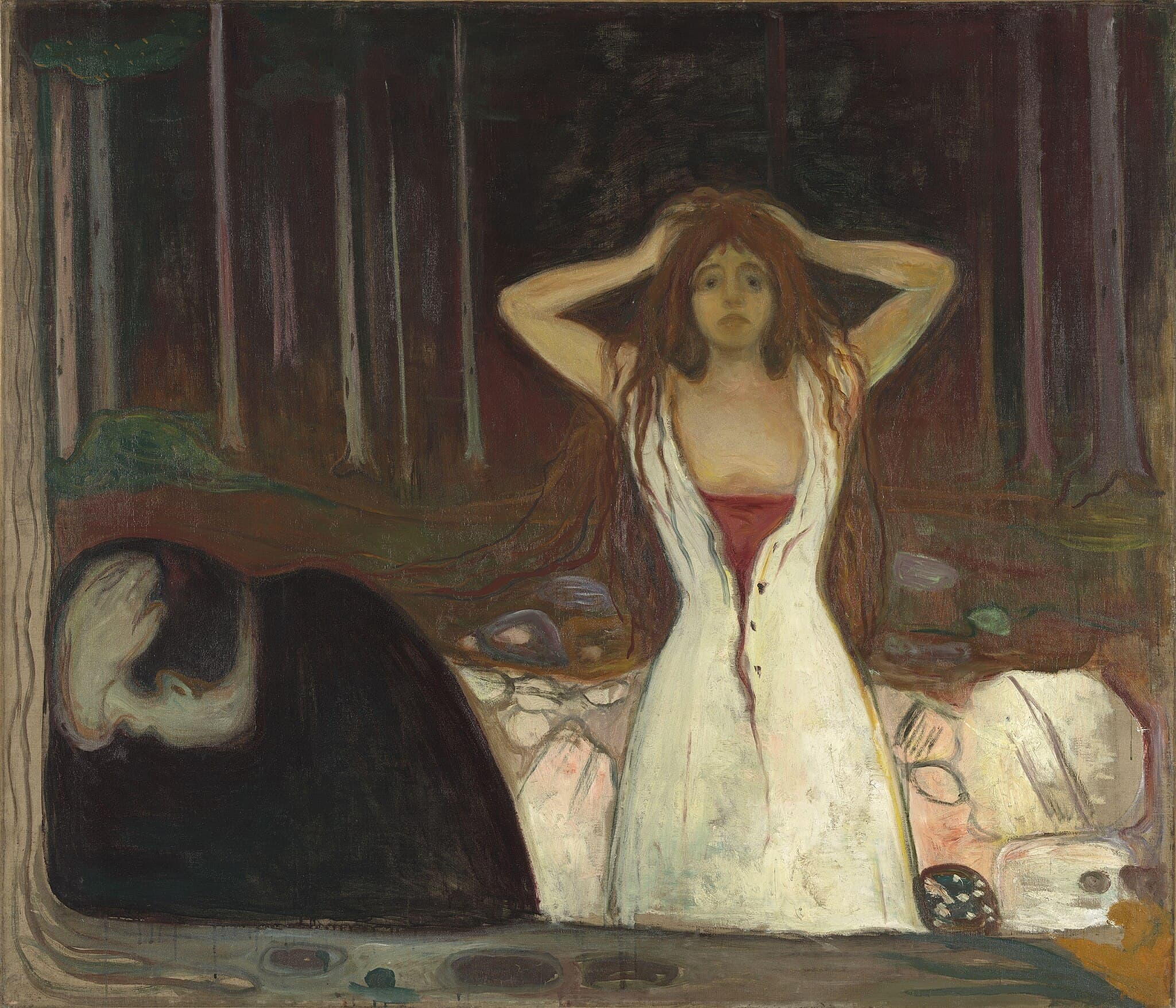
$5-35 million
If fully authenticated and market-ready with museum-quality provenance, Ashes is realistically estimated at US$5–$35M; the canonical National Museum 1894 canvas is institutional and effectively unmarketable.
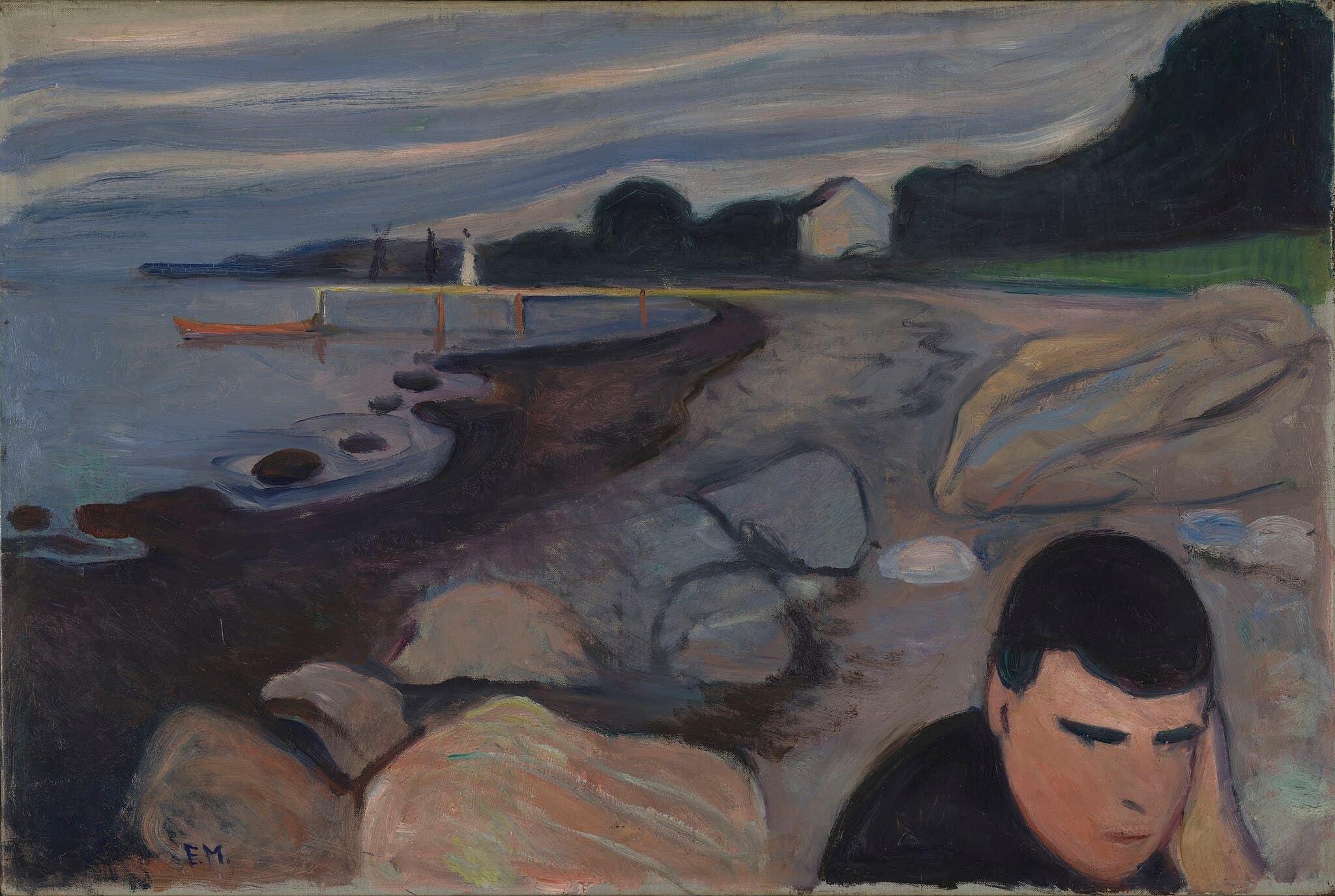
$3,000,000-$15,000,000
An authenticated, catalogue-listed 1891 Melancholy in good original condition is estimated at approximately US$3–$15M; smaller, later or poorly provenanced variants would command far less.
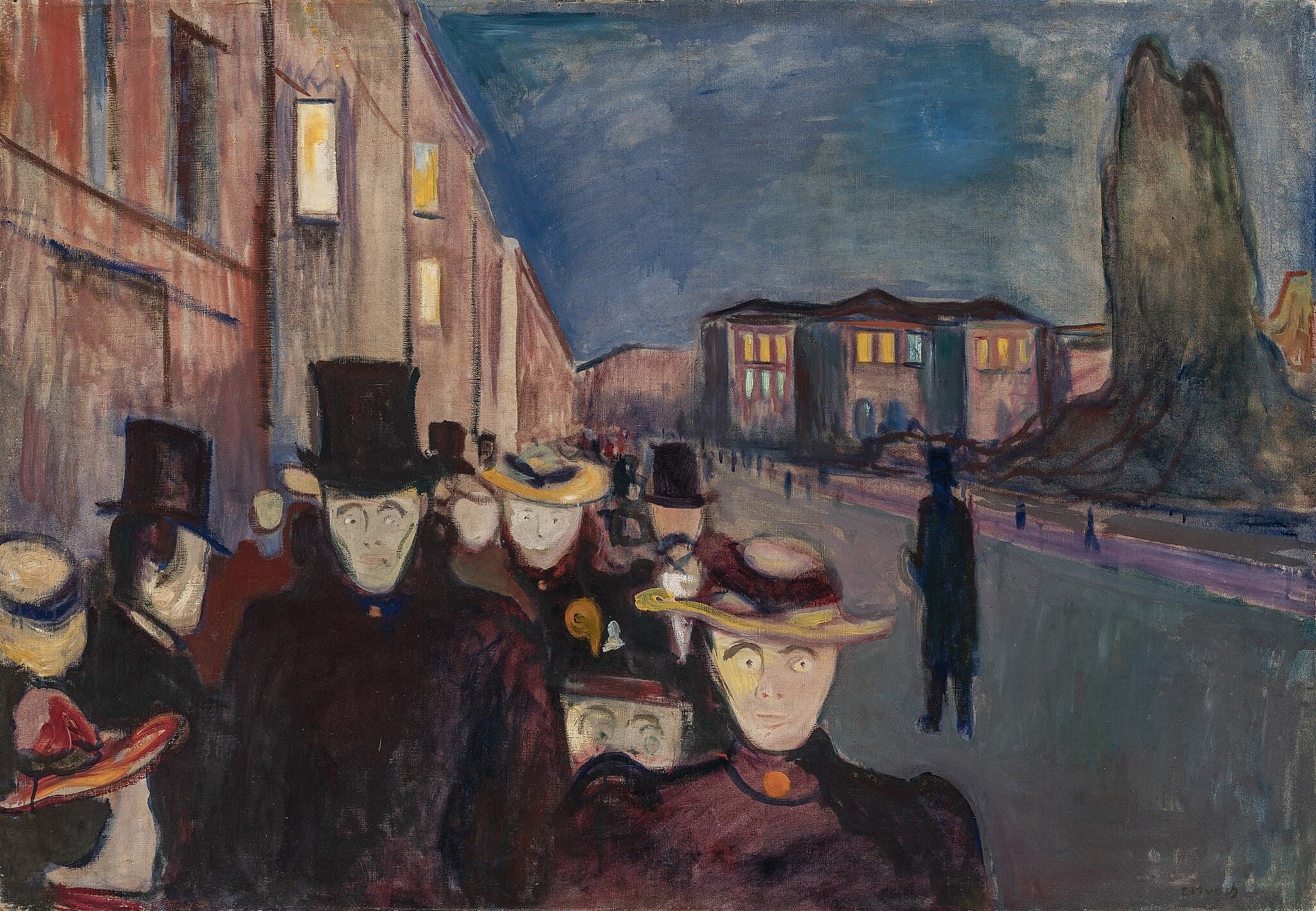
$2-10 million
Based on museum-quality comparables, KODE’s Evening on Karl Johan is informally bracketed at US$2–$10M—a conservative open-market estimate, not a formal insured appraisal.
Market Context
Edvard Munch’s auction market is anchored by the nine‑figure record for The Scream (1895 pastel, $119.9M, 2012) and driven by a deep institutional collector base and global private buyers; major oils from the 1890s–1910s regularly trade in the mid‑eight to low‑nine‑figure bands when museum‑quality provenance, condition and exhibition history align. Recent seasons show selective recovery after 2023–24, with marquee results such as Midsummer Night ($35.1M, 2025) and the restituted Dance on the Beach (~£16.9M/$20.5M, 2023) reinforcing appetite at the top while prints and works on paper provide broader liquidity. Demand is intense but supply‑constrained, favoring fresh, well‑documented trophies often marketed with guarantees; institutional participation and provenance remain primary price drivers.
Study prints from famous works by Edvard Munch
Curated print bundles pairing the full artwork with a close reading of one meaningful detail.
