Most Expensive Artemisia Gentileschi Paintings
Artemisia Gentileschi has become one of the art market’s most sought-after Old Masters, her paintings commanding eye-catching sums that reflect both rarity and cultural resonance: the iconic Judith Slaying Holofernes is pegged at an astonishing $50–100 million, while her Self-Portrait as the Allegory of Painting (La Pittura) is estimated at $10–40 million. Collectors prize Gentileschi for a rare combination of Caravaggesque drama, meticulous brushwork, and narratives of female agency—qualities that drive demand for works like Judith and Her Maidservant with the Head of Holofernes ($5–25 million) and the Capodimonte Judith Slaying Holofernes ($8–25 million). Her more intimate self-portraits and devotional scenes, such as Self-Portrait as Saint Catherine of Alexandria ($3–12 million), Susanna and the Elders (Pommersfelden / Schloss Weißenstein) ($3,000,000–$12,000,000), Jael and Sisera ($3–8 million), Lucretia ($3.5–8.0 million) and Mary Magdalene in Ecstasy ($1.5–6.3 million), underscore how provenance, condition, and the market’s reassessment of female artists together elevate prices. This ranking captures both the monetary and cultural momentum that has made Gentileschi a benchmark for collectors and institutions alike.
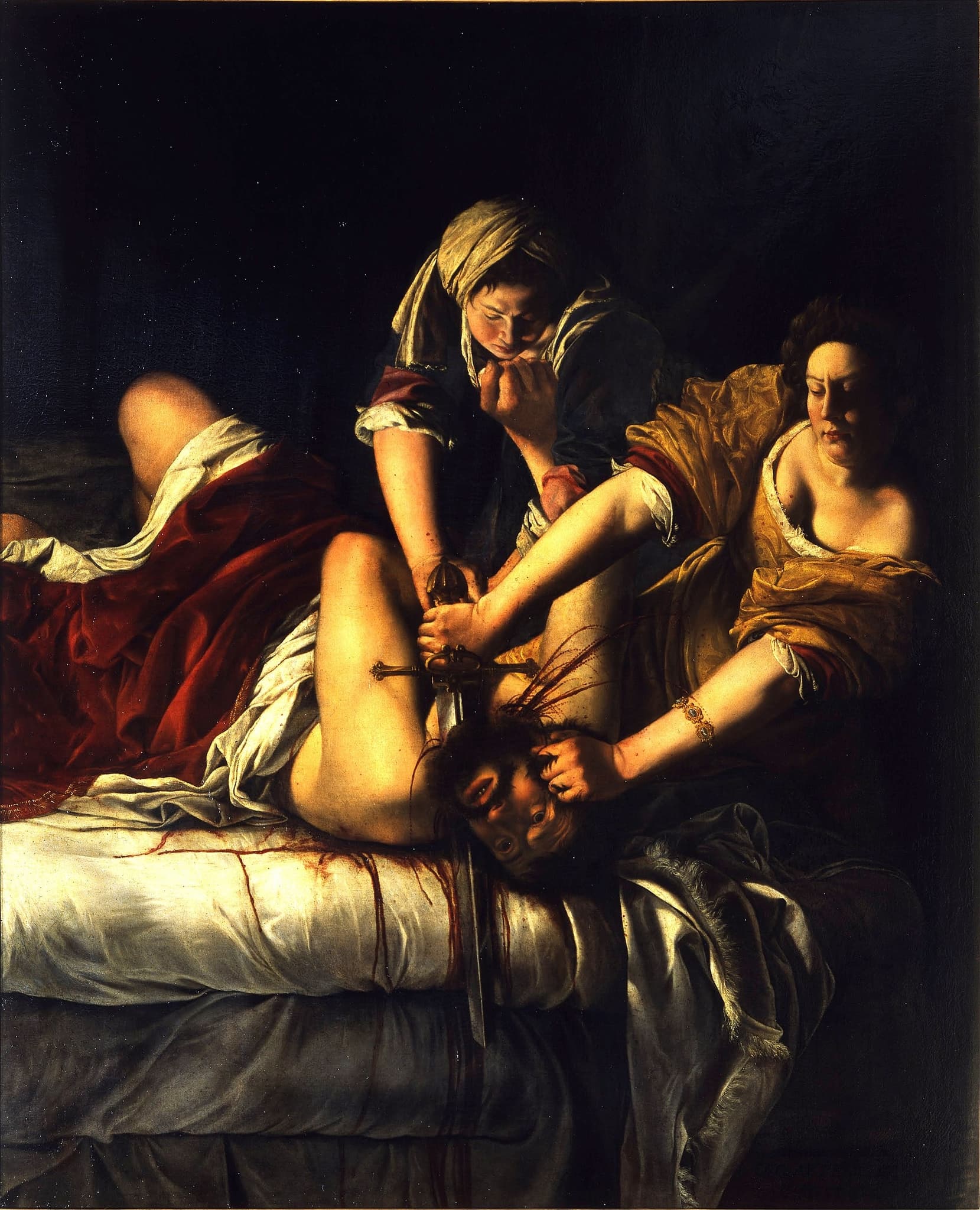
$50-100 million
Insured at an estimated $50–100 million as a canonical Artemisia in the Capodimonte state museum, effectively unmarketable due to public ownership.
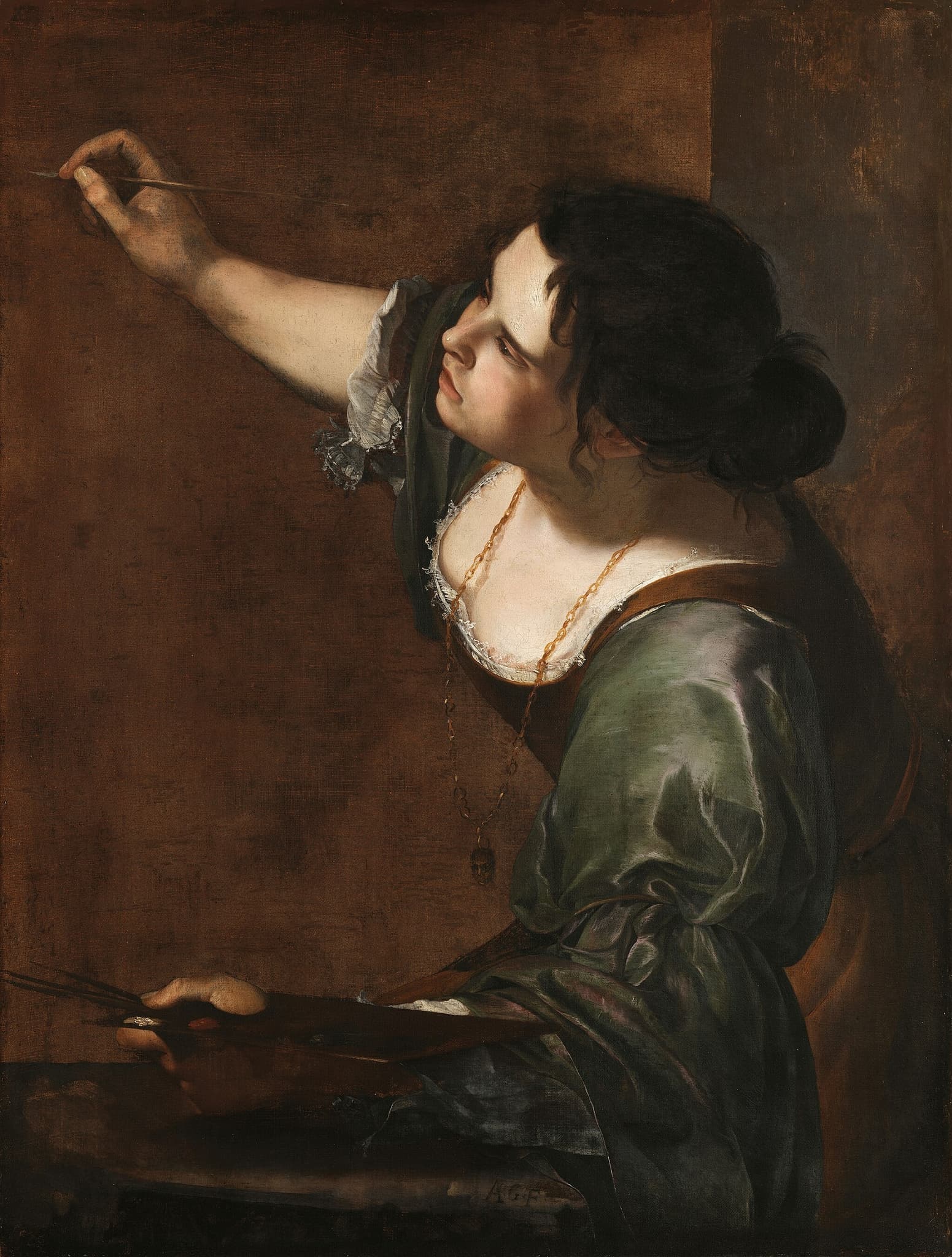
$10-40 million
Valued at $10–40 million as a non‑market‑tested Royal Collection icon, applying recent Artemisia auction benchmarks plus premiums for royal provenance and iconographic scarcity.
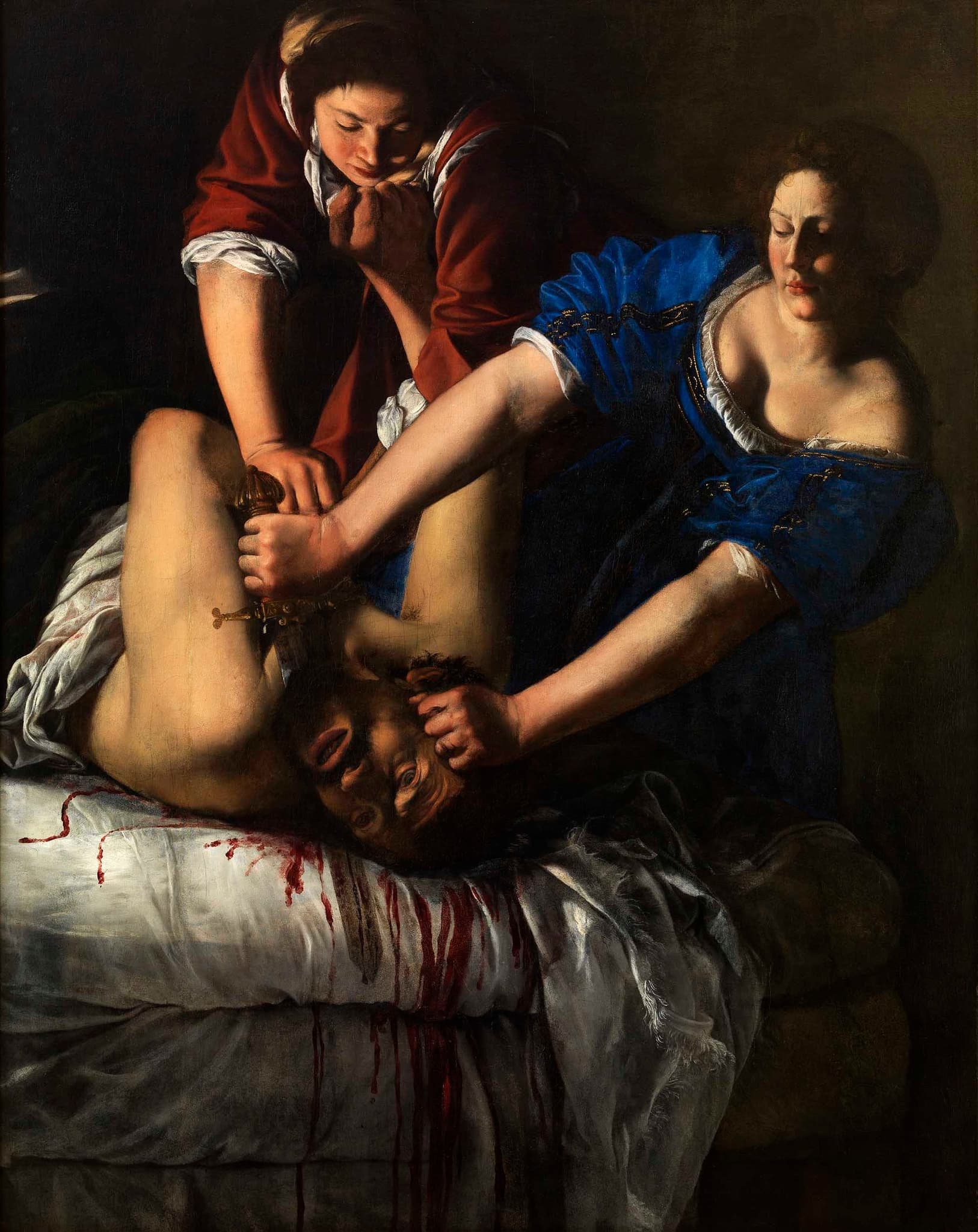
$8-25 million
A hypothetical commercial valuation for a marketable, museum‑quality Artemisia 'Judith' is $8–25M, with the lower bound for condition/attribution concerns and the upper for a pristine, unanimous autograph.
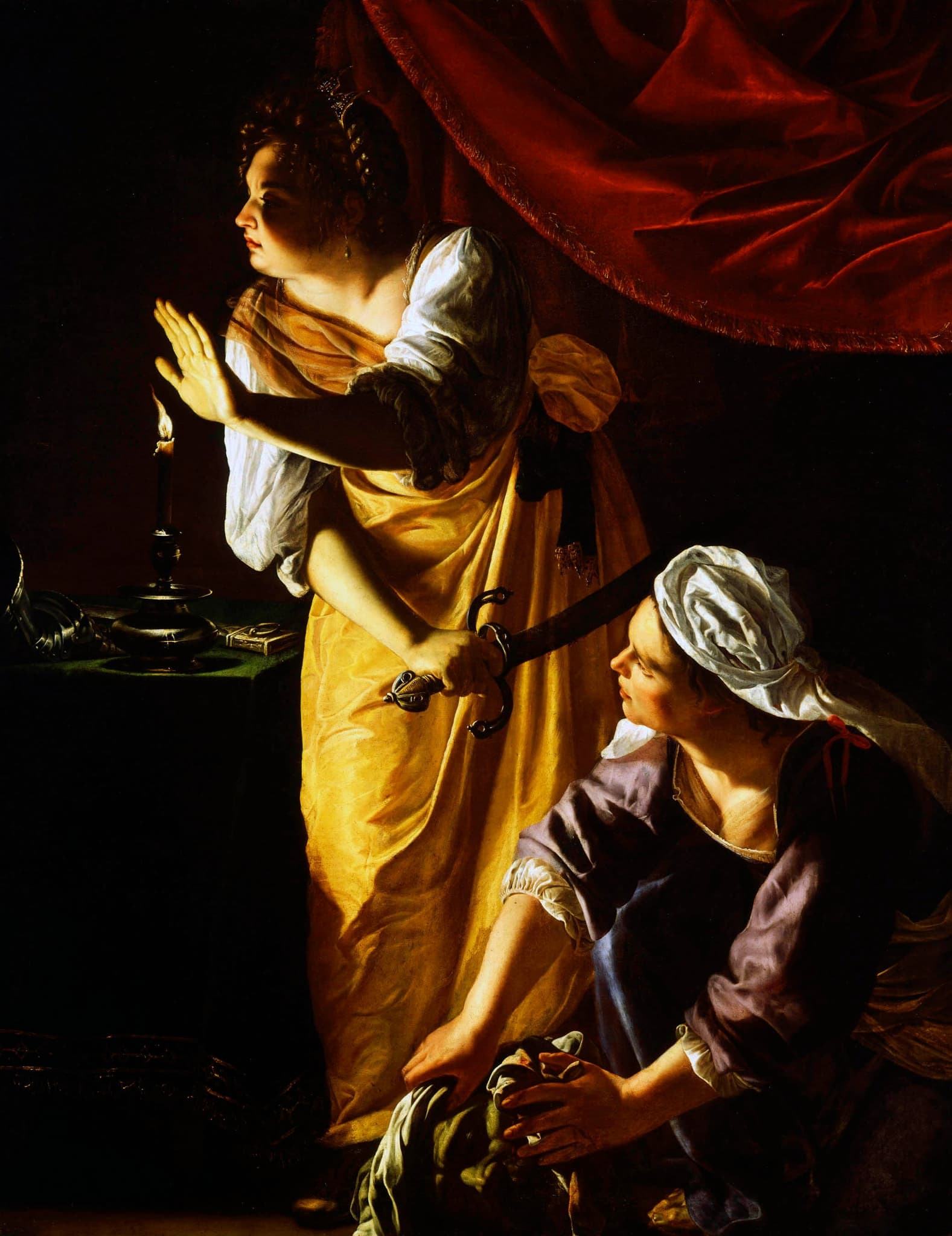
$5-25 million
If authenticated as an autograph museum‑quality Artemisia it would command $5–25M; studio/attributed valuations typically fall to $200k–$1.5M, copies to low hundreds of thousands.
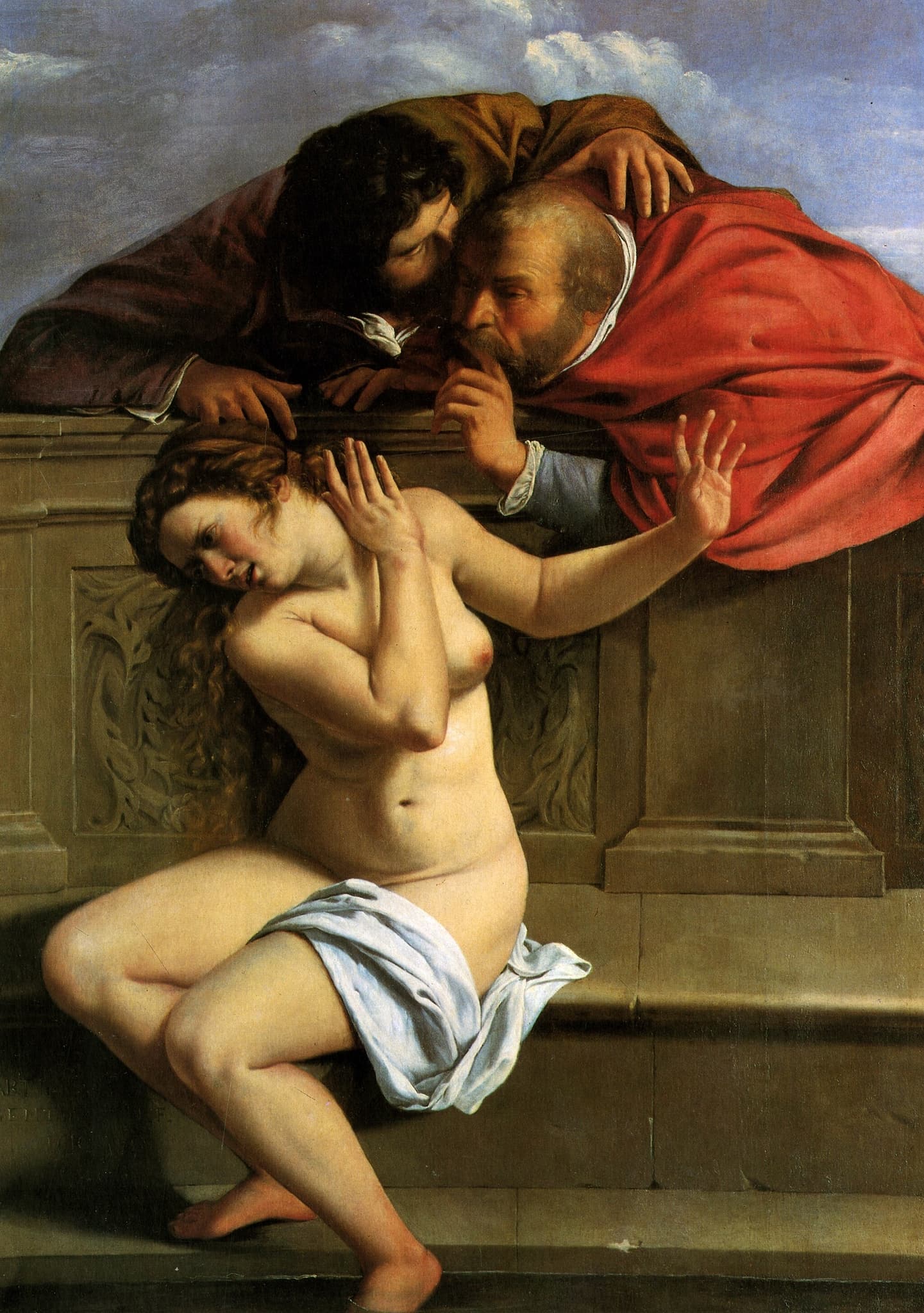
$3,000,000–$12,000,000
Assuming the Schloss Weißenstein canvas is an accepted autograph Artemisia in museum quality, 'Susanna and the Elders' is estimated at $3.0–12.0 million, with the top end driven by institutional competition.
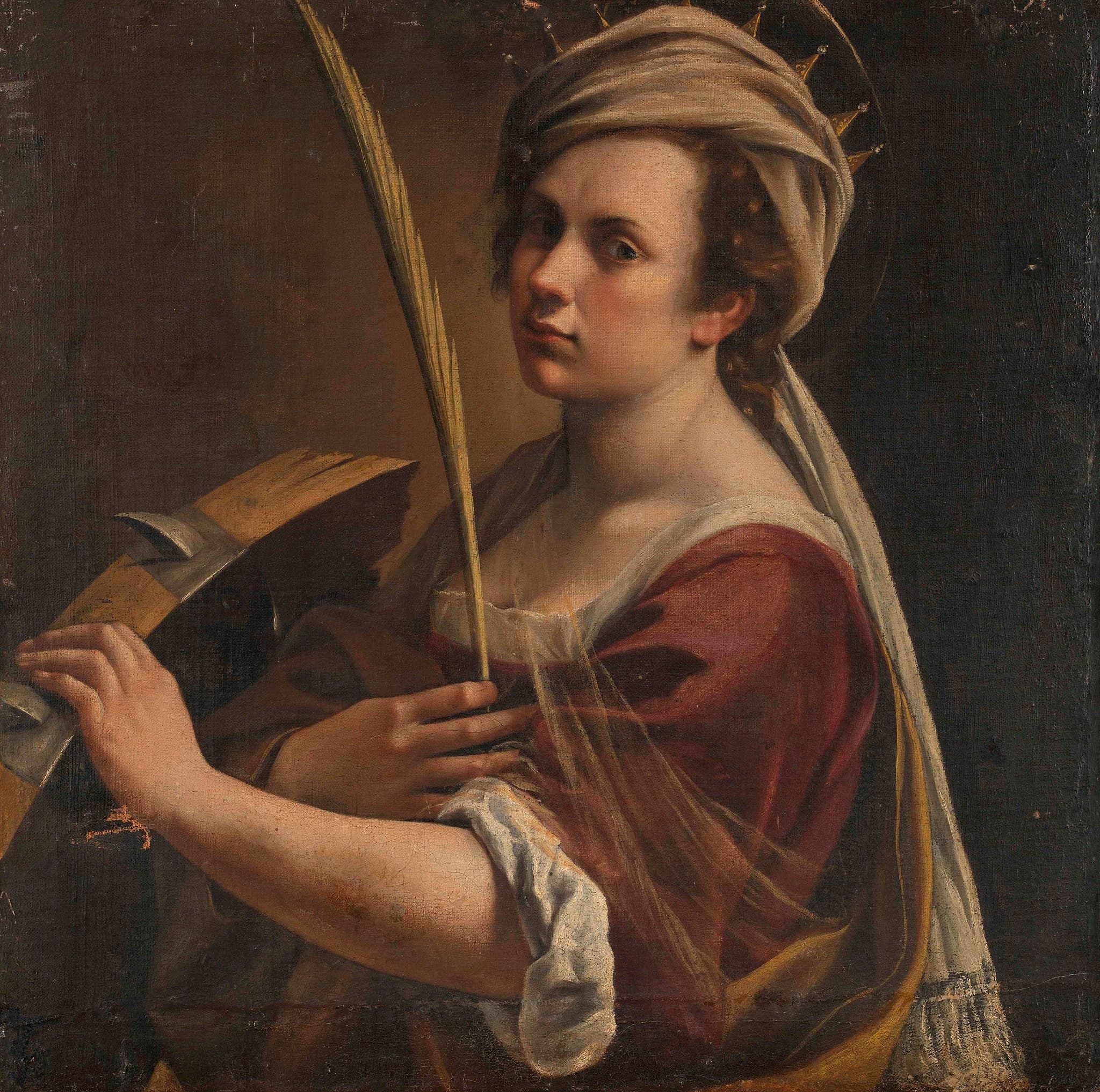
$3-12 million
Authenticated as an autograph in good condition with secure provenance, the 'Self‑Portrait as Saint Catherine' is estimated at $3–12M; doubtful attribution or workshop copies typically drop to $50k–$800k.
$3.5-8.0 million
A securely attributed, museum‑quality 'Lucretia' is estimated at $3.5–8.0M, a range anchored to its 2018–2019 public‑sale trajectory and contemporary Artemisia comparables.
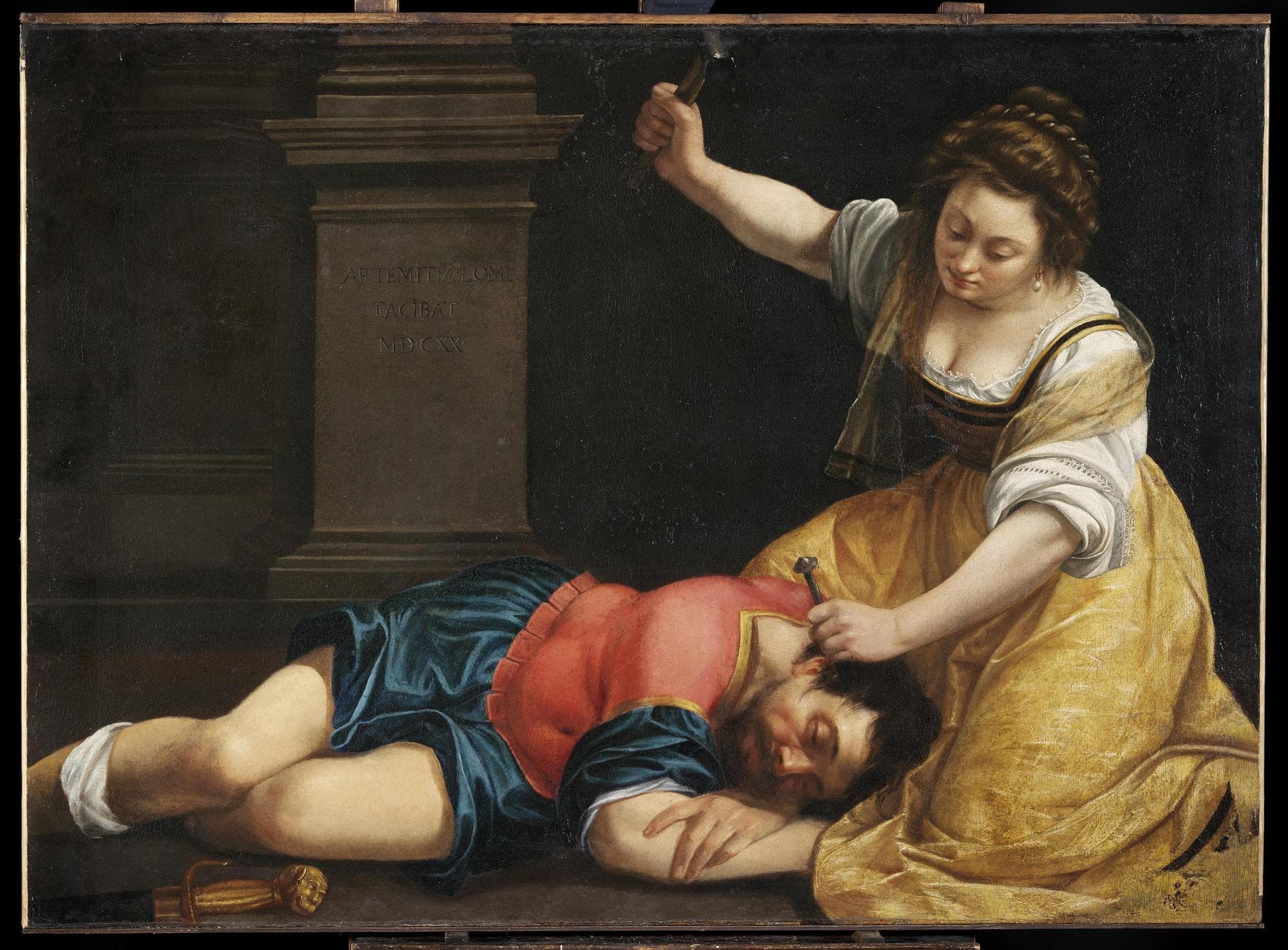
$3-8 million
As an accepted autograph in good or restorable condition, 'Jael and Sisera' is estimated at $3–8M at auction, anchored to recent Artemisia public‑sale benchmarks.
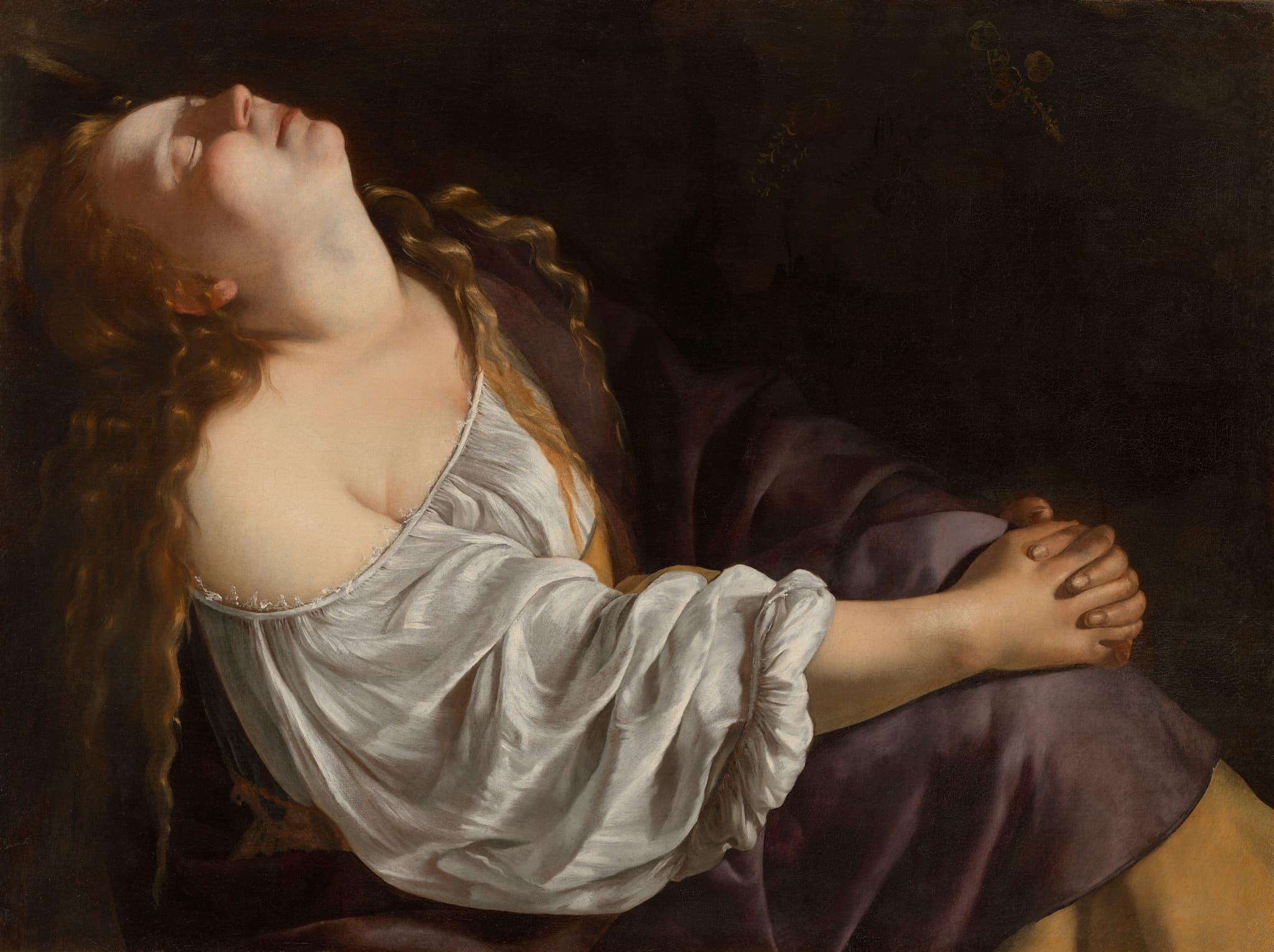
$1.5-6.3 million
Anchored to its €865,500 (≈US$1.18M) Sotheby’s 2014 sale and subsequent National Gallery of Art acquisition, 'Mary Magdalene in Ecstasy' is estimated at $1.5–6.3M.
What Drives Value in Artemisia Gentileschi's Work
Judith compositions and large‑scale biblical drama
Artemisia’s multiple Judiths (e.g., Judith Slaying Holofernes — Capodimonte; Judith and Her Maidservant) are her most canonized, museum‑worthy subjects. Their graphic subject matter, large format and centrality to narratives about female agency make any securely attributed Judith a “trophy” lot. Because major Judith canvases are institutionally retained, a fresh autograph Judith commands a disproportionate premium (driving the Capodimonte hypothetical $50–100M band) versus her portrait or genre works.
Self‑portrait/allegorical identity as reputational anchors
Works that function as self‑portraits and professional manifestos — notably Self‑Portrait as the Allegory of Painting (La Pittura) and Self‑Portrait as Saint Catherine — carry outsized value because they define Artemisia’s persona in scholarship and exhibitions. La Pittura’s Stuart/Royal provenance and Saint Catherine’s rarity make them replacement‑grade objects: institutions and insurers price these above routine auction comparables (the Christie’s 2026 self‑portrait benchmark underlines the premium for authenticated, persona‑defining works).
Attribution certainty via technical signatures (pentimenti, IRR, pigments)
For Artemisia, technical corroboration is often decisive. Infrared reflectography revealing underdrawing, X‑rays showing pentimenti, and pigment/ground matches move a canvas from ‘workshop/attributed’ to accepted autograph — multiplying value. Examples cited (Jael and Sisera, several Judith canvases) show that confirmed technical markers of Artemisia’s hand unlock institutional buying and highest estimates, while ambiguous or conflicting technical evidence typically collapses bids to the studio/attributed tier.
Provenance, institutional ownership and legal status (liquidity vs replacement premium)
Provenance and museum custody shape Artemisia prices peculiarly: La Pittura (Royal Collection) and the Capodimonte Judith are essentially non‑marketable yet command high insurance/replacement valuations. Conversely, provenance gaps or wartime ownership issues (the Budapest Jael’s 1933–45 gap) materially suppress interest. Institutional acquisitions (e.g., NGA Mary Magdalene) validate attributions and raise future comparables, but public ownership also converts market value into theoretical, liquidity‑constrained premiums.
Market Context
Artemisia Gentileschi’s auction market has strengthened markedly over the past decade, driven by major exhibitions, technical studies, rediscoveries and active institutional buying; flagship demand is led by major museums and deep‑pocketed private collectors. Public benchmarks cluster in the low‑to‑mid single‑digit millions, capped by the $5.687 million record at Christie’s New York in 2026, while truly canonical, museum‑quality canvases attract premiums well above published highs in private and institutional contexts. After a muted 2024, 2025–early 2026 brought renewed momentum—strong consignments, higher sell‑throughs and headline sales—yet supply remains scarce and the market is highly attribution‑sensitive. The trajectory is upward but selective: securely attributed, exhibition‑ready masterpieces command intense competitive bidding; mid‑tier or uncertain works remain price‑sensitive.