Most Expensive Caspar David Friedrich Paintings
Caspar David Friedrich occupies a unique market standing as the preeminent figure of German Romanticism whose brooding, meditative canvases have become blue-chip assets for museums and private collectors alike. Works such as The Sea of Ice and The Wanderer above the Sea of Fog—each currently valued in the roughly $100–150 million range—sit at the summit of his market, commanding stratospheric interest because of their rarity, iconic status and outsized cultural cachet. Even alternative estimates for Wanderer above the Sea of Fog put it between $80–150 million, underscoring how provenance, condition and exhibition history drive valuation. Mid-tier masterpieces like Monk by the Sea ($15–50 million) and Chalk Cliffs on Rügen ($8–25 million) attract institutions seeking emblematic Romantic vistas, while altar and seascape pieces such as Cross in the Mountains ($5–20 million) and Moonrise by the Sea ($5–15 million) are prized for spiritual resonance and technical finesse. Lesser-priced but still collectible works—The Abbey in the Oakwood ($3–8 million), The Watzmann ($3–6 million) and Two Men Contemplating the Moon ($1–4 million)—complete a market where rarity, mythic subject matter and historical influence dictate desirability.

$80-150 million
Residing in the Hamburger Kunsthalle and absent from modern auctions, its icon status and extreme rarity among private Friedrich oils would drive a globally marketed sale.

$100-150 million
As Friedrich’s definitive masterpiece with unparalleled cultural recognition and virtually no private comparables, it commands nine‑figure trophy valuation despite limited auction precedent.
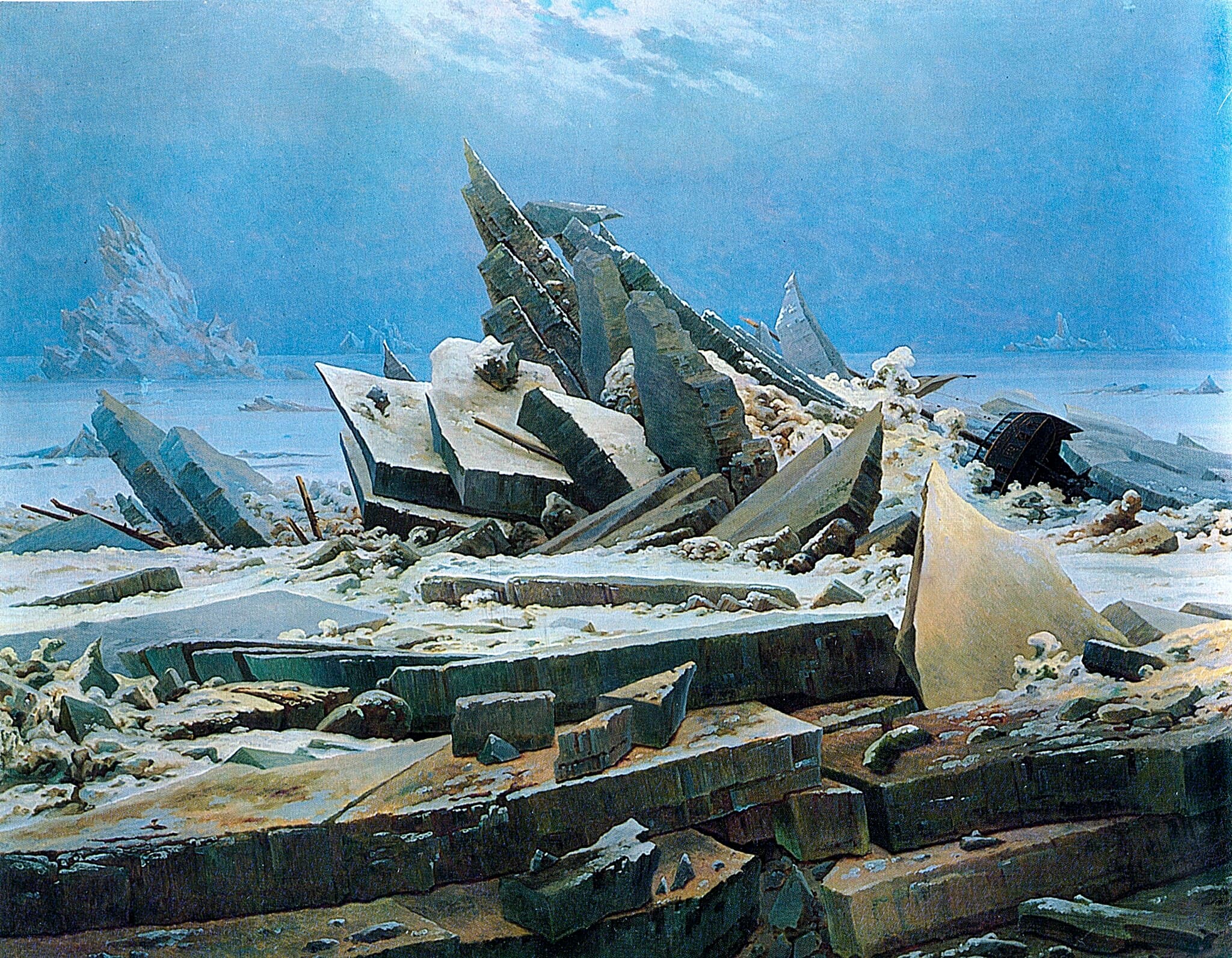
$100-150 million
Held by the Hamburger Kunsthalle since 1905 with no modern sale history, its market scarcity and canonical status underpin a rare masterpiece premium.

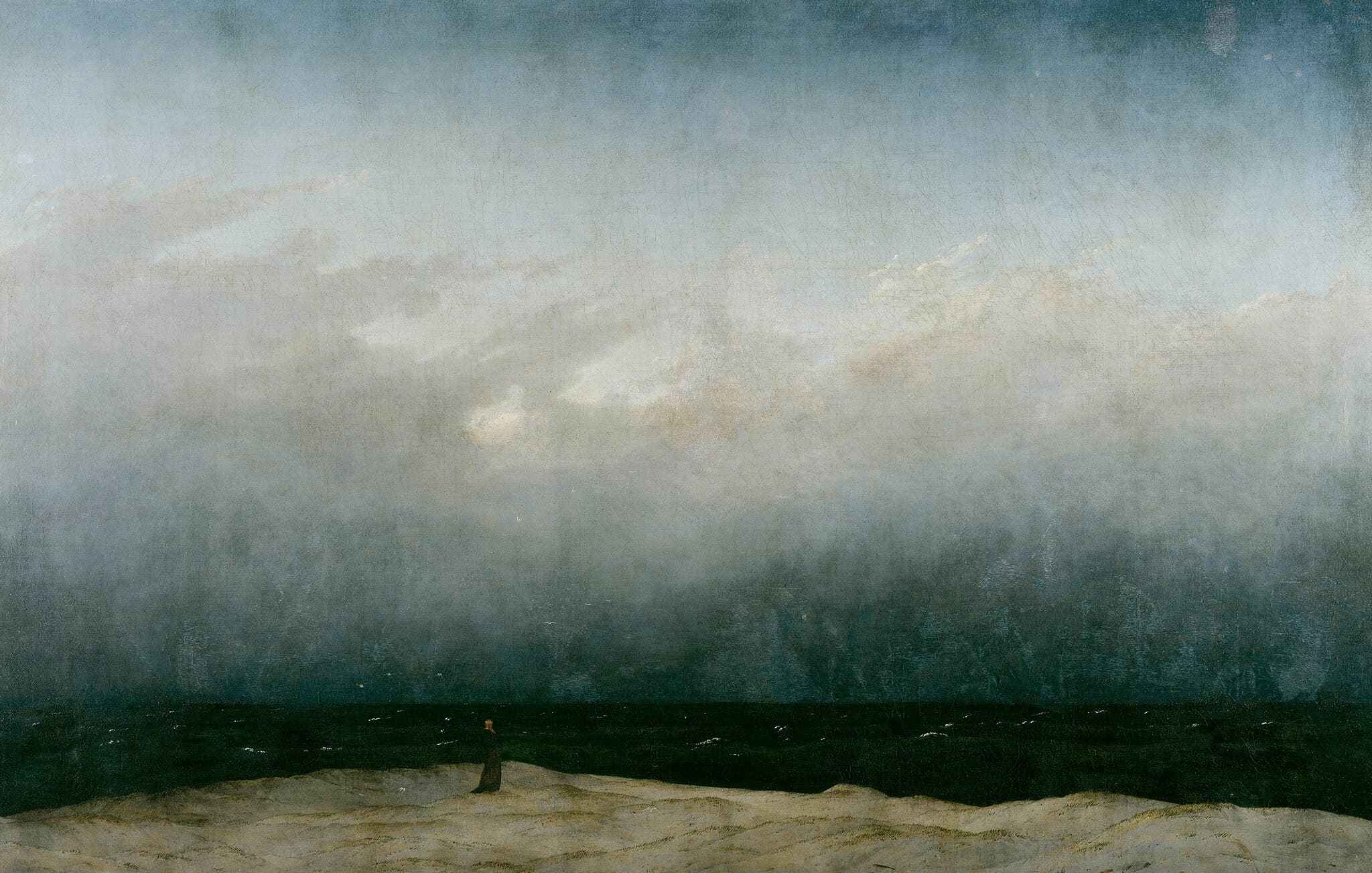
$15-50 million
Effectively inalienable in the Alte Nationalgalerie, its canonical museum provenance and near‑absence from market comparables greatly constrain buyer pool and price realizations.
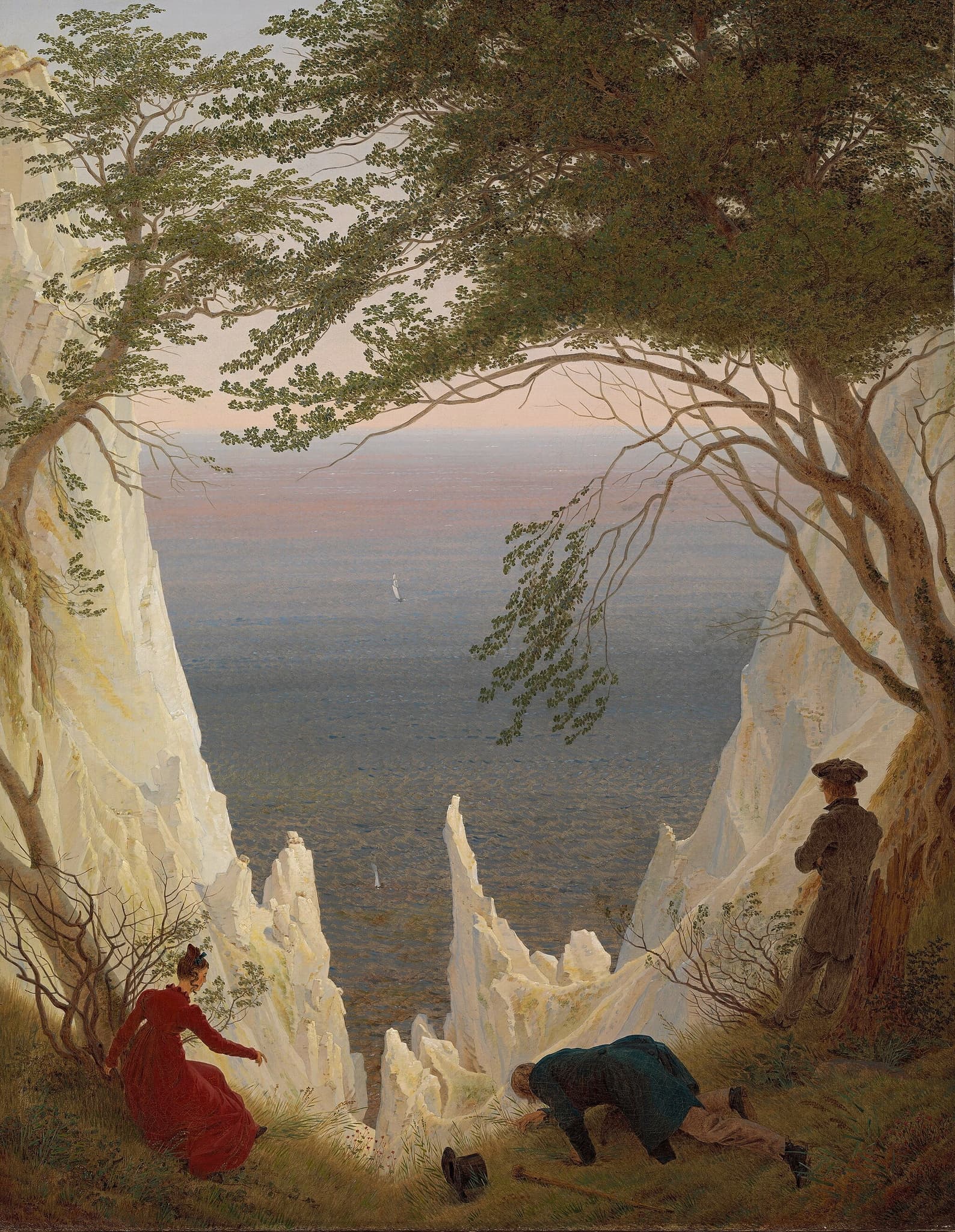
$8,000,000 - $25,000,000
Assuming confirmed autograph status, museum quality and excellent condition, provenance and conservation materially support a mid‑single to low‑double‑digit million market band.
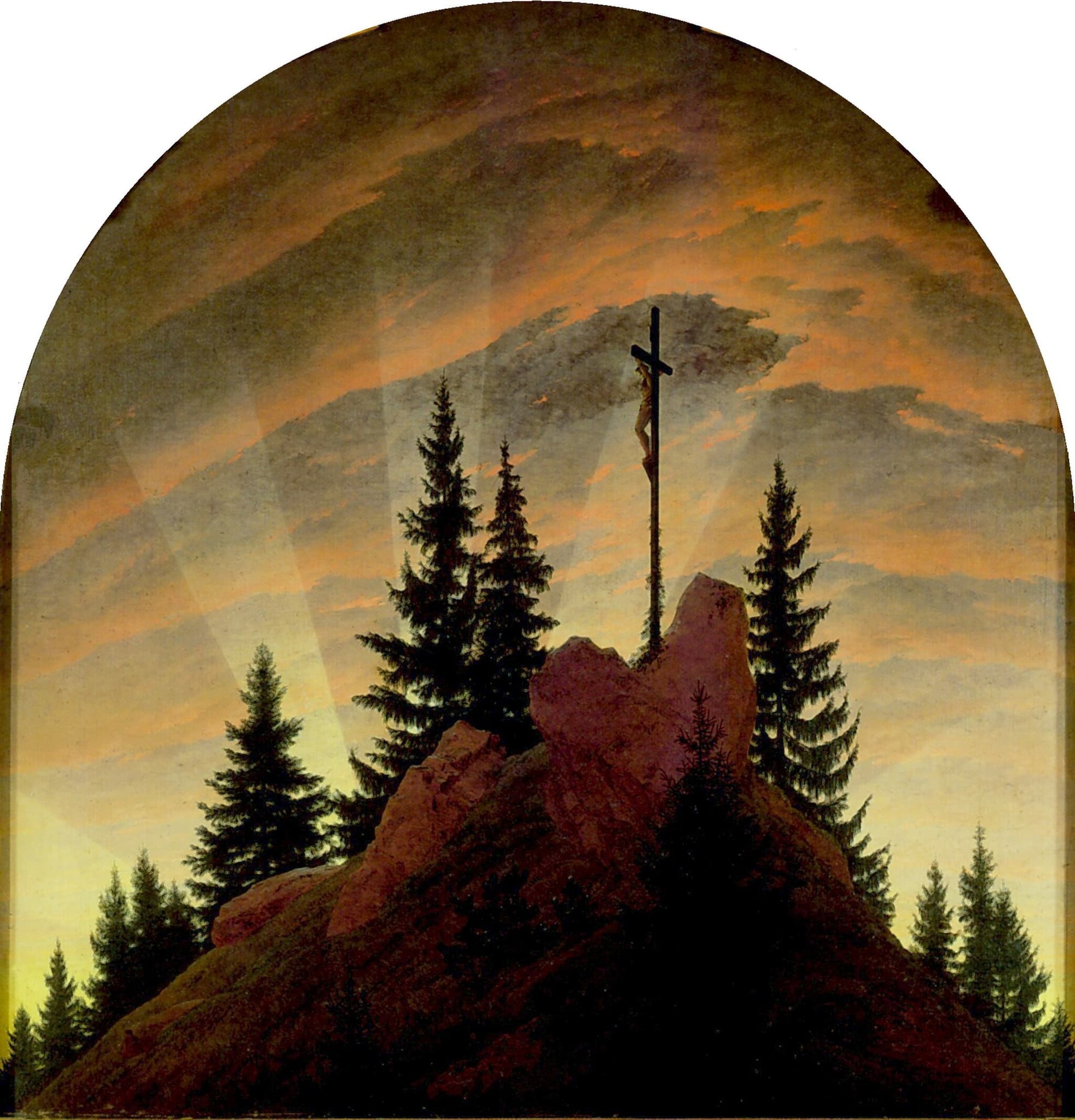
$5-20 million
Despite its art‑historical importance, German heritage/export constraints and limited buyer demand materially depress achievable prices relative to its museum stature.
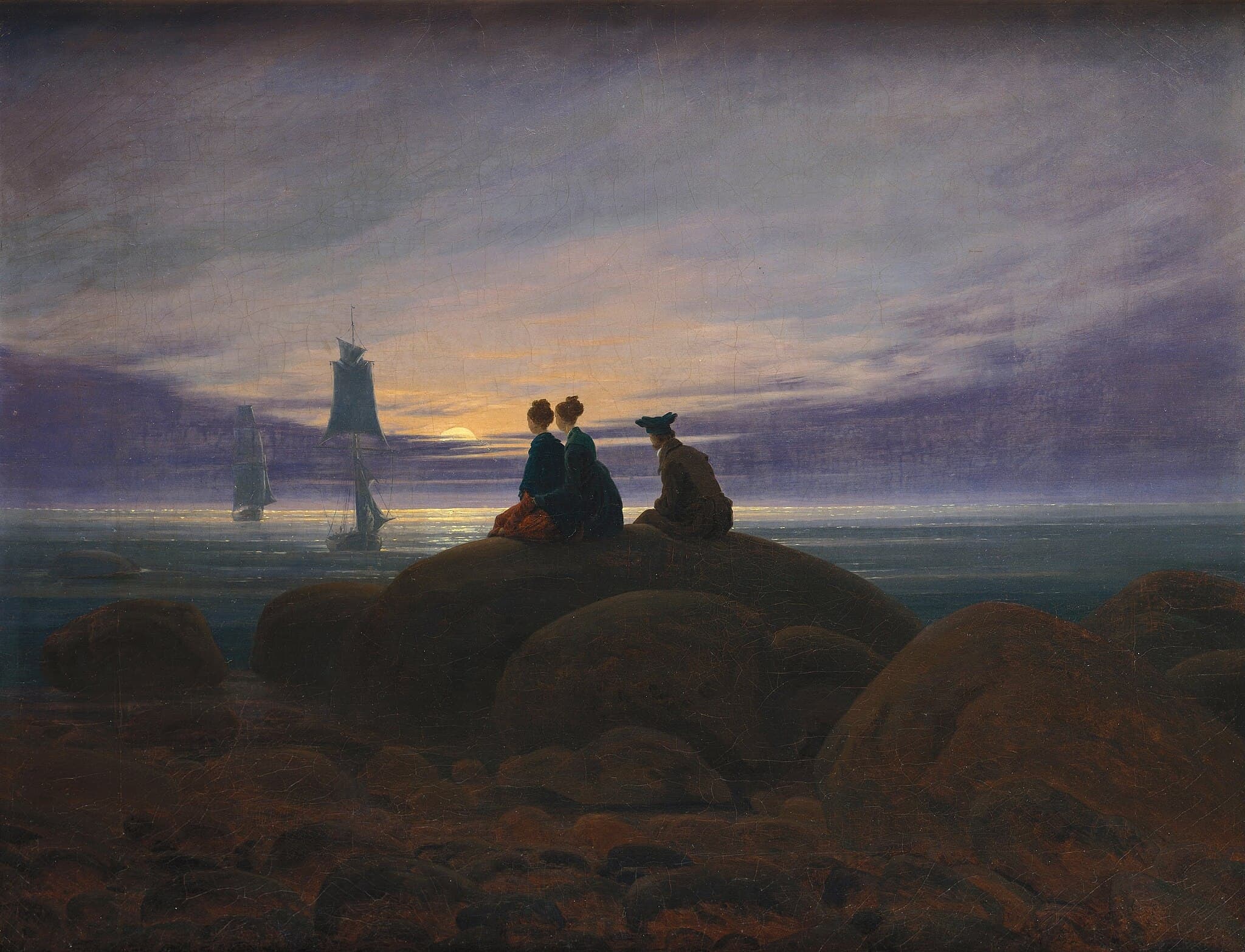
$5-15 million
As an Alte Nationalgalerie canvas never publicly offered, auction anchors set the floor while iconography and institutional competition justify a multi‑million ceiling.
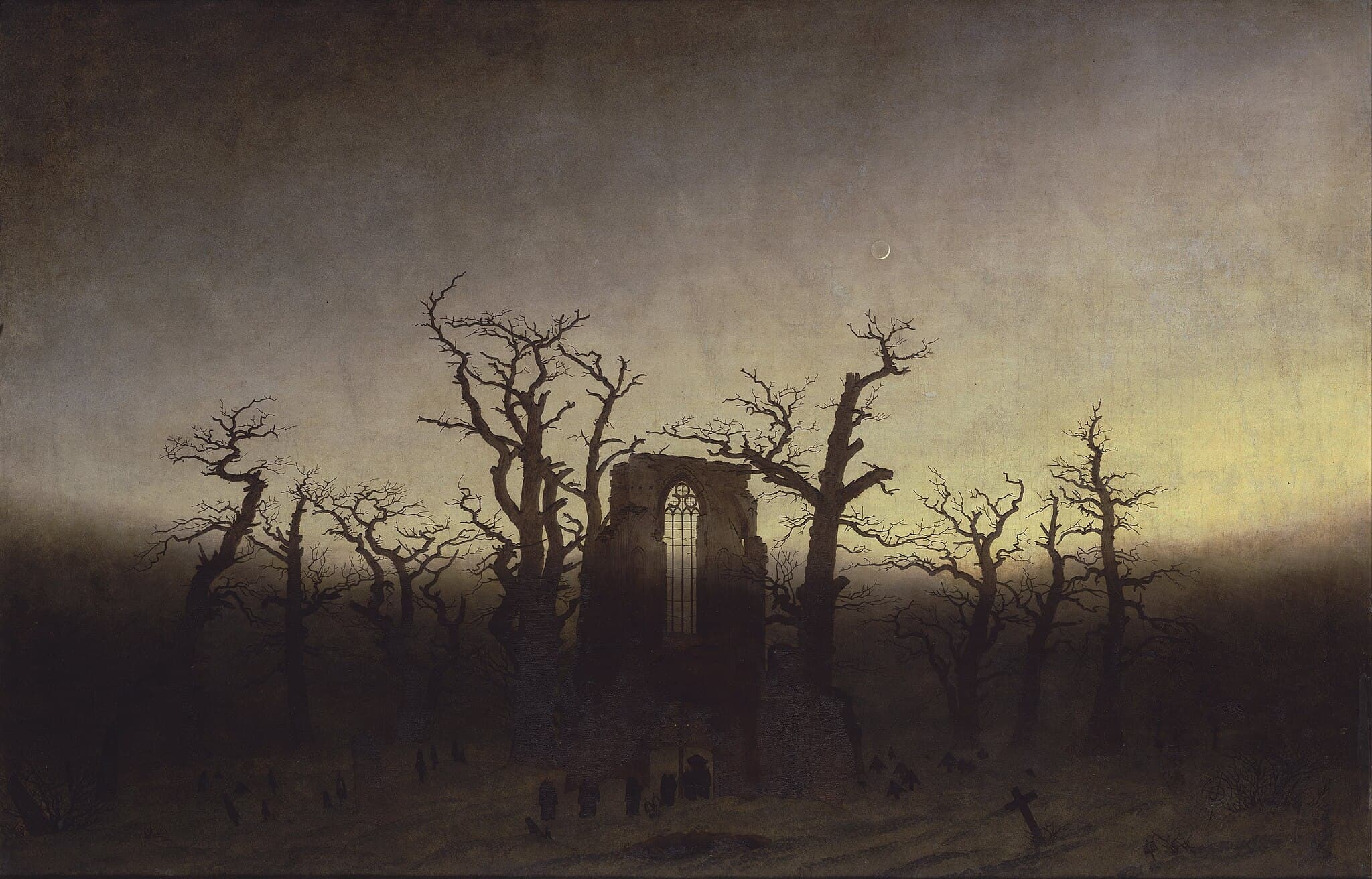
$3-8 million
Museum custody, thin Friedrich market comparables, and exportability/legal constraints are the primary factors limiting its achievable open‑market valuation.

$3,000,000 - $6,000,000
Long‑term loan status and condition, plus recent Sotheby’s public‑sale anchors for museum‑quality Friedrich oils, frame a modest multi‑million hypothetical range.
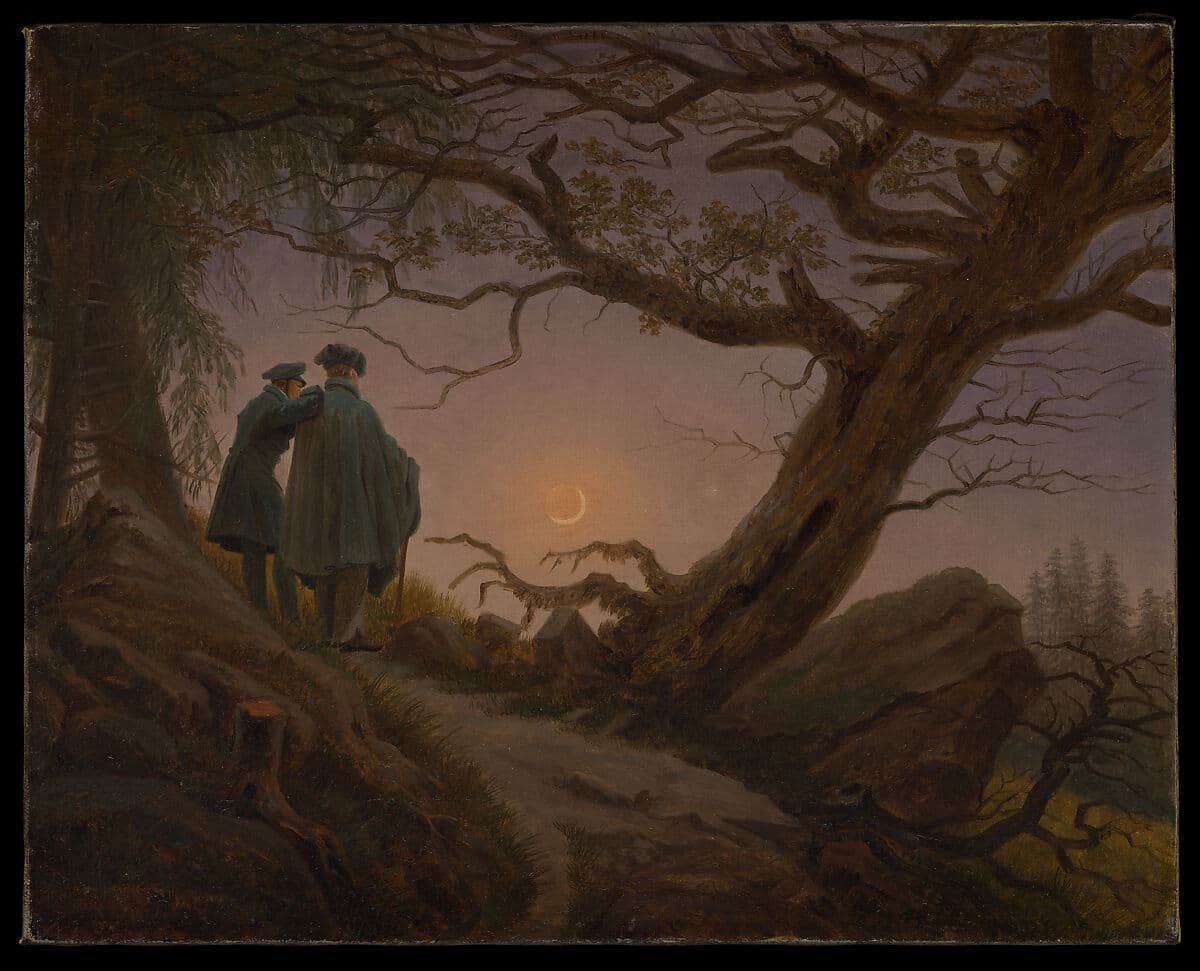
$1,000,000–$4,000,000
Direct transactional comparables—including a later autograph repetition sold at Christie’s in 1999—and the 2018 Sotheby’s auction ceiling anchor its low‑to‑mid‑million estimate.
What Drives Value in Caspar David Friedrich's Work
Canonical Icon Status & Cultural Resonance
Friedrich works that function as cultural touchstones—Wanderer above the Sea of Fog, The Sea of Ice, Monk by the Sea—trade on global recognizability rather than usual artist comparables. Their ubiquity in textbooks, exhibitions and popular culture expands the bidder universe to generalist trophy buyers and museums, producing non‑linear premiums. In practice, an offered canonical image triggers cross‑category competition and valuation leaps far above Friedrich’s routine auction anchors.
Medium and Absolute Scarcity of Museum‑Quality Oils
Value for Friedrich is heavily concentrated in autograph oils, most of which are museum‑held and rarely market‑available; public auction anchors (c. $3.1–3.2M in 2018) reflect second‑tier supply. Works on paper now show strong seven‑figure demand but are not substitutes for landmark canvases. Thus whether a work is a large, autograph oil (e.g., Chalk Cliffs on Rügen, The Watzmann) versus a drawing determines if pricing follows thin ‘‘trophy’’ extrapolation or modest auction comps.
Provenance, Museum Custody and Heritage Constraints
Long institutional provenance elevates scholarly certainty for items like Chalk Cliffs (Reinhart), Moonrise (Wagener→Nationalgalerie) and Abbey in the Oakwood, but it also makes deaccession unlikely and invites German export protections (e.g., Karlsruhe sketchbook precedent). That duality—higher theoretical value but restricted marketability—means museum custody can compress realized prices and channel outcomes toward domestic public solutions rather than an open international trophy sale.
Autograph Authentication, Condition and Technical Dossier
For Friedrich, clear attribution and conservation history materially change outcomes: confirmed autograph status and clean technical reports (IRR/X‑ray/pigment analysis) unlock institutional bids for compositions like Two Men Contemplating the Moon or Chalk Cliffs. Conversely, heavy relining, overpaint or contested attribution (studio/circle) sharply reduces buyer appetite. In short, the presence or absence of a definitive technical dossier is a first‑order determinant of whether a canvas reaches its trophy potential.
Market Context
Caspar David Friedrich’s auction market is defined by acute scarcity of prime oils, strong institutional ownership and rising interest across works on paper: the public oil record remains c.£2.53m/$3.2m (Sotheby’s London, 2018), while museum acquisitions such as the Saint Louis Art Museum’s c.$2.75m purchase and Germany’s intervention to keep a 1804 sketchbook (hammer ~€1.45m; ~€1.82m with premium, 2023) underline institutional demand. Recent activity—most notably a high‑quality drawing at Sotheby’s New York in 2025 for $720,000—shows drawings outperforming and sketchbooks gaining liquidity. Collectors, museums and national heritage bodies drive non‑linear premiums for canonical oils; export controls and private treaty routes frequently shape outcomes. Overall trajectory: expanding global recognition and scholarship have intensified demand, while constrained top‑end supply keeps true masterpieces institutionally prized and capable of far exceeding auction anchors.
Study prints from famous works by Caspar David Friedrich
Curated print bundles pairing the full artwork with a close reading of one meaningful detail.
