Caspar David Friedrich
Biography
Themes in Their Work
Compare Caspar David Friedrich
Most Expensive Caspar David Friedrich Paintings
Explore ranked valuations of Caspar David Friedrich's most valuable works →
Featured Artworks
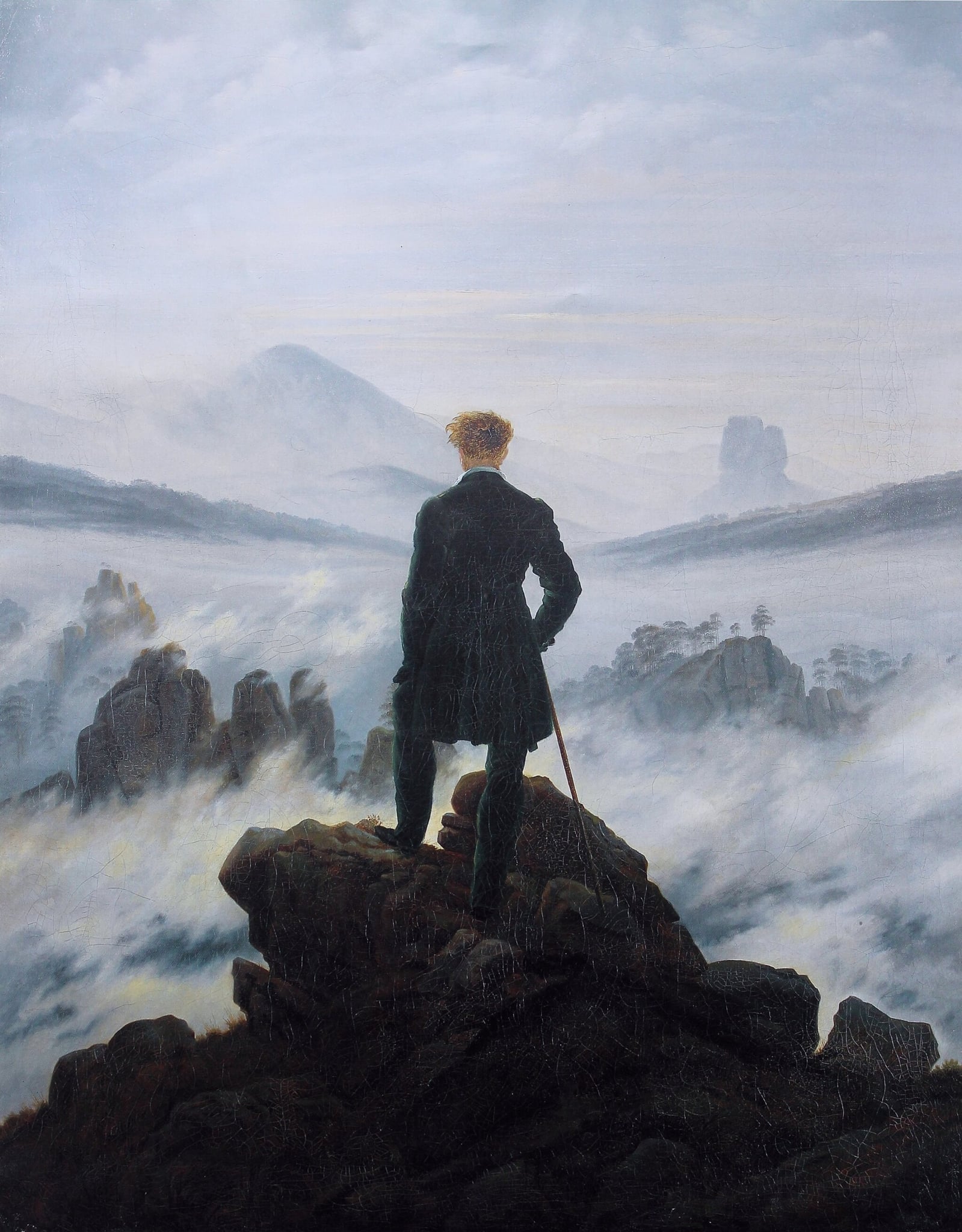
Wanderer above the Sea of Fog
Caspar David Friedrich (ca. 1817)
A solitary figure stands on a jagged crag above a churning <strong>sea of fog</strong>, his back turned in the classic <strong>Rückenfigur</strong> pose. Caspar David Friedrich transforms the landscape into an inner stage where <strong>awe, uncertainty, and resolve</strong> meet at the edge of perception <sup>[3]</sup><sup>[5]</sup>.
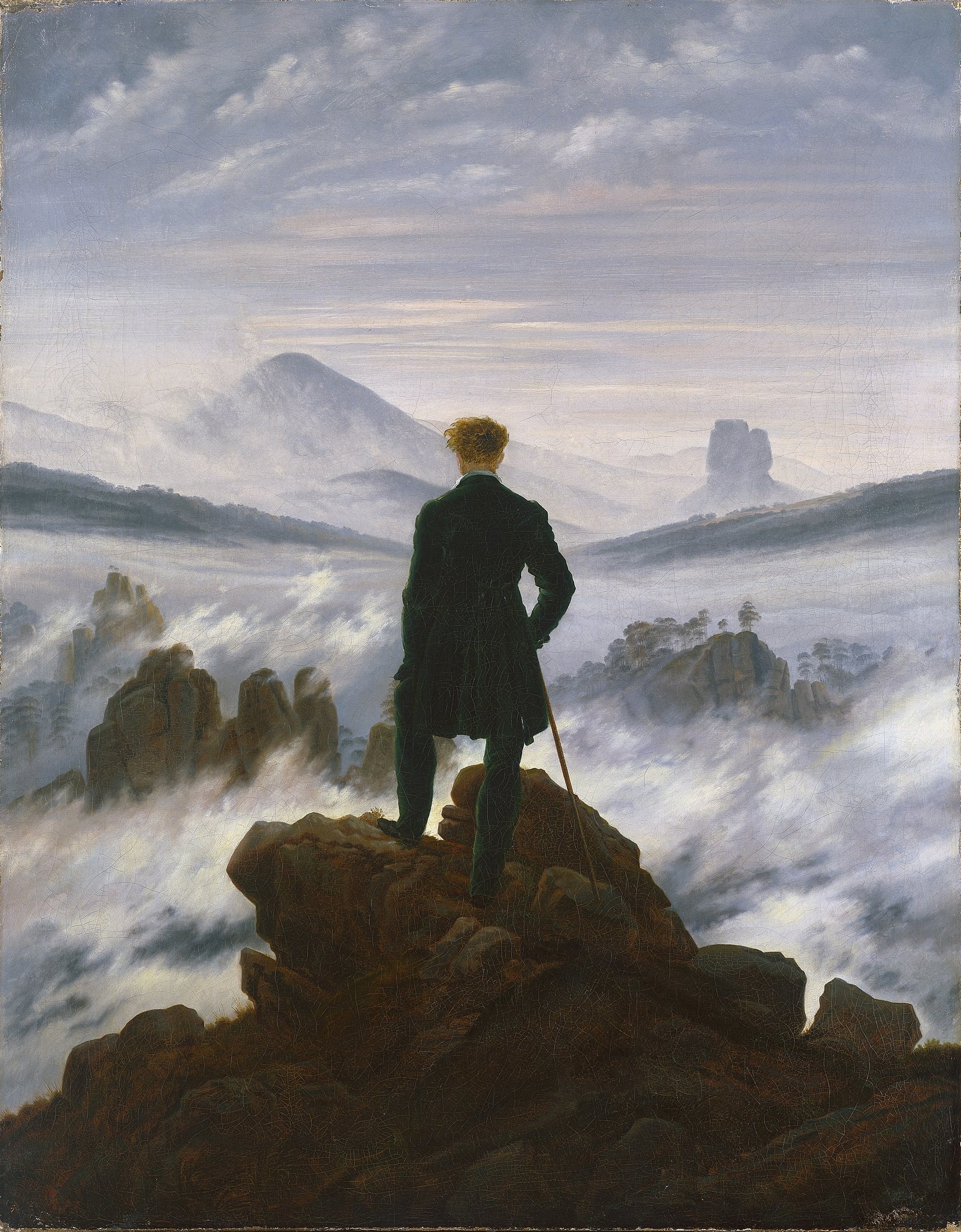
The Wanderer above the Sea of Fog
Caspar David Friedrich (ca. 1817)
Caspar David Friedrich’s The Wanderer above the Sea of Fog distills the Romantic encounter with nature into a single <strong>Rückenfigur</strong> poised on jagged rock above a rolling <strong>sea of mist</strong>. The cool, receding vista and the figure’s still stance convert landscape into an <strong>inner drama of contemplation</strong> and the <strong>sublime</strong> <sup>[1]</sup><sup>[3]</sup>.
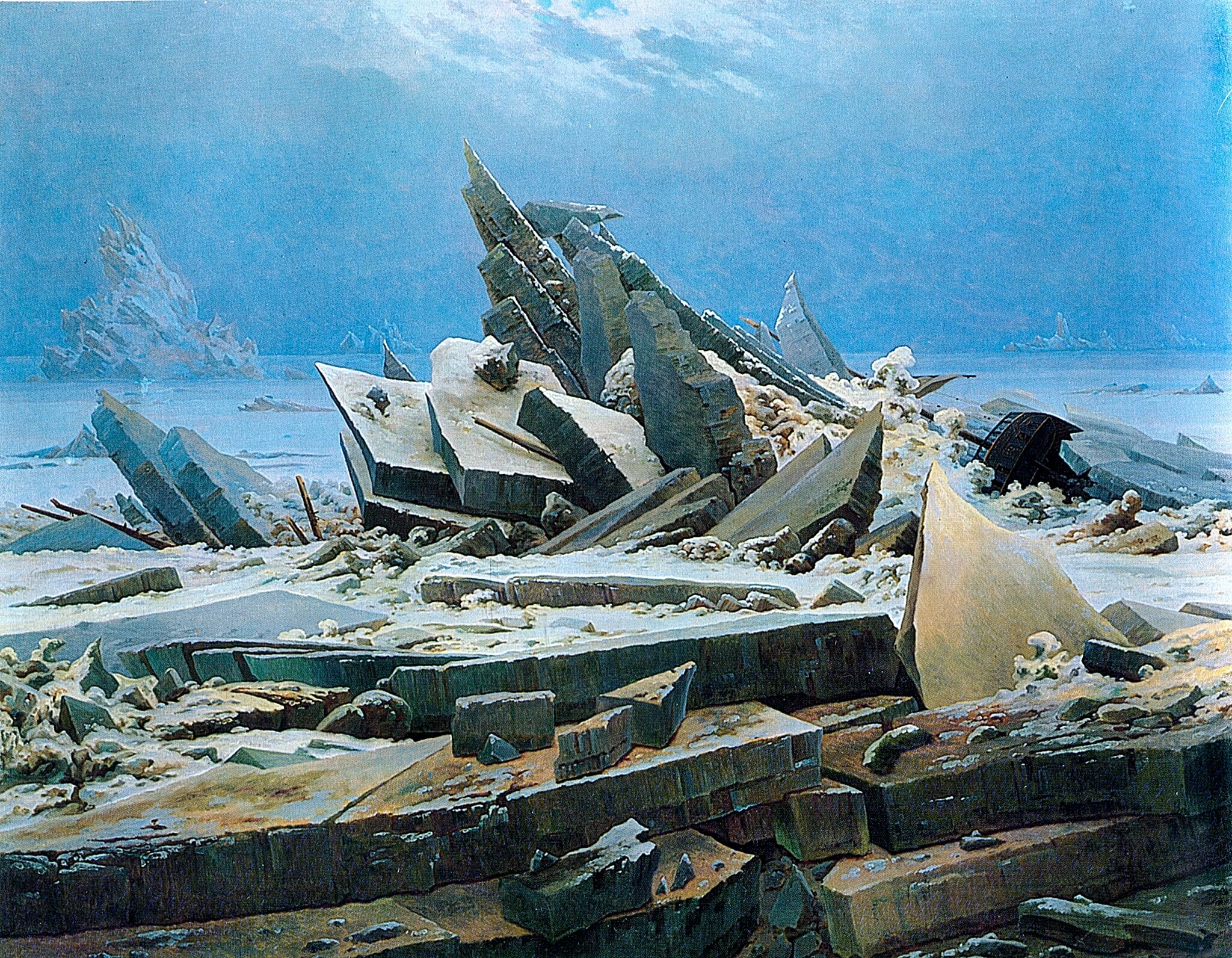
The Sea of Ice
Caspar David Friedrich (1823–1824)
Caspar David Friedrich’s The Sea of Ice turns nature into a <strong>frozen architecture</strong> that crushes a ship and, with it, human pretension. The painting stages the <strong>Romantic sublime</strong> as both awe and negation, replacing heroic conquest with the stark finality of ice and silence <sup>[1]</sup><sup>[3]</sup>.