Most Expensive Frida Kahlo Paintings
Frida Kahlo occupies a singular position in the art market, her paintings prized not only for their raw psychological candor and iconographic potency but also for their rarity and cultural significance; canvases like The Two Fridas, estimated between $180 and $240 million, and The Broken Column, at $100–150 million, have become benchmarks of both artistic and monetary value. Collectors prize Kahlo for the intimacy of her self‑portraits, the mythic fusion of personal pain and Mexican identity, and the way each work functions as a document and an emblem—qualities that underpin the $50–75 million range of El sueño (La cama) and the $30–60 million brackets that encompass Self‑Portrait with Cropped Hair and Self‑Portrait with Thorn Necklace and Hummingbird. Market interest extends across subjects and periods, from Viva la Vida’s watermelon vibrancy ($20–60 million) to the confessional Henry Ford Hospital and What the Water Gave Me (both $20–55/20–60 million), and to emotionally charged pieces like Diego y yo and The Suicide of Dorothy Hale (roughly $25–50/$30–50 million), all of which remain fiercely collectible.
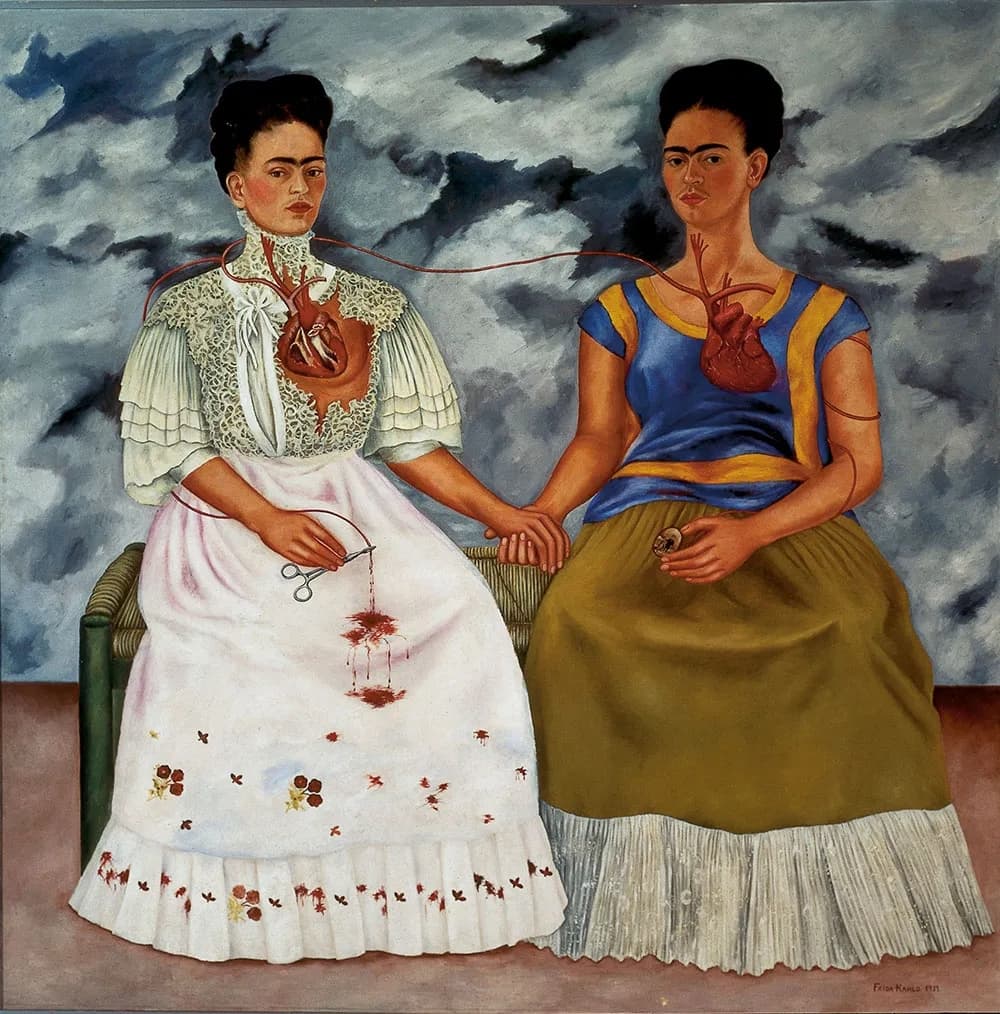
$180-240 million
Valued at $180–240M as Kahlo’s signature large‑scale masterpiece, the estimate is hypothetical because Mexican national patrimony effectively prevents any sale.
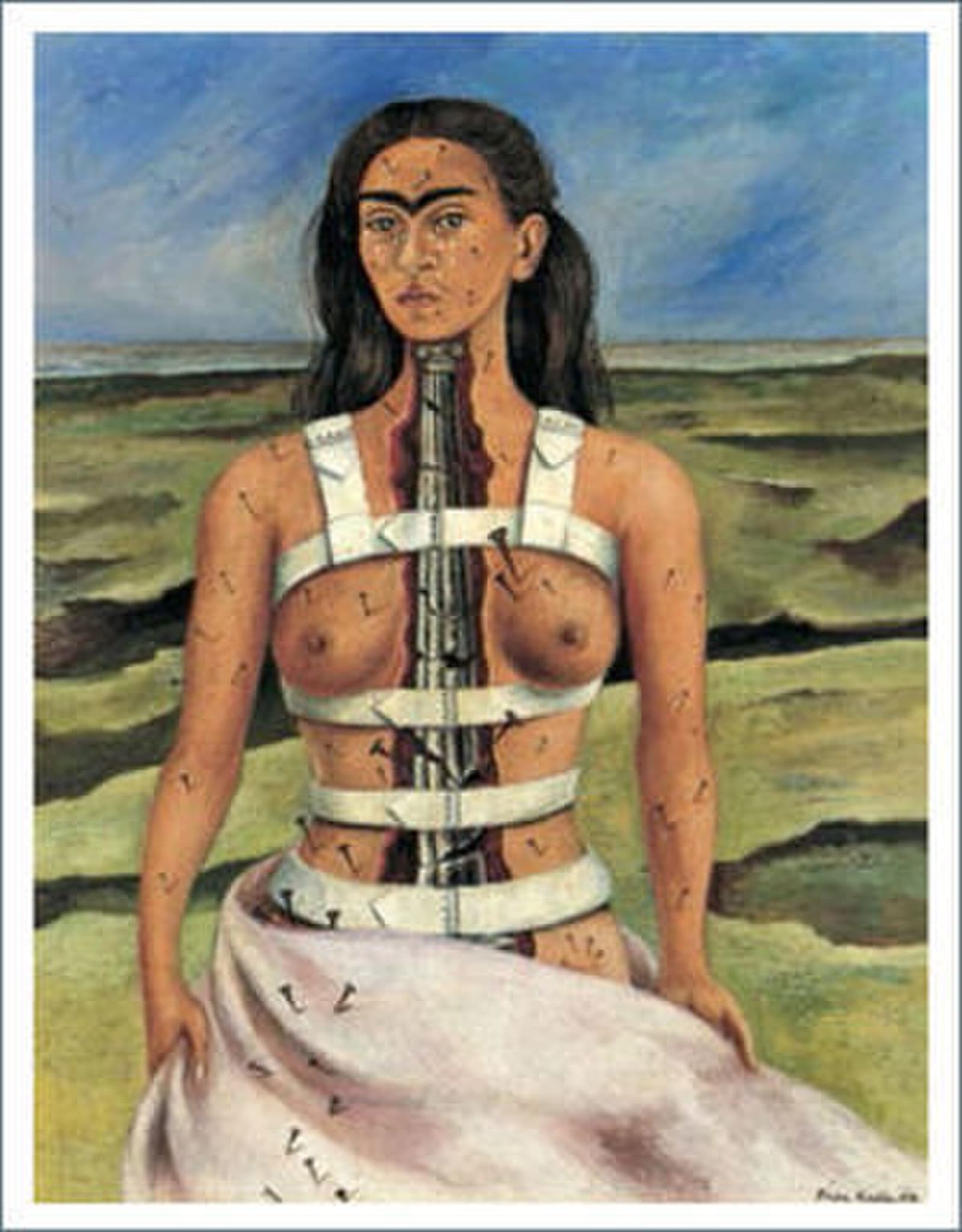
$100-150 million
Estimated $100–150M by applying a significant trophy premium to a canonical Kahlo self‑portrait, extrapolated from the artist’s 2025 auction record.
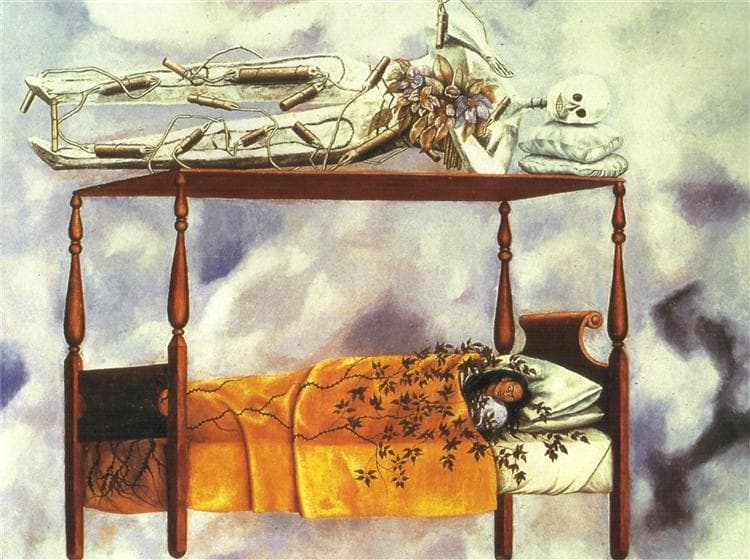
$50-75 million
The $50–75M range is directly anchored to the painting’s public auction result at Sotheby’s on 20 November 2025.
$30-60 million
Although estimated $30–60M for an auction‑ready sale, MoMA ownership and potential patrimony/donor encumbrances make an actual sale unlikely.
$20-60 million
The $20–60M hypothetical range assumes clear title and no patrimony/export restrictions, derived from recent high‑end Kahlo auction comparables.
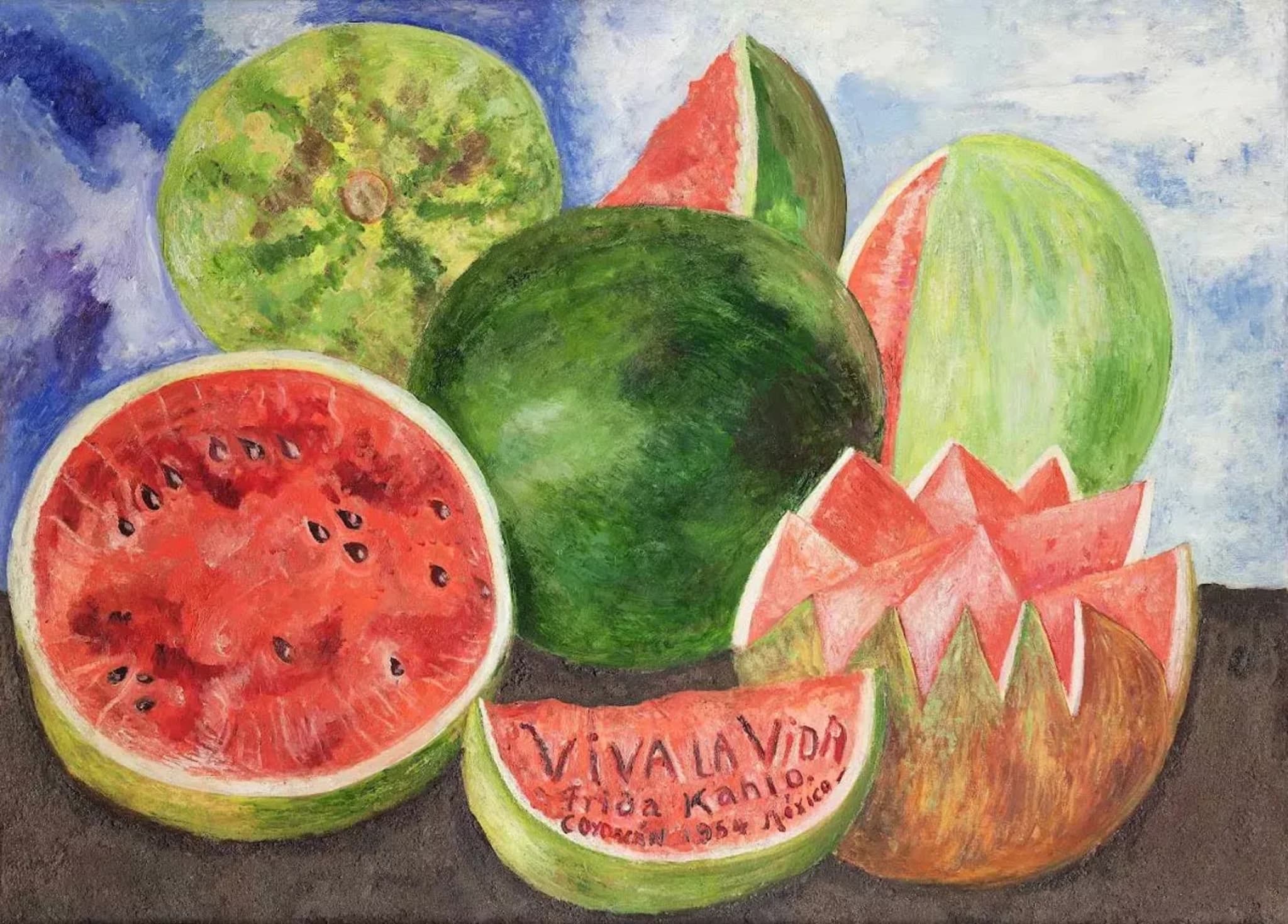
$20-60 million
Indicative $20–60M valuation hinges on confirmed ownership, legal exportability and condition despite the painting’s high cultural prominence.
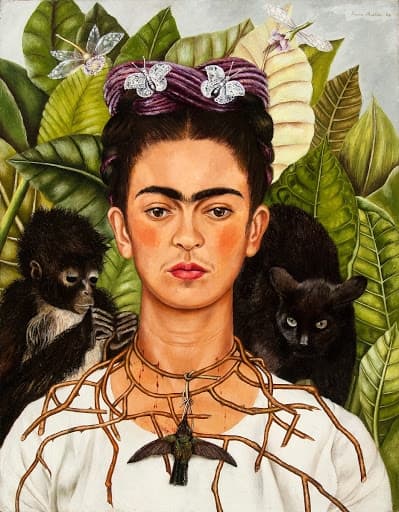
$30-60 million
Museum‑held and effectively off‑market, this self‑portrait’s defensible auction range is $30–60M with a working midpoint near $40–45M.
$20-55 million
Estimated $20–55M as a canonical, museum‑held work with high collector interest, subject to substantial downside if deaccession or condition issues arise.
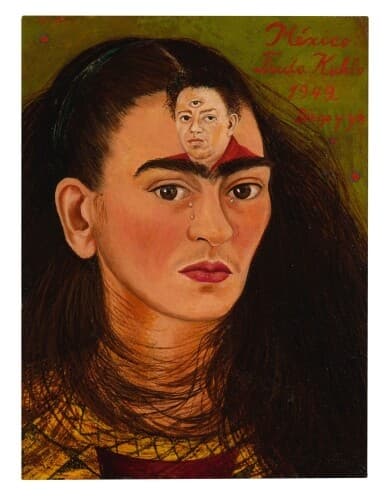
$30-50 million
The $30–50M auction band is anchored to this exact painting’s public sale on 16 November 2021, yielding a working estimate near $35M.
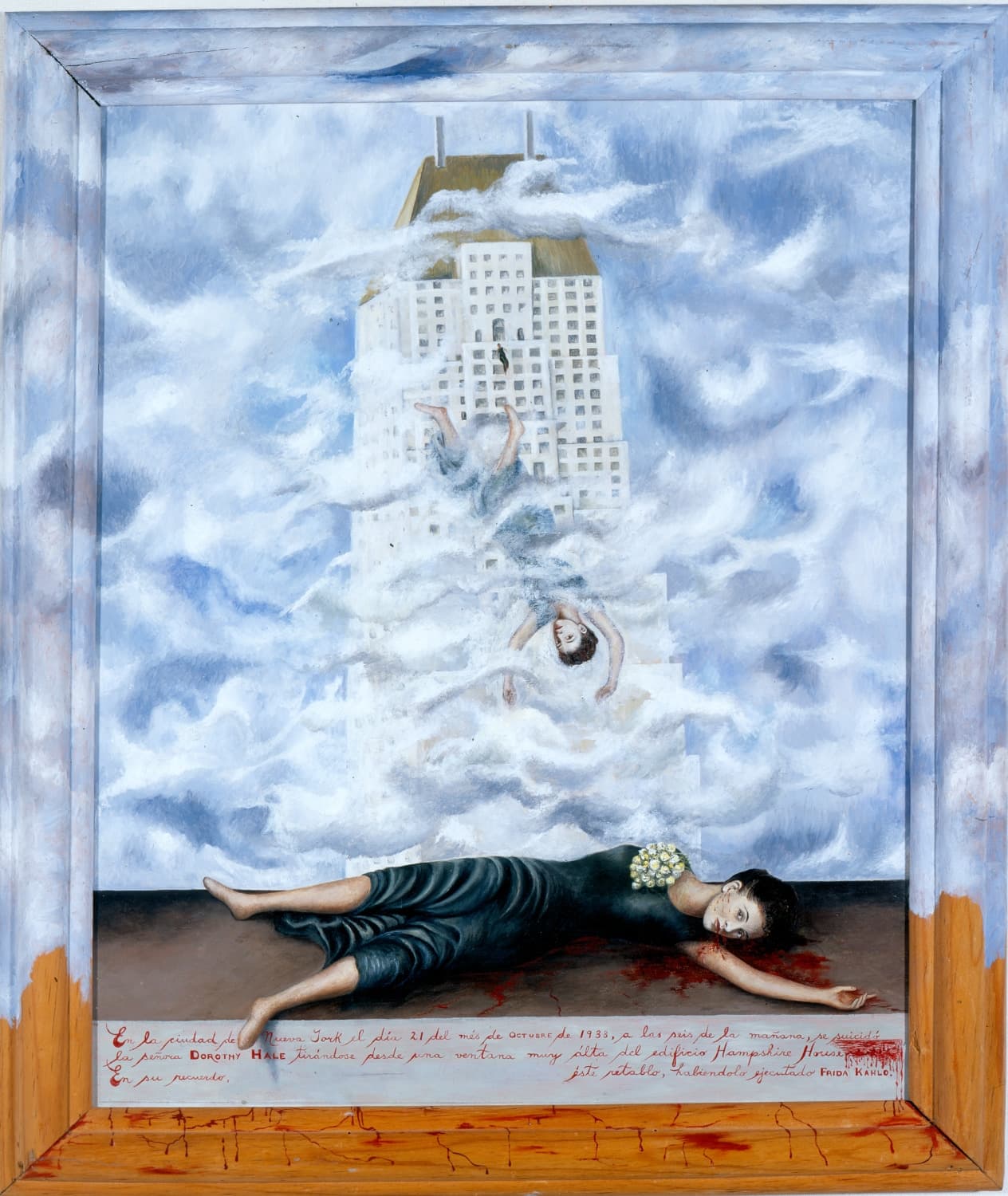
$25-50 million
Valued $25–50M, with the lower bound reflecting constrained sale scenarios (museum deaccession or private treaty) and the upper bound assuming major international auction competition.
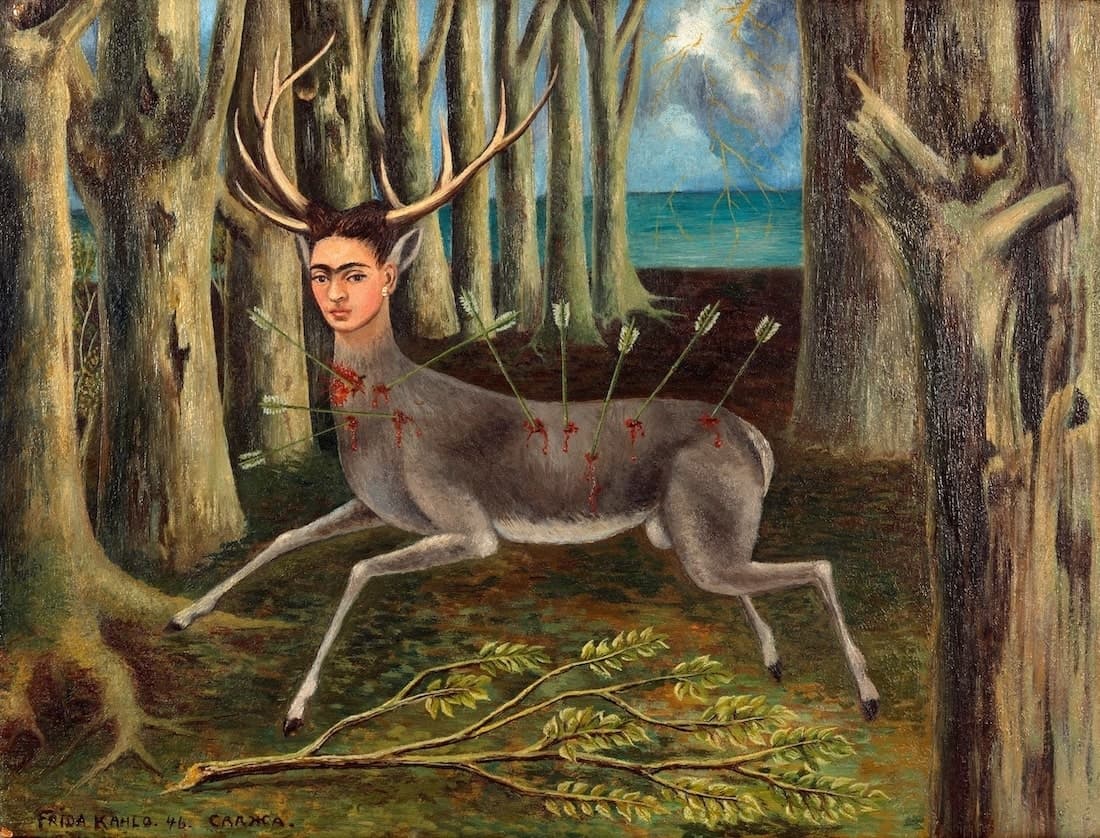
$12-35 million
Estimated $12–35M on the open market, but Mexican patrimony/export restrictions or unclear provenance could render the work effectively unsaleable.
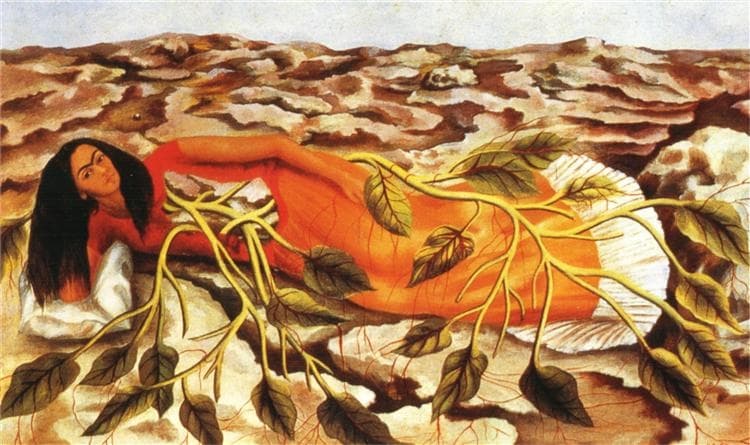
$8-20 million
The $8–20M present estimate is anchored to Roots’ 24 May 2006 Sotheby’s sale for $5,616,000 and adjusted for Kahlo’s stronger subsequent market.
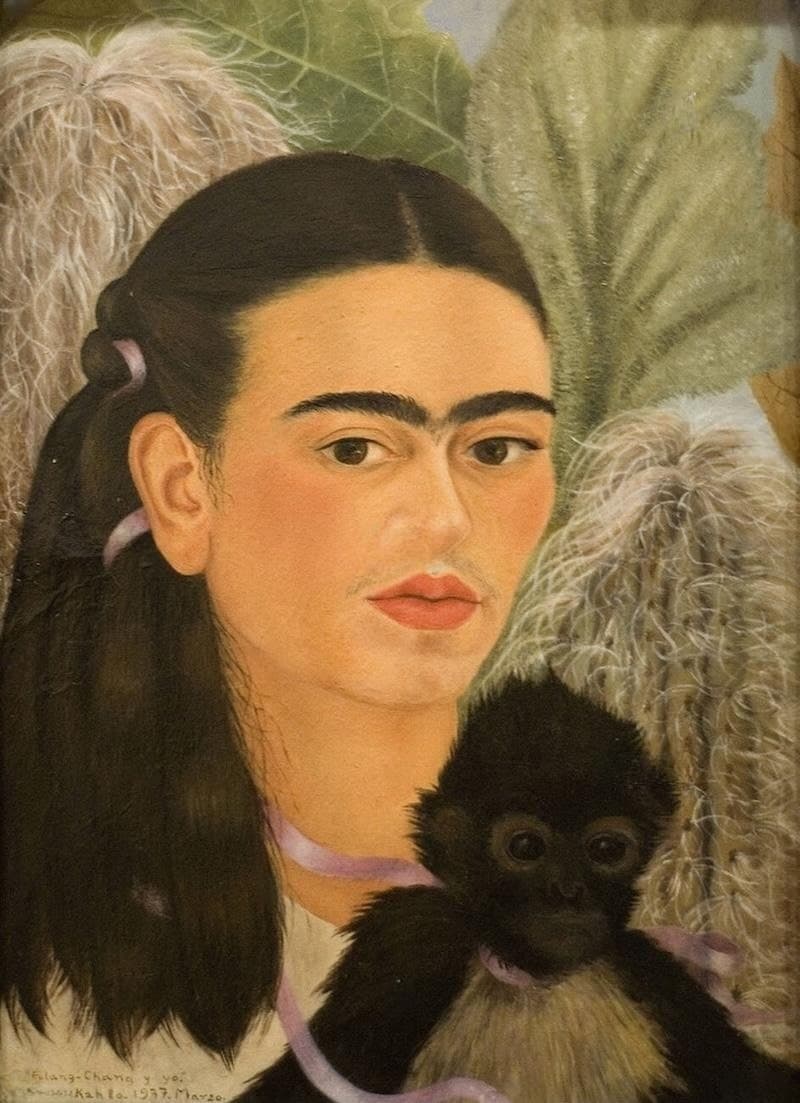
$6–15 million (public auction); $8–20 million (private sale)
MoMA‑held and untested at auction, Fulang‑Chang and I is estimated $6–15M publicly but could fetch $8–20M in a discreet private sale.
$6.0-12.0 million
The $6–12M estimate is anchored to the identical work’s Christie’s New York sale on 12 May 2016, which realized $8,005,000.
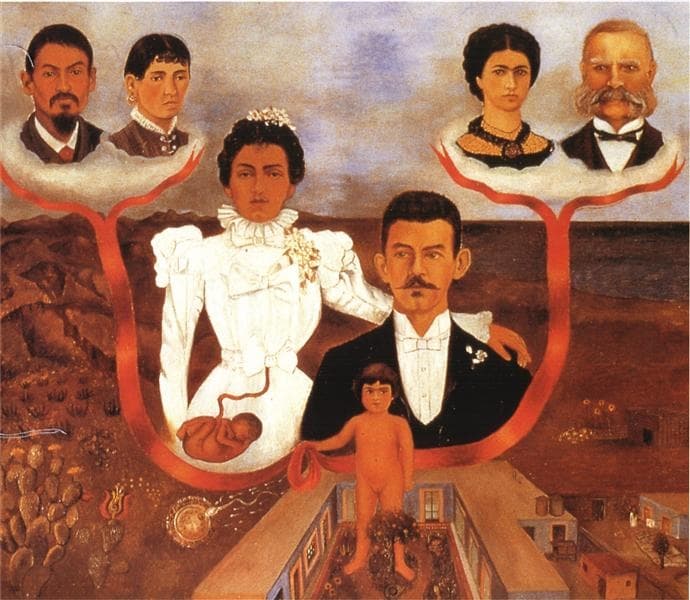
$2-10 million
Although museum‑held (MoMA) with strong provenance, the small zinc support and modest scale constrain Family Tree’s hypothetical market ceiling to $2–10M.
What Drives Value in Frida Kahlo's Work
Iconic self‑portrait imagery and personal mythology
Kahlo’s market is image‑driven: paintings that function as definitive visual signatures of her life—The Two Fridas, The Broken Column, Self‑Portrait with Thorn Necklace, Self‑Portrait with Cropped Hair and El sueño (La cama)—attract trophy buyers and institutions beyond normal comparables. These works operate as cultural emblems used in exhibitions, textbooks and branding, producing a disproportionate premium versus technically similar but less instantly legible canvases.
Mature 1938–1944 self‑portrait period as the market core
Collectors prize Kahlo’s late‑1930s to mid‑1940s self‑portraits for their narrative density and cataloguing prevalence. Works from this phase—What the Water Gave Me (1938), El sueño (La cama) (1940), Self‑Portrait with Cropped Hair (1940), The Broken Column—consistently anchor high estimates because curators cite them to define Kahlo’s oeuvre. By contrast, earlier or less central subjects (Roots, Two Nudes, Family Tree) trade at materially lower tiers despite authenticity.
Support & conservation profile (masonite/metal/zinc) materially alters value
Kahlo’s repeated use of masonite, metal or zinc supports (What the Water Gave Me — board; Roots, Two Nudes, Henry Ford Hospital — metal; My Grandparents — zinc) creates artist‑specific technical risk. Warping, corrosion or prior stabilizations reduce insurability, loanability and bidder confidence, often producing double‑digit discounts. Clean, documented conservation histories for these uncommon supports are therefore essential to realize top market prices for Kahlo works.
Institutional ownership + Mexican patrimony shape marketability and price ceilings
A large share of Kahlo’s marquee works sit in Mexican institutions or are legally protected (The Two Fridas—INBA/Monumento Artístico; Viva la Vida—Casa Azul/Banco de México; Henry Ford Hospital—Museo Dolores Olmedo), while others are museum‑held abroad (MoMA, Phoenix). This Kahlo‑specific ownership pattern both suppresses supply and creates hypothetical valuations: when deaccession/export is feasible a trophy premium occurs; where patrimony or donor restrictions bind, realistic realizable value is materially lower.
Market Context
Frida Kahlo’s auction market is among the strongest in Modern art: scarcity of museum‑caliber oils, institutional ownership and export restrictions mean canonical works rarely surface, and when they do competition is fierce. Recent activity—highlighted by El sueño (La cama) realizing $54.66 million (Sotheby’s New York, 2025), the 2024–26 Surrealism centenary, curated Surrealism evening sales and frequent guarantees—has driven accelerated top‑end pricing and multiple records for women Surrealists. Museums and deep‑pocketed private collectors remain dominant buyers, supporting premiums for autobiographical oils from the late 1930s–40s with strong provenance and exhibition history. Overall demand is upward‑moving and concentrated: trophy, museum‑quality Kahlo canvases command outsized, liquidity‑rich bids, while limited supply and legal encumbrances continue to reinforce scarcity premiums.