Most Expensive Hans Holbein the Younger Paintings
Hans Holbein the Younger occupies a singular market standing among Northern Renaissance masters, where impeccable draftsmanship, royal patronage and haunting realism translate directly into collectible value. His paintings top lists not merely for age but for the convergence of provenance, subject and technique: The Ambassadors, often pegged at $120–180 million, exemplifies the blend of symbolic richness and technical bravura that fuels record prices, while his intense studies such as The Body of the Dead Christ in the Tomb (estimated $100–150 million) attract both museums and private connoisseurs for their rare emotional candor. Royal likenesses are especially prized — Portrait of Anne of Cleves ($100–150 million) and Portrait of Henry VIII ($50–150 million) combine historical significance with display-ready cachet — and his portraits of literati and merchants, from Erasmus ($30–100 million) to Georg Giese ($30–100 million), command strong bids thanks to documented provenance and exceptional state of preservation. Whether a sober Tudor likeness like Thomas Cromwell ($20–80 million) or the intimate charm of A Lady with a Squirrel and a Starling ($15–45 million), Holbein’s oeuvre is collectible for its rarity, attribution certainty and enduring cultural resonance.
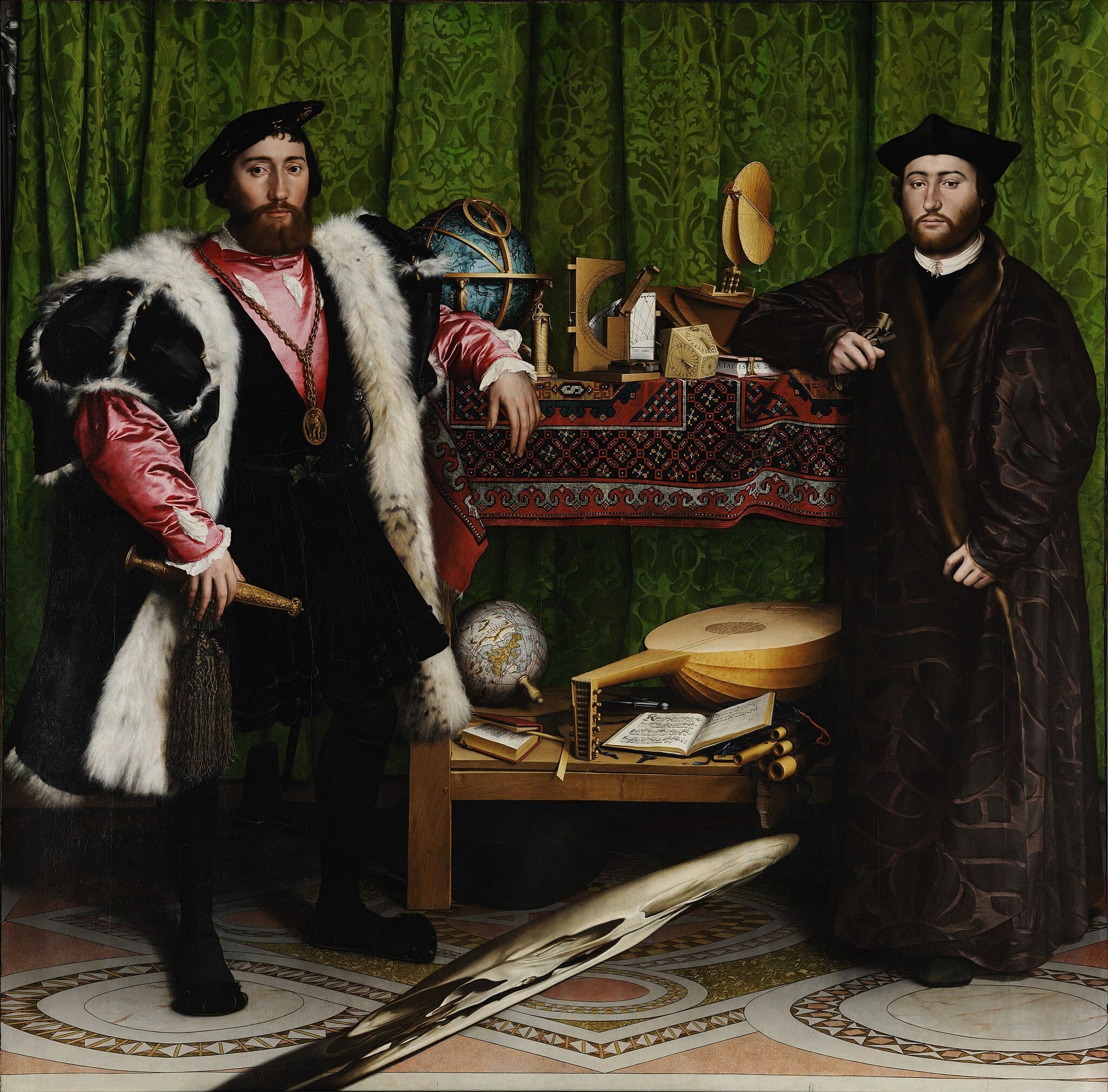
$120–180 million
Based on top‑tier Old Master benchmarks and the 2011 private sale of Holbein’s Darmstadt Madonna, its prudent hypothetical fair‑market indication is $120–180 million.
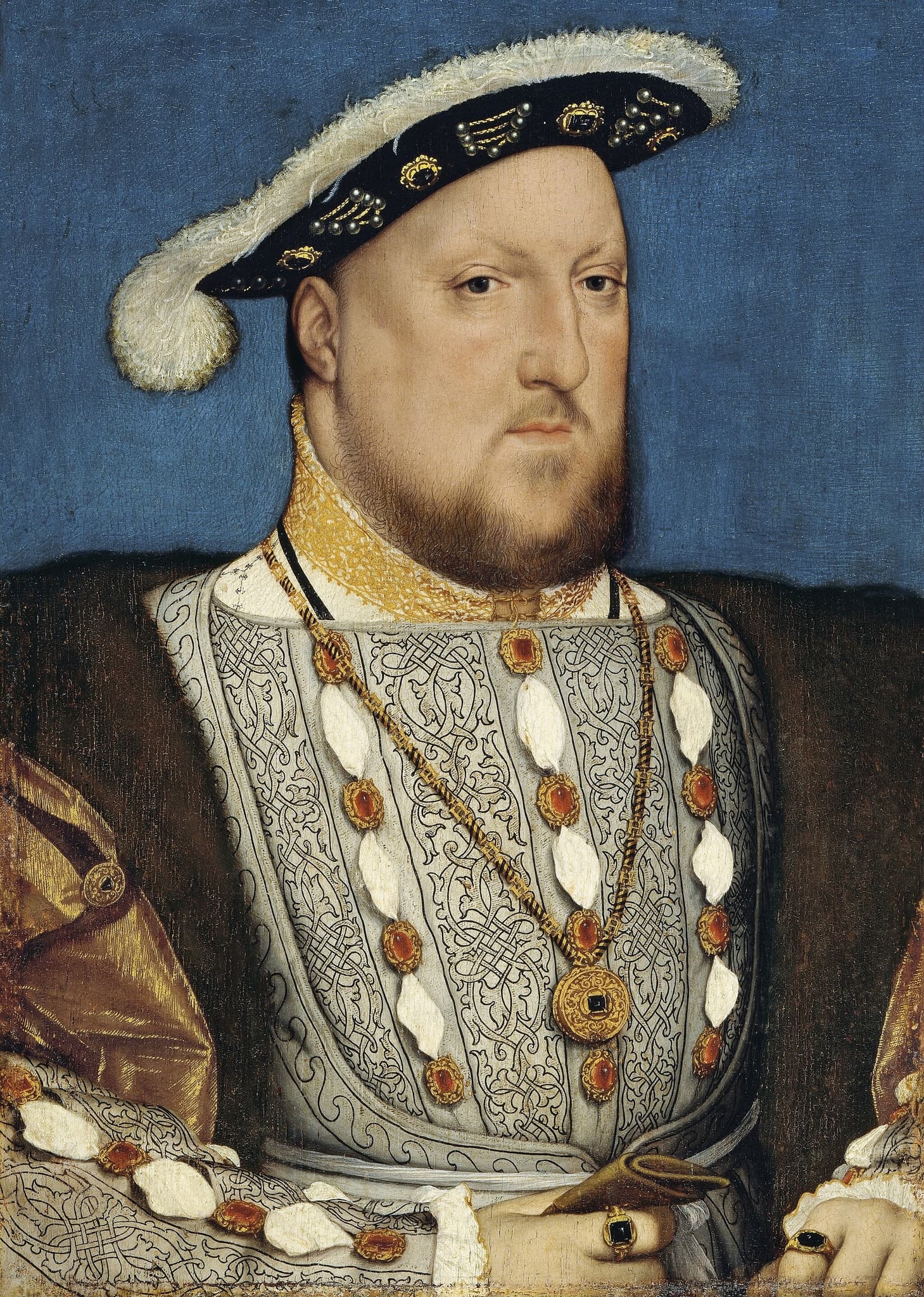
$50-150 million
An undisputed, autograph full‑length Holbein Portrait of Henry VIII, if authenticated, would likely fetch approximately $50–150 million given its cultural importance and extreme scarcity.
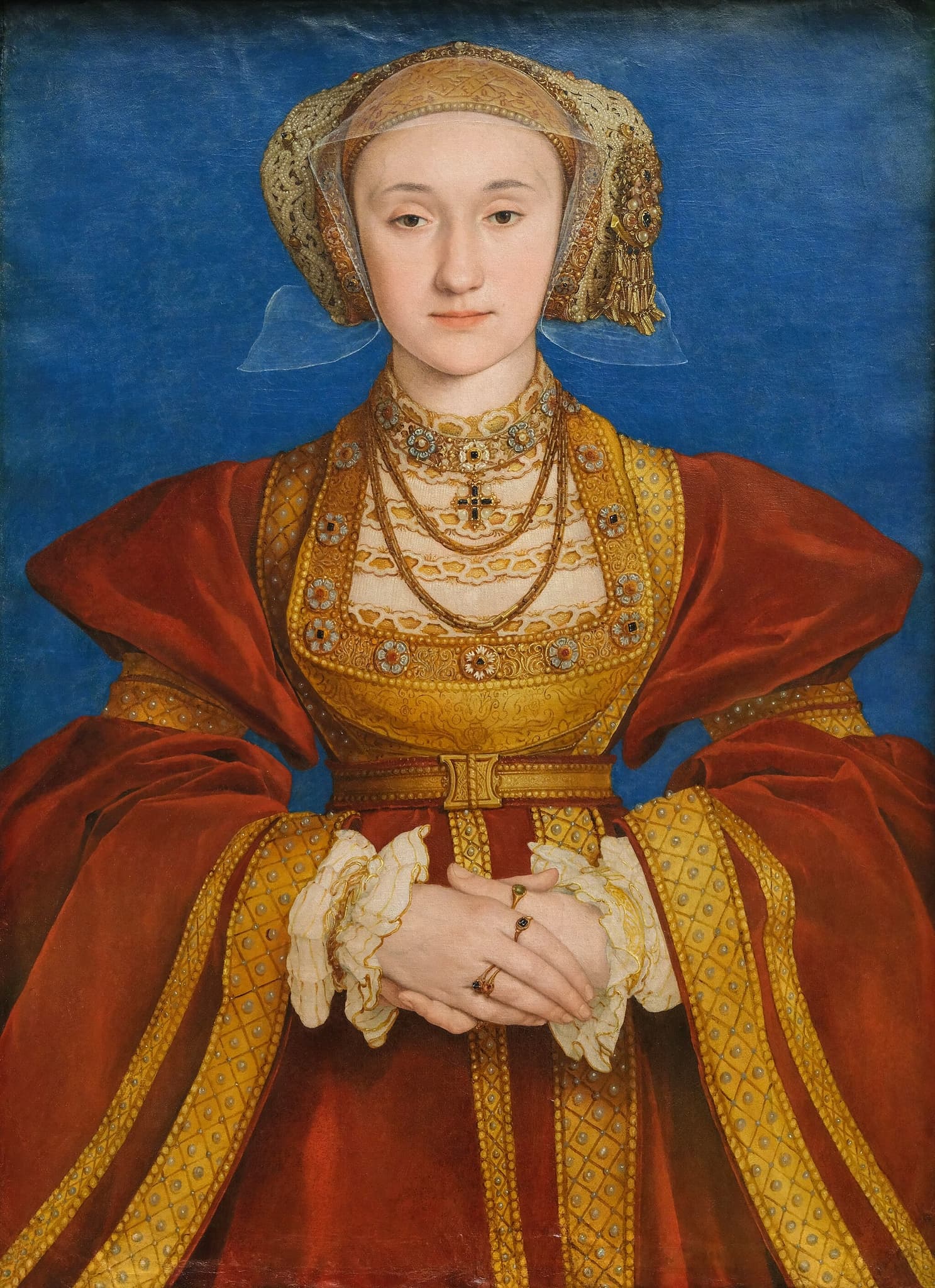
$100-150 million
A confirmed 1539 Holbein autograph in museum condition with secure early provenance commands a hypothetical trophy valuation of roughly $100–150 million.

$100-150 million
Although effectively off‑market in a museum, this Holbein masterpiece would be institutionally valued around $100–150 million due to extreme rarity and weak public auction precedent.
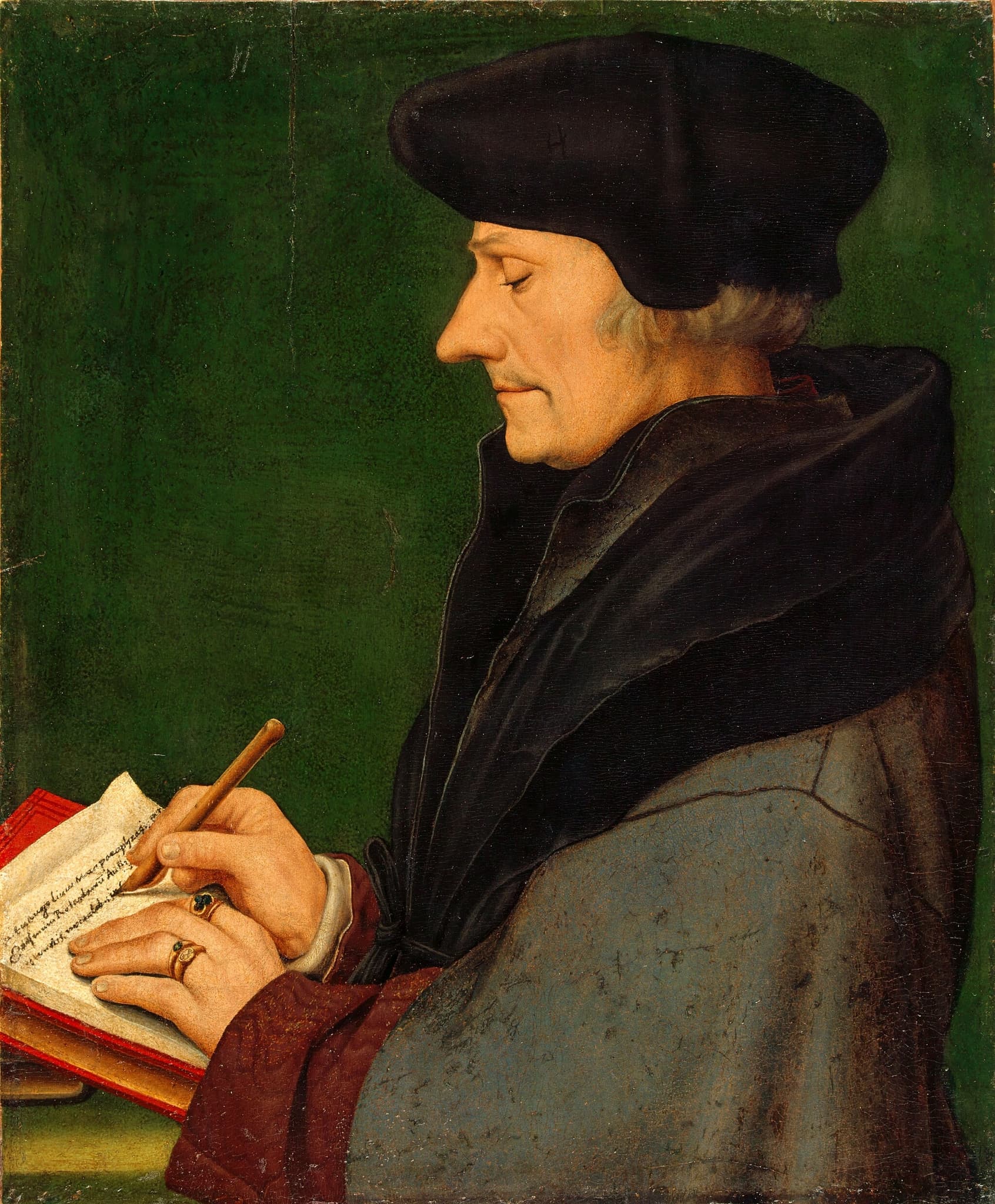
$30-100 million
A securely attributed, museum‑quality autograph Erasmus portrait by Holbein in good condition with strong provenance would be worth approximately $30–100 million.
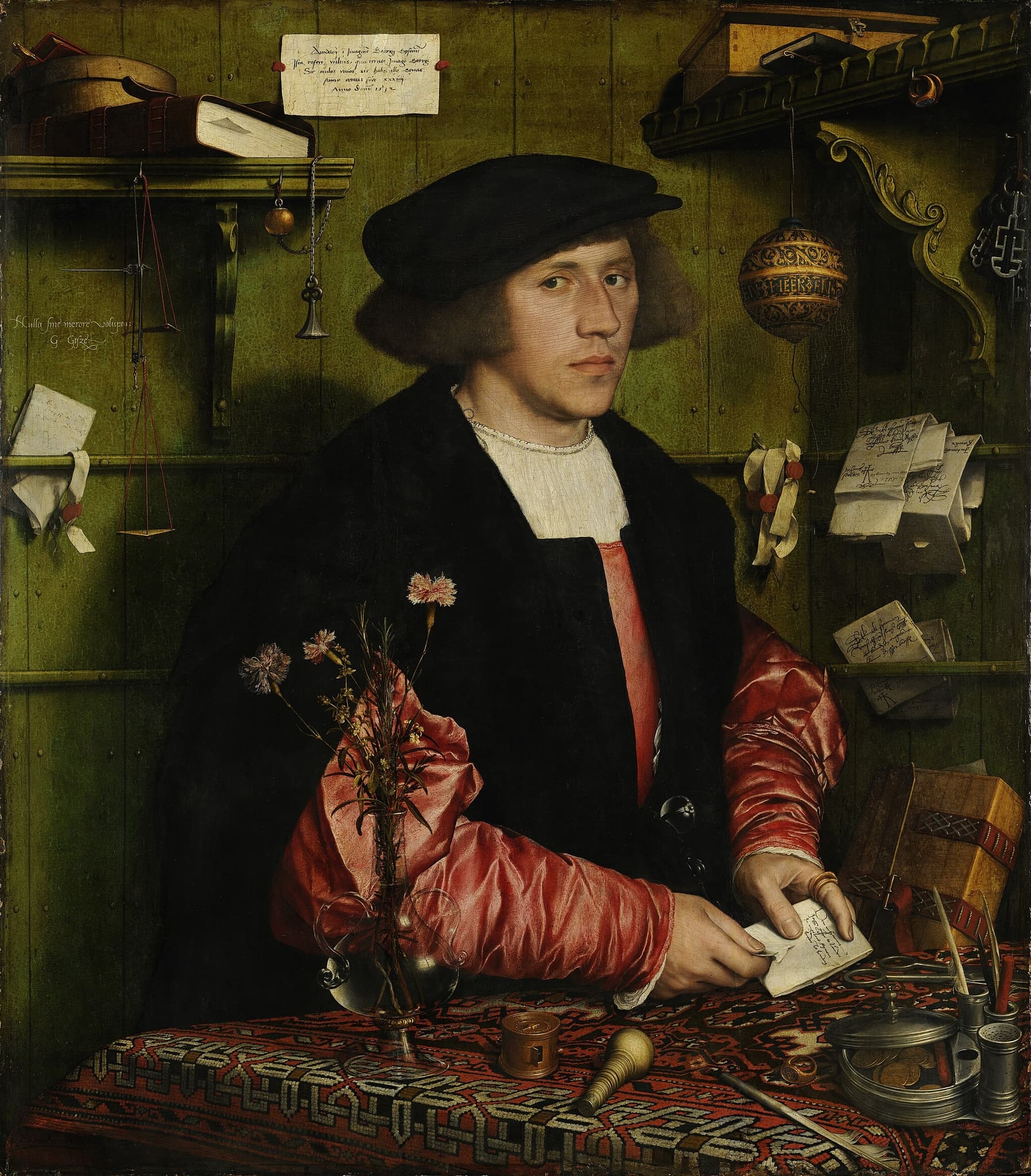
$30-100 million
If the Gemäldegalerie’s Portrait of Georg Giese were marketable, its indicative low‑confidence sale range would be about $30–100 million, contingent on deaccessionability and institutional interest.
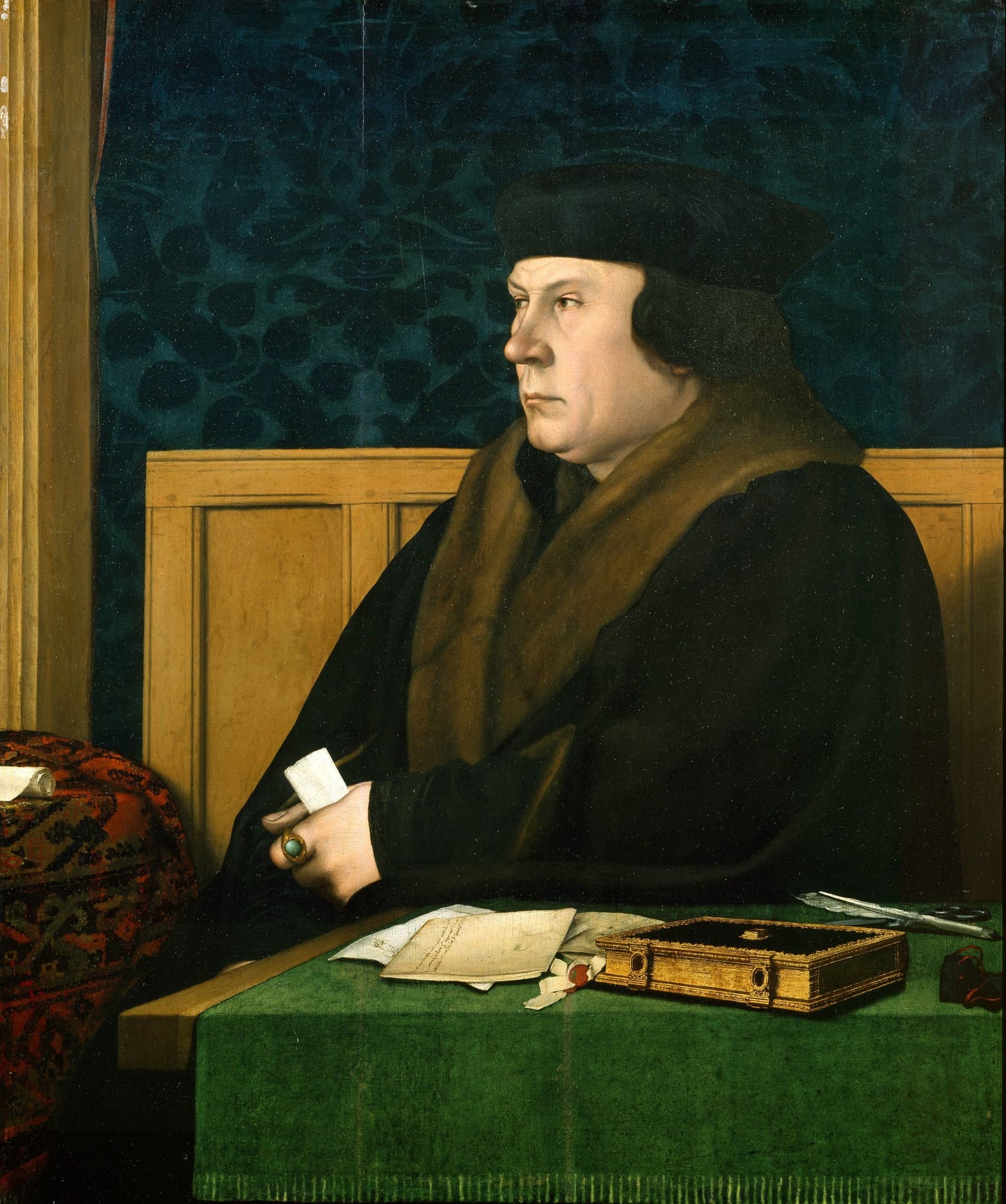
$20-80 million
An authenticated autograph Holbein portrait of Thomas Cromwell with secure provenance and sound condition is estimated at roughly $20–80 million, extrapolated from comparable Tudor portrait outcomes.
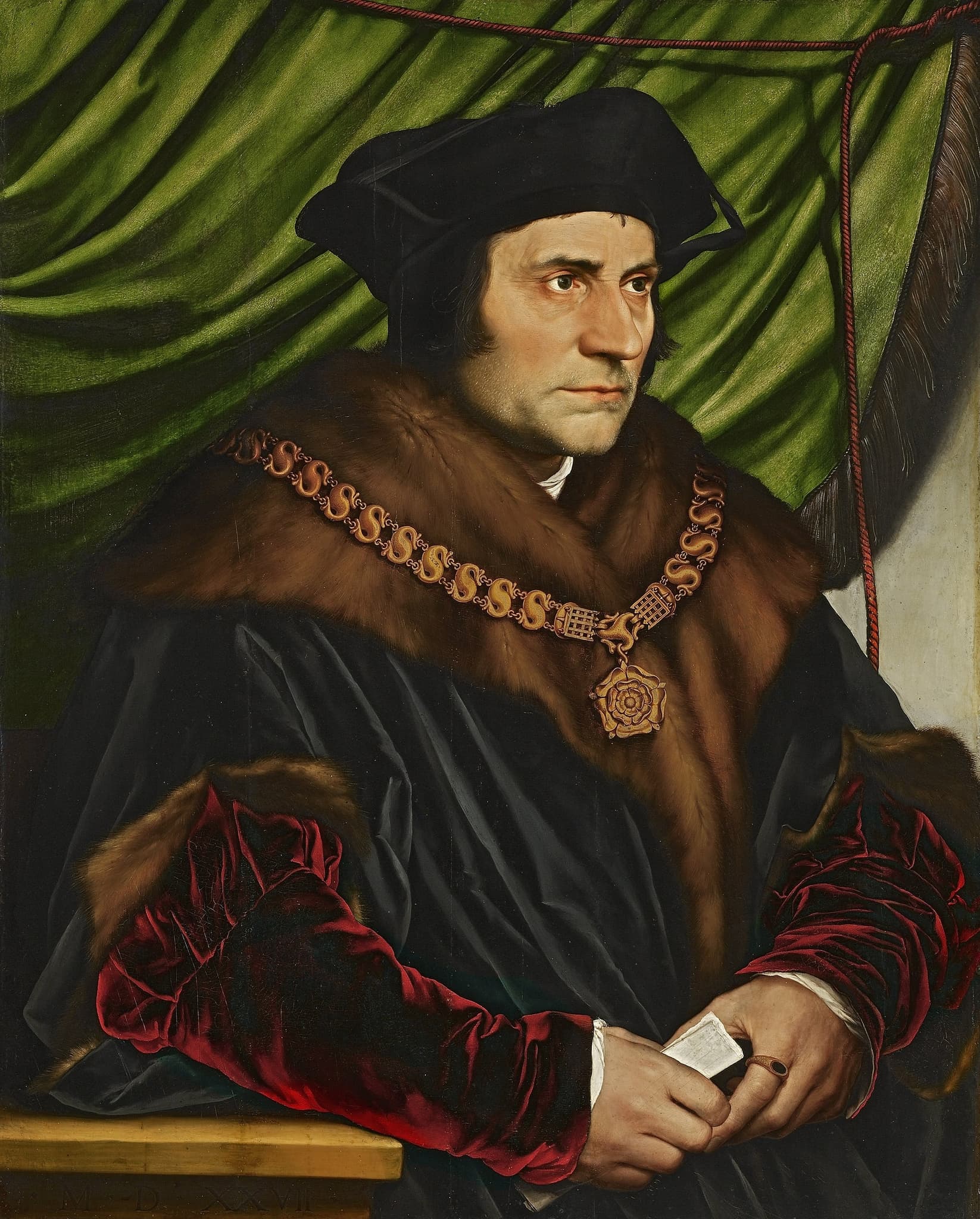
$20-60 million
If authenticated as an autograph Holbein oil‑on‑oak of Sir Thomas More, the painting’s hypothetical market value is approximately $20–60 million, with workshop reattribution collapsing value dramatically.
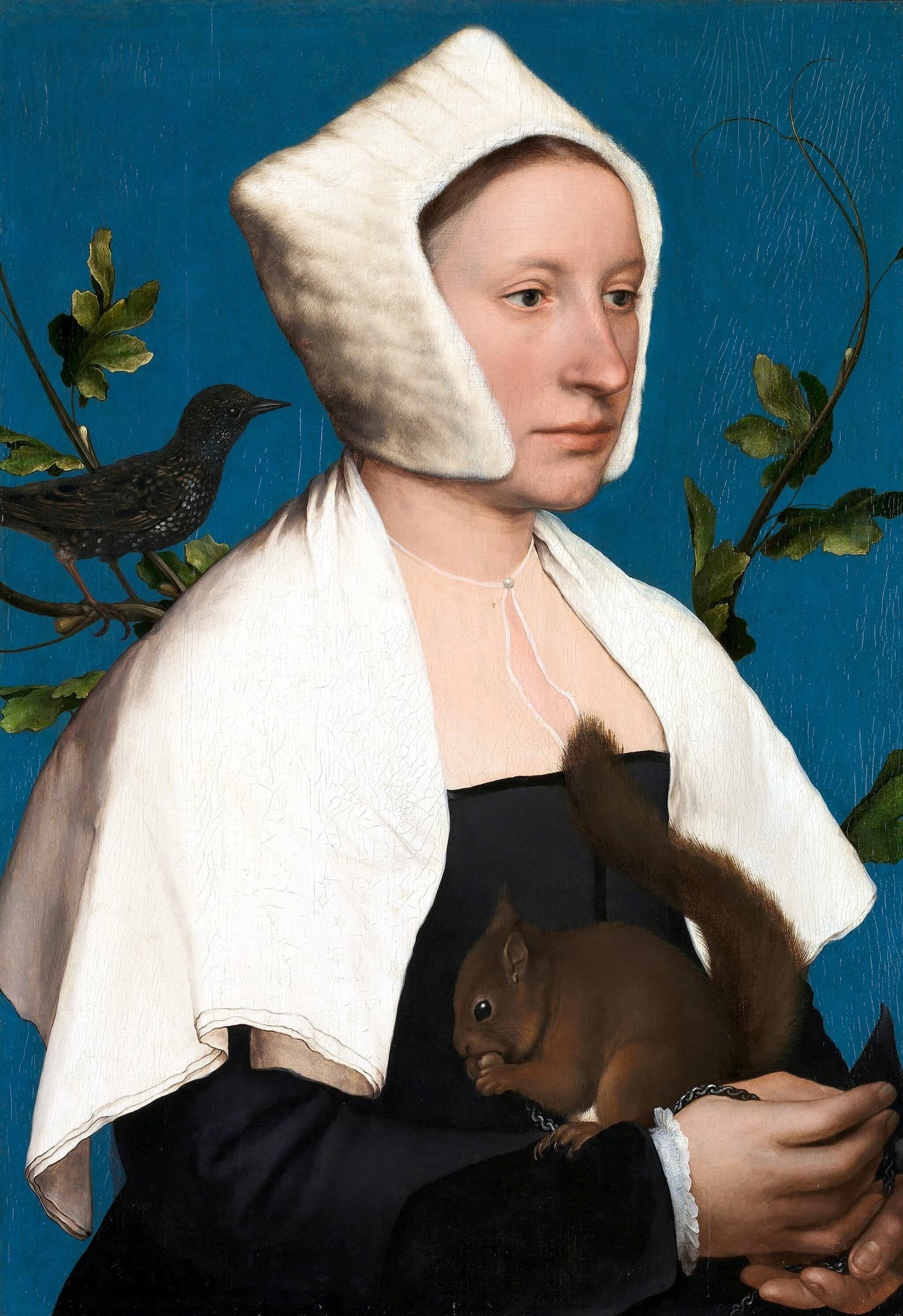
$15-45 million
A securely attributed, well‑provenanced and conserved autograph Holbein ‘Lady with a Squirrel and a Starling’ realistically sits in the $15–45 million market window today.
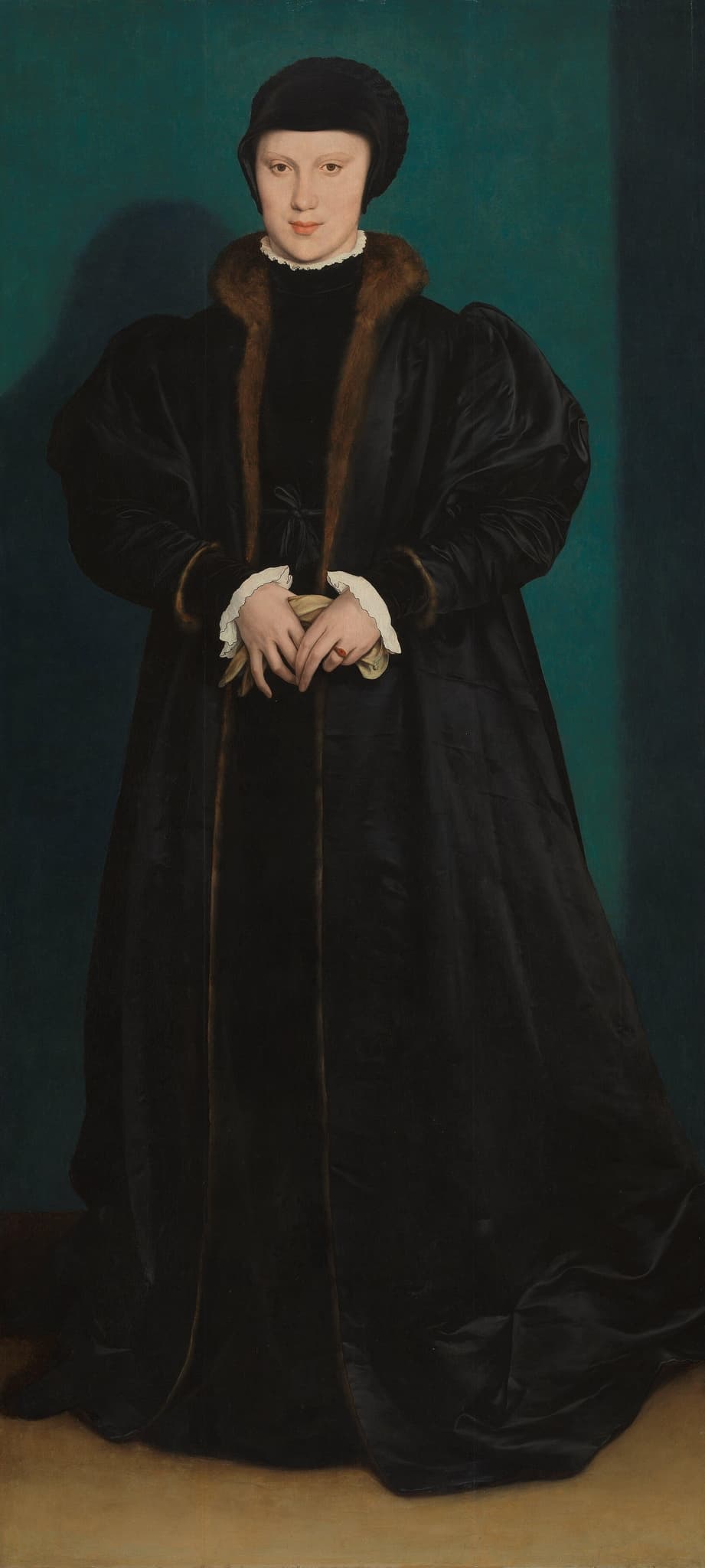
$10-40 million
The canonical 1538 autograph Portrait of Christina of Denmark, museum‑held and off‑market, would hypothetically command about $10–40 million if ever offered, subject to attribution and condition.
Market Context
Hans Holbein the Younger’s auction market is defined by acute scarcity of secure autograph oils, heavy museum ownership and attribution sensitivity: recent public auction highs are modest (a Holbein/Workshop portrait realised about US$1.37m), while private/state transactions — notably the reported 2011 private sale of the Darmstadt (Meyer) Madonna for over €50m — demonstrate the deep demand and much higher ceilings for museum‑quality works. Institutions, foundations, sovereign collectors and a small pool of UHNW buyers lead competition, aided by renewed scholarship and exhibitions that favor well‑documented pieces. After softer high‑end turnover in 2023–24, demand rebounded in 2025–26, concentrating pricing power at the top where ironclad provenance can detach valuations from routine Old Master averages (supporting hypothetical indications such as $120–180m for The Ambassadors).
Study prints from famous works by Hans Holbein the Younger
Curated print bundles pairing the full artwork with a close reading of one meaningful detail.
