Most Expensive Hieronymus Bosch Paintings
Few artists of the late medieval and early Renaissance period combine market cachet and unsettling imagination like Hieronymus Bosch, whose densely populated visions command both scholarly fascination and extraordinary prices at the highest tiers of the art market. At the pinnacle stands The Garden of Earthly Delights, valued in the realm of $500 million to $1.0 billion, a singular statement piece whose scale, provenance and cultural resonance make it a trophy for major institutions or deep-pocketed collectors. Other triptychs carry similarly lofty estimates: the Prado’s Adoration of the Magi is cited at $120–300 million, The Haywain at $150–300 million and The Temptation of St. Anthony (Lisbon) at $100–300 million, reflecting rarity, conservation history and the enduring appetite for Bosch’s allegorical complexity. Smaller but no less collectible panels such as Death and the Miser ($100–200 million), Cutting the Stone ($100–150 million) and The Last Judgment ($100–150 million) further underline how narrative inventiveness, provenance and condition translate into market value, while works like The Ship of Fools ($15–60 million) and the Nelson-Atkins Temptation panel ($10–50 million) show accessible entry points into a market driven as much by mystique as by scarcity.
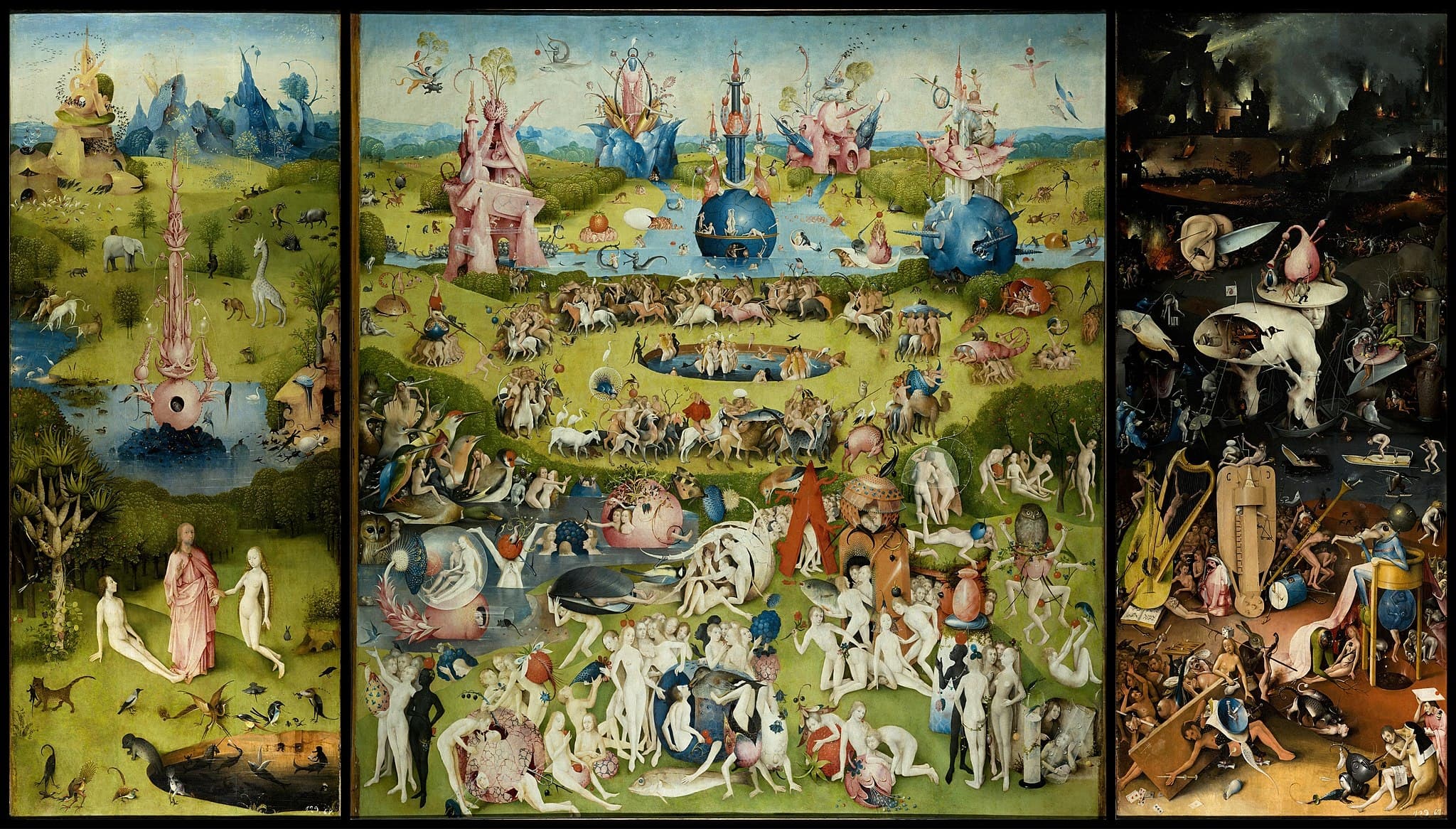
$500 million-$1.0 billion
Never offered at auction and owned by the Spanish state, its hypothetical top‑end valuation is anchored to Salvator Mundi and Bosch’s unique canonical scarcity.
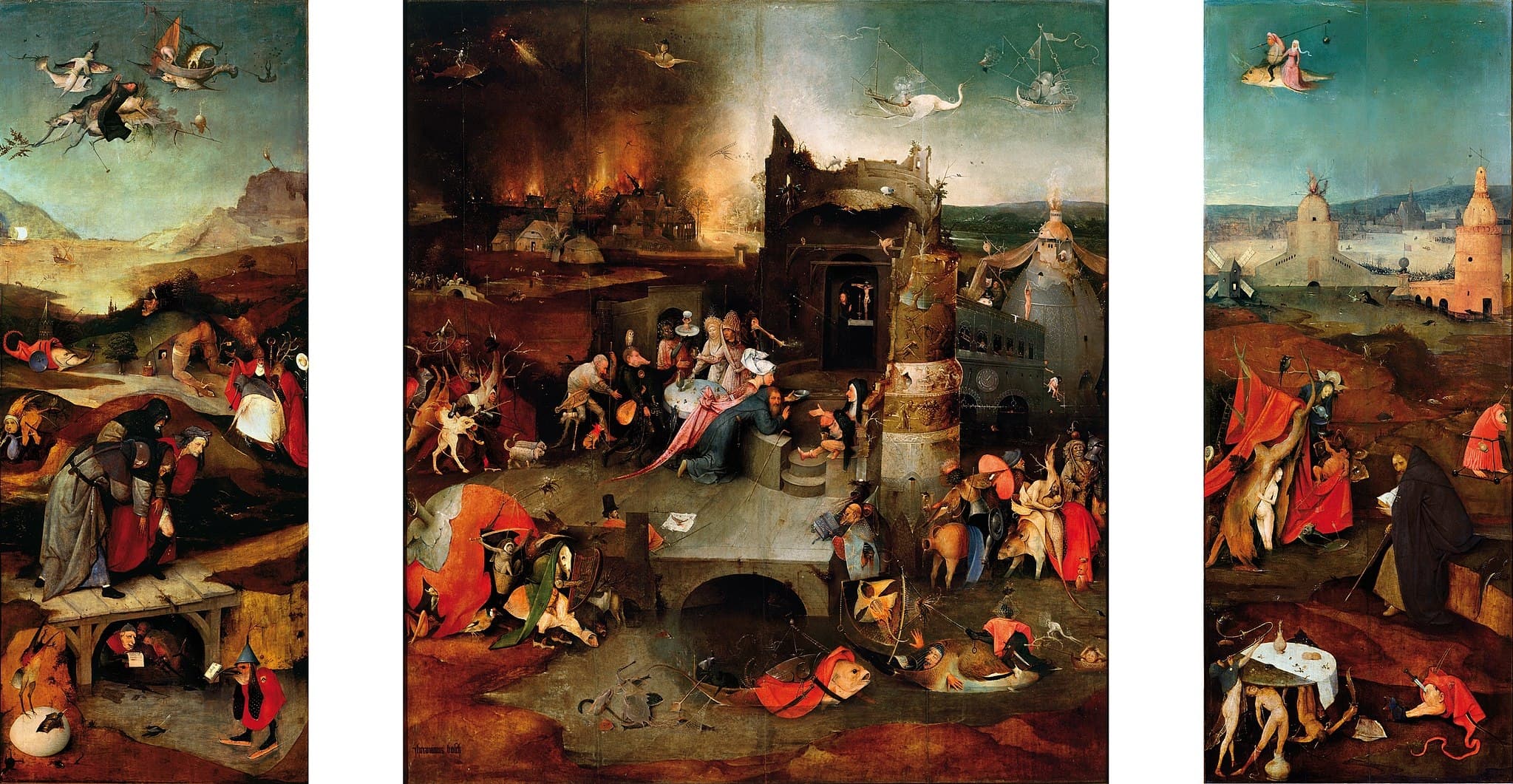
$100–300 million
Estimate is theoretical and low‑confidence because the Lisbon triptych is museum‑held and constrained by Portuguese patrimony law despite its rarity among Bosch triptychs.
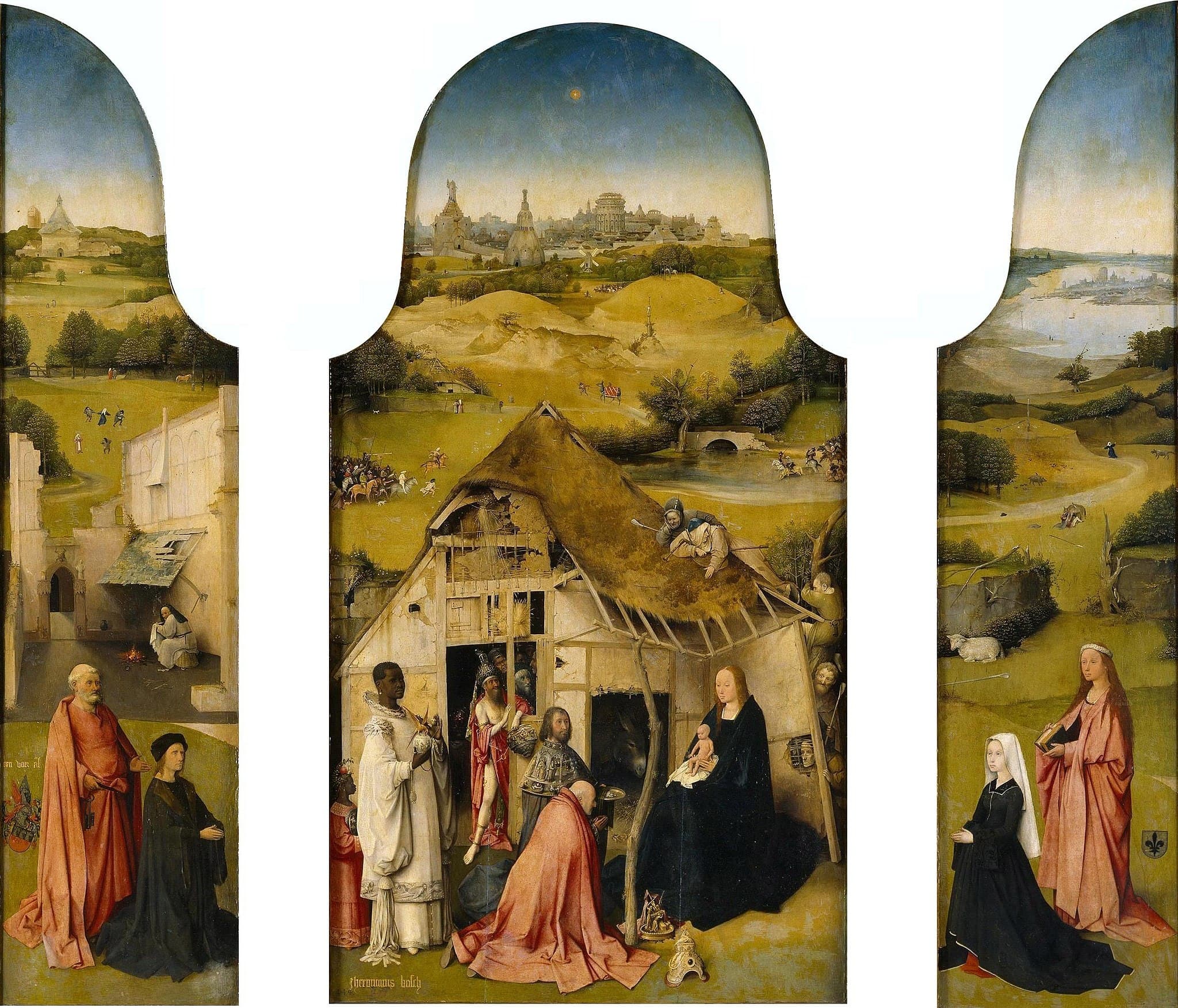
$120-300 million
Effectively unsellable due to Prado ownership and Spanish heritage protections, its market potential hinges entirely on a secure autograph attribution.
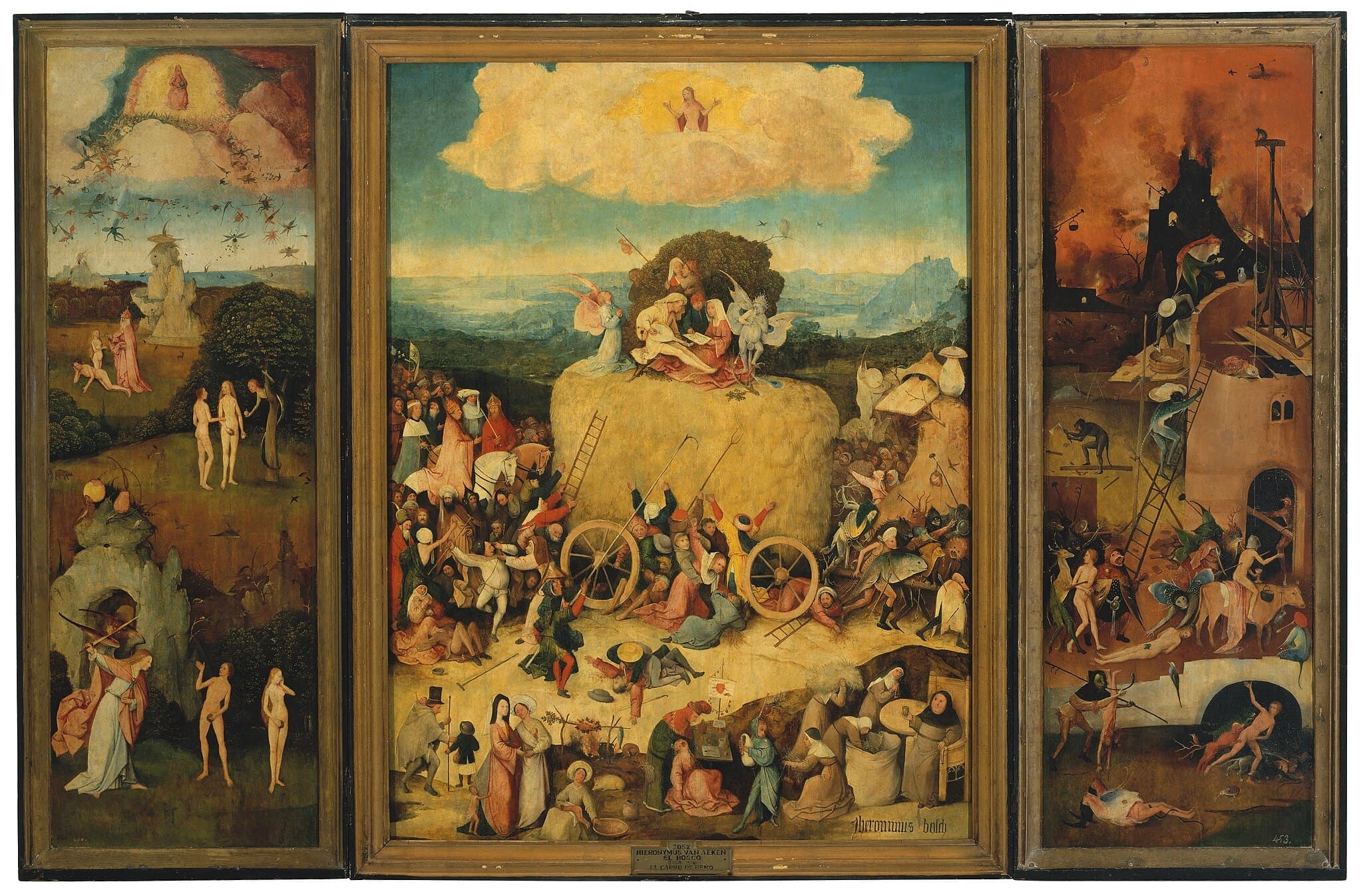
$150-300 million
Canonical status and extreme scarcity of autograph Bosch triptychs drive its trophy‑level valuation, but national patrimony and museum ownership make private sale highly unlikely.
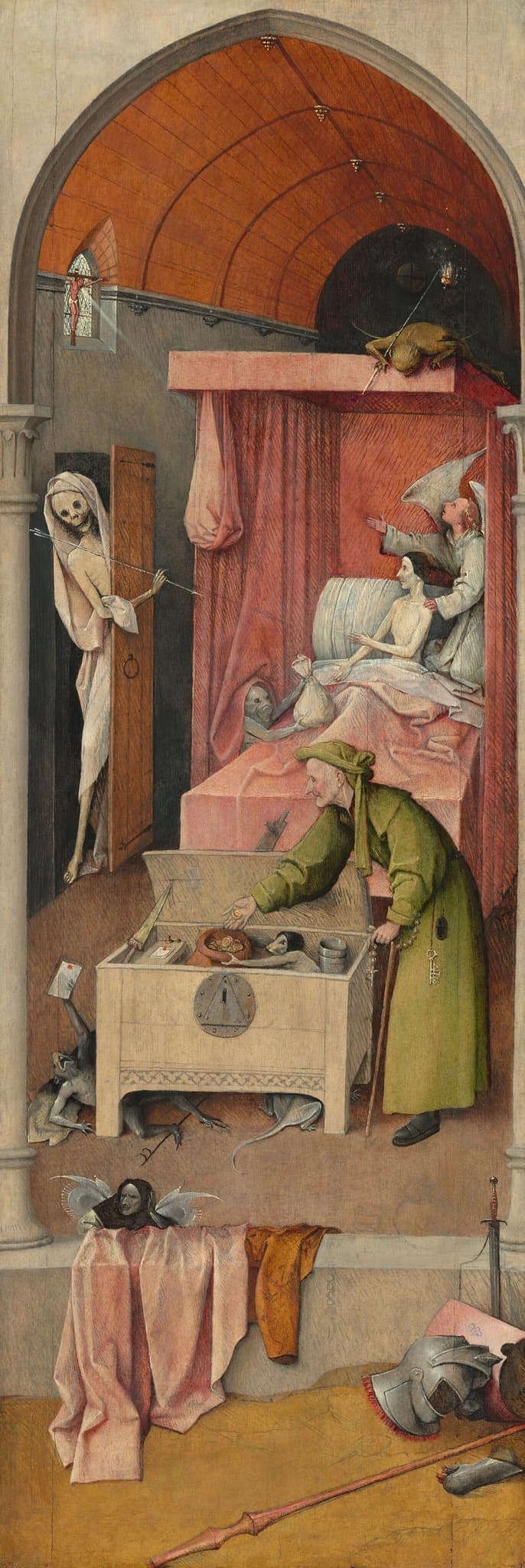
$100-200 million
An accepted autograph in the National Gallery, its hypothetical market price is extrapolated from the extreme rarity of autograph Bosches and gaps between autograph and follower sales.
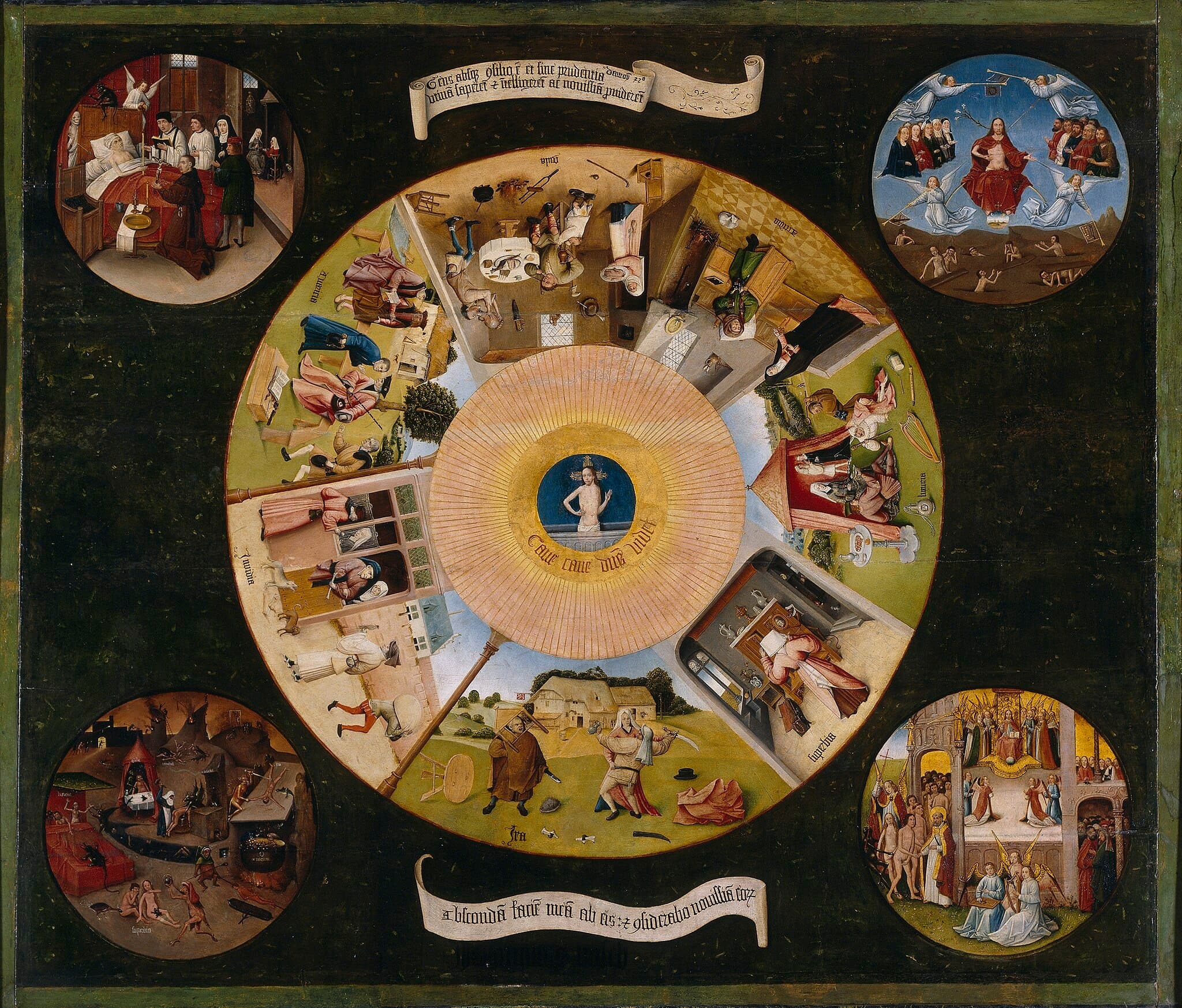
$100-150 million
The Prado tondo’s market worth depends entirely on a firm autograph attribution; a workshop or heavy restoration would collapse its price into low single‑figure millions.
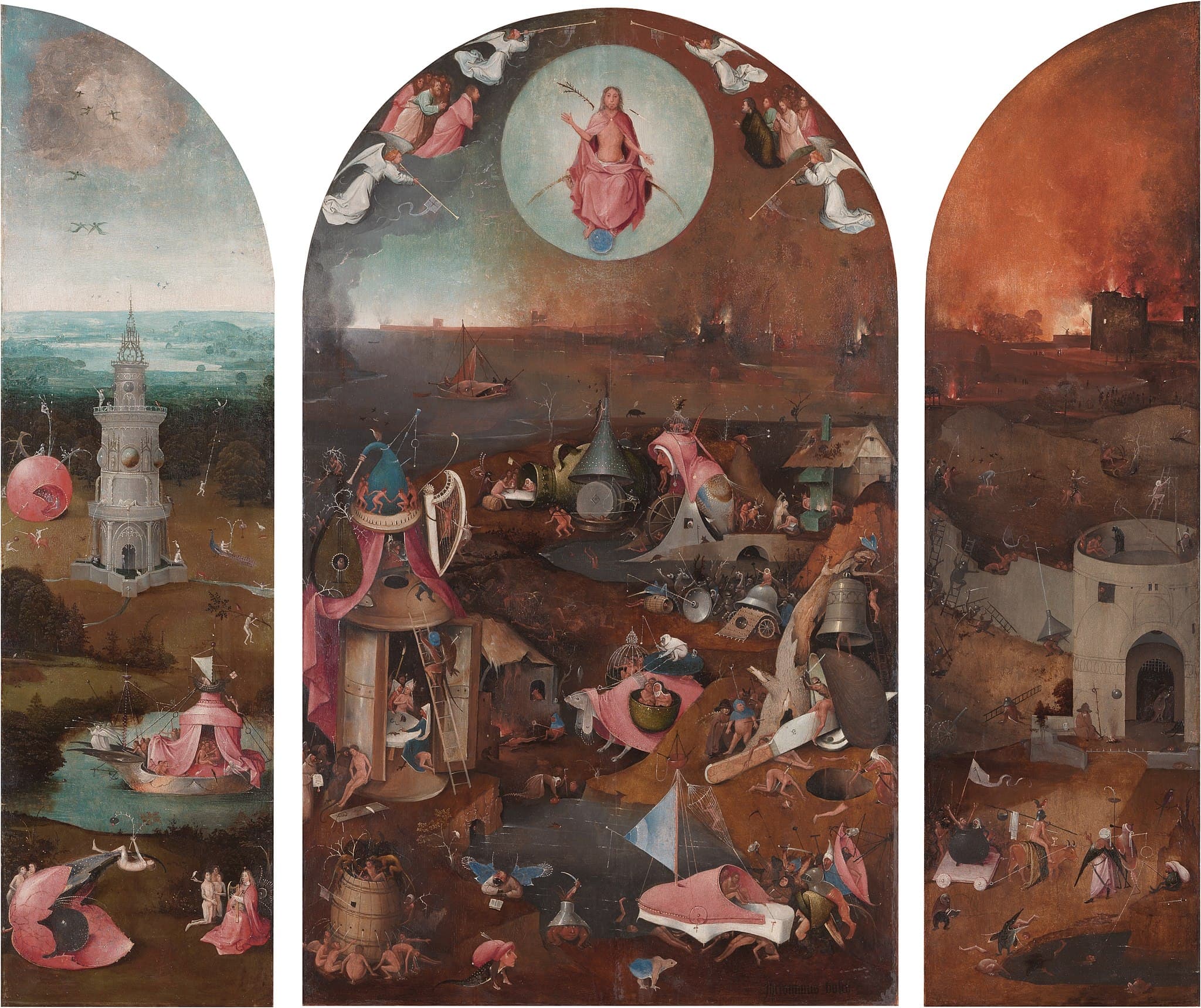
$100-150 million
Groeningemuseum ownership plus BRCP technical endorsement support its canonical attribution, but scarcity of autograph Bosch triptychs makes market comparables practically nonexistent.
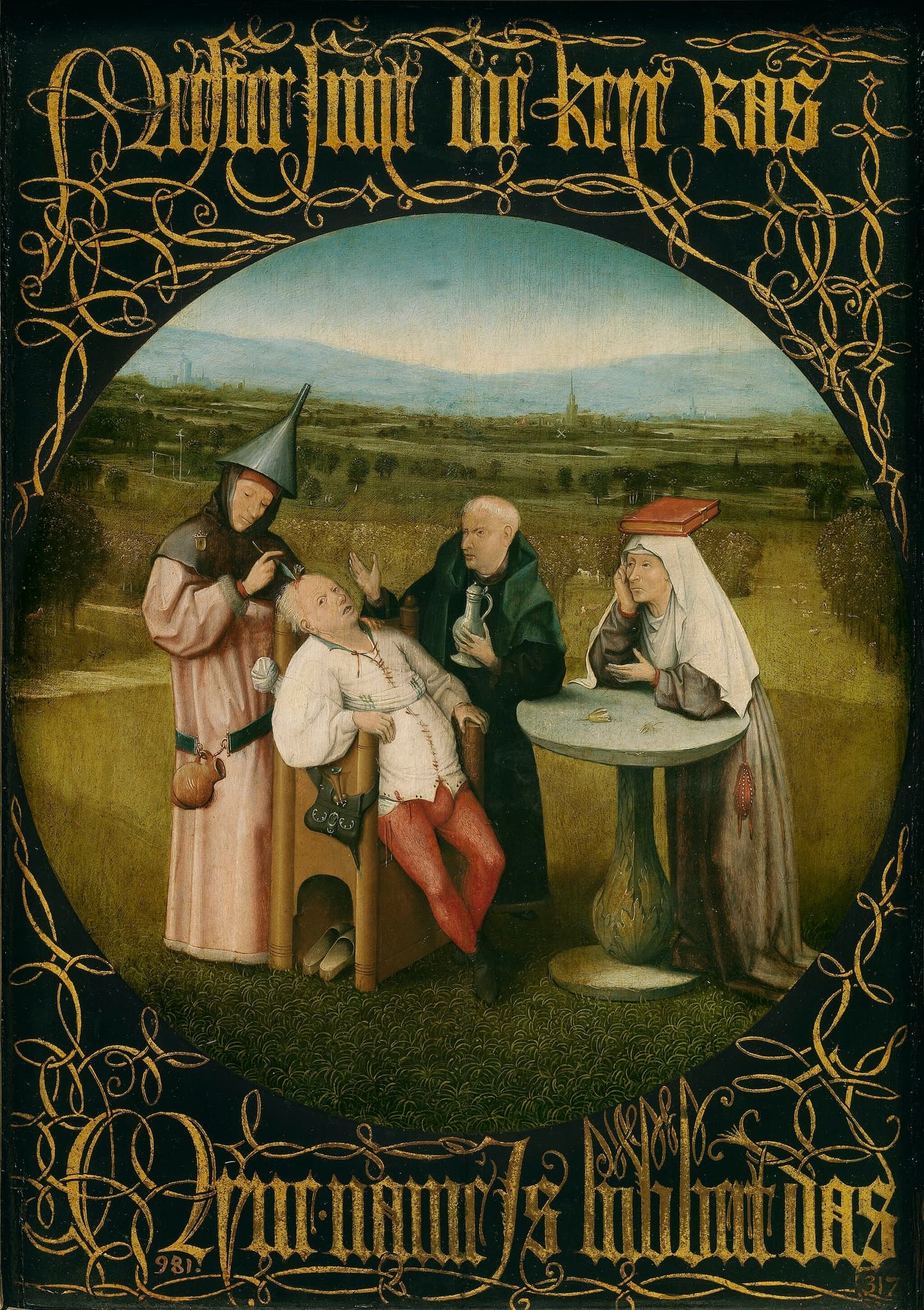
$100-150 million
Value is contingent on definitive technical authentication—dendrochronology, underdrawing/IRR and pigment analysis—without which it would fall to workshop/follower bands.
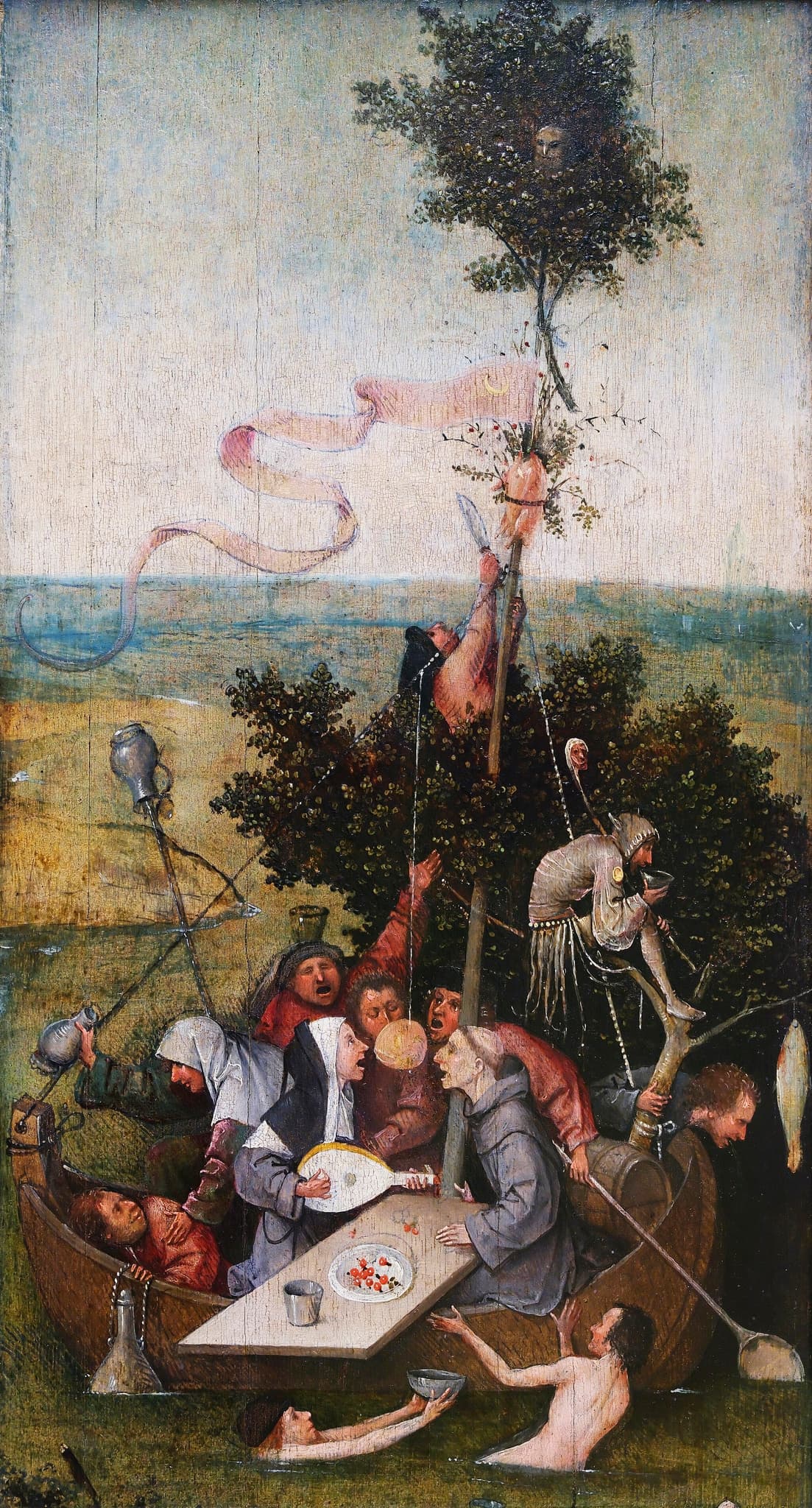
$15-60 million
Although Louvre‑held, its valuation reflects precedents for high‑quality Early Netherlandish rediscoveries and the premium paid for secure museum‑grade Bosch attributions.
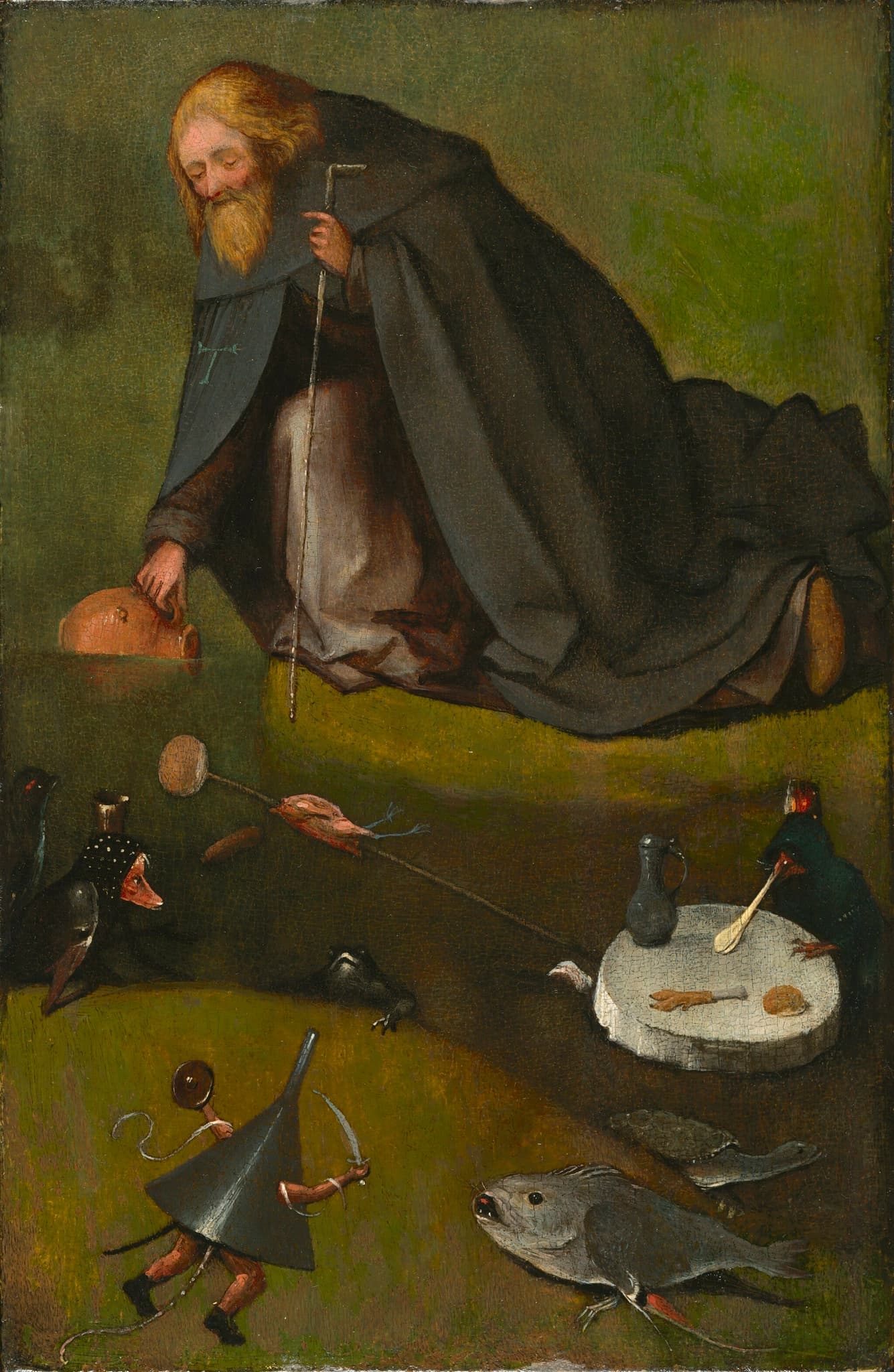
$10-50 million
The Nelson‑Atkins panel’s small, fragmentary format and museum ownership substantially temper any autograph‑premium despite BRCP support, effectively keeping it off the open market.
What Drives Value in Hieronymus Bosch's Work
BRCP-style technical authentication (underdrawing, dendrochronology)
For Bosch, technical attribution — infrared reflectography revealing Bosch‑like underdrawing, dendrochronology matching known Bosch panels, and pigment/binder chemistry — is the single toggle between follower pricing and trophy valuations. Examples: Cutting the Stone and Adoration of the Magi are explicitly treated as high‑value only with BRCP‑level confirmation; the Nelson‑Atkins Temptation rose in scholarly importance after BRCP analyses. Verified technical signatures routinely shift market expectation from millions to nine‑figure ceilings.
Format & completeness: monumental triptych vs fragment/wing
Bosch’s market hierarchy is heavily format‑dependent: intact monumental triptychs (The Garden of Earthly Delights, The Haywain, Lisbon Temptation) are category‑defining and attract institutional trophy bids, whereas fragments or single wings (the Nelson‑Atkins Temptation panel) lose canonical weight even when autograph. Completeness affects exhibition potential, narrative legibility, and curatorial demand — materially widening or compressing the achievable price band for a Bosch work.
Subject‑specific iconographic centrality
Certain Bosch motifs carry outsized cultural and scholarly value. Works on flagship subjects — The Garden of Earthly Delights, The Last Judgment, Seven Deadly Sins, Temptation of St. Anthony and Death and the Miser — function as keystones in Bosch scholarship and public recognition. That subject centrality amplifies institutional urgency and private trophy appetite, so two panels identical in condition and attribution can command very different prices purely because of their narrative importance within Bosch’s oeuvre.
Museum custody & national patrimony (Prado, Lisbon, NGA, Nelson‑Atkins)
Bosch’s autograph corpus is overwhelmingly museum‑held; Prado, Lisbon and NGA ownership both elevates theoretical value and effectively removes market liquidity. State stewardship confers 'museum‑priceless' status (Garden of Earthly Delights, Prado Adoration, Lisbon Triptych) — raising replacement/insurance ceilings — while legal export controls and deaccession norms make realized sale unlikely. For Bosch, museum custody therefore creates a dual dynamic: higher hypothetical valuations but sharply constrained realisable prices.
Market Context
Hieronymus Bosch occupies a uniquely singular position in the Old Masters market: his small, museum‑held autograph oeuvre rarely appears for sale, so public auction activity is dominated by workshop, circle and follower pieces that typically trade in the mid‑six figures to around $1m, with occasional low‑millions for high‑quality studio rediscoveries. Recent seasons showed a 2024 softening and a selective 2025 rebound led by institutional purchases (museums, foundations) and targeted acquisitions—Getty’s Northern Renaissance activity being illustrative—while scholarship and the Bosch Research & Conservation Project have tightened attributions and constrained supply. At the top end demand is effectively inelastic and cross‑category, driven by institutions and leading private collectors; record trophies like Leonardo’s $450.3m Salvator Mundi evidence willingness to pay, supporting hypothetical valuations (e.g., Garden) in the upper nine‑figure to billion‑dollar range.
Study prints from famous works by Hieronymus Bosch
Curated print bundles pairing the full artwork with a close reading of one meaningful detail.
