Most Expensive Raphael Paintings
Raphael’s paintings occupy an almost mythic place in the art market, prized not only for their technical mastery and serene composition but also for their historical centrality to the Renaissance canon; masterpieces like The School of Athens are routinely cited in valuation debates with estimates as high as $500 million–$1.5 billion, while The Transfiguration is similarly placed in the $600 million–$1.0 billion bracket. Collectors and institutions covet Raphael for the rare combination of inventive draftsmanship, compositional clarity and enduring cultural resonance seen in works from the luminous Sistine Madonna (estimated $300 million–$1.2 billion) to the devotional Alba Madonna ($150–$400 million). Even philologically complex pictures such as Disputation of the Holy Sacrament (La Disputa) are given hypothetical auction-equivalent values ($200 million–$1+ billion) because provenance, condition and fame can convert scholarship into staggering market appetite. Lesser-known but equally sought-after panels—Parnassus ($200–$500 million), Sibyls with Angels ($450–$750 million), Prophet Isaiah ($320–$520 million), La Belle Jardinière ($200–$400 million) and the Portrait of Baldassare Castiglione ($100–$300 million)—underscore how rarity, iconography and institutional demand define Raphael’s highest-priced works.
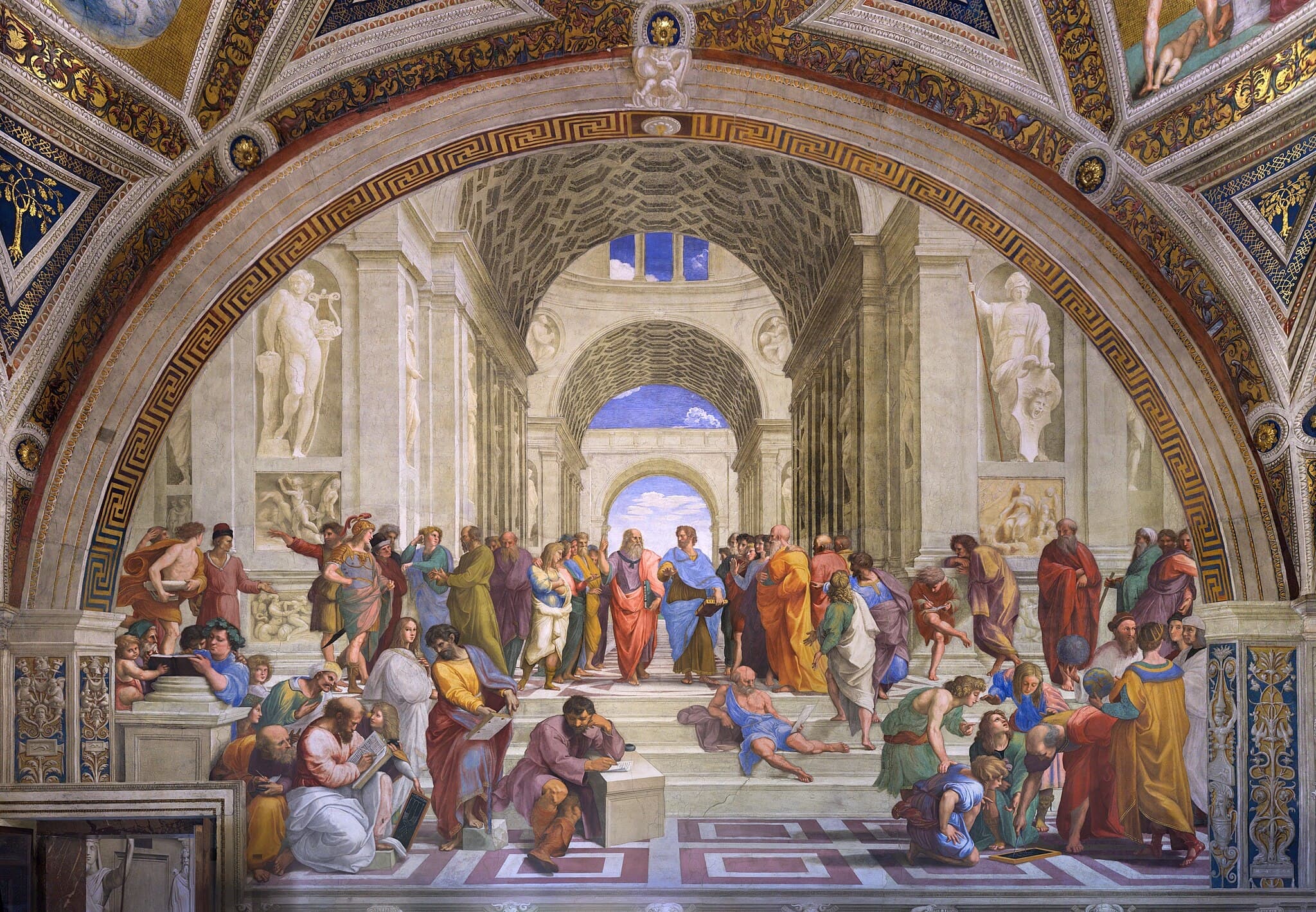
$500 million–$1.5 billion
A non‑transferable Vatican fresco, its $500M–$1.5B hypothetical places Raphael’s School of Athens alongside the very top tier of global art valuations.
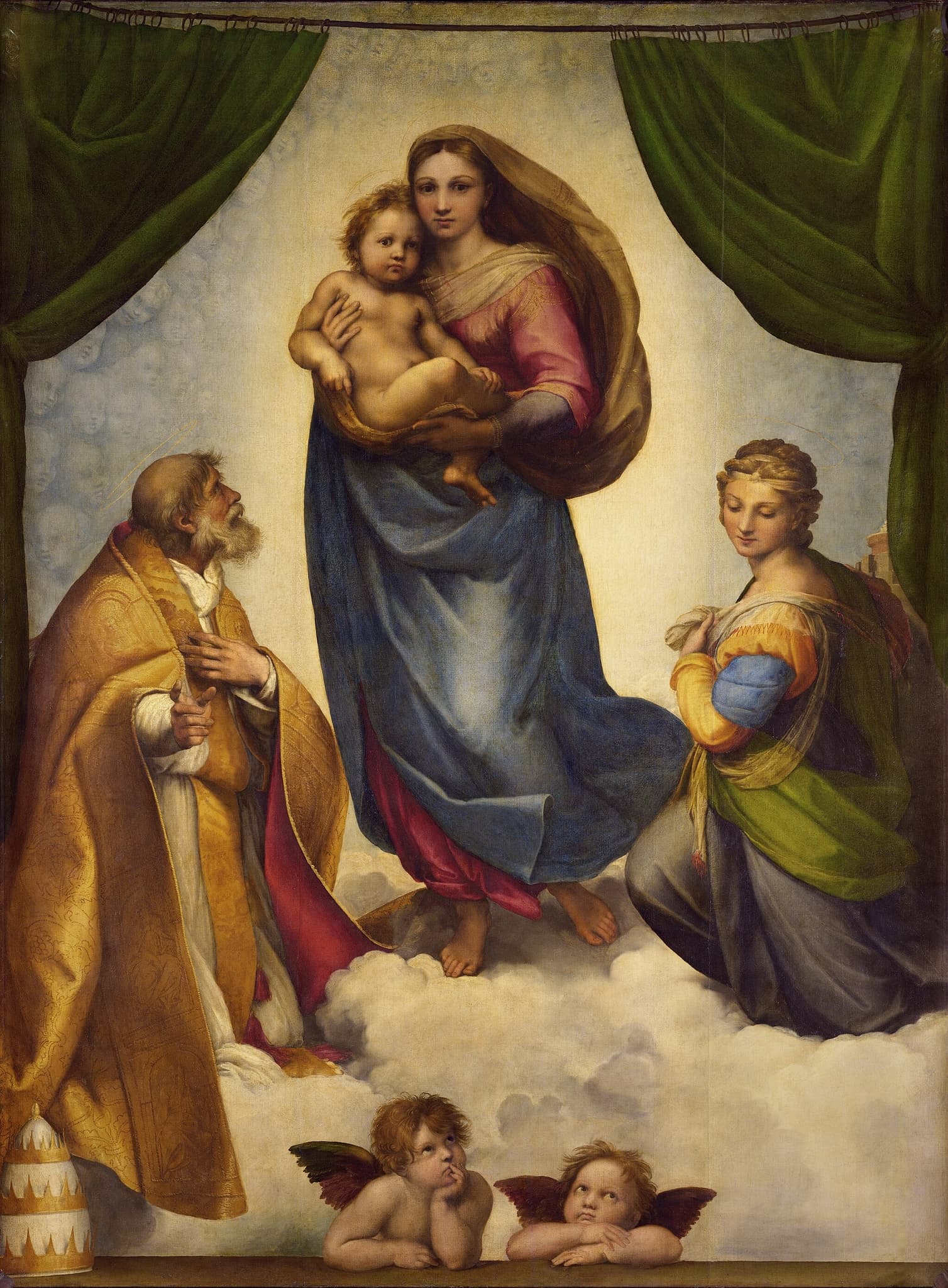
$300 million–$1.2 billion
Hypothetically salable only in theory, the Sistine Madonna’s valuation is anchored to Salvator Mundi‑level benchmarks despite museum custody and cultural‑heritage sale prohibitions.
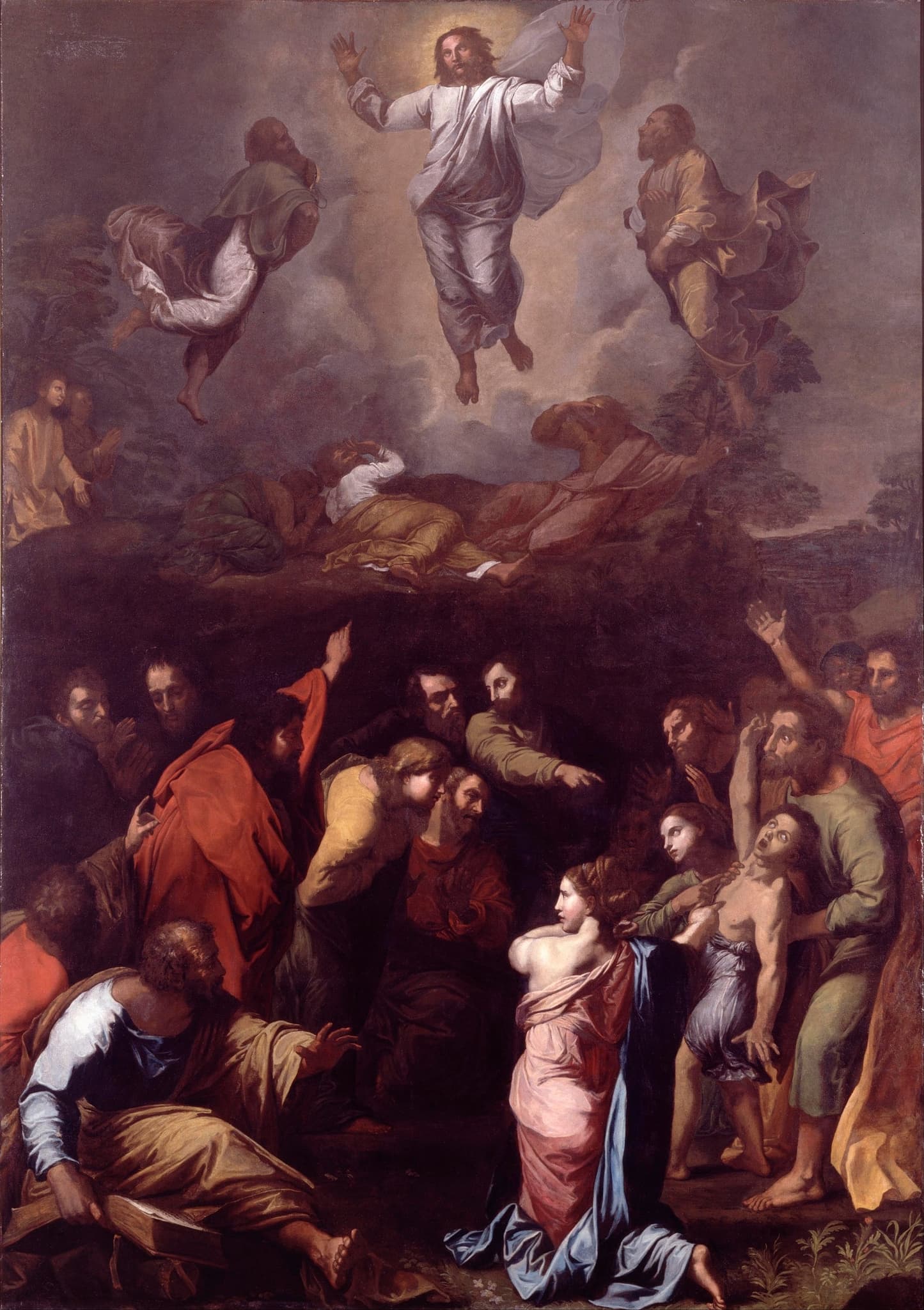
$600 million-$1.0 billion
Considered Raphael’s culminating masterpiece, The Transfiguration’s $600M–$1B hypothetical valuation is positioned above Salvator Mundi as an extreme‑tier benchmark.
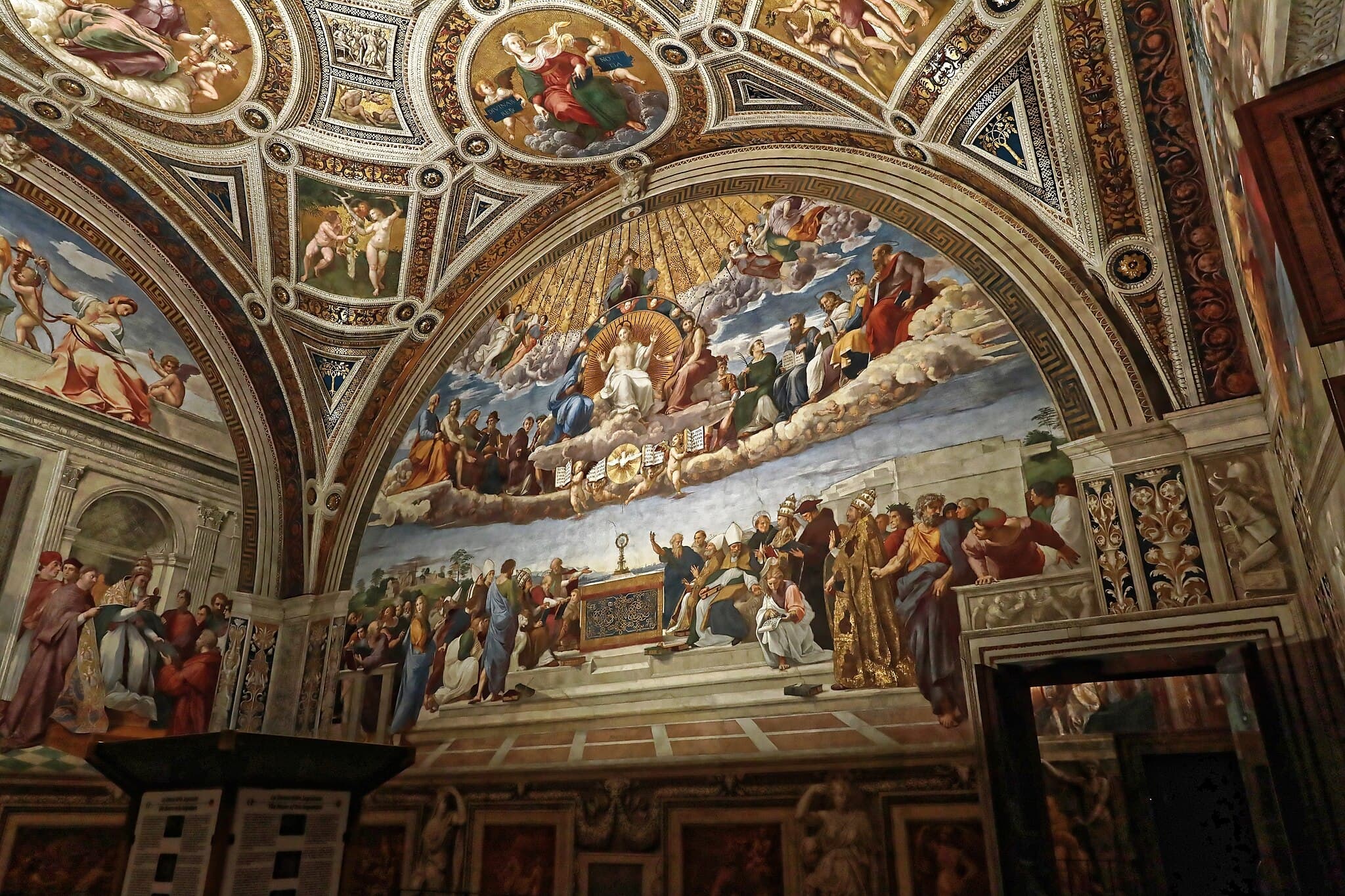
$200 million–$1+ billion (hypothetical auction‑equivalent)
La Disputa is an immovable Vatican fresco; any $200M–$1B+ figure is a counterfactual, auction‑equivalent extrapolation from top Raphael and Old Master records.
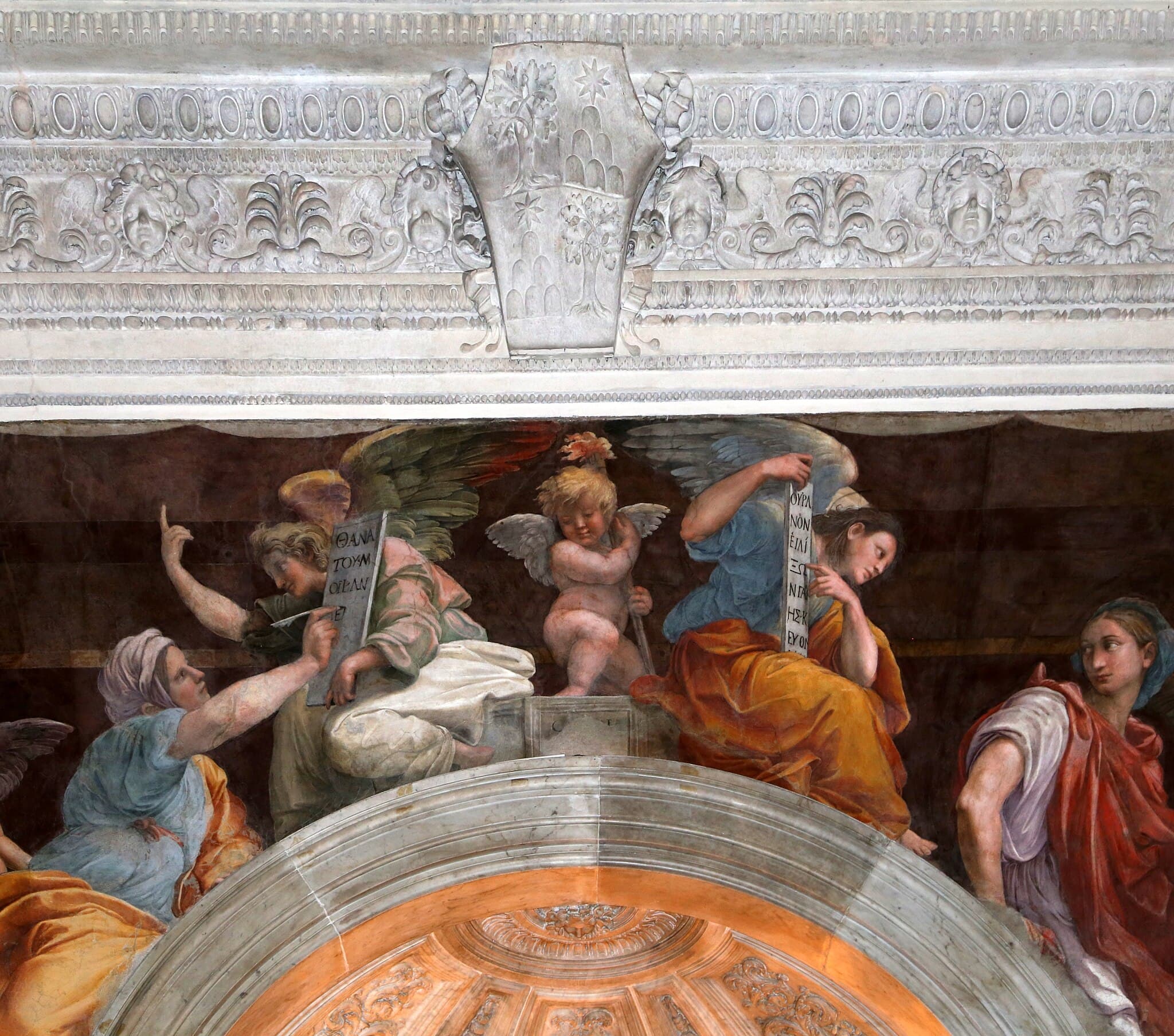
$450-750 million
Legally unsellable in Italy, Sibyls with Angels is assigned a $450M–$750M insurance‑style proxy based on Raphael trophy‑work comparables.
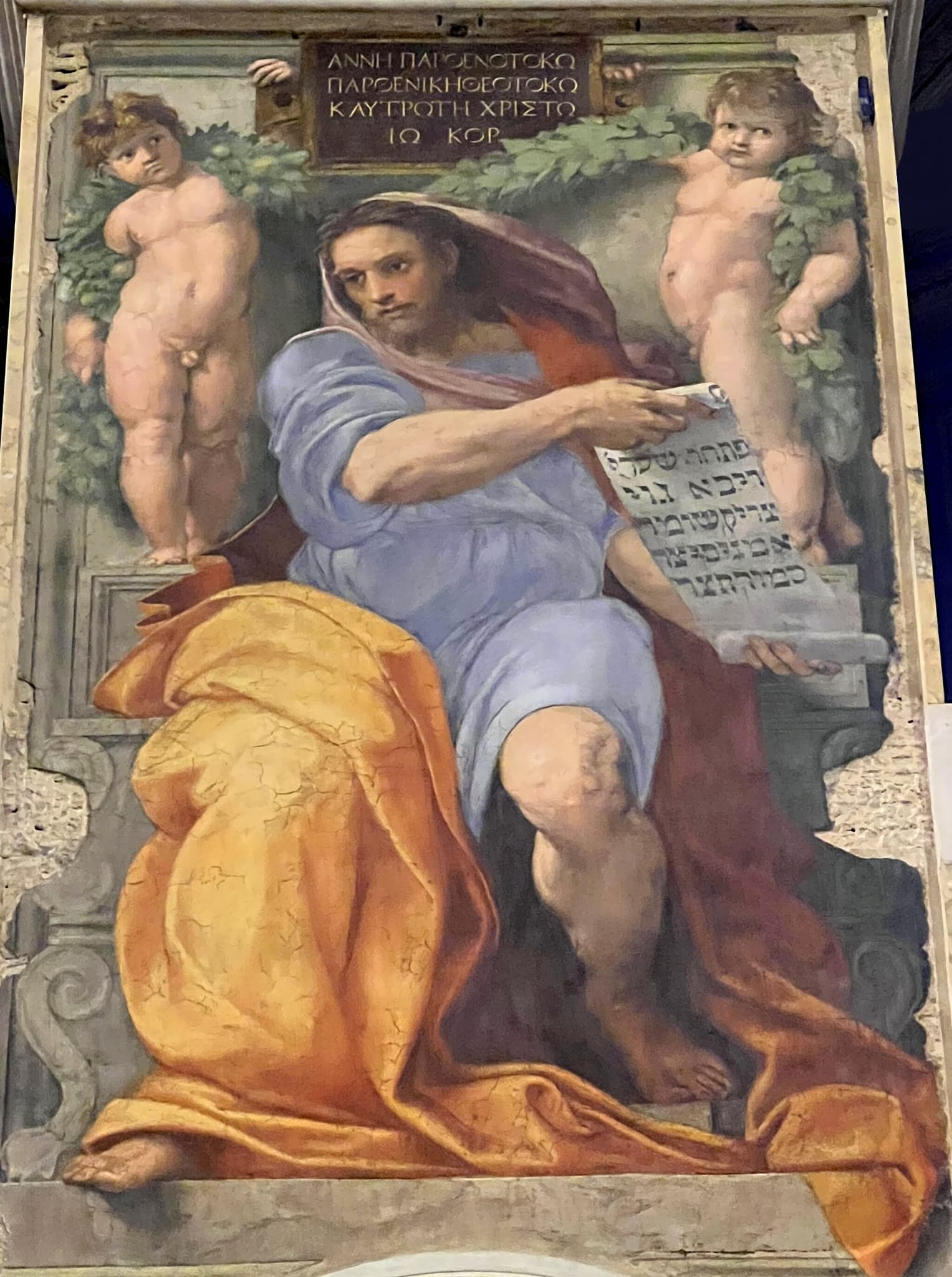
$320-520 million
Prophet Isaiah’s $320M–$520M hypothetical reflects its autograph status, Roman‑period importance, and scarcity at the ceiling of Renaissance masterwork valuations.
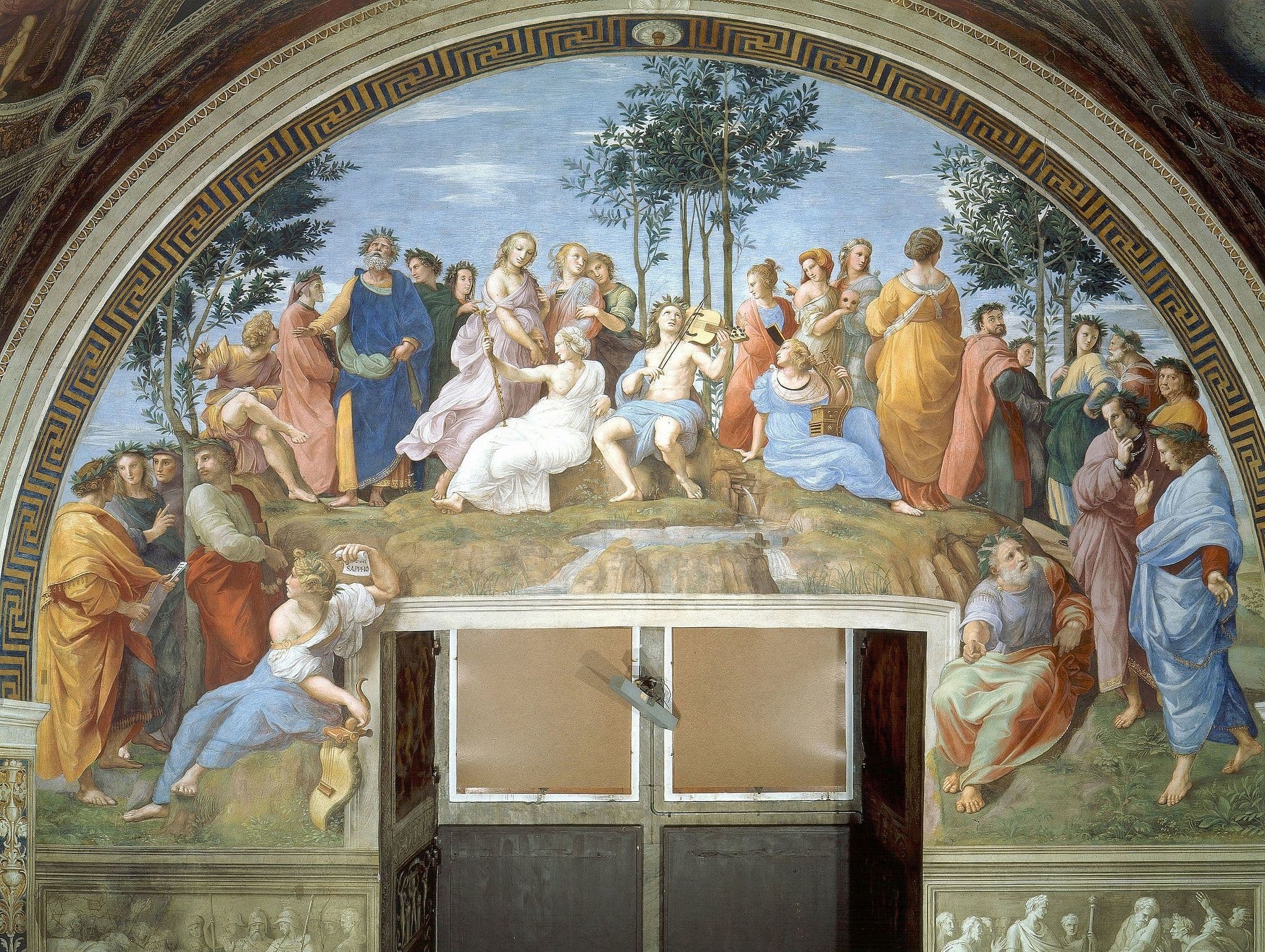
$200-500 million
Parnassus is effectively priceless as an in‑situ fresco; its $200M–$500M counterfactual is a strictly hypothetical private/auction extrapolation from Raphael precedents.
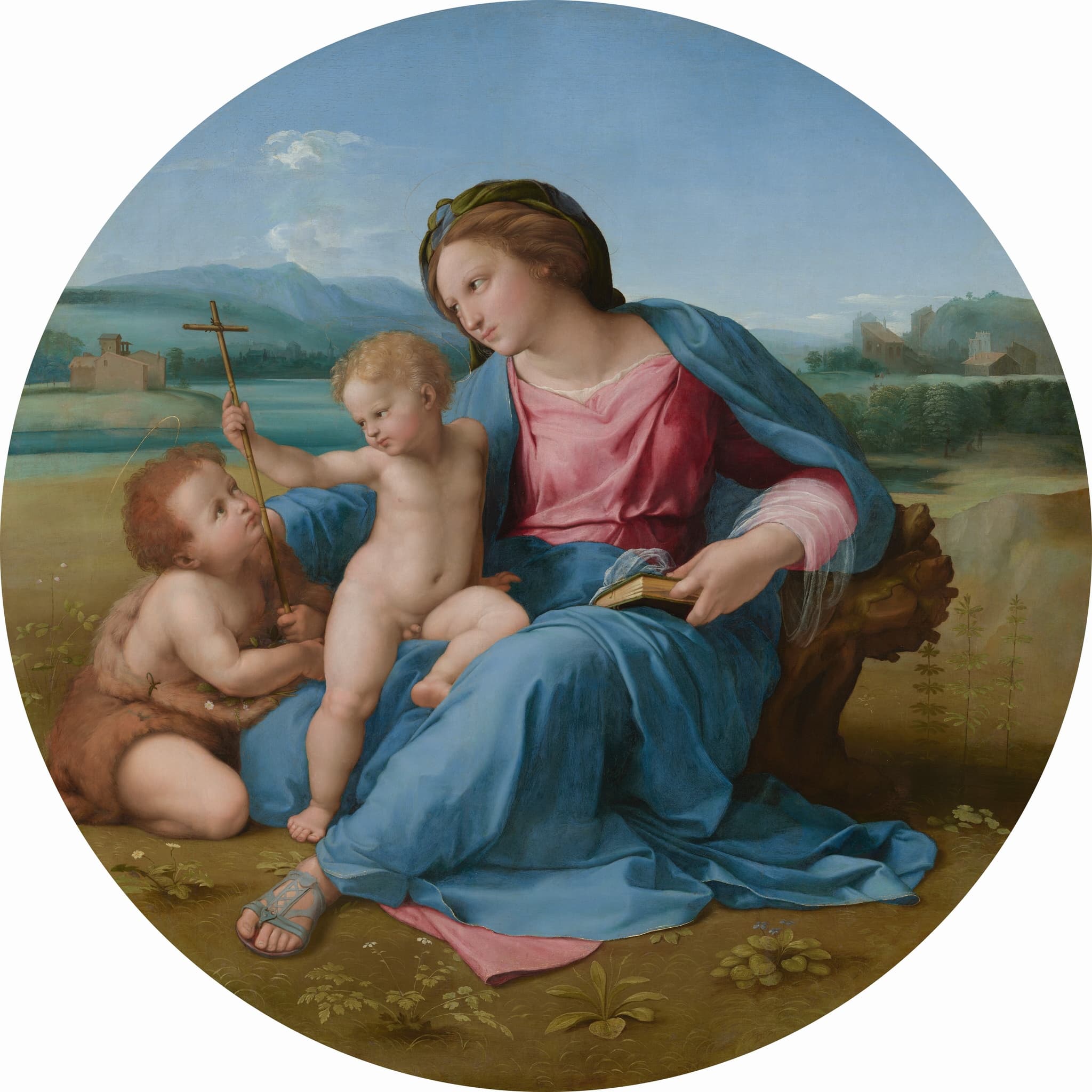
$150-400 million
Museum‑held and off‑market, Alba Madonna’s $150M–$400M hypothetical range rests on top Old Master precedents and condition/provenance uncertainties.
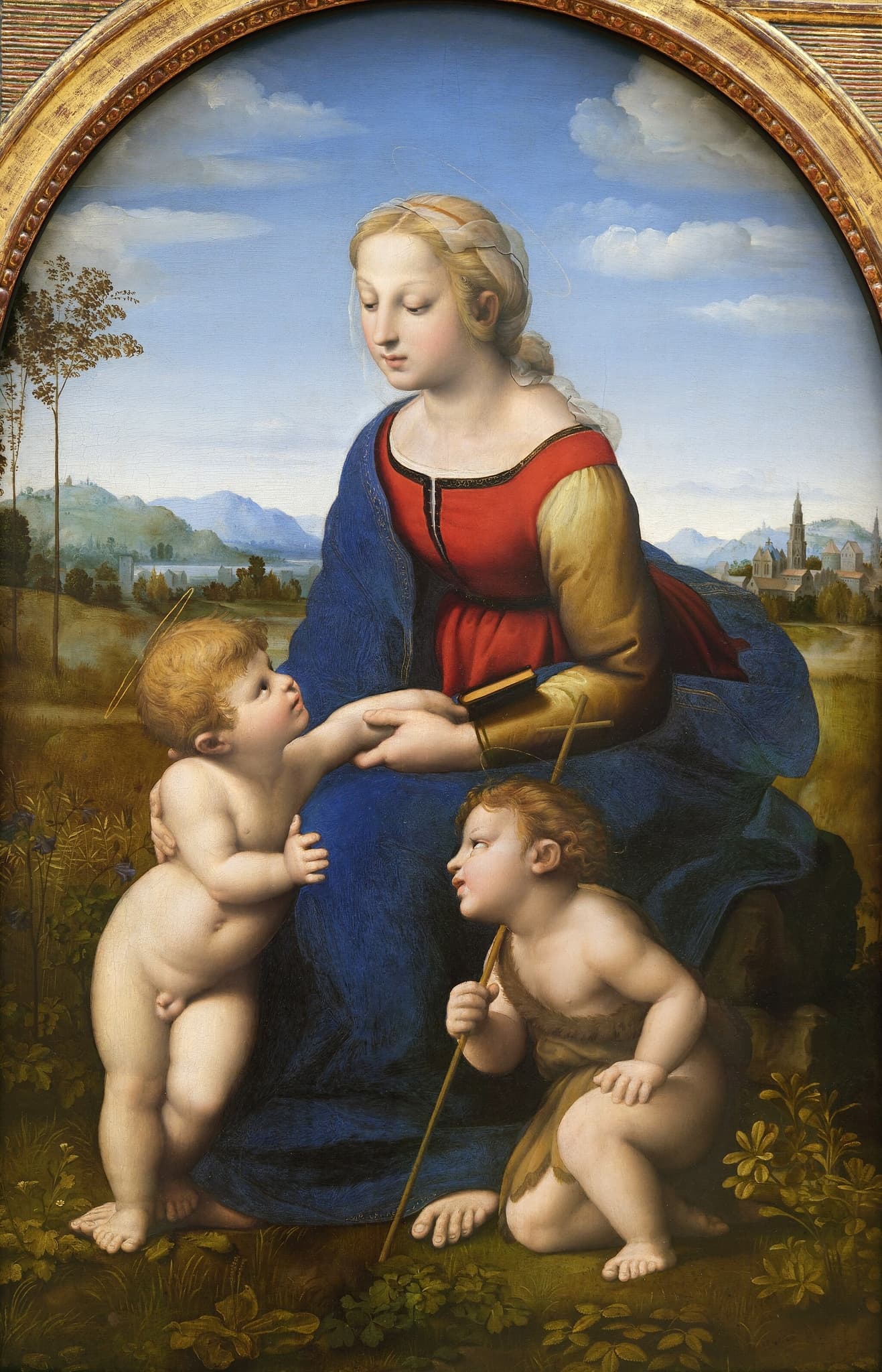
$200-400 million
La Belle Jardinière’s $200M–$400M theoretical value is a market‑replacement estimate anchored to outlier High‑Renaissance trophy sales and Louvre ownership constraints.
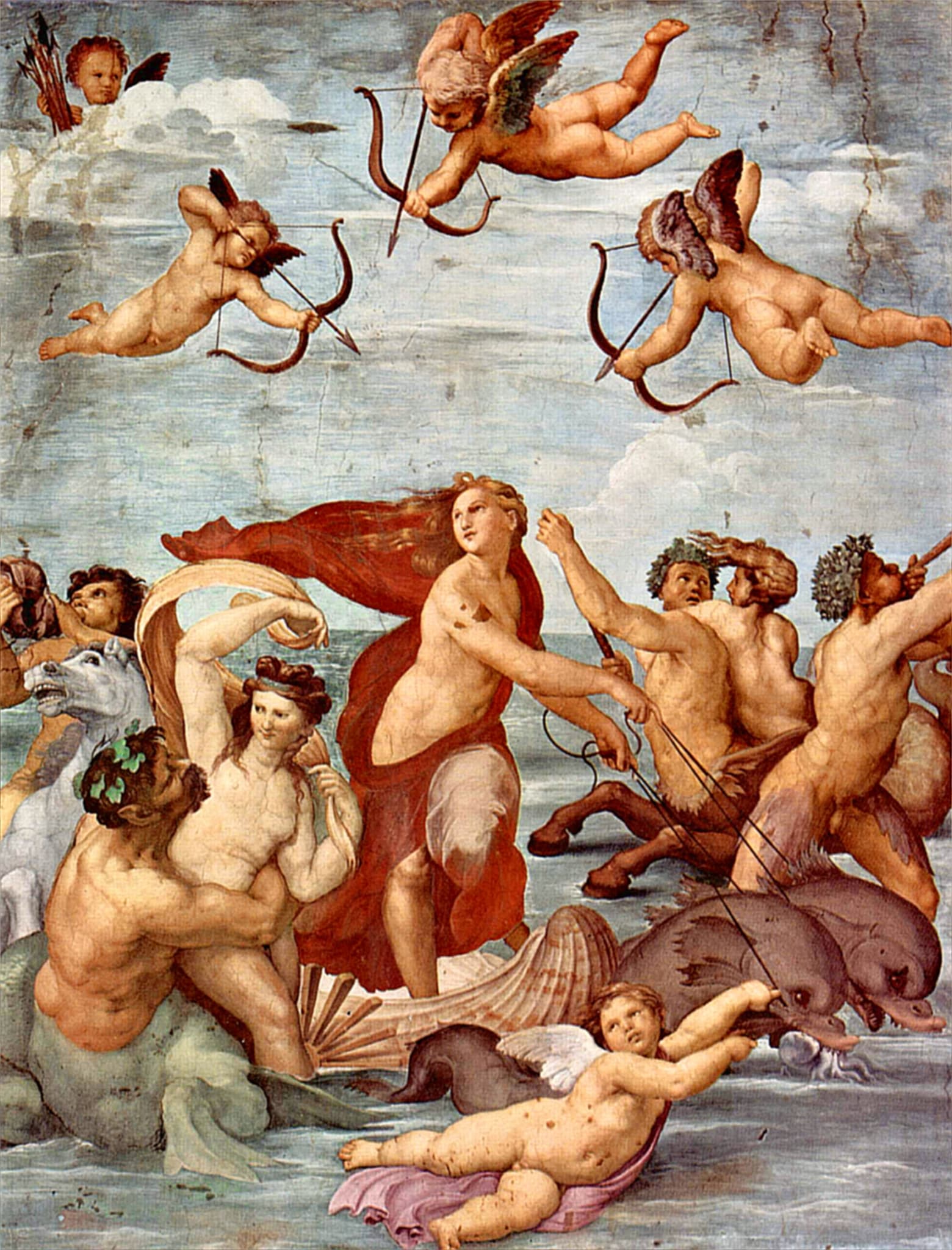
$250-350 million
Raphael’s The Triumph of Galatea is an in-situ fresco (c.
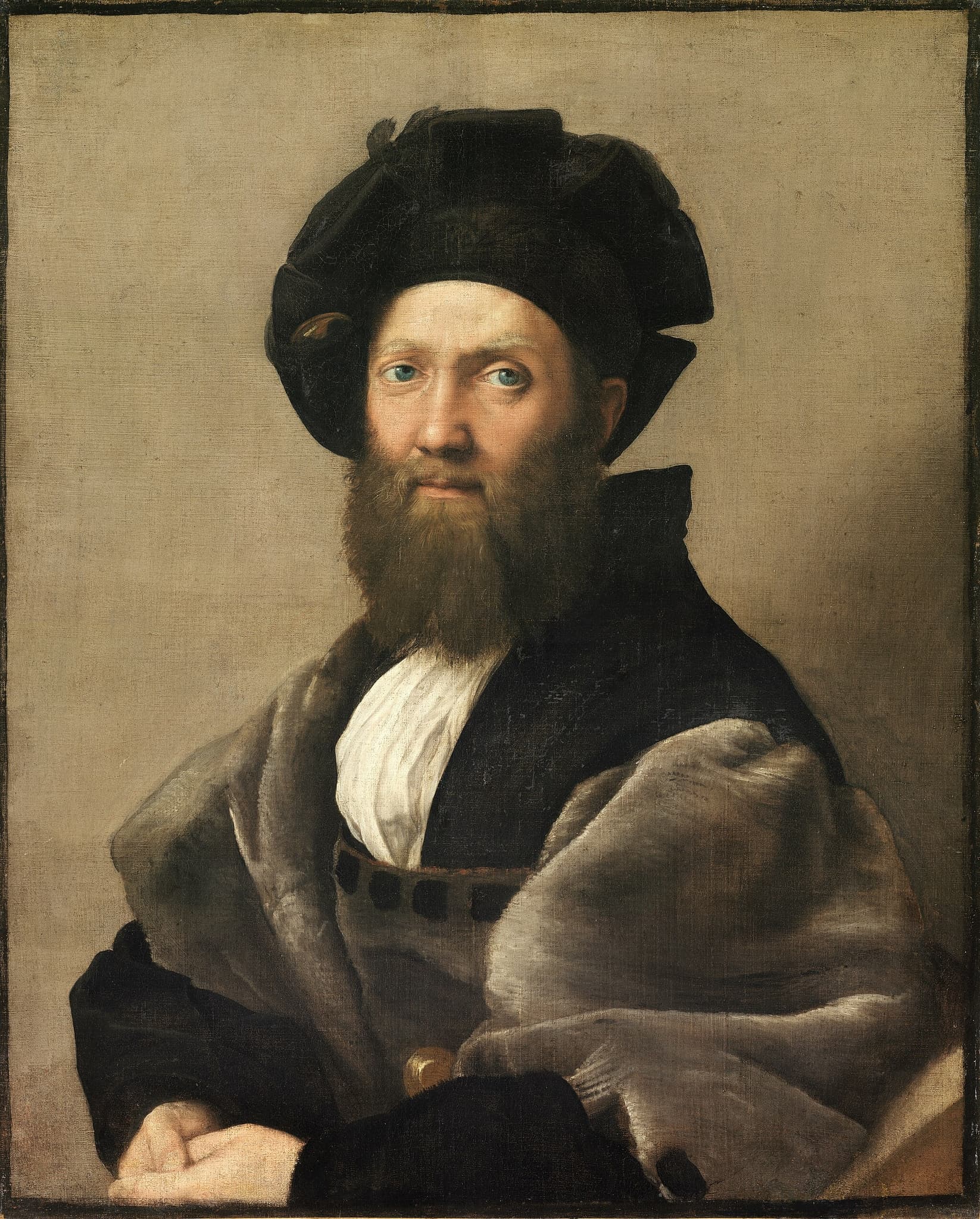
$100-300 million
If securely autograph, Castiglione’s portrait commands a $100M–$300M hypothetical valuation; a downgraded attribution would drop it into mid‑tens of millions or lower.
What Drives Value in Raphael's Work
Authorship & Attribution (Autograph Raphael vs Workshop)
For Raphael, a secure autograph attribution is the single most potent price lever. Works like the Portrait of Baldassare Castiglione show how expert consensus and technical confirmation (IRR, pigments, catalogue‑raisonné inclusion) move a picture into “trophy” territory; a downgrade to workshop/follower produces a steep step‑down. Market discovery for Raphael largely runs through drawings (c. $47.8M top sale), so autograph certification converts scarce supply into outsized premiums.
Medium & Portability — In‑situ Frescoes vs Portable Easel Works
Many of Raphael’s masterpieces (School of Athens, La Disputa, Parnassus, Sibyls, Prophet Isaiah) are murals integral to Rome/Vatican architecture. Their immovability and the technical risk of strappo/stacco materially suppress tradability and realizable price, even as cultural value remains huge. Conversely, if a fresco could be credibly detached and legally exported, its trophy appeal would spike—so portability specific to Raphael’s corpus is a decisive determinant of market potential.
Canonical Iconicity & Narrative Centrality
Certain Raphaels function as cultural shorthand—The School of Athens, The Transfiguration, and the Sistine Madonna carry outsized symbolic capital beyond painterly quality. That iconicity means they can compete cross‑category with outlier sales (e.g., Salvator Mundi) and justify estimates well above Raphael’s auction proxies. For Raphael, narrative centrality in the history of the High Renaissance converts scholarly fame into a rarity premium that drives top‑end theoretical valuations.
Provenance & Institutional Custodianship (Deaccessionability Risk)
Many headline Raphaels are held by national or ecclesiastical collections (Sistine Madonna in the Gemäldegalerie/Saxon collection, Alba Madonna in NGA, La Belle Jardinière in the Louvre). Pristine provenance raises theoretical value but institutional ownership, donor restrictions, and patrimony laws make lawful sale extremely difficult. For Raphael, provenance often simultaneously increases estimate ceilings and collapses practical liquidity—deaccessionability specifics therefore shape realizable price more than for many other artists.
Market Context
Raphael sits at the apex of the Old Masters market, but extreme scarcity—most major paintings are museum‑held—makes price discovery episodic and largely extrapolative from drawings and rare studio panels: his auction record is about $48 million for Head of a Young Apostle (Sotheby’s, 2012), with other top drawings and portable works fetching tens of millions and museum purchases (e.g., the National Gallery’s Madonna of the Pinks) underscoring institutional competition. After a softer 2024, headline results and selective 2025–26 recoveries have renewed depth for best‑in‑class works: museums, sovereign buyers and UHNW collectors aggressively pursue verified, exhibition‑grade Raphaels, driving trophy pricing toward nine‑figure expectations for truly canonical, marketable masterpieces, while constrained supply and attribution certainty remain the primary valuation limits.
Study prints from famous works by Raphael
Curated print bundles pairing the full artwork with a close reading of one meaningful detail.
