Most Expensive William Blake Paintings
William Blake occupies a singular position in the market as a visionary poet–painter whose scarcity, provenance, and singular iconography consistently drive strong prices at auction and private sale. At the top of the list sits The Great Red Dragon and the Woman Clothed with the Sun, estimated at $18–30 million, a dramatic centerpiece whose monumental scale and cultural resonance make it the most coveted Blake on the market. Other gallery- and museum‑worthy canvases command substantial sums too: Elohim Creating Adam is valued at $3,000,000–$12,000,000, while The Great Red Dragon and the Beast from the Sea registers $2,000,000–$7,000,000. Collectors prize works such as The Spiritual Form of Nelson Guiding Leviathan ($1.5–6.0 million) and Nebuchadnezzar ($1,000,000–$4,000,000) for their provenance and rarity, and even the intimate, eccentric Ghost of a Flea can fetch $500,000–$4,000,000. Lesser‑seen prints and frontispieces, from The Ancient of Days ($100,000–$2,000,000) to Newton ($75,000–$350,000), underline the wide value spectrum. Blake’s market standing is thus built on artistic innovation, mythic appeal, and very limited supply, making each lot a high‑stakes statement for collectors and institutions alike.
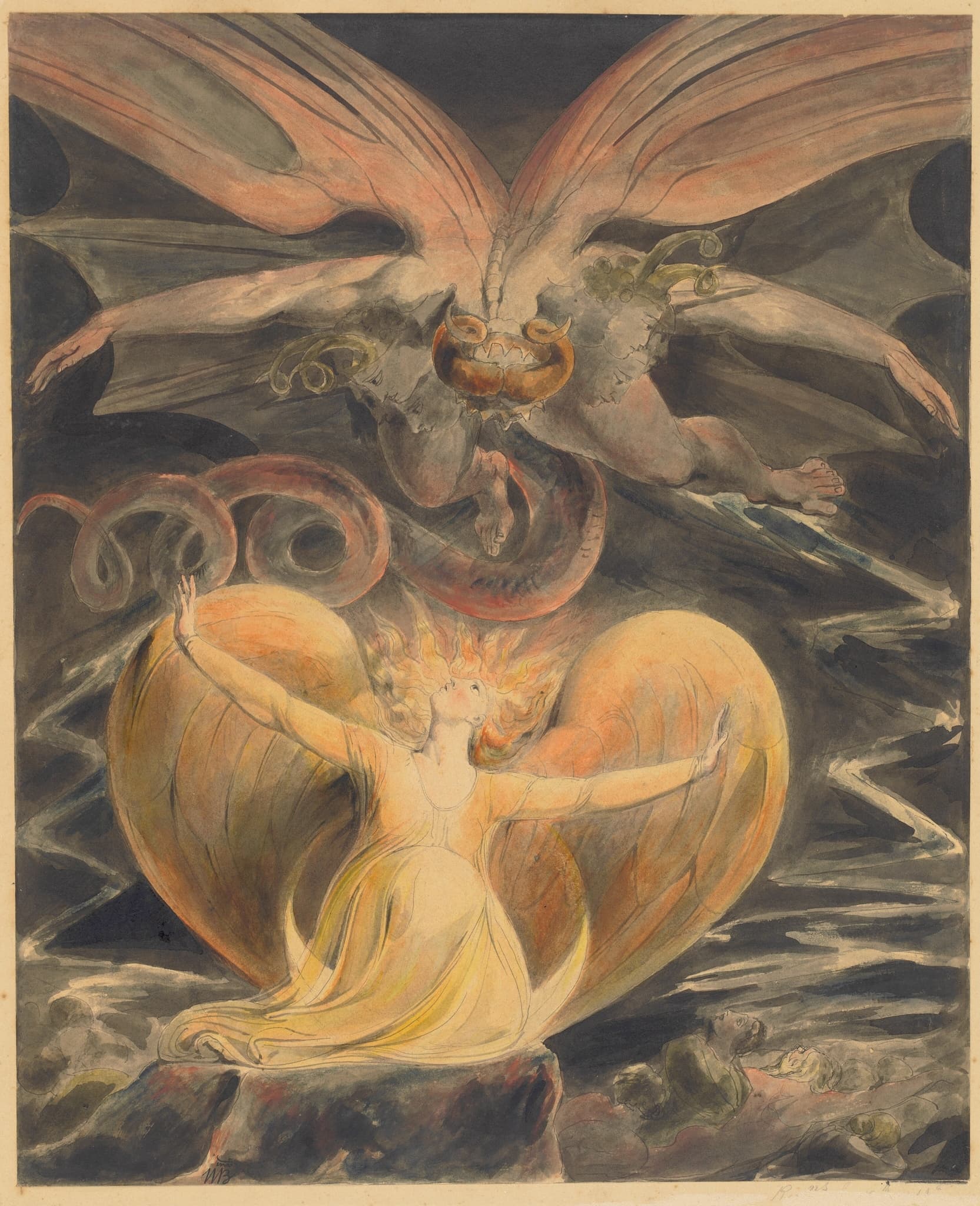
$18-30 million
Estimated $18–30M because Blake’s Revelation watercolors are virtually unavailable, this iconic Red Dragon’s institutional provenance and unmatched rarity justify a record‑level, global‑sale projection.
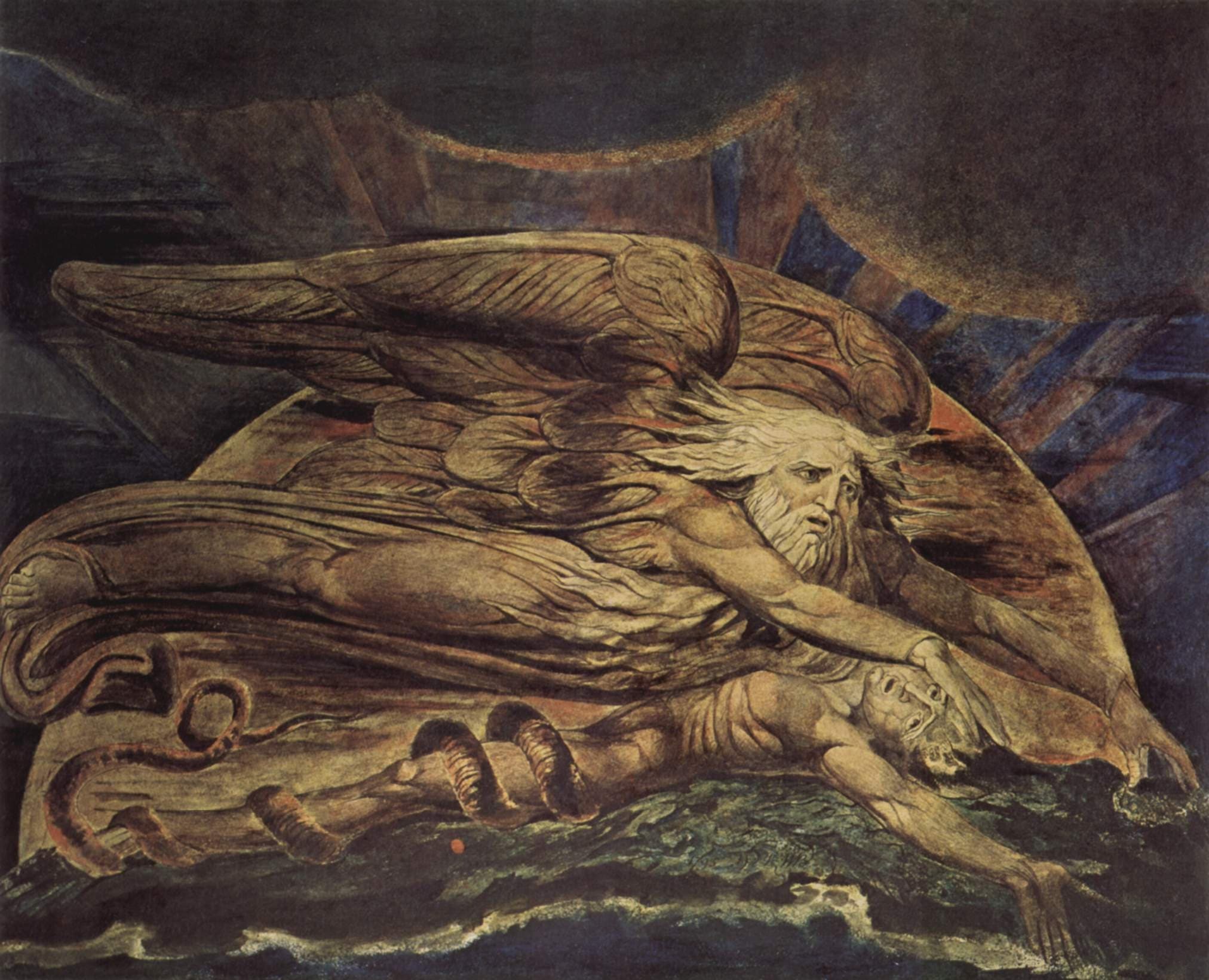
$3,000,000–$12,000,000
Valued $3–12M as a hypothetical if Tate’s unique Elohim Creating Adam were offered, reflecting museum ownership, singular impression status and potential competitive bidding in perfect condition.
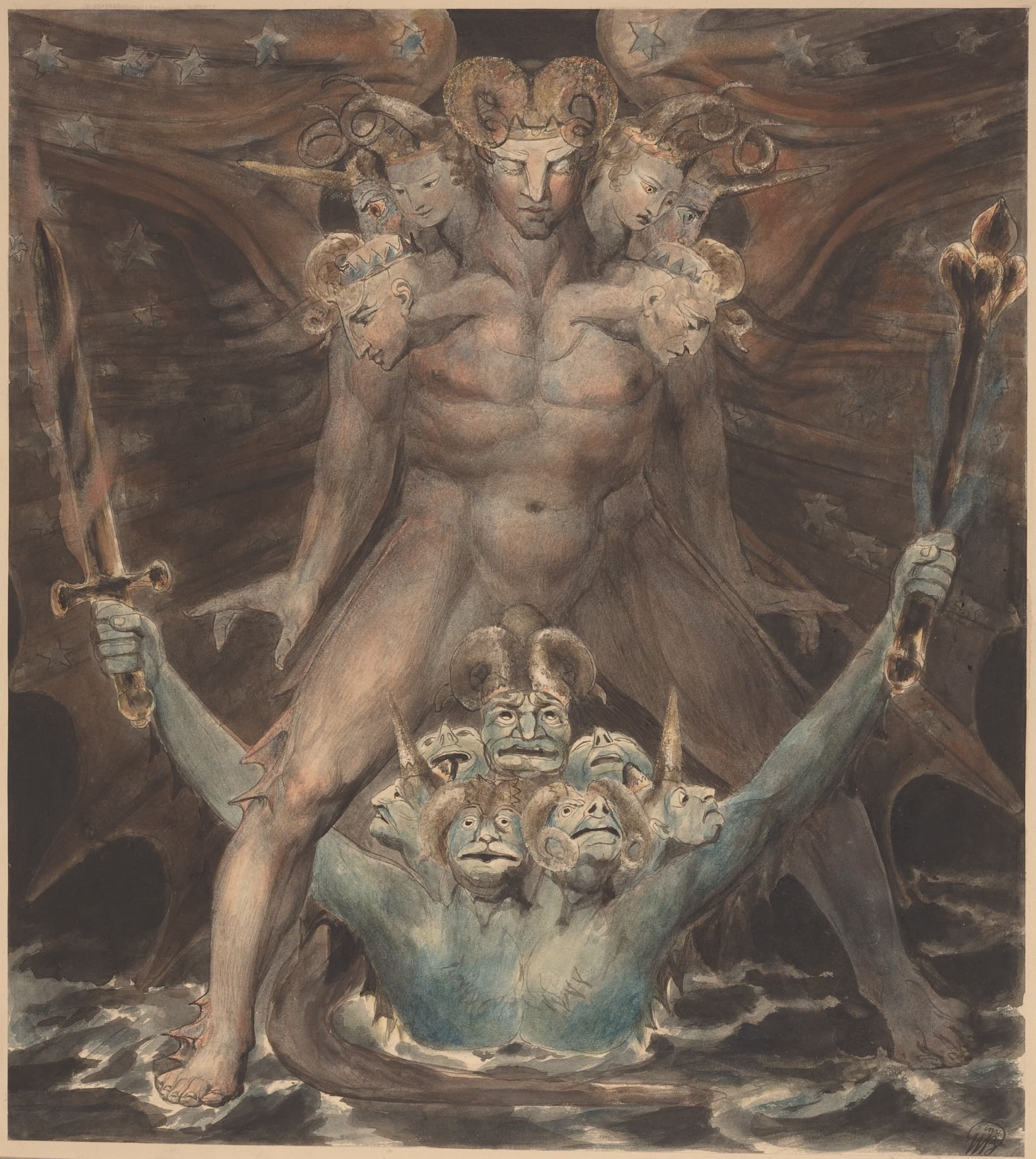
$2,000,000–$7,000,000
Priced $2–7M contingent on a comparable authenticated Red Dragon sheet reaching the market, based on recent Blake comparables and acute scarcity of finished watercolors.
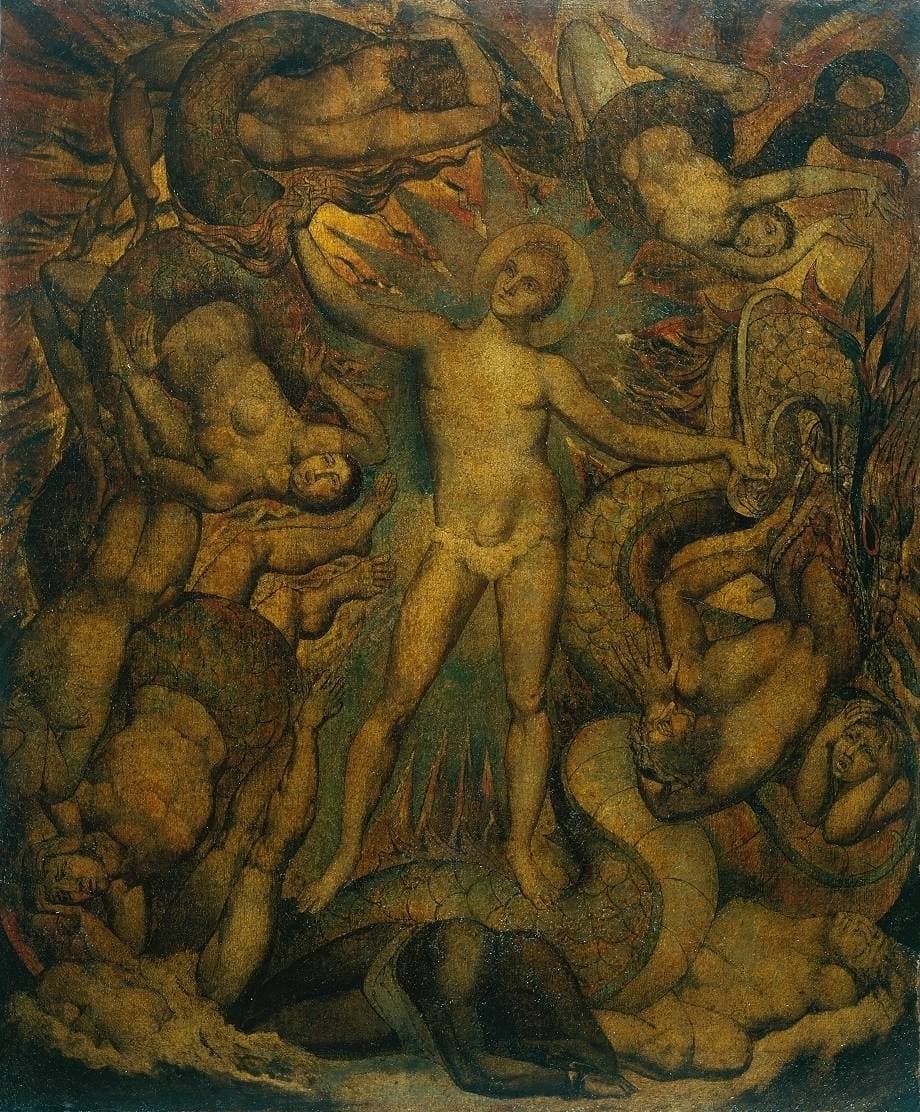
$1.5–6.0 million
Estimated $1.5–6M reflecting Tate’s museum provenance, tempera medium and large scale, with no public sale precedent for this Nelson painting to test market demand.
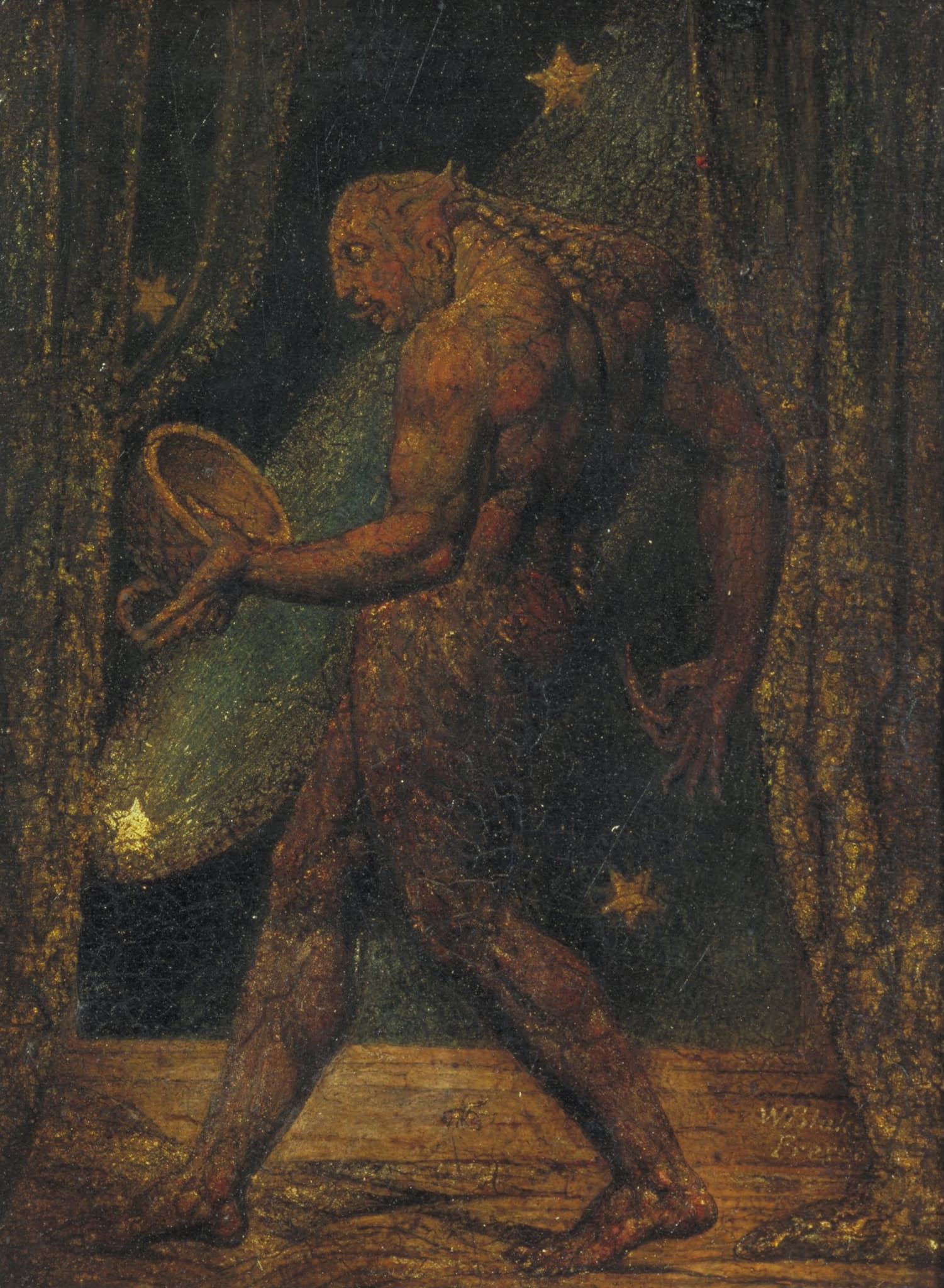
$500,000–$4,000,000
Estimated $0.5–4M as an academic private‑market range for Tate’s bequeathed Ghost of a Flea, whose institutional ownership renders the figure hypothetical and comparables‑driven.
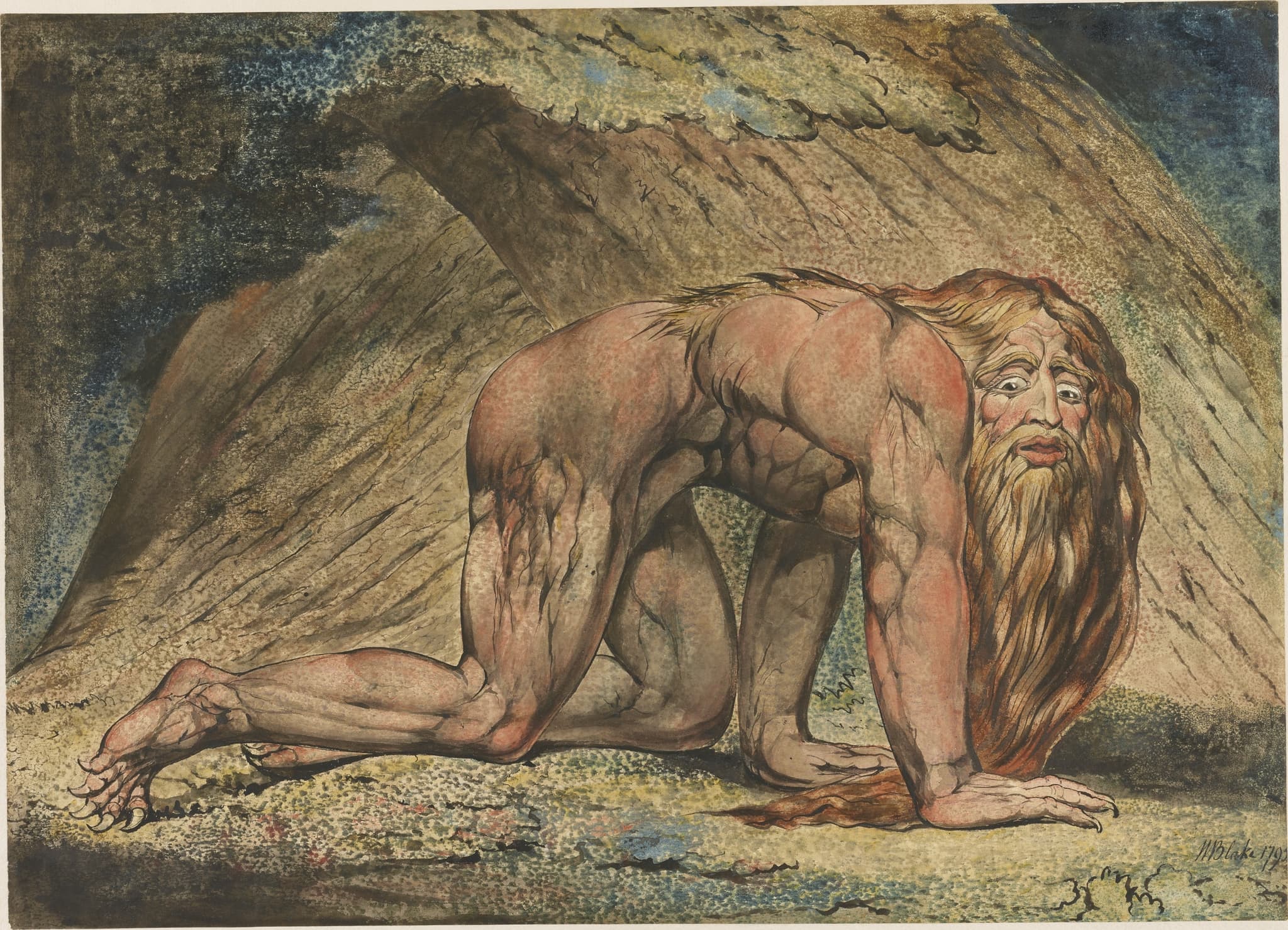
$1,000,000–$4,000,000
Valued $1–4M for a genuine, museum‑quality Nebuchadnezzar colour monotype, with substantial discounts expected for later impressions, studio copies, or compromised provenance/condition.
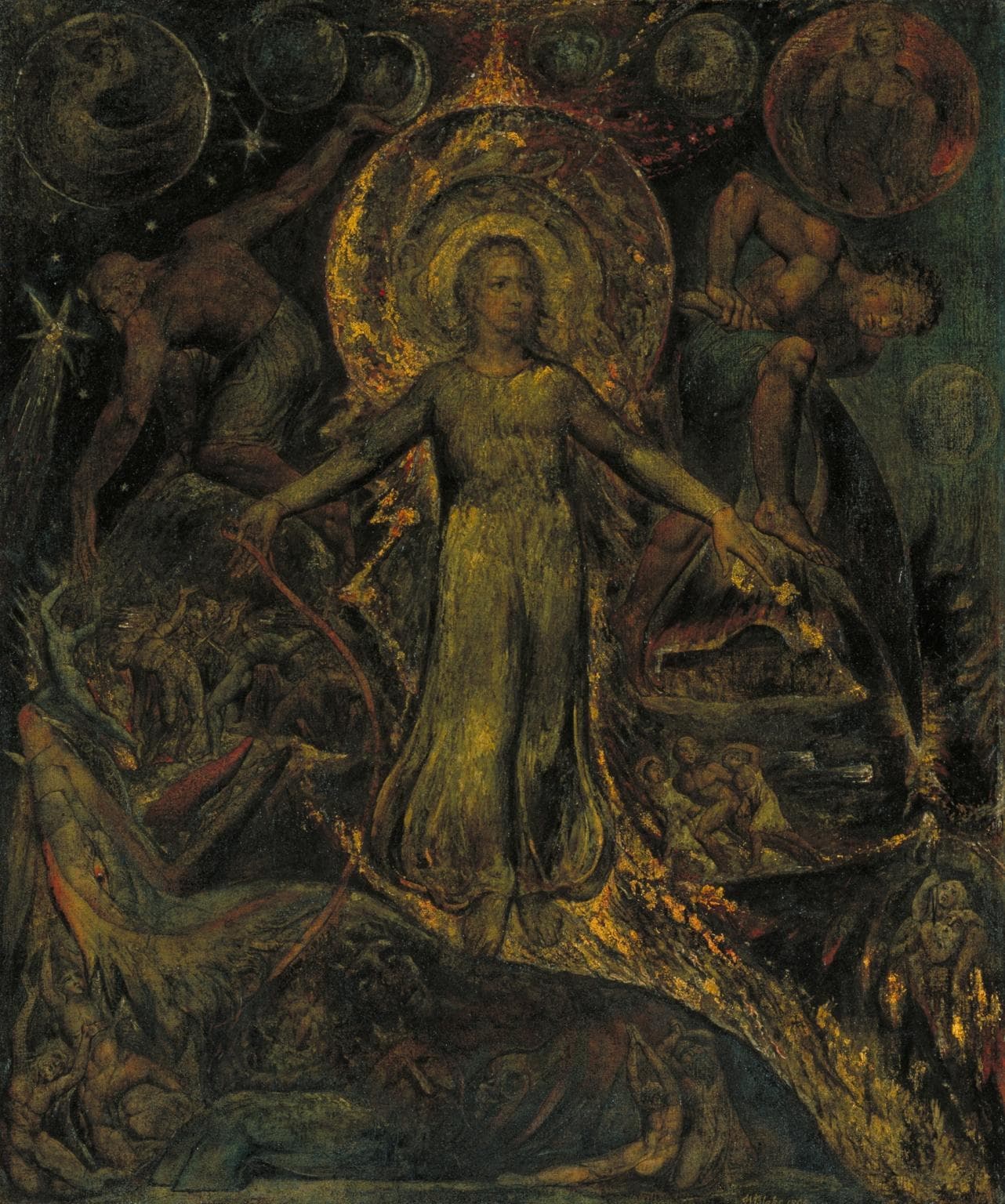
$500,000-$3,000,000
Valued $0.5–3M for Pitt Guiding Behemoth based on Tate ownership, museum‑quality comparables and the absence of any modern public sale record for this composition.
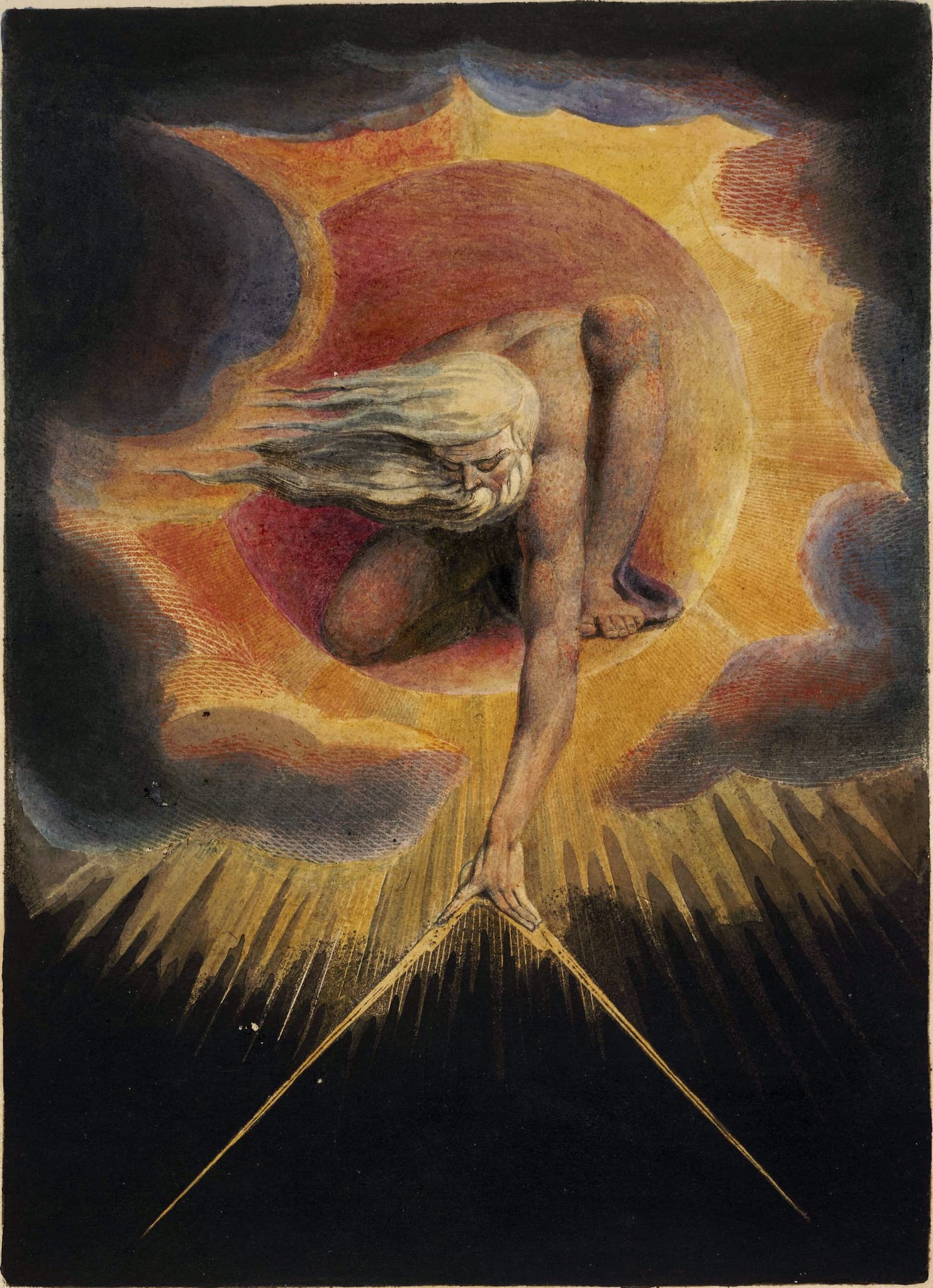
$100,000–$2,000,000
Estimated $0.1–2M for a single‑sheet Ancient of Days, with plate state, original Blake colouring, condition and provenance determining whether an impression reaches the top tier.
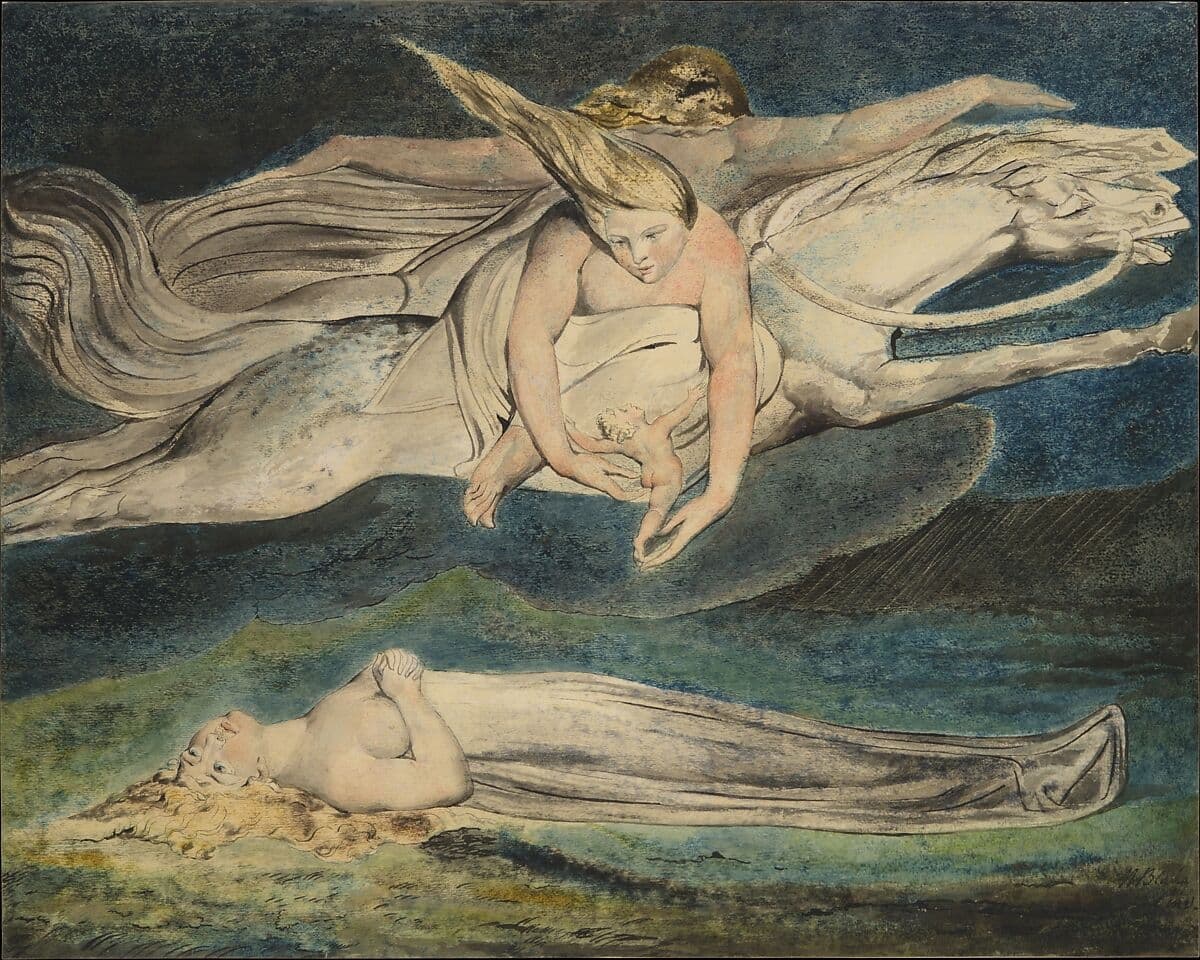
$150,000–$1,500,000
Priced $0.15–1.5M for a Blake‑finished Pity impression in museum quality, adjusted downward because canonical impressions are retained by major institutions and lack market comparables.
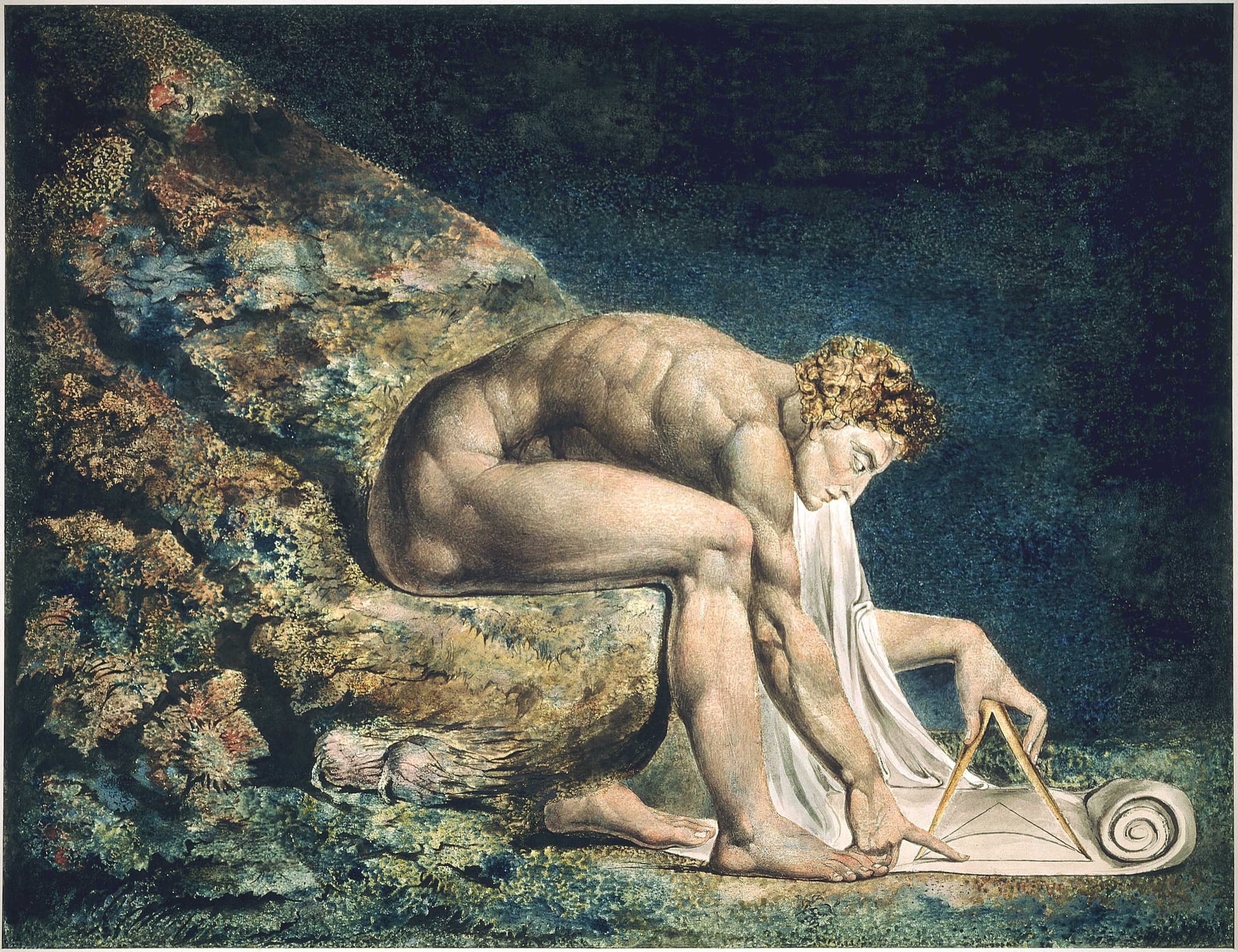
$75,000–$350,000
Valued $75K–350K for an original Newton monotype/hand‑coloured impression, with museum‑grade condition, unique Blake finishing or exceptional provenance required to approach the high end.
What Drives Value in William Blake's Work
Iconic Subject and Cross‑Cultural Recognition
Certain Blake images (Great Red Dragon series, The Ancient of Days, Nebuchadnezzar) function as cultural icons beyond Blake specialists. Their instant recognisability—heightened by reproductions in surveys and popular culture—expands the bidder pool, drawing museums and cross‑category collectors. The NGA Red Dragon’s fame, for example, is cited as a primary reason it could push into an $18–30M band, a premium other Blake sheets lack.
Printing State and Authorship of Hand‑Colouring
For Blake’s relief prints and plates (Ancient of Days, Newton, Elohim Creating Adam), precise state, printing date and whether colouring is autograph are decisive. Early 1794 strikes or impressions with Blake‑period hand‑colouring routinely sell for multiples of later restrikes. Elohim’s uniqueness (only Tate impression recorded) and Ancient of Days early‑state examples exemplify how catalogue‑raisonné identification and pigment/hand studies directly alter market classification and price.
Medium and Artist‑Specific Technique (Watercolour, Tempera, Monotype, Illuminated Books)
Blake’s market is medium‑specific: unique large watercolours and tempera panels (Ghost of a Flea; Spiritual Form of Nelson; Pitt Guiding Behemoth) and finished illuminated books command outsized premiums compared with common prints. His most coveted objects are fully worked, hand‑finished sheets and tempera canvases rather than routine plates. The rarity and technical distinctiveness of these media in Blake’s output elevate value when condition and attribution are secure.
Concentrated Museum Ownership and Provenance Chains
Major Blake trophies are disproportionately museum‑held (Butts commission sheets, Rosenwald/NGA Red Dragons, Tate temperas), which both raises perceived cultural value and tightens market supply. Exemplary provenance (Butts → Rosenwald → NGA) reduces transactional risk and lifts estimates, while institutional custody simultaneously makes actual market appearance exceptional—supply constraint around canonical Blake works therefore amplifies outcomes when one does come to market.
Market Context
William Blake’s auction market is scarce but robust: the record remains $4.32m for a prime Songs of Innocence and of Experience (Sotheby’s, 2024), with the large-paper benchmark $3.928m for The Good and Evil Angels (Sotheby’s, 2004). Recent activity broadened momentum—two further seven‑figure Songs at Christie’s in 2025 and a print record of ~$305k for a first‑issue Tyger—while 2024 softness in Old Masters/British Romantic works gave way to a 2025 rebound and more cross‑category bidding. The buyer base is small and institutionally weighted (museums, specialist collectors and bibliophiles), so provenance, condition and exhibition history drive premiums; supply of museum‑quality sheets is the primary constraint. These dynamics, plus upcoming visibility around Blake anniversaries, support materially higher estimates for canonical, well‑provenanced works (e.g., a marquee Red Dragon).