Most Expensive Egon Schiele Paintings
Egon Schiele occupies a distinct, commanding place in the art market: a protégé of Vienna’s Secession whose raw psychological intensity and daring line work have made his canvases among the most sought-after of early 20th‑century art. Collectors prize Schiele for the electric immediacy of paintings like Death and the Maiden, estimated in the $70–120 million range, and the haunting intimacy of Self‑Portrait with Physalis, placed around $50–80 million, which together demonstrate why museum-quality examples command blockbuster prices. Works such as Portrait of Wally ($55–75 million) and Häuser mit bunter Wäsche (Suburb II) ($50–90 million) show that both portraiture and urban scenes can fetch top-tier sums when provenance, condition and rarity align. The Embrace and Danaë, with estimates between $50–70 million and $20–28 million respectively, further underline the market’s appetite for Schiele’s erotic and mythic themes, while smaller or fragmentary pieces—Selbstbildnis mit Modell ($9–18 million) or Seated Woman with Bent Knee ($6–12 million)—remain highly collectible for connoisseurs seeking more attainable entry points into a market driven by scarcity, notoriety and the unmistakable charge of Schiele’s hand.
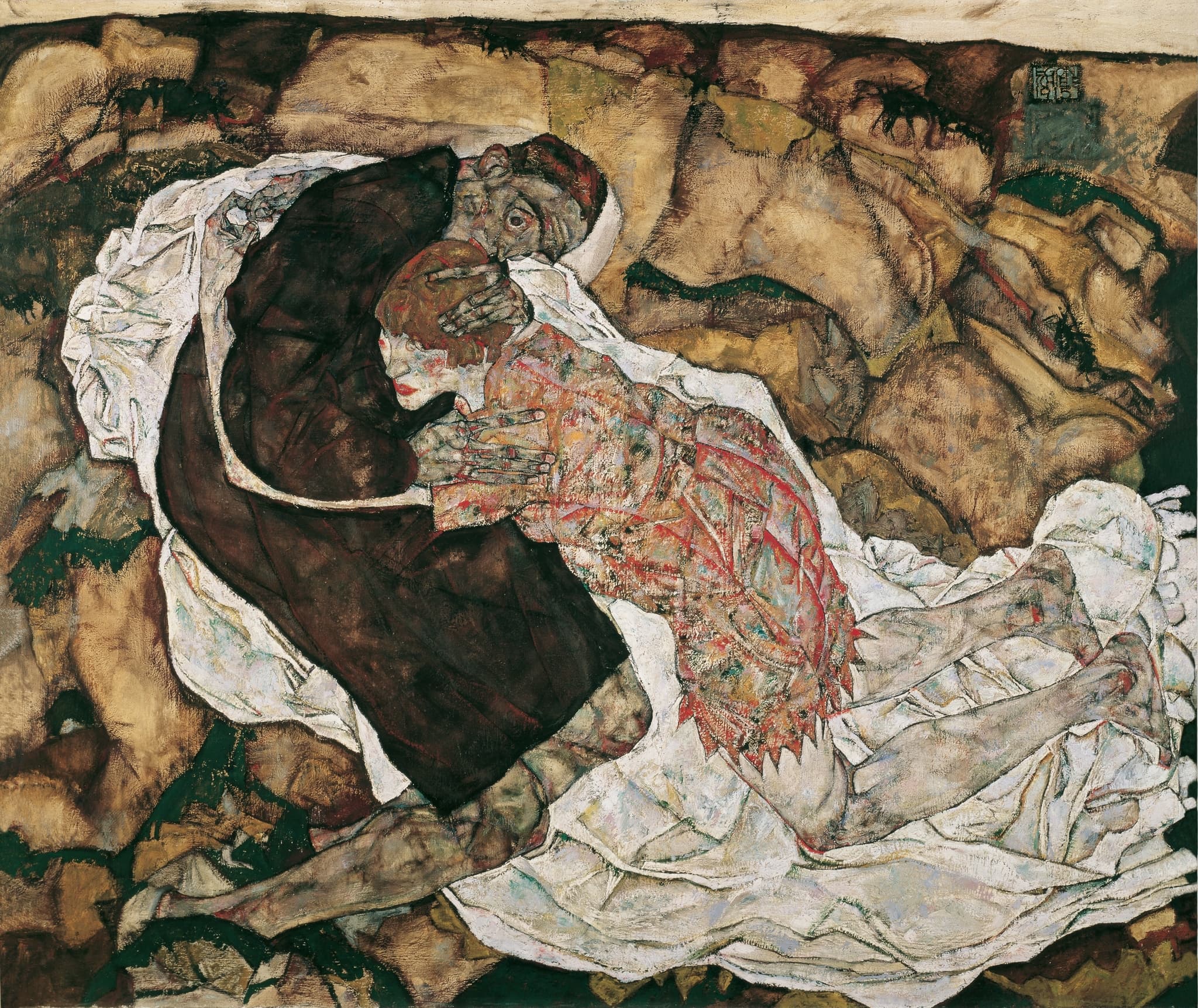
$70-120 million
Estimated $70–120M, this 1915 museum-held masterpiece pushes well above Schiele’s auction record due to utter scarcity of A‑tier oils and trophy premiums for Viennese Modern icons.
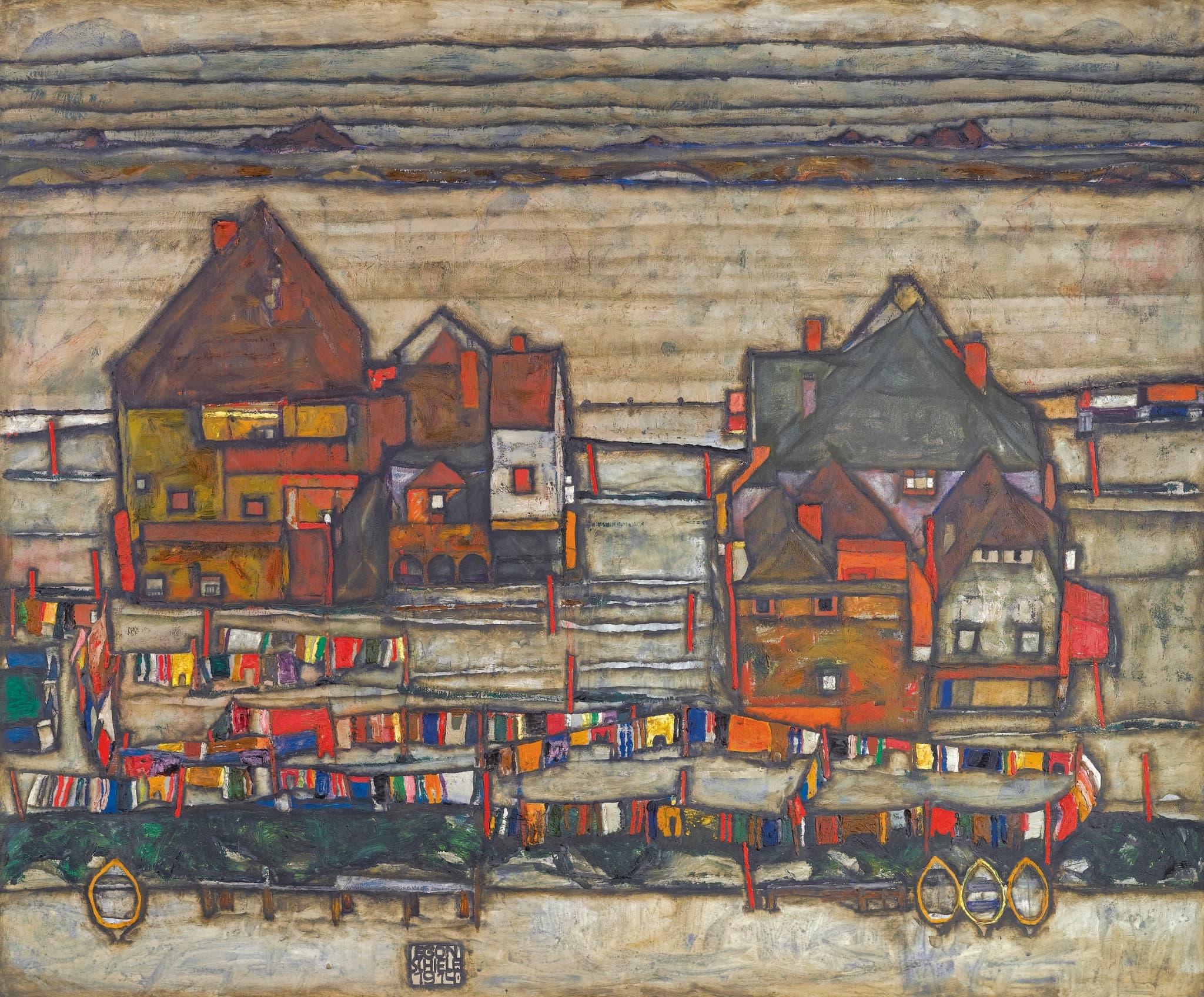
$50-90 million
Realized GBP 24,681,250 (~$39.6M) at Sotheby’s London in 2011; inflation, scarcity of large 1914 Schiele oils and market momentum raise today's estimate to $50–90M.
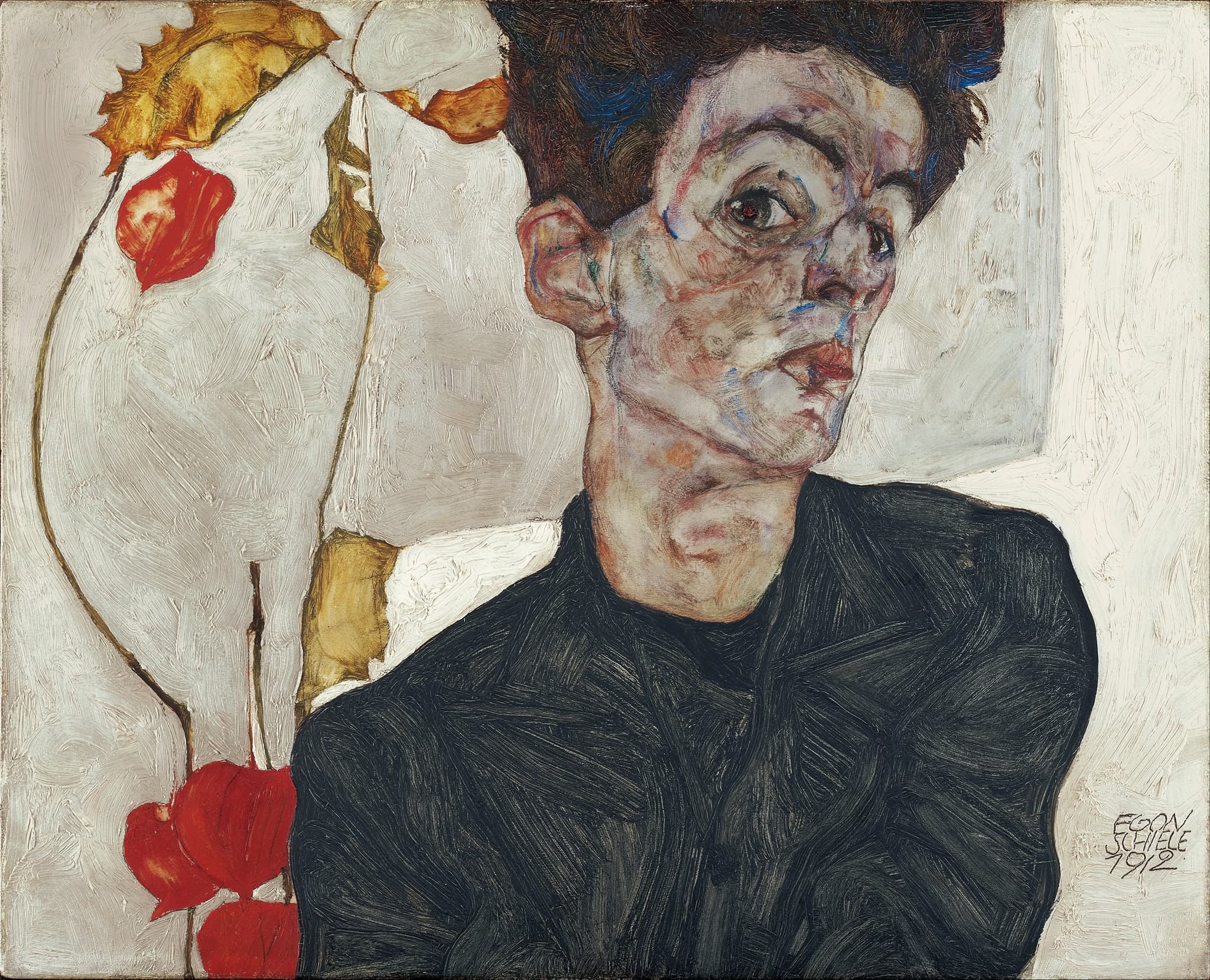
$50-80 million
A prime 1912 iconic self‑portrait estimated $50–80M—above Schiele’s $39.6M record—but effectively unsellable because of museum ownership and Austrian export restrictions.
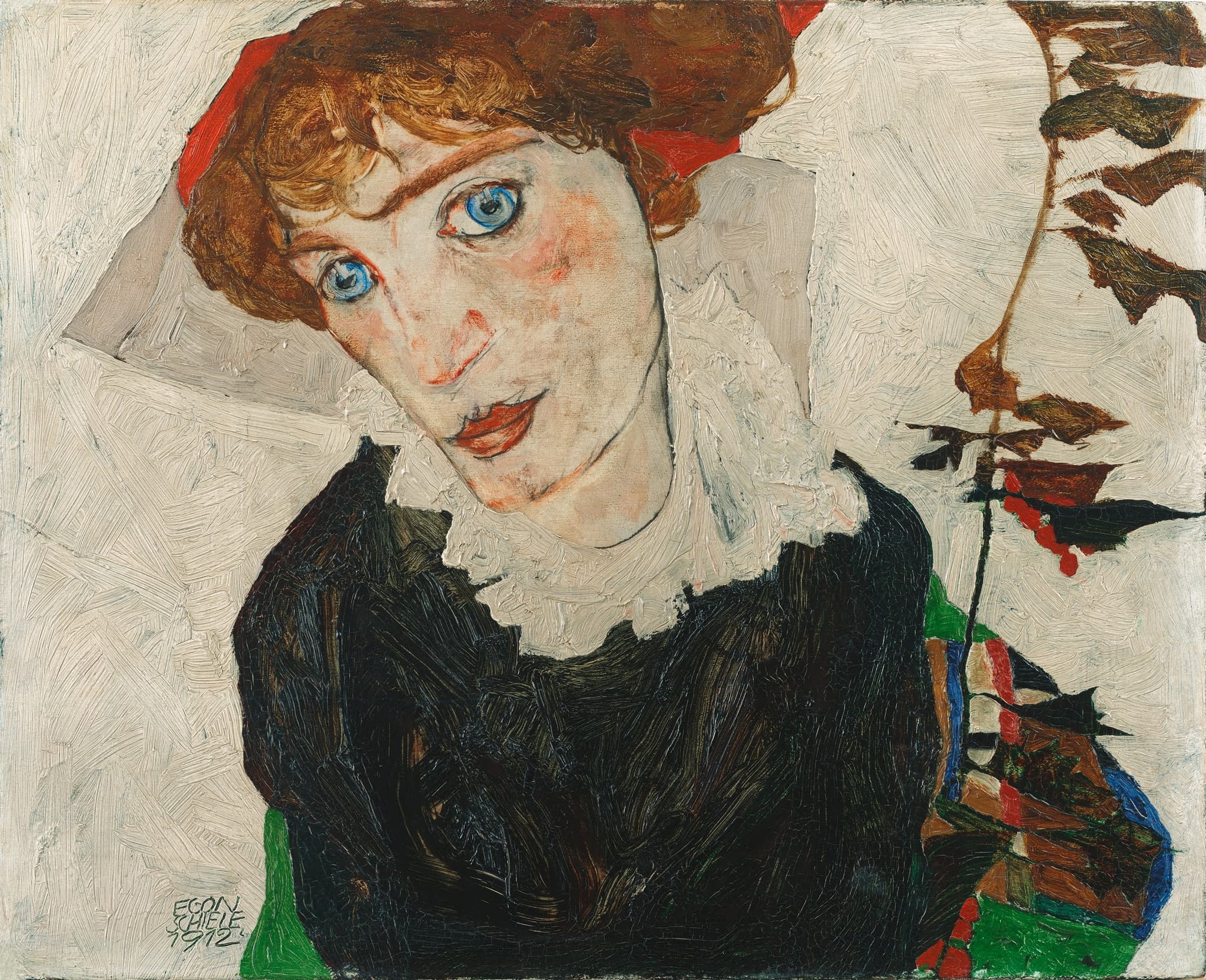
$55–75 million
Estimated $55–75M, Portrait of Wally’s 1912 peak‑period status and extraordinary cultural notoriety place it above adjusted auction benchmarks for Schiele.
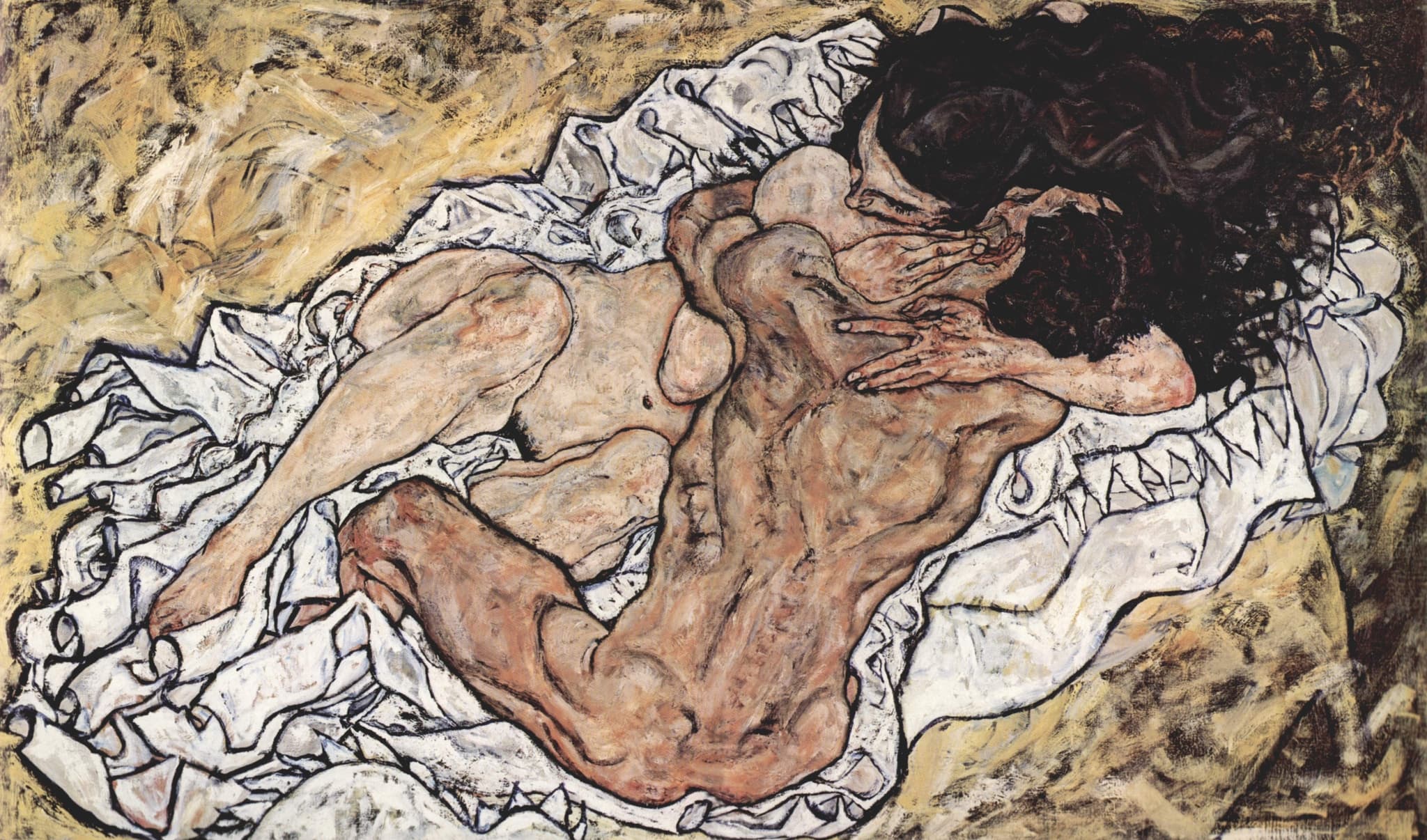
$50-70 million
This late‑period 1917 oil is pegged at $50–70M, buoyed by Schiele’s major‑oil auction records and strong global demand for top‑tier Viennese Modernism.
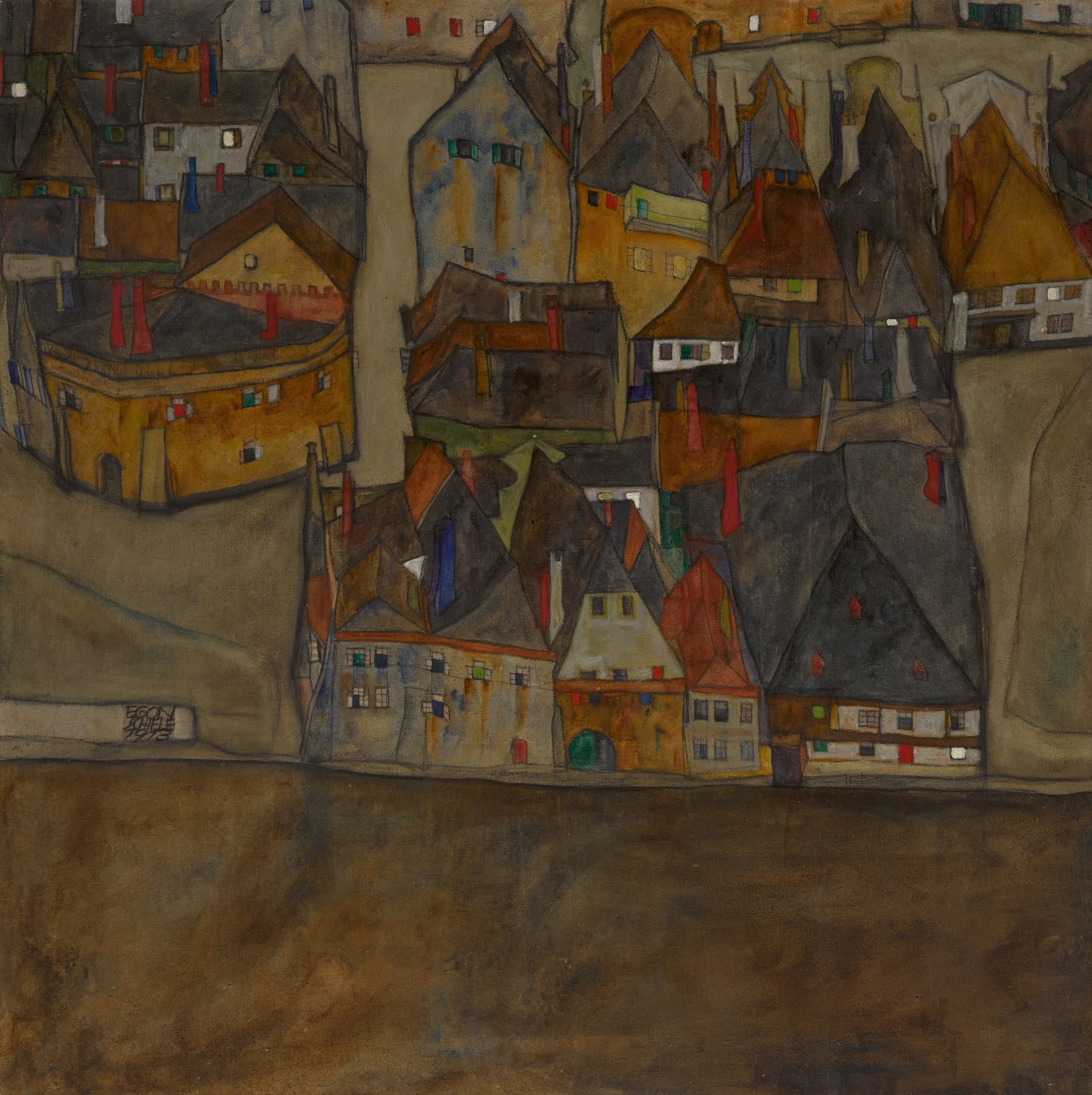
$18-35 million
Having sold for $24,572,500 at Sotheby’s New York in November 2018, Dämmernde Stadt is now judged at $18–35M for a major evening‑sale offering.
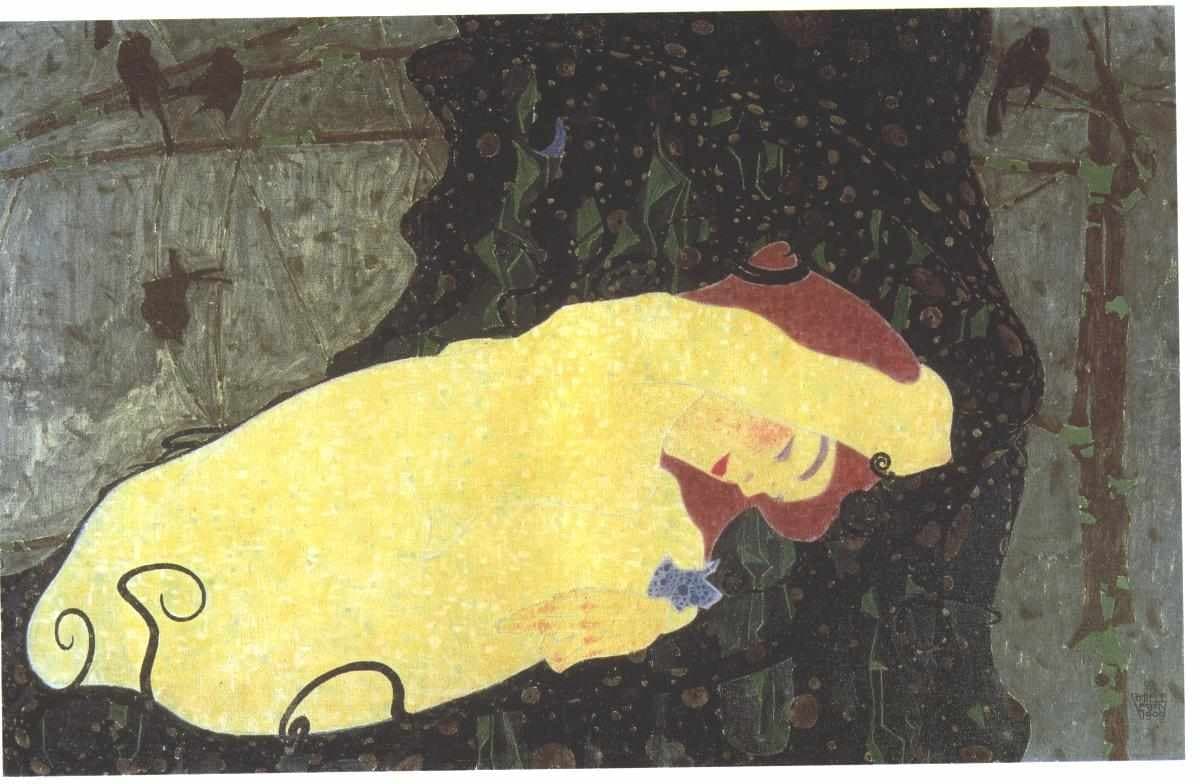
$20-28 million
Danaë realized approximately $23.61M (with premium) at Sotheby’s London (24 June 2026), informing a present valuation of $20–28M based on scale and museum‑quality provenance.
$9.0-18.0 million
Christie’s New York realized $11,323,750 for this 1913 fragment on 8 May 2013; today it’s estimated at $9–18M subject to clear title and venue.
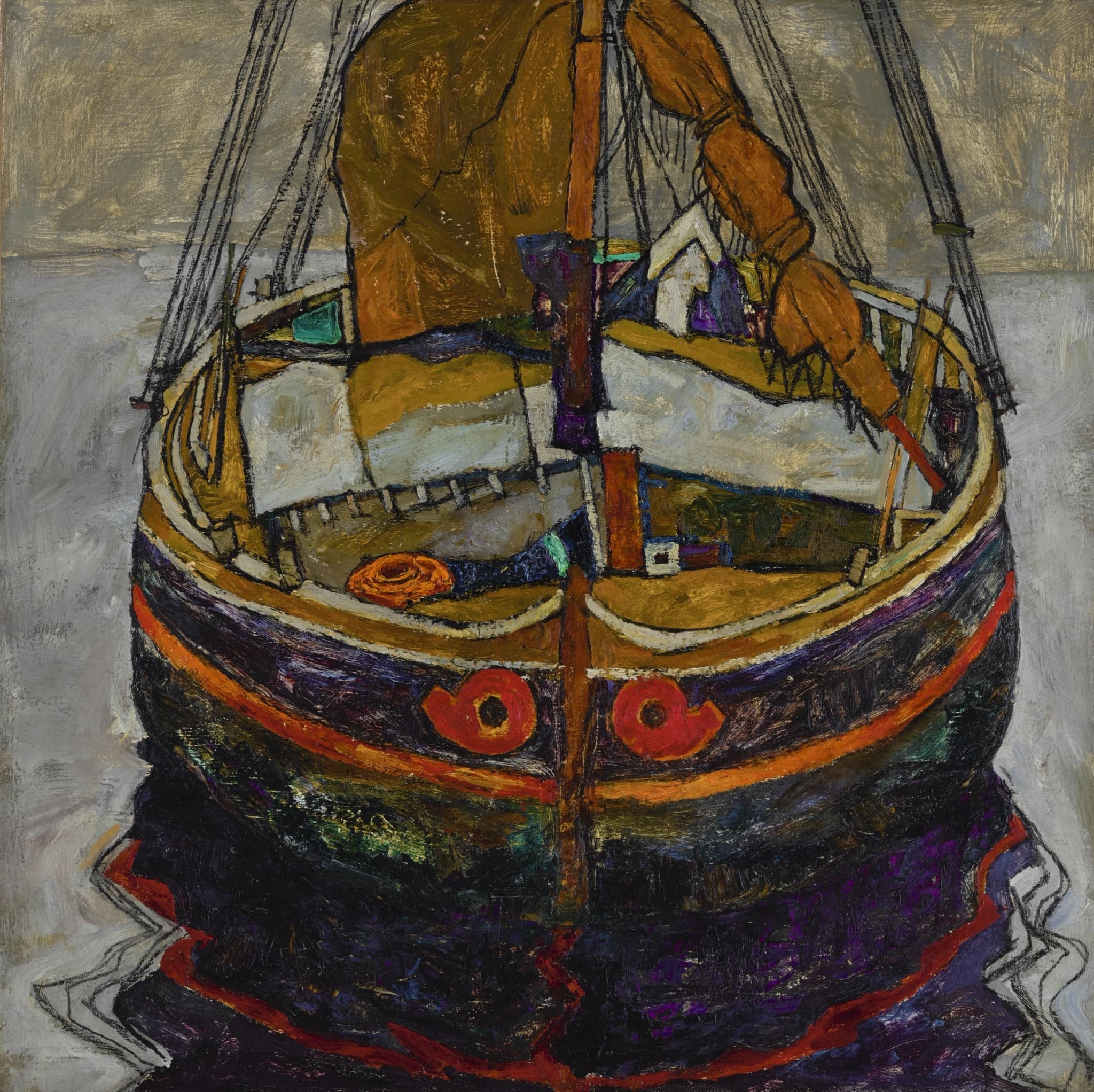
$10-18 million
The identical 1912 Triestiner Fischerboot sold for £10.7M (≈$14.3M) at Sotheby’s London in February 2019, anchoring a current working range of $10–18M.
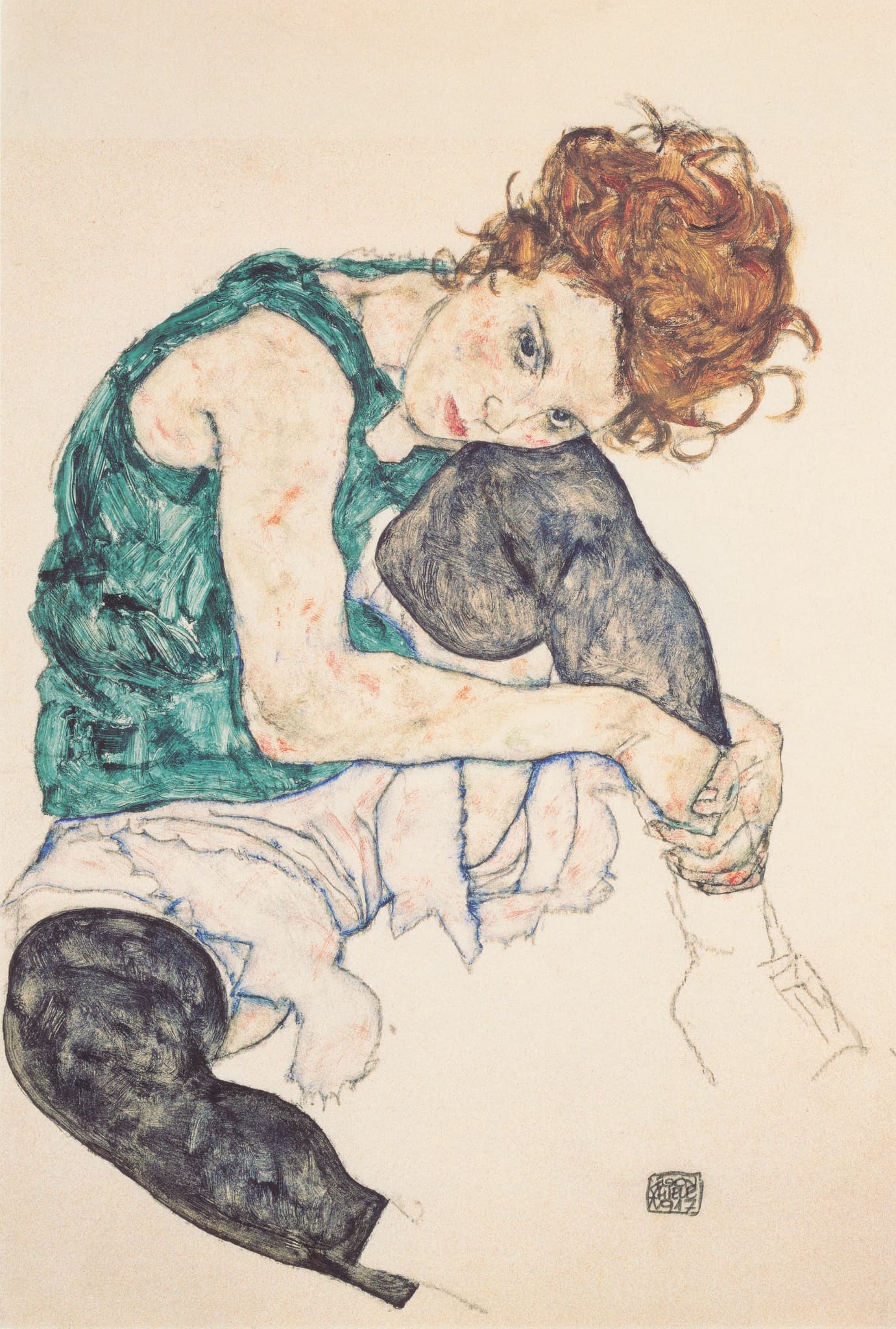
$6-12 million
A large 1917 gouache‑and‑pencil nude, its $6–12M estimate is anchored to late‑period nude comparables ranging from ~$3.5M to over $11M for museum‑caliber sheets.
What Drives Value in Egon Schiele's Work
Late‑period, large‑scale oils (1914–18) as trophy currency
For Schiele the small set of fully realized late oils functions as the market’s top tier. Works like Death and the Maiden (1915), The Embrace (1917) and large 1914 canvases (Häuser mit bunter Wäsche) are vanishingly scarce because the artist died in 1918 and many examples sit in museums. Collectors treat these paintings as single‑owner, exhibition‑anchoring trophies, producing premium multipliers that routinely place them well above comparable period pieces on paper.
Canonical images and autobiographical subjects command extra premium
Certain Schiele motifs — the lovers motif and charged self‑portraits — are effectively ‘brand’ works. Death and the Maiden, Portrait of Wally and Self‑Portrait with Physalis are repeatedly reproduced, central to scholarship and museum narratives, and therefore draw a broader, cross‑category bidder pool. Biographical resonance (Wally as muse) and iconic self‑representation (Physalis) inflate willingness to pay beyond what technically comparable but less recognizable pictures achieve.
Medium and support: oil canvases >> works on paper; panel intimacy can suppress headline bids
Schiele produced a huge output on paper, so provenance‑clean oils are comparatively rare and trade at multiples of paper works — see Seated Woman with Bent Knee (works‑on‑paper mid‑single‑millions to high estimates) versus Triestiner Fischerboot and other oils fetching mid‑to‑high‑teens. Conversely, small panel works (Portrait of Wally, 32×39.8 cm) can limit headline potential despite iconic subject matter, because scale and support reduce trophy appeal relative to large canvases.
Museum pedigree, Leopold/Belvedere provenance and restitution history materially affect pricing
Many of Schiele’s market‑leading works are concentrated in institutions (Leopold, Belvedere); that provenance both suppresses market supply and elevates perceived cultural value. Examples: Self‑Portrait with Physalis (Leopold) and The Embrace (Belvedere) benefit from institutional cachet. High‑profile restitution/legal stories (Portrait of Wally) increase global recognition but also demand exhaustive title clarity — when resolved, such histories can boost value by widening the buyer pool.
Market Context
Egon Schiele’s auction market remains top-tier and supply‑constrained, anchored by the circa $40 million record for Häuser mit bunter Wäsche (Sotheby’s London, 2011). Recent seasons have seen disciplined pricing at the top, a 2024 market reset, and a 2025–26 rebound in blue‑chip Moderns: prime oils like Danaë achieved roughly $22–25m, while the finest drawings have topped $10m and many works on paper trade in the low‑to‑mid seven figures. Demand is global—strong European, growing Asian and U.S. participation—with museums, single‑owner collections and cross‑category trophy buyers driving competition for canonical subjects. Provenance, condition and exhibition history are decisive amid heightened restitution scrutiny; when museum‑caliber, well‑published Schieles appear, they reliably generate aggressive bidding and step‑change premiums.