Most Expensive Mark Rothko Paintings
Mark Rothko occupies a rarefied position in the modern-art market: his canvases are both touchstones of postwar abstraction and highly sought-after assets, regularly trading within stratospheric ranges that reflect scarcity, provenance and the unique emotional charge of his color-field works. Paintings like No. 6 (Violet, Green and Red) have been valued as high as $50–195 million, while several monumental canvases—No. 10, No. 61 (Rust and Blue) and No. 7—each sit in the $100–150 million bracket, signaling graveyard-high demand for his mature style. Other marquee pieces such as Orange, Red, Yellow ($85–130 million) and No. 14 ($90–120 million) underscore how scale, iconic composition and museum pedigree drive prices, and White Center (Yellow, Pink and Lavender on Rose) has recorded estimates of $60–120 million. Even works with lower estimates, from Four Darks in Red ($50–100 million) to No. 1 (Royal Red and Blue) ($60–100 million) and the more restrained Untitled (Black on Grey) ($20–60 million), command intense collector interest, proving that Rothko’s blend of chromatic subtlety, ritualized format and cultural cachet makes his paintings perennial blue-chip targets.
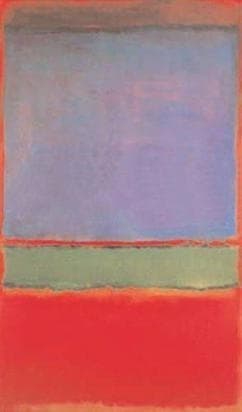
$50-195 million
Has documented private‑sale precedent setting the $195M private‑treaty ceiling, while $50M reflects realistic public‑auction expectations for a museum‑scale 1951 Rothko.
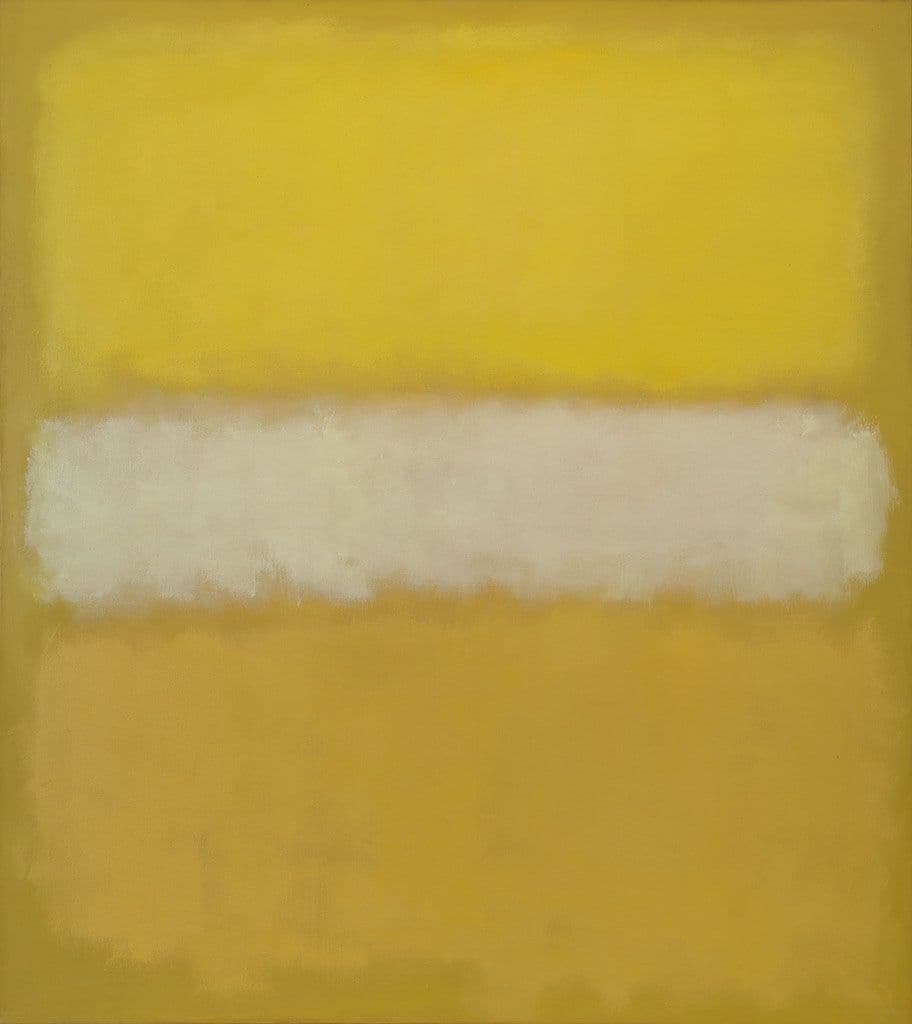
$100-150 million
Anchored to the identical canvas’s 2015 Christie’s sale for $81,925,000, adjusted for inflation and private‑sale comparables supporting a $100–150M market band.
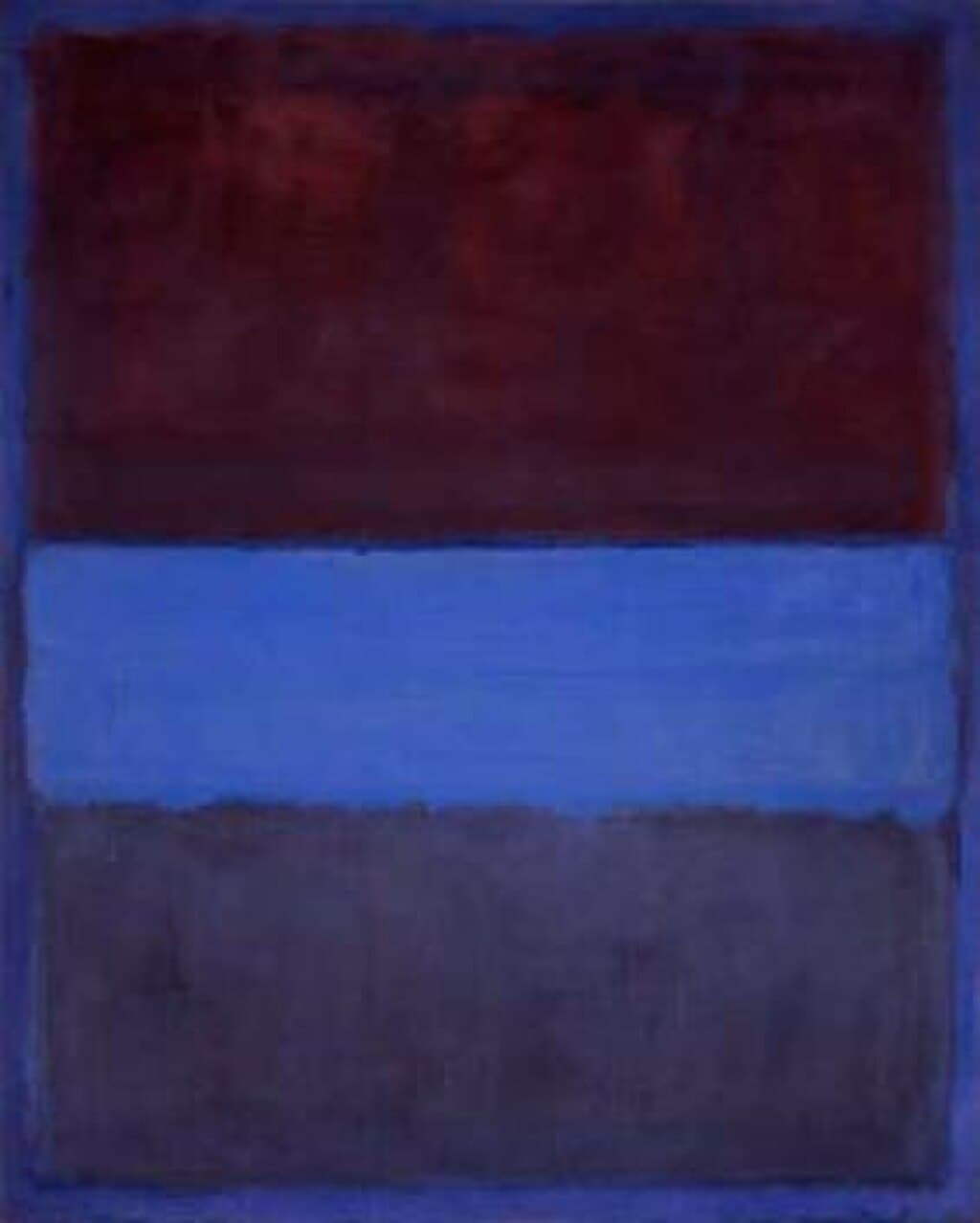
$100–150 million
MOCA’s Panza‑collection No. 61 (1953) is a prime‑period Rothko tied to a reported ~ $100M 2024 private sale and top auction benchmarks, supporting a $100–150M estimate.
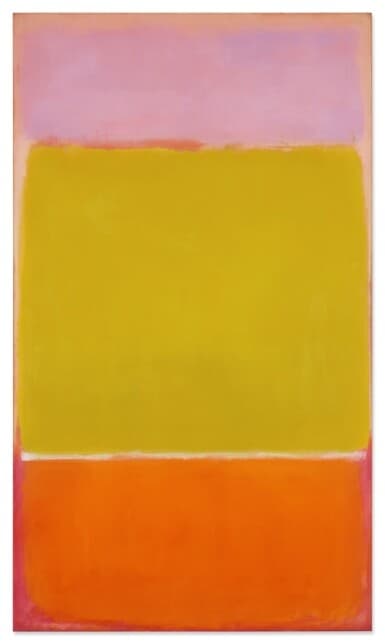
$100-150 million
Opinion relies on Sotheby’s Nov 15, 2021 sale (~$82.5M) and subsequent private‑sale escalation to justify a $100–150M fair‑market band for No. 7.
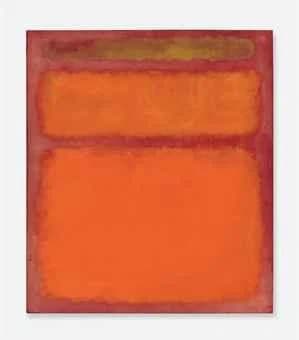
$85-130 million
Anchored to Christie’s 2012 final price of $86,882,500, adjusted for inflation and market movement to produce an $85–130M current market range.
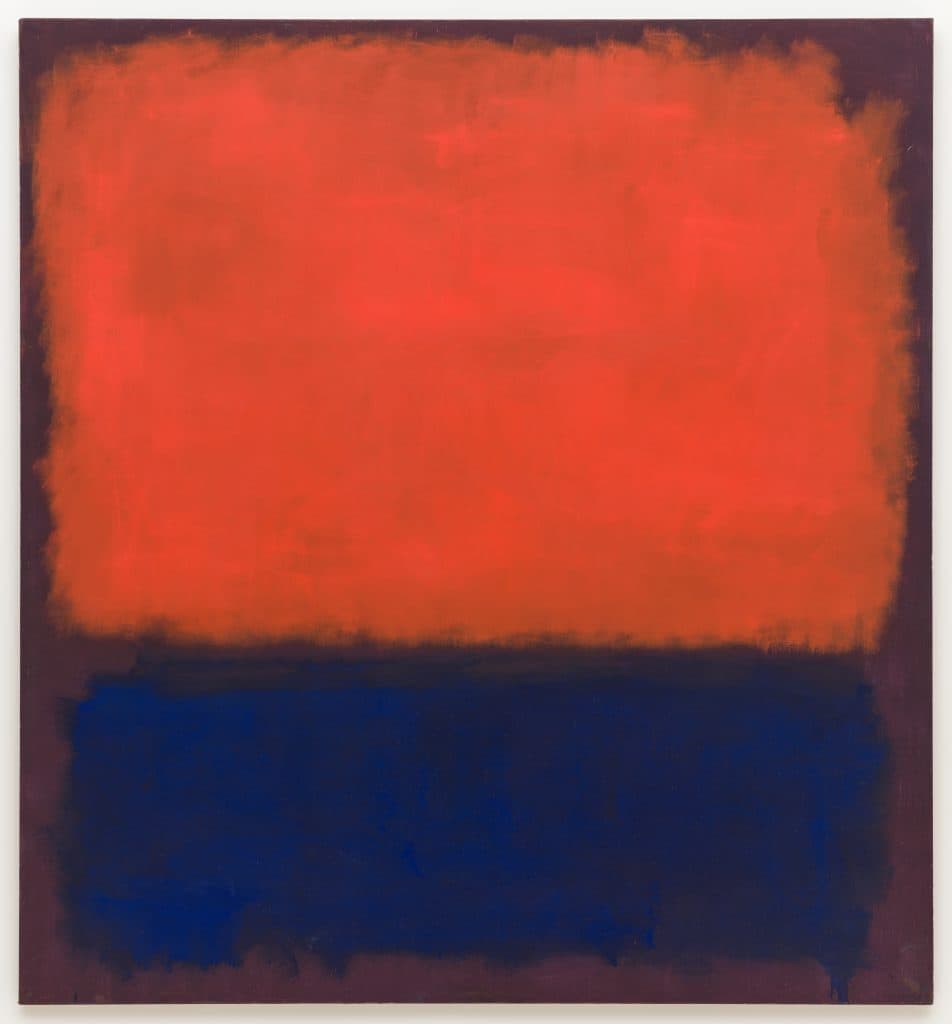
$90-120 million
As a canonical, museum‑iconic 1960 Rothko, No. 14’s scarcity and visibility justify a $90–120M band above typical auction records for comparable works.
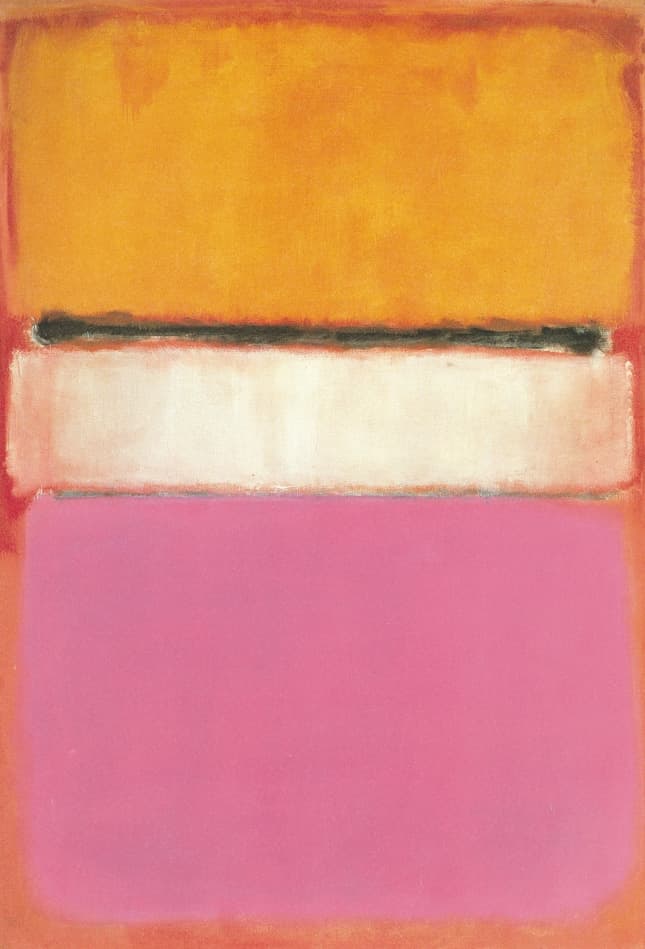
$60-120 million
Sotheby’s 15 May 2007 sale at $72,840,000 anchors White Center’s $60–120M range, with a most‑likely evening‑sale realization of $75–90M under normal conditions.
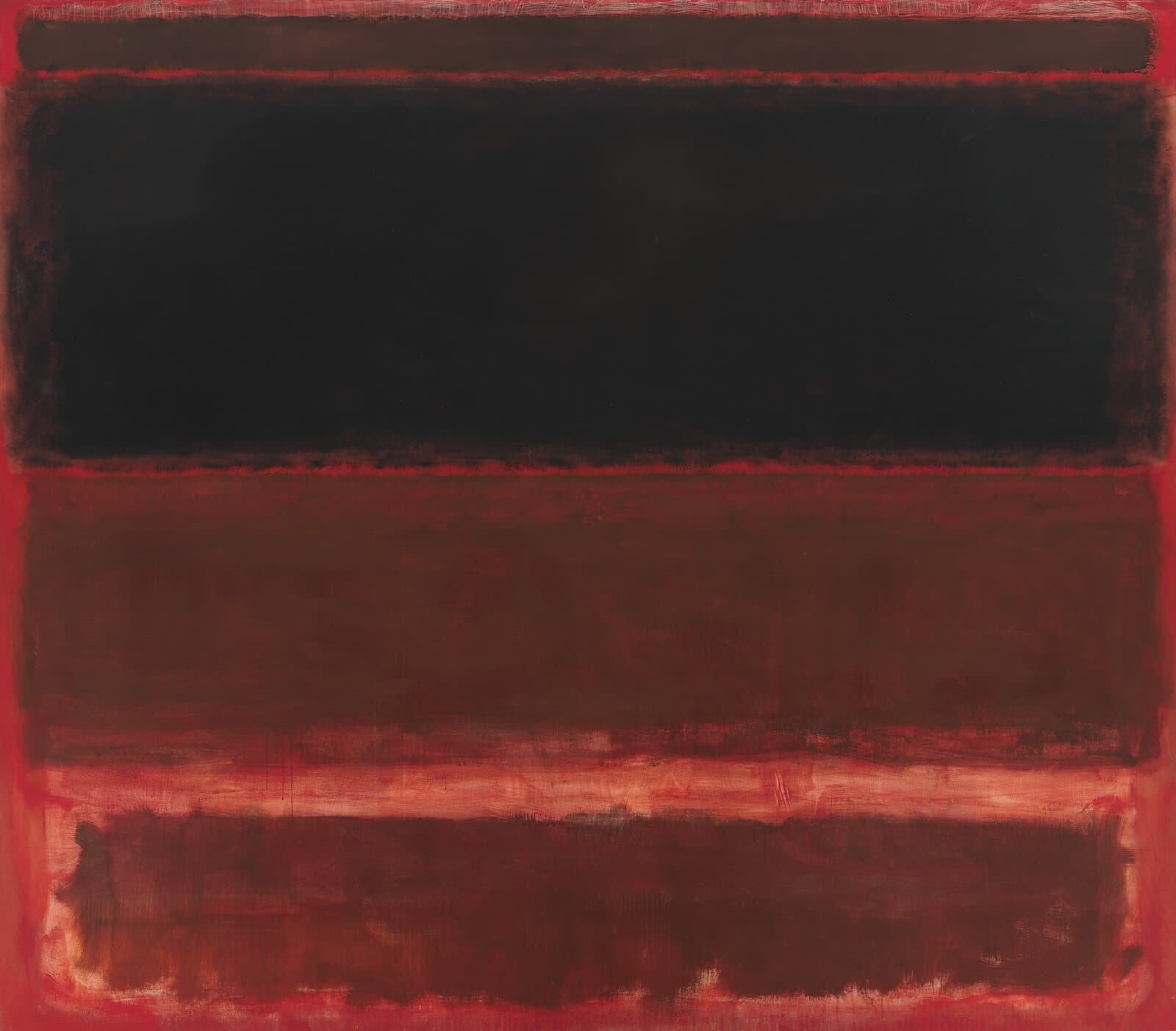
$50-100 million
Whitney‑accessioned Four Darks in Red (1958) carries a $50–100M insured/saleable estimate derived from late‑1950s Rothko comparables and its museum provenance.
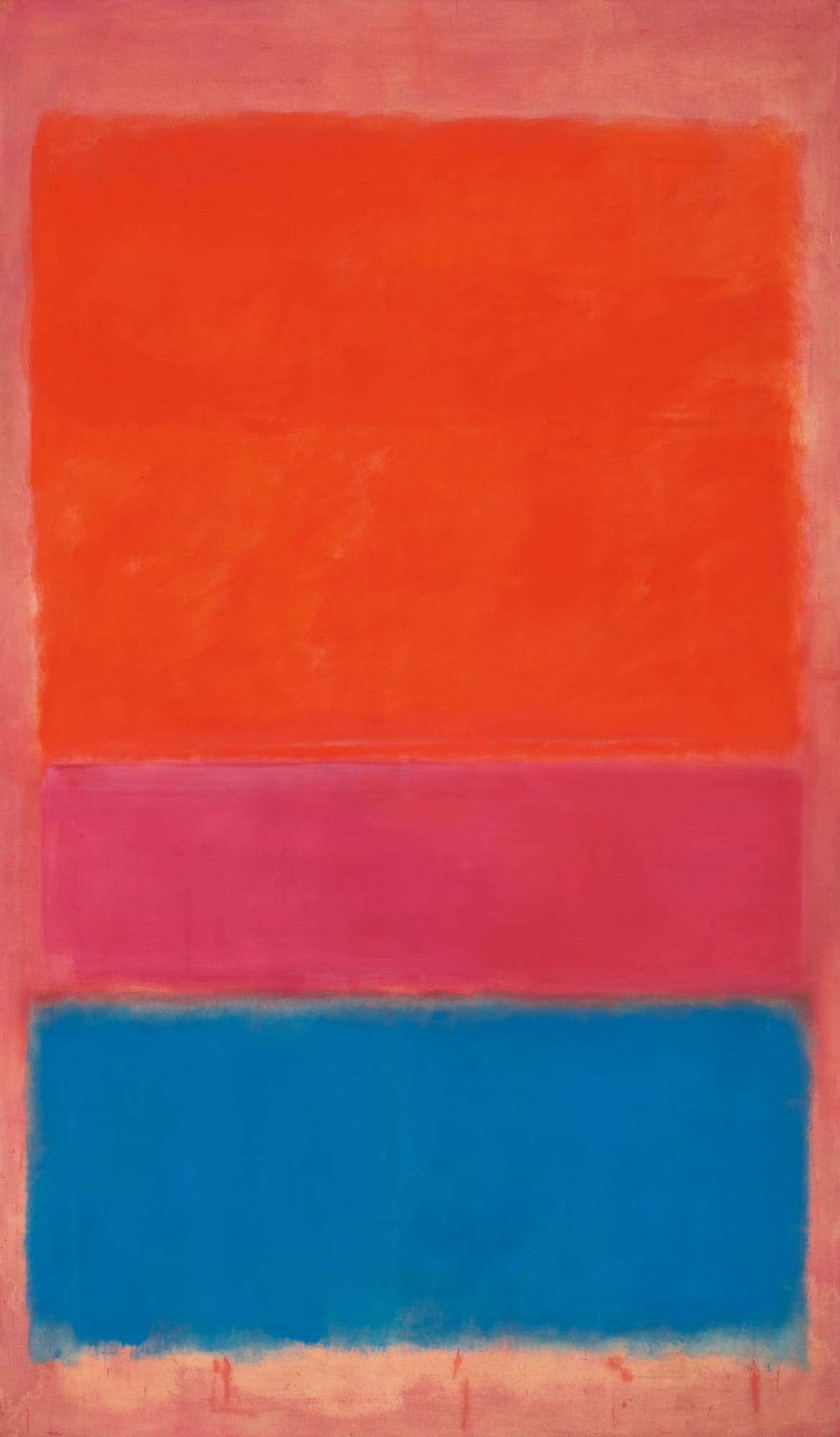
$60-100 million
Sotheby’s 13 Nov 2012 realization of $75,122,500 anchors No. 1’s current $60–100M auction valuation, with final price hinging on condition and sale channel.
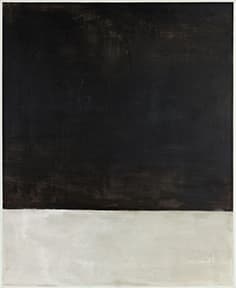
$20-60 million
Museum‑held at the Guggenheim (gifted by the Mark Rothko Foundation), so the $20–60M range is theoretical, with a most‑likely outcome of $30–50M.
What Drives Value in Mark Rothko's Work
Canonical Period (circa 1949–1962)
Rothko’s market is sharply periodized: canvases from the mature multiform window (roughly 1949–1962) are the marquee trophies. Examples include No. 61 (1953), No. 10 (1958), No. 14 (1960) and Orange, Red, Yellow (1961) — all anchor the highest auction and private‑sale benchmarks. Transitional 1951 works (e.g., No. 6, No. 7) can approach that tier if demonstrably canonical, while late Black/Gray pieces (Untitled (Black on Grey)) routinely trade at a discount to peak‑period prices.
Monumental Scale & 'Room' Works
Size and the immersive, room‑filling format are uniquely determinative for Rothko. Monumental stacked‑field canvases — No. 61 (115¼ × 92¼ in), No. 14 (~114½ × 105½ in), No. 1 (≈113¾ × 67½ in) — carry a premium because they create the chapel‑like encounter collectors and institutions prize. Larger museum‑scale Rothkos consistently compete at the top of the market, pushing realized prices into the high tens and low nine figures versus smaller formats.
Palette/Chromatic Type — Reds & Warm Fields vs Late Monochromes
Specific color families drive buyer enthusiasm: saturated red/orange/yellow fields (Orange, Red, Yellow; Four Darks in Red; No. 1 Royal Red and Blue) have produced the market’s ceiling and deep collector demand. By contrast, late monochrome and black/grey works (Untitled (Black on Grey) series) are highly regarded academically but generally transact below peak color‑field benchmarks. Collectors visibly pay a premium for certain chromatic registers tied to Rothko’s iconic visual identity.
Surface Integrity of Rothko’s Thin Veils
Rothko’s value depends unusually on subtle technical qualities: thin veils, delicate edges and layered saturation. Relining, heavy inpainting or surface alteration materially change color depth and atmosphere, and market commentary notes these issues can swing bids by tens of millions (see condition sensitivity cited for No. 10, Orange, Red, Yellow, White Center). Detailed technical reports and minimal intervention are therefore decisive when pricing Rothko canvases.
Market Context
Mark Rothko remains a blue‑chip, top‑tier pillar of the post‑War market: his canonical 1950s–60s multiforms are scarce, institutionally validated and consistently coveted by museums, foundations and ultra‑high‑net‑worth collectors. His public record—Orange, Red, Yellow (1961) at $86.88m (Christie’s, 2012)—still anchors valuations, while marquee private transactions (reported near $100m in 2024) and single‑owner estate sales have set elevated private ceilings. After a mid‑cycle softening in 2023–24, the segment showed recovery into 2025–26, with notable public sales (e.g., a strong 1955 canvas at $46.4m in 2023 and a ~$32.5m Hong Kong lot in 2024) and growing use of guarantees and private‑sale desks. The market is K‑shaped: museum‑grade canvases enjoy concentrated liquidity and robust demand, while mid‑tier material remains more price‑sensitive amid macro volatility and regional variation.