Most Expensive Paul Gauguin Paintings
Paul Gauguin occupies a rarefied corner of the blue‑chip art market, where mythic provenance, radical color and exotic subject matter converge to produce staggering valuations: masterpieces such as Where Do We Come From? What Are We? Where Are We Going? are estimated at $250–450 million, while Nafea Faa Ipoipo (When Will You Marry?) and Vision After the Sermon sit in the $150–300 million and $150–250 million brackets respectively. Collectors prize Gauguin for the combination of pioneering primitivism, the decisive impact on modernism and the scarcity of major works in private hands, factors that also buoy Spirit of the Dead Watching ($170–230 million) and The Yellow Christ ($190–240 million). Even his smaller or less canonical canvases—Maternité II ($100–150 million), A Man with an Axe ($60–85 million), Tahitian Women on the Beach ($30–90 million), Arearea ($25–80 million) and Te Pape Nave Nave ($15–45 million)—command strong interest because they complete the narrative of his Tahitian oeuvre and artistic evolution. This ranking therefore measures both prices and the enduring cultural cachet that makes Gauguin’s paintings among the most collectible in the global market.
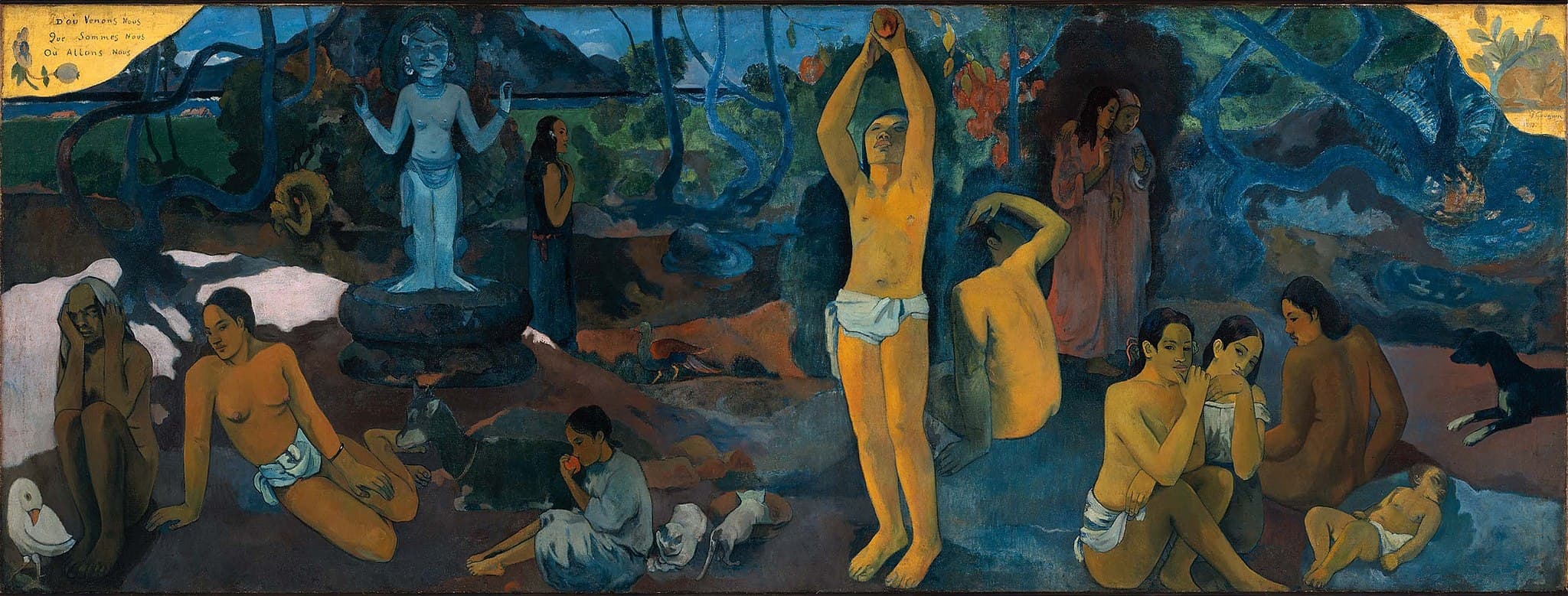
$250-450 million
Held by the Museum of Fine Arts, Boston, its hypothetical open‑market value is estimated at $250–$450 million, reflecting rarity and Gauguin masterpieces' premium.
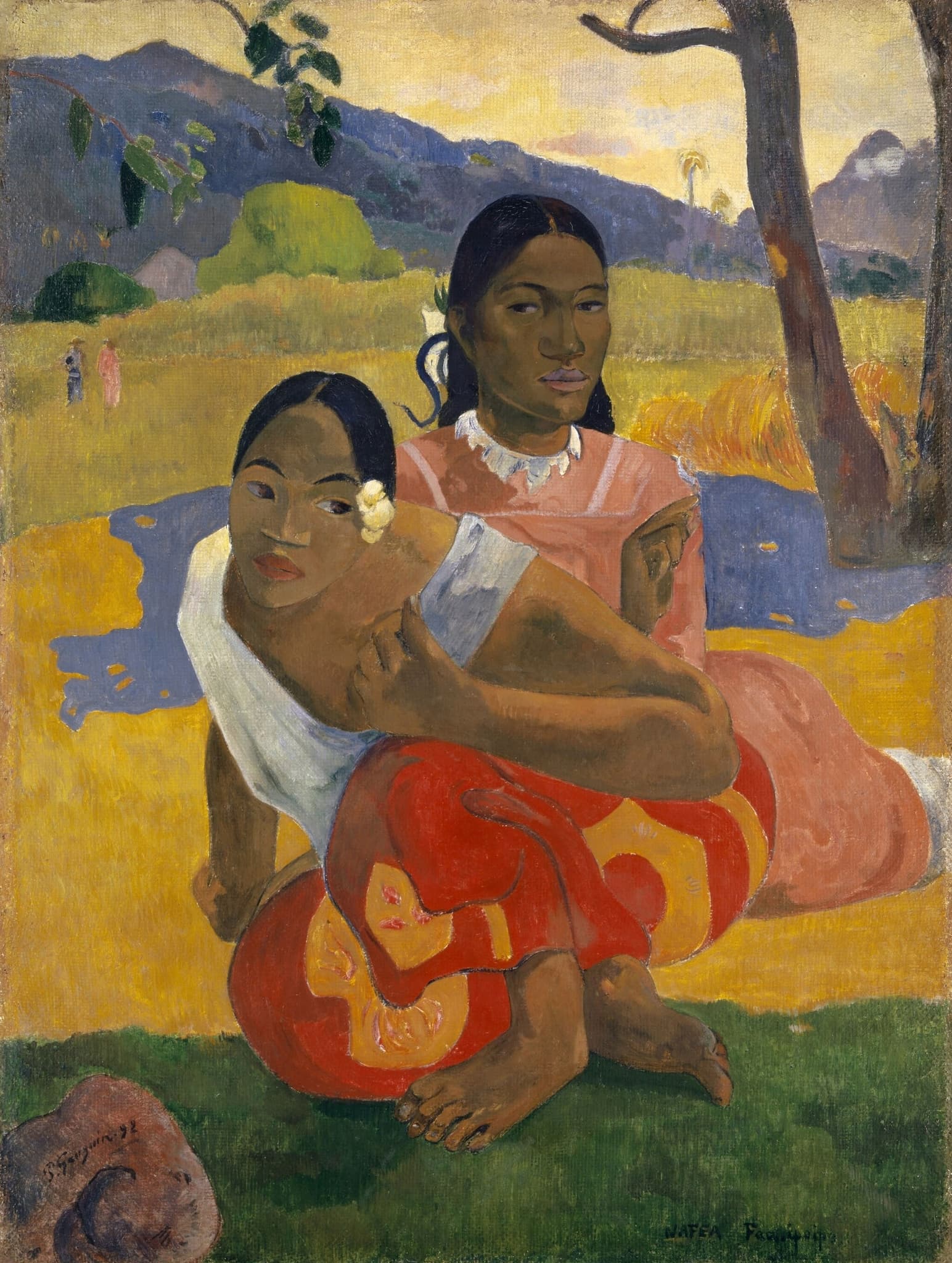
$150-300 million
Following the court‑disclosed 2014 private sale for about $210 million, Nafea Faa Ipoipo? is realistically valued at roughly $150–$300 million on today’s market.
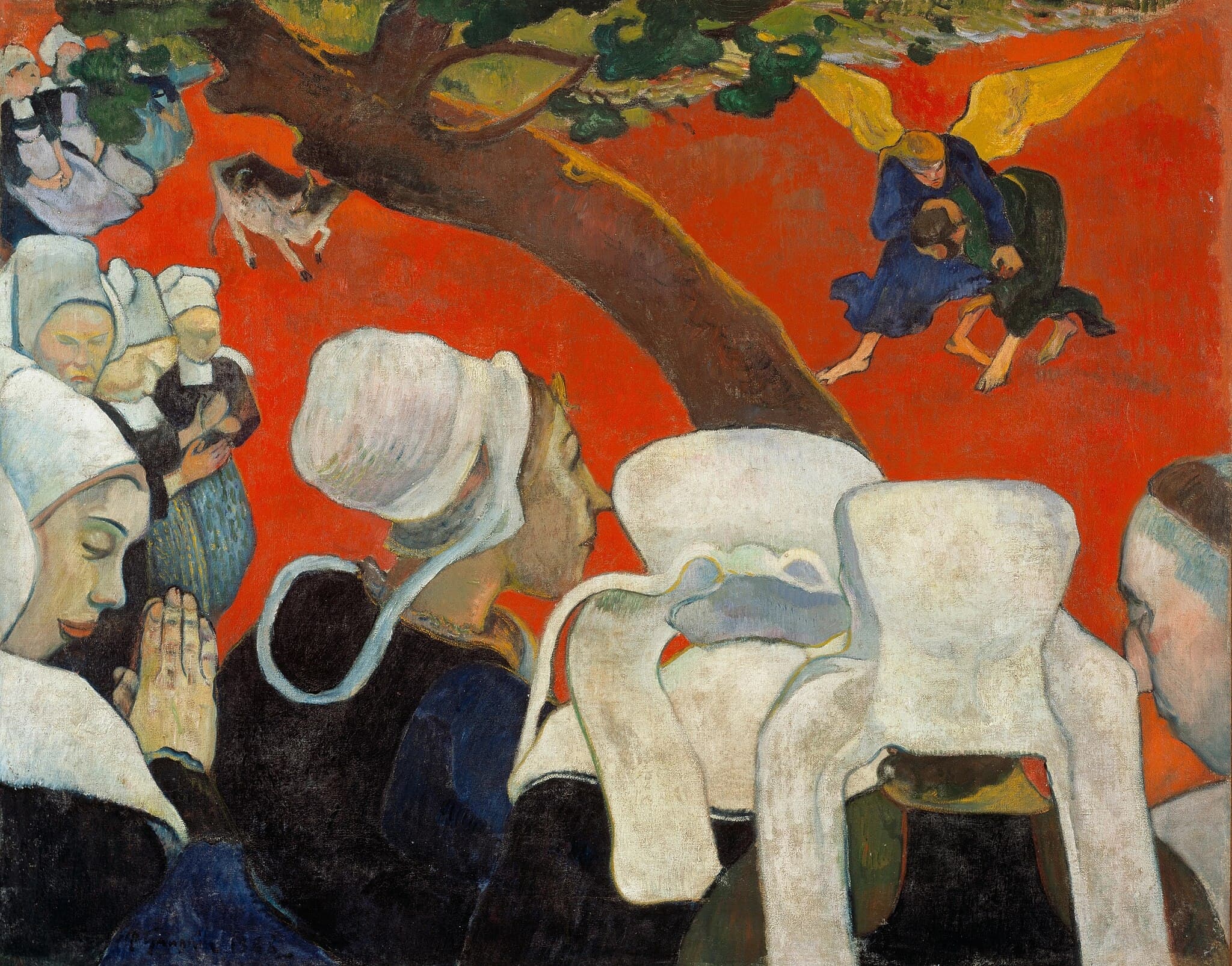
$150-250 million
As a defining Pont‑Aven masterpiece, Vision After the Sermon’s fair‑market estimate is $150–$250 million, anchored to Gauguin comparables including a roughly $210 million private sale.
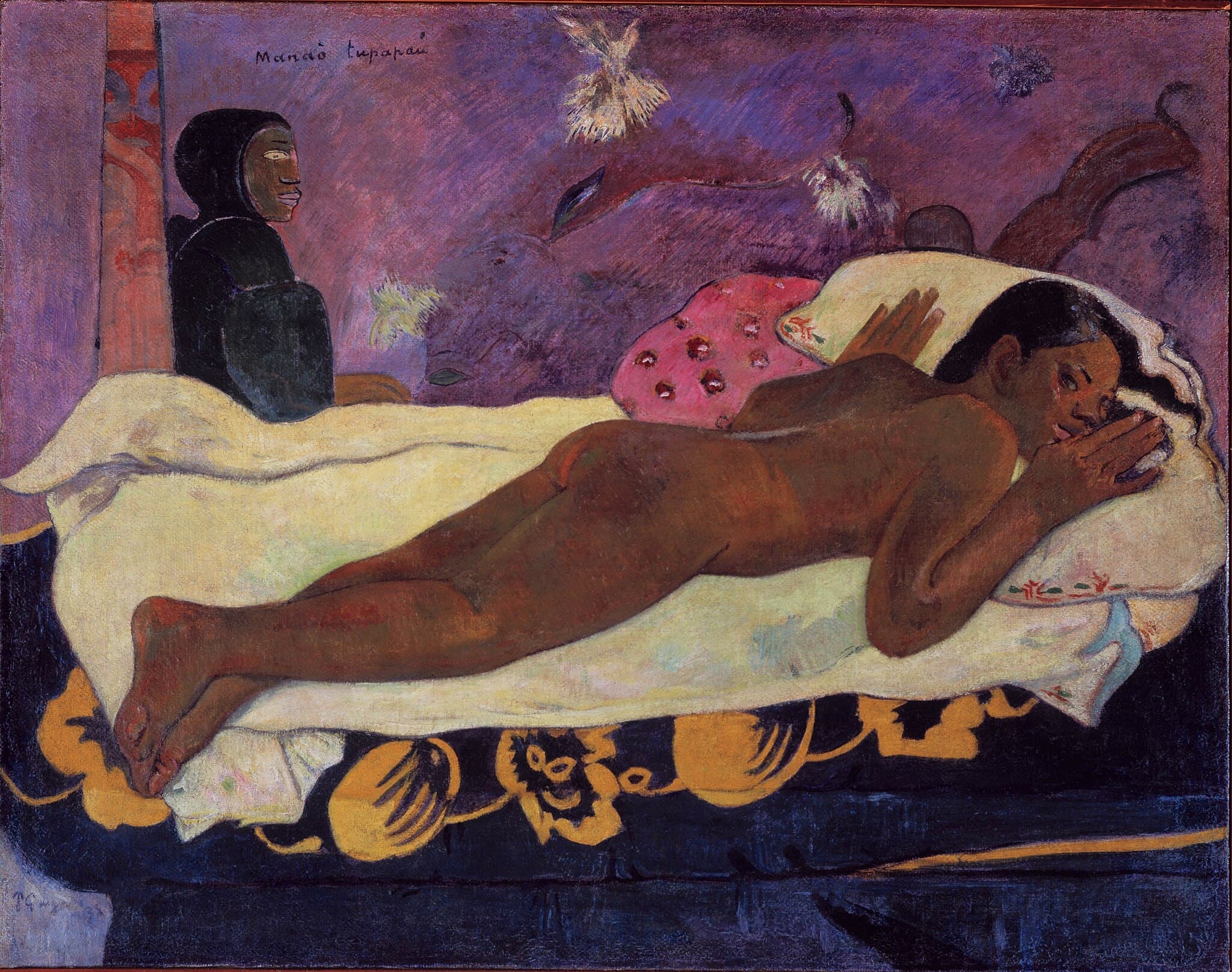
$170-230 million
A Tahiti I cornerstone, Spirit of the Dead Watching is credibly estimated at $170–$230 million, anchored to the ~$210 million Gauguin private‑sale benchmark and auction record.
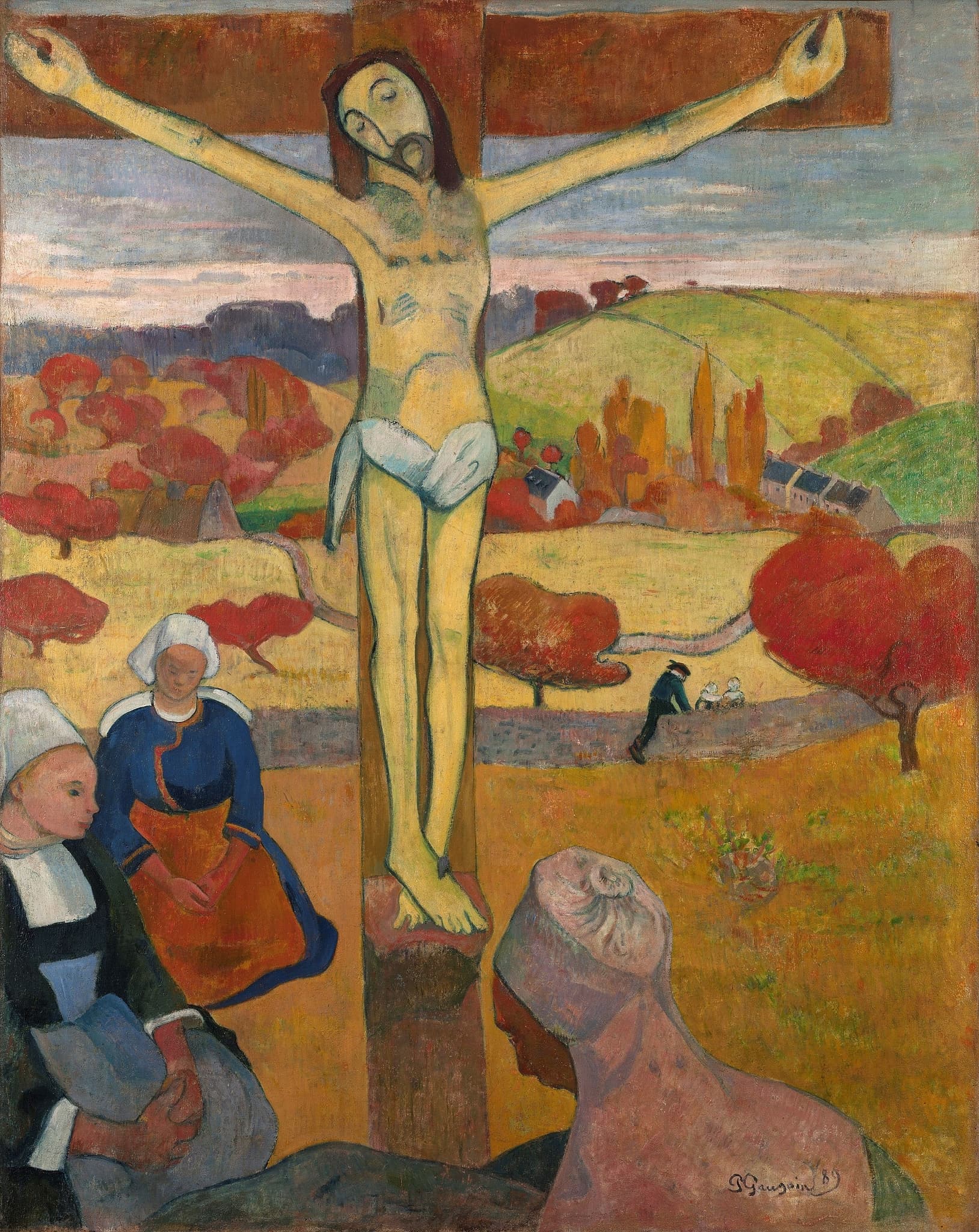
$190-240 million
The Yellow Christ’s estimated fair‑market range of $190–$240 million reflects its canonical status, institutional provenance and triangulation against Gauguin auction and private‑sale benchmarks.
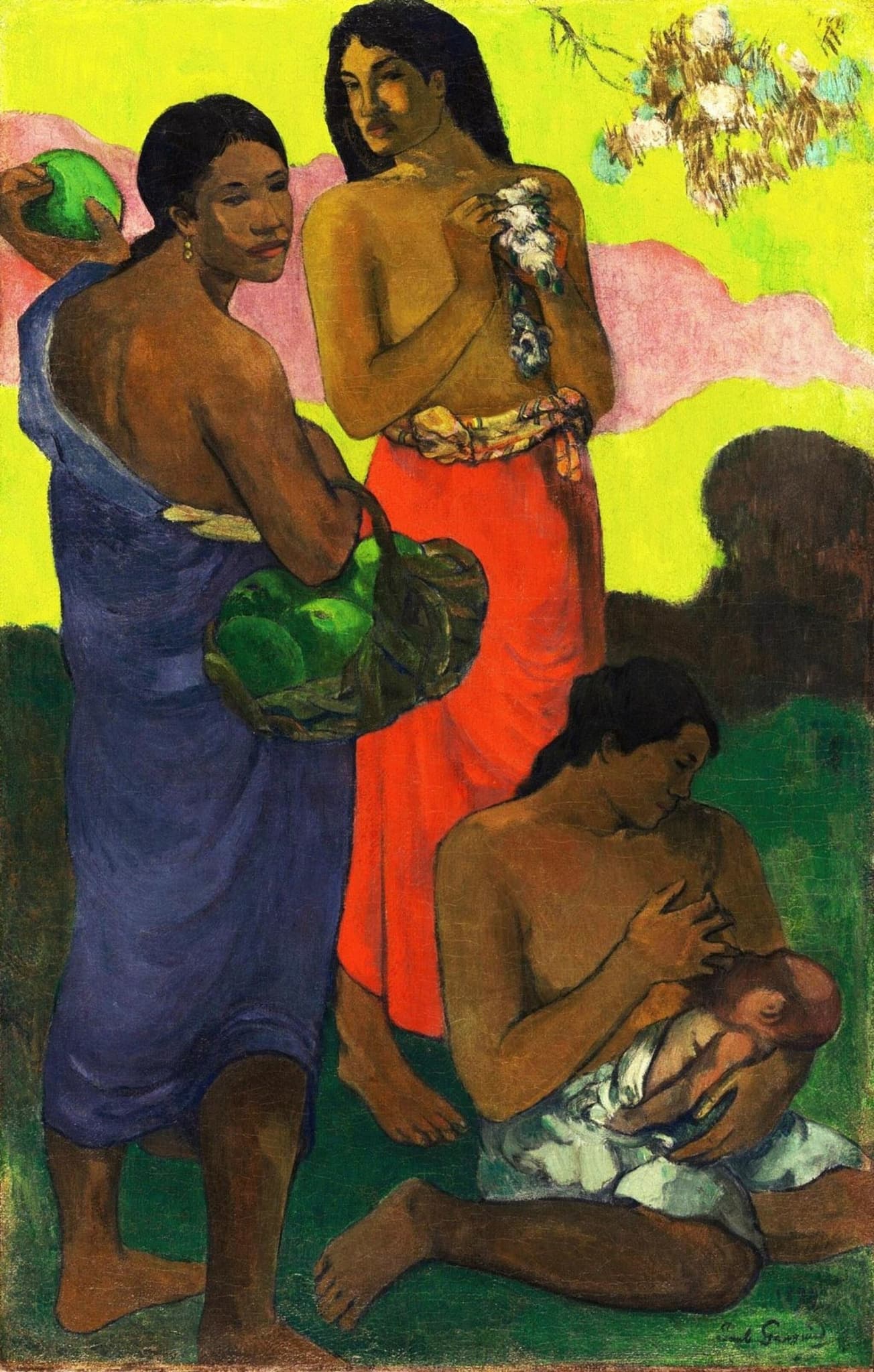
$100-150 million
Having sold at Christie’s New York for $105.73 million on 9 November 2022, Maternité II’s present market is assessed at about $100–$150 million.
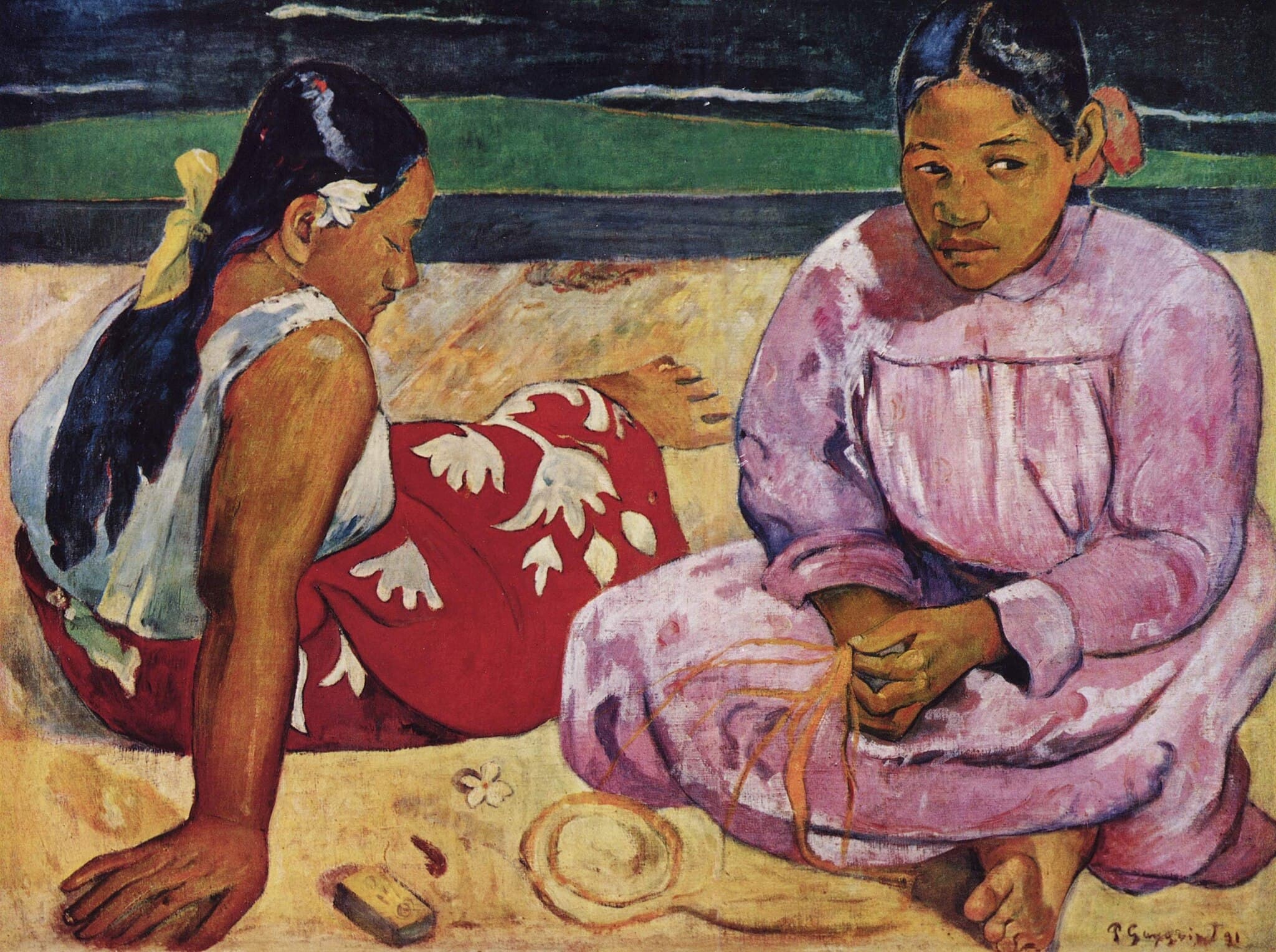
$30-90 million
Longstanding museum ownership dampens saleability, producing a theoretical insured/replacement value for Tahitian Women on the Beach of approximately $30–$90 million.
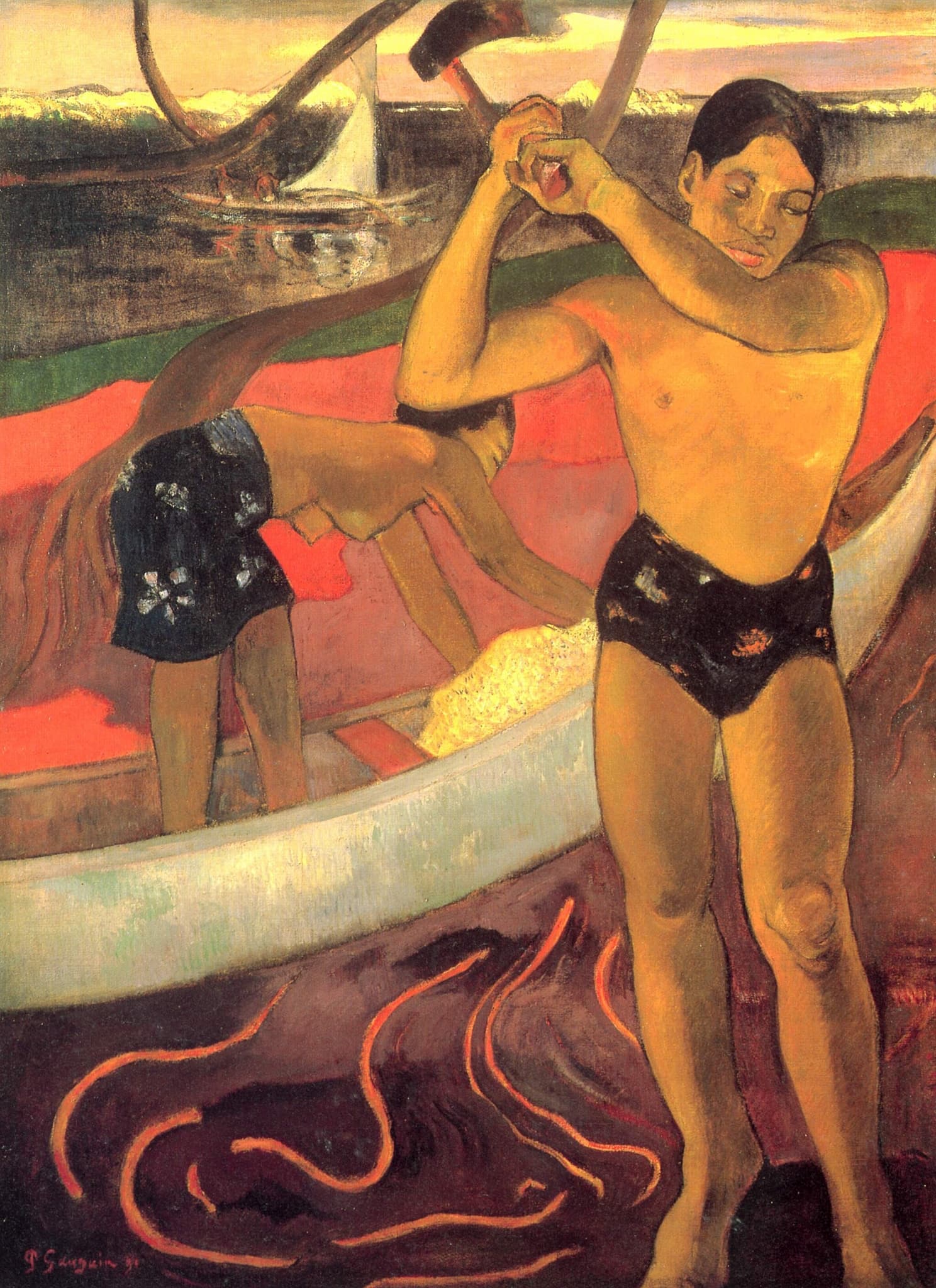
$60-85 million
After its $40.336 million Christie’s sale in November 2006, A Man with an Axe is valued today at roughly $60–$85 million, assuming clean provenance and condition.
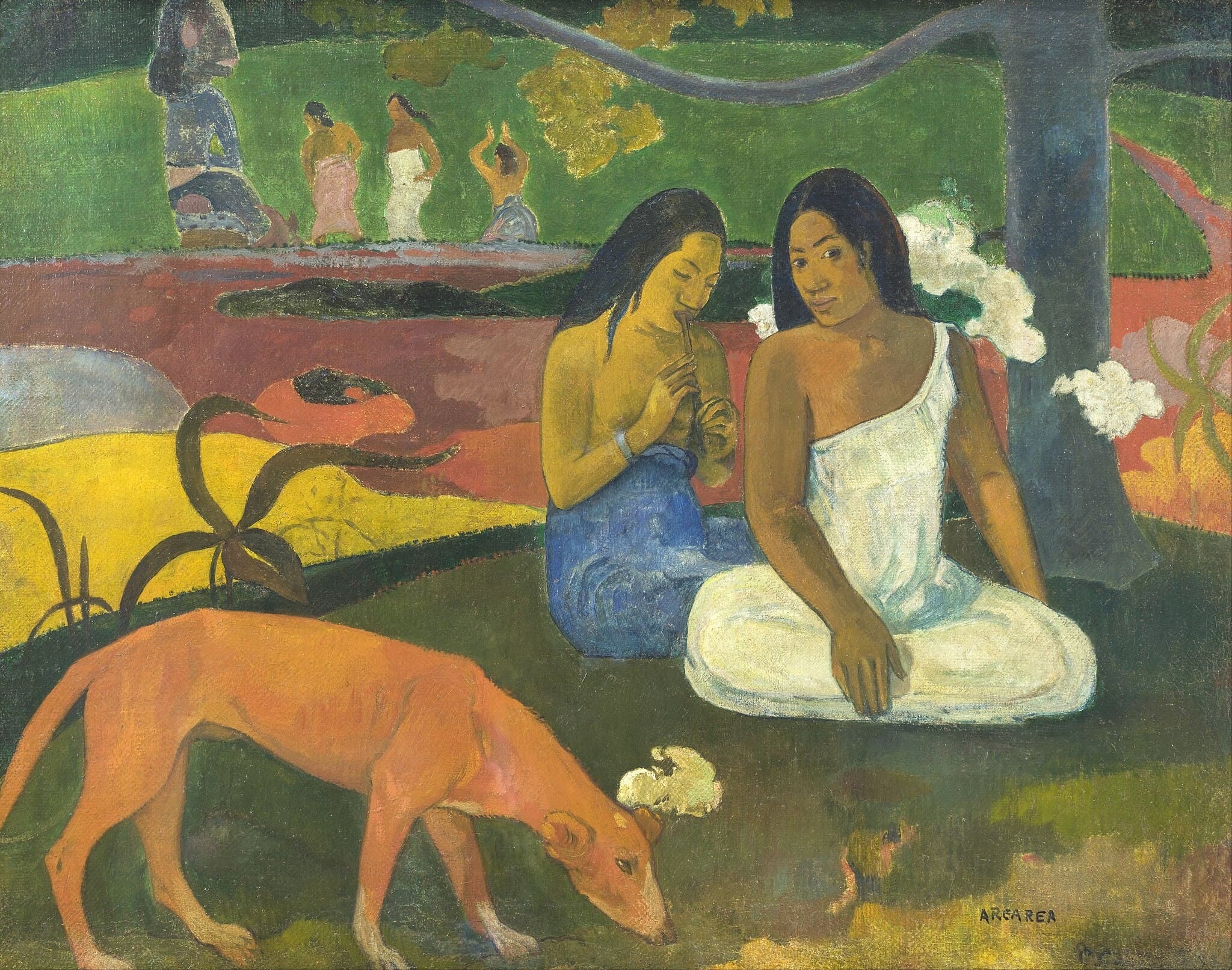
$25-80 million
Arearea (Joyeusetés), museum‑held and well documented, could realize approximately $25–$80 million today if condition, provenance clarity and exportability are confirmed.
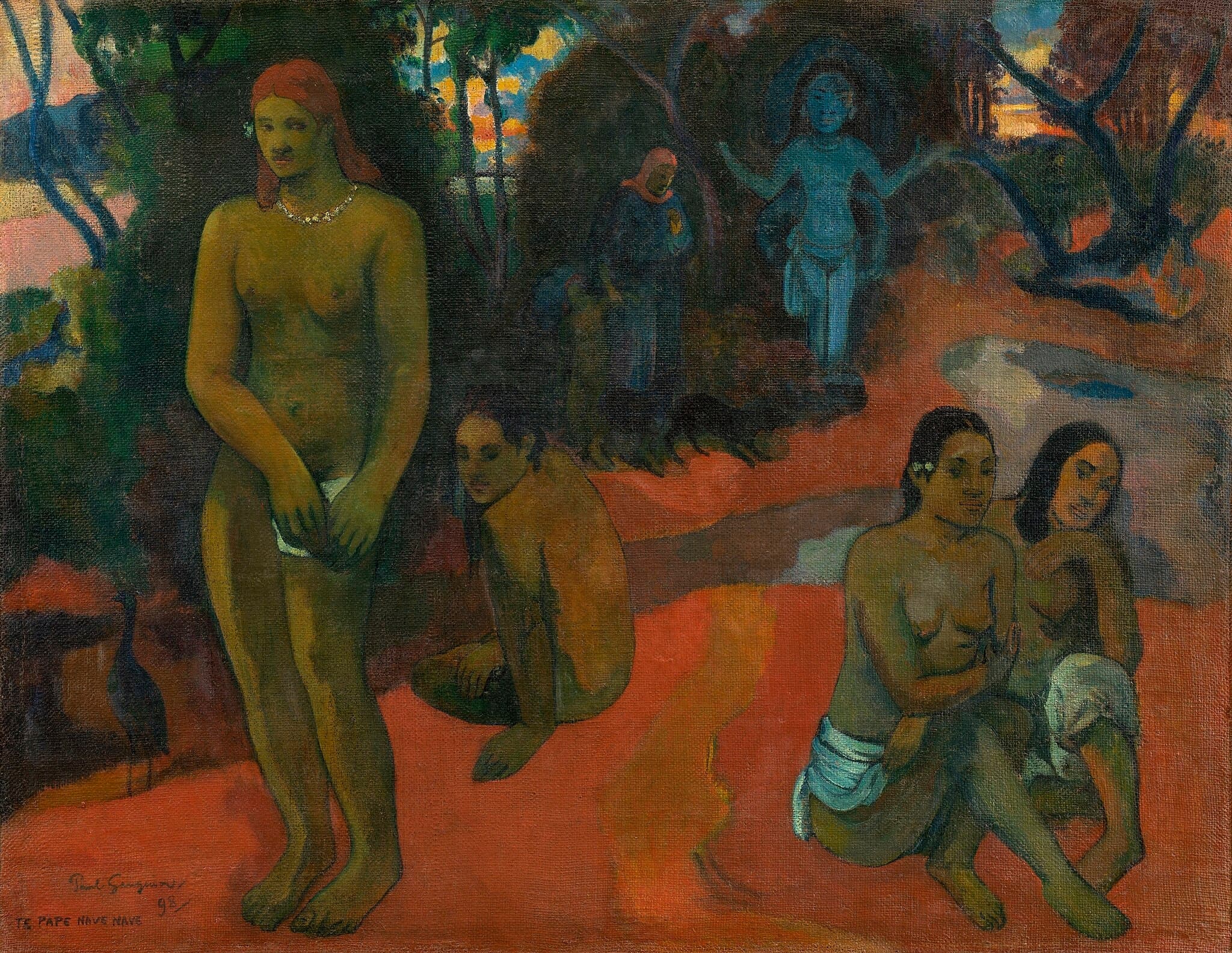
$15-45 million
As a securely provenanced NGA accession (1973.68.2), Te Pape Nave Nave’s realistic public‑auction range is about $15–$45 million, with competitive private sales possibly higher.
What Drives Value in Paul Gauguin's Work
Tahitian‑period figural masterpieces (c.1891–1894)
Gauguin’s Tahitian figural canvases are the clearest price multipliers: single‑figure or multi‑figure Tahitian compositions (Nafea Faa Ipoipo, Maternité II, Spirit of the Dead Watching, Tahitian Women on the Beach, Arearea) sit at the top of his market. Their thematic centrality to his legacy, extraordinary scarcity in the market, and repeated private‑sale/trophy outcomes (the ~$210M private anchor and the $105.73M auction record) drive a distinct nine‑figure ceiling for prime examples.
Pont‑Aven/Synthetist canonical breakthroughs
Pre‑Tahitian Pont‑Aven masterpieces (Vision After the Sermon, The Yellow Christ) command outsized value because they embody Gauguin’s formal innovations—cloisonné contours, flat color fields—and are foundational to narratives of modernism. Despite Tahiti’s market dominance, these Synthetist icons enjoy trophy demand from institutions and scholars; The Yellow Christ’s institutional pedigree and art‑historical primacy can narrow the price gap toward Gauguin’s top Tahitian benchmarks.
Dealer/museum provenance and exhibition lineage
Gauguin prices are unusually provenance‑sensitive: works linked to key dealers or collection chains (Ambroise Vollard, Paul Rosenberg, Rudolf Staechelin, Paul G. Allen) or long museum custody (Musée d’Orsay, NGA, Buffalo AKG) attract premium underwriting and institutional competition. Clear, published ownership and exhibition histories reduce restitution and attribution risk, materially raising achievable private‑sale ceilings; conversely, provenance gaps or export/patrimony constraints markedly compress bidder pools and realized value.
Material/support, condition and monumental format specifics
Technical attributes unique to Gauguin—oil on jute/burlap (Spirit of the Dead Watching, some late works), heavy relinings, and very large, narrative canvases (Where Do We Come From? at +12 ft)—are direct price drivers. Condition and structural stability influence insurability and buyer confidence more than for many peers: A+ museum‑grade condition preserves trophy pricing, whereas support instability or major conservation histories can knock double‑digit percentages off top estimates.
Market Context
Paul Gauguin occupies blue‑chip standing in late‑19th‑century modernism, with deep institutional representation and museum‑caliber works concentrated in public collections; his auction record is $105.73 million (Maternité II, Christie’s, 2022) and a widely reported private benchmark is Nafea faa ipoipo? at ~$210 million. The market is highly stratified: Tahitian‑period oils—scarce in private hands—lead demand and drive nine‑figure outcomes, attracting sovereign/state buyers, UHNW collectors and museums, while mid‑market works and secondary media remain estimate‑sensitive. After a quieter, risk‑averse 2024 the market bifurcated, with renewed top‑end confidence by late‑2025 producing selective trophy sales and deep liquidity for canonical pieces. Overall trajectory: constrained supply and institutional validation sustain premium pricing for museum‑grade masterworks even as broader turnover softens.