Most Expensive Rembrandt van Rijn Paintings
Rembrandt van Rijn occupies a singular position in the art market: his canvases are simultaneously cultural treasures and blue-chip investments, coveted for their psychological depth, masterful handling of light, and rarity. Collectors and institutions prize works like The Night Watch, hypothetically valued between $500 million and $2 billion, not only for its monumental drama but for its iconic status in the history of painting. Equally compelling in market terms are intimate masterpieces such as The Return of the Prodigal Son ($250–$400 million) and The Anatomy Lesson of Dr. Nicolaes Tulp ($200–$350 million), whose provenance and exemplary technique drive intense demand. The Sampling Officials, or The Syndics ($150–$300 million), and The Jewish Bride ($180–$230 million) demonstrate how civic portraiture and devotional intimacy translate into high valuations, while dramatic narratives like Belshazzar’s Feast ($100–$150 million) and The Storm on the Sea of Galilee ($100–$150 million) show the appetite for Rembrandt’s storytelling. Portraits such as Oopjen Coppit and Maerten Soolmans ($100–$150 million and $70–$120 million respectively), along with the enigmatic Self-Portrait with Two Circles ($100–$150 million), further underscore how scarcity, condition, and scholarly esteem shape collectibility.
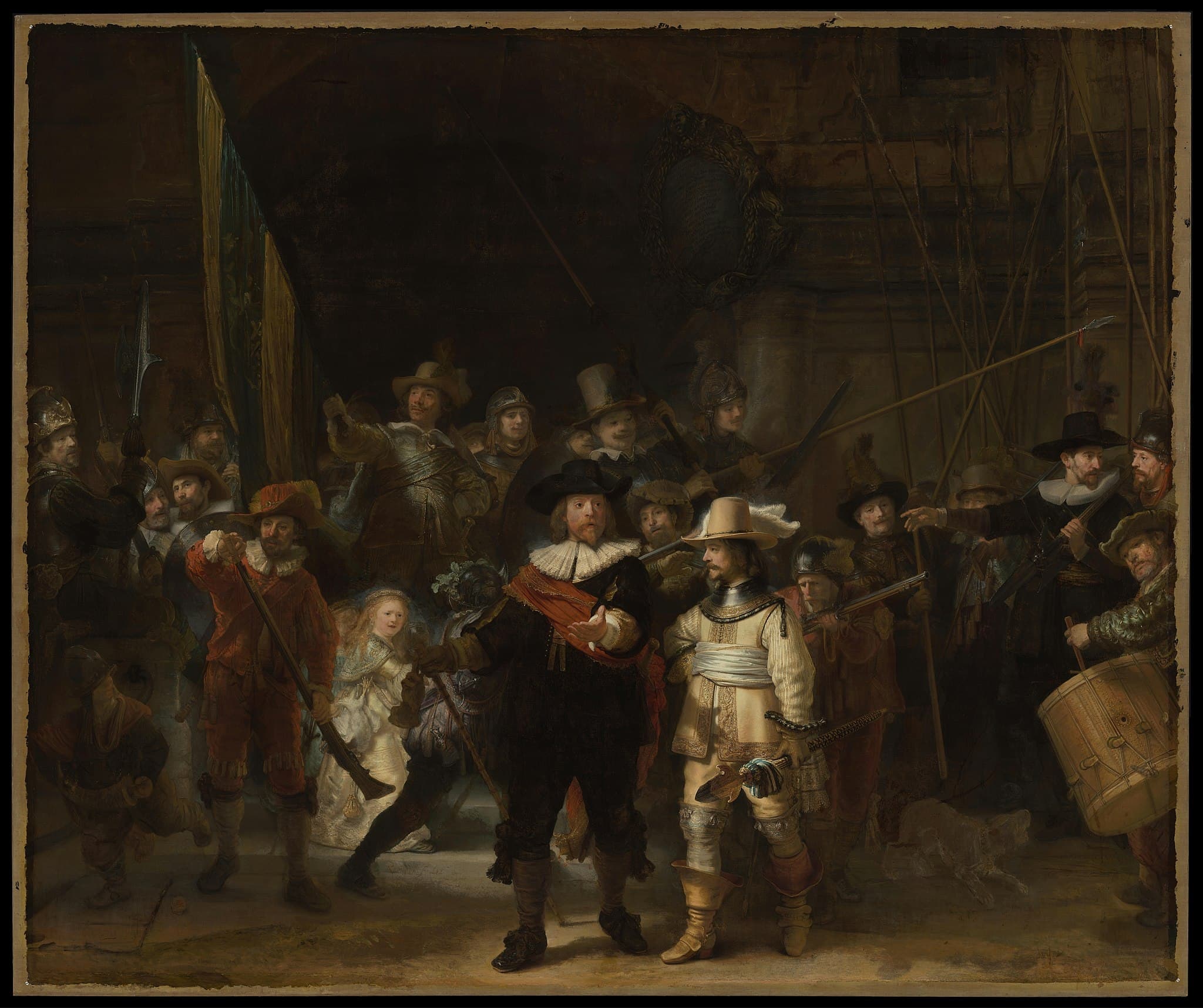
$500 million–$2 billion (hypothetical)
As an inalienable, state‑held civic masterpiece, The Night Watch is effectively priceless; its hypothetical open‑market envelope of $500M–$2B reflects a speculative national‑premium ceiling.
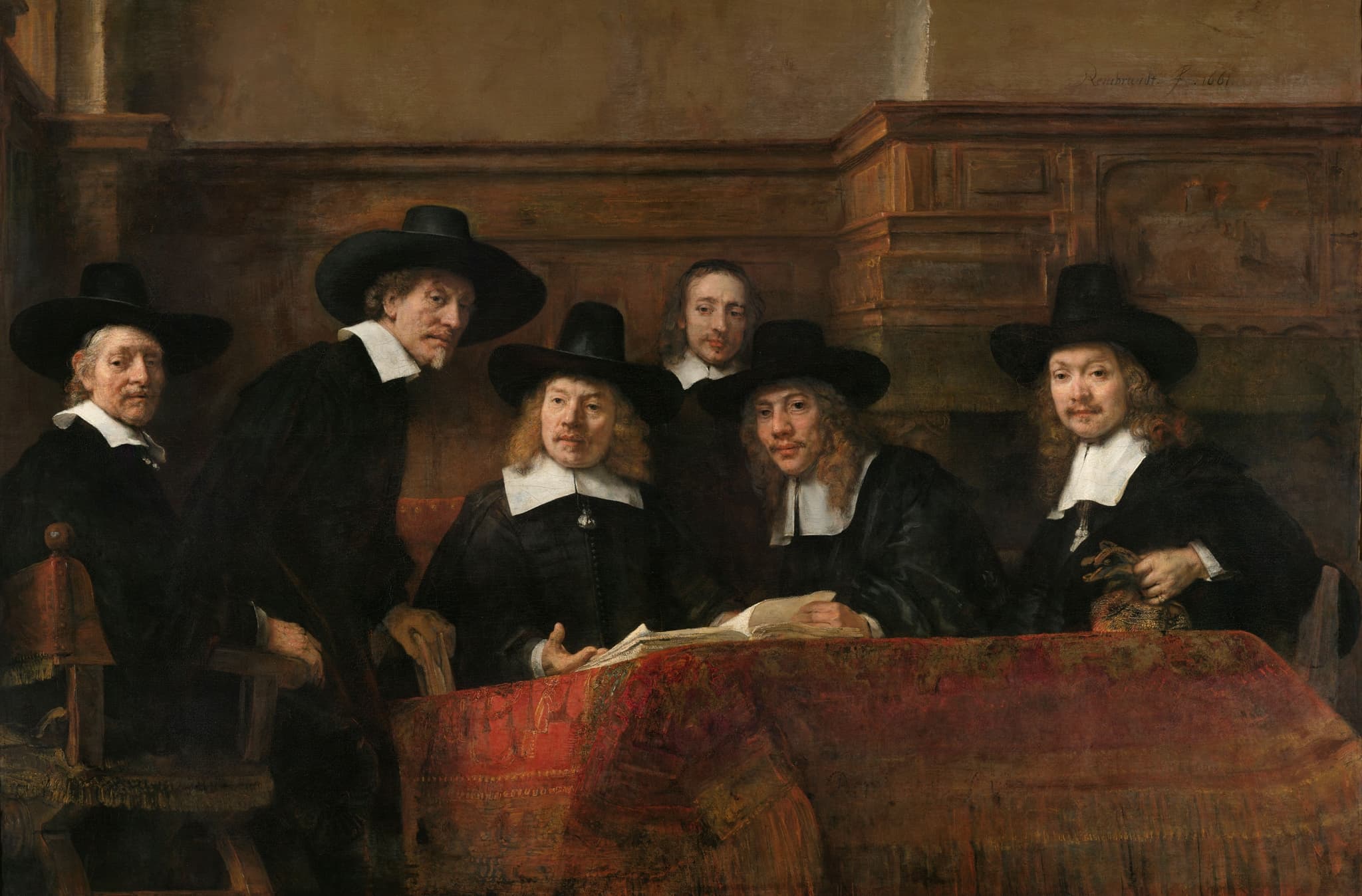
$350-550 million
The Sampling Officials (The Syndics) is a canonical Rembrandt in civic ownership and a centerpiece of the Rijksmuseum.
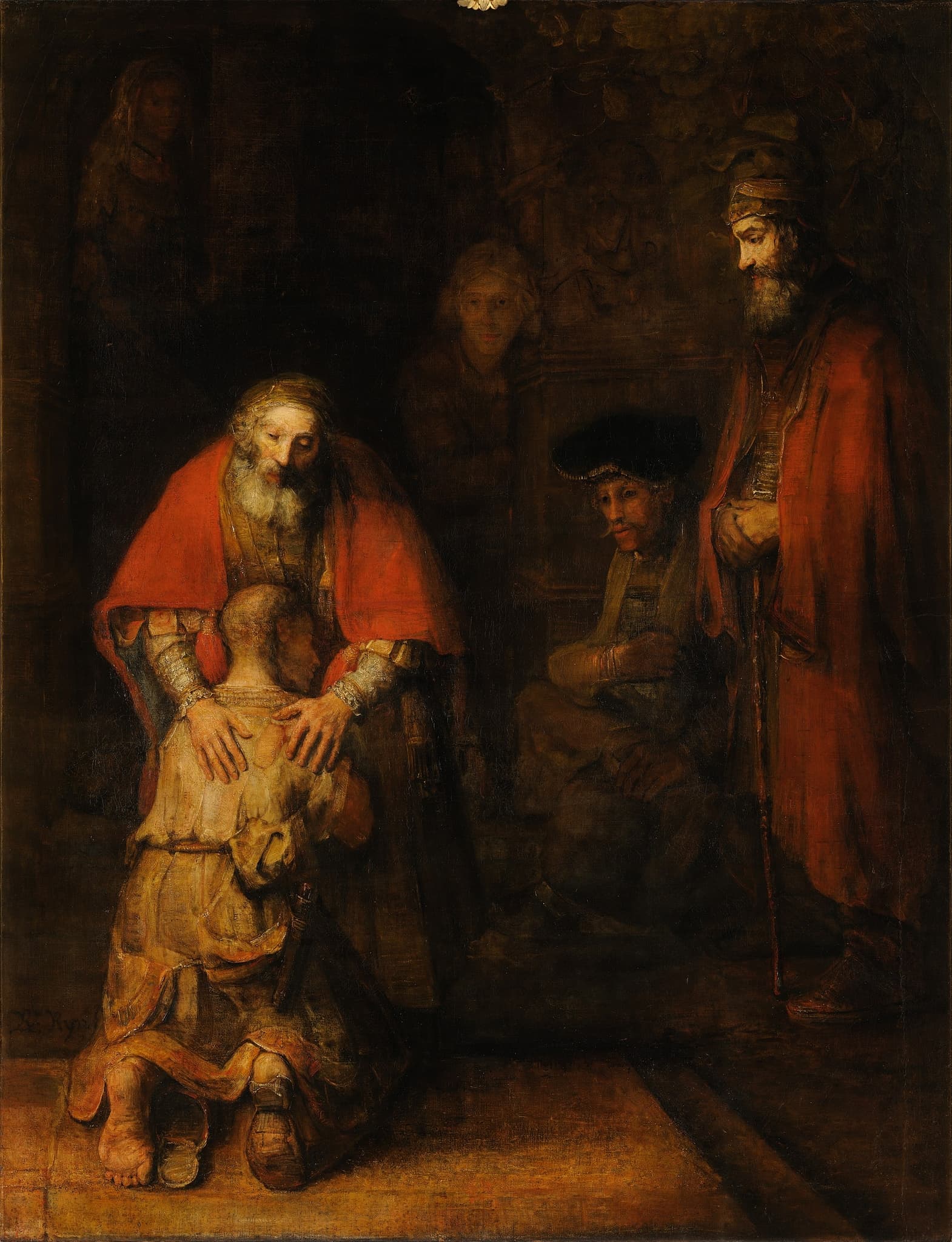
$250-400 million
Valued at $250–400M for insurance/fair‑market purposes, The Return of the Prodigal Son’s late‑Rembrandt stature and monumental scale justify a premium above the €175M benchmark.
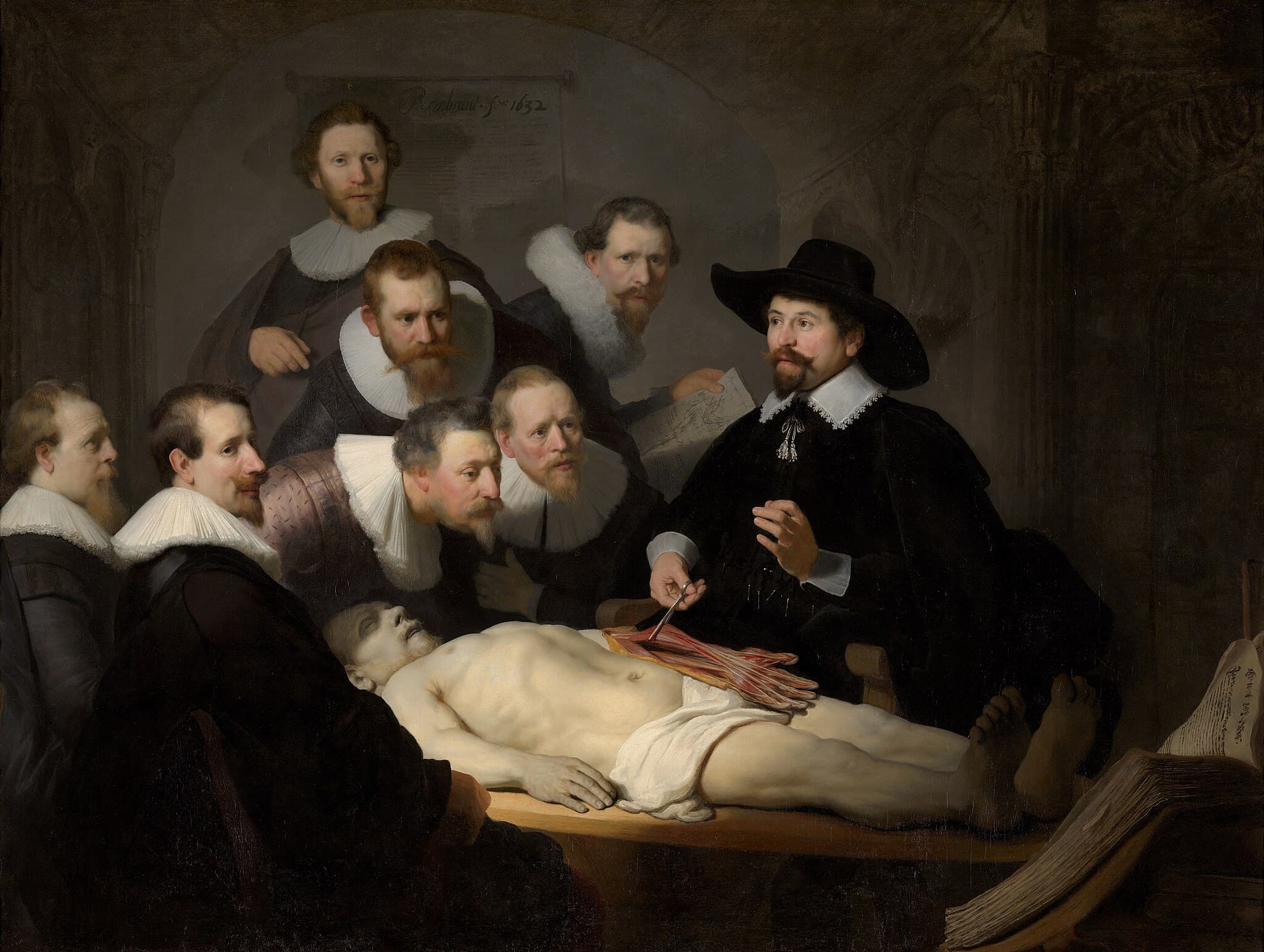
$200-350 million
Estimated $200–350M, The Anatomy Lesson is a museum‑enshrined Rembrandt with no modern sale precedent, its number anchored to the 2016 €160M state acquisition precedent.
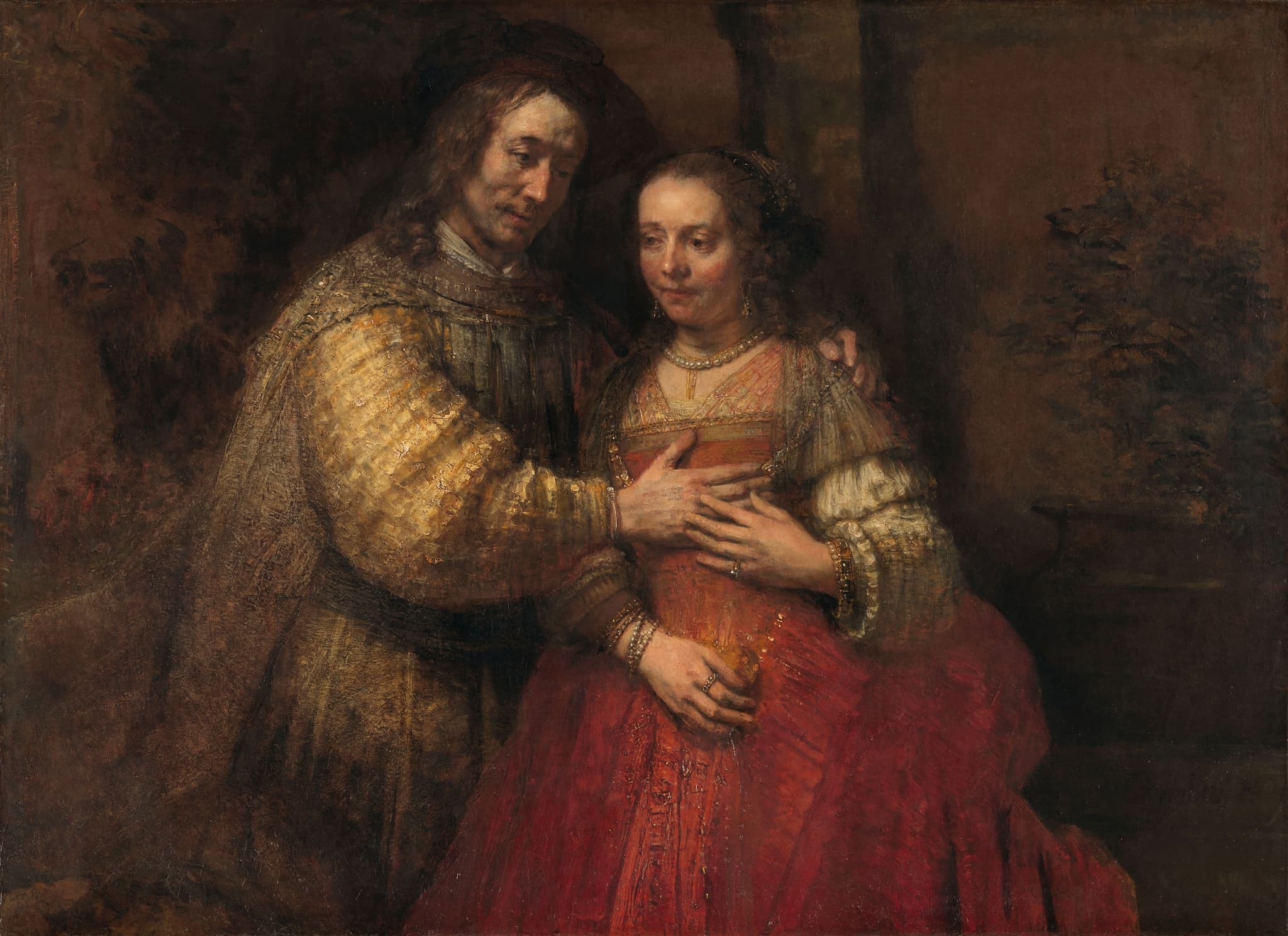
$240-320 million
Under unconstrained, private‑treaty conditions, Rembrandt’s Isaac and Rebecca, Known as ‘The Jewish Bride’ would command roughly $240–320 million.
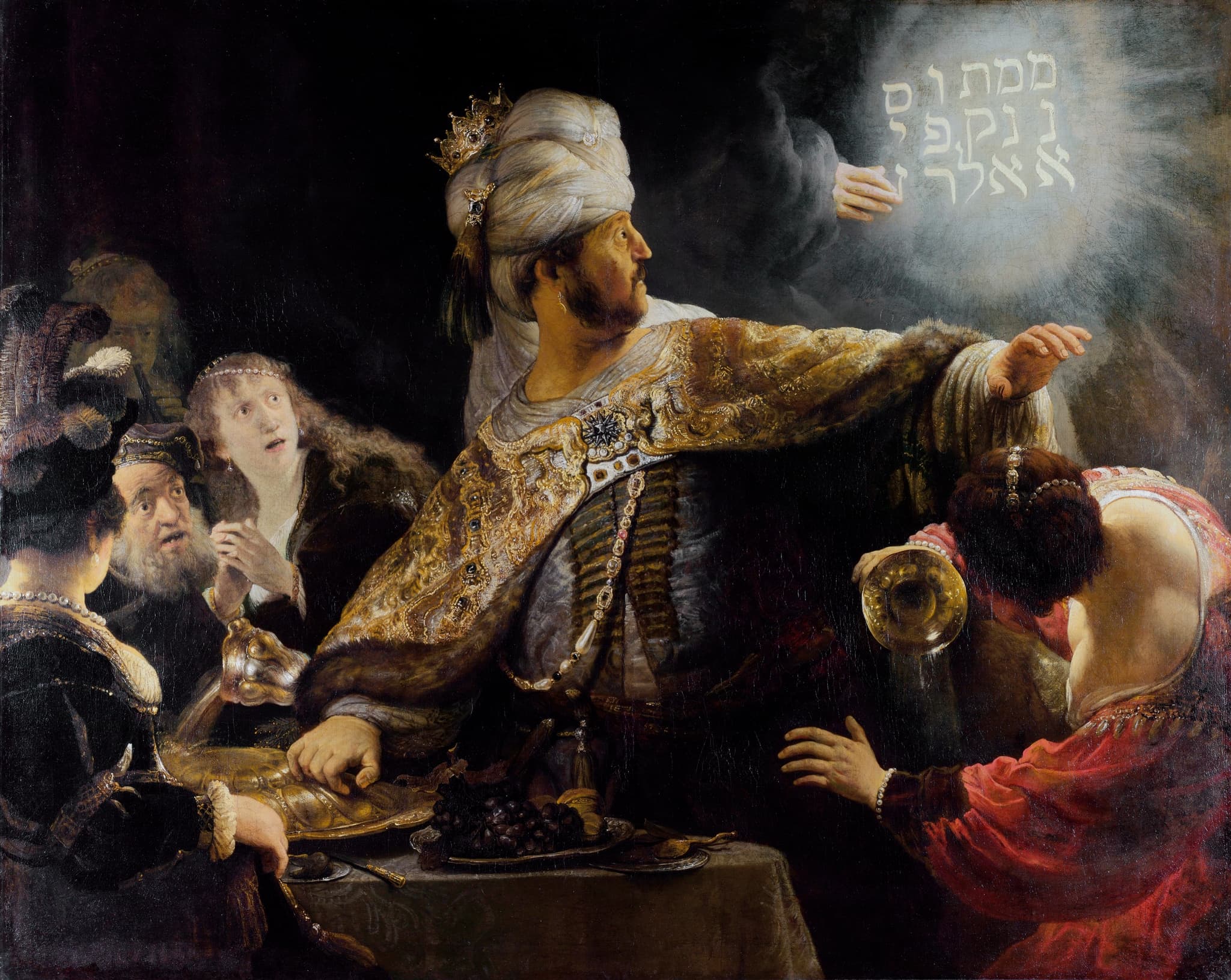
$240-320 million
Belshazzar’s Feast is an apex Rembrandt: a large, fully accepted early‑Amsterdam history painting with exceptional scholarly and public stature.
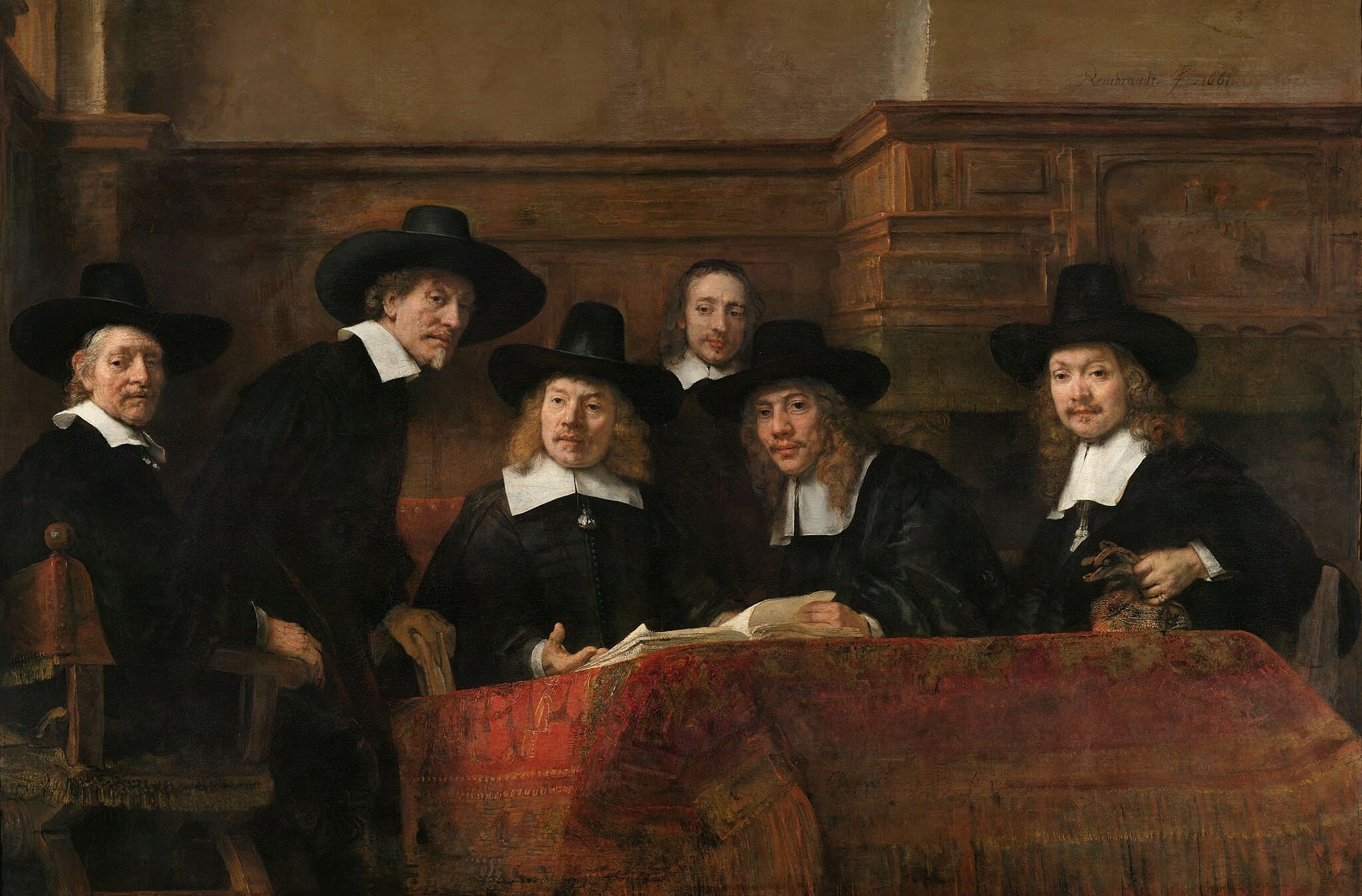
$150-300 million
The Sampling Officials is functionally off‑market and a hypothetical institutional sale is estimated $150–300M, though the Rijksmuseum would treat it as effectively priceless.
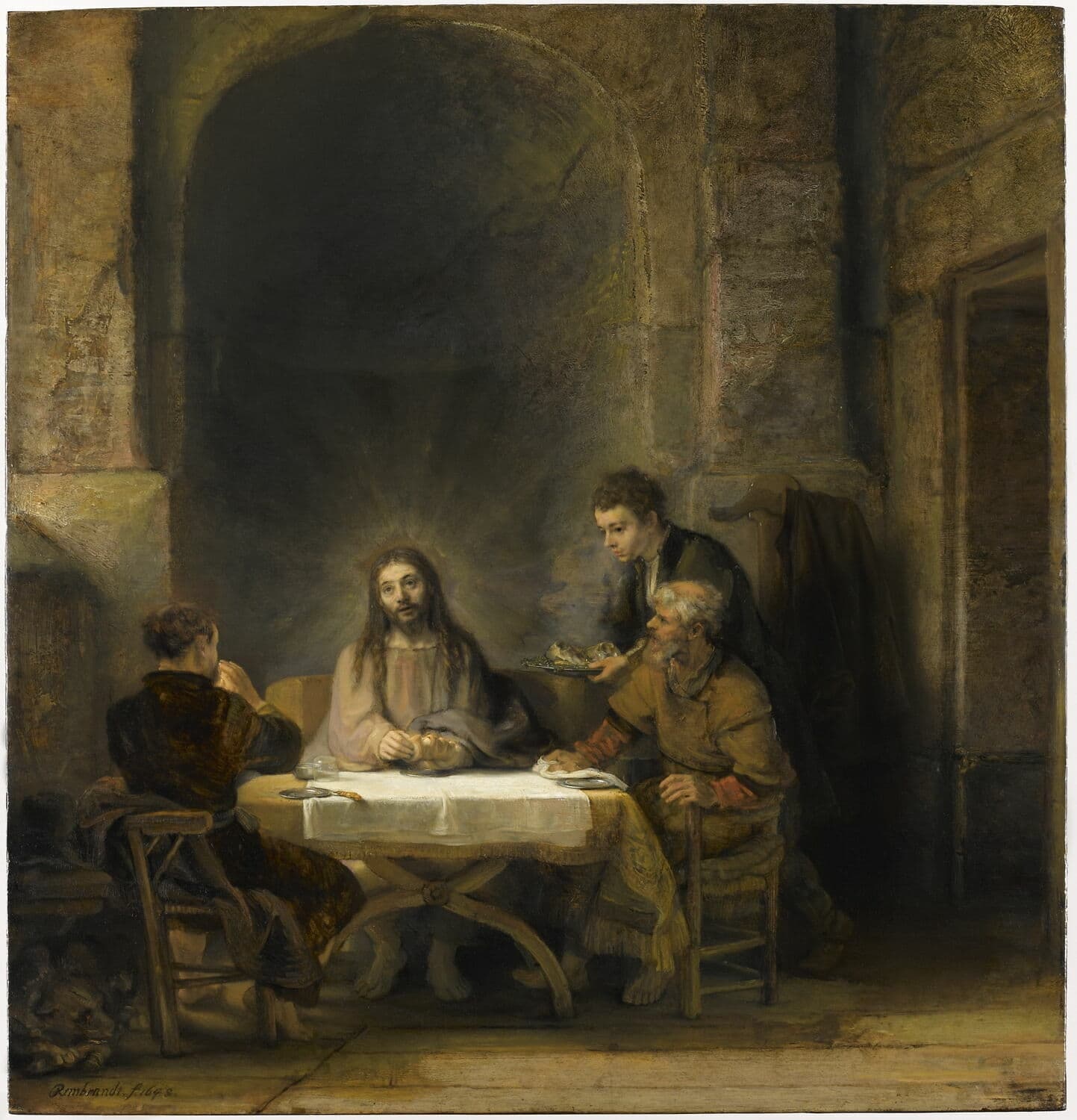
$150-250 million
Hypothetical valuation for Rembrandt’s The Supper at Emmaus (1648), Louvre, is $150–250 million.
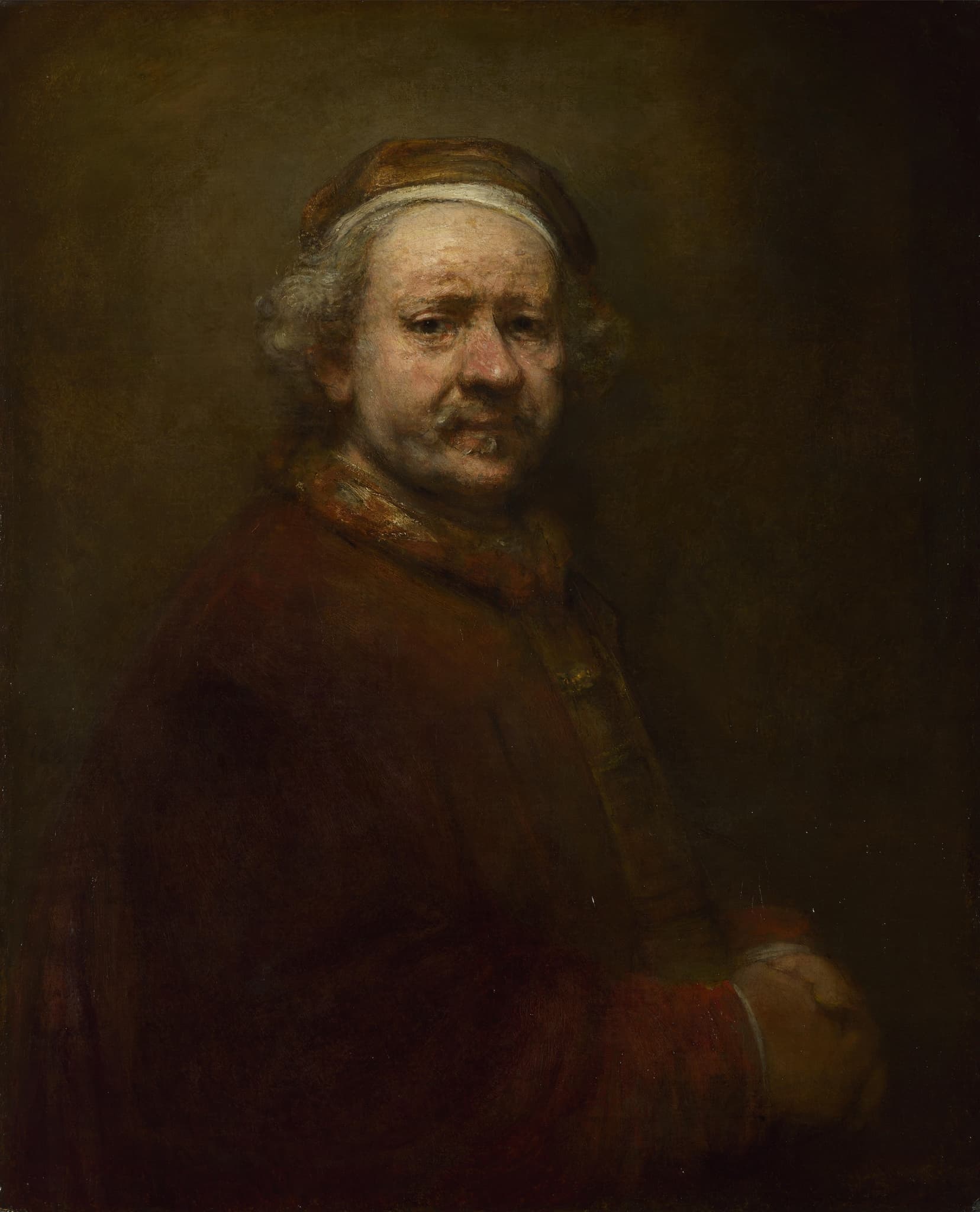
$180-250 million
Hypothetical fair-market value for Rembrandt’s Self Portrait at the Age of 63 (1669, National Gallery, London) is estimated at $180–250 million.
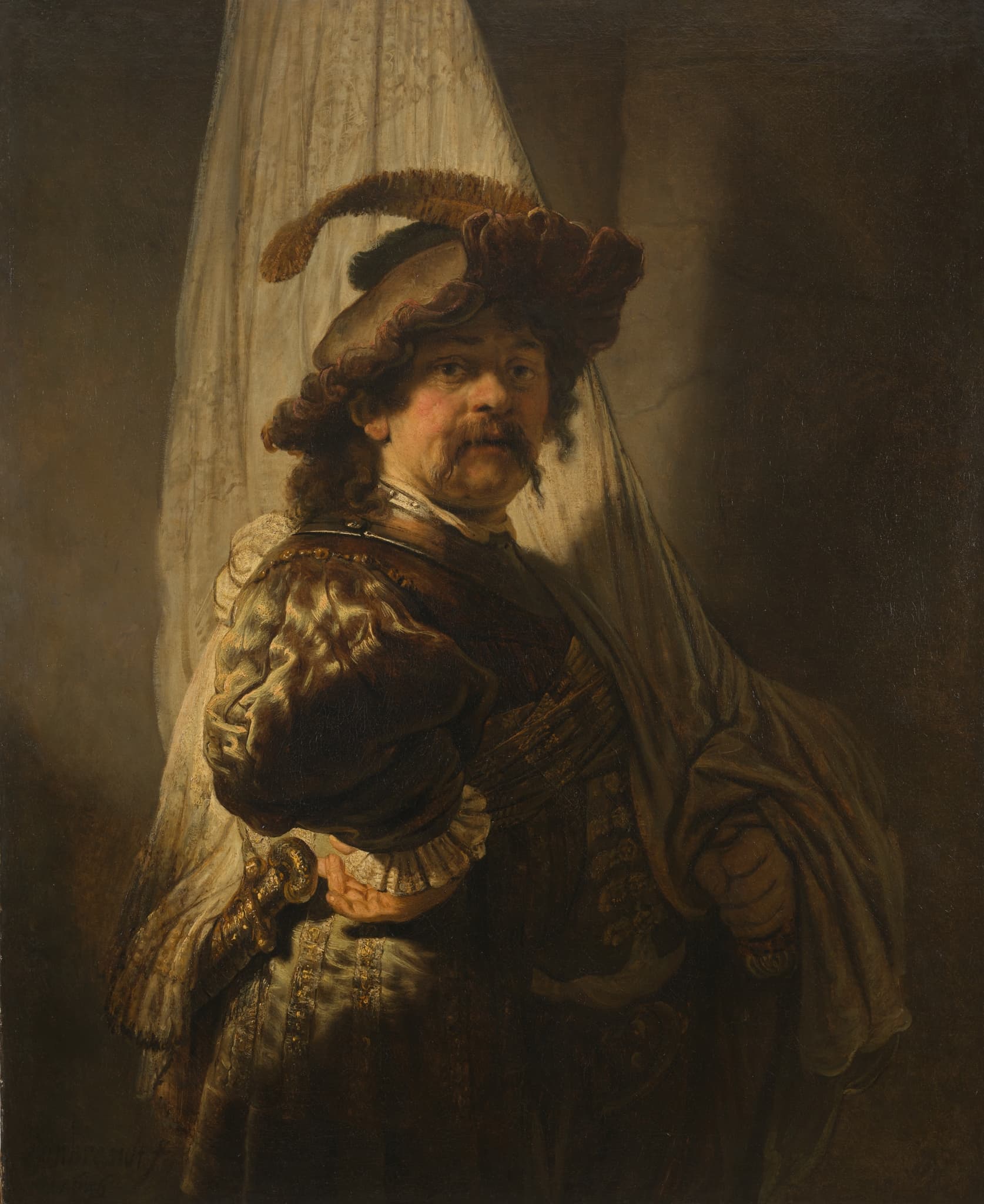
$190-240 million
Anchored to the verified €175 million private sale in January 2022 to the Dutch State, Rembrandt’s The Standard Bearer is now valued at $190–240 million.
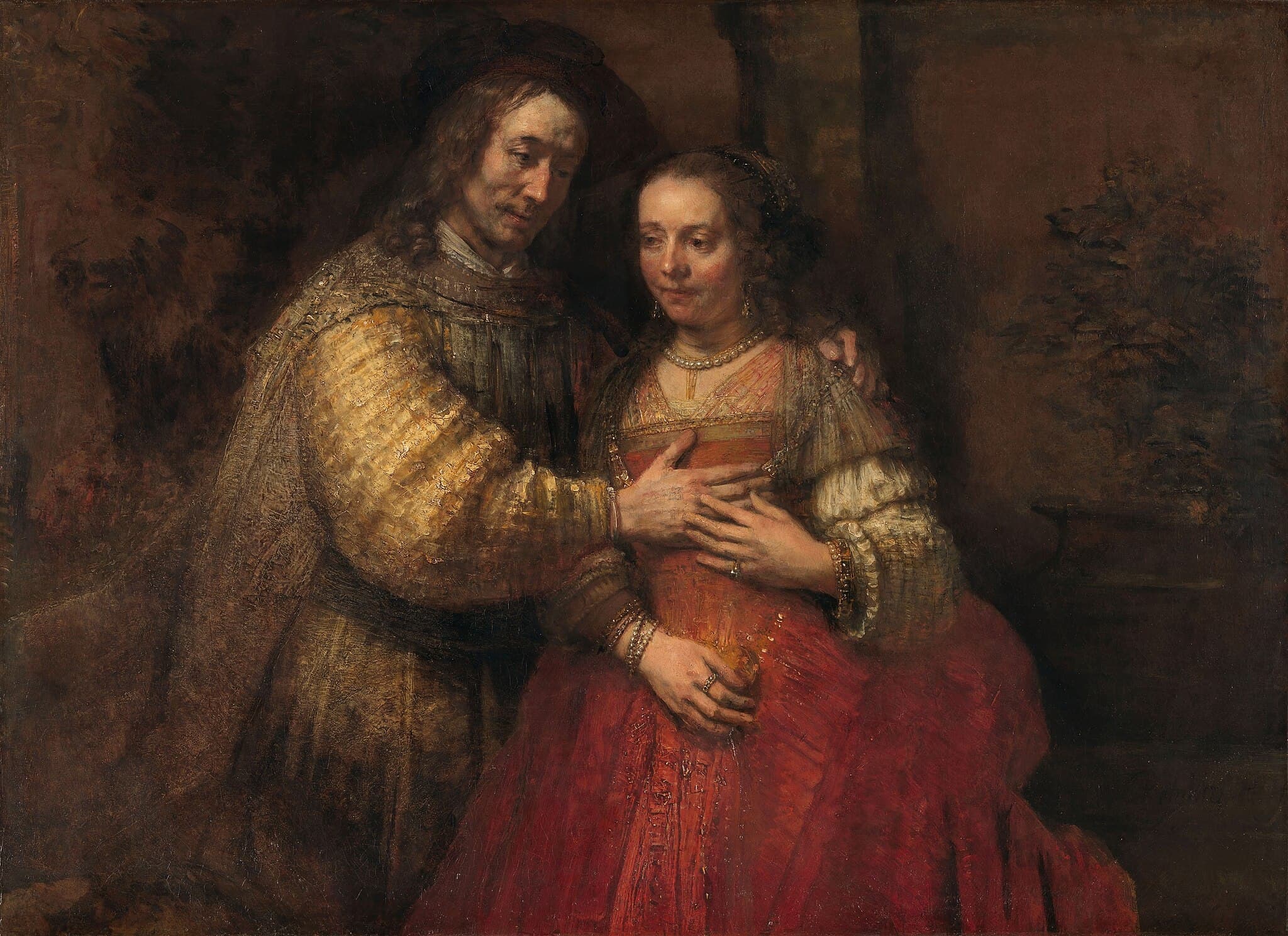
$180-230 million
The Jewish Bride’s $180–230M open‑market estimate reflects its canonical status and likely institutional negotiation dynamics that would push pricing toward the band’s lower half.
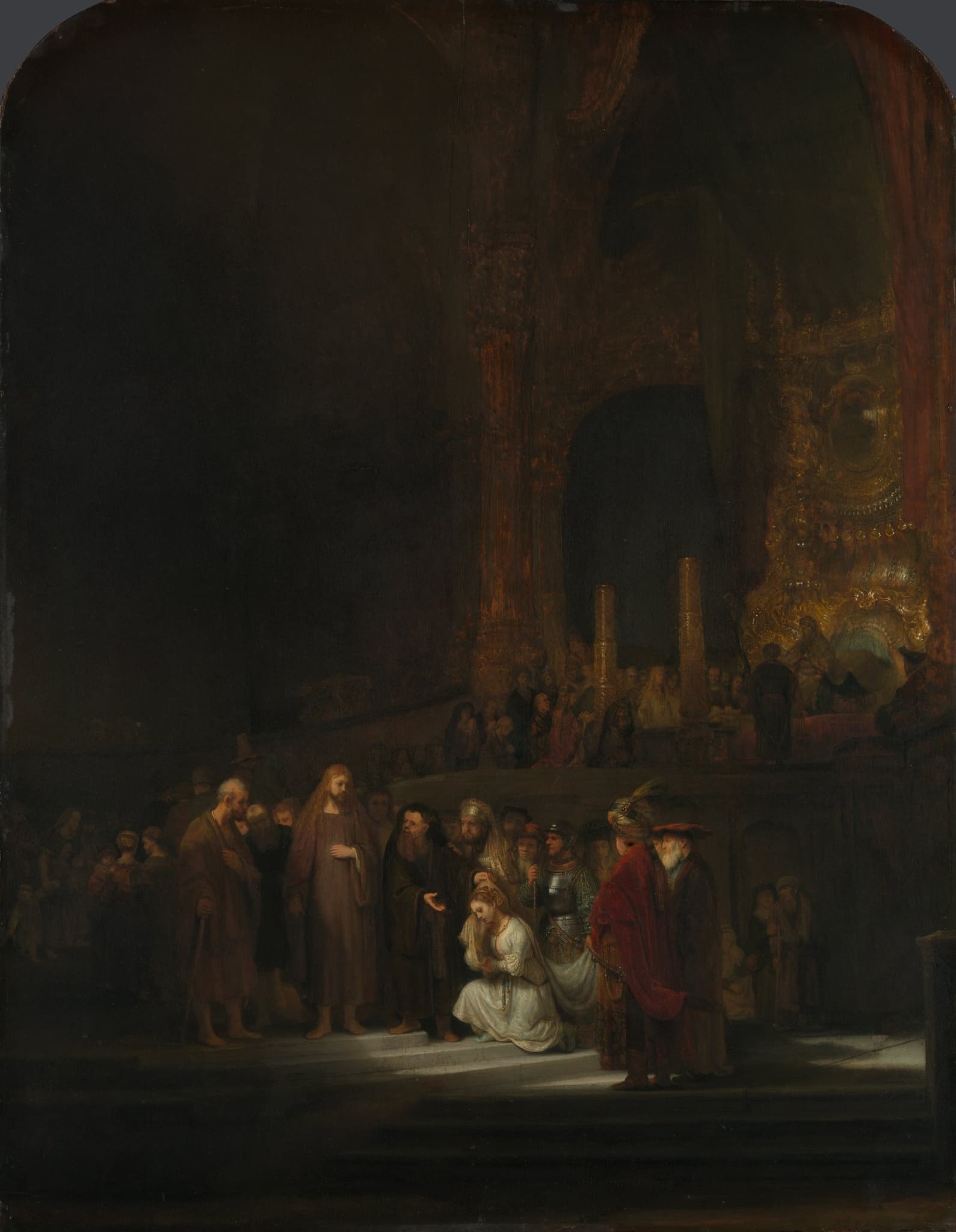
$170-220 million
Hypothetical private-treaty value for Rembrandt’s The Woman taken in Adultery is $170–220 million.
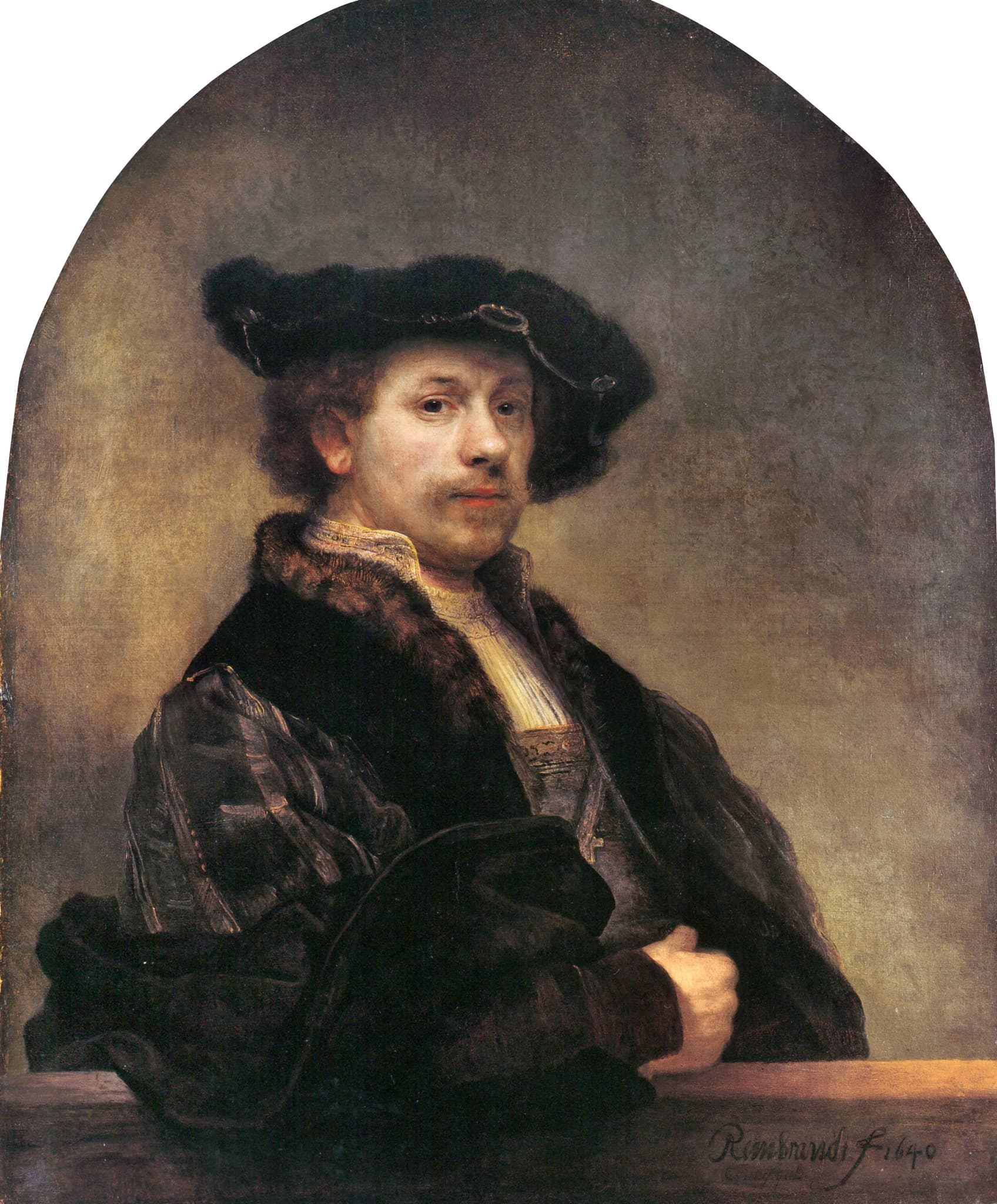
$160-220 million
Rembrandt’s Self Portrait at the Age of 34 (1640, National Gallery, London) is a textbook, museum‑grade masterpiece and among the artist’s most reproduced images.
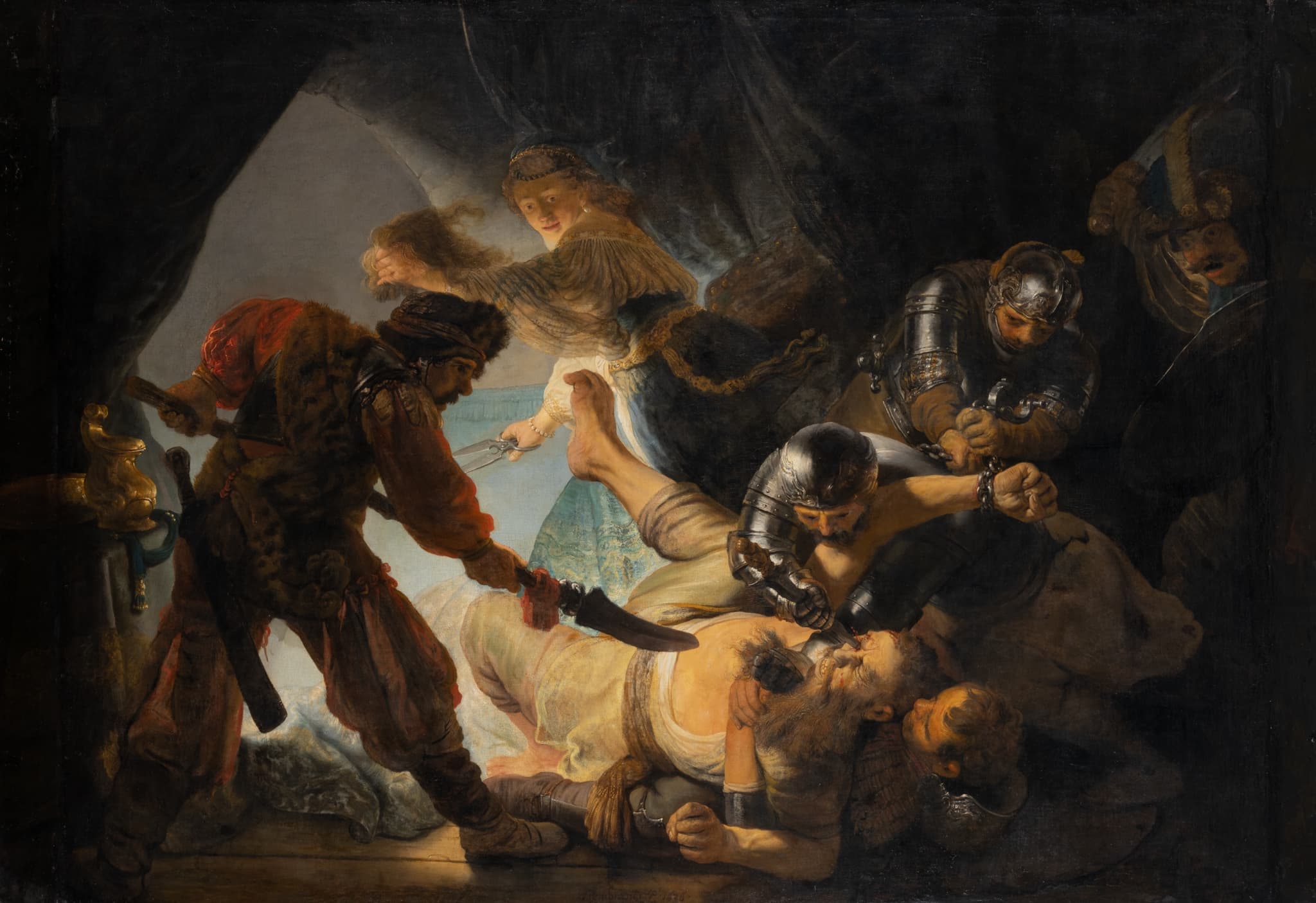
$120-200 million
On a fully hypothetical, exportable basis, Rembrandt’s The Blinding of Samson (1636, Städel Museum) would likely command about $120–200 million today.
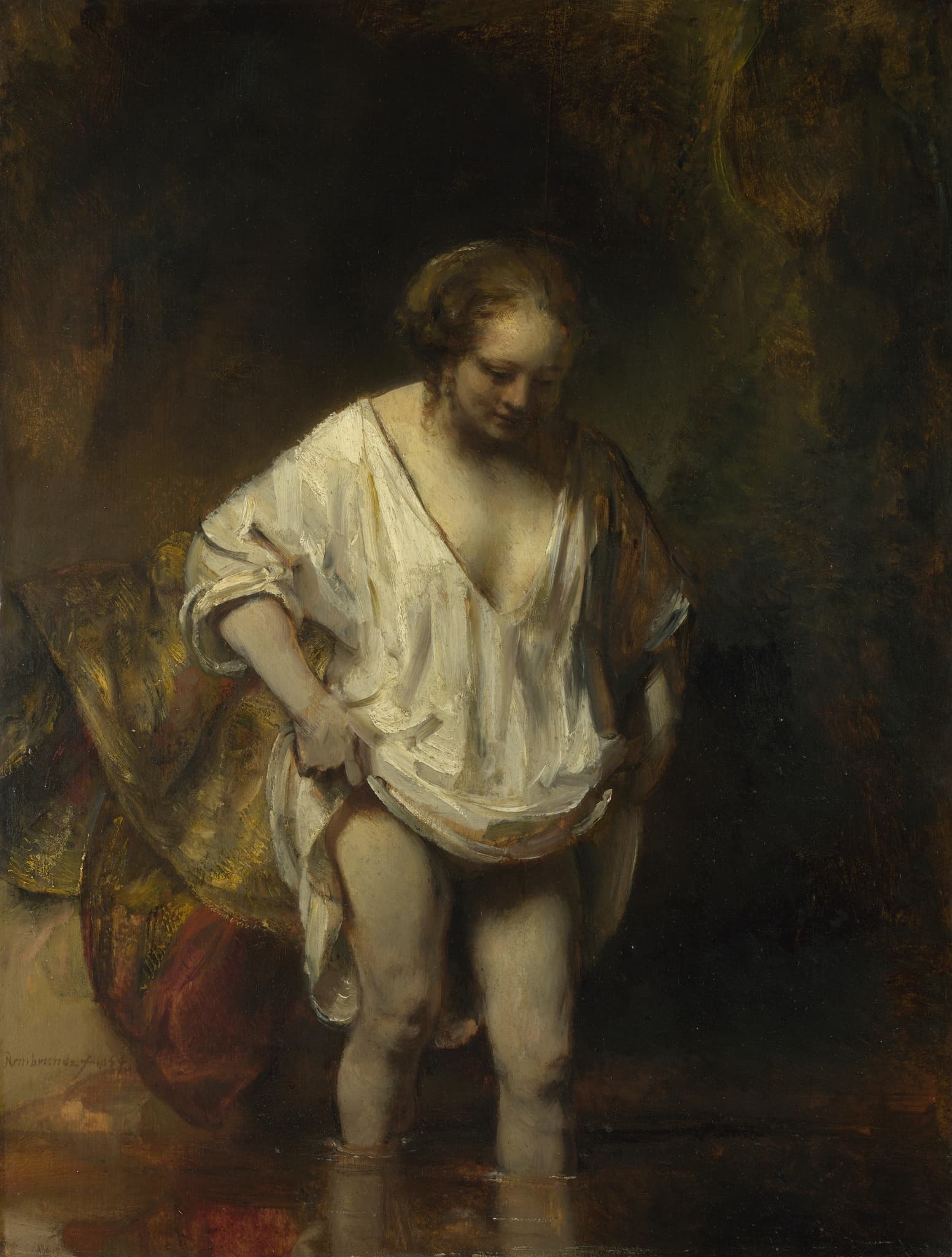
$140-200 million
Hypothetical valuation for Rembrandt’s A Woman bathing in a Stream (1654) is $140–200 million.
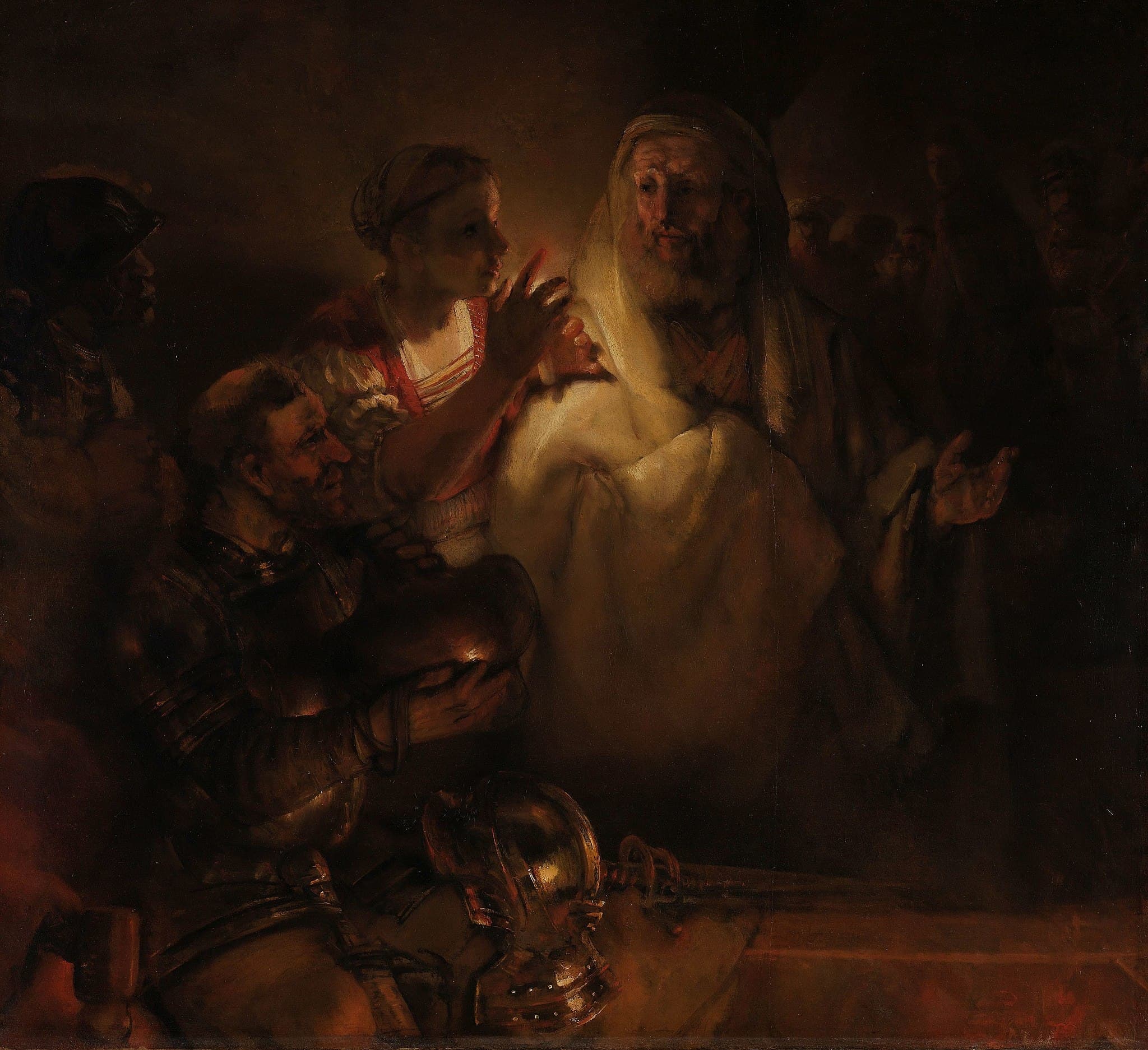
$140–190 million
Hypothetical private-sale valuation for Rembrandt’s The Denial of St Peter (1660, Rijksmuseum) is $140–190 million.
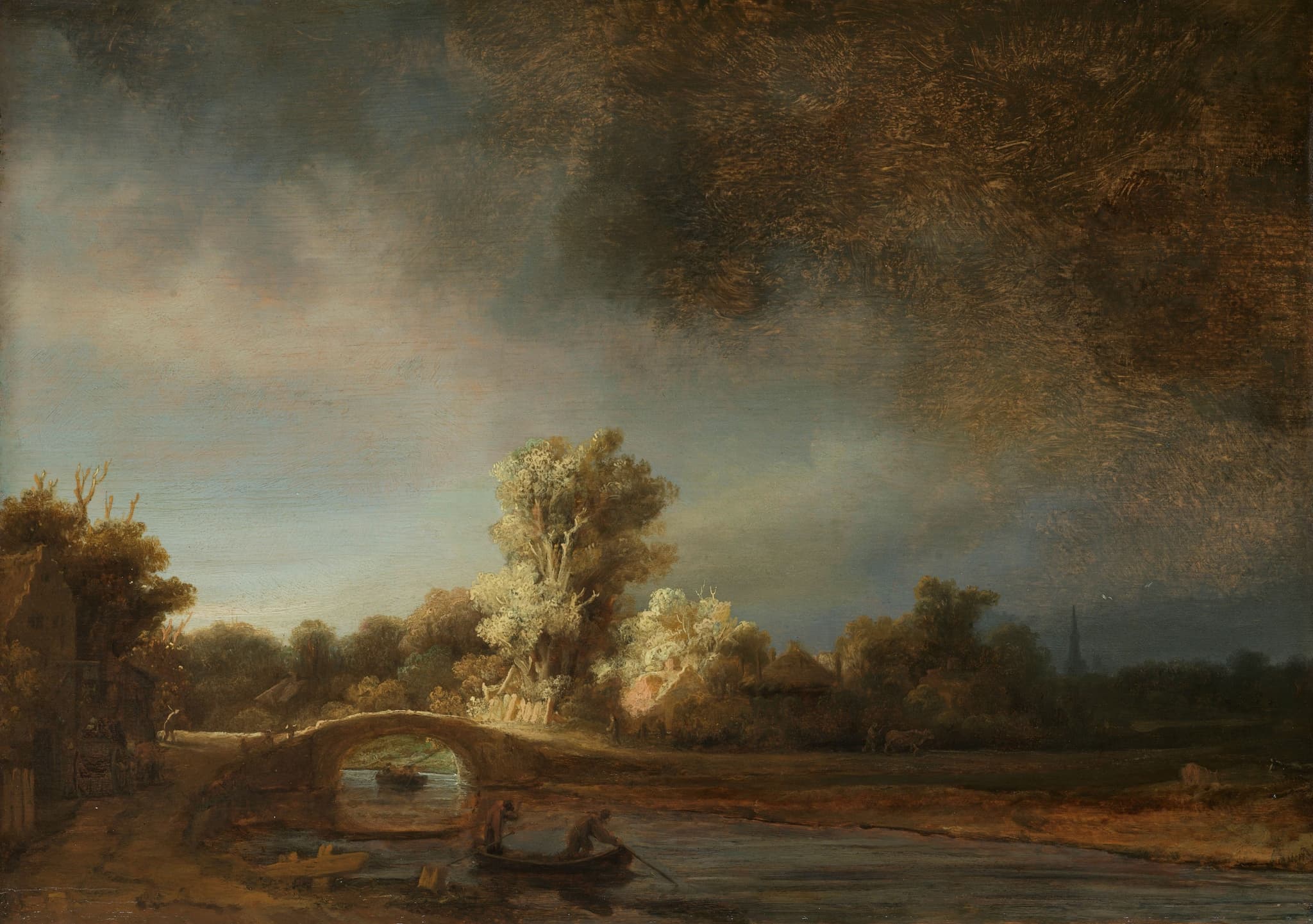
$140-190 million
Landscape with a Stone Bridge is one of Rembrandt’s most important and widely published oil landscapes, a category he painted only rarely.
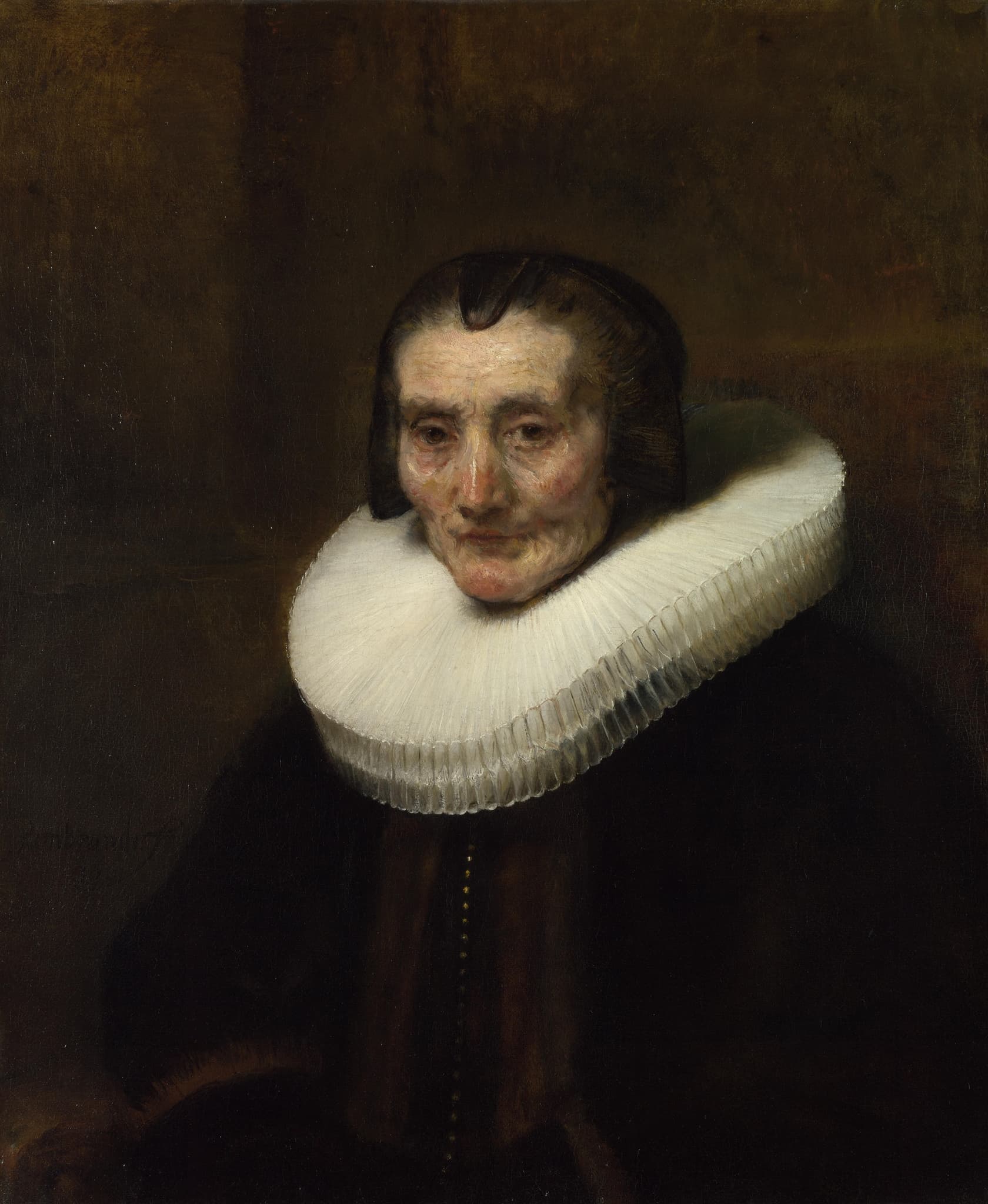
$140-180 million
Hypothetical fair‑market value for Rembrandt’s Portrait of Margaretha de Geer, Wife of Jacob Trip is estimated at $140–180 million.
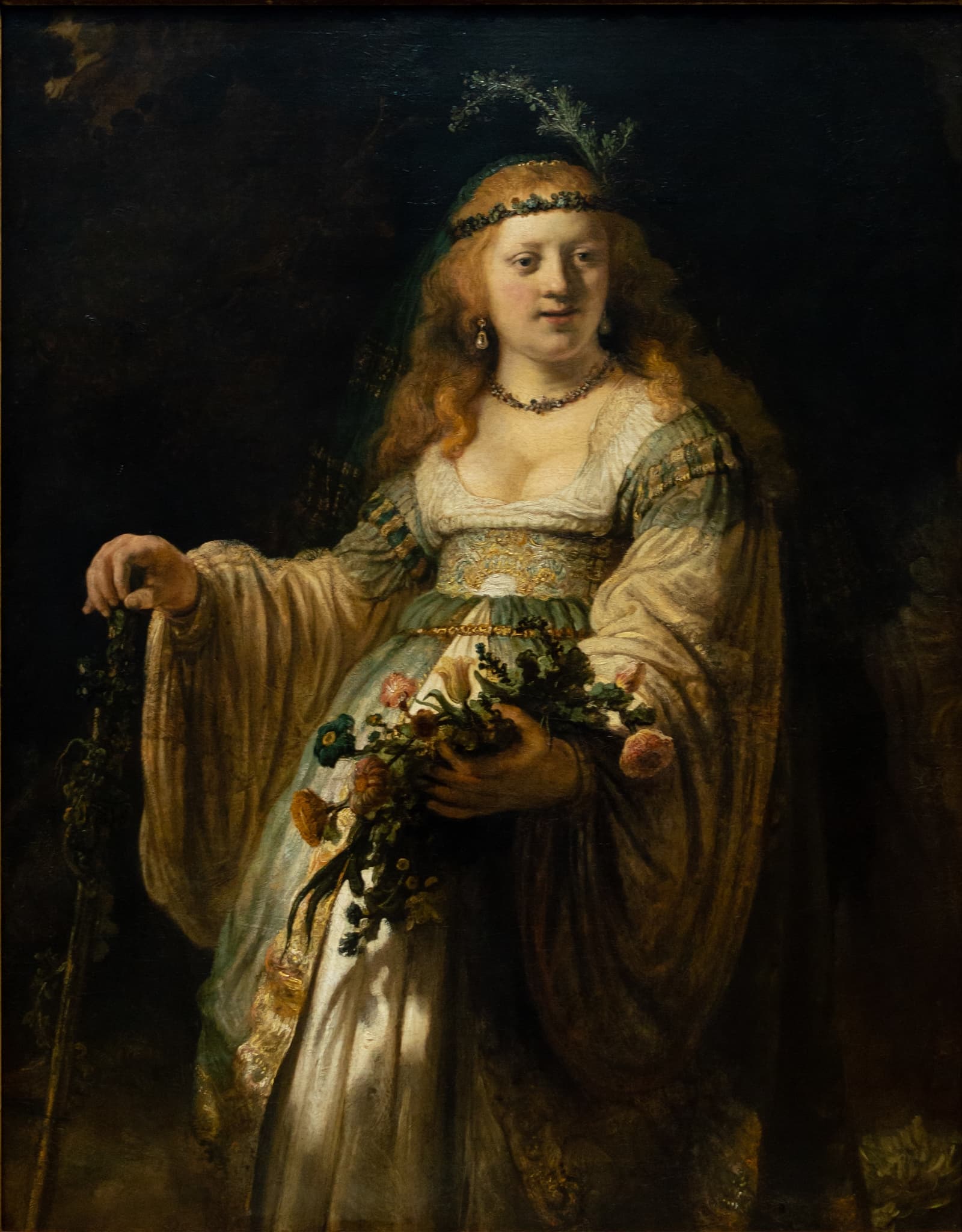
$110-170 million
Hypothetical fair‑market private‑treaty value for Rembrandt’s Saskia van Uylenburgh in Arcadian Costume is $110–170 million.
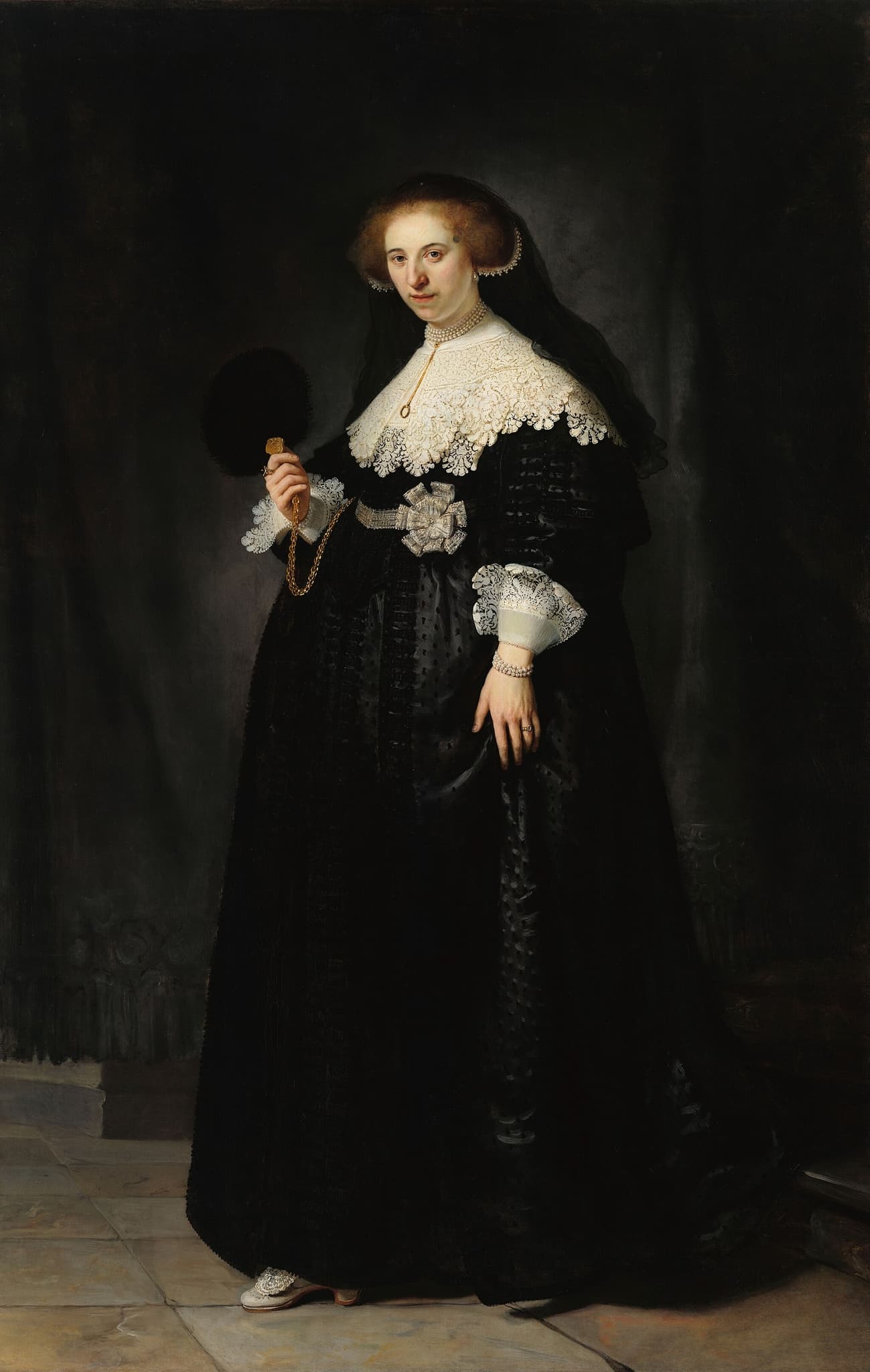
$100-150 million
Portrait of Oopjen Coppit is pegged at $100–150M using the 2016 €160M paired purchase as primary benchmark, adjusted for inflation and institutional scarcity premiums.
$100-150 million
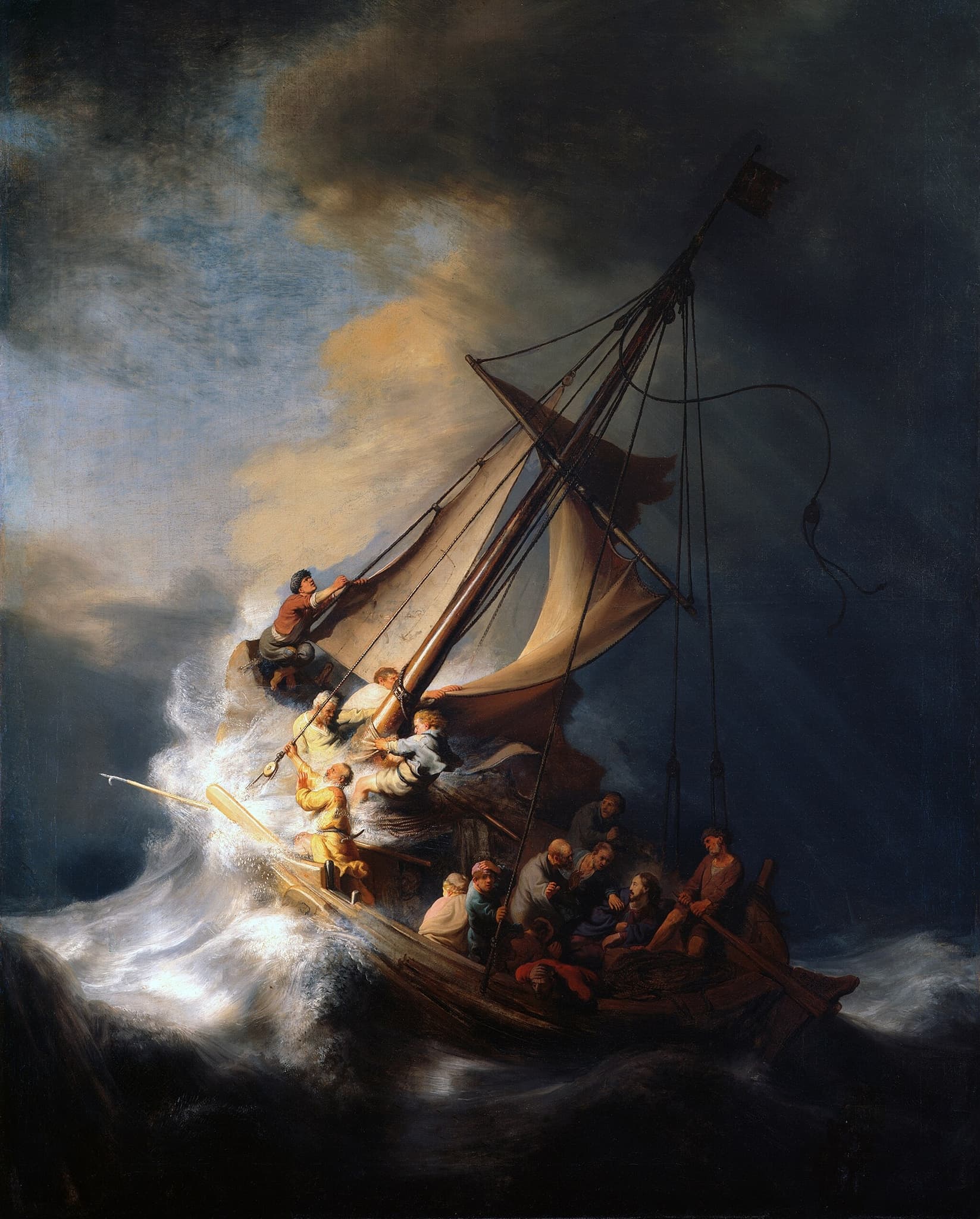
The Storm on the Sea of Galilee is estimated $100–150M assuming recovery, clear title and sound condition, its value tempered by status as Rembrandt’s only seascape and 1990 theft history.
$100-150 million
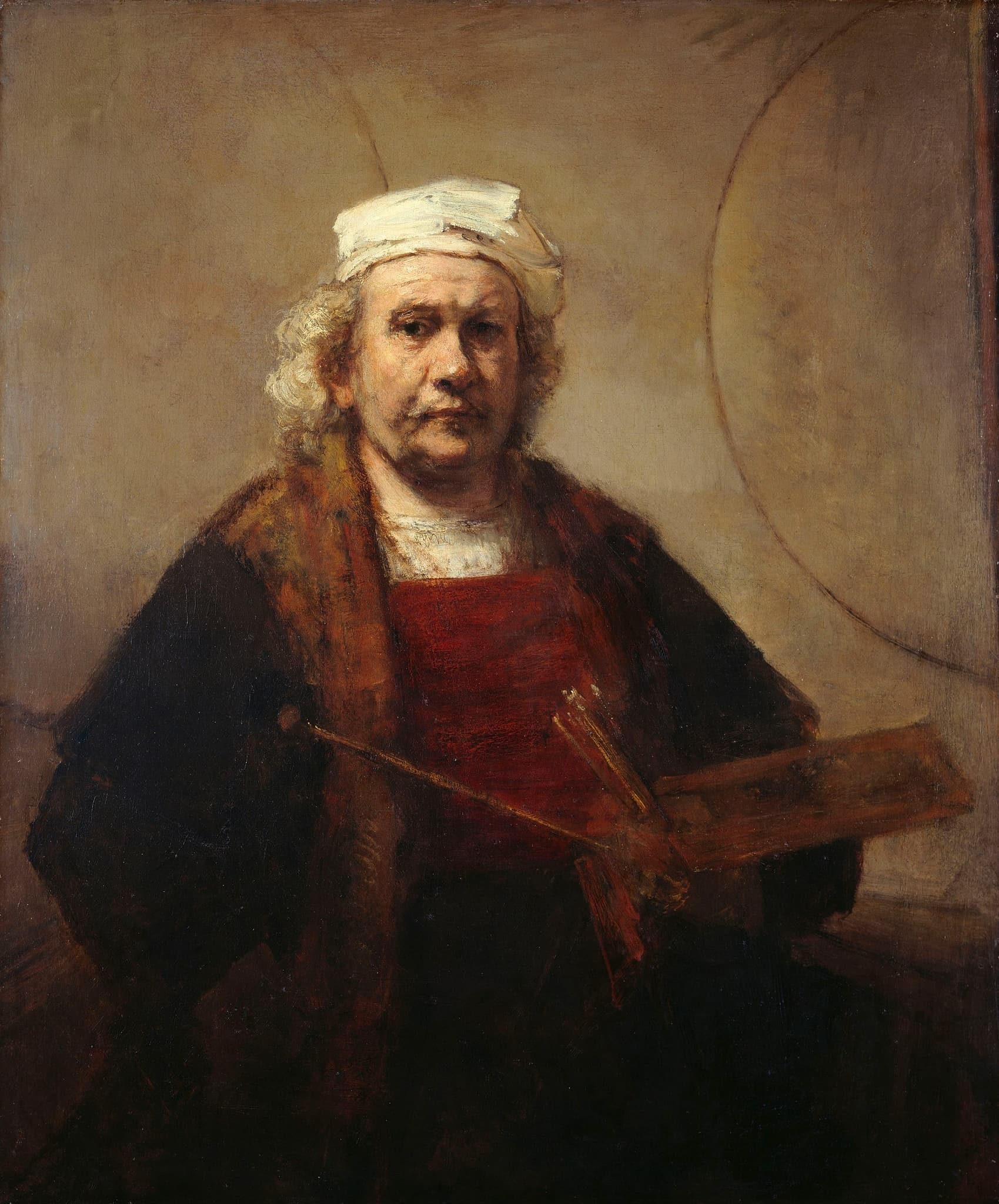
Self‑Portrait with Two Circles is valued $100–150M, balancing the 2016 institutional ceiling against public‑auction precedents and contingent on secure attribution and transferability.
$100-150 million
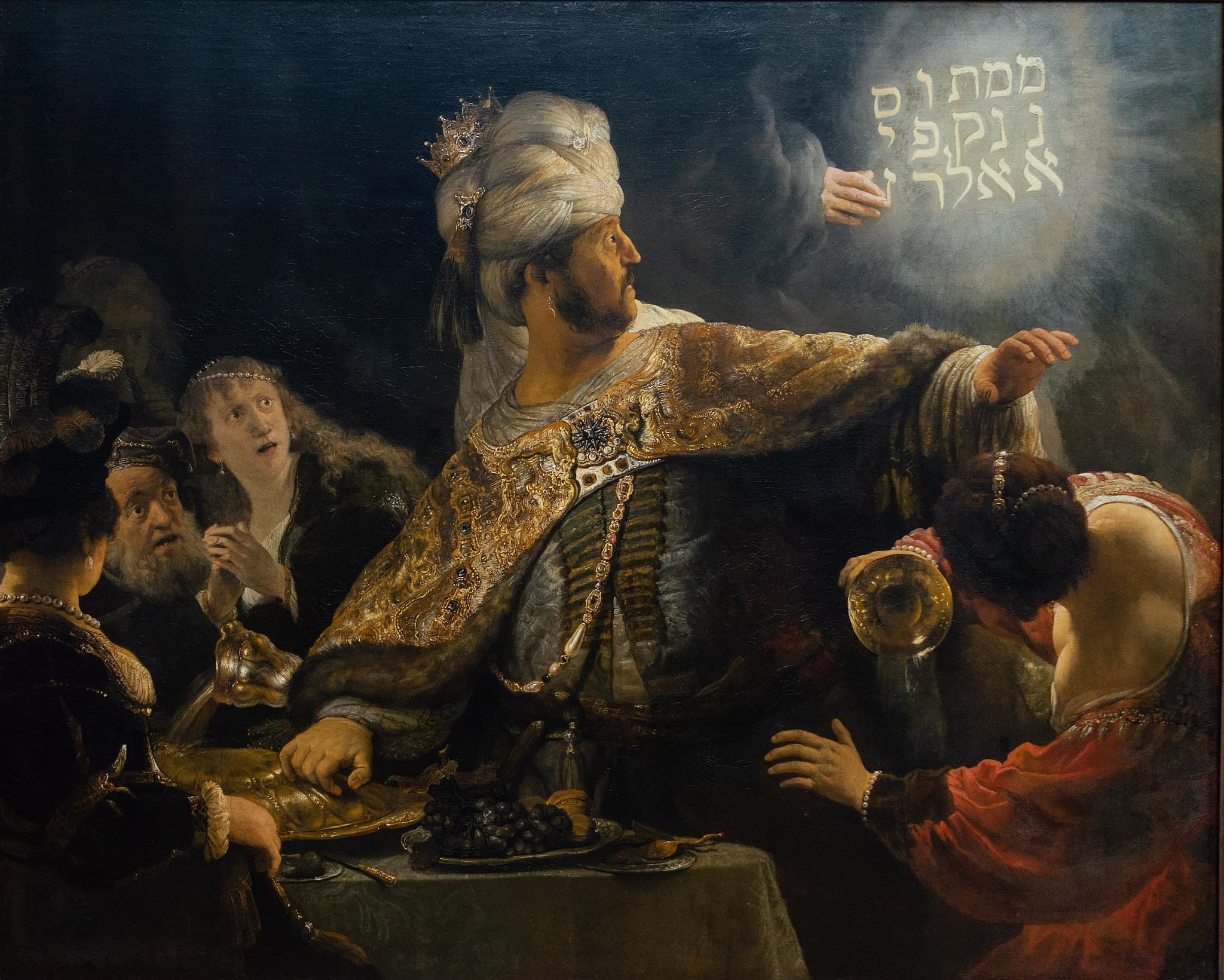
If securely autograph, Belshazzar’s Feast is insured at roughly $100–150M; a downgraded studio attribution would collapse its value to the low millions.
$100-150 million
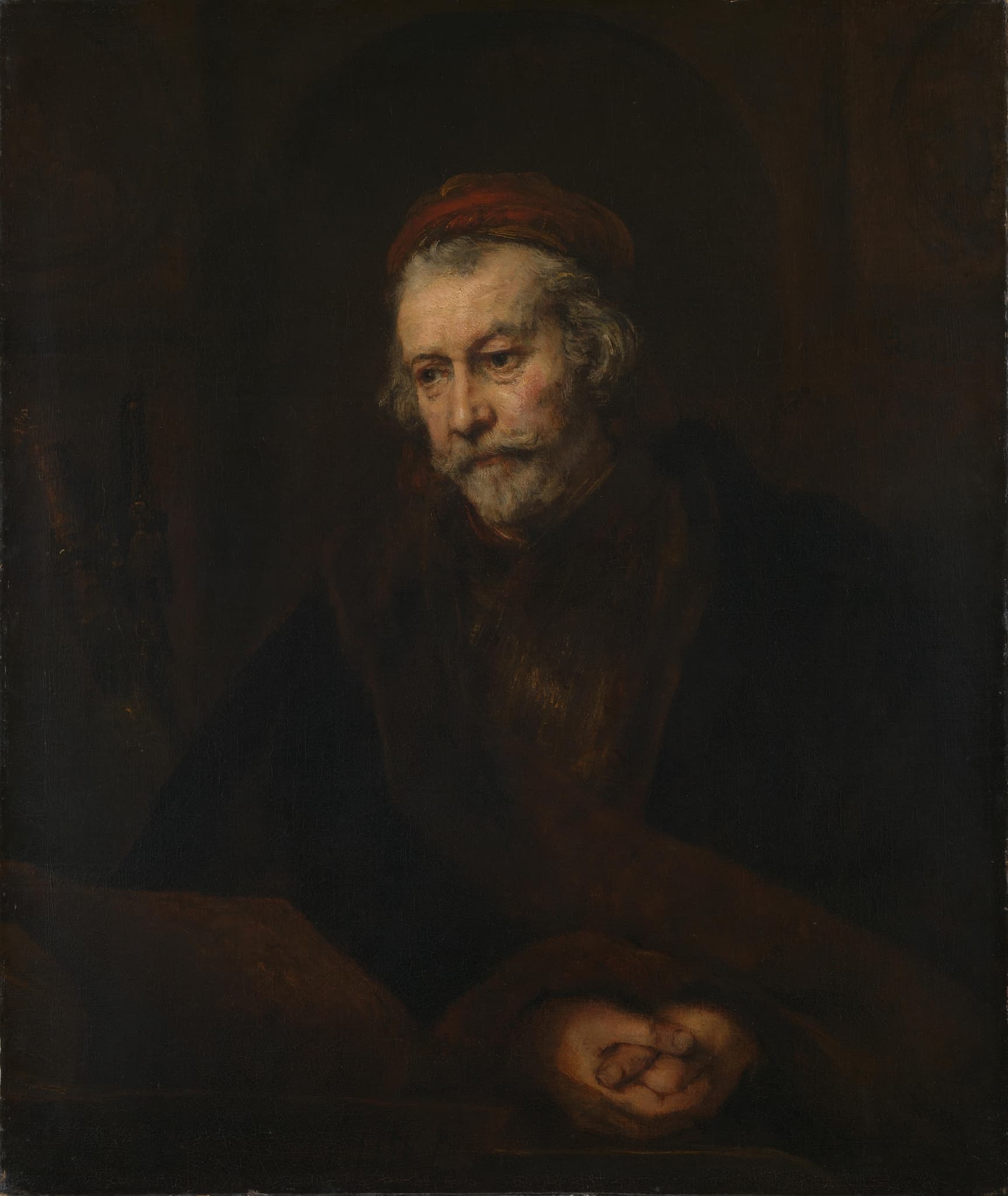
If privately available, Rembrandt’s An Elderly Man as Saint Paul (c.
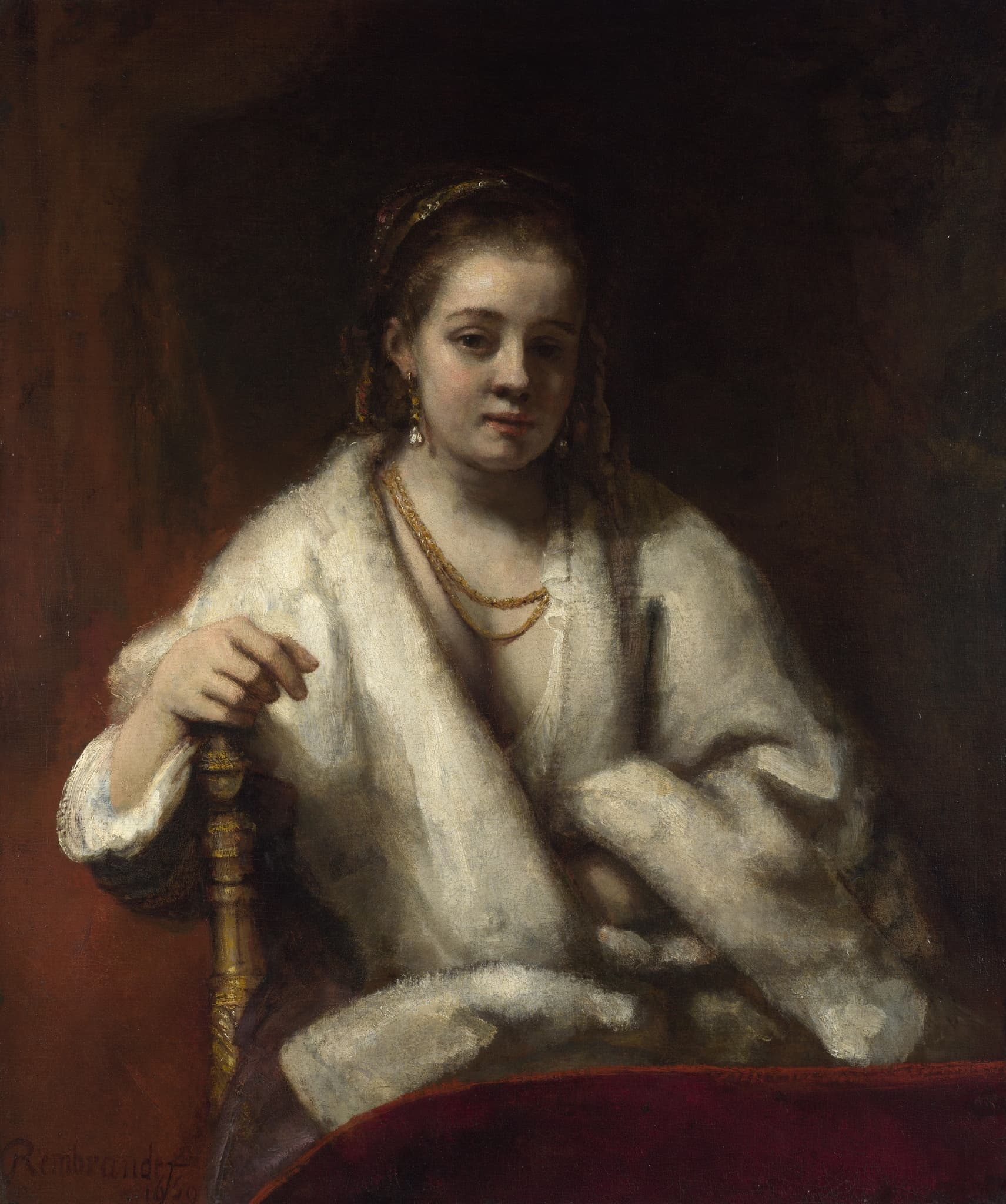
$100-140 million
We estimate Rembrandt’s Portrait of Hendrickje Stoffels at $100–140 million on a hypothetical open market.
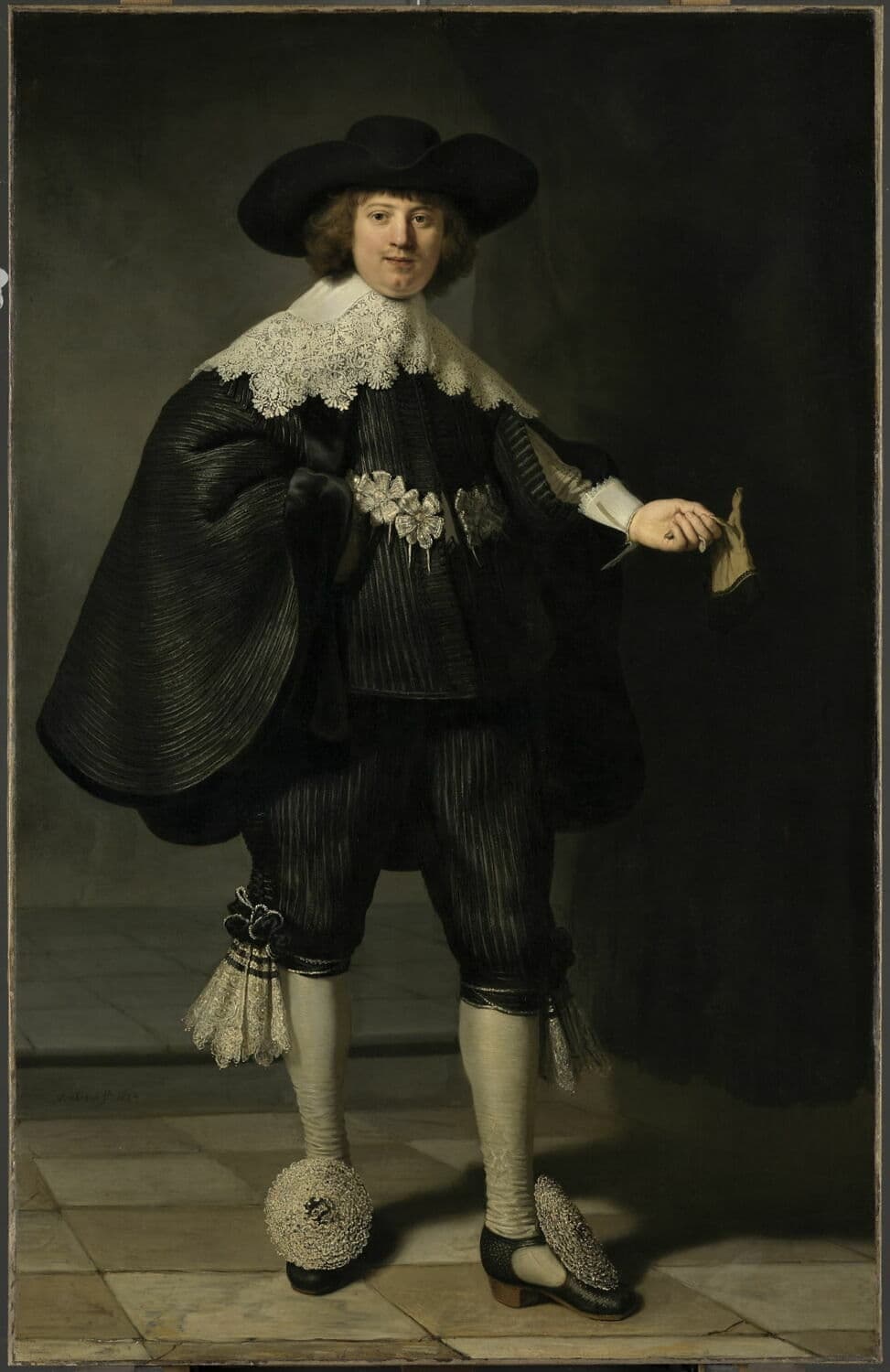
$70-120 million
Portrait of Maerten Soolmans is estimated $70–120M, anchored to the 2016 €160M Maerten/Oopjen pair purchase implying approximately $87M per canvas adjusted for market dynamics.
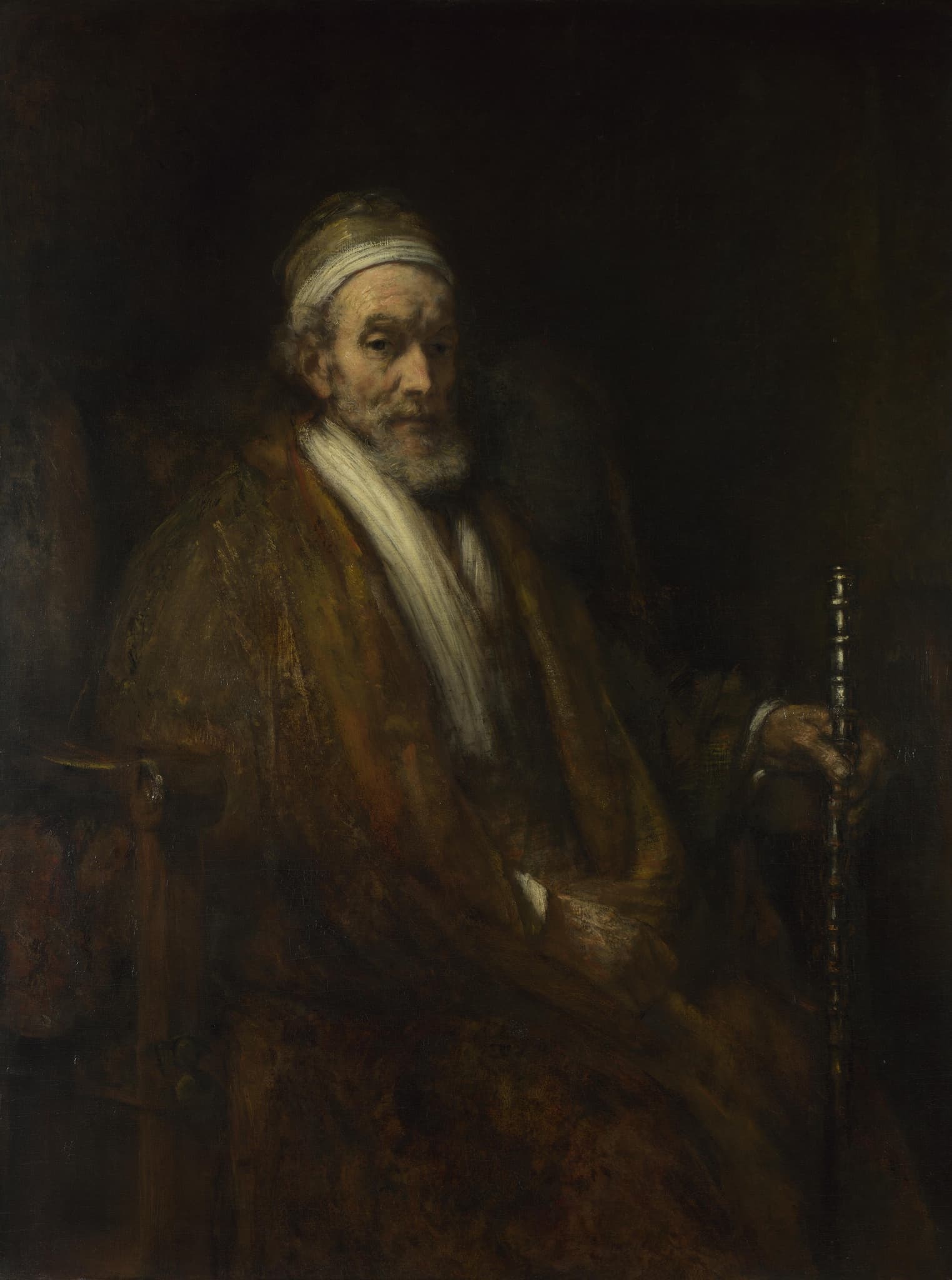
$90-120 million
Portrait of Jacob Trip is a signed, major late Rembrandt portrait of museum caliber and the pendant to Margaretha de Geer.
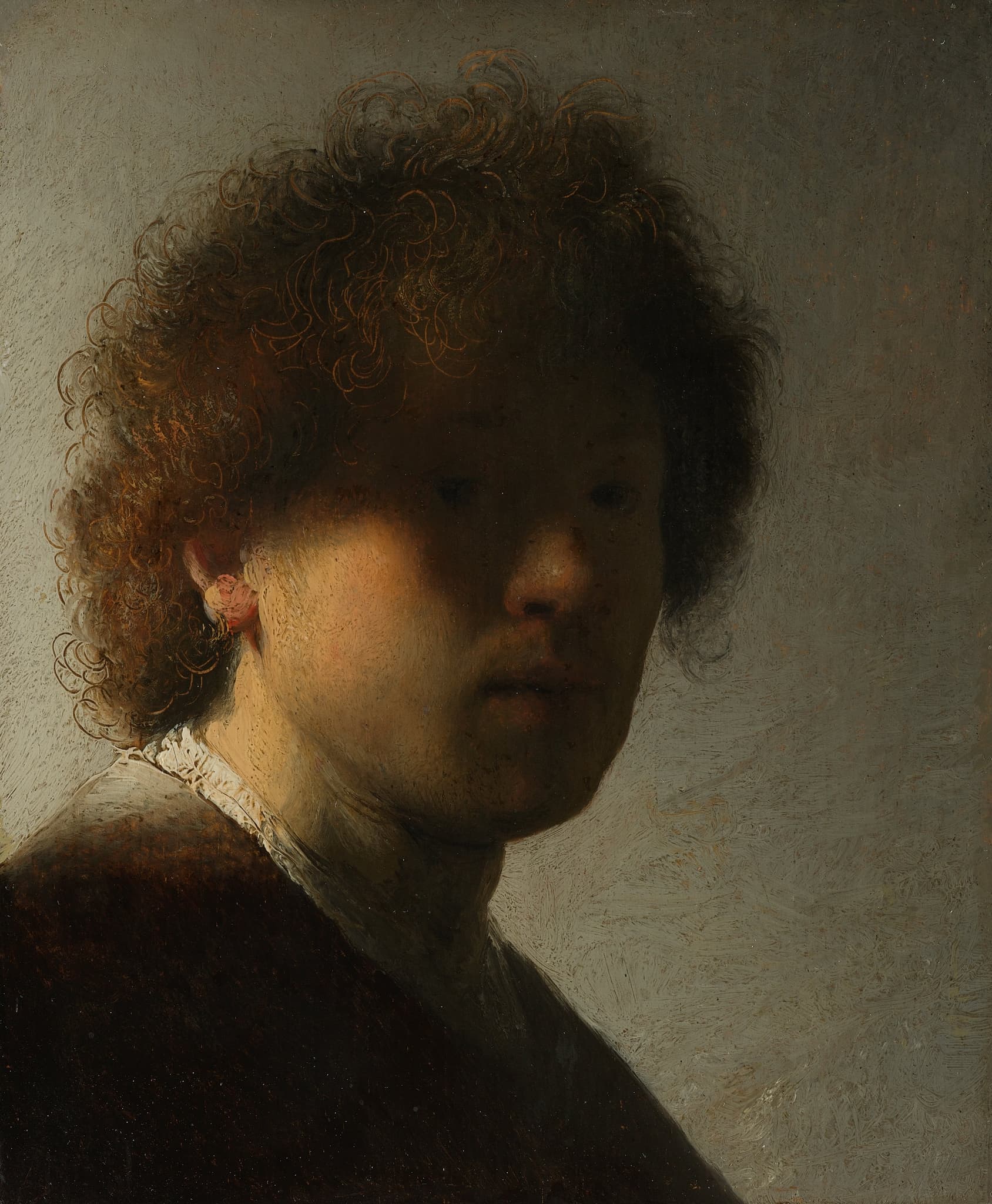
$70–110 million
We estimate Rembrandt’s Self-portrait (with tousled hair), c.
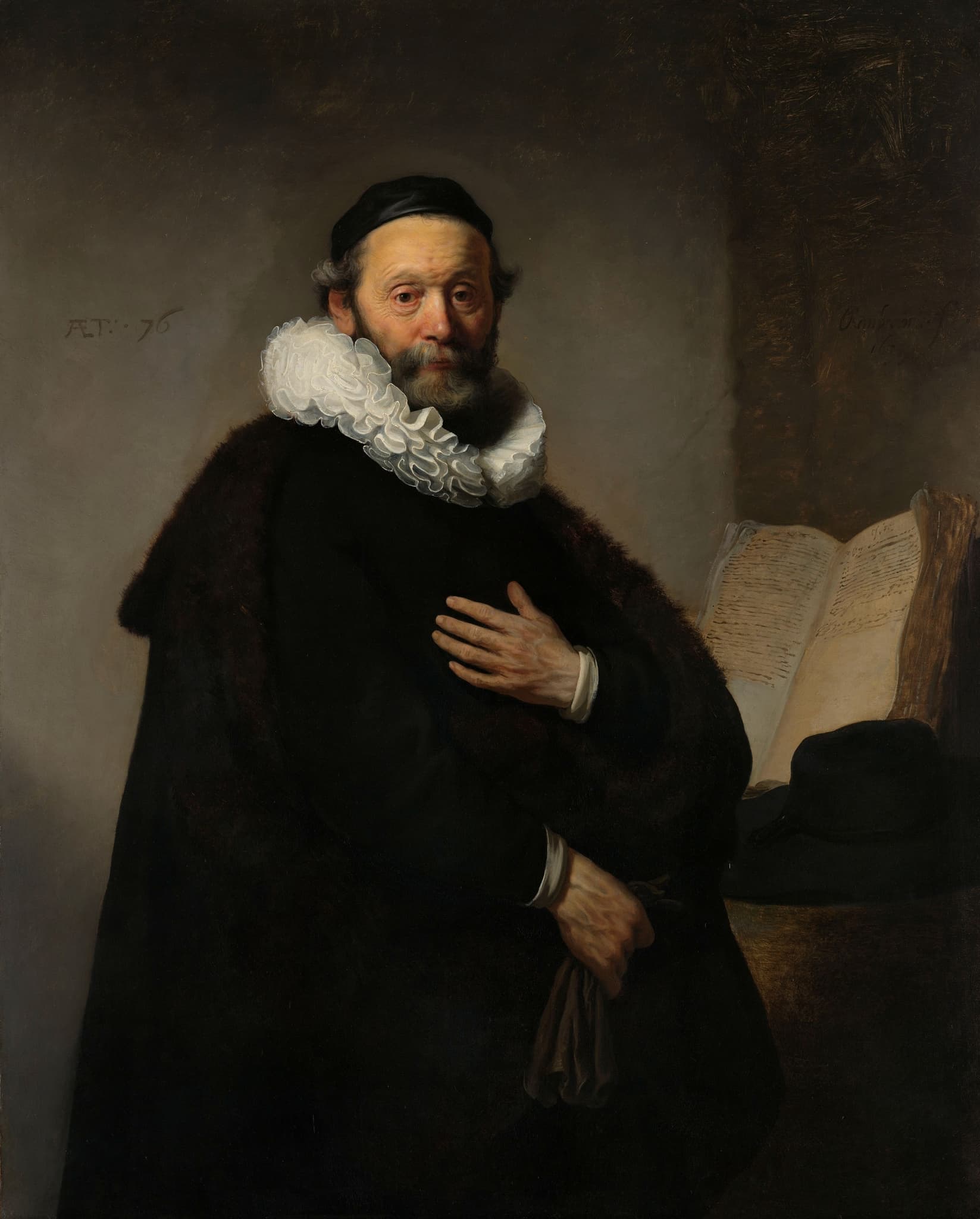
$60-110 million
A signed and dated 1633 Rembrandt portrait of the leading Remonstrant theologian Johannes Wtenbogaert, held by the Rijksmuseum, sits in the top tier of the artist’s early Amsterdam portraiture.
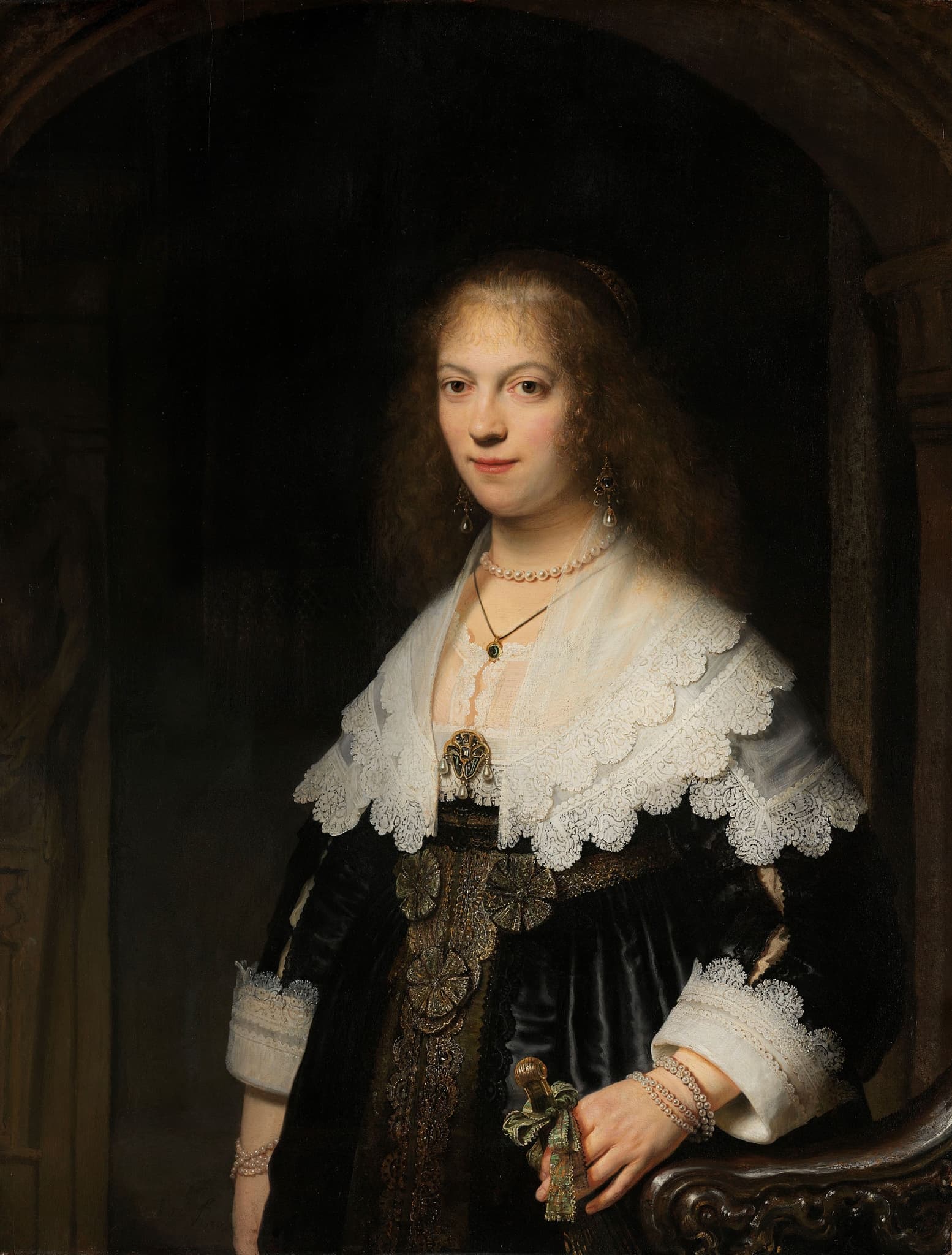
$60-100 million
Portrait of a Woman, Probably Maria Trip (1639) is a prime-period, fully accepted Rembrandt portrait on long-term loan to the Rijksmuseum from the Familie Van Weede Stichting.
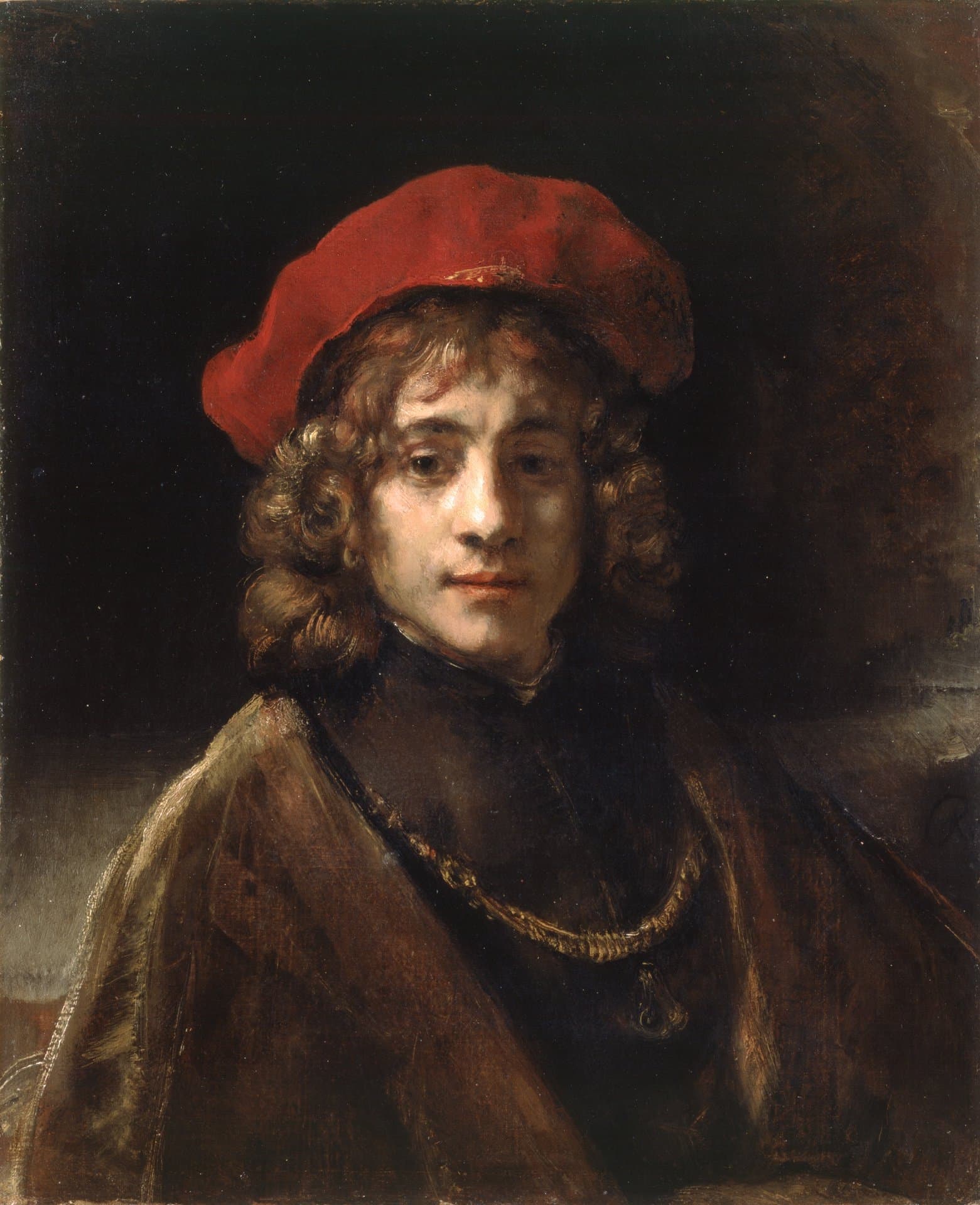
$60-100 million
Hypothetical replacement value for Rembrandt’s Titus, the Artist’s Son (c.
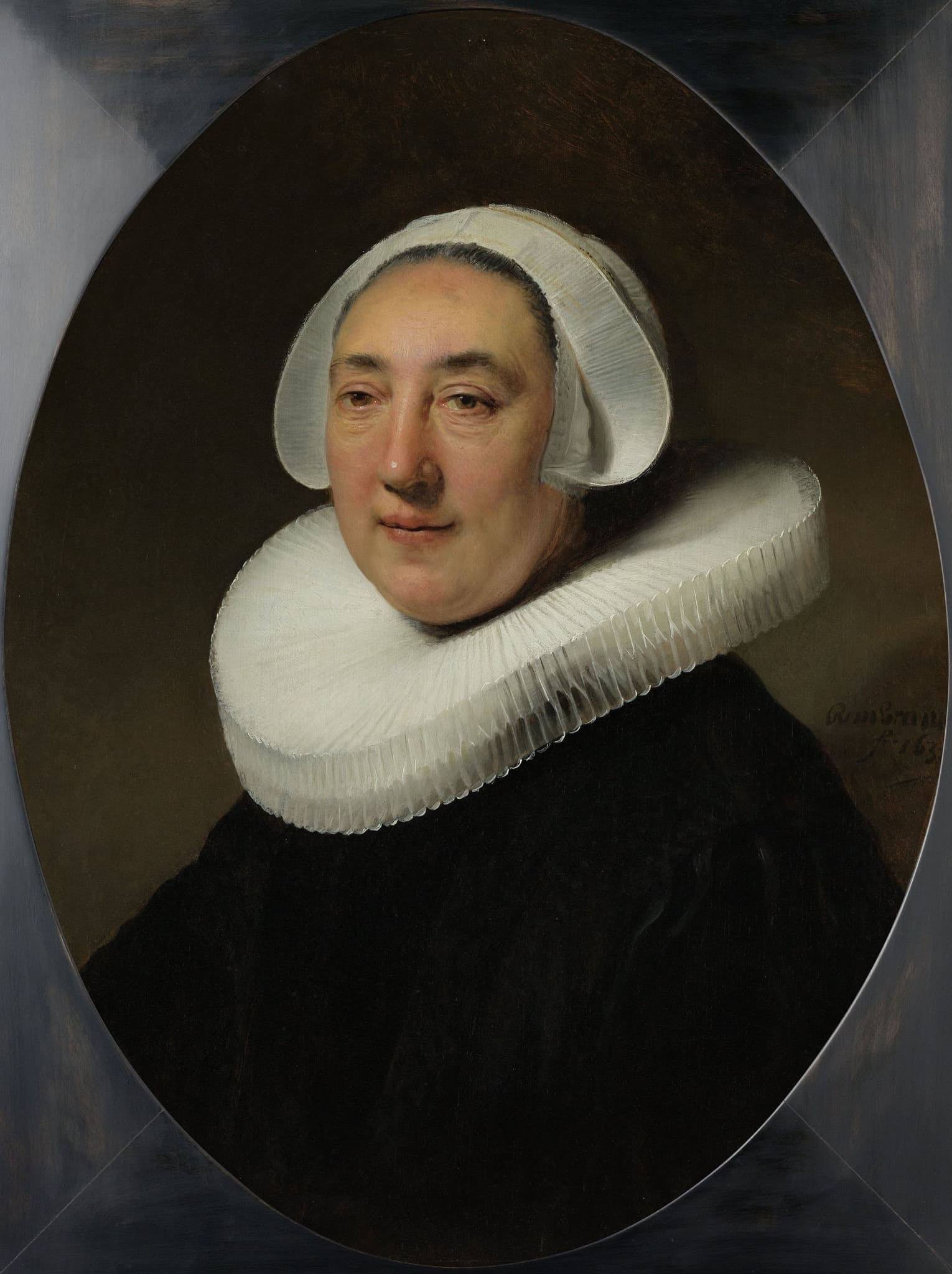
$50–85 million
Based on closely aligned Rembrandt portrait comparables and the work’s prime 1634 date, a reasoned insurance/market‑equivalency for Portrait of Haesje Jacobsdr van Cleyburg is $50–85 million.
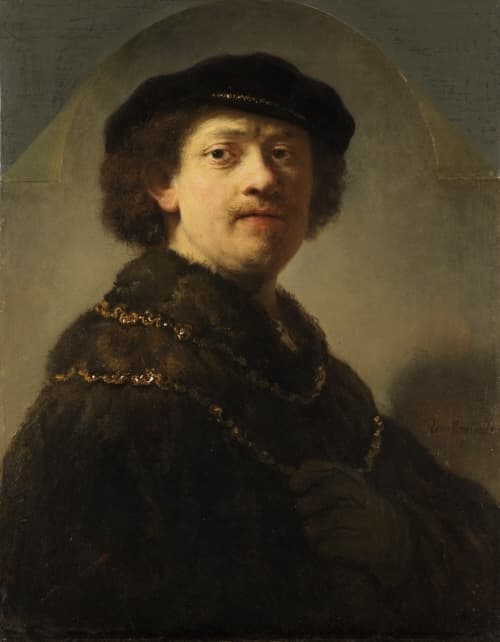
$55–85 million
Hypothetical fair‑market value for Rembrandt’s Self-Portrait in a Black Cap (c.
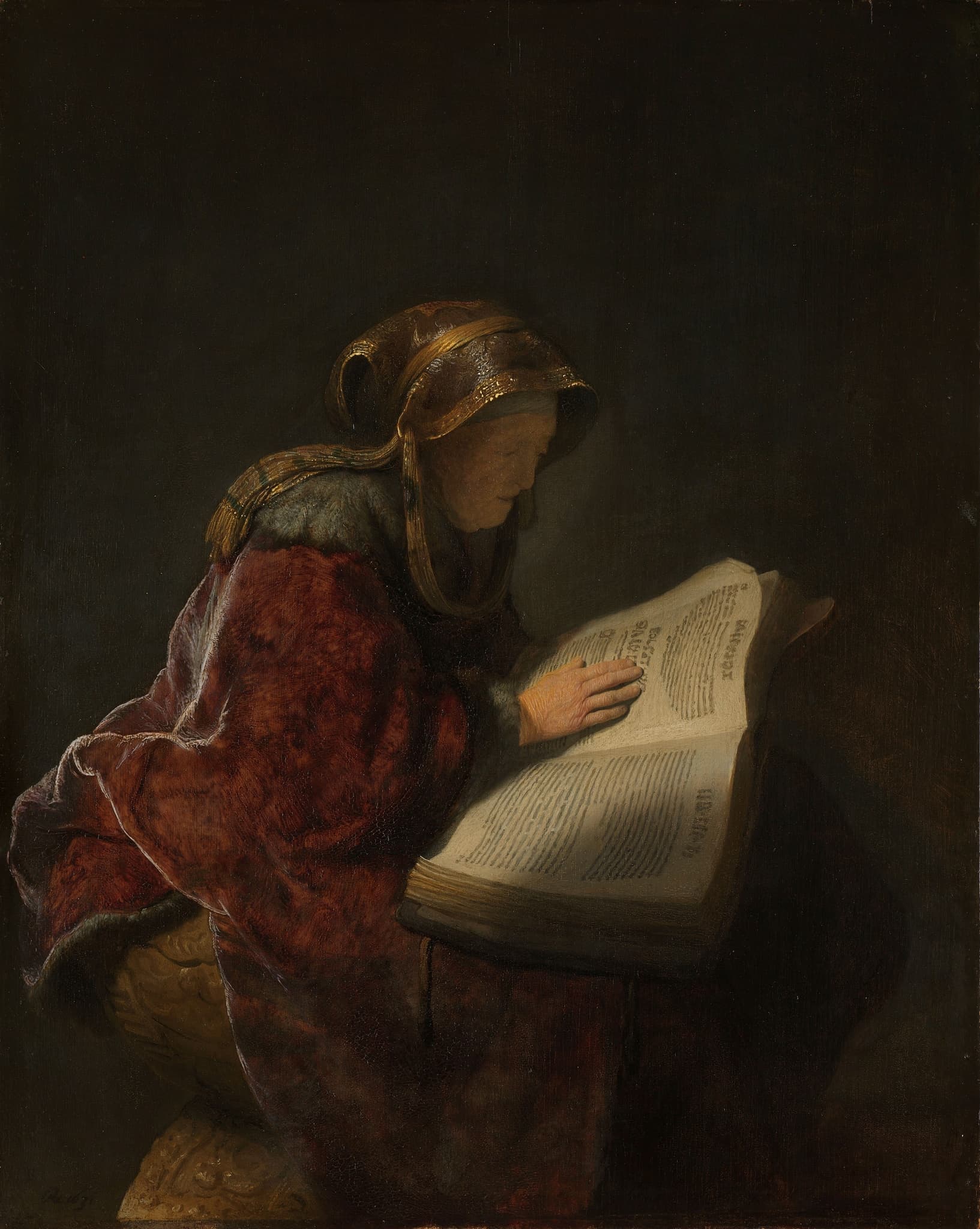
$50-80 million
Based on recent benchmarks for early autograph Rembrandt oils and the work’s caliber, Old Woman Reading, Probably the Prophetess Anna (1631) is estimated at $50–80 million.
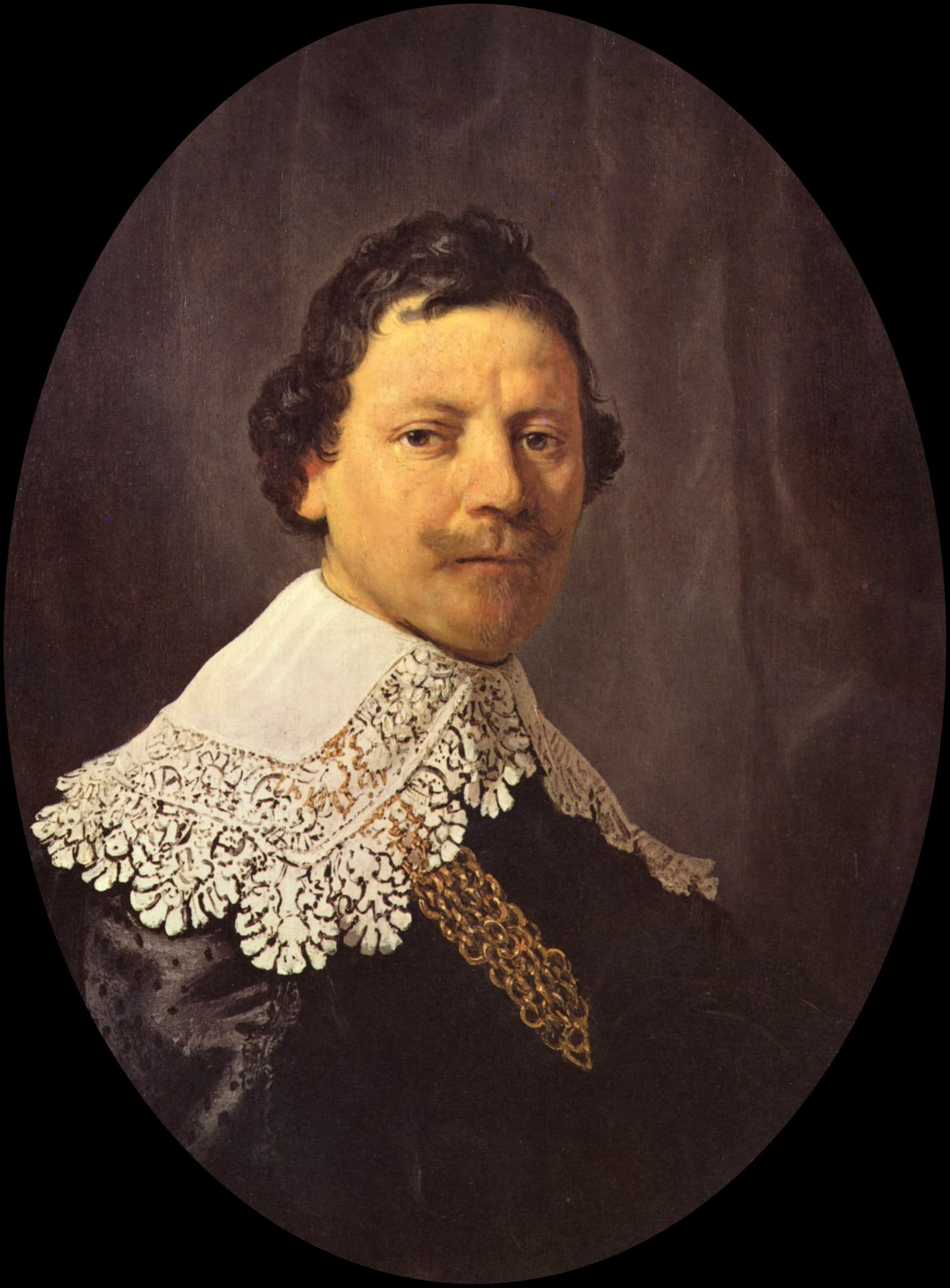
$50-80 million
Hypothetical fair‑market value for Rembrandt’s Portrait of Philips Lucasz.
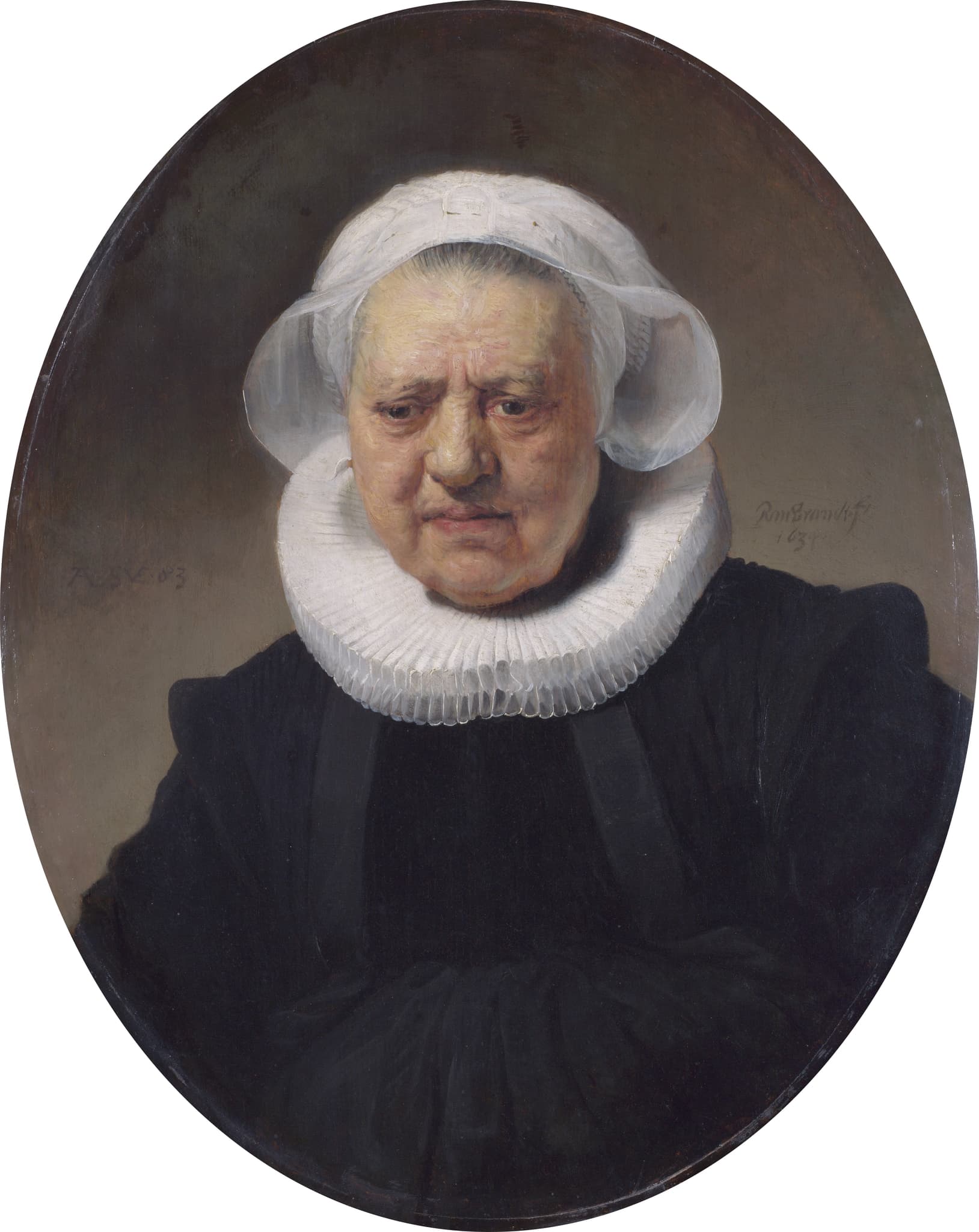
$32-48 million
Based on prime date (1634), autograph status, and museum-grade provenance, Rembrandt’s Portrait of Aechje Claesdr.
$25-45 million
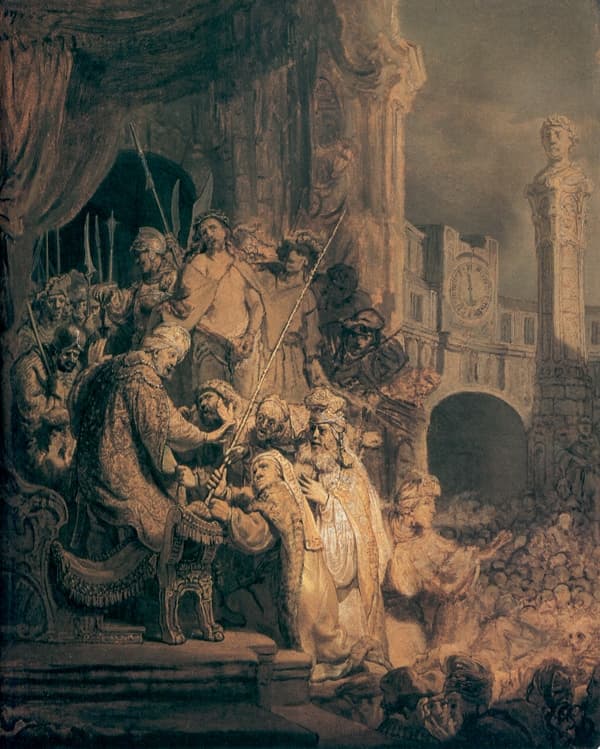
If hypothetically offered today, Rembrandt’s 1634 Ecce Homo (grisaille oil modello; National Gallery, London) would be expected to sell for $25–45 million.
$20-35 million
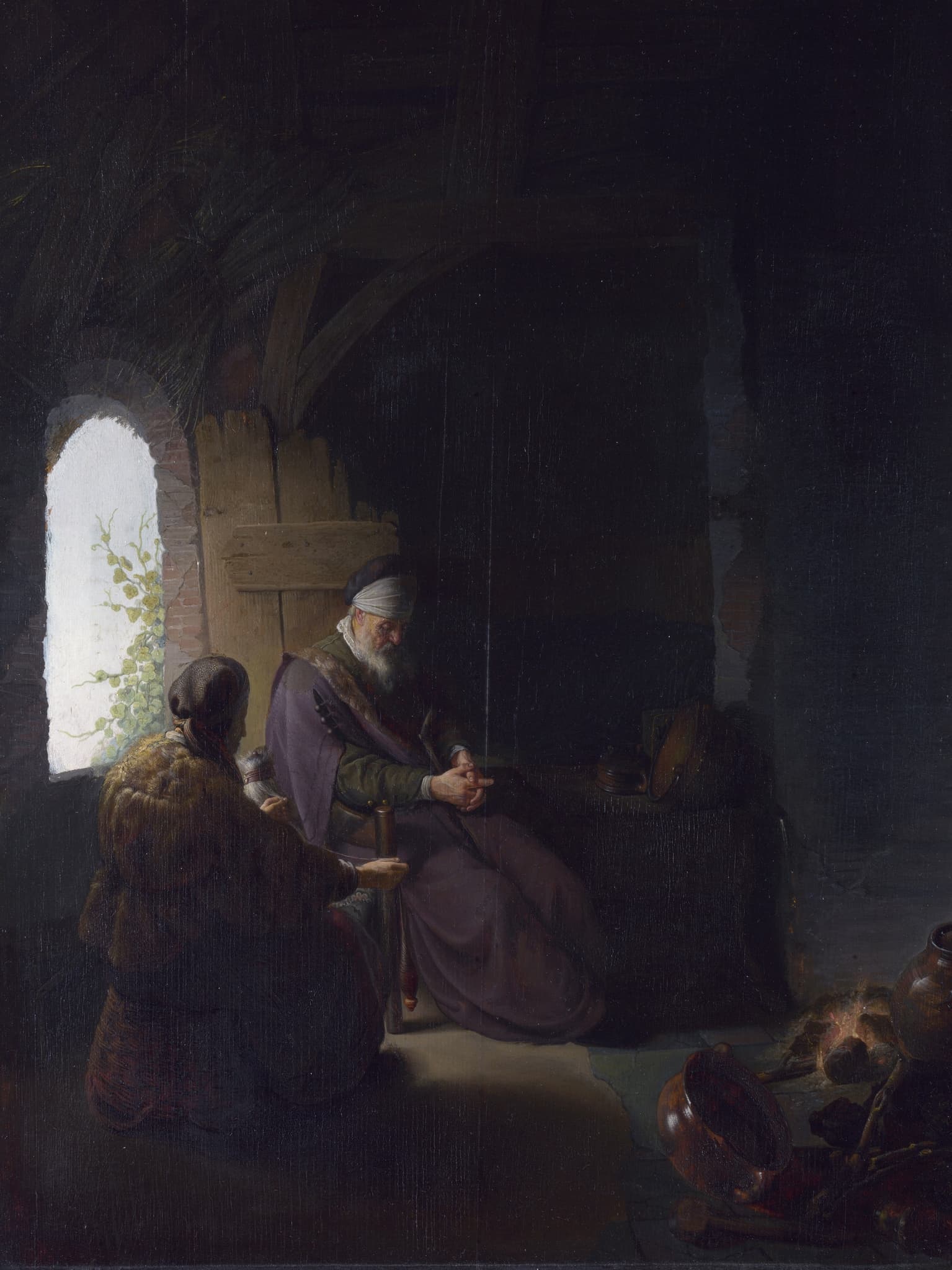
Hypothetical fair-market value for Rembrandt’s Anna and the Blind Tobit (c.
$20-35 million
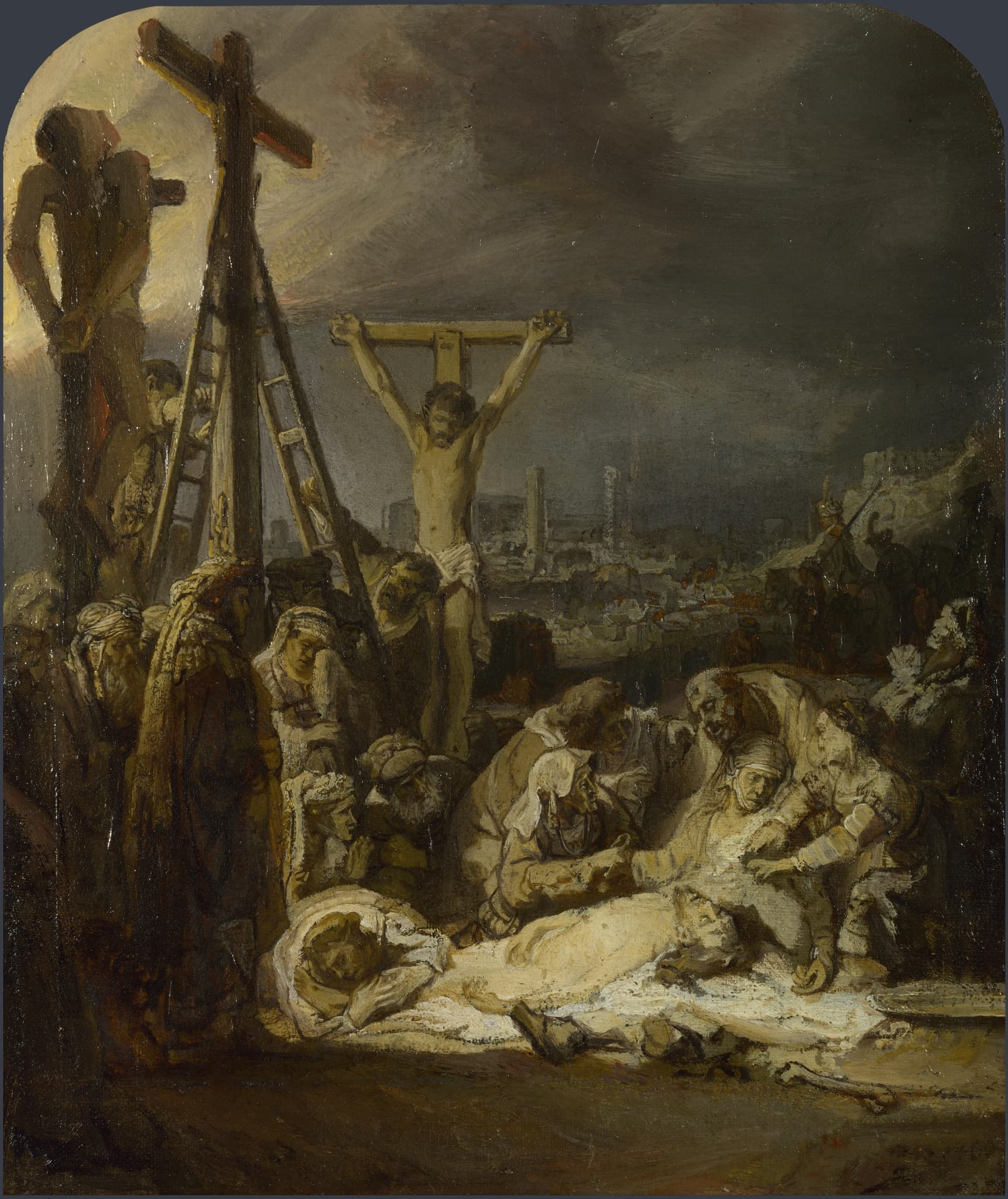
We estimate Rembrandt’s The Lamentation over the Dead Christ (c.
$15-25 million
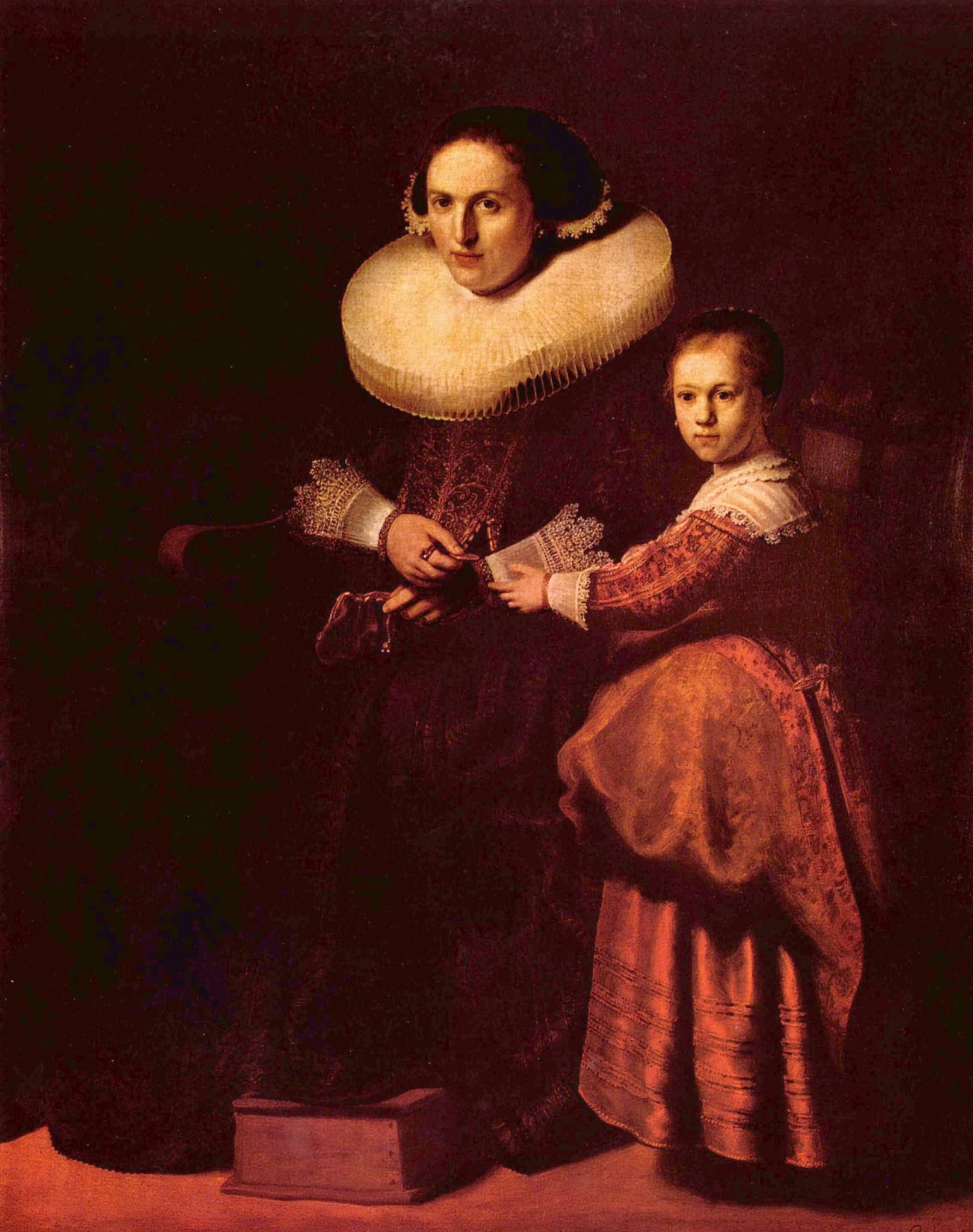
Hypothetical fair-market value for Rembrandt’s Portraits of Susanna van Collen and her Daughter Anna is $15–25 million.
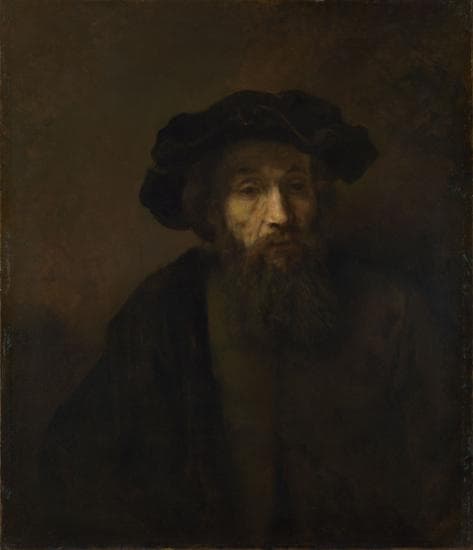
$16-24 million
We estimate a hypothetical fair‑market value of $16–24 million for Rembrandt’s A Bearded Man in a Cap (late 1650s), assuming secure autograph status, strong condition, and top‑tier sale presentation.
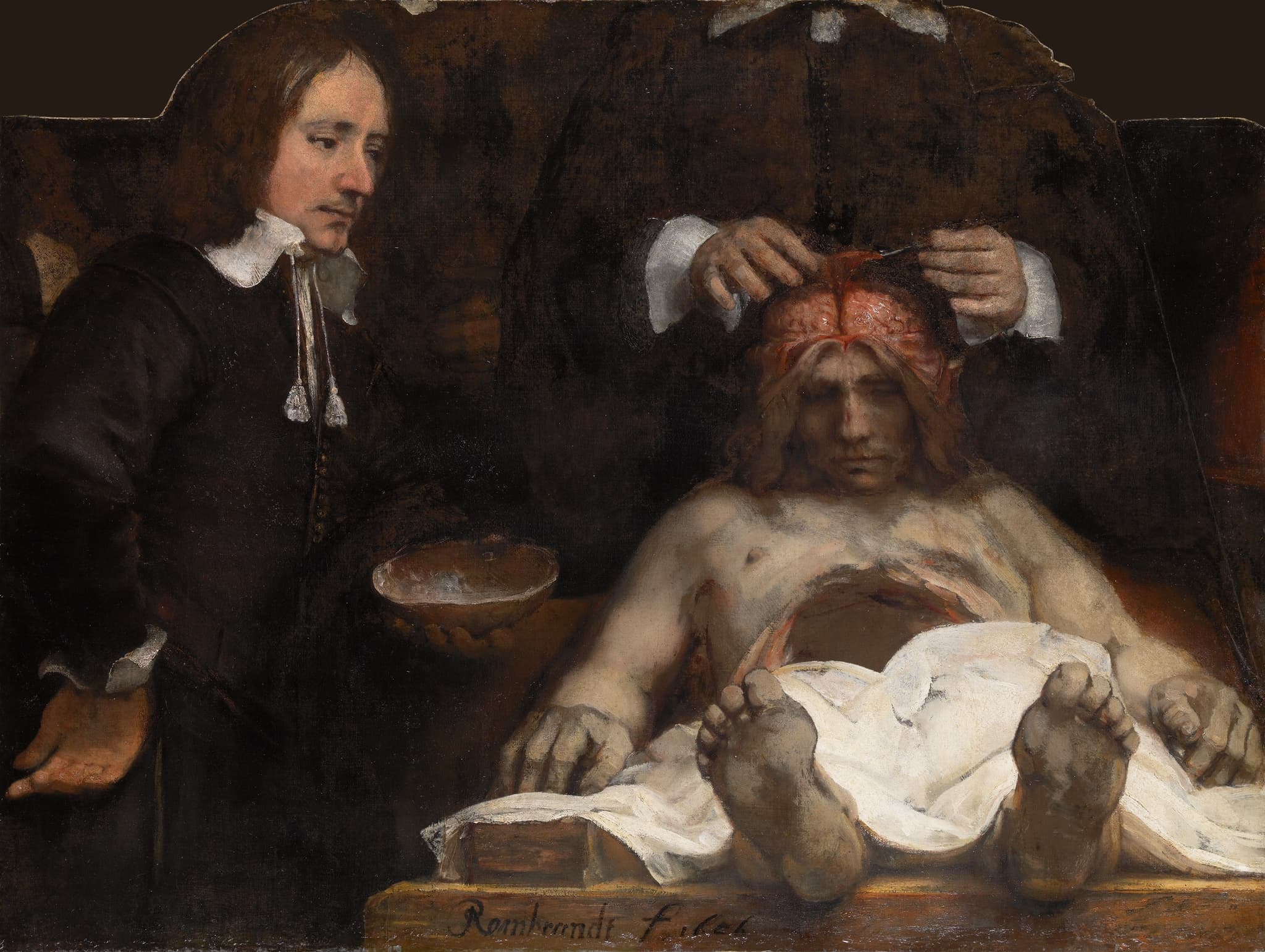
$12-22 million
Hypothetical open‑market value is estimated at $12–22 million.
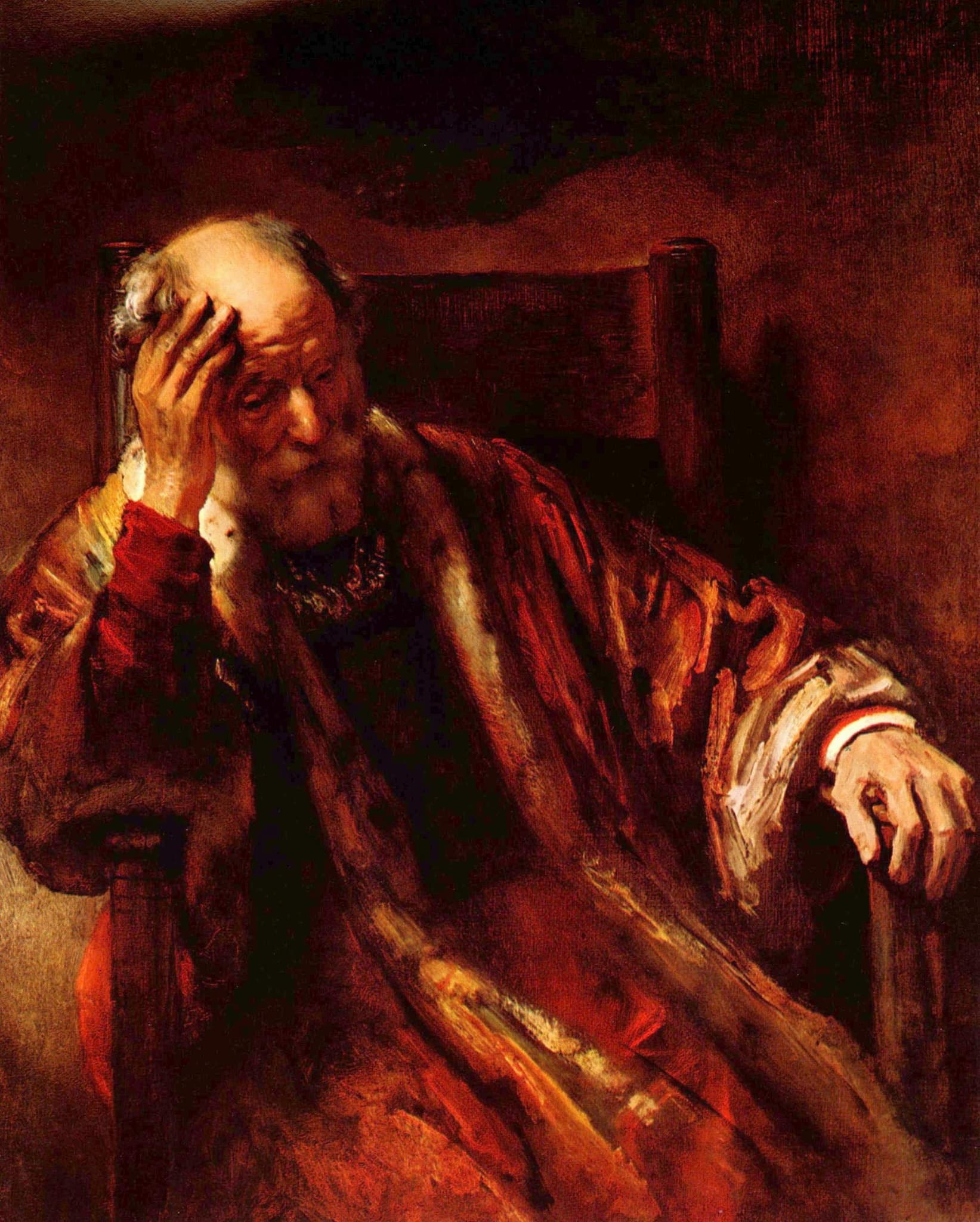
$2-5 million
We estimate Rembrandt’s An Old Man in an Armchair at $2–5 million based on its current National Gallery attribution, “Probably by Rembrandt.
What Drives Value in Rembrandt van Rijn's Work
Late‑period autograph masterpieces
Rembrandt’s late style—loose, painterly handling and profound psychological depth—commands a distinct premium. Late works such as The Return of the Prodigal Son, The Jewish Bride and Self‑Portrait with Two Circles are treated as apex oeuvre statements and attract museum‑level urgency unmatched by early portraits. Collectors pay not only for rarity but for the intellectual and pedagogical importance of Rembrandt’s late idiom, so genuinely autograph late paintings sit at the very top of price ladders.
Attribution & workshop authentication
Because Rembrandt ran a prolific workshop and produced many studio‑assisted pictures, firm autograph attribution is the single decisive value switch. Belshazzar’s Feast and other history paintings illustrate the gulf: an accepted autograph Rembrandt sustains nine‑figure valuations, while reclassification to studio or follower typically collapses value. Technical imaging, connoisseur consensus and catalogue‑raisonné inclusion therefore materially alter buyer universe and achievable price for any candidate Rembrandt.
Unique subjects, formats and singularity within his oeuvre
Paintings that are unique in Rembrandt’s output or unusually large/format‑specific carry outsized premiums. The Storm on the Sea of Galilee (his only painted seascape) and life‑size pendant marriage portraits like Oopjen Coppit/Maerten Soolmans exemplify this effect: collectors prize works with no internal substitutes, so rarity of subject or format drives trophy competition and justifies extrapolation above routine Old‑Master benchmarks.
Institutional custody, national patrimony and the two‑tier market
A disproportionate share of Rembrandt’s canonical canvases are held by national museums (Rijksmuseum, Mauritshuis, Hermitage, Isabella Stewart Gardner), producing a two‑tier market: low auction liquidity versus extremely high private/institutional replacement values. Works like The Night Watch, The Anatomy Lesson and The Syndics are effectively non‑fungible under patrimony regimes; valuation therefore hinges on hypothetical open‑market scenarios versus realistic insurance/replacement thinking driven by legal and political constraints.
Market Context
Rembrandt van Rijn occupies the pinnacle of the Old Master market: museum‑sequestration of major oils means auction liquidity is thin and public‑auction records (circa $33m/£20m) sit well below trophy private treaties—most notably the Dutch State’s purchase of The Standard‑Bearer (€175m) and the Rijksmuseum/Louvre joint acquisition of the Maerten Soolmans and Oopjen Coppit pair (≈€160m). Recent seasons (2023–early‑2026) show renewed strength—headlines for rediscoveries and robust prices for drawings and prints (e.g., The Adoration of the Kings)—as institutions, sovereigns and cross‑category collectors compete for fresh, well‑provenanced material. The market is highly selective: impeccable attribution, provenance and curated single‑owner consignments drive intense demand, while supply constraints, scholarship and legal/heritage controls remain the primary determinants of realizable value.
Study prints from famous works by Rembrandt van Rijn
Curated print bundles pairing the full artwork with a close reading of one meaningful detail.
