Claude Monet Paintings in New York — Where to See Them
New York is one of the easiest places to take the measure of Monet in the U.S., with approximately 23 paintings on permanent display across seven museums, anchored by 13 at The Metropolitan Museum of Art. You can see his work in different curatorial contexts—from modernism at MoMA (3) and the Guggenheim (1) to the intimate Frick (1) and the Brooklyn Museum (1)—and extend the trip upstate to the Buffalo AKG Art Museum (1) and the Memorial Art Gallery at the University of Rochester (3). This mix of density and variety lets you compare Monet side by side across collections in a single itinerary.
At a Glance
- Highlight
- The Met's 13 Monets as a centerpiece stop
- Best For
- Impressionism fans planning a New York multi-museum day
The Metropolitan Museum of Art
With 13 Monets spanning early Seine views to late Giverny canvases, the Met lets you track his evolution from broken brushwork to immersive, near-abstract surfaces. Seeing multiple phases side by side highlights his serial method—returning to the same motif to study shifting light and weather.
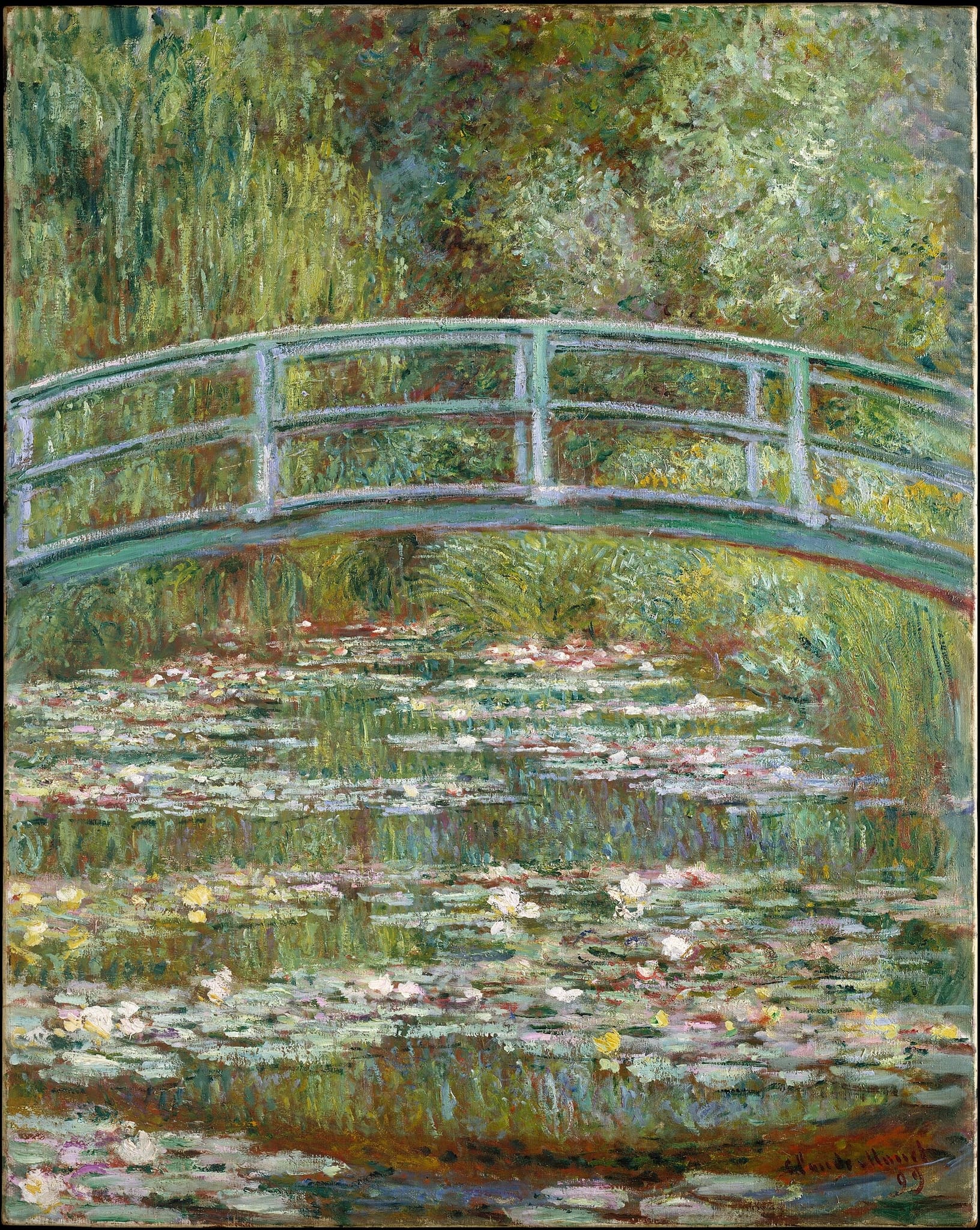
Bridge over a Pond of Water Lilies
1899
Iconic Japanese bridge at Giverny, a signature Impressionist highlight showcasing Monet’s mature style and color harmonies.
Must-see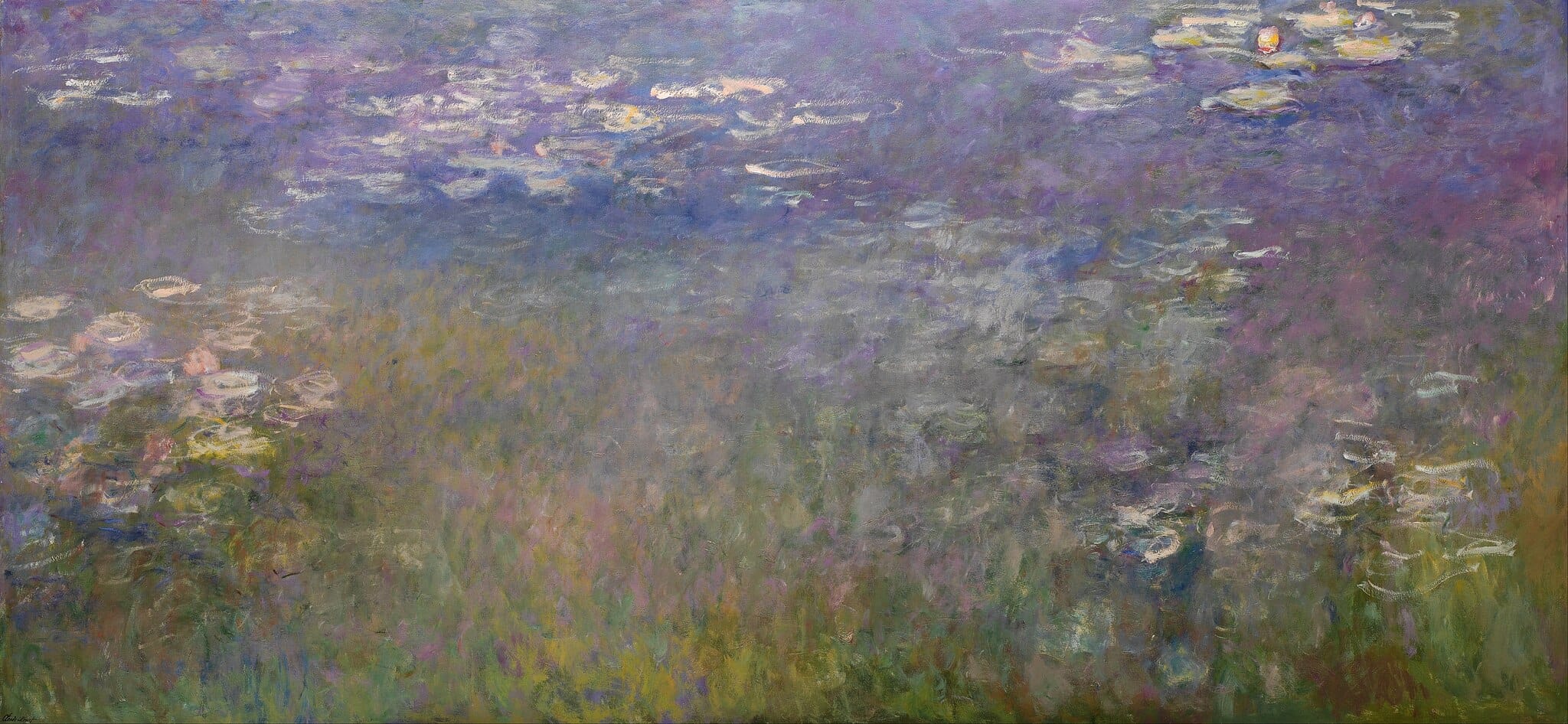
Water Lilies
1916–19
Monumental late panel from Giverny pond, pushing toward abstraction through reflections, color, and surface.
Must-see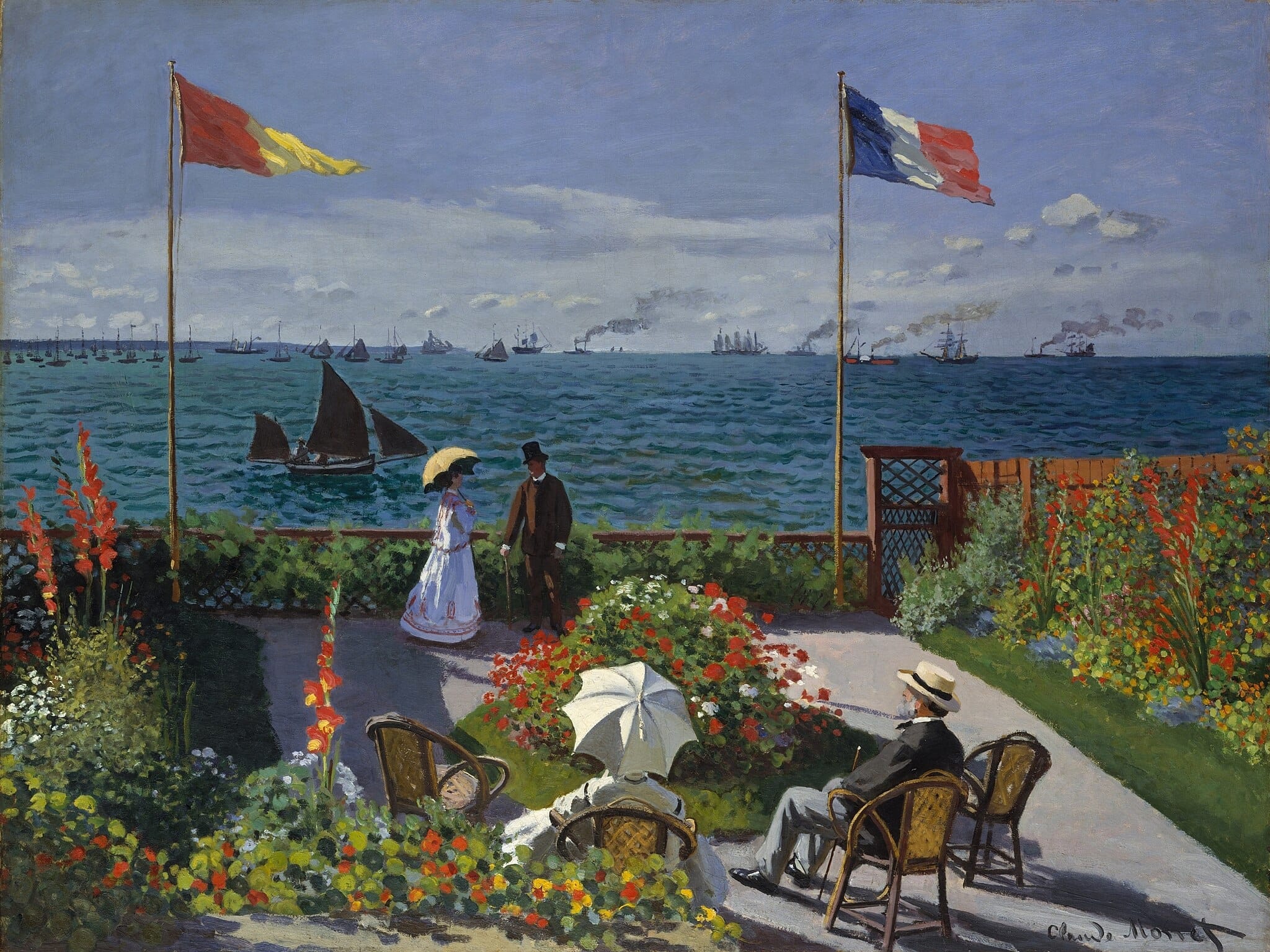
Garden at Sainte-Adresse
1867
Early masterpiece of seaside leisure; bold color bands foreshadow Impressionism and Japanese print influence.
Must-see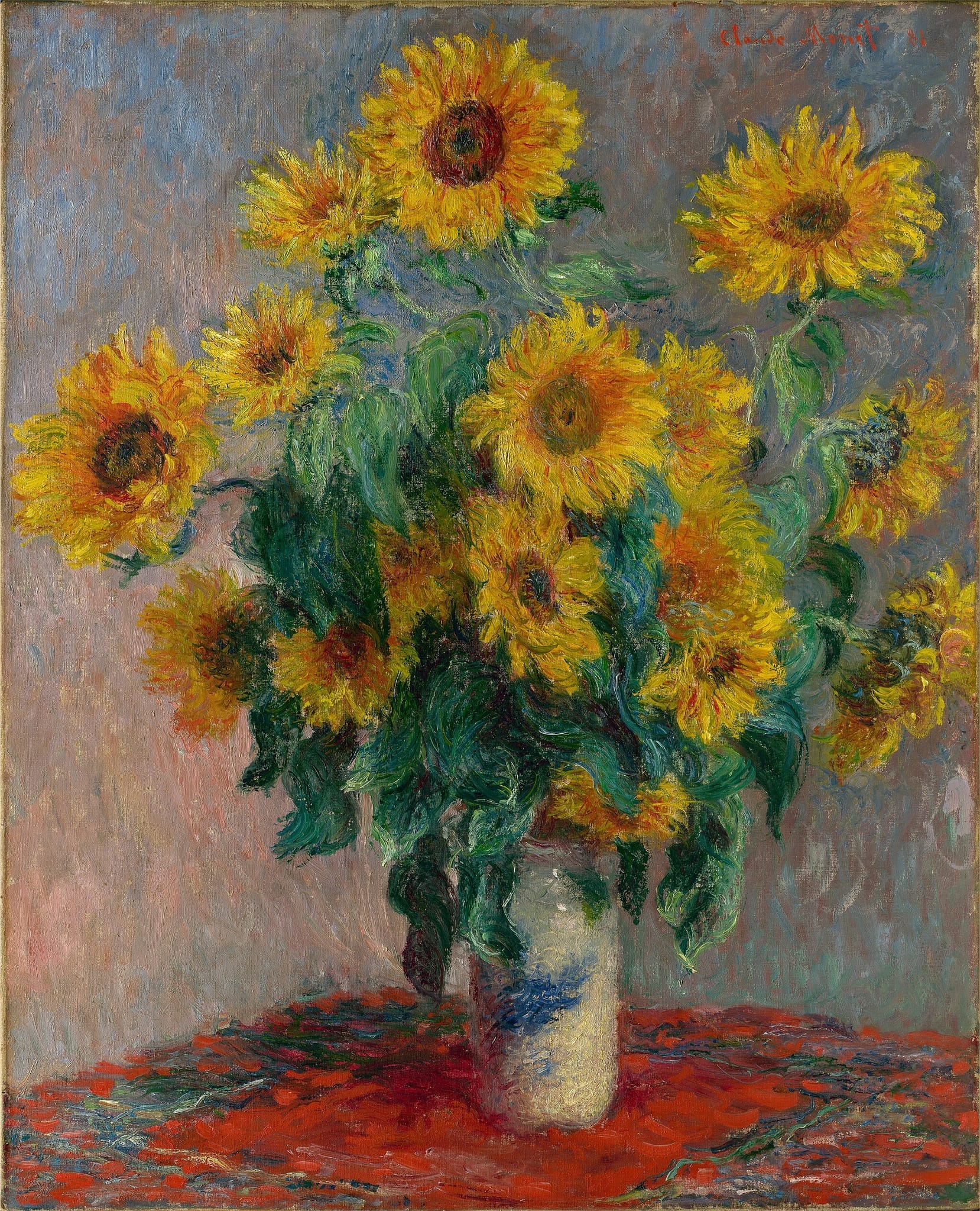
Bouquet of Sunflowers
1881
Vibrant Vétheuil garden still life praised for bravura brushwork; even admired and debated by Van Gogh.
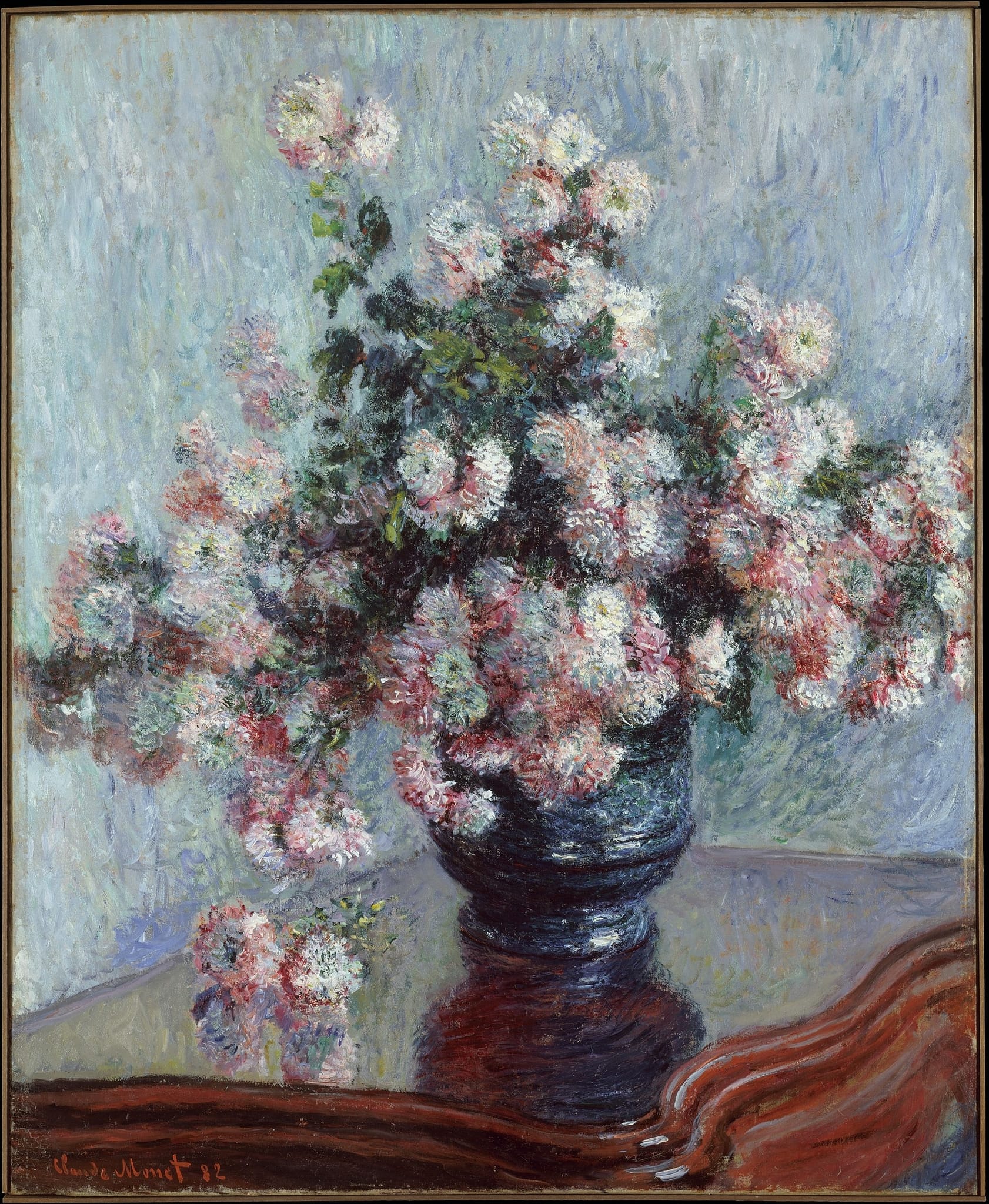
Chrysanthemums
1882
Lush floral still life revealing Monet’s garden fascination and virtuosic color handling in the early 1880s.
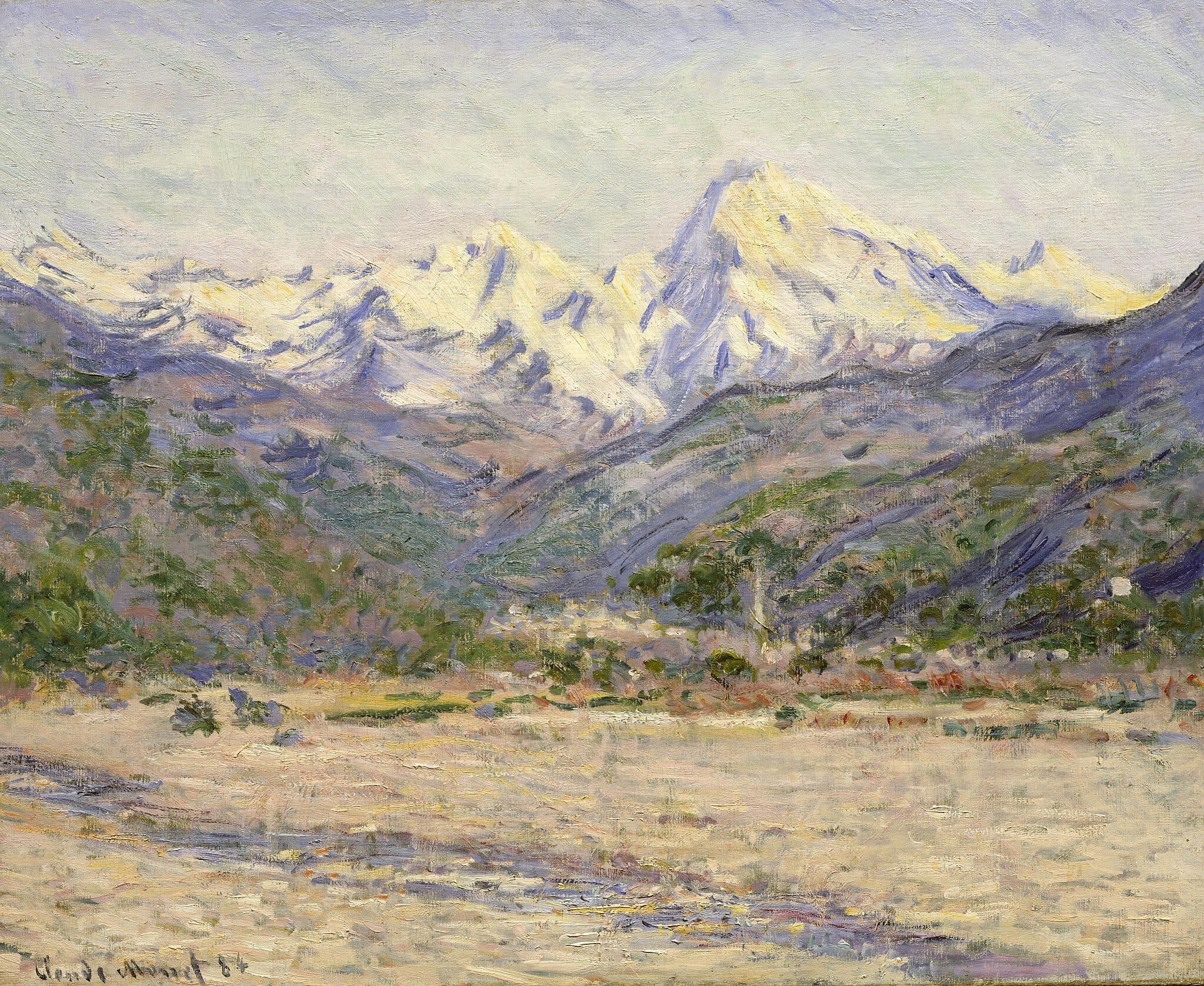
The Valley of the Nervia
1884
Italian Riviera view with luminous Maritime Alps; crisp light and color from Monet’s Bordighera campaign.
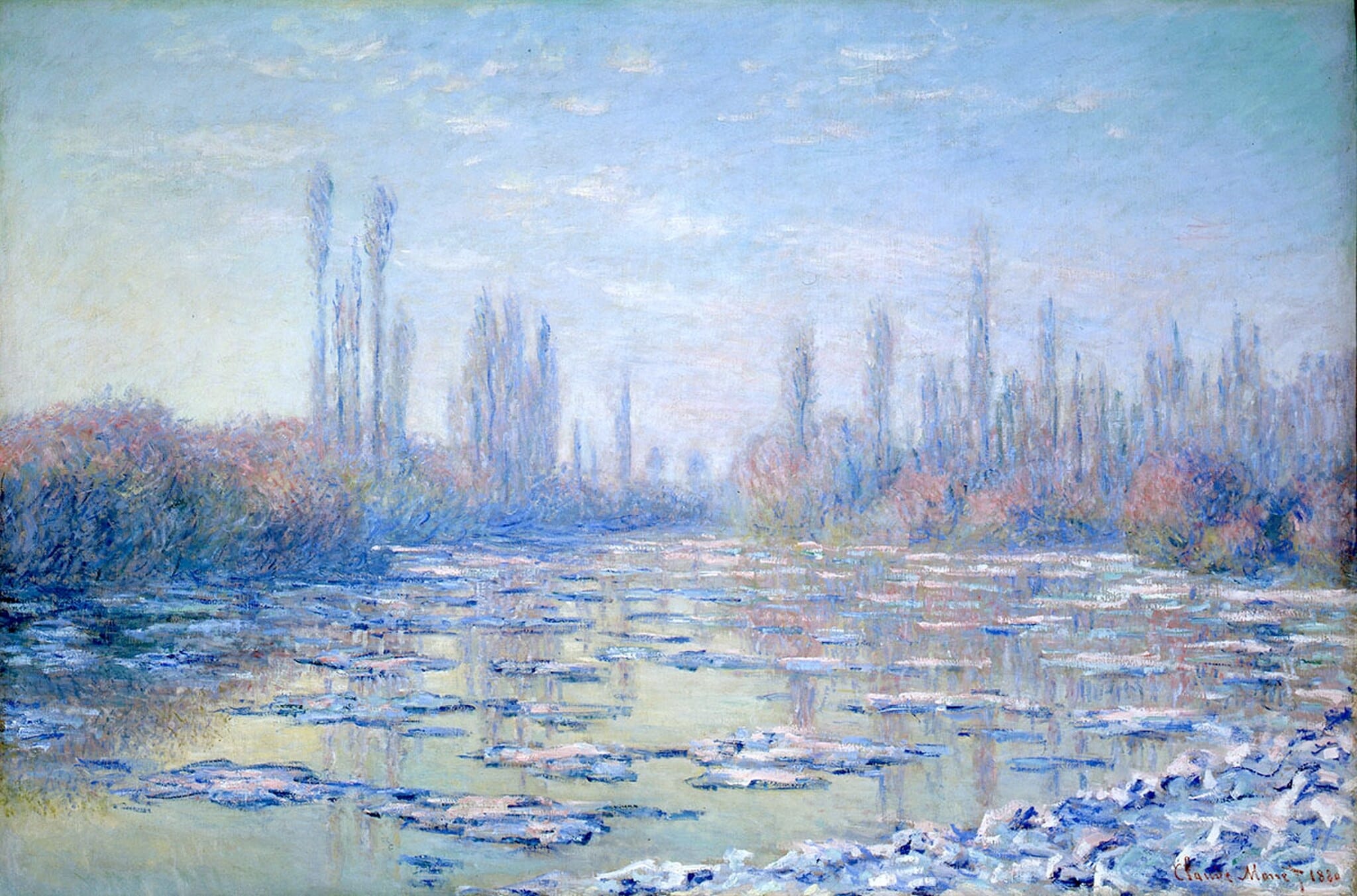
Ice Floes
1893
Atmospheric Seine thaw from winter series near Giverny, studying shifting light on melting ice.
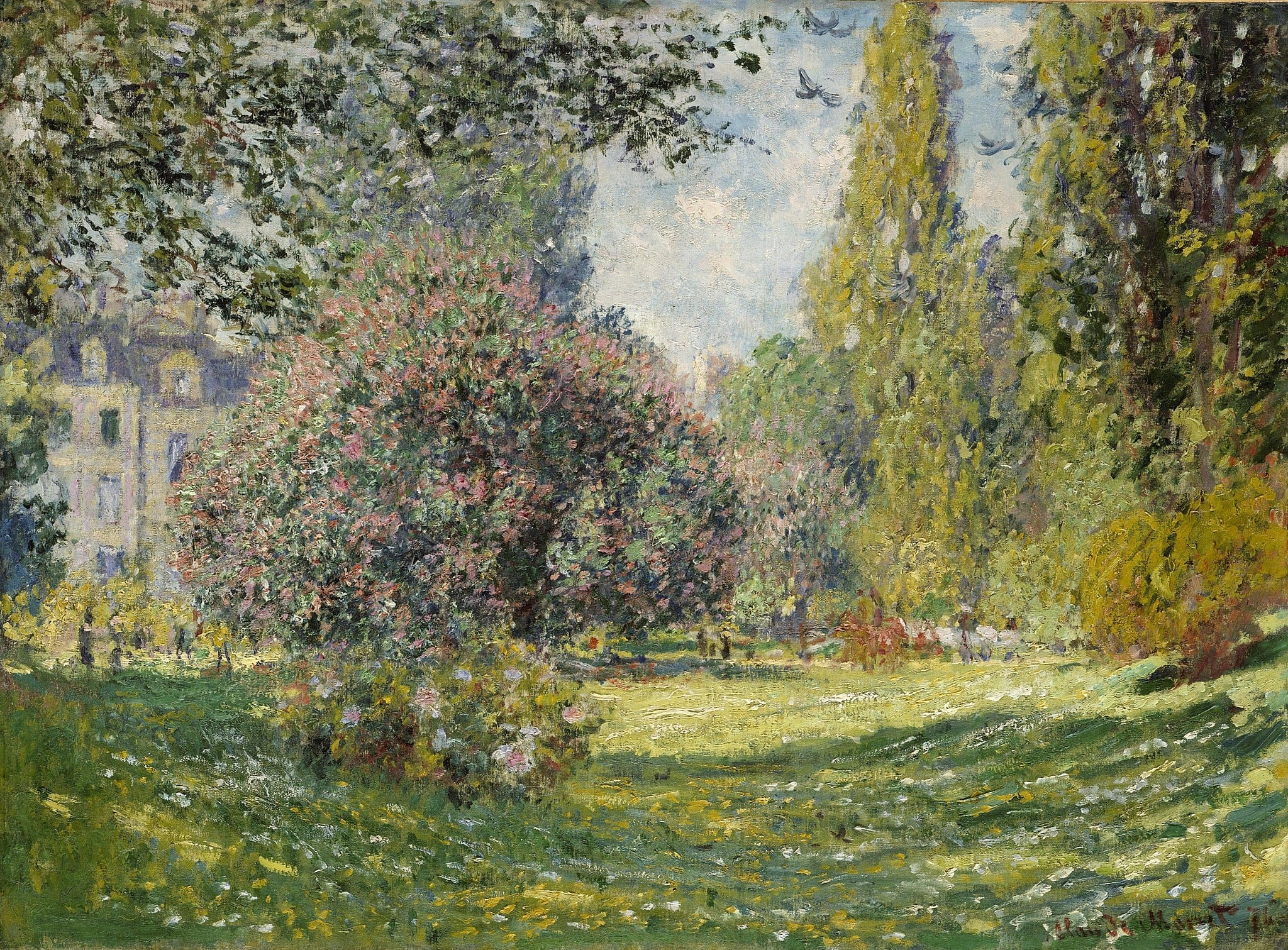
Landscape: The Parc Monceau
1876
Paris park scene emphasizing dappled greens and modern leisure in fresh, broken brushwork.
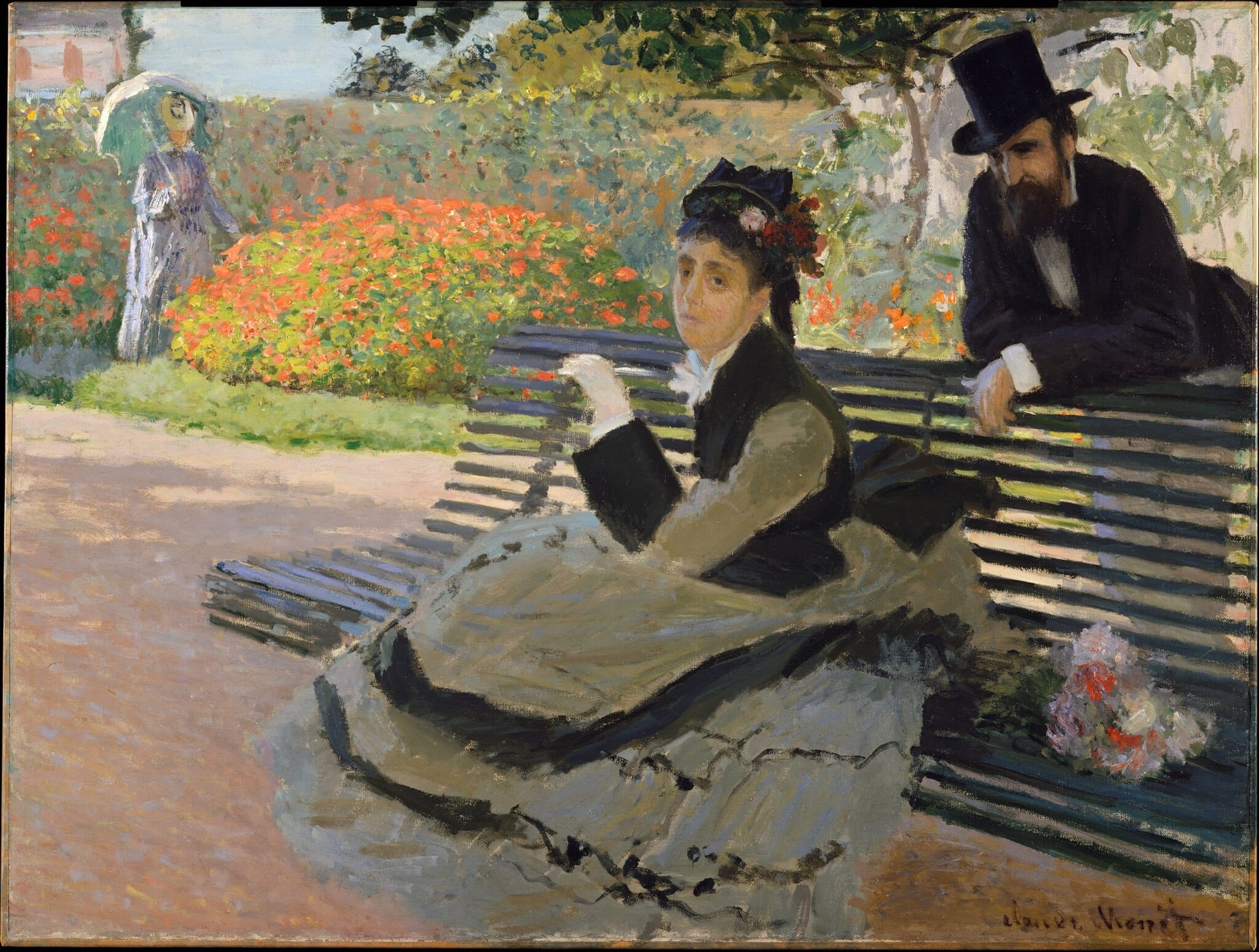
Camille Monet (1847–1879) on a Garden Bench
1873
Intimate portrait of Monet’s wife amid Argenteuil garden; fashion details and mood suggest personal narrative.
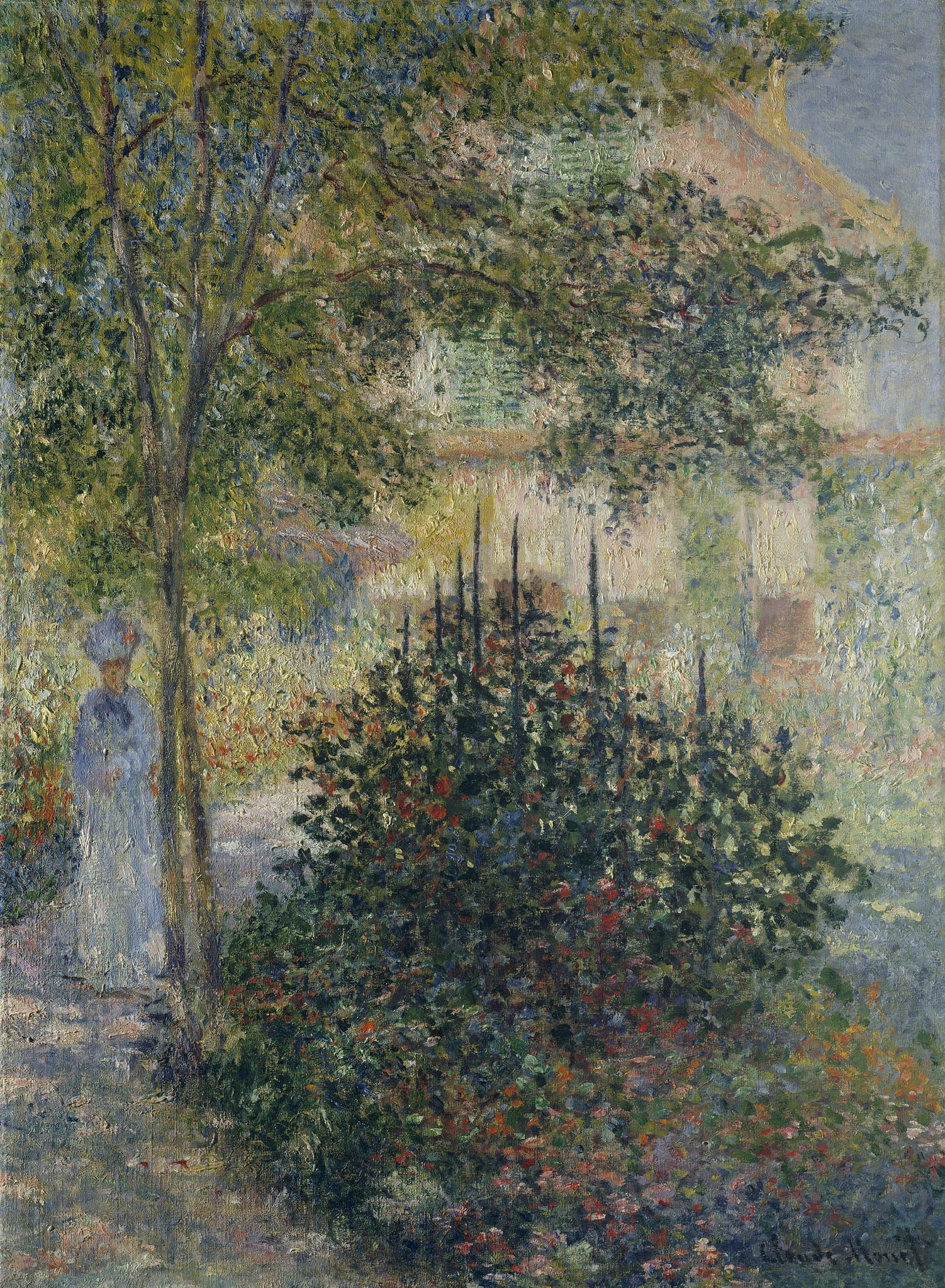
Camille Monet (1847–1879) in the Garden at Argenteuil
1876
Sunlit domestic garden where hollyhocks dominate; shimmering color and light animate everyday life.
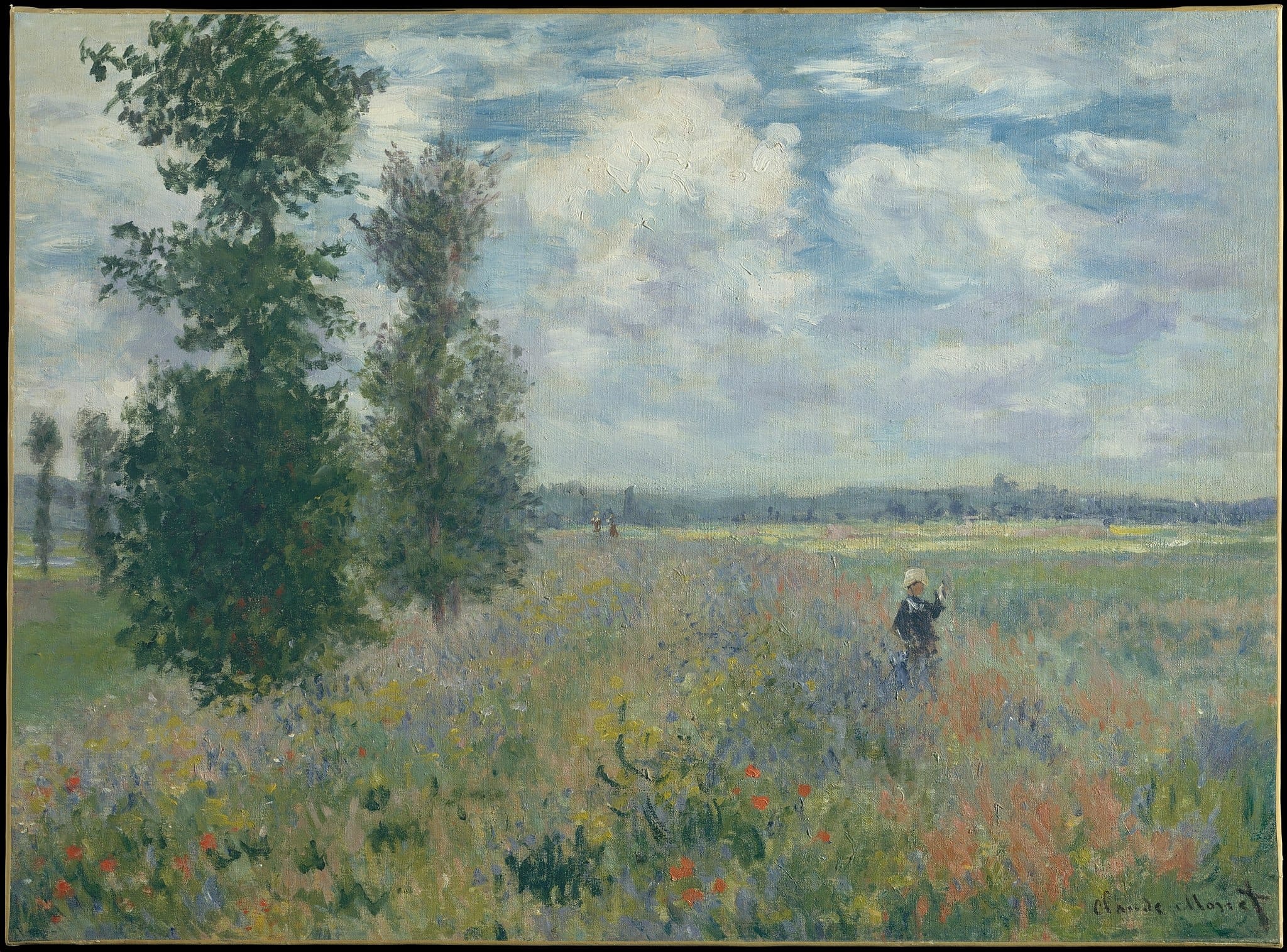
Poppy Fields near Argenteuil
1875
Breezy plein-air study of poppies and sky over Gennevilliers plain, continuing Monet’s Argenteuil explorations.
The Museum of Modern Art (MoMA)
MoMA’s Monets are presented as a bridge from Impressionism to modern abstraction, emphasizing the all-over surface and optical vibration that later painters seized on. The display underscores how Monet’s late work anticipated the immersive canvases of Abstract Expressionism.
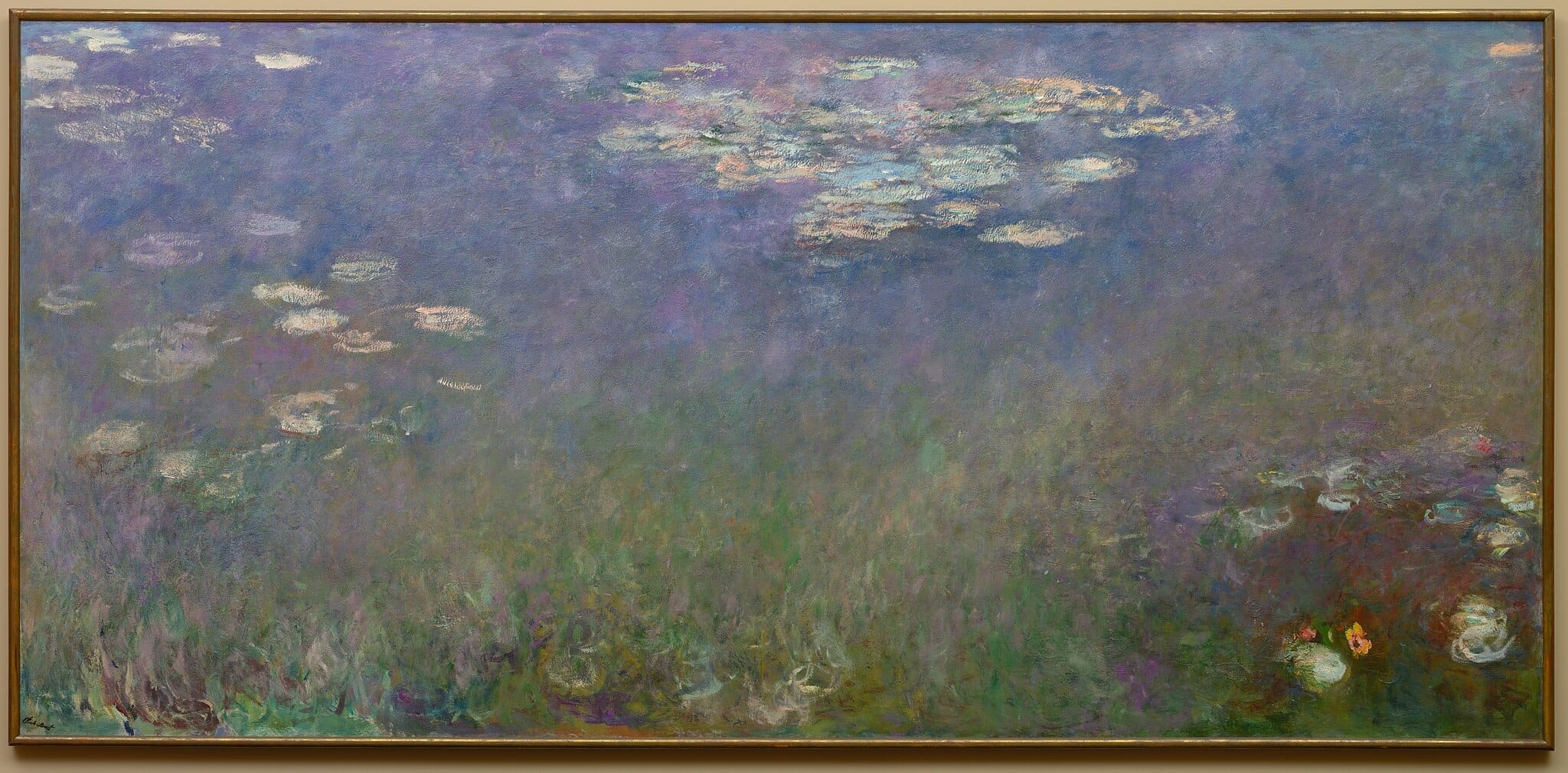
Water Lilies (triptych)
A mural-scale panorama of Monet’s Giverny pond, this three-panel Water Lilies envelops you in floating pads, sky reflections, and color that drifts without a horizon. It’s a late, immersive statement from the series that helped nudge modern painting toward abstraction—look for the seams where the panels meet, the scumbled brushwork, and how space dissolves into layered violets, blues, and greens. ([moma.org](https://www.moma.org/collection/works/80220?artist_id=4058&page=1&sov_referrer=artist))
Must-see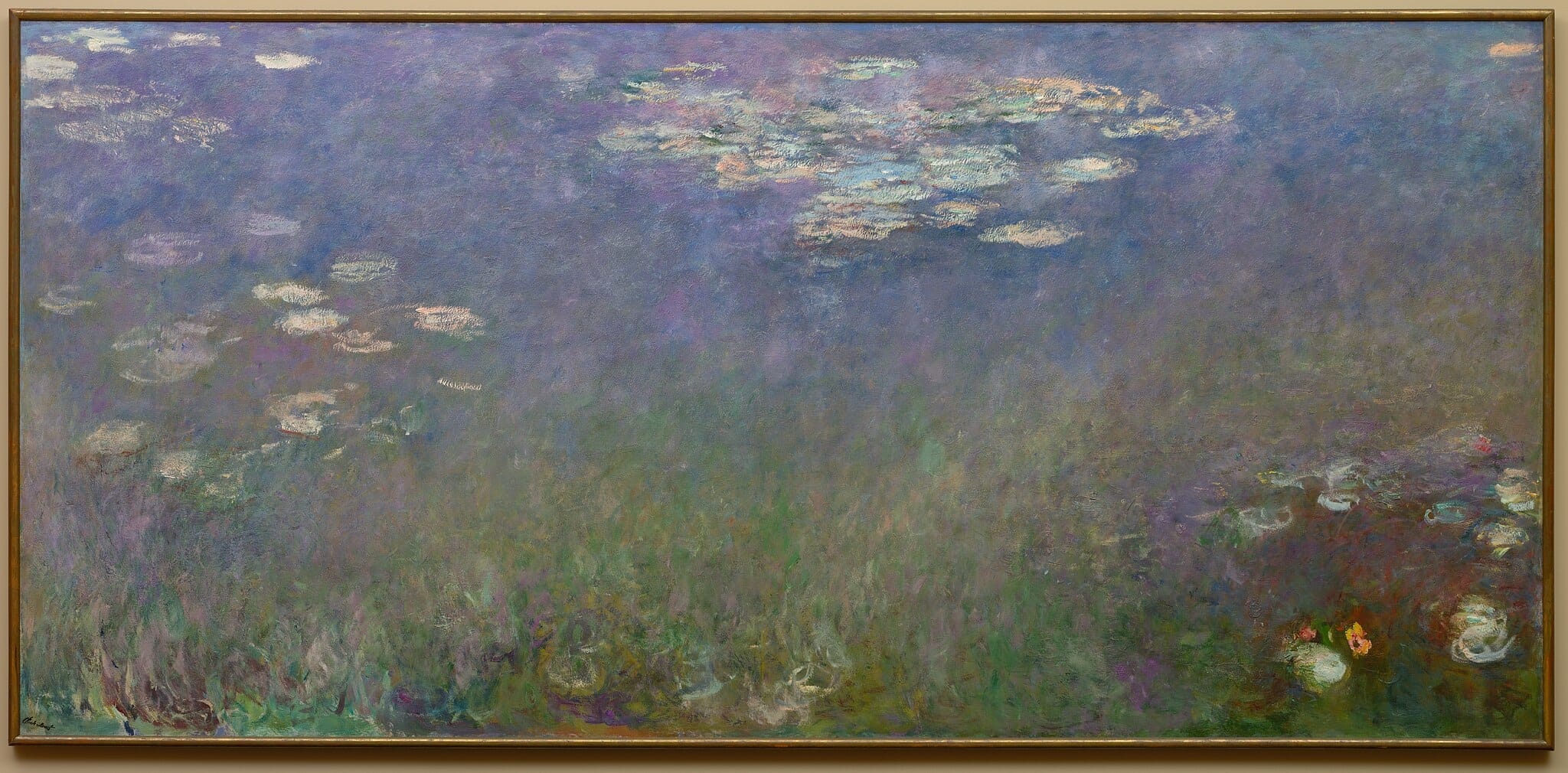
Water Lilies
This single, nearly 20-foot canvas zeroes in on the pond’s surface—no banks, just lilies and drifting reflections—so your eye swims across light and color. It shows Monet refining his motif into a meditative field that anticipates later abstract painting; notice the stacked, horizontal strokes and subtle shifts of hue that make depth appear and vanish. ([moma.org](https://www.moma.org/collection/works/80298?artist_id=4058&page=1&sov_referrer=artist))
Must-see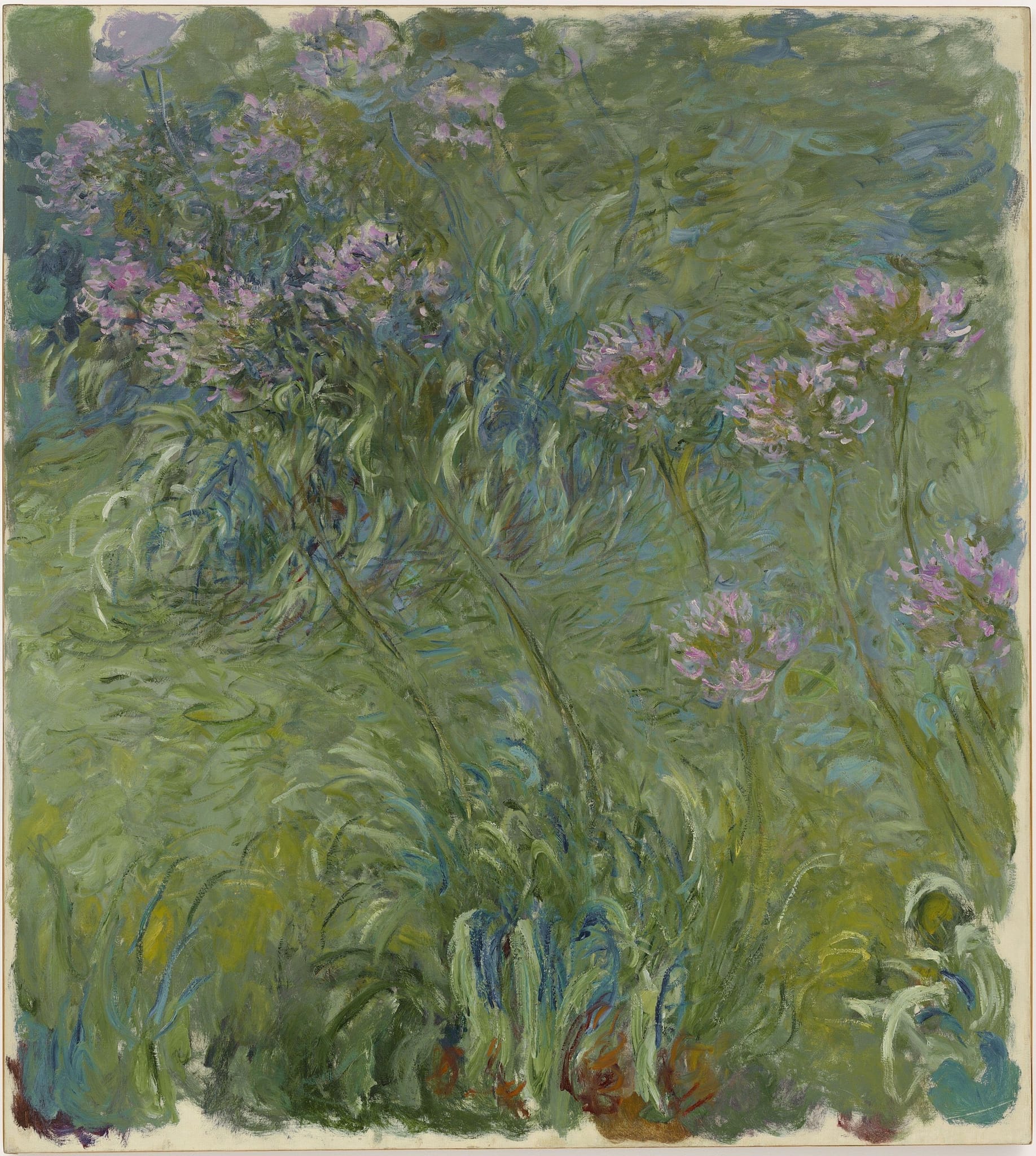
Agapanthus
Monet turns from the water’s surface to the tall agapanthus plants that fringe the pond, building their blooms from quick, loaded touches of blue, violet, and green. Painted alongside the lily murals, it underscores his late ambition to translate sensation into atmosphere—watch how the upright stalks rhythmically anchor a field where edges blur and color carries the scene. ([moma.org](https://www.moma.org/collection/works/79922?artist_id=4058&page=1&sov_referrer=artist))
Must-seeSolomon R. Guggenheim Museum
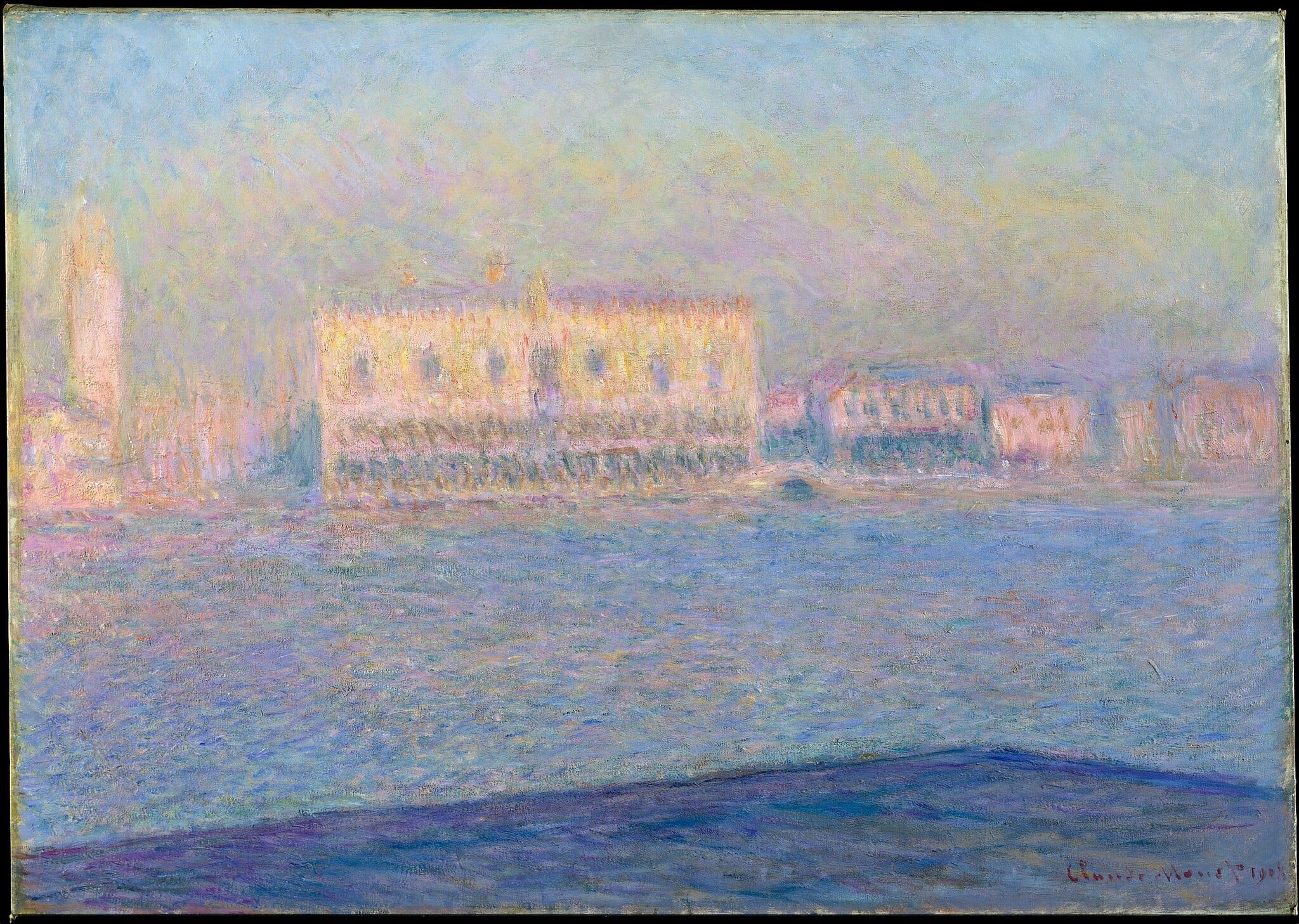
The Guggenheim’s single Monet is strategically set within the museum’s story of modernism, making his light‑driven innovations a starting point for the spiral’s march toward abstraction. Experiencing it on the ramp accentuates how viewing angle and distance modulate his flickering color.
Brooklyn Museum
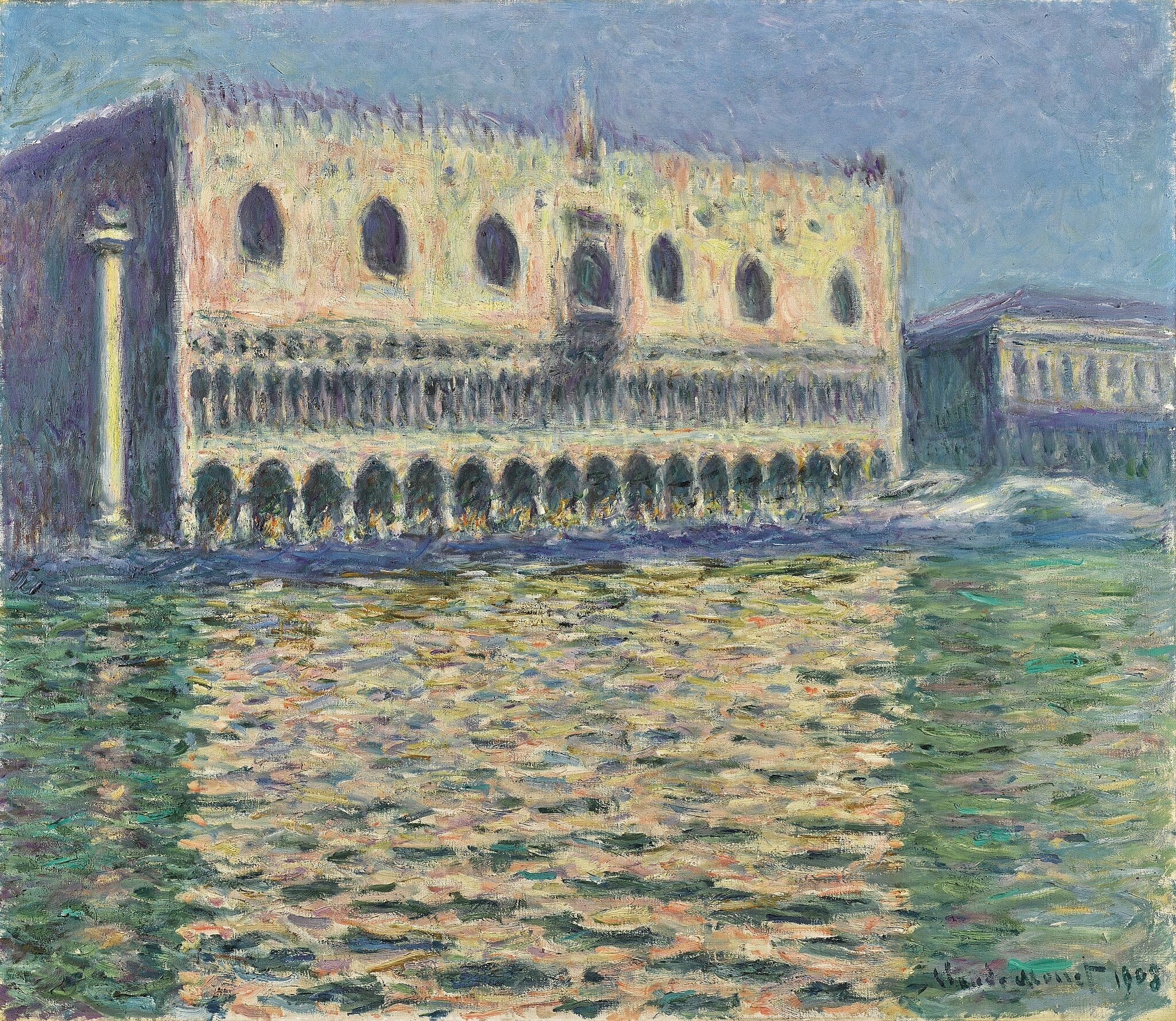
Brooklyn’s lone Monet is often shown alongside American Impressionists, clarifying how his broken color and plein‑air practice were absorbed and transformed in the U.S. The intimate presentation makes his surface handling easier to scrutinize than in blockbuster settings.
The Frick Collection
Amid a collection famed for Old Masters, the Frick’s Monet stands out as a deliberate, taste‑testing exception—proof of how his modern vision could persuade even conservative patrons. The domestic scale of the rooms lets you read the painting at living‑room distance, as a collector would have.
Buffalo AKG Art Museum
Buffalo AKG’s Monet anchors a narrative from French Impressionism to 20th‑century modernism that the museum championed early on. In this context, his treatment of atmosphere reads as a springboard to later experiments with color fields and opticality.
Memorial Art Gallery (University of Rochester)
With three Monets, this university museum offers a compact but varied mini‑survey—often including different motifs or periods—without big‑city crowds. The quieter setting rewards slow looking, making his layering and color temperature shifts unusually legible.
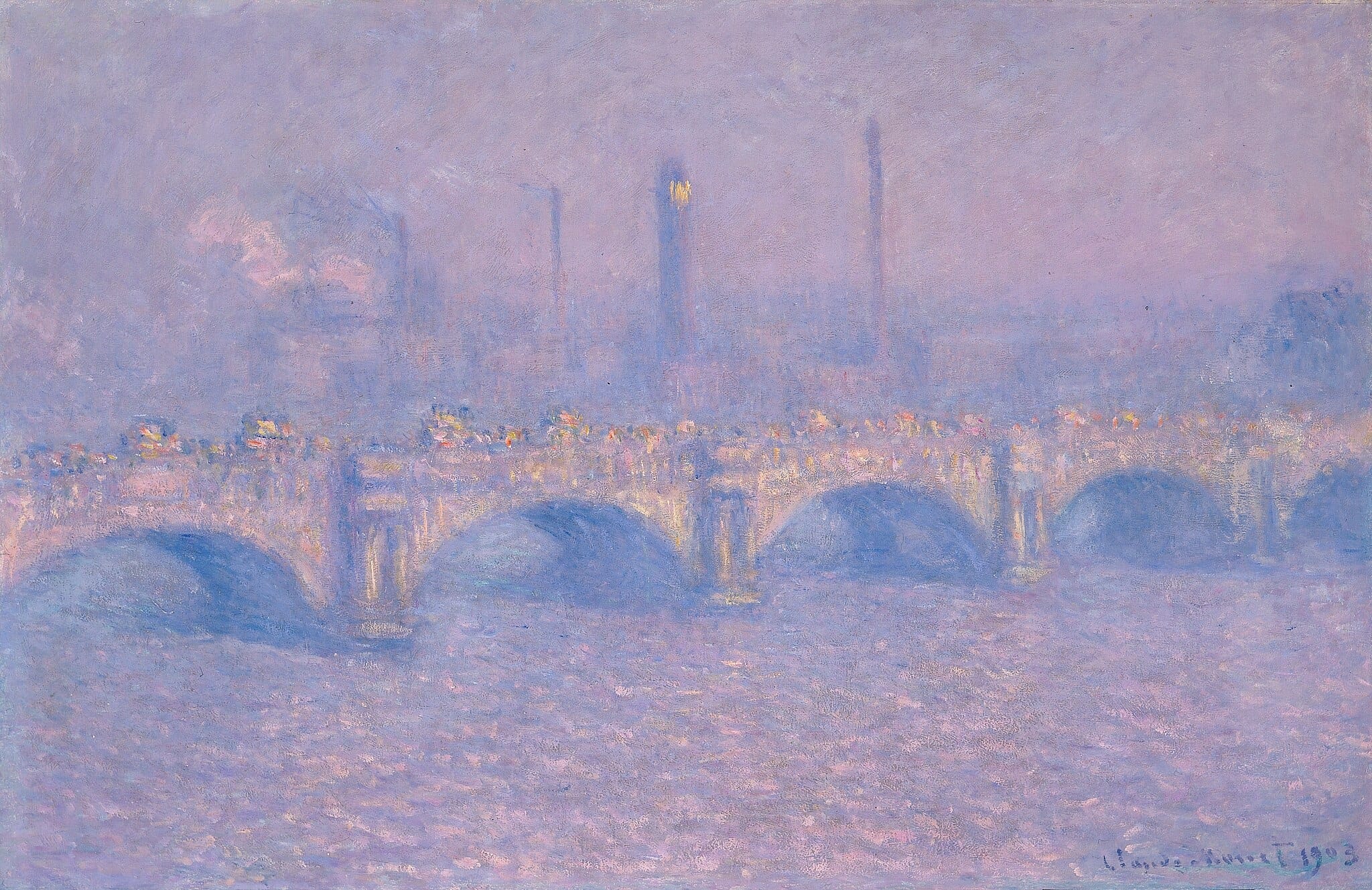
Waterloo Bridge, Veiled Sun
1903
Iconic London series canvas; a MAG highlight and centerpiece of a 2018 conservation and technical study.
Must-see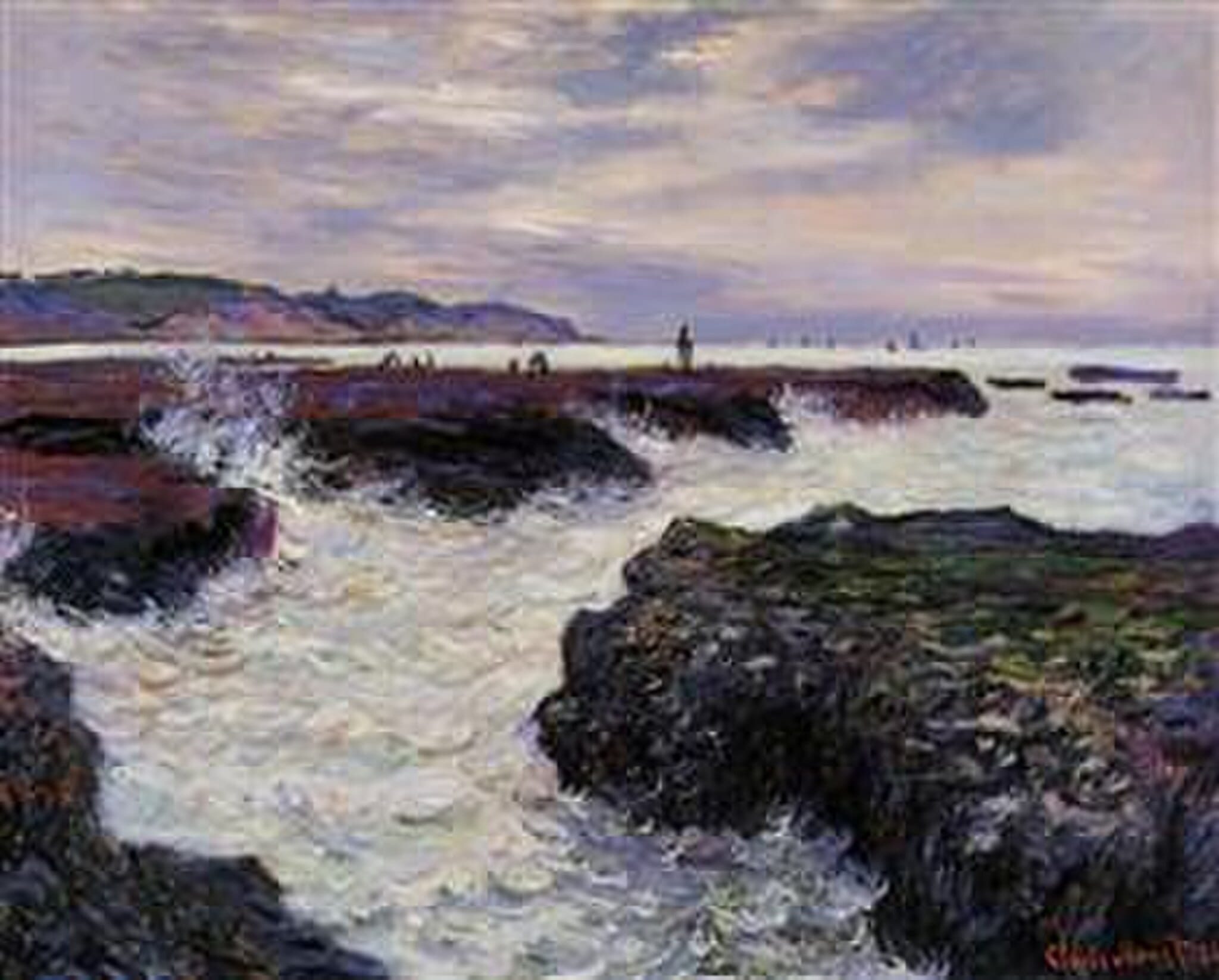
The Rocks at Pourville, Low Tide
1882
Normandy coastal view from Monet’s 1882 Pourville campaign, capturing surf, rock forms, and shifting seaside light.
Must-see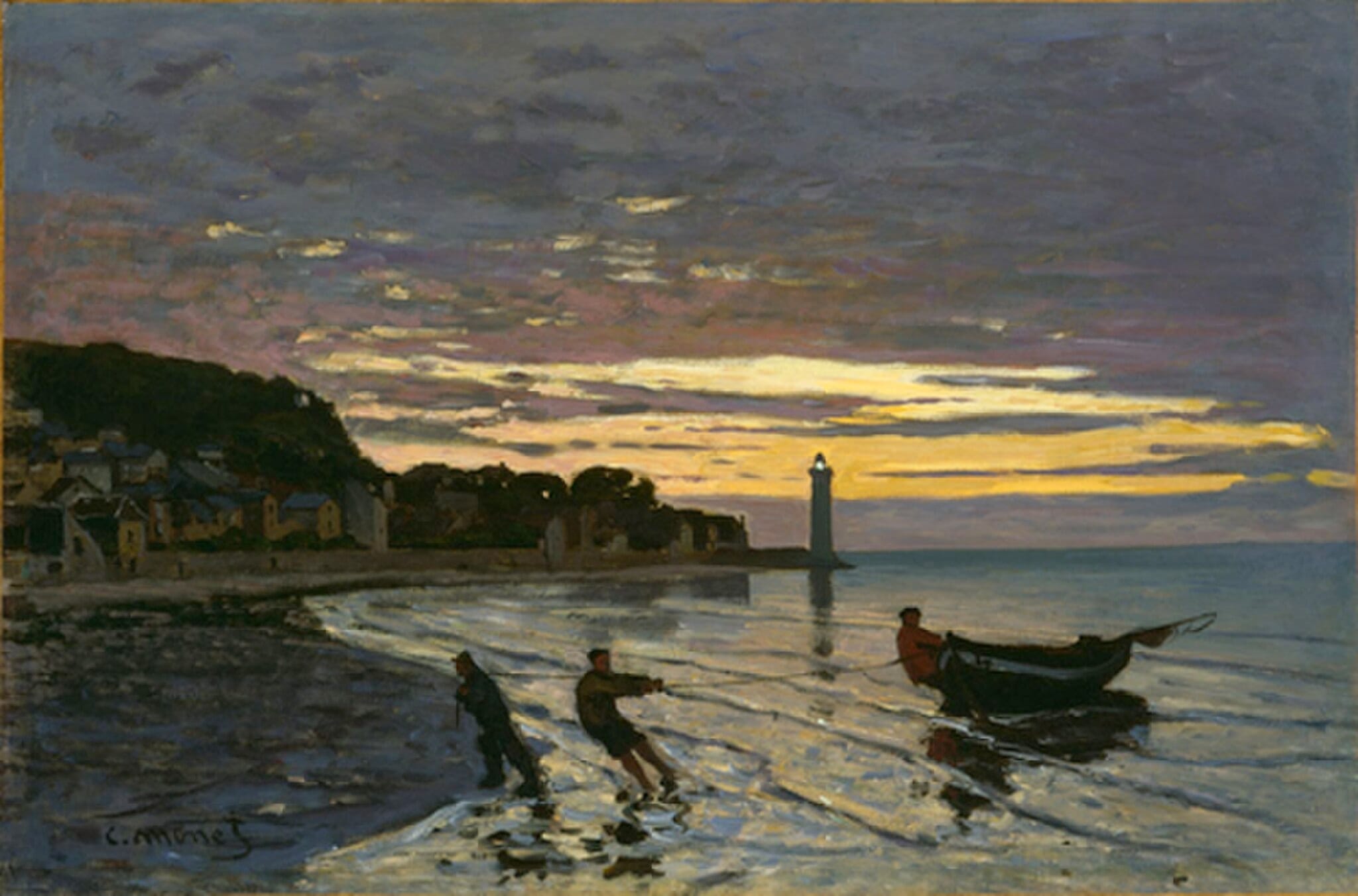
Towing a Boat, Honfleur
1864
Early marine subject from Honfleur, reflecting Monet’s roots in working waterfront motifs and atmospheric effects.
Must-see